


Today we’d like to introduce you to Hollis Hammonds.
Hi Hollis, thanks for sharing your story with us. To start, maybe you can tell our readers some of your backstory.
I grew up in northern Kentucky, south of Cincinnati, Ohio. My parents loved music and sang in the church choir, so it is no surprise that I played the flute in junior high and sang in the choir in high school. My mother volunteered at a local dance studio so I could have ballet lessons, and my father taught me how to use graph paper and a ruler for drawing architectural plans. During the holidays we would put together quirky, free art projects, like wreaths made of plant materials found on our property or patchwork scarves made from recycled clothing. We didn’t have much, but my parents always encouraged my creativity. So, when I decided to pursue visual art in college, they were very supportive. I studied all forms of art (dance, music, costume design, and visual art in undergrad, and after a two year hiatus, I went back to college to get my BFA in Drawing. I went on to graduate school at the University of Cincinnati where my work expanded to include video and installation. At the core of everything was my interest in storytelling, which also came from my father, who was a master at telling stories about his childhood, the war, and his numerous near-death experiences.
I also had some amazing mentors over the years. My H.S. art teacher, and college professors were very influential and gave me the confidence to pursue a career as both an artist and an educator. After graduate school I went directly into teaching drawing and painting classes at local universities, and in 2007 I took a full-time tenure-track job at St. Edward’s University in Austin, Texas. Of course, I continued making drawings and installations and showing my work, but those first few years of teaching were intense, leaving only weekends and the summer months for dedicated time in the studio. So my professional artistic practice was built slowly over many years, eventually leading to more prestigious and ambitious solo exhibitions.
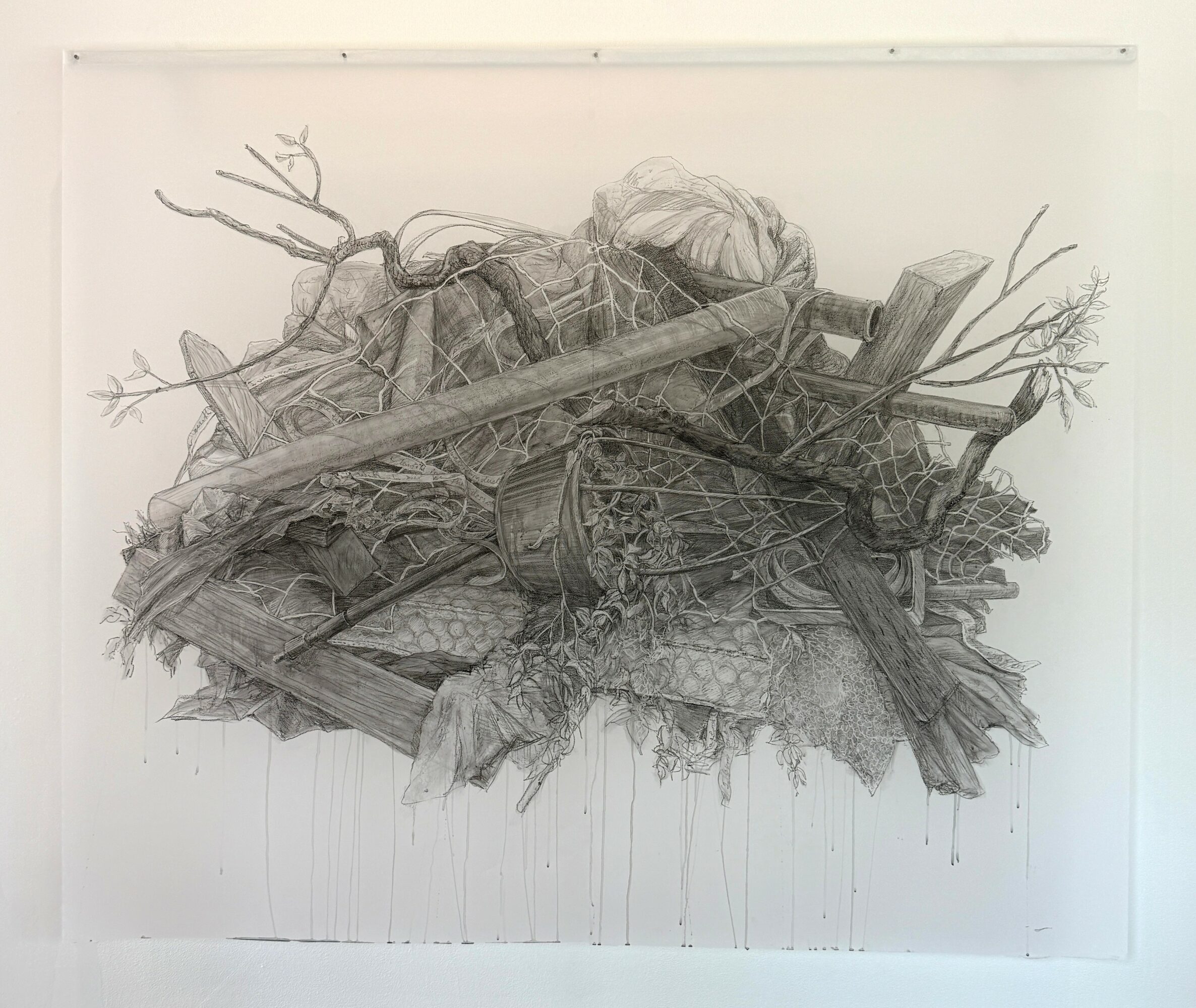
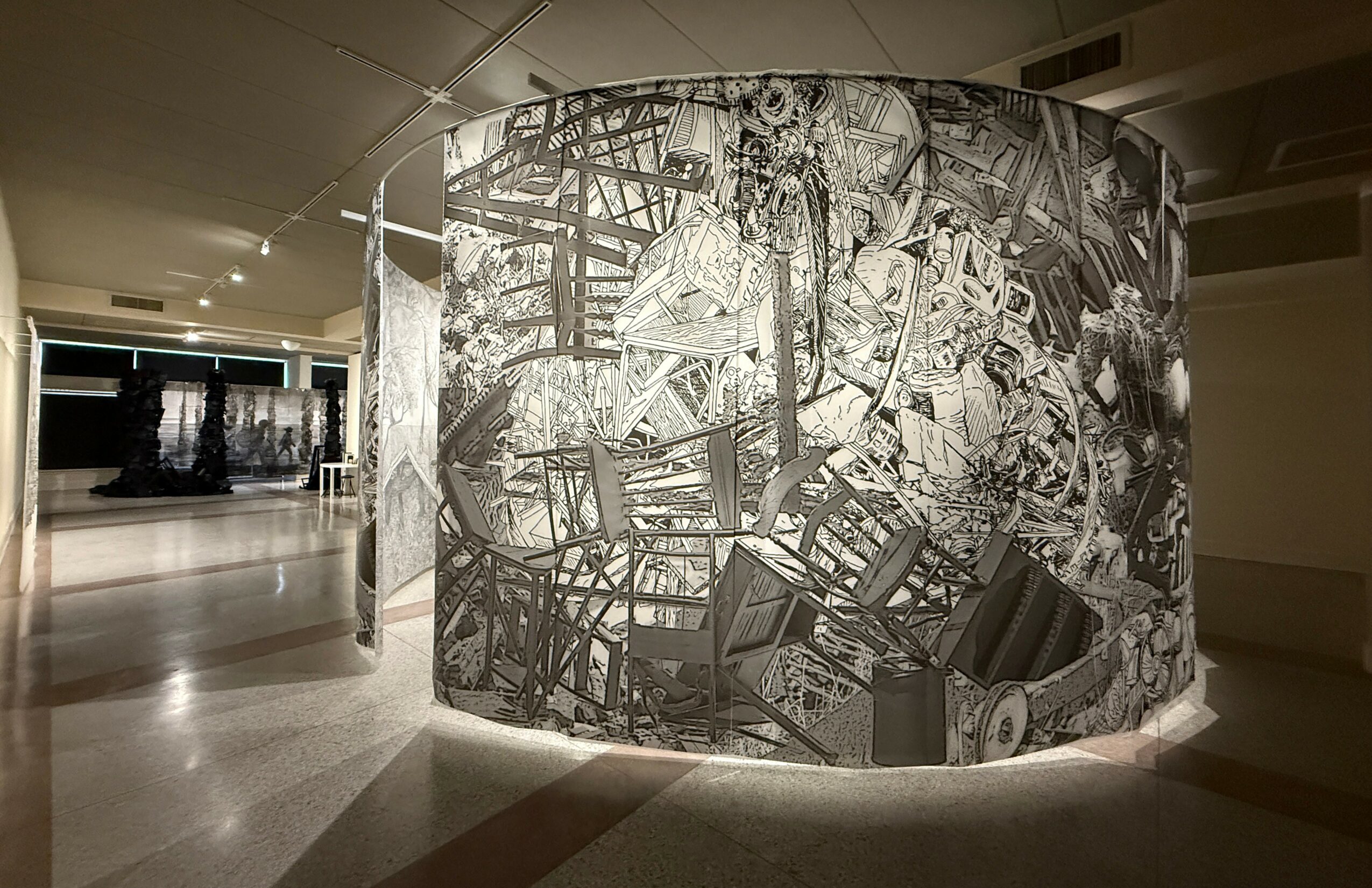
At the end of 2019 I began a collaboration with poet Sasha West, whose work focused primarily on understanding the human impacts on climate change. My own work was highly informed by a fire that burned down my childhood home when I was 15. Piles of burnt objects was a recurring subject in my work, leading to a series of works about natural disasters, and then human-made disasters (war, demolition, gentrification). So, shifting my focus toward the environment was a natural step in my artistic progression.
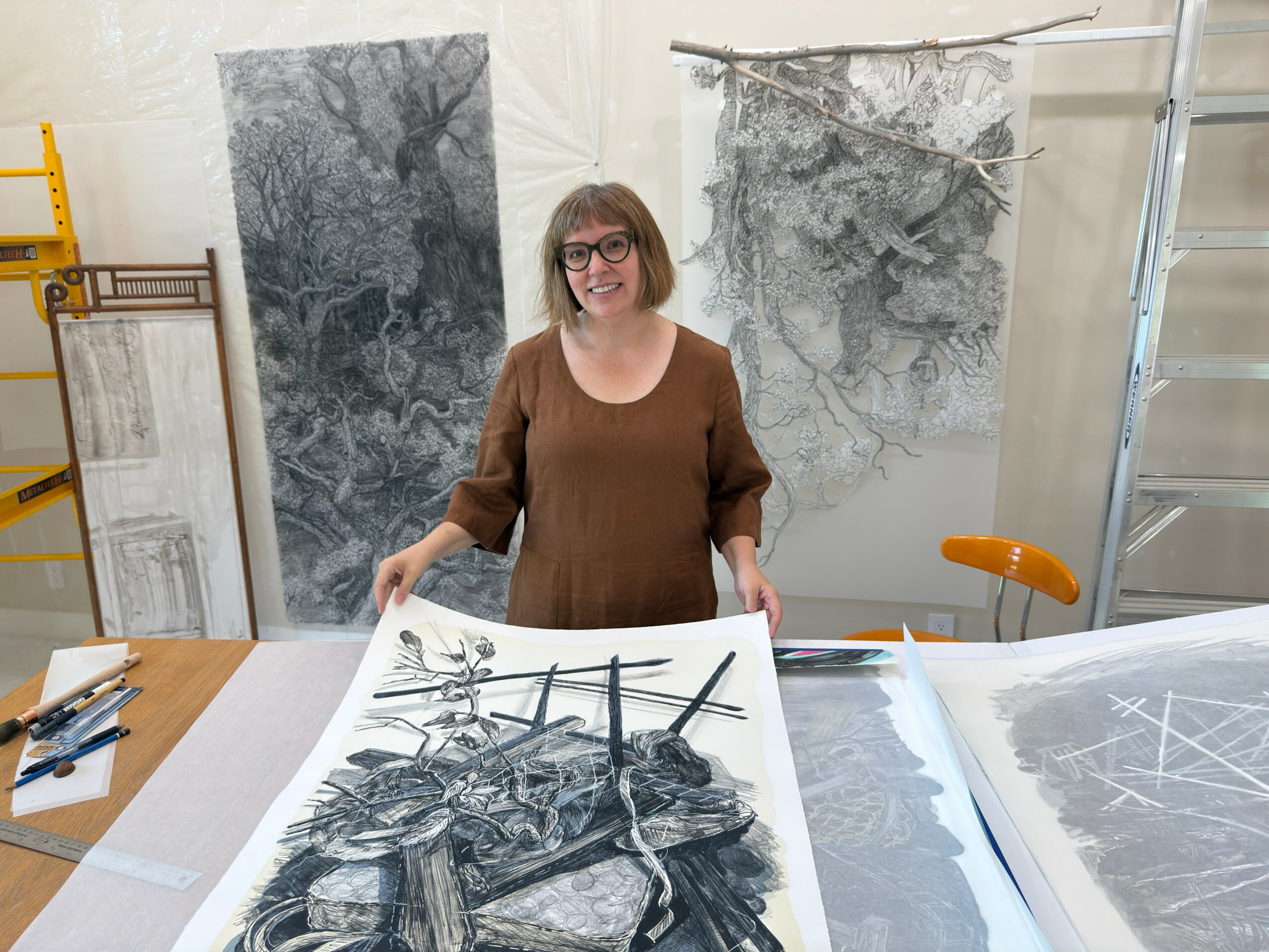
During COVID, my husband (who is a designer) and I were working from home and decided we needed more working space. So, we spent about two years planning and building our dream artist studio which is attached to our home. Having a studio is so important for any visual artist. You need a space where you can truly focus on your creative work, a place for play and experimentation, a place to keep all of your materials and tools, and a place where you can show your work to others. In 2025, I took a new job at Texas A&M University in College Station (about 2 hours from my home) as an Associate Professor of Art & Design in the Visualization program in the School of Performance, Visualization & Fine Art. Working at one of the major research institutions in the U.S. has many advantages (including more support for my creative research and studio practice). This has enabled me to expand the reach of my art, including a recent artist residency and exhibition I had in Vienna, Austria. And… although I do work out of town, I still keep my primary residence and studio in Austin, a city I love.
I’m sure it wasn’t obstacle-free, but would you say the journey has been fairly smooth so far?
There were, of course, many challenges along the way. In fact, I have always considered myself a late bloomer, and very little was ever handed to me. Occasionally, however, I would luck into an opportunity. More often than not, I had little idea what I was getting into when those opportunities arose, but I still charged headfirst into the unknown.
As a child, the one award I could always count on receiving was “Most Improved.” It became something of a running joke, repeating itself year after year. Looking back, though, I realize that award reflected an important truth about who I am. Learning new things, and being willing to embrace the discomfort that comes with learning them, has been a guiding principle throughout my life.
For much of my life, I also felt like an outsider, someone quietly trying to navigate a world that often seemed mysterious and difficult to understand. Over time, I learned that this feeling, what we now commonly call imposter syndrome, is far from unique. In fact, it is remarkably common, especially among people who appear successful or seem to have everything figured out.
Perhaps because of those experiences, I have always found it difficult to say no to opportunities. Even now, my instinct is to say yes. Curiosity, more than confidence, has often been my compass. Time and again, stepping into unfamiliar territory has led to growth, new perspectives, and unexpected possibilities. While I rarely knew exactly where those opportunities would lead, I learned to trust that moving forward into the unknown was often the best way to discover what I was capable of becoming.
Appreciate you sharing that. What else should we know about what you do?
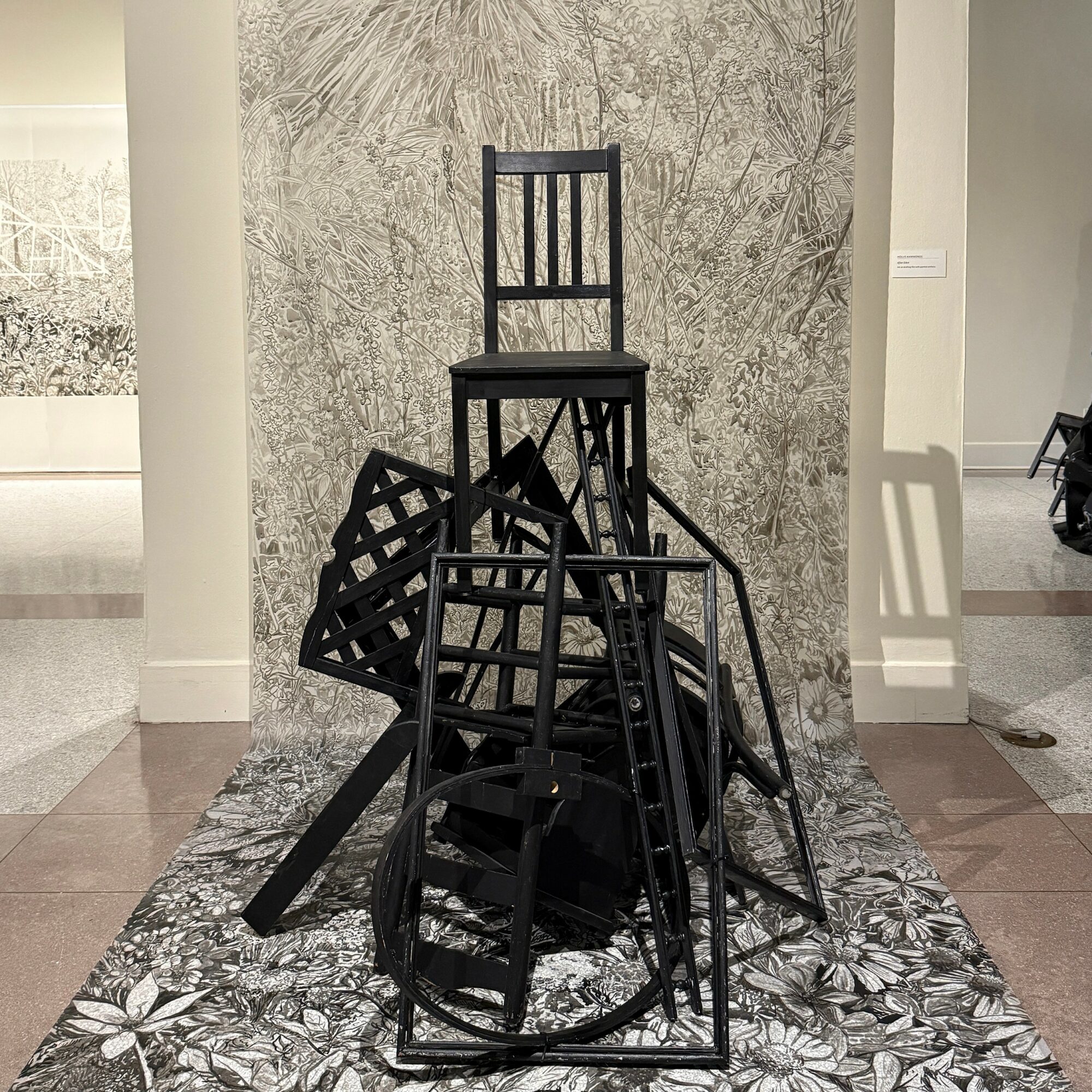
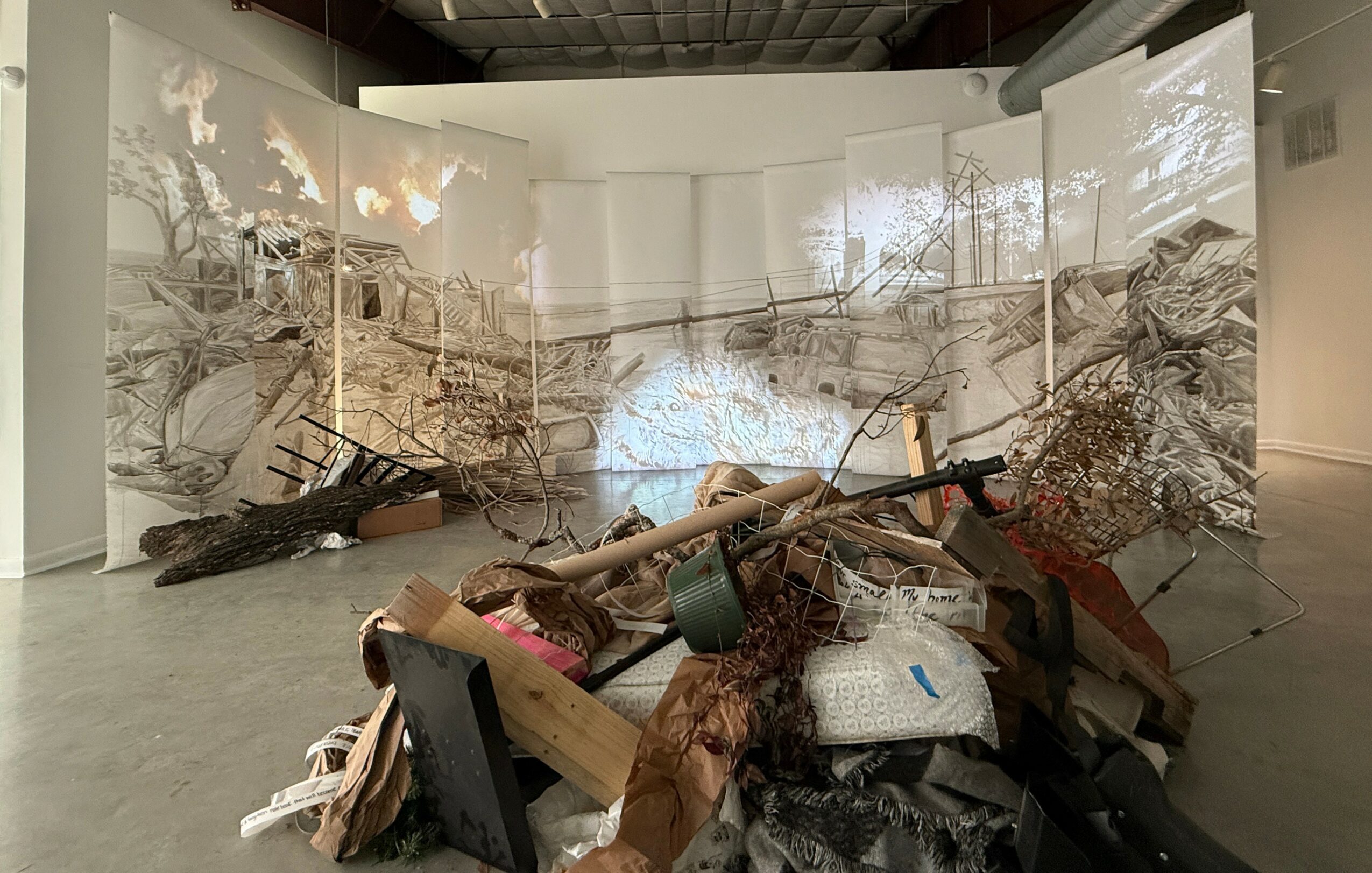
My creative work takes the form of large-scale drawings and installations, often incorporating sound and video. I am interested in forms of collective consciousness that emerge through the accumulation of things, whether discarded objects found on city streets, photographs of debris left behind after natural disasters, or drawings that document my own experiences within a particular place. I am drawn to the layering of images, text, and sound as a means of telling complex and nuanced stories. Through scale, texture, scent, and other sensory elements, I seek to create immersive experiences that engage viewers both intellectually and physically.
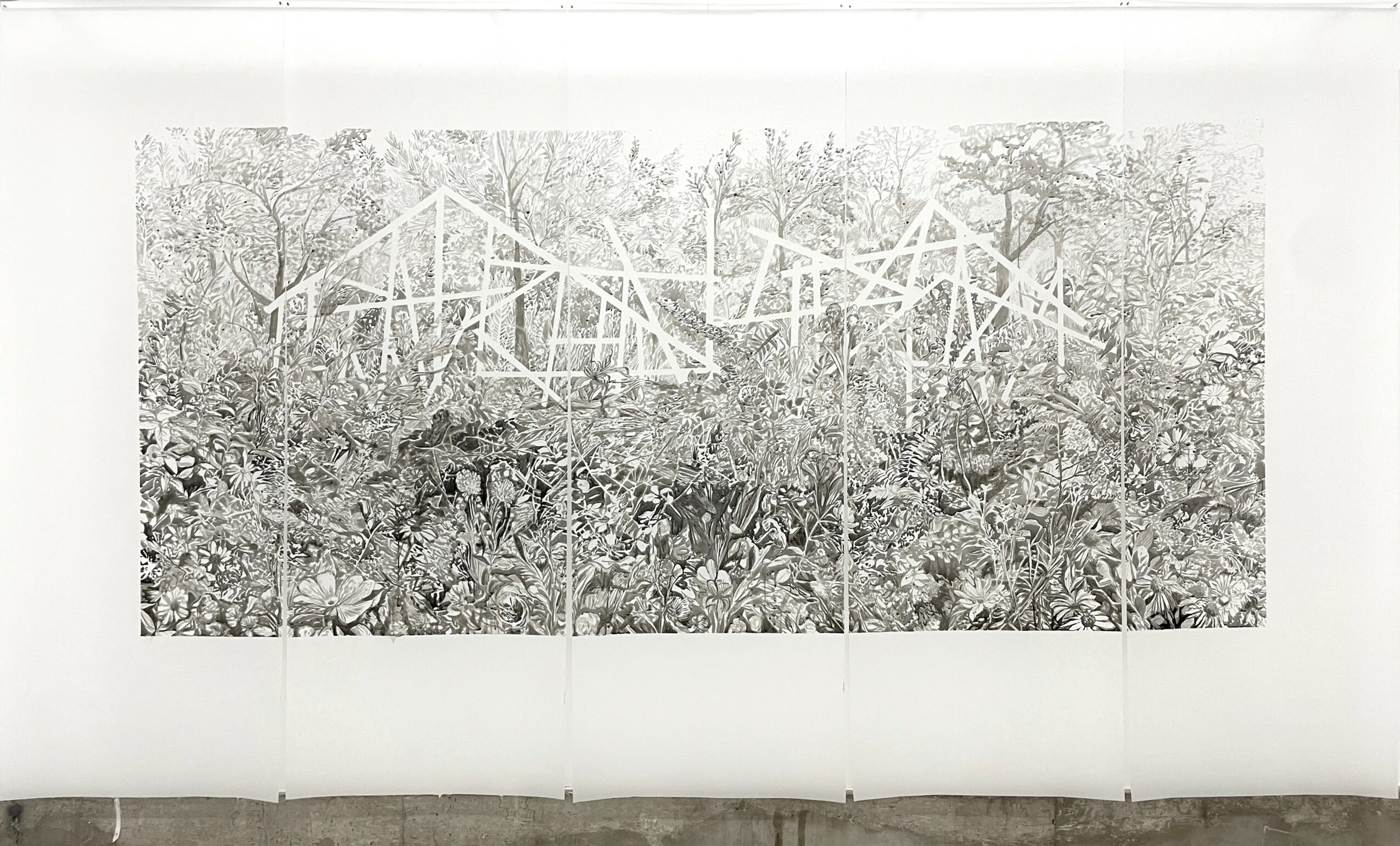
Drawing, in all its forms, remains at the center of my practice. The act of drawing is not only a method of making but also a conceptual framework through which I explore and understand the world. I am fascinated by the visible hand of the artist and by the ways imperfection, often the result of striving for perfection, becomes a powerful vehicle for expression. I am equally interested in how learning to draw fundamentally changes the way we see and engage with our surroundings. I continue to find joy in the simple act of making marks and translating observation into form, and one of the greatest rewards of teaching is witnessing that same sense of discovery emerge in my students.
My work is most often exhibited in alternative spaces, nonprofit galleries and museums, and on college campuses rather than in commercial galleries or art fairs. While I am not opposed to selling my work, I have found the greatest creative freedom in environments that prioritize experimentation and trust artists to take risks. These spaces encourage new ideas, support ambitious projects, and allow me to create work that might not otherwise be possible within more market-driven contexts.
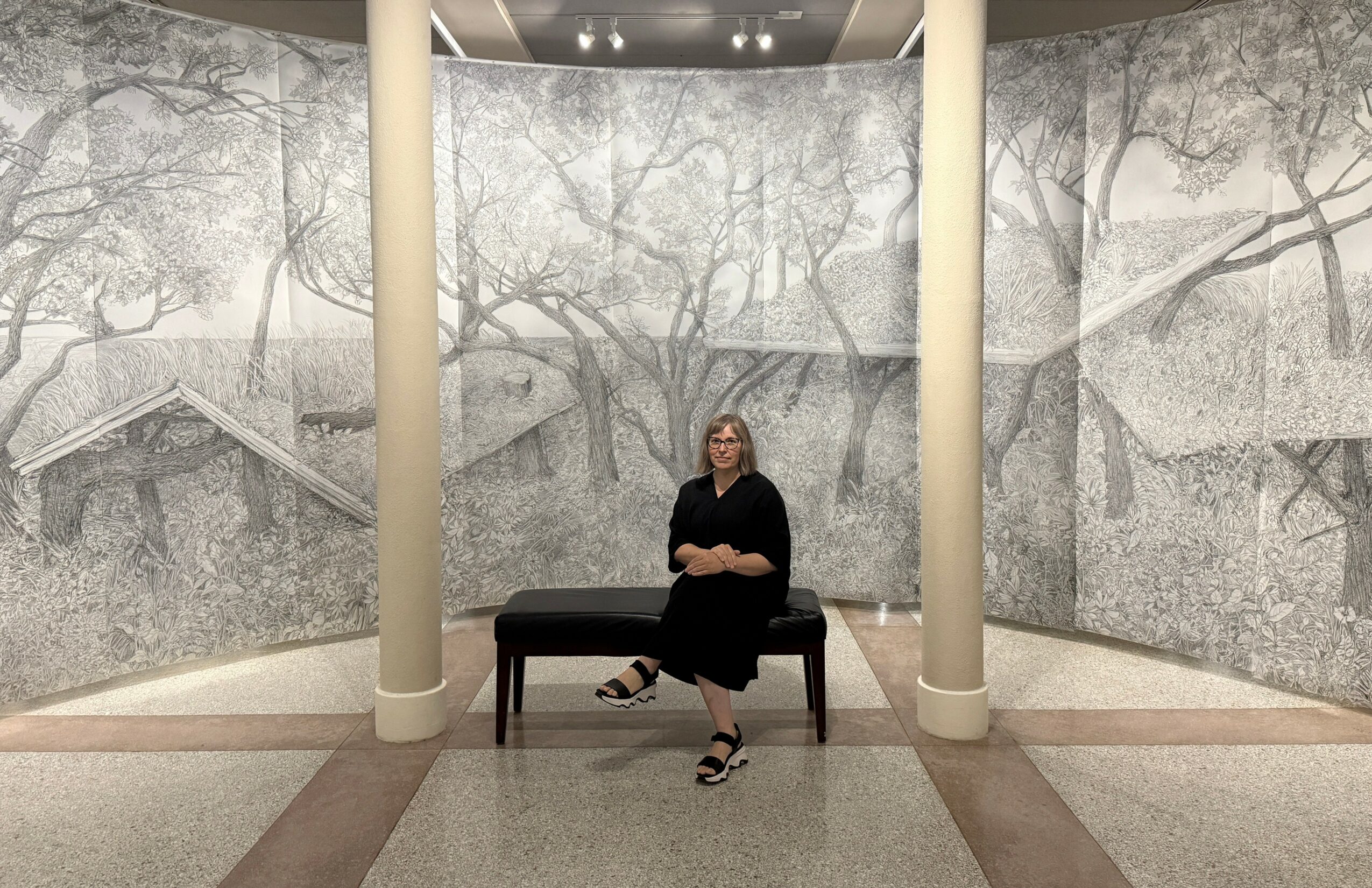
Recent exhibitions exemplify these interests. At The Grace Museum in Abilene, Texas, I presented The Great Turning, an expansive exhibition that included two large-scale installations created in collaboration with poet Sasha West, alongside new drawings, sculptures, collages, and wall installations developed during my year-long sabbatical. Working closely with curator Judy Tedford Deaton, I helped imagine a space where visitors could become immersed in nature, surrounded by detailed drawings, a sculptural forest, and spoken poetry that invited contemplation of our place within the natural world. The exhibition explored climate grief not as an endpoint, but as a pathway toward restoration, reflection, and renewed responsibility.
In the collaborative exhibition The River Entered My Home, presented earlier this year at Art League Houston, visitors encountered floods and fire through layered imagery, video, sound, drawing, and sculptural accumulations of debris. Balancing beauty with sensory experience, the work encouraged viewers not only to consider environmental crisis intellectually but also to feel and perhaps internalize their own relationship to it. Through immersive installations and collaborative storytelling, the exhibition sought to create an emotional space where environmental concerns could be experienced as both personal and collective.
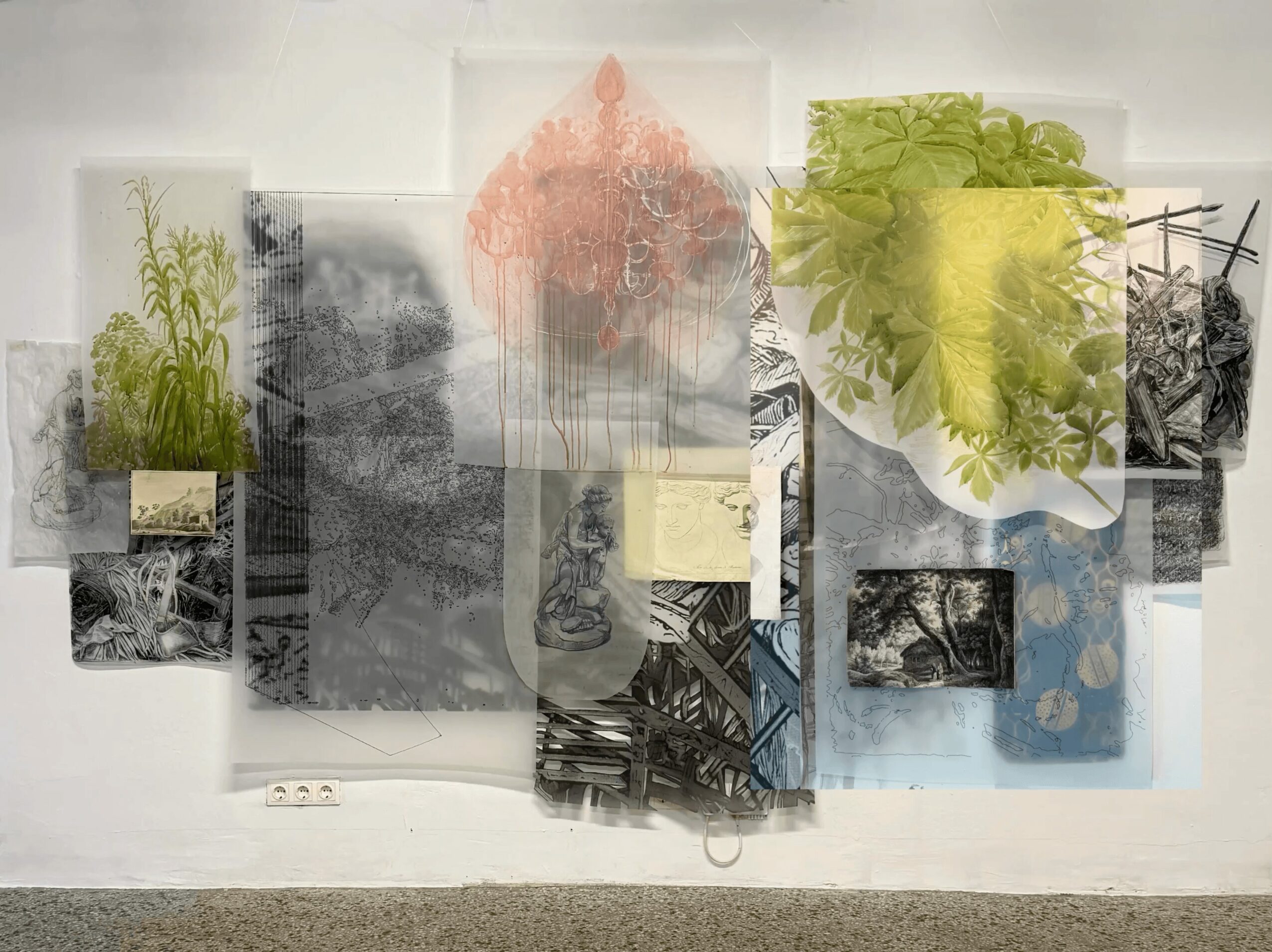
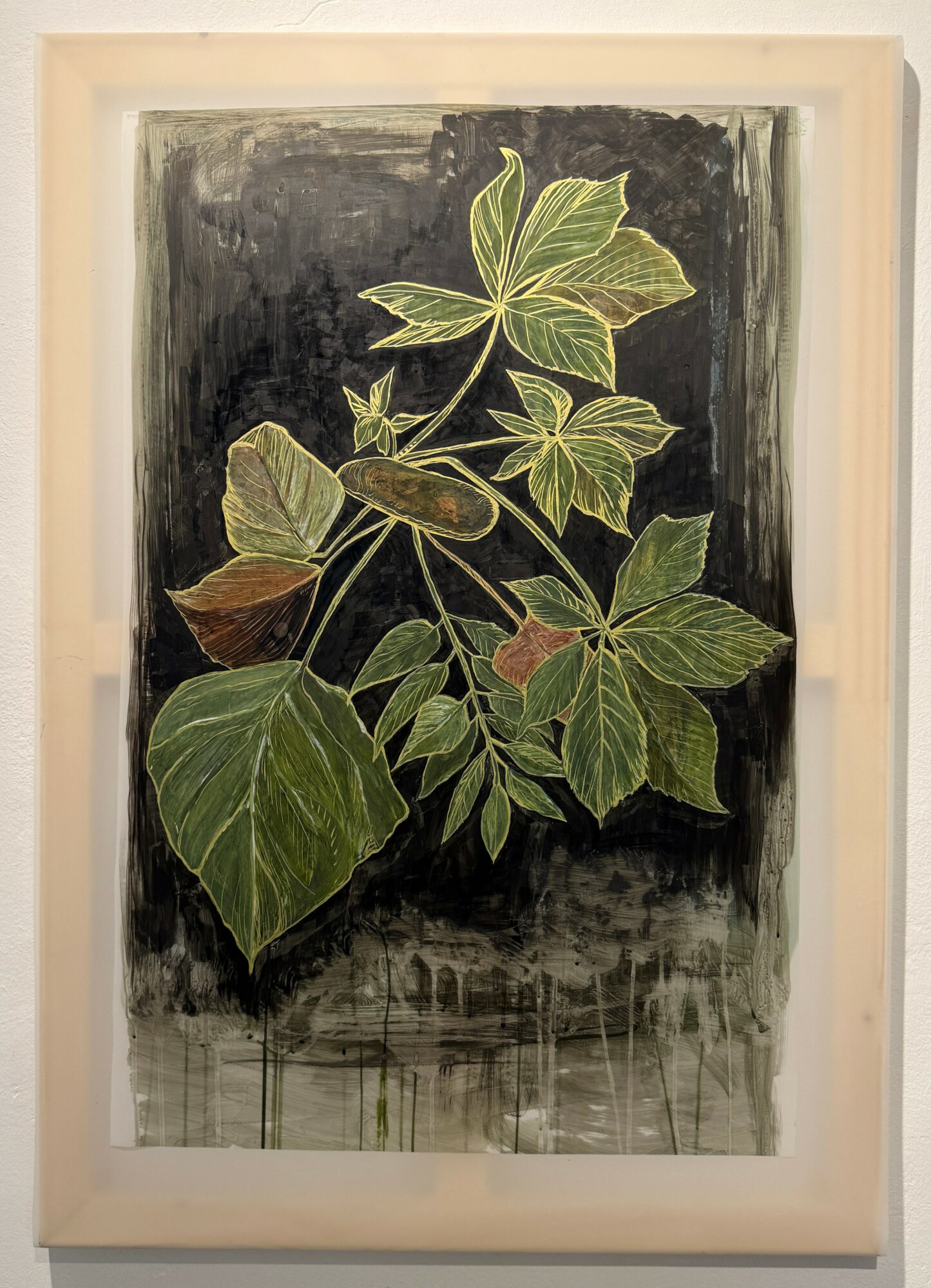
Most recently, I traveled to Vienna, Austria, to participate in an artist residency at SOON Art Studio. Motivated in part by a desire to connect with one of my ancestors, I discovered a city where art, history, and contemporary life coexist in striking and unexpected ways. I was particularly drawn to the seamless layering of old and new, as well as the integration of nature into the urban environment. In response, I created a series of colorful ink drawings documenting my month-long experience. These works were combined with black-and-white drawings of accumulated debris, lithographic prints depicting landscapes in ruin, and rubbings of textures and patterns collected throughout the city. The resulting body of work culminated in a large-scale wall installation filled with color, gesture, and diverse imagery. By layering multiple forms of visual information, I sought to capture the complexity of place, memory, and experience that defined my time in Vienna.
Risk taking is a topic that people have widely differing views on – we’d love to hear your thoughts.
I love the unknown when it comes to my own artmaking, which is somewhat ironic because in my professional life I tend to be a worrier, constantly considering what might go wrong and carefully planning the elements that are within my control. In the studio, however, risk-taking is built into my process. I intentionally leave room for uncertainty and discovery. While I may begin with a loose sense of direction, informed by my ongoing interests and concerns, I rarely want a fully formed vision of the final outcome or a precise roadmap for how to get there. The act of making is, for me, a process of exploration, and some of the most meaningful discoveries emerge from unexpected turns along the way.
An example of this approach is my upcoming residency at the Torrance Art Museum near Los Angeles, California. As part of STUDIO SYSTEMS, an exhibition that remains completely open to the public throughout its duration, each participating artist is provided with a wall, a table, and a chair and is asked to create entirely new work on site. Artists work in full view of visitors, engaging in conversations while simultaneously developing their projects. Many of my colleagues would find the prospect of making work under constant observation intimidating, but I am excited by the challenge and curious about how such an environment might shape the work that emerges.
This is precisely the kind of risk that energizes me. I am drawn to situations that place me in unfamiliar environments and require me to adapt, improvise, and remain responsive throughout the creative process. New places, new audiences, and new constraints often become catalysts for unexpected ideas. Rather than viewing uncertainty as an obstacle, I have come to see it as an essential part of artistic growth, one that keeps my practice alive, evolving, and open to possibility.
Pricing:
- Available works are listed on my Artwork Archive Profile: https://www.artworkarchive.com/profile/hollis-hammonds
Contact Info:
- Website: https://www.hollishammonds.com
- Instagram: @mynameishollis
- Other: https://www.artworkarchive.com/profile/hollis-hammonds