


Today we’d like to introduce you to Subramanian PV.
Hi Subramanian, please kick things off for us with an introduction to yourself and your story.
Hi. I am Subramanian PV (PV) and I run a portrait studio, www.posterityportraiture.com
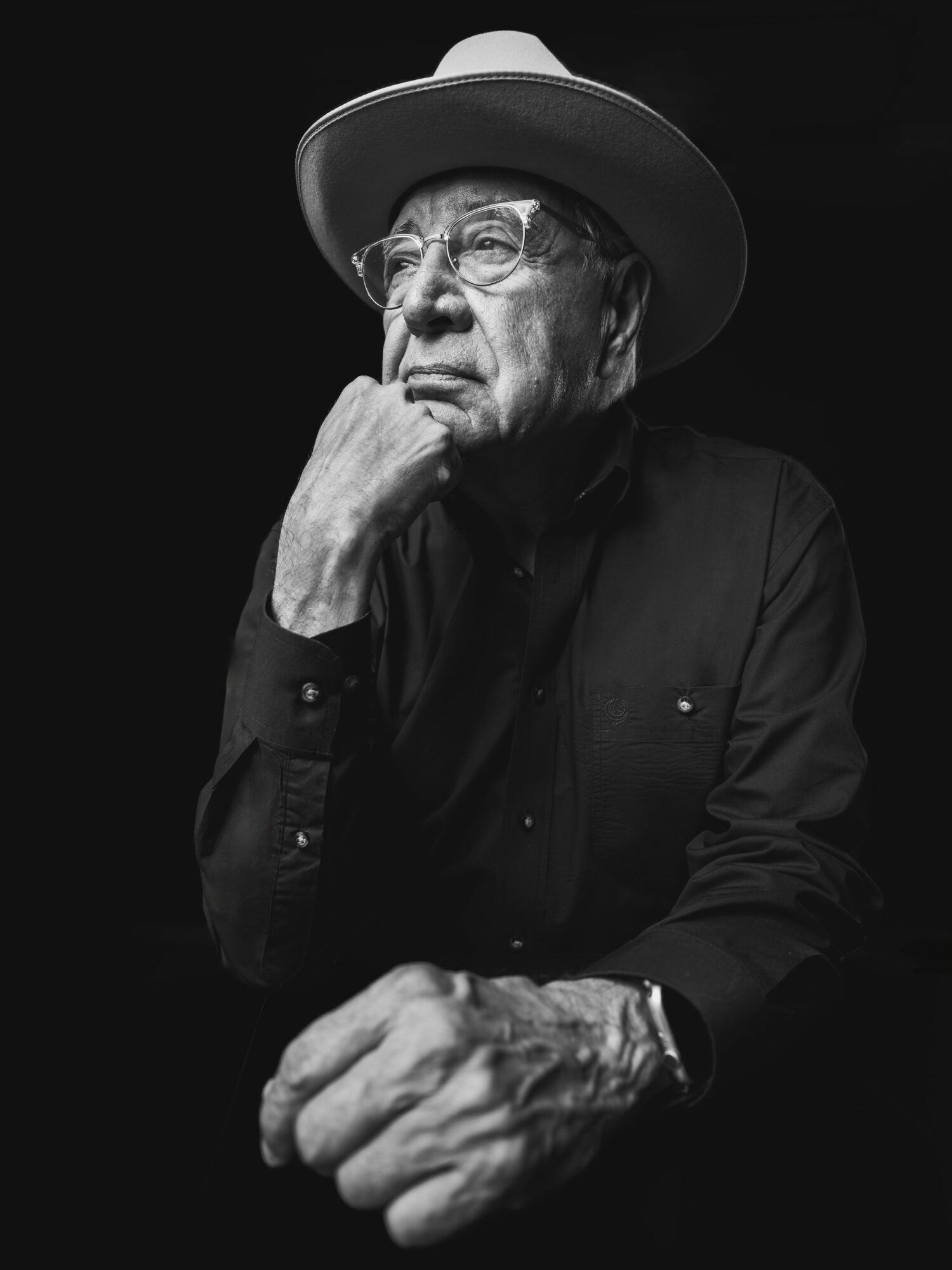
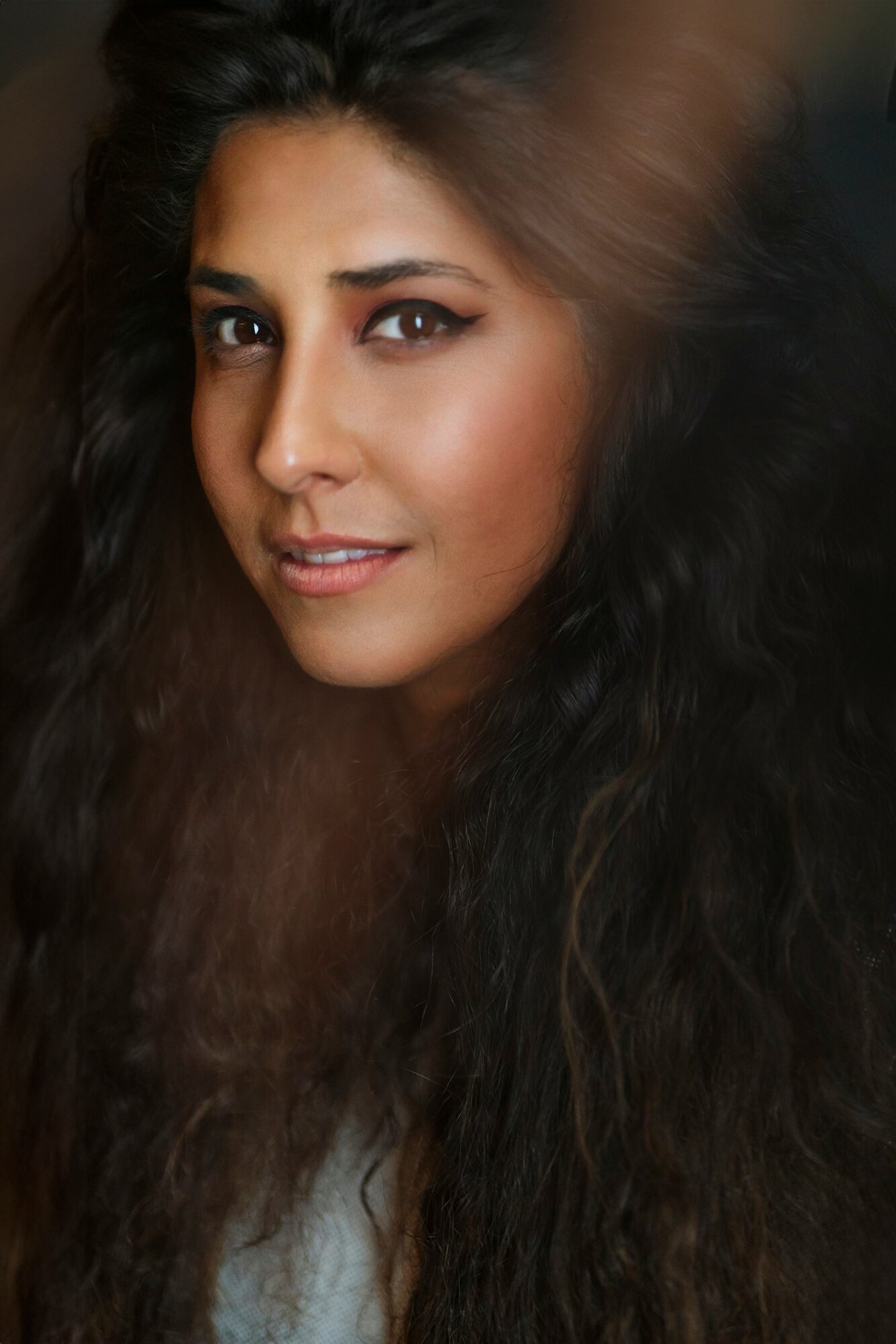
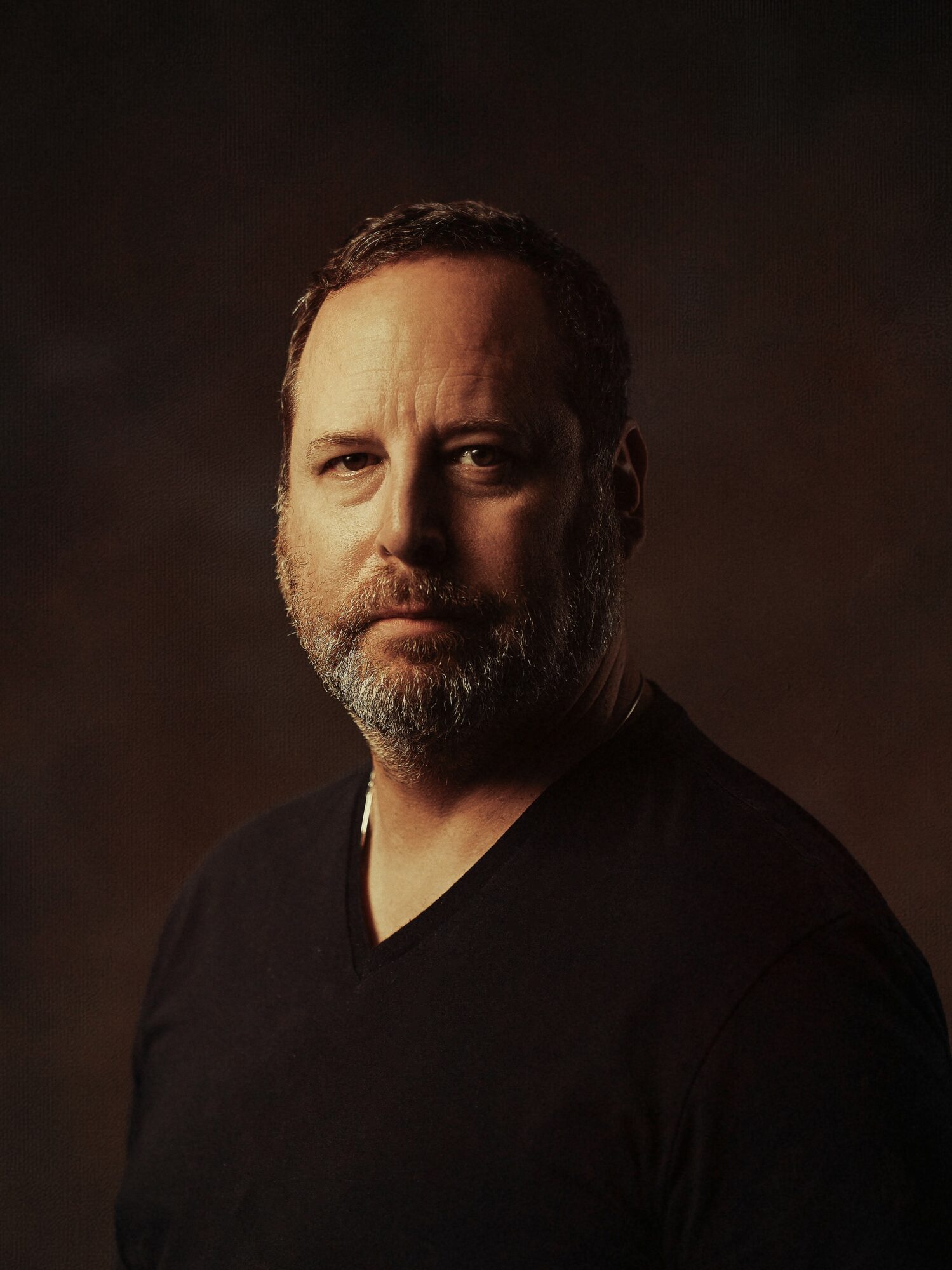
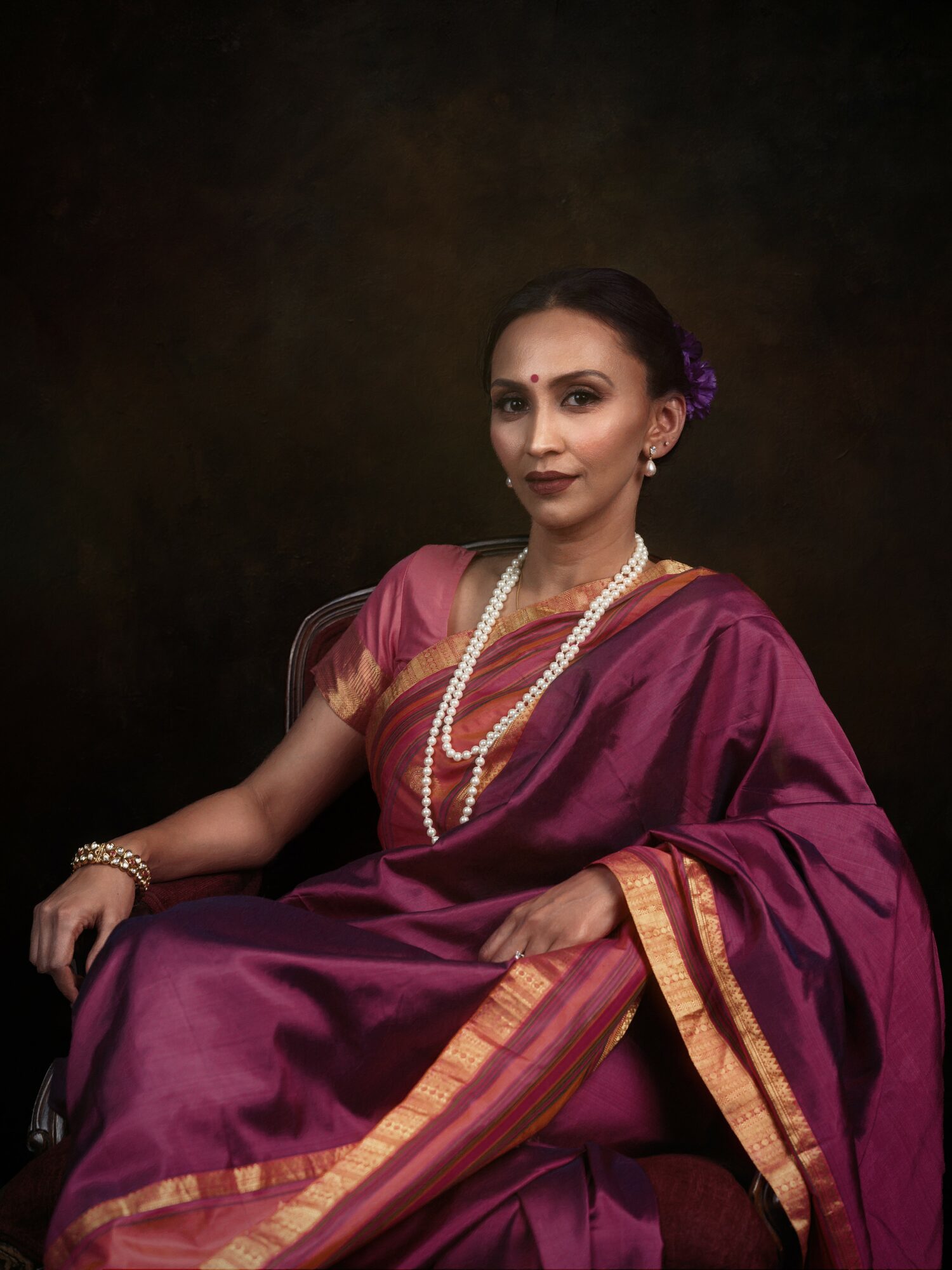
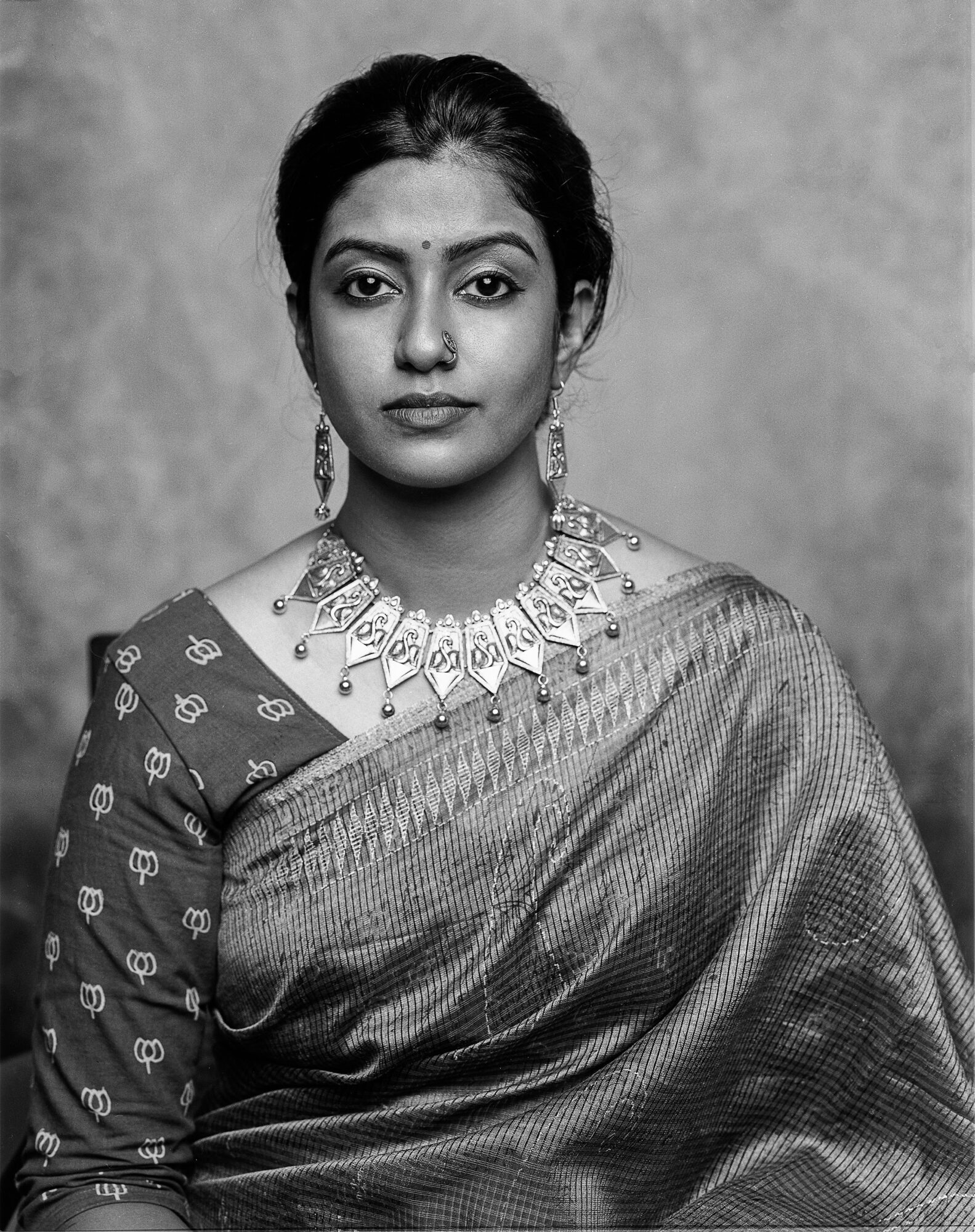
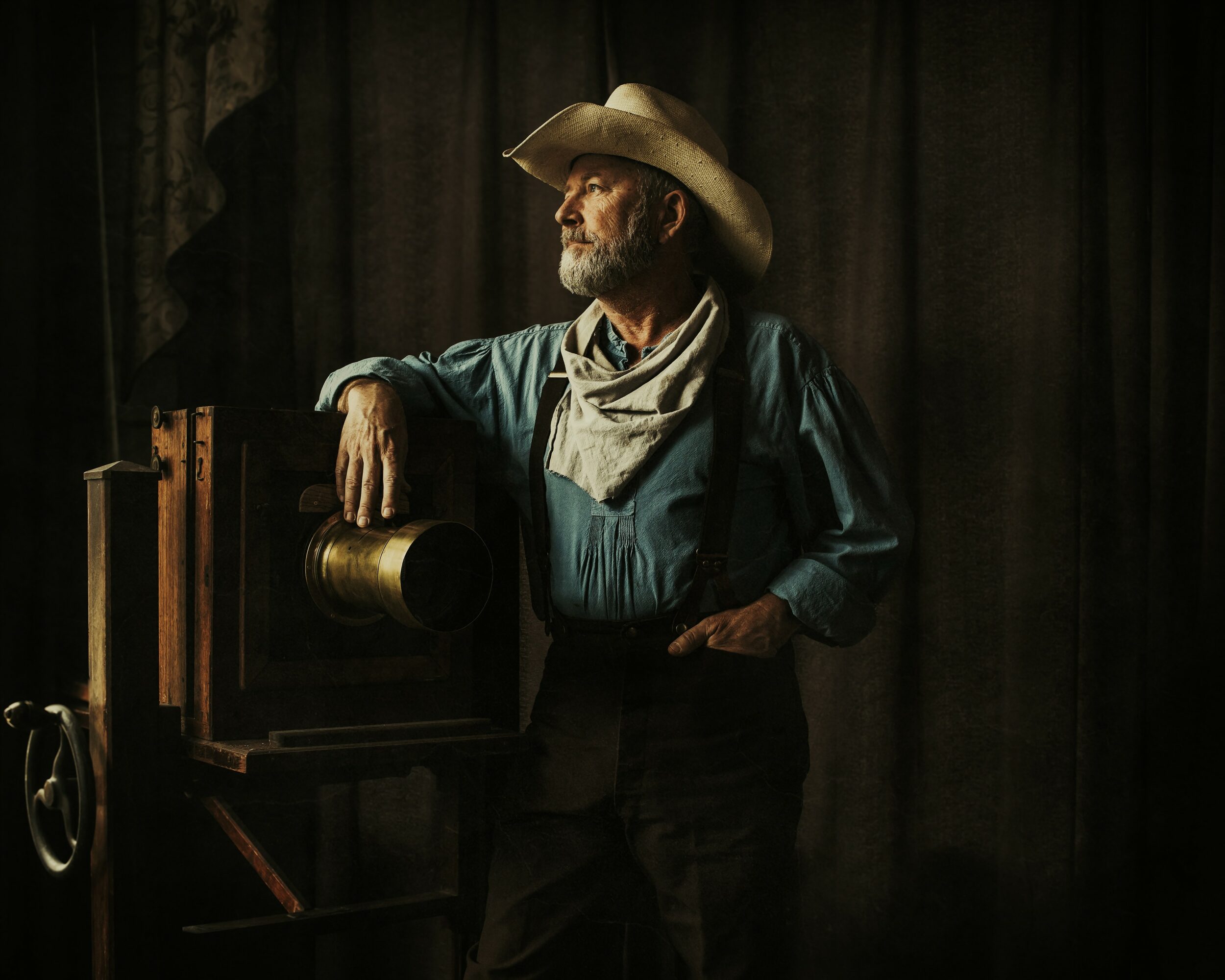
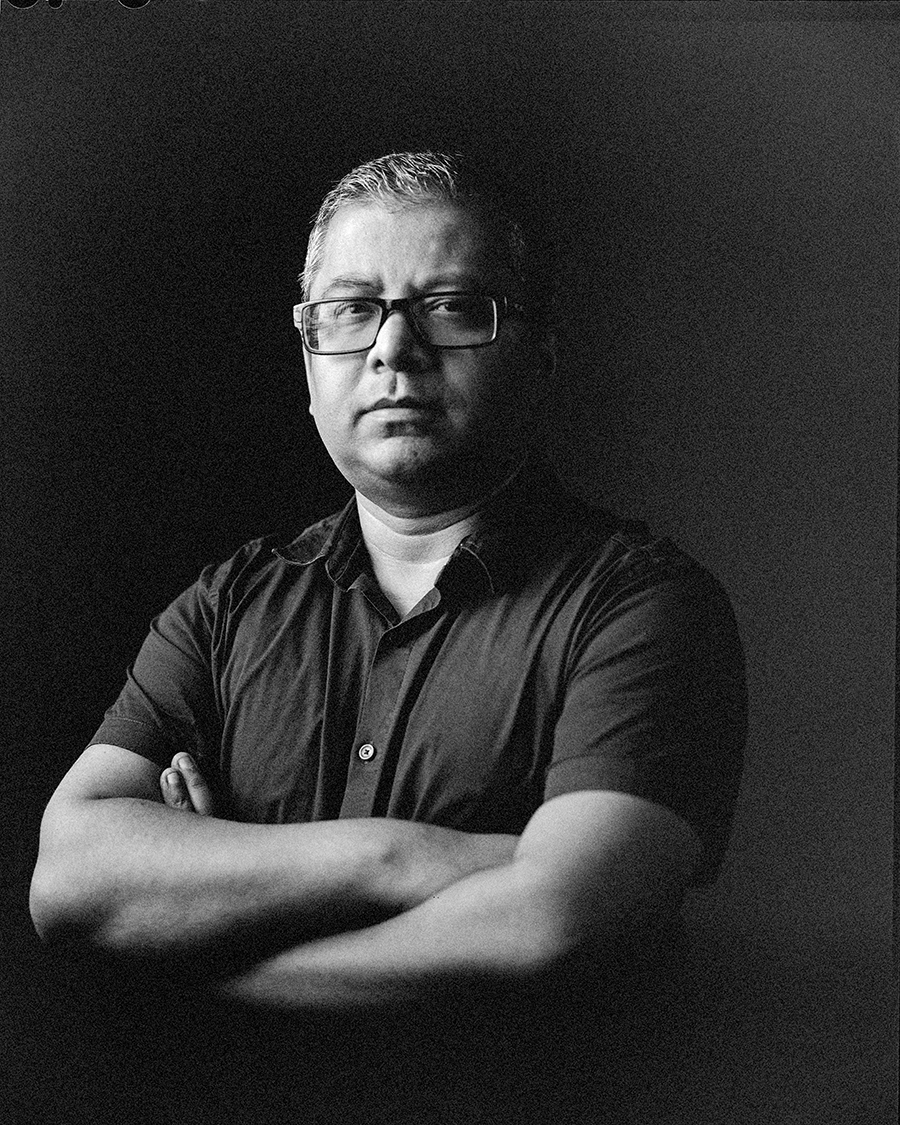
What is different about this studio is that I believe that ‘your legacy deserves permanence’ so after I photograph, your portrait is printed in archival quality (read lasting for centuries). It could be printed as a digital pigment ink print or completely by hand as a Platinum Palladium or Carbon Transfer print. Now that, is not something you see often.
It started in 1988. I was 14, holding a small point-and-shoot film camera, with absolutely no idea I’d still be doing this — in some form or another — nearly four decades later.
What followed were hundreds of rolls of film through teenage. Few landscapes, some street scenes — but a lot of people. I was hooked on portraits before I even had language for why. It was the connection. The conversation before the shutter clicks. The way someone’s face changes the moment they stop posing and start actually being present with you. I was chasing that, roll after roll, long before I understood what I was chasing.
Digital came along in the early 2000s, I adopted it. But — and this will surprise no one who’s met me — I never actually let go of film. While the rest of the world was busy being thrilled about megapixels, I was falling deeper down a different rabbit hole: medium format, large format, developing my own negatives, then silver gelatin printing in a darkroom that smelled equally of chemistry and obsession.
That rabbit hole had a bottom, and it turned out to be Platinum Palladium Printing.
I still remember the first time I pulled a Platinum print and just stood there looking at it. It wasn’t just the image — it was the tonality. The texture. The strange, almost organic way the print felt more like an object than a photograph. And underneath all of that, the permanence — the knowledge that this print, made with metal instead of ink, wasn’t going anywhere. Not in my lifetime, not in my grandchildren’s. That combination — portraiture and permanence — is where Posterity Portraiture was born. My portrait studio and archival printing is really just the vehicle for an idea I’d been circling for years without knowing it.
Now, I’ll be the first to admit — platinum palladium is a black-and-white process, and monochrome isn’t everyone’s cup of tea (though it should be, but I’m biased). So the studio also works in Carbon Transfer and archival pigment printing on cotton rag paper, for clients who want color — without giving up an ounce of that same permanence. Different processes, same obsession.
We all face challenges, but looking back would you describe it as a relatively smooth road?
I have been a wedding photographer for over 15 years and still shoot weddings but my long awaited Portraiture business is just launching.
The biggest challenge I foresee is in initiating prospective clients on what is truly an ‘archival print’, why and how it is made and the importance of permanence. In this digital and AI dominated world this is going to be a departure and aberration.
The value proposition is top notch but it might take time to make people appreciate it as connoisseurs are few.
Thanks for sharing that. So, maybe next you can tell us a bit more about your work?
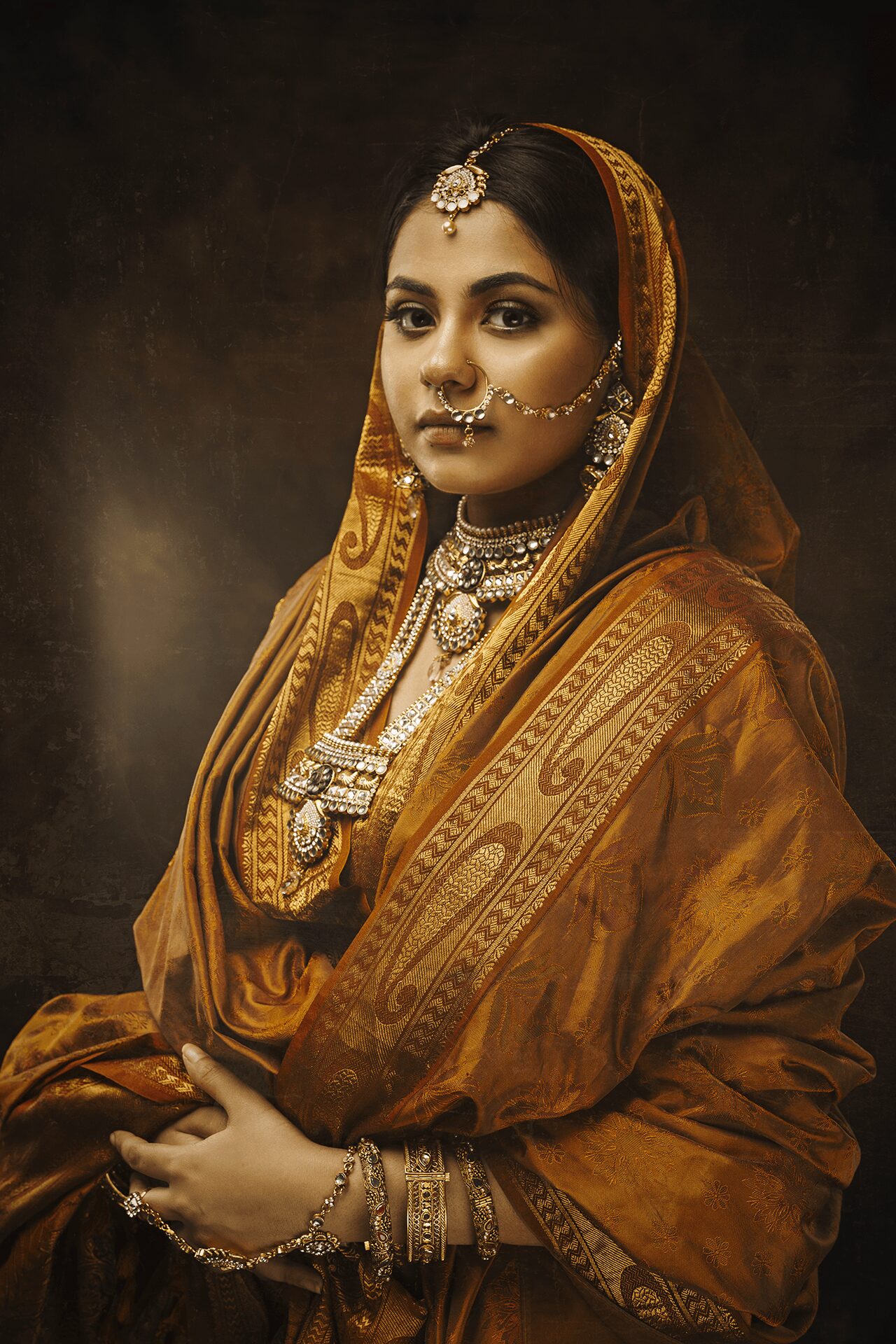
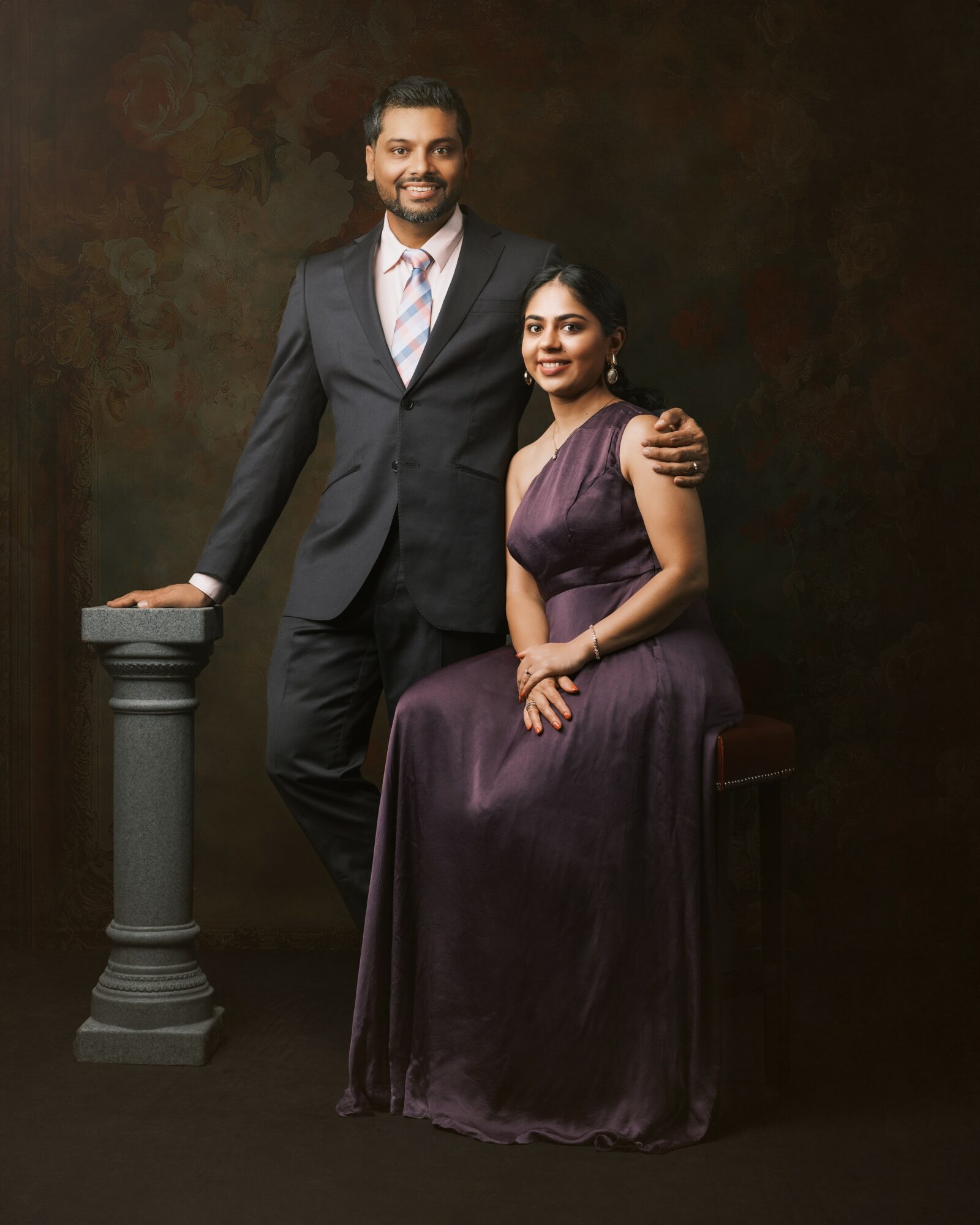
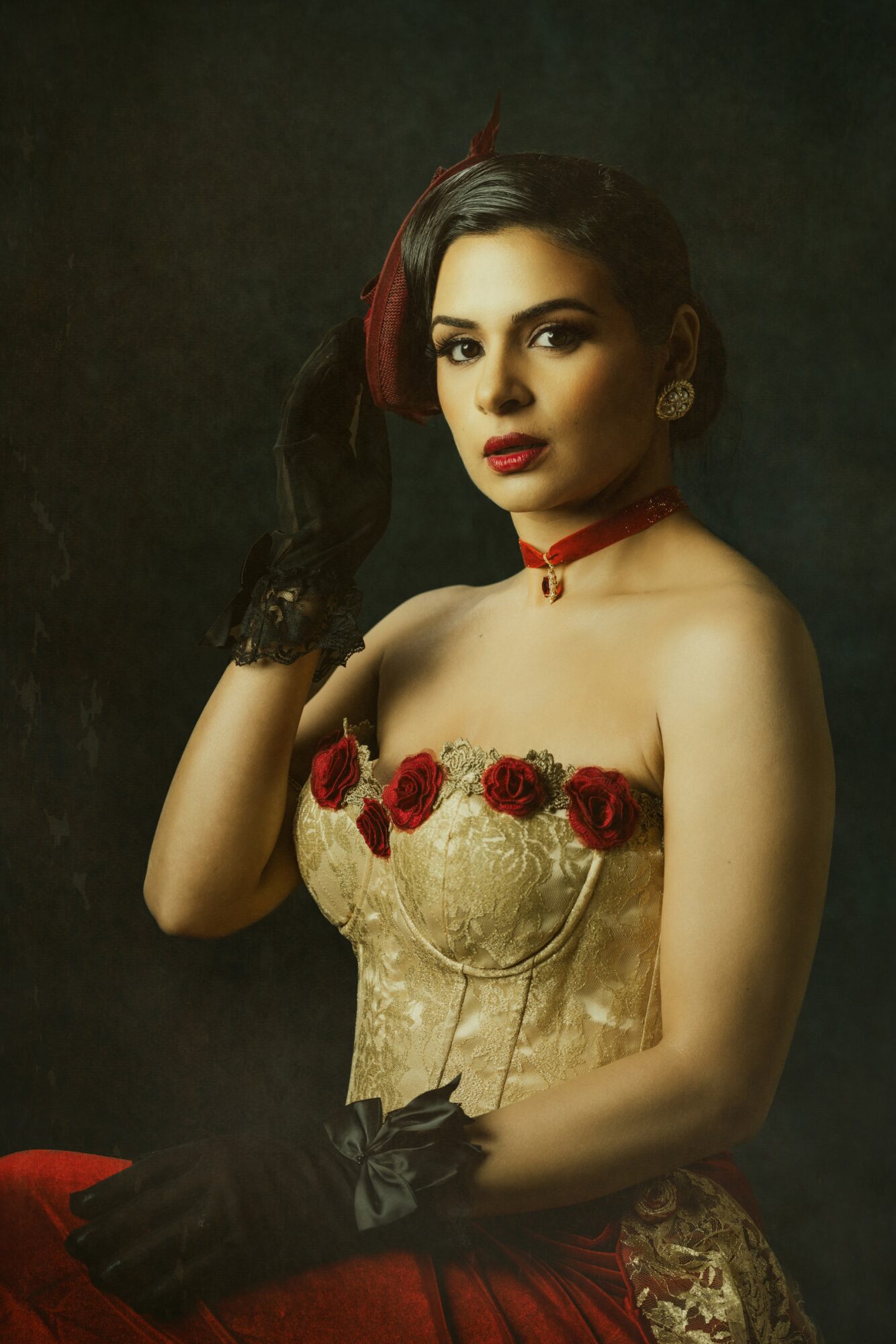
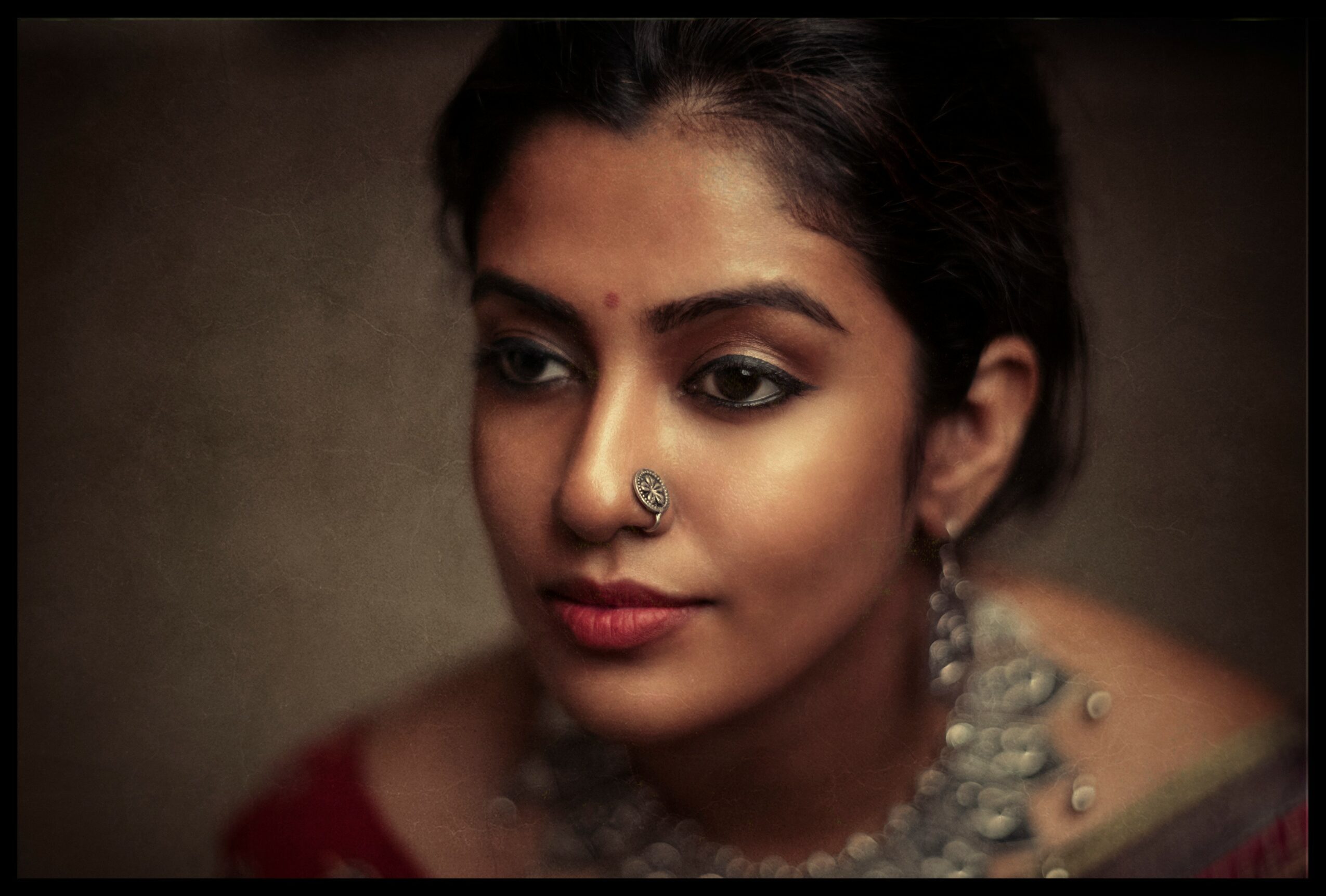
Posterity Portraiture is a portrait studio. Every photographed and selected portrait is printed as an everlasting print, framed and installed on your wall.
What sets the work apart is the outcome: each portrait is printed using archival analog and/or digital printing processes of your choice built for permanence, so the piece you commission is made to last for generations.
We work with clients commissioning portraits for:
A family gallery wall — portraits of parents, children, or the whole family, sized and printed to work together
A milestone — weddings, anniversaries, new grandchildren, retirements, photographed and printed to mark the occasion permanently
A standalone legacy portrait — a single sitting, created as a piece meant to be handed down.
How the Commission Works
Conversation — we talk through the subject, the occasion, and the wall it’s meant for
Consultation — about the theme, costume, make up, hairdo and props and postures
The session — a guided portrait sitting, photographed on digital or film
Process selection — we recommend the archival print process best suited to the image and the space
The print — produced individually, by hand, as the final piece meant to hang for generations
What you get
A guided portrait session, photographed specifically for this piece
Individually produced archival print
Choice of process for your image and space (see Permanence for details)
Guidance on sizing, framing, and placement
Certificate of authenticity / archival grade documentation
Installation
If you had to, what characteristic of yours would you give the most credit to?
For me it is all about the experience. I want the client to see this as an opportunity to create something to hand over to the next generation. For that to happen the product has to be truly everlasting and that takes a lot of knowledge, craftsmanship, patience and ability to execute for customer delight.
These are the key ingredients for success in creating legacy art.
Contact Info:
- Website: https://posterityportraiture.com
- Instagram: https://www.instagram.com/posterityportraiture/
- Facebook: https://www.facebook.com/profile.php?id=61592546964856
- Youtube: https://www.youtube.com/@posterityportraiture