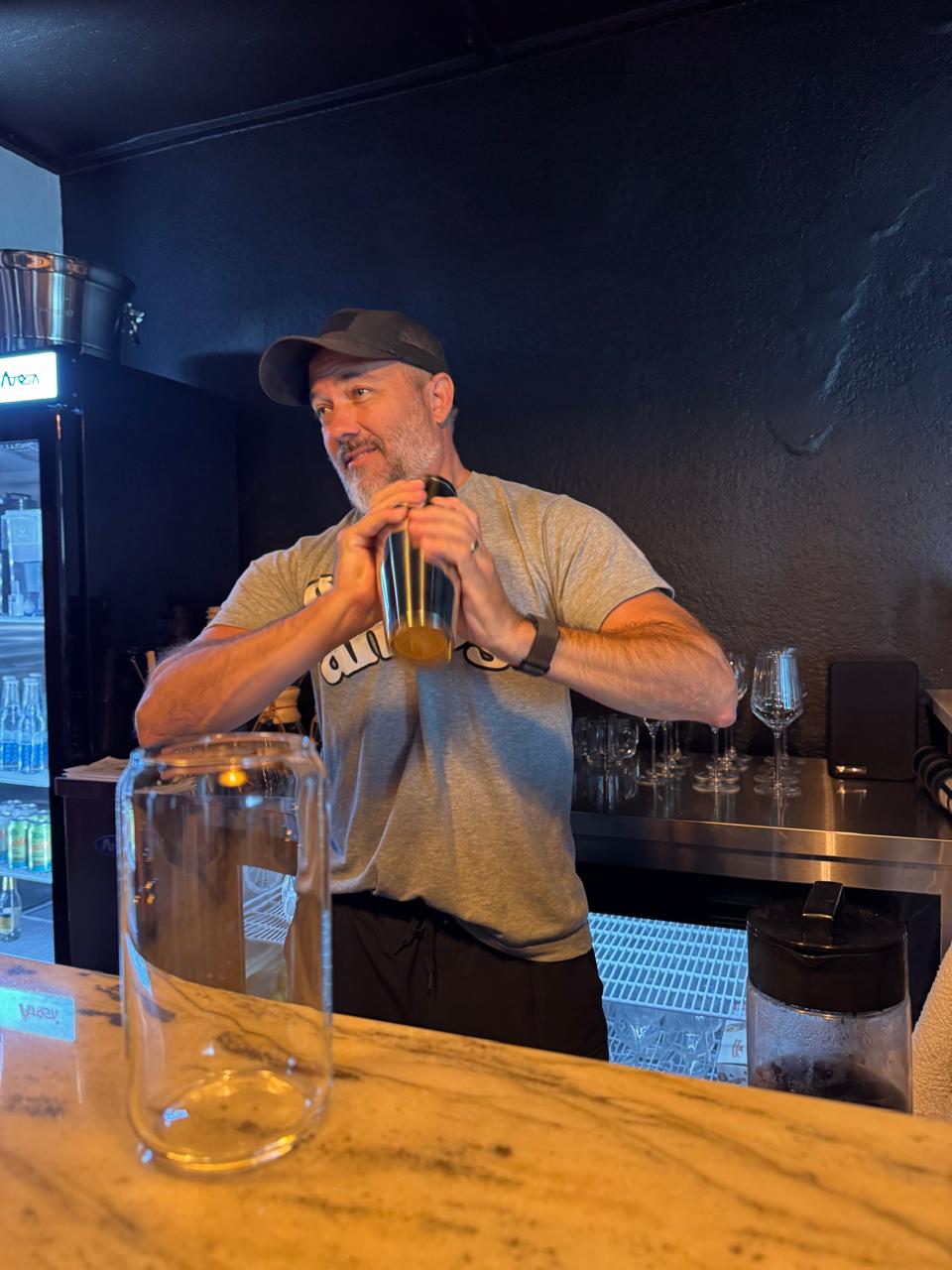



Today we’d like to introduce you to Darwin Fogt.
Hi Darwin, so excited to have you on the platform. So before we get into questions about your work-life, maybe you can bring our readers up to speed on your story and how you got to where you are today?
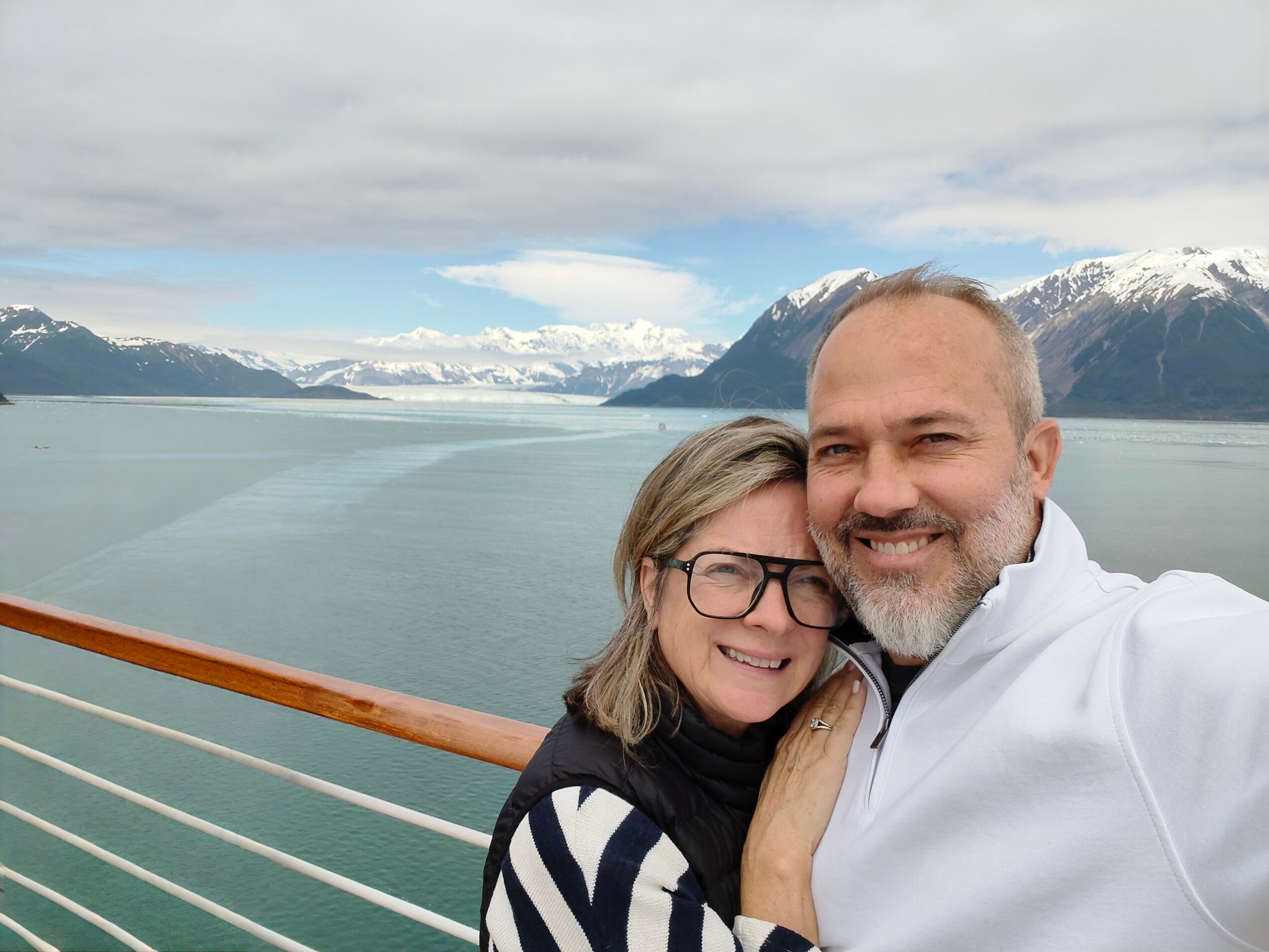
My wife, Martina, and I are both physical therapists by education and trade. She specialized in Women’s Health and I in Sports and Orthopedics. Together, we grew our practice in Los Angeles to nearly a dozen clinics. While we were proud of what we had built, we eventually realized that success had come at the expense of something we deeply valued. We wanted a slower, more intentional life and a better place to raise our daughter.
So we sold everything, including our physical therapy practice, and moved to Merida, Mexico, a beautiful colonial city in the Yucatan.
Life there changed us in ways we never expected. We adopted a slower rhythm and began paying attention to how the people in the pueblos around us lived. Families gathered in the town squares every evening. Neighbors sat outside of their houses to chat. Life revolved less around productivity and more around relationships, community, and simply being present.
For the first time in years, Martina and I also rediscovered reading for pleasure (as opposed to the medical journals and research articles). She started a book club with her friends, and I started one for expat dads. Those gatherings reminded us how meaningful it could be to slow down and share an experience with other people.
One evening, perhaps over a martini, we had an idea – what if people put their phones away, ordered a drink, and simply read quietly together?
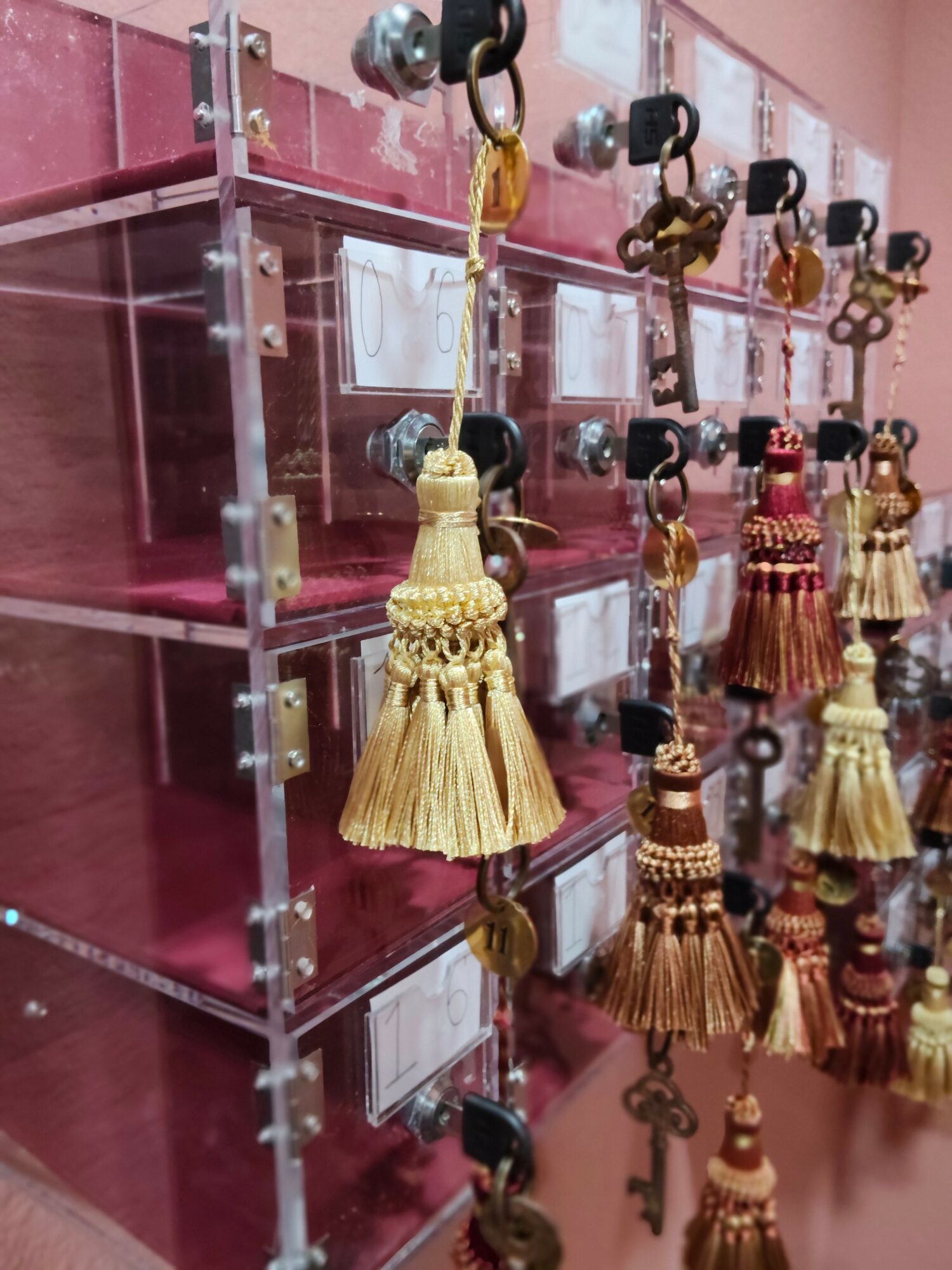
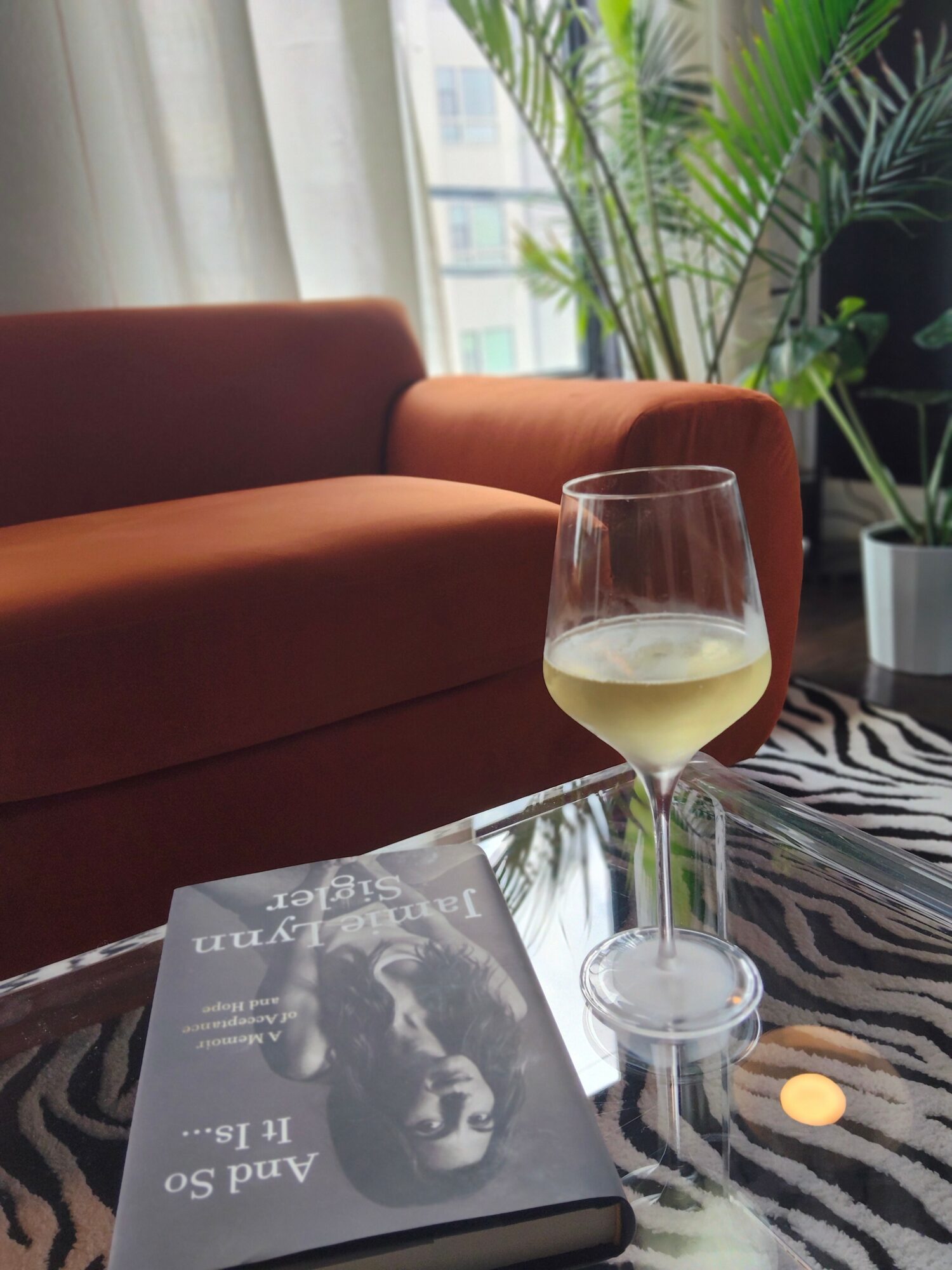
That became the Speakeasy Reading Club in Merida. We partnered with local bars and hosted evenings where people locked away their phones, enjoyed a cocktail or coffee, read silently for an hour, and then stayed afterward to talk. What surprised us wasn’t that people enjoyed reading but how hungry they were for a place that gave them permission to slow down together.
Eventually, we realized we weren’t creating reading events. We were creating an environment where people felt calmer, more present, and more connected. We started asking ourselves: what if that feeling didn’t just exist one evening a week? What if it had a permanent home?
The answer to that question became the Analog Room.
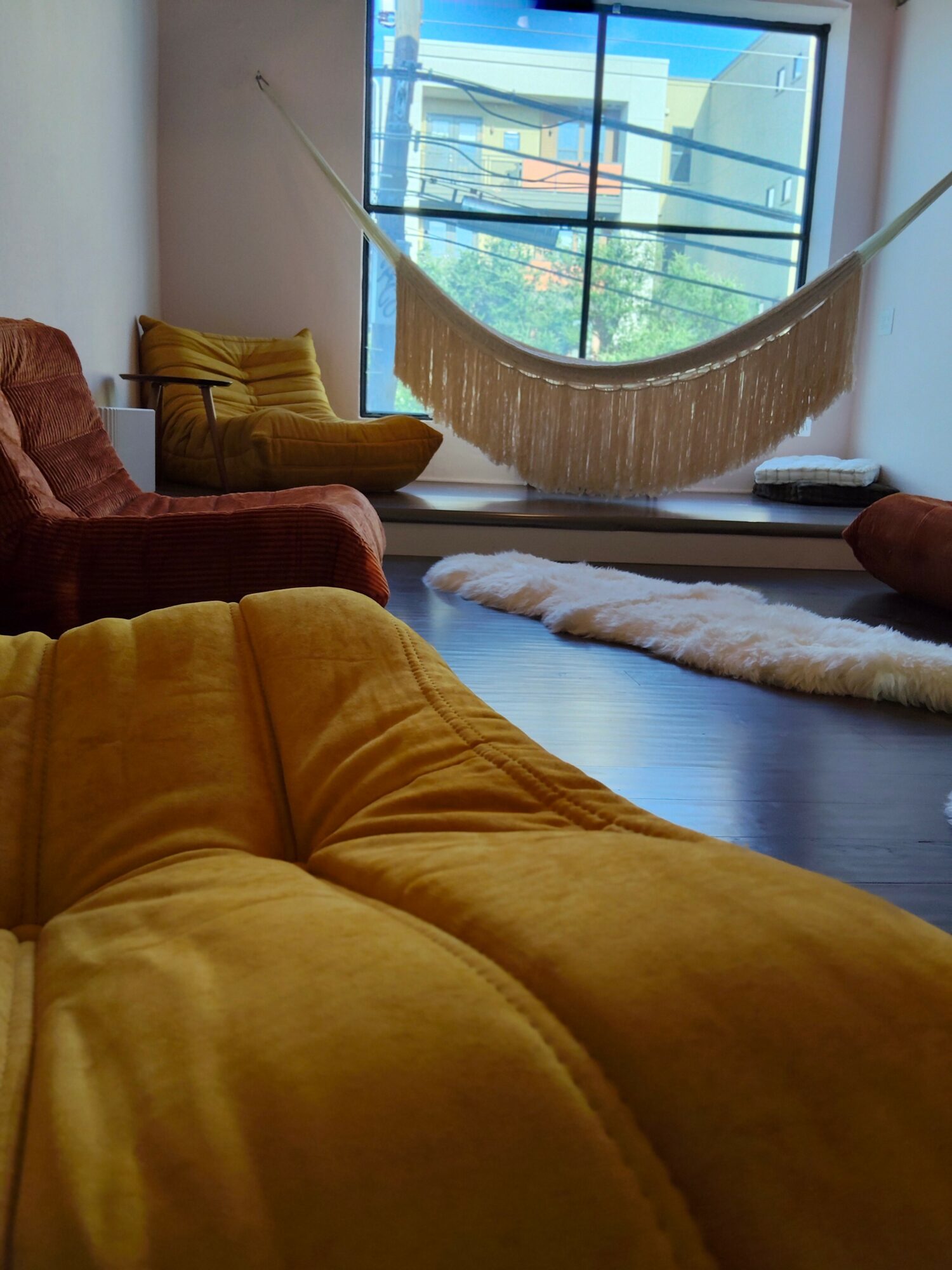
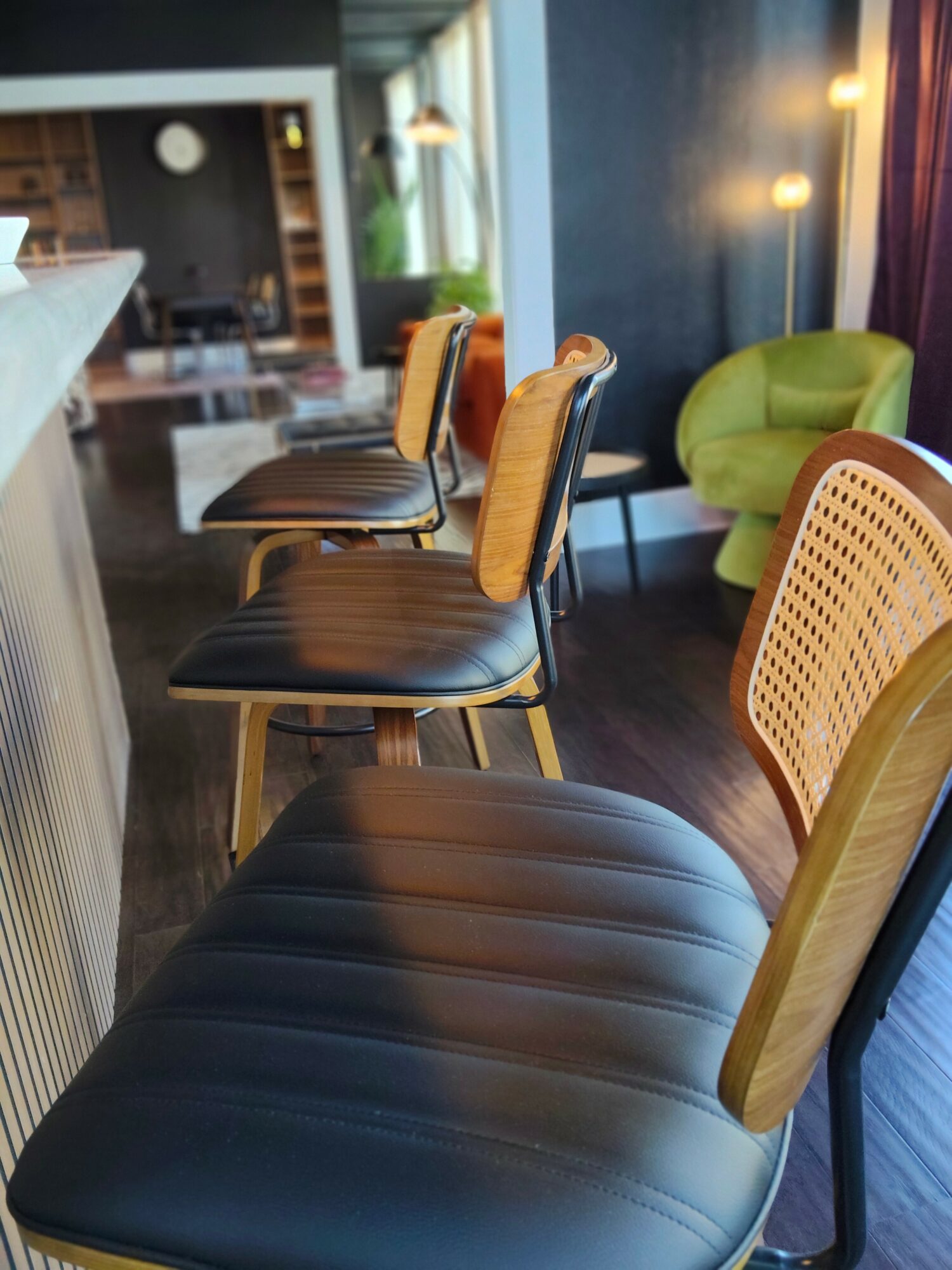
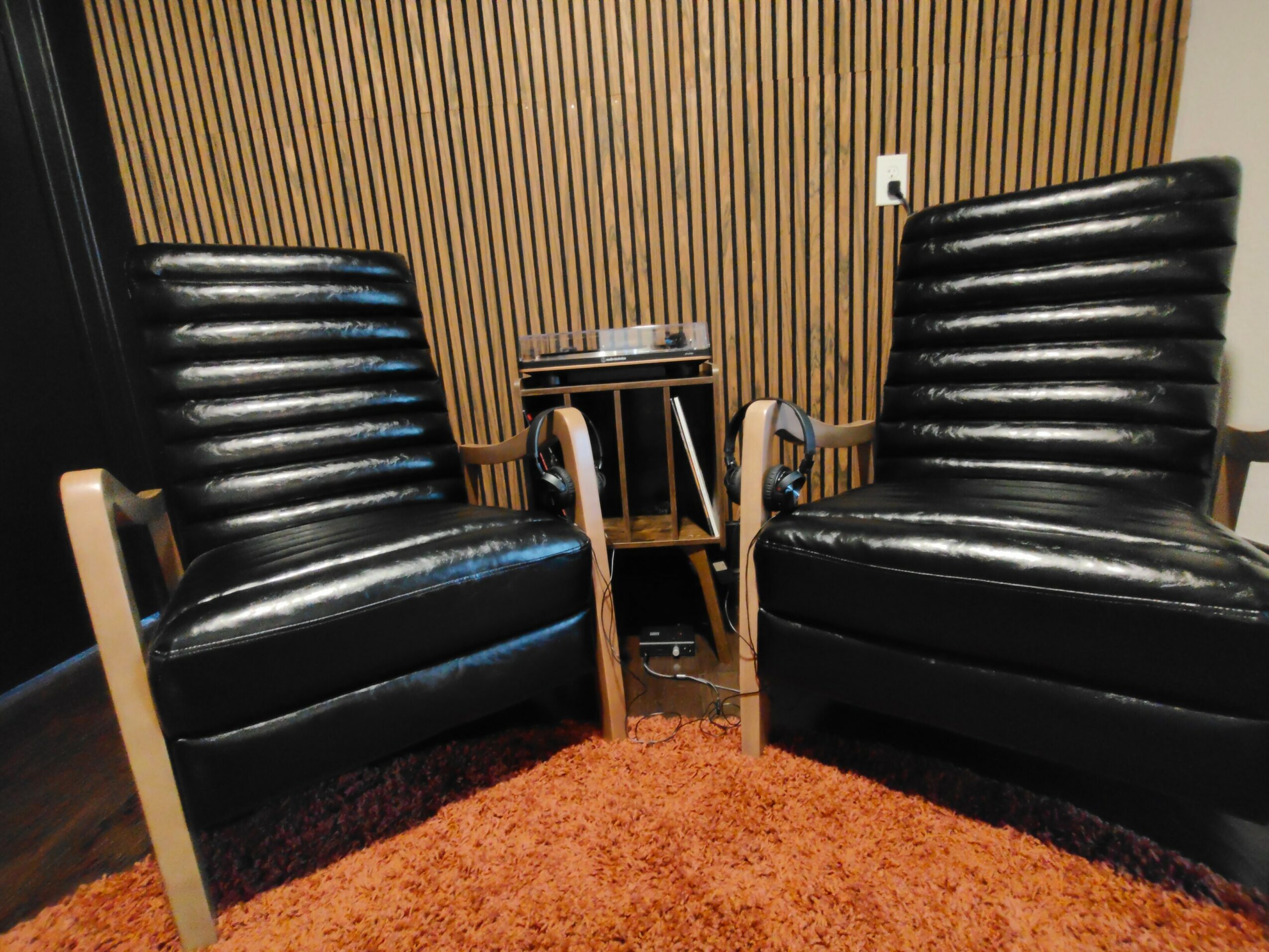
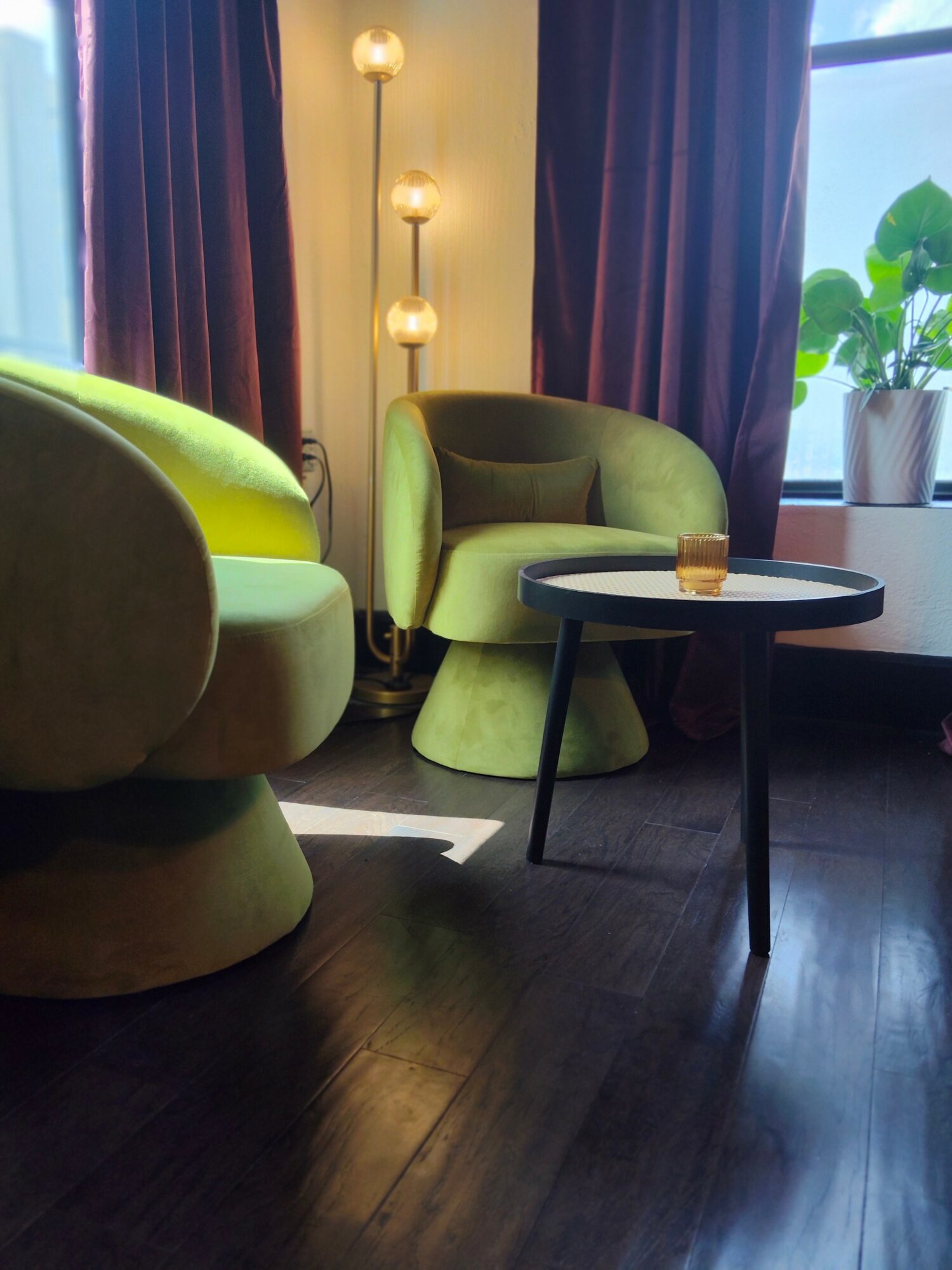
Austin felt like the natural place for our flagship location. It’s a creative city that embraces new ideas while still valuing community and authentic connection. In the middle of the energy and nightlife of East Austin, we wanted to create something intentionally different – a quiet refuge, an oasis where people could disconnect from their devices and reconnect with books, conversation, music, and one another.
At its core, Analog Room isn’t about reading or coffee or vinyl records. Those are simply the rituals we’ve created. What we’re really trying to create is a place where people can remember what it feels like to be fully present if even for only an hour a day. We created a place we wished existed for us to hang out in.
We all face challenges, but looking back would you describe it as a relatively smooth road?
Most unpaved roads are worth pursuing, I would say.
One of our biggest challenges has been introducing something that doesn’t fit neatly into an existing category. People naturally want to know whether Analog Room is a cafe, a library, a bar, a coworking space, or an event venue. The answer is that it’s a little bit of each, but none of those things fully captures what we’re trying to build.
At its heart, Analog Room is a members’ club designed around presence, community, and intentional living. We’ve found that once people spend an evening at Analog, the concept tends to make sense in a way words can’t quite capture. The challenge has simply been helping people understand it before they walk through the door.
Another challenge has been staying true to the original vision. We’ve had plenty of well-intentioned suggestions to make it louder, busier, or to fill every hour with programming and events. Those ideas might make sense for another business, but we’ve learned that protecting the quiet moments is just as important as creating the social ones. Sometimes saying “no” is what allows the experience to remain special.
The greatest challenge, though, has been personal. Our daughter wanted to remain in Merida to finish high school, so Martina stayed with her while I moved to Austin to launch the Analog Room. We’re an incredibly close family, and my wife has been my partner in every business we’ve ever built. Being in different countries has been the hardest part of this journey.
Thankfully, it’s only temporary. Martina continues to help shape Analog from Merida through branding, design, and social media, and I travel back and forth often.
As you know, we’re big fans of you and your work. For our readers who might not be as familiar what can you tell them about what you do?
My professional career began in sports and orthopedic physical therapy. Over the years, I had the privilege of working with everyone from Olympic athletes and professional sports teams to executives and performers. I also co-founded one of the early online physical therapy telehealth companies, which gave me the opportunity to think differently about how healthcare could be delivered.
As my career evolved, though, I began to realize that helping people recover wasn’t just about treating muscles, joints, or injuries. A person’s environment, relationships, daily rhythms, stress, and sense of community often influenced their well-being just as much as the physical condition they came in to see me for.
Living in Merida deepened that realization. I experienced firsthand how a slower pace of life, stronger community ties, and more intentional daily rituals could change the way people felt. It made me wonder whether the places we spend our time can quietly shape our lives in ways we often overlook.
That question eventually became Analog Room.
Today, I don’t think of Analog as a departure from my career in healthcare, but instead I see it as an extension of it. Instead of helping one person at a time in a treatment room, we’re designing an environment that encourages people to slow down, be present, and connect with themselves and with one another.
What I’m most proud of isn’t the space itself. It’s hearing members tell us that they finished a book for the first time in years, had an unexpected conversation with a stranger, or simply felt calmer when they walked out than when they walked in. Those are small moments, but I believe they’re the kinds of moments that make a meaningful life amid the chaos of modern life.
Any advice for finding a mentor or networking in general?
I’ve never been particularly interested in networking in the traditional sense. I’ve always been more interested in building genuine relationships and staying curious about how other people see the world.
Some of the most influential mentors in my life never even realized they were mentoring me. They’ve been business owners, patients, friends, and even the neighbors we met after moving to Merida. Watching how people lived with their unique rhythms, priorities, and relationships taught me as much as any business podcast ever has.
I try to approach every conversation with the assumption that the other person knows something I don’t. That doesn’t mean I’ll agree with every idea, but I believe there’s almost always something to learn from every person you meet. Sometimes it’s a new perspective. Sometimes it’s a different way of solving a problem. Sometimes it’s simply seeing life through a different lens.
If I could offer one piece of advice, it would be this: spend less time trying to impress people and more time trying to understand them. For me, curiosity has answered more questions and developed more new ideas than any traditional mentor/mentee relationship.
Pricing:
- Founding Memberships (20 available)
- Memberships
Contact Info:
- Website: https://www.analogreadingroom.com
- Instagram: @the.analogroom
- Youtube: @goanalogclub