


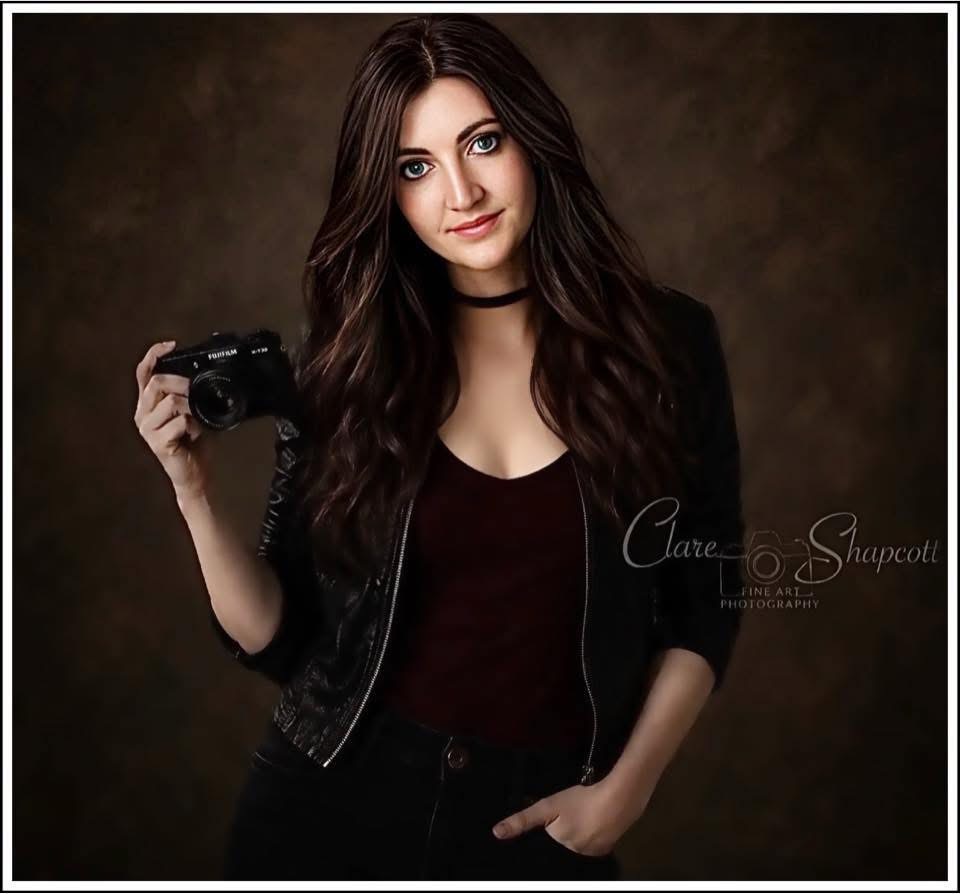
Today we’d like to introduce you to Clare Shapcott.
Hi Clare, please kick things off for us with an introduction to yourself and your story.
I actually came to photography through traditional art. I studied art at college and completed an Art Foundation degree, and before photography became my main creative outlet I spent a lot of my time painting and drawing. I think that background still has a huge influence on the way I approach photography now. I have always been interested in light, colour, composition and creating an image rather than simply recording what is in front of me.
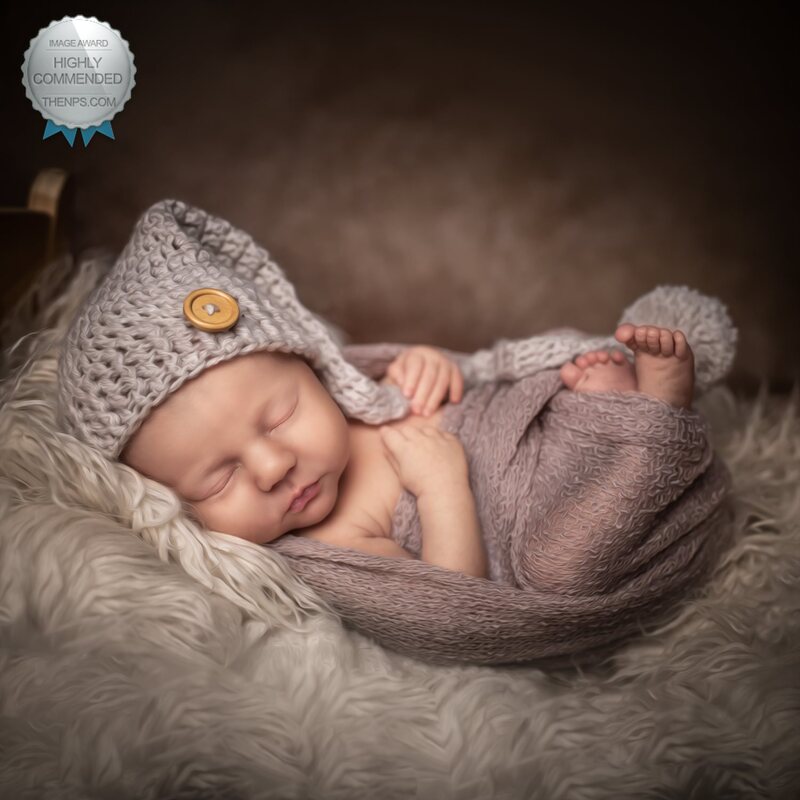
I initially began photographing events, but the real turning point came when my son was born. I became completely obsessed with photographing all of the tiny details I didn’t want to forget. I would photograph his eyelashes, eyes, hands and all those little features up close, experimenting with macro photography and trying to preserve things that change incredibly quickly when you have a new baby. From there, it pretty much snowballed.
As my interest grew, I became very conscious that photographing newborns professionally required much more than being able to create a beautiful image. Safety was incredibly important to me, so I undertook specialist newborn safety training through BANPAS and continued investing heavily in education. I studied portrait lighting with Gary Hill and The Art of Portrait Photography, attended specialist newborn and maternity education through the Belly Baby Summit with photographers including Kelly Brown and Ana Brandt, and undertook business and creative education with Sue Bryce and The Portrait Masters.
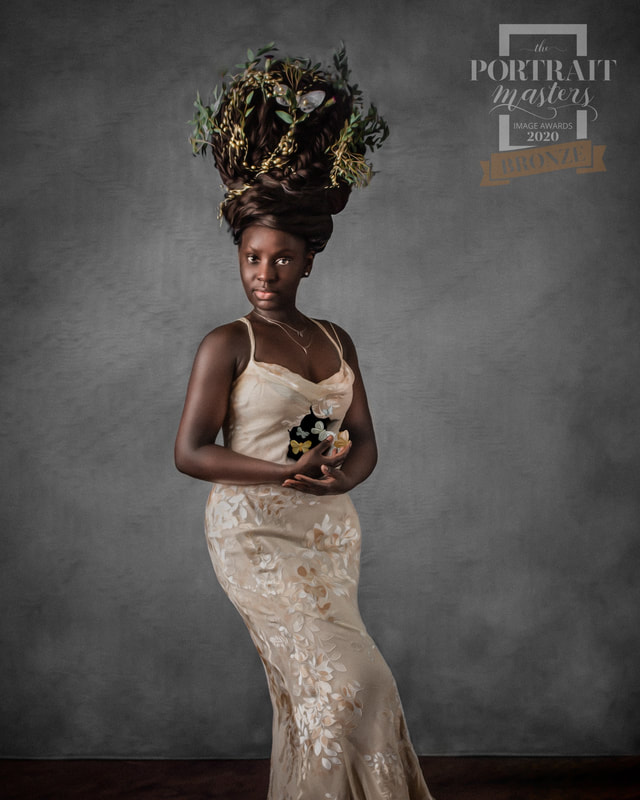
Over time my work developed into the fine-art portrait style I’m known for now. My background in drawing and painting started to come full circle, particularly in the way I use controlled studio lighting, colour, posing and detailed post-production. I don’t really see photography and traditional art as completely separate disciplines. A lot of the same decisions I once made with a pencil or paintbrush are now made with a camera, studio light and during the editing process.
I’ve been incredibly fortunate to have my work recognised within the professional photography industry through awards and qualifications, as well as having opportunities to teach photography myself. One of the things I’m particularly proud of is being able to use those skills for something beyond the commercial side of my business, including providing photography for families with babies in neonatal care.
Photography started with me wanting to preserve tiny details of my own child, and somehow grew into a career centred around creating meaningful portraits for other people. I’m still constantly learning and developing my work, which I think is one of the reasons I still love it.
Alright, so let’s dig a little deeper into the story – has it been an easy path overall and if not, what were the challenges you’ve had to overcome?
It definitely hasn’t been a completely smooth road. I’ve built much of my business while raising two children, and doing that as a single parent while also living with disabilities has probably been one of the biggest challenges.
There are times when I’ve had to find different ways of working because physically I simply can’t approach things in the same way as somebody else might. Photography can be surprisingly demanding, particularly long shoots, working on location, carrying equipment and the amount of time spent editing afterwards. I’ve had to learn to work around my limitations, plan carefully and adapt rather than assuming there is only one correct way to run a photography business.
Balancing everything has also been challenging. A photography business involves so much that clients never see. As well as actually taking photographs, you’re styling, lighting, retouching, communicating with clients, marketing, managing bookings and doing all of the administration that comes with being self-employed. I’ve done that alongside being a parent and, more recently, returning to university to study mathematics.
Creatively, I’ve had challenges too. I’m very critical of my own work and I’m always trying to improve it. I’ve invested heavily in education, entered competitions and worked towards professional qualifications, which means deliberately putting my work in front of people who will critique it. I’ve had successes that I’m incredibly proud of, but I’ve also had occasions where my work hasn’t achieved what I wanted it to. Those experiences can be difficult at the time, but they’ve often resulted in the biggest improvements in my photography.
I’ve learned to go back and look critically at everything from lighting and posing to colour, composition and retouching, rather than becoming comfortable producing the same thing repeatedly. My work today looks very different from my earlier photography, and I hope that continues to be true.
I think being a single parent, living with disability and continuing to pursue both creative and academic goals has also changed how I define success. I’m proud of the awards and professional recognition, but I’m equally proud that I’ve kept building, learning and adapting when the straightforward route hasn’t always been available to me.
Thanks – so what else should our readers know about your work and what you’re currently focused on?
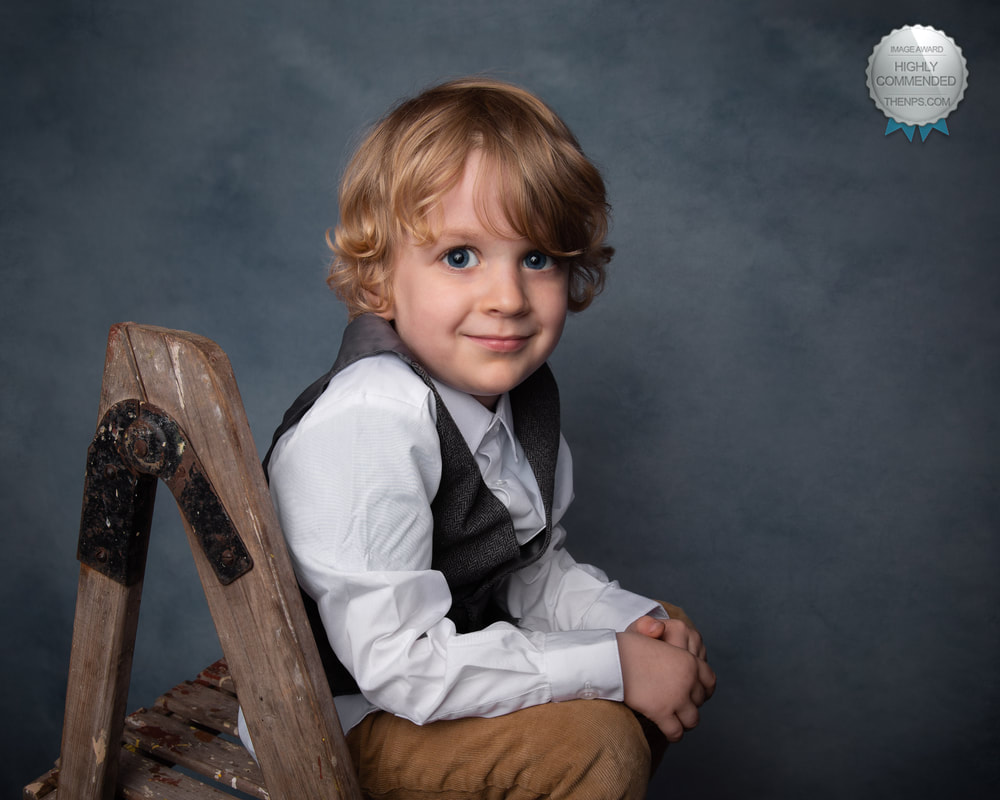
I specialise in fine-art portrait photography, particularly newborn, maternity, children and family portraiture. My background is originally in traditional art, and that still has a huge influence on the way I work. I approach photographs much like I used to approach painting and drawing, with a strong focus on light, colour, composition and detail. I want the finished image to feel like a piece of art while still preserving the person and the connection within it.
Education has always been a huge part of my development as a photographer. I’ve undertaken specialist training in newborn safety, portrait lighting, posing, business and creative photography with educators and organisations including BANPAS, Gary Hill, Kelly Brown, Ana Brandt, Sue Bryce and The Portrait Masters. I also hold my Licentiate qualification with the Society of Wedding and Portrait Photographers (SWPP).
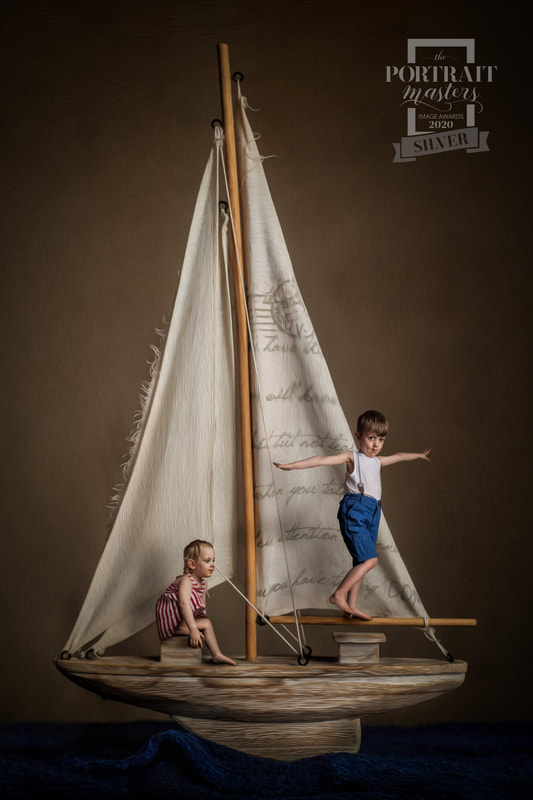
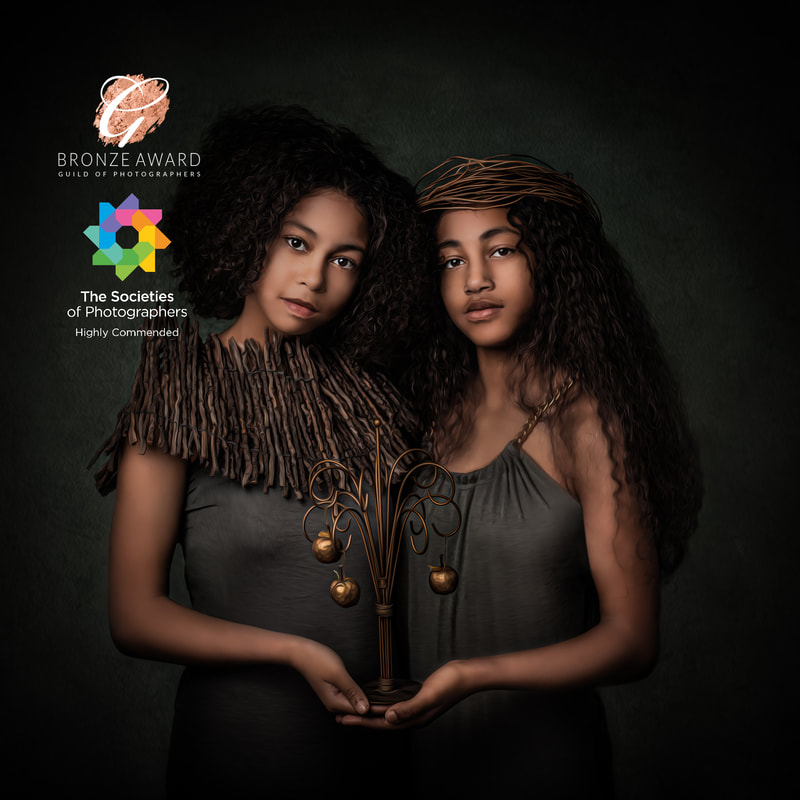
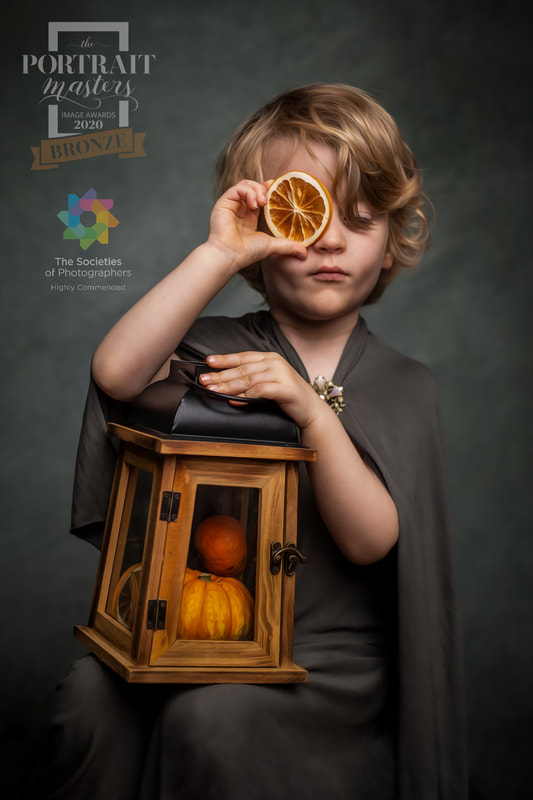
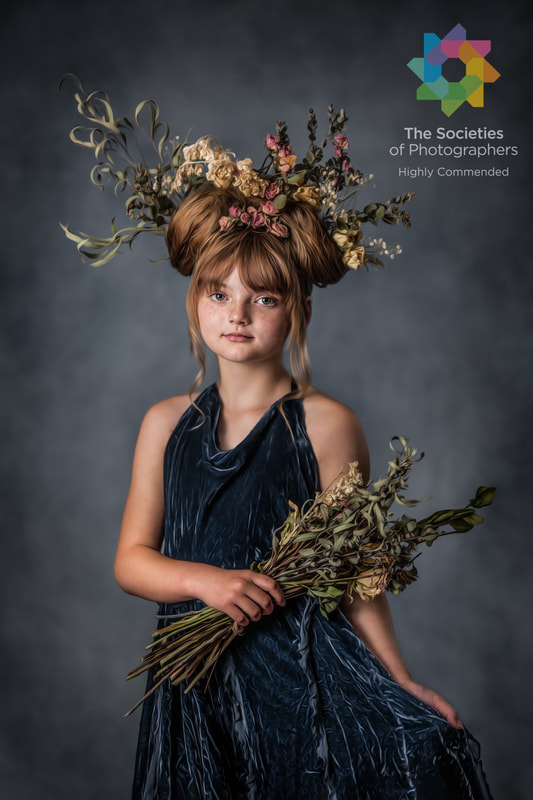
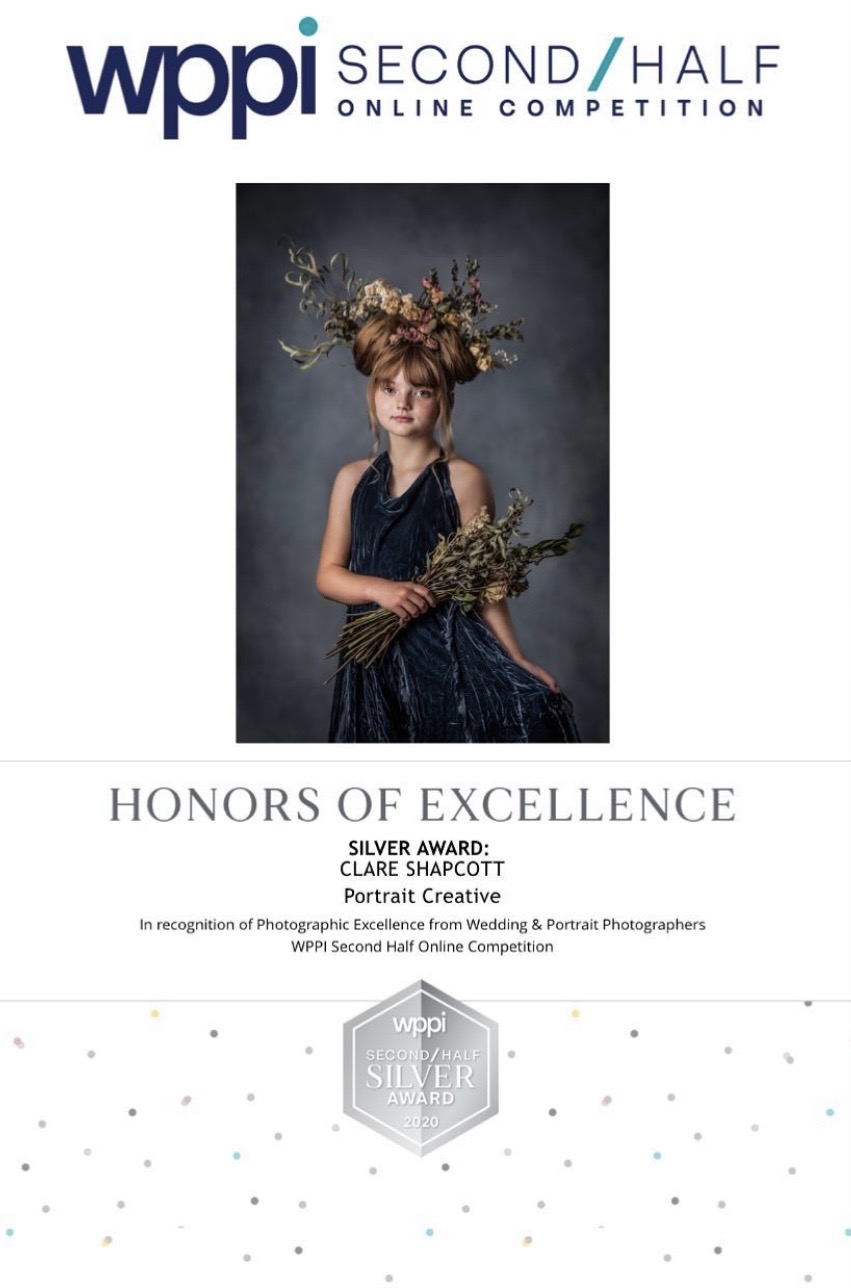
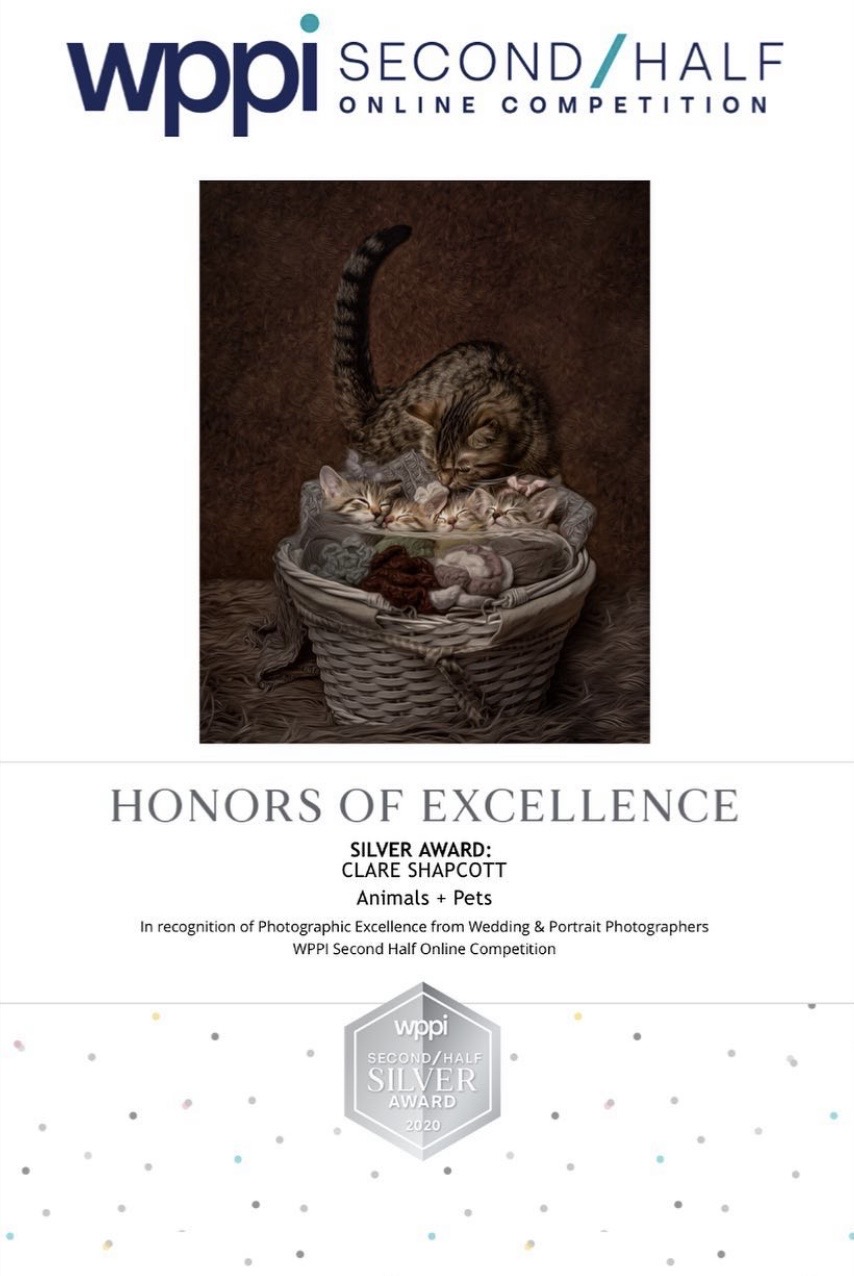
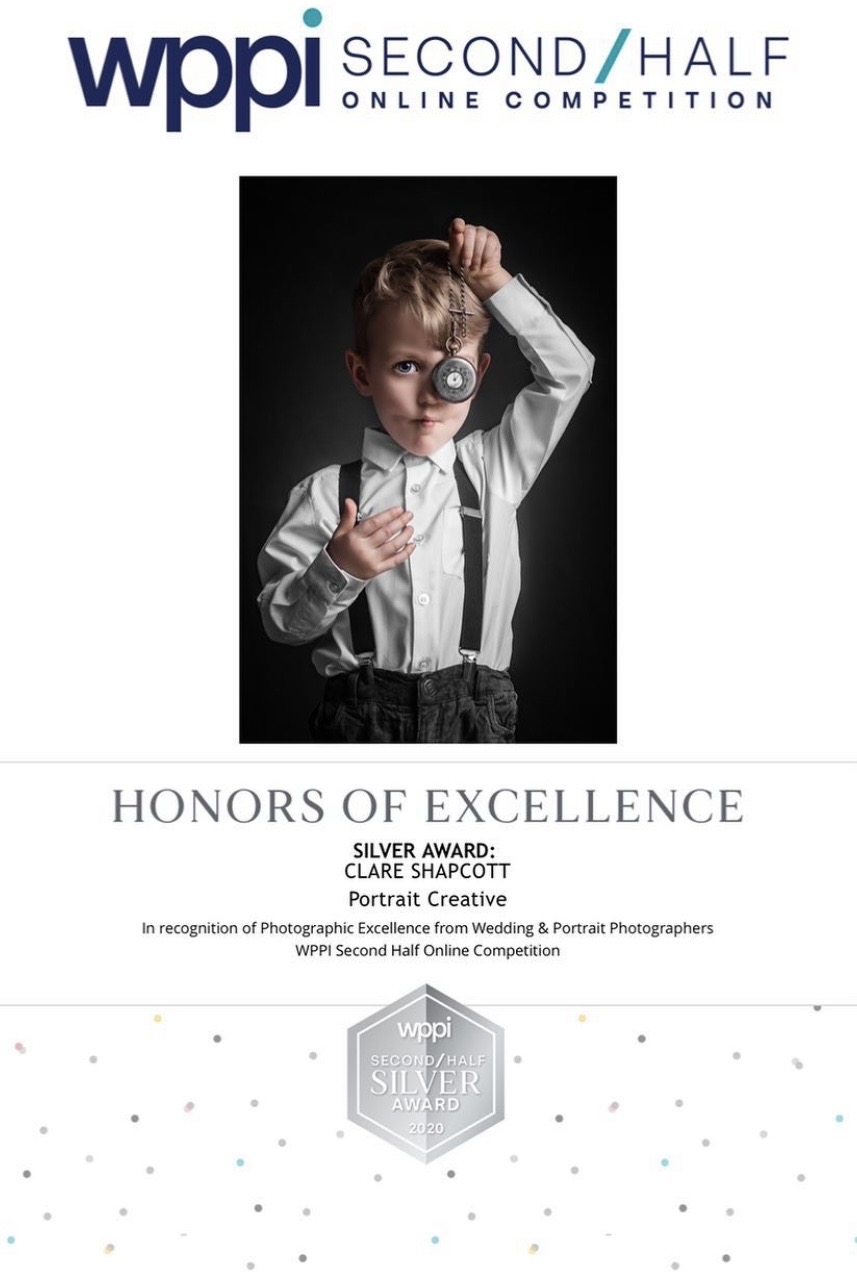
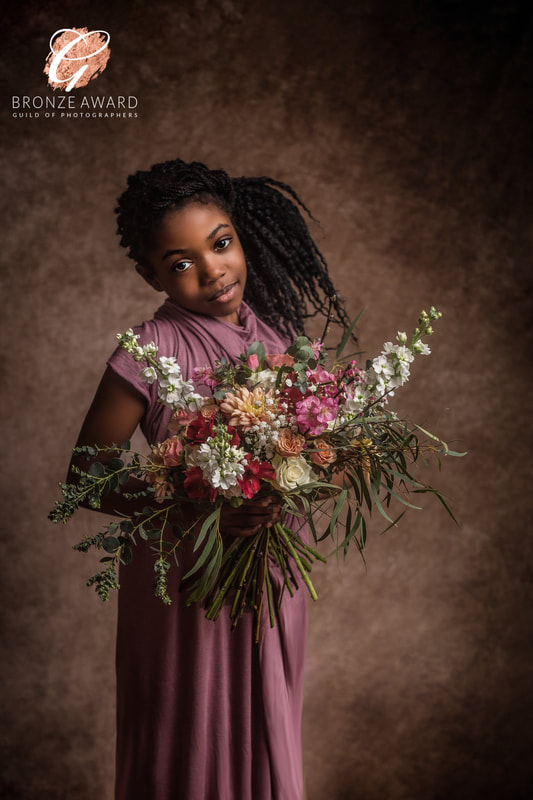
I’ve been incredibly fortunate to have my photography recognised within the industry. My work has received a Silver Award from The Portrait Masters and three Silver Awards from WPPI (Wedding & Portrait Photographers International), including two in Portrait Creative and one in Animals + Pets. I’ve also received awards and Highly Commended recognition from The Guild of Photographers, The Societies of Photographers and the National Photographic Society. I hold my Licentiate qualification with the Society of Wedding and Portrait Photographers (SWPP), and professional assessment and competition have always been an important part of pushing my work forward.
My photography has also given me opportunities I never expected when I first picked up a camera. My work has been published in Digital Camera Magazine as well as a number of other photography and portrait publications, and I appeared on CBeebies’ My Very First. I’ve also had the opportunity to teach and speak about photography, which has been particularly rewarding after spending so many years learning from other photographers myself.
One of the things I’m most proud of, however, is my voluntary NICU photography. I’ve photographed families with babies receiving neonatal care, providing professional photographs for them completely free of charge. BBC Radio Bristol featured the project on their Breakfast Show and later created a video feature for their social media channels. That recognition meant a lot because it helped draw attention not simply to my photography, but to why having those photographs can be so important to families.
In a way, the NICU work brings my career full circle. My obsession with photography really began when my own son was a newborn and I couldn’t stop photographing all of his tiny, fleeting details. Years later, being able to use the skills that grew from that to preserve those details and memories for another family is something I’m incredibly proud of.
I think what ultimately sets my work apart is the combination of art and photography. I’m not interested in simply documenting what somebody looks like. I want to create something intentionally, using lighting, styling, posing and detailed post-production to produce portraits that have atmosphere and feel timeless, while still ensuring the person in the photograph remains completely themselves.
Where we are in life is often partly because of others. Who/what else deserves credit for how your story turned out?
Clare Shapcott Photography
Fujifilm
Canon
Sigma
Elinchrom
Kate Backdrop
Wild Rosemary
Angela & Joella
The Samuel’s Twins
Abba Joof
Contact Info:
- Website: https://clareshapcottportraits.weebly.com/
- Instagram: https://www.instagram.com/clareshapcottphotography
- Facebook: https://www.facebook.com/clareshapcottphotography