


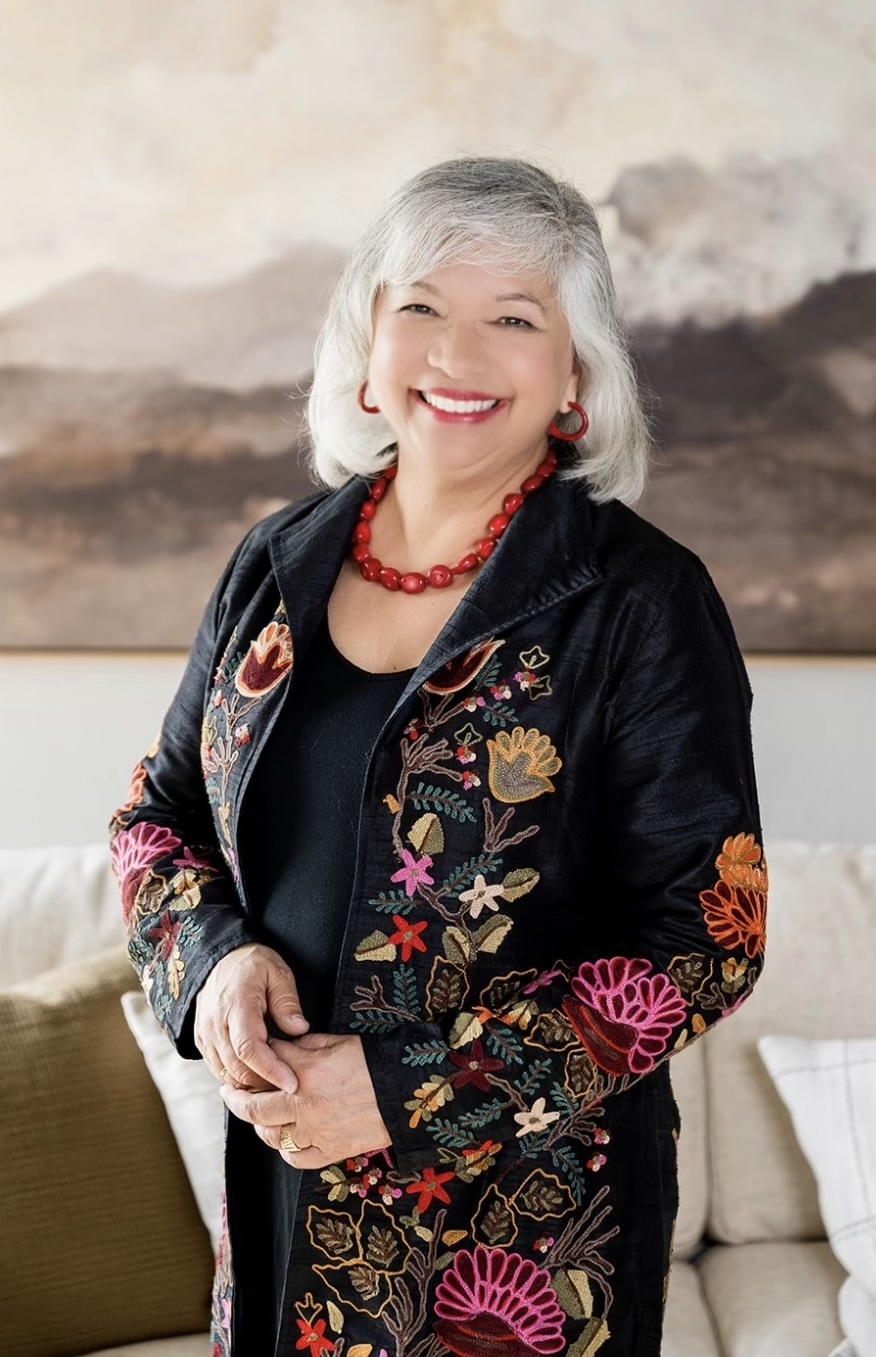
Today we’d like to introduce you to Laura Esparza.
Alright, so thank you so much for sharing your story and insight with our readers. To kick things off, can you tell us a bit about how you got started?
I was an artistic kid that turned into an artistic teenager, and then an artistic young adult. Everyone said a career in the arts was impossible but I kept going. In college, I wrote my own degree called “Community Arts Development” at Fairhaven College, Western Washington University and it still describes my career over 40 years later. I started with the intrinsic belief that art saves lives. The discipline, collaboration, and self-expression that the arts require prepares a person for any task or career in life as well as manages the stress of living in a society that measures your worth by artificial values. I directed plays, I wrote plays and I developed new work as a dramaturg for 20 years. A Masters of Fine Arts degree at the University of San Diego developed my focus on Latino arts and I created Latino specific content for many years. I won the TCG-NEA Director’s Fellowship in 1993, given to only four directors nationwide every other year and worked with big-name directors across the country.
At 40, I shifted my focus to museum work with training at the Smithsonian Institution program. I curated exhibitions of art and history and produced shows at galleries and museums. I was the inaugural director of the Alameda Museum in San Antonio. I just recently curated an exhibition called “Imagination Knows No Borders”, with text by Dr. Emilio Zamora for the Emma S. Barrientos Mexican American Cultural Center, now on permanent display.
I started working on capital projects at The Group Theater in my 20’s, the Mexican Heritage Corporation, the Alameda Museum and finally, the City of Austin. When I joined the City of Austin’s Parks Department as Division Manager of Museums and Cultural Centers, I had two cultural centers and two small house museums. When I retired seventeen years later, I supervised 11 institutions including four cultural centers, four small museums, a sculpture garden/museum, a genealogy center and an outdoor theater. I was part of the planning, renovation and/or completion of the Emma S. Barrientos Mexican American Cultural Center, the Asian American Resource Center, the Susanna Dickinson Museum, the Elisabeth Ney Museum, and the Zilker Hillside Theater. I continue this work as an appointee to a working group to develop an LGBTQ+ Cultural Center in Austin.
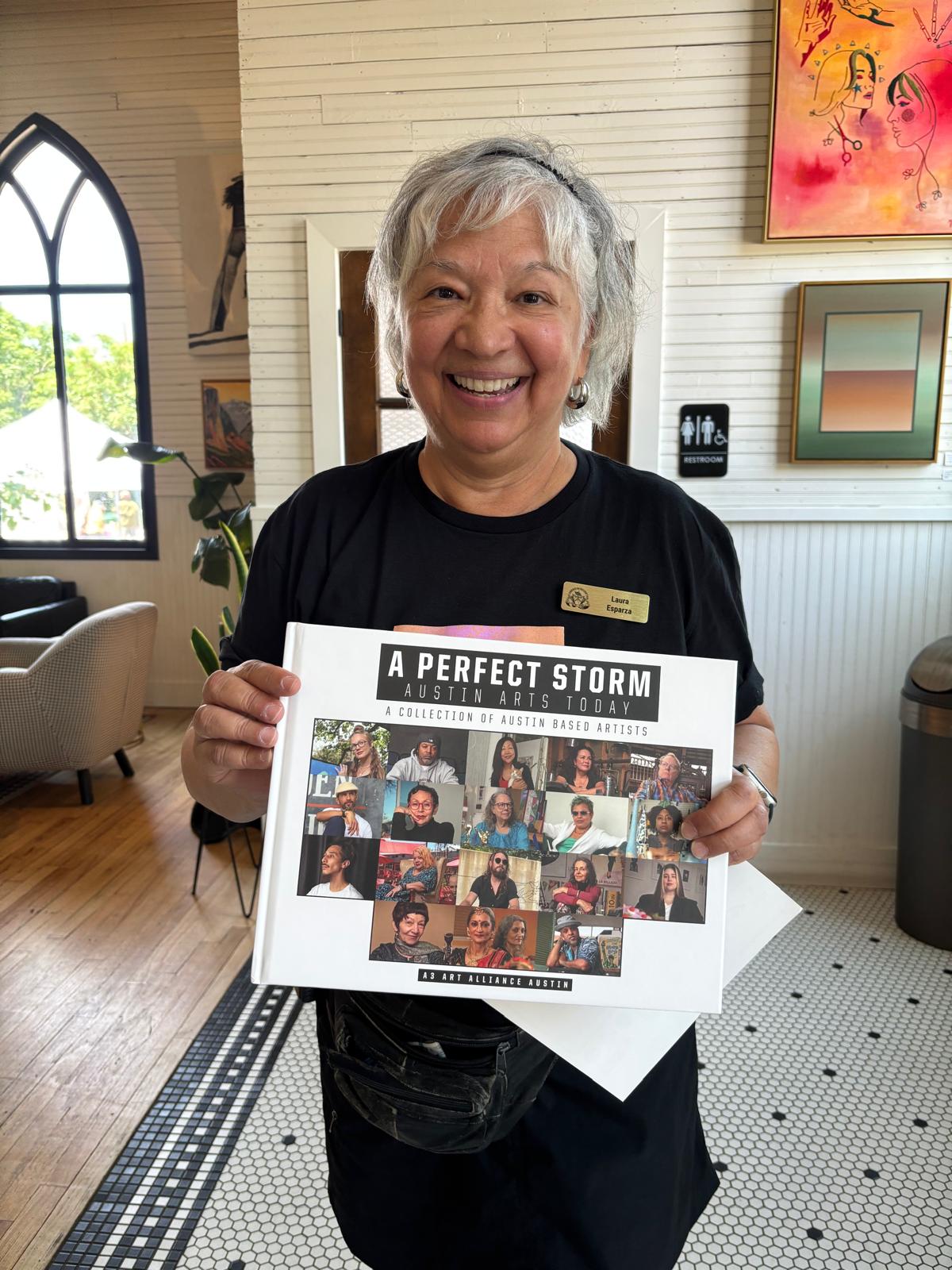
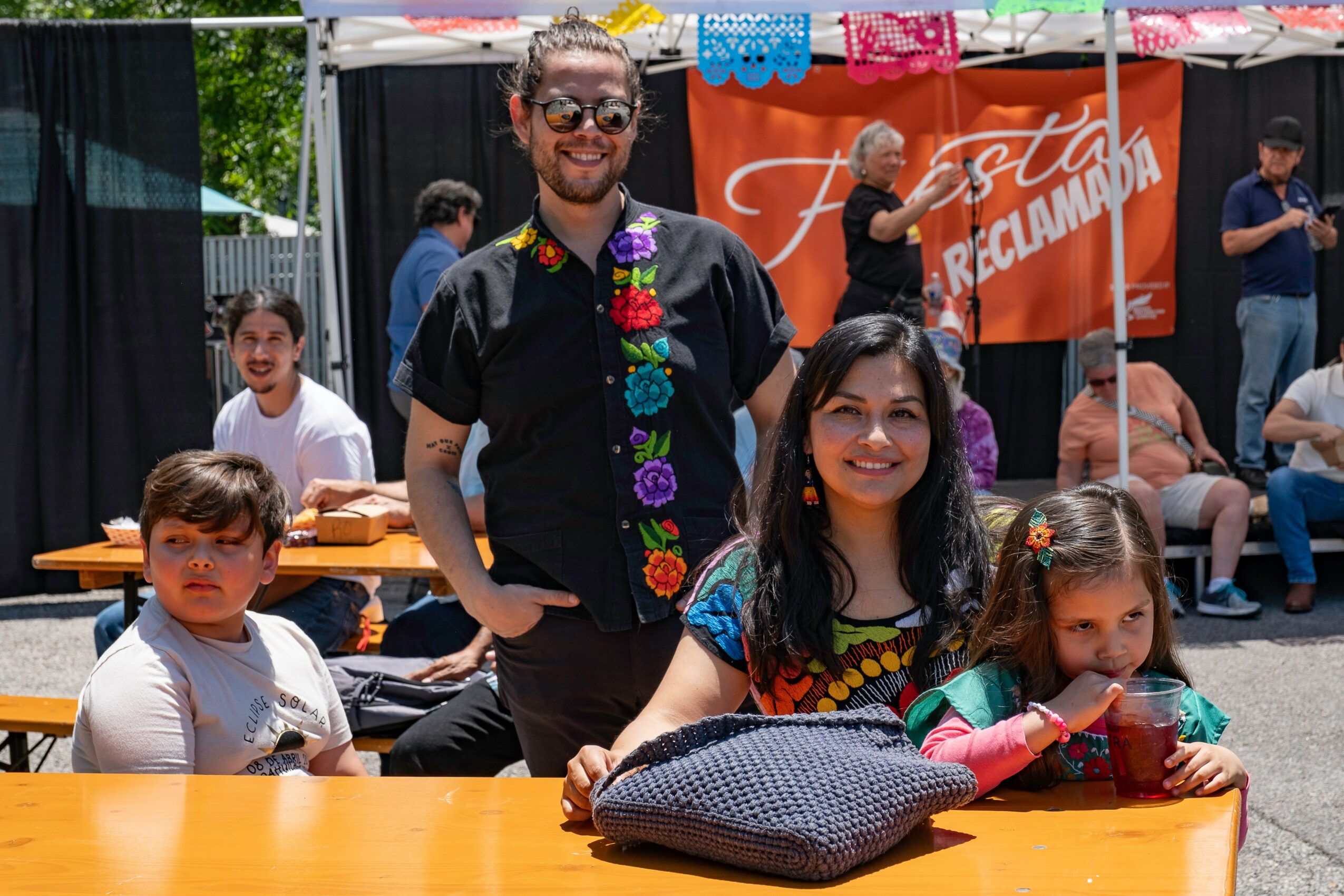
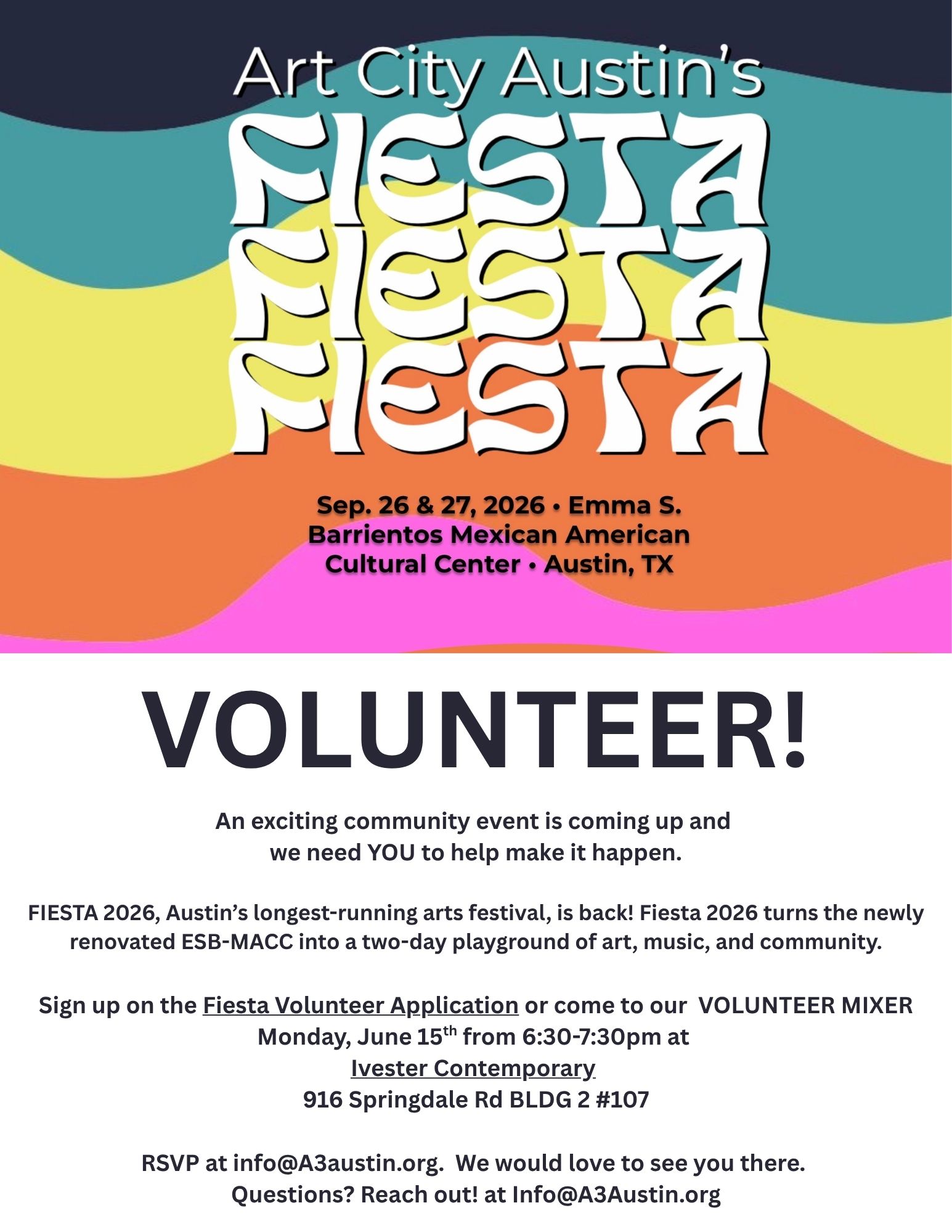
Upon retirement, I assumed the leadership of a non-profit, Art Alliance Austin, which has been around since 1914. I rebranded it as A3 and redirected its focus to become a non-profit Local Arts Agency, to sustain Austin’s arts ecosystem. Most cities have a Local Arts Agency to complement the City’s efforts to fund and support the arts but Austin lacks the basic civic infrastructure to support creative industries. And so A3 found its calling. Our signature event, FIESTA, was founded in 1950 when Austin was segregated. It was a Fiesta without Mexicans until the later 70’s when the festival was rebranded as Art City Austin. We’re bringing it back this September 26 & 27 to express Austin’s cultural character today; diverse, exuberant and original. The book that I produced in 2026, A PERFECT STORM; AUSTIN ARTS TODAY (available on A3’s website), tells the story of how we got into this debacle through the stories and photos of Austin’s artists, musicians and performers.
I’ve never had a problem with giving myself permission to listen to my core belief that we are here to serve humanity and make this a better world that the one we found. I gave myself permission to translate that belief into a mission-based career path. I gave myself permission to make mistakes and keep going because it is only through failure that we learn. And now I am thinking about how to live an “exuberant” life with the time I have left, through a deep, lifelong commitment to serving the creative community.
Would you say it’s been a smooth road, and if not what are some of the biggest challenges you’ve faced along the way?
I was very poor, without medical insurance or a home (at times) for the first twenty years of my career. When the arts became compromised by institutional politics, my heart got broken. I survived and I kept going. I learned that my skillset could shift disciplines without sacrificing the satisfaction of working within my mission in the arts. I moved to different cities for jobs eleven times, sometimes alone without knowing a soul. Along the way, I lost two marriages that could not tolerate the transitory nature of my career. I kept going. I learned what I did best, not because of my skillset, but because I learned which work environment reflected my values and I chose to “practice staying.” I learned the difference between true friends and temporary work associates that befriend you as long as you have something to offer them. No, it was not a smooth road but I am grateful for the journey.
Appreciate you sharing that. What else should we know about what you do?
Whether I am working in theater, curatorial work or producing an event, I practice service leadership. Listening to work associates, listening to the public, and listening to my gut is part of every process. That is what I am known for.
What I am most proud of are the relationships that have survived the end of the project and become life long friends. Because in the end, it’s the relationships that count.
What I am most proud of is A3’s Microgrants program that awarded 10 individual artists and 3 organizations with small grants to keep their work going. It’s Austin’s first Microgrants program and I’m looking forward to seeing it grow through the participation of our Giving Circles for the Arts program.
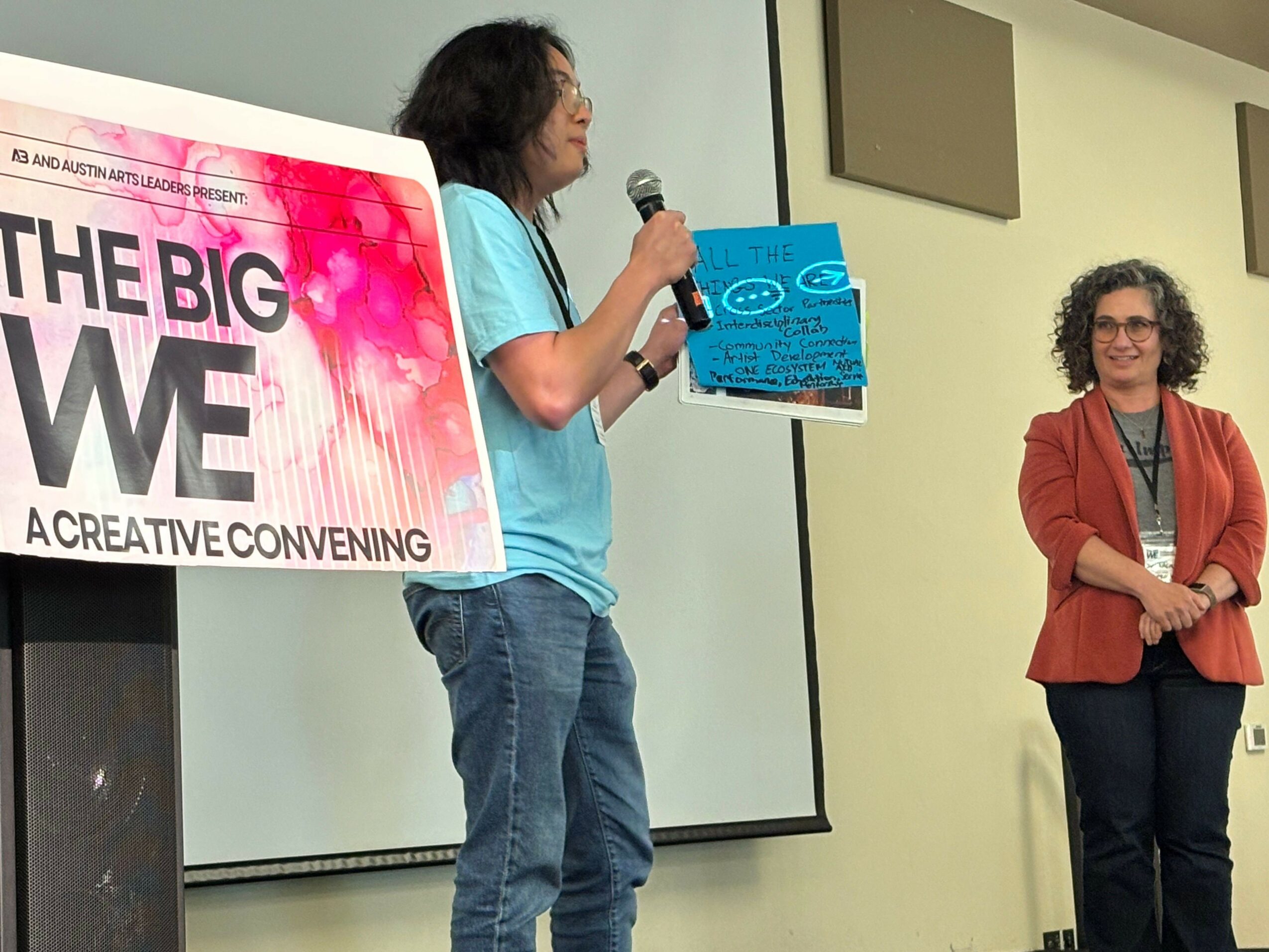
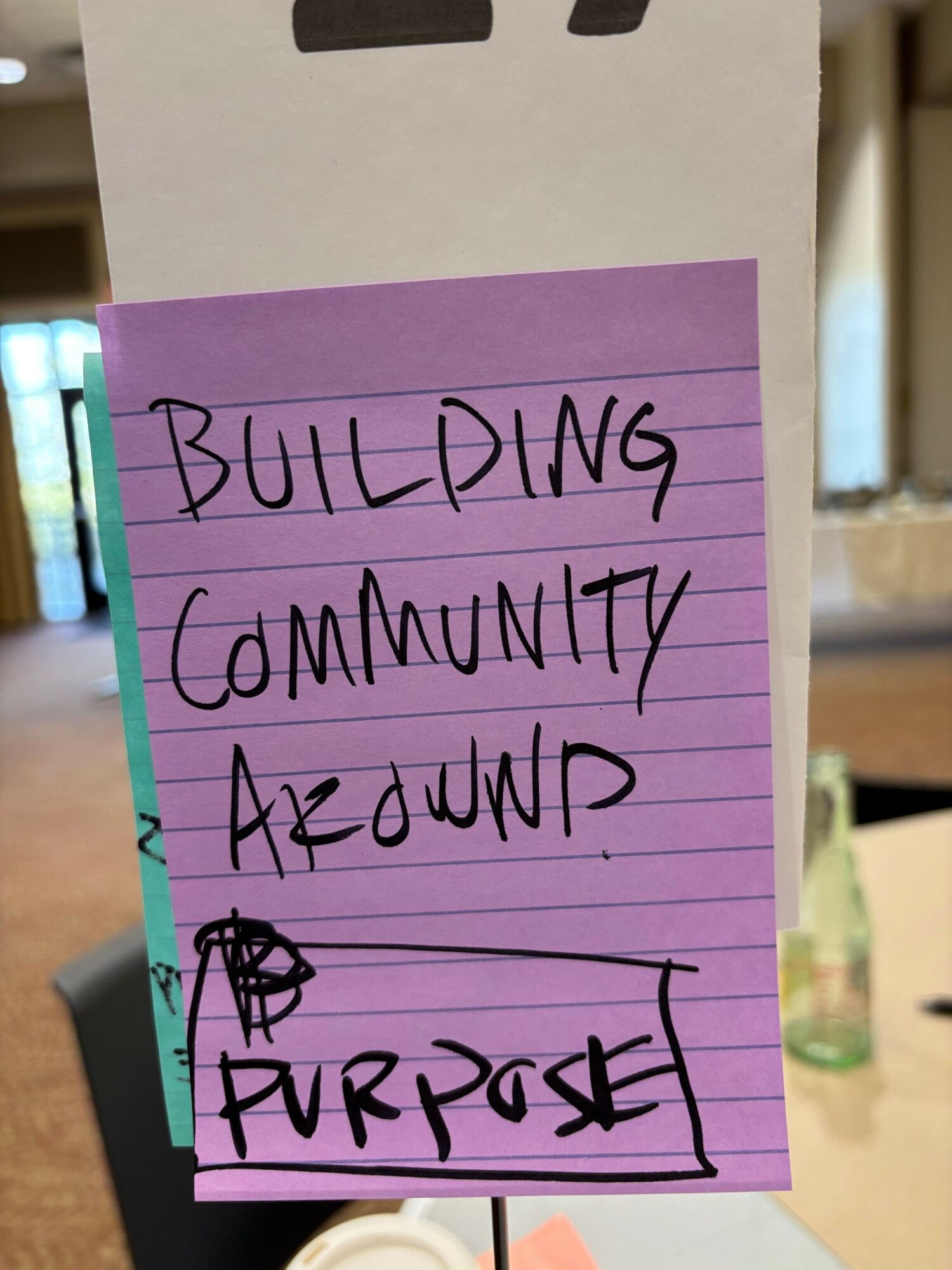
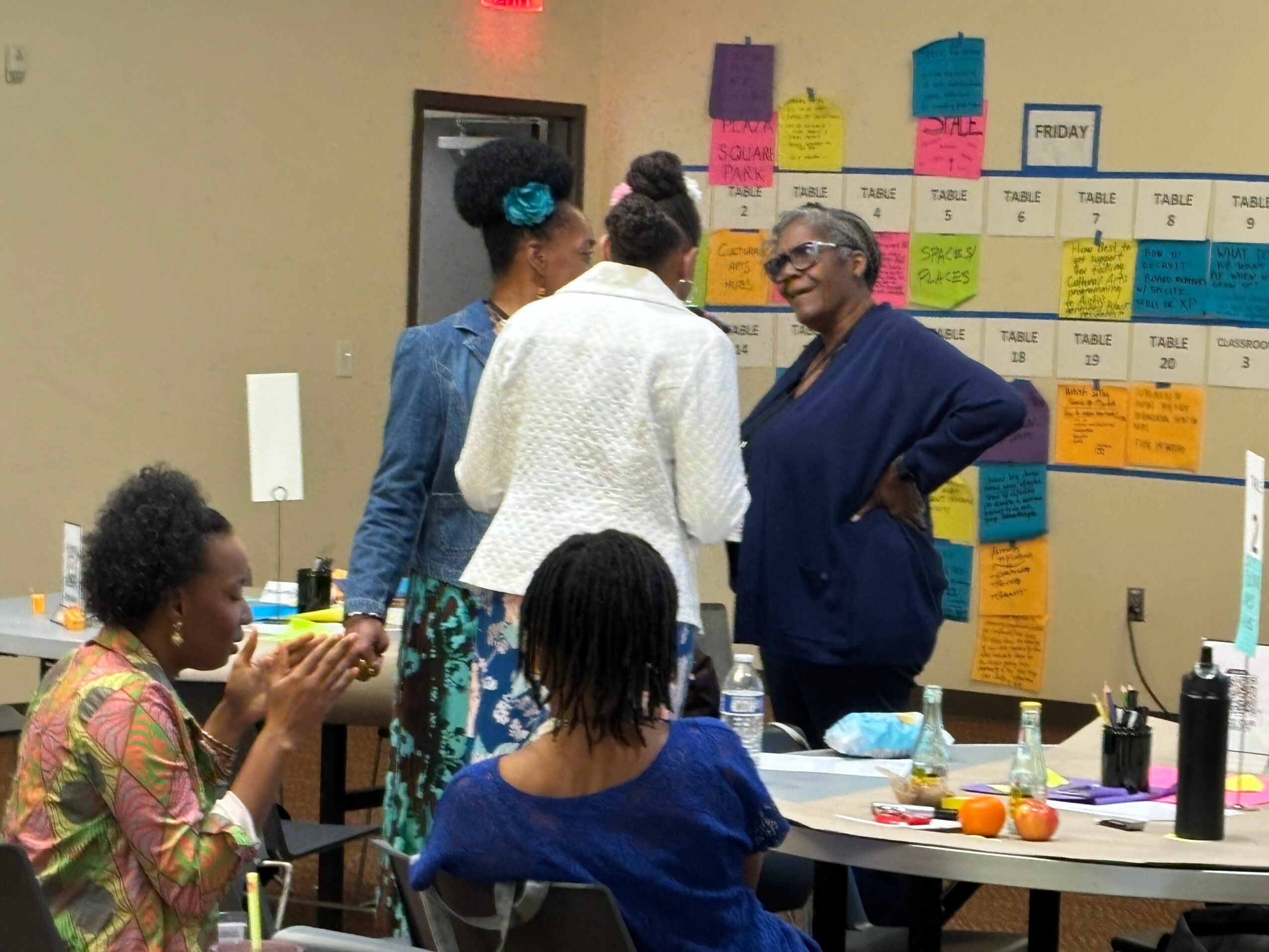
I am also proud of the convening we held in March 2026 for all artists, musicians and performers called The Big We. We create community by hosting convenings among different sectors of our city. The Big We was all about building solutions for the creative community’s issues through collaboration.
Are there any books, apps, podcasts or blogs that help you do your best?
I was originally inspired by the Manchester Craftsmen’s Guild in Pittsburgh, Pennsylvania. Their founder, Bill Strickland founded it in 1968, using visual and performing arts to empower urban youth and the community. He wrote a book called, MAKE THE IMPOSSIBLE POSSIBLE that inspired me as a young person to follow my mission.
Other books that have had a profound effect:
-DARE TO LEAD by Brene Brown
-THE ART OF RELEVANCE by Nina Simon
-THE ART OF CITY MAKING by Charles Landry
-SIX MEMOS FOR THE NEXT MILLENIUM by Italo Calvino
-THE FOUR AGREEMENTS by Miguel Ruiz
Contact Info:
- Website: https://a3austin.org
- Instagram: A3 Art Alliance Austin
- Facebook: Art Alliance Austin
- LinkedIn: LauraEsparza