


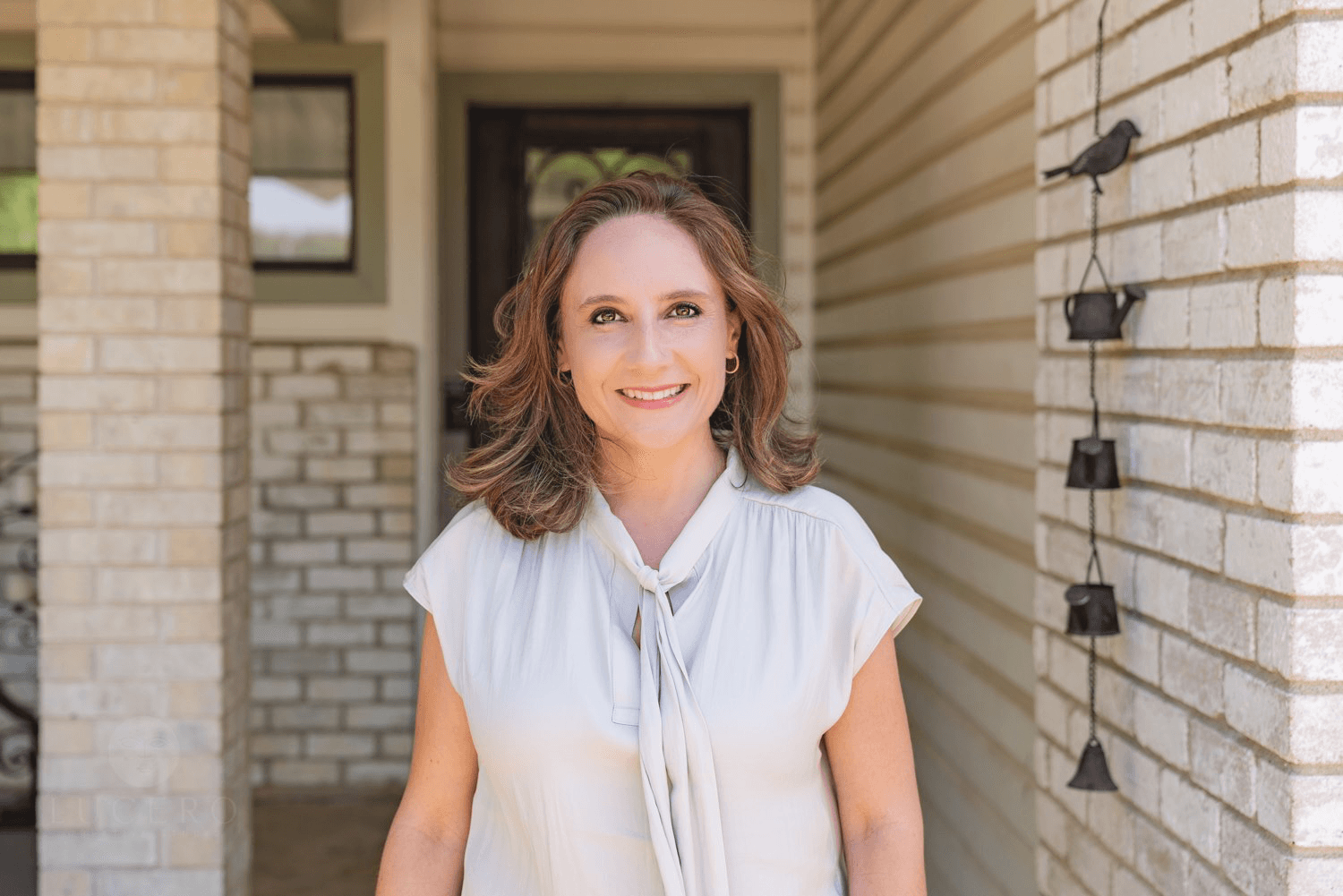
Today we’d like to introduce you to Carolina Castanos.
Carolina, we appreciate you taking the time to share your story with us today. Where does your story begin?
My story starts with two worlds. I’m an immigrant, Latina, and bilingual, and for most of my life I’ve had to move between different cultures, different languages, different ways of belonging. What I learned from that experience was what it feels like to feel alone, to not quite fit anywhere, to be in a room and still feel like you’re on the outside of it. That feeling of not being fully part of something taught me how essential connection and acceptance are to a person’s wellbeing.
That sense of belonging isn’t a soft, secondary need, it’s foundational. When a child doesn’t have that support at home, when there isn’t a secure base to return to, that longing to belong becomes a wound. Those expereinces were what first pulled me toward psychology, and it’s why attachment and developmental trauma became such a central part of my clinical focus. So much of what looks like anxiety, self-sabotage, or disconnection in adulthood traces back to that early experience of not feeling fully held or accepted. Healing does not happen with insight alone, the nervous system has to actually learn what safety and belonging feel like.
I spent over 25 years as a psychotherapist, earning my PhD in Marriage and Family Therapy and working with individuals, couples, and families on trauma and nervous system regulation. Along the way, I also spent time working inside organizations like IBM, and that experience shaped me more than I expected. I saw firsthand how the same relational patterns that show up at someone’s kitchen table: communication breakdowns, unspoken resentment, and misaligned expectations, also show up in the boardroom, and how directly they affect efficiency, trust, and productivity at work. It became clear to me that relationships don’t stay neatly inside ‘home’ or ‘work.’ They’re the same attachment patterns, the same nervous systems, just wearing different clothes.
The combination of clinical work with couples and families, plus firsthand experience inside organizations is what eventually led me to focus much of my work (and my doctoral dissertation) on consulting family businesses. When a family runs a business together, every unresolved attachment pattern gets amplified, because you can’t separate the family system from the business system. Helping those families meant I had to understand both worlds fluently, not just one.
While working with highly accomplished individuals, brilliant, driven people who had built extraordinary careers and families, I watched psychotherapy create real, lasting change for them. But as I continued to learn more about trauma, attachment, the brain, and the nervous system, my understanding of what was possible began to expand. I began to see that we could facilitate an even deeper transformation, and often help it unfold more efficiently, by working with the whole person continuing the psychological and relational work that makes psychotherapy so powerful, while also working directly with the brain, body, and nervous system.
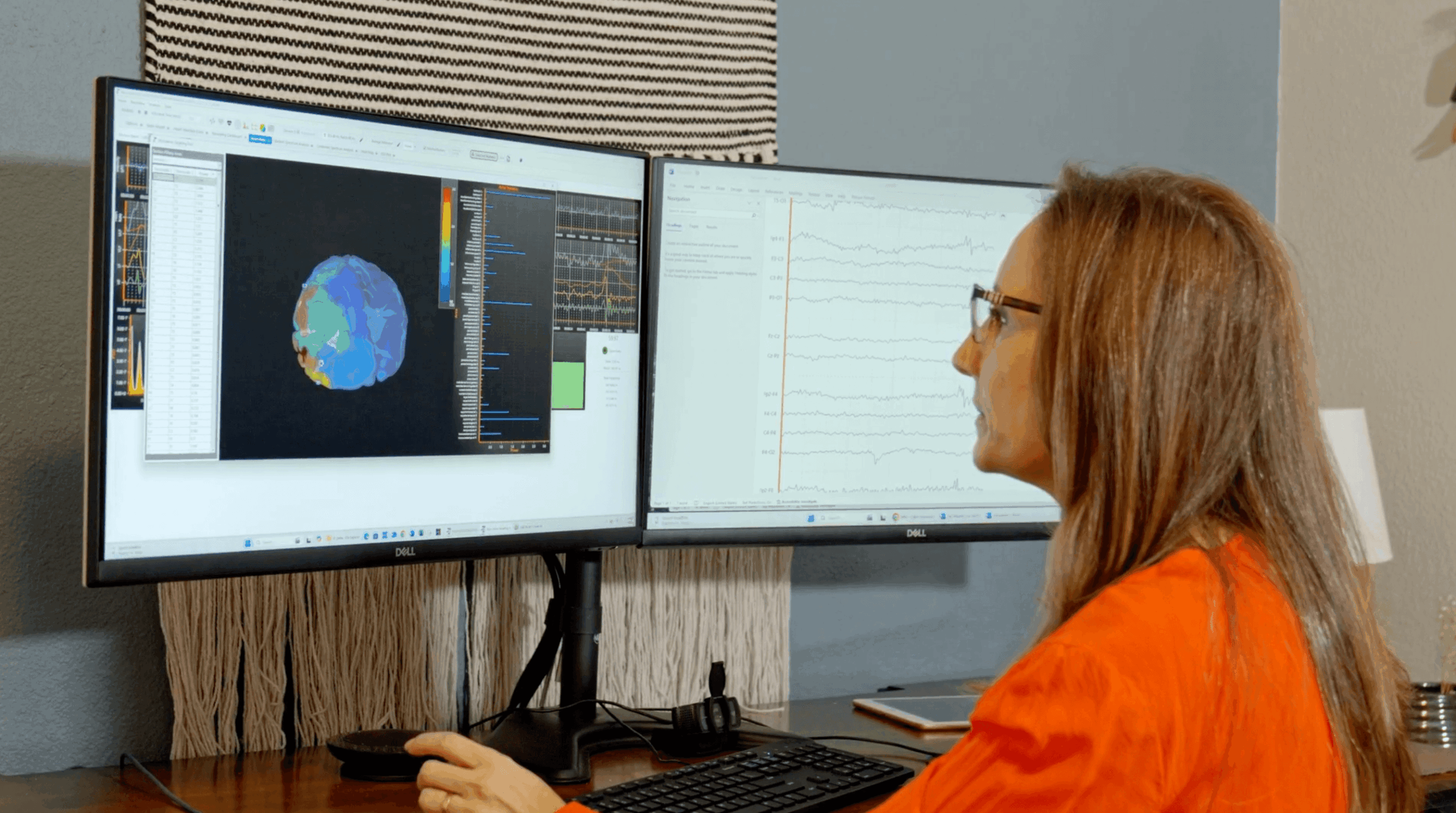
That’s what sent me deeper into neuroscience. I started using QEEG brain mapping to actually see what was happening underneath their symptoms. I like to say the brain is the hardware and therapy is the software, and you can’t run great software on hardware that’s stuck in survival mode. Once I saw how much faster and more completely people healed when we combined psychotherapy with neuroscience, somatic work, nutrition, and spiritual practice, I knew I couldn’t go back to offering just one piece of the puzzle.
That realization became ReConnect. I have seen over and over with individuals, couples, and entire family businesses, that when you integrate the brain, the body, and the whole person instead of treating symptoms in isolation, healing goes from managing a problem to actually reconnecting someone with who they are, and with the sense of belonging they may never have had. That’s the work I get to do every day now in Austin, and it’s the most meaningful chapter of my career.
Alright, so let’s dig a little deeper into the story – has it been an easy path overall and if not, what were the challenges you’ve had to overcome?
Absolutely not. Like most meaningful journeys, mine has been full of challenges, and many of them became the catalyst for growth.
One of the biggest challenges has been building something that didn’t already have a roadmap. ReConnect evolved from my belief that we could create deeper transformation by looking at the whole person not only psychologically and relationally, but through the brain, body, and nervous system. Bringing those disciplines together into one cohesive model has meant continually learning, experimenting, collaborating, investing, and sometimes finding my own way forward.
That pursuit led me back to being a student. I immersed myself in neuroscience, brain mapping, neurostimulation, and other evidence-based approaches which meant starting over, in a sense, after already having an established career. It was both exciting and humbling. It required me to challenge my own assumptions, sit with uncertainty, and stay in a constant state of learning.
Creating an integrative center that brings together psychology, neuroscience, and complementary approaches isn’t the traditional model of mental healthcare, so building ReConnect meant doing things differently at nearly every level: significant investment, thoughtful collaboration with other professionals, and a willingness to trust an unfamiliar path.
But if there’s one lesson I’ve learned, it’s that growth often happens when we’re willing to question what we think we know. That mindset has shaped both my career and ReConnect, and it continues to push me to learn, evolve, and search for better ways to help the people who trust us with their care.
Alright, so let’s switch gears a bit and talk business. What should we know?
ReConnect was built on a simple belief: lasting healing requires us to look beyond symptoms and understand the whole person.
For more than 30 years, I worked as a psychotherapist helping individuals, couples, and families heal from trauma, anxiety, burnout, and relationship challenges. While therapy can be profoundly transformative, I also realized that many people understood their struggles intellectually but still felt stuck. That realization inspired me to expand my approach and explore the neuroscience behind emotional wellbeing.
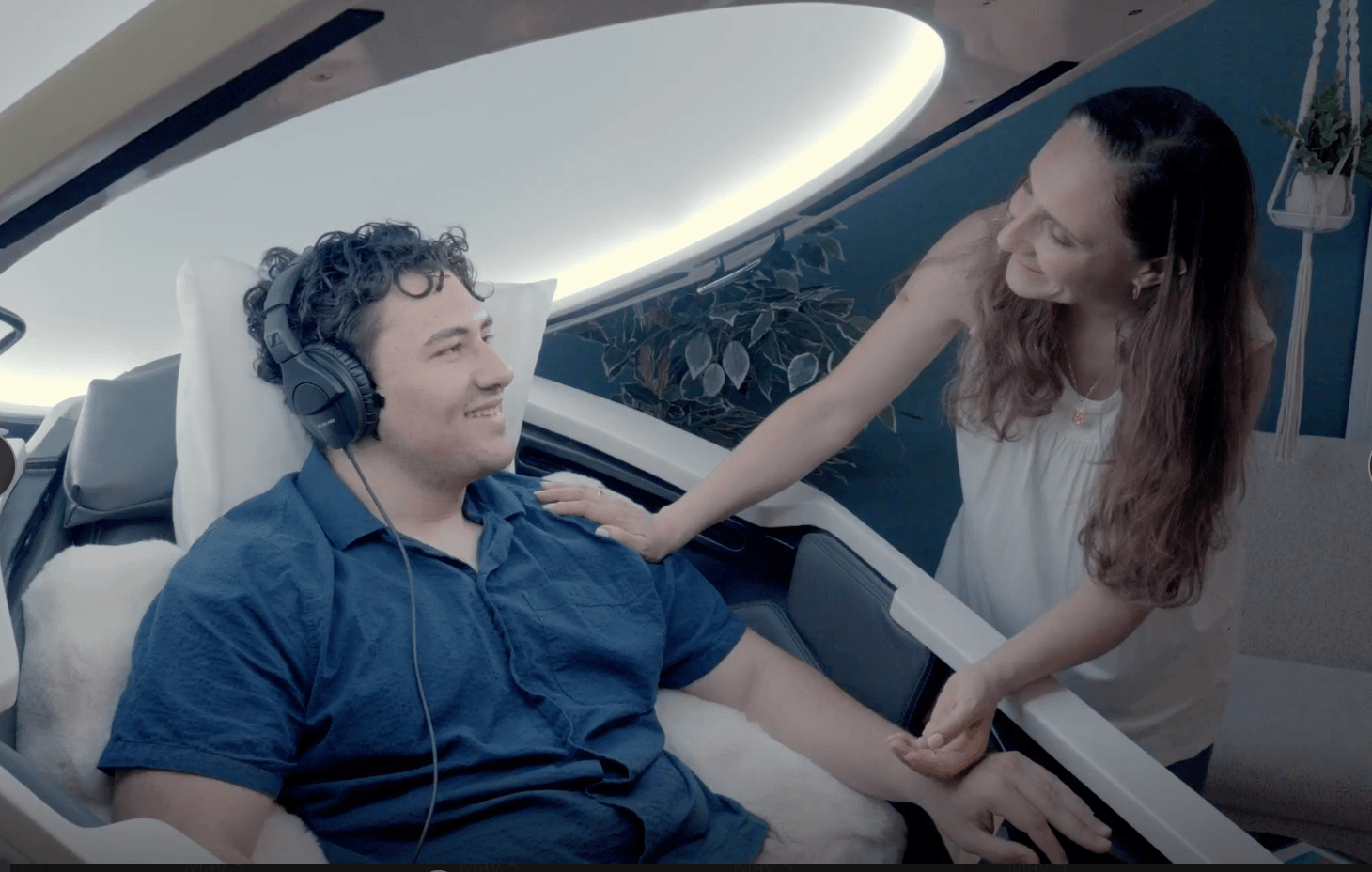
Today, ReConnect is an integrative mental health center that combines psychology with neuroscience and evidence-based technologies to better understand how the brain, body, relationships, and life experiences interact. I believe these systems are deeply interconnected, and meaningful change happens when we address them together rather than in isolation.
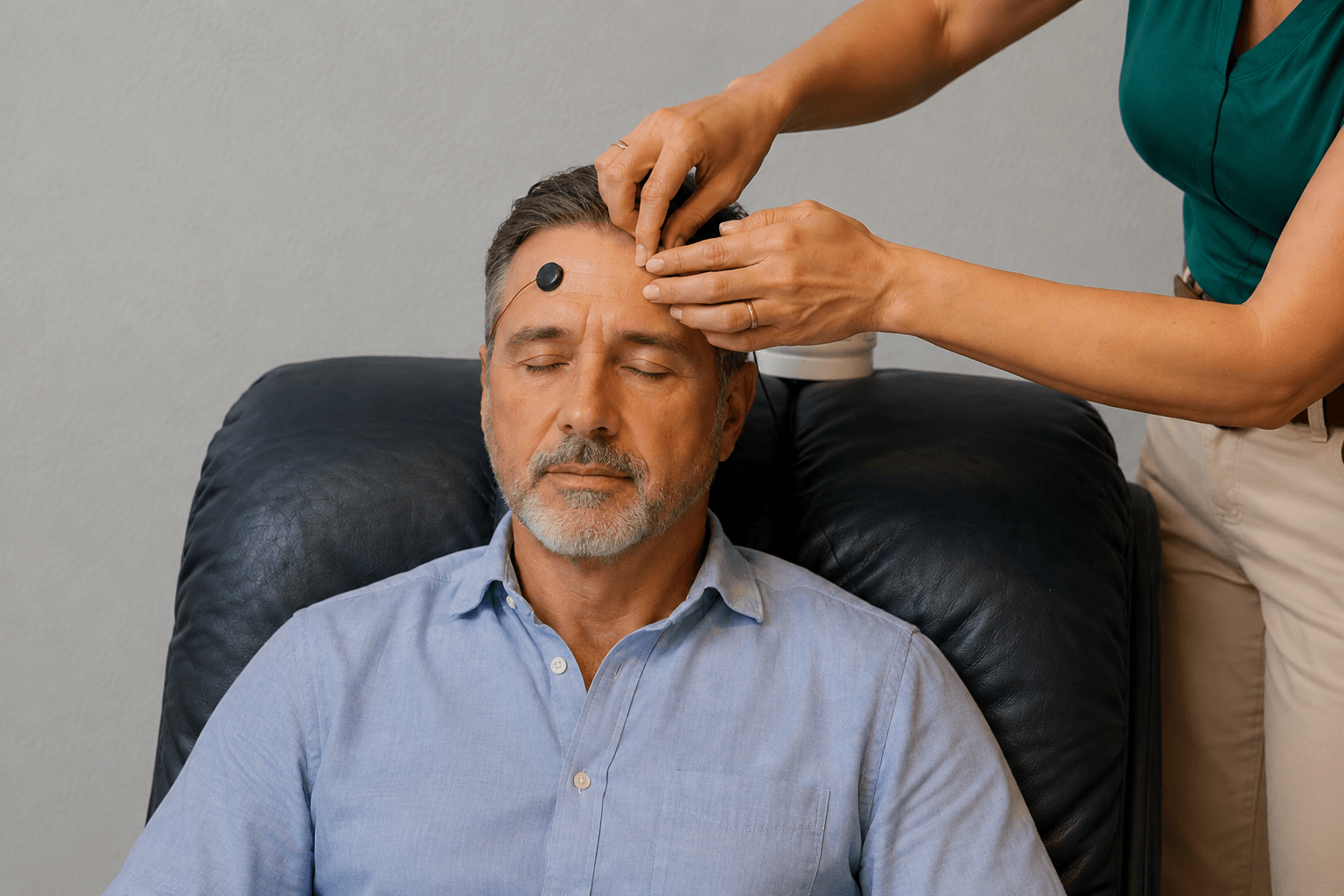
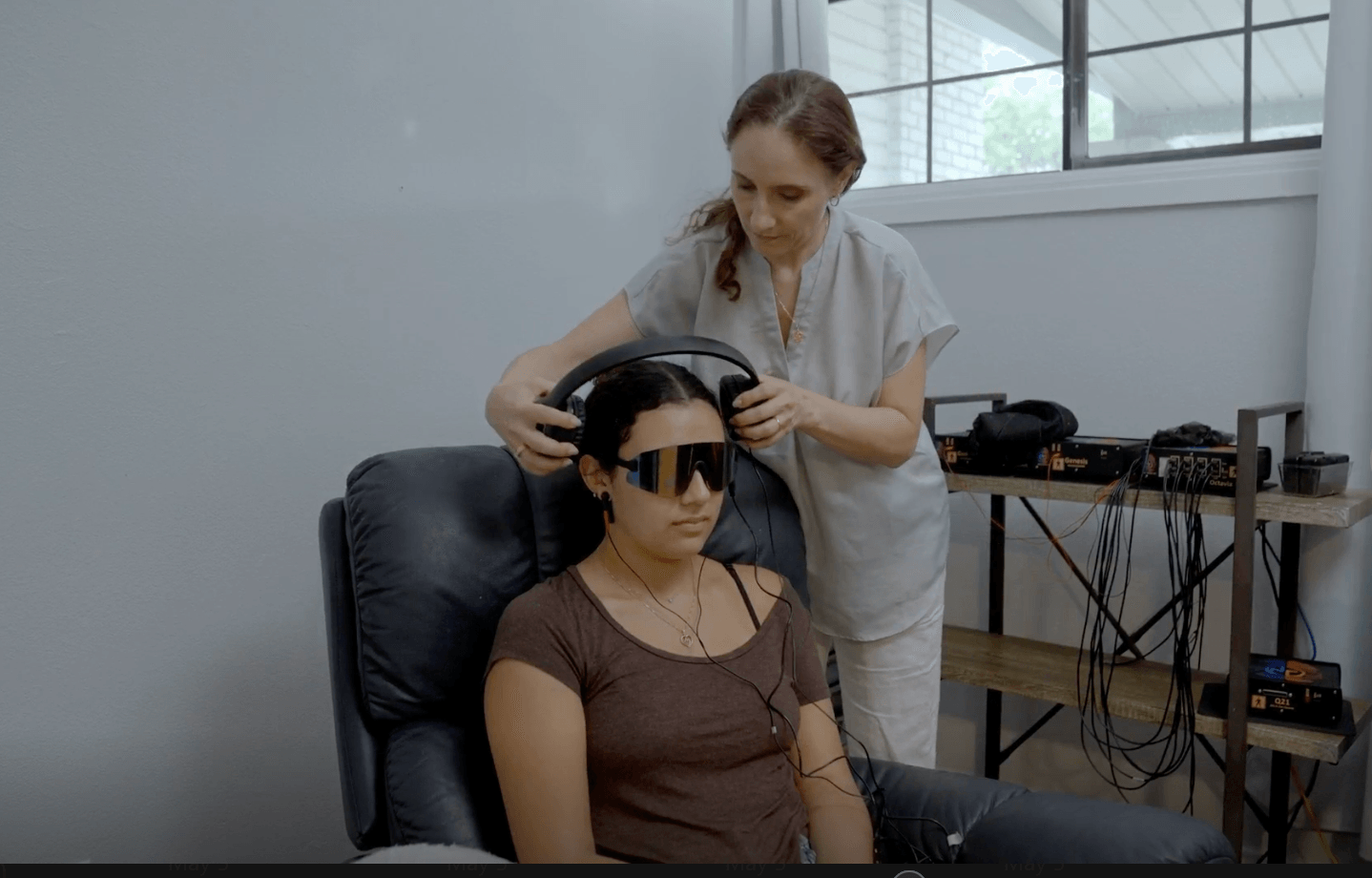
What sets us apart is that we don’t believe in one-size-fits-all treatment. Every person’s brain, nervous system, experiences, and goals are unique, so every treatment plan should be too. Depending on an individual’s needs, our work may include psychotherapy, quantitative EEG brain mapping, neurostimulation, neurocognitive assessment, somatic approaches, mindfulness, nutrition, and other complementary interventions that support emotional and cognitive health.
Our mission is to help people understand themselves more deeply, build resilience, strengthen their relationships, and create lasting transformation. Whether someone is struggling with anxiety, trauma, burnout, relationship difficulties, or simply wants to function at their highest level, our goal is to help them reconnect with themselves and with the life they want to live.
What makes me most proud is the culture we’ve built at ReConnect. We are committed to combining scientific curiosity with genuine compassion, continually learning and evolving so we can offer our clients the highest standard of care. We never stop asking how we can help people heal more effectively, and that commitment to innovation, while remaining deeply human, is what defines who we are.
Alright so before we go can you talk to us a bit about how people can work with you, collaborate with you or support you?
At ReConnect, we provide comprehensive emotional and neurocognitive assessments, individual, couples, and family therapy, quantitative EEG brain mapping, neurostimulation, and integrative programs designed to help people address anxiety, trauma, burnout, relationship challenges, and optimize cognitive and emotional performance. Every treatment plan is personalized because no two people or brains are the same.
In addition to my clinical work, I also consult with family-owned businesses. As a Licensed Marriage and Family Therapist with a PhD in Family Therapy, I help business families navigate the complex intersection of family relationships, leadership, communication, succession planning, and business continuity. Healthy businesses are built on healthy relationships, and my goal is to help families preserve both their business and the relationships that matter most.
I also enjoy collaborating with organizations, schools, healthcare professionals, and businesses that are passionate about improving mental health and wellbeing. Whether through workshops, speaking engagements, consultation, or interdisciplinary partnerships, I believe we can have a much greater impact when we work together.
The best way to support our mission is by sharing our work with someone who may be struggling. So many people continue to believe they simply have to live with chronic stress, anxiety, burnout, or emotional exhaustion. My hope is that we can help more people realize that healing is possible and that they don’t have to navigate that journey alone.
You can learn more about ReConnect, our services, educational resources, and upcoming events by visiting our website or following us on social media. We love connecting with people who share our vision of making mental healthcare more compassionate, personalized, and grounded in both science and human connection.
Pricing:
- Because every person, family, and organization has unique goals and needs, we don’t believe in a one-size-fits-all approach. Our recommendations—and therefore pricing—depend on the type of services that will best support each client. We invite readers to contact us or visit our website to learn more about our offerings and discuss the best fit for their situation.
Contact Info:
- Website: https://www.ReConnectHealth.com
- Instagram: reconnect.health
- Facebook: https://www.facebook.com/ReConnectHealthCenter
- LinkedIn: https://www.linkedin.com/in/carolina-castanos-ph-d-lmft-qeeg-dl-8bb64118/
- Other: https://www.drctherapist.com