


Today we’d like to introduce you to Deborah Cole.
Hi Deborah, please kick things off for us with an introduction to yourself and your story.
For 36 years, I built and grew a multi-million-dollar commercial landscape service business with 10 offices spread throughout Texas. Being an entrepreneur was a huge part of my life and taught me to take risks, solve problems, trust my instincts and, perhaps most importantly, not wait for someone else to give me permission to try something. It also taught me perhaps the most valuable lesson of all: to value people and the relationships we build with them.
I didn’t realize it at the time, but those same qualities would eventually become enormously important to me as I embraced a second act as a photographer and writer.
When I eventually stepped away from that first chapter of my life, I wasn’t looking for a second career. I was simply following something that interested me. I came to full-time photography relatively late in life, which I now consider one of its great advantages.
Photography began as something I enjoyed and found useful in the marketing of my business, but gradually I became less interested in simply making beautiful photographs and much more interested in the people in them. I wanted to know their stories. That led me toward street and documentary photography and, increasingly, toward writing as well.
I discovered that a camera could be a wonderful passport into worlds I might otherwise never enter. It gave me a reason to stop, ask questions, listen and pay attention.
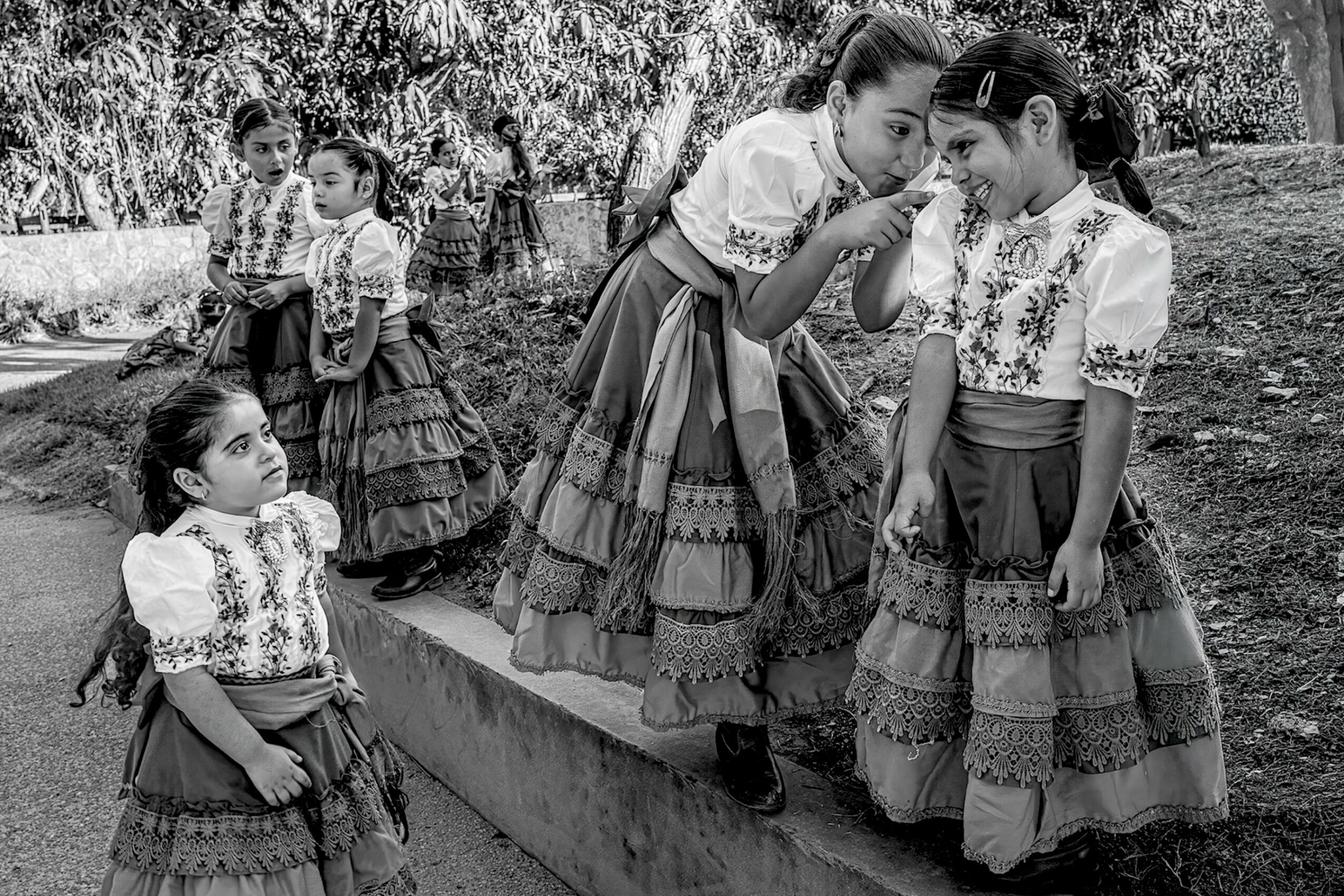
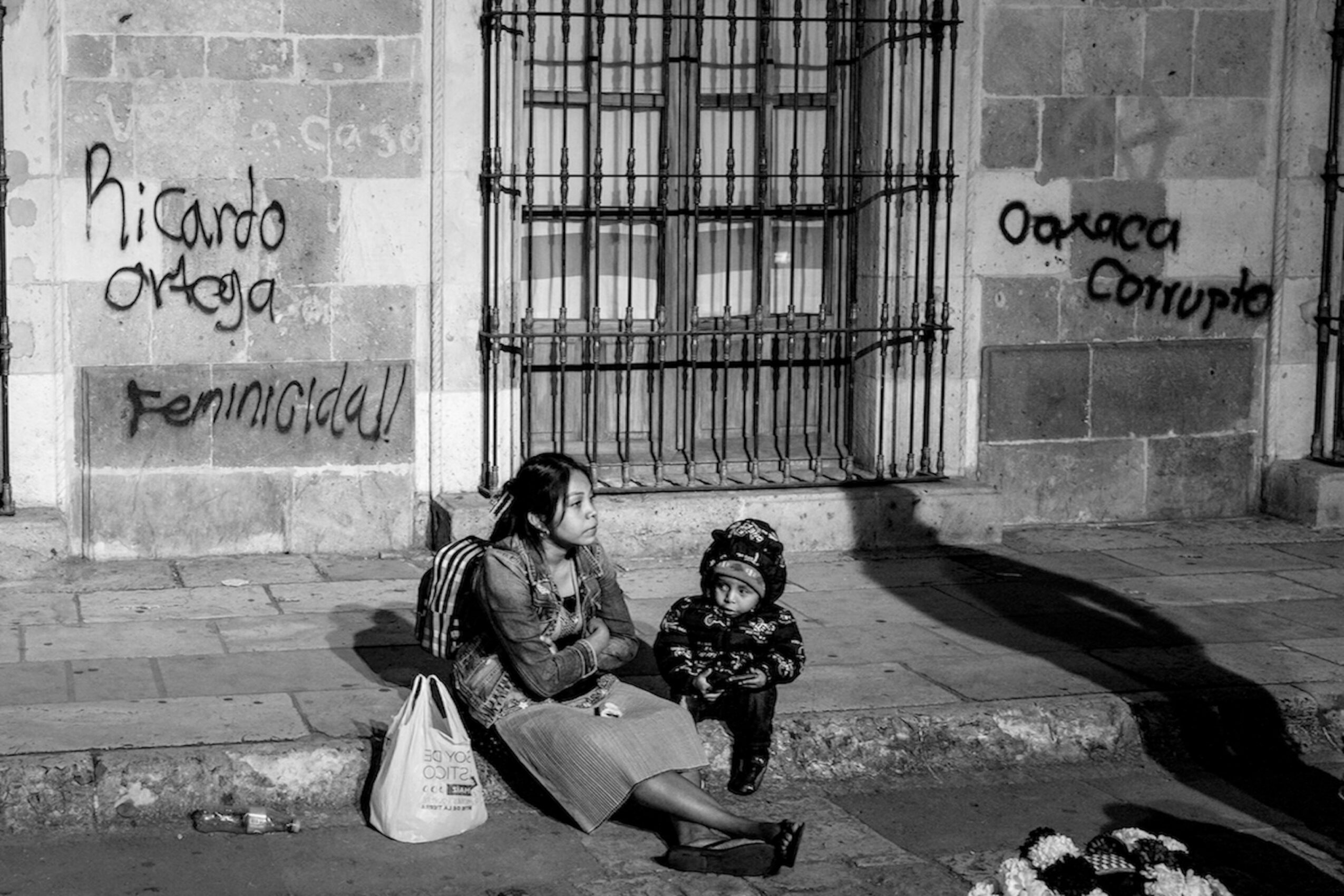
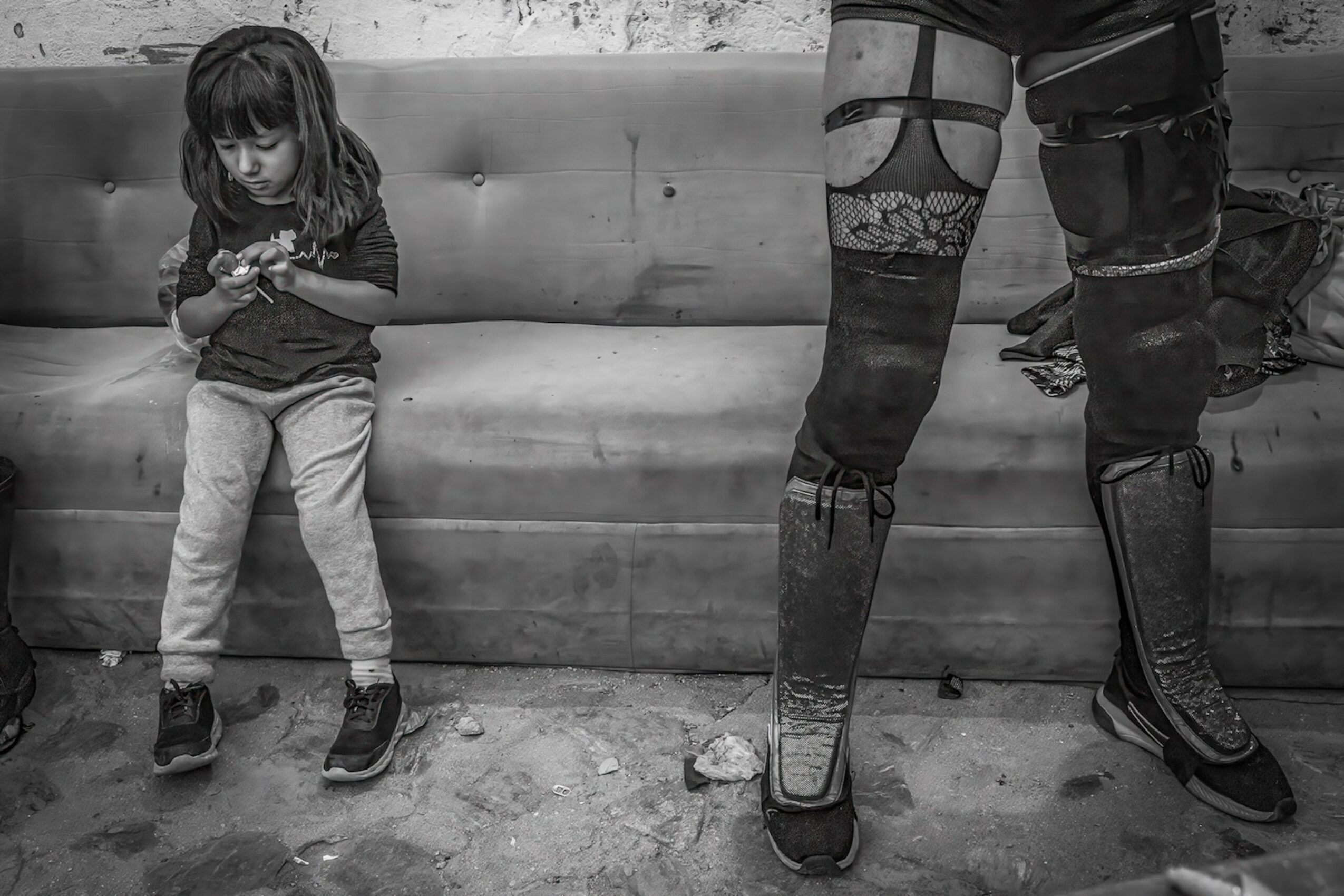
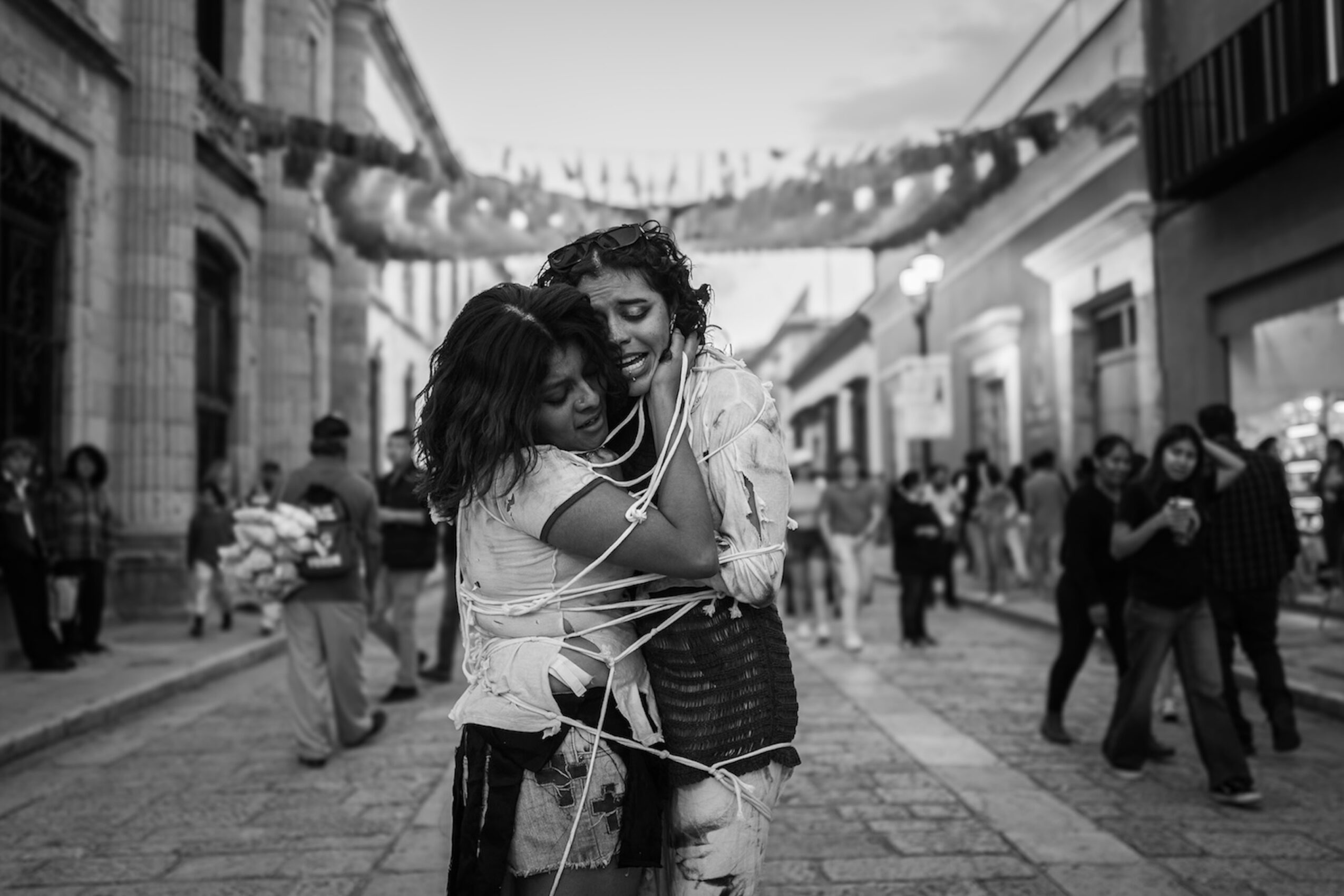
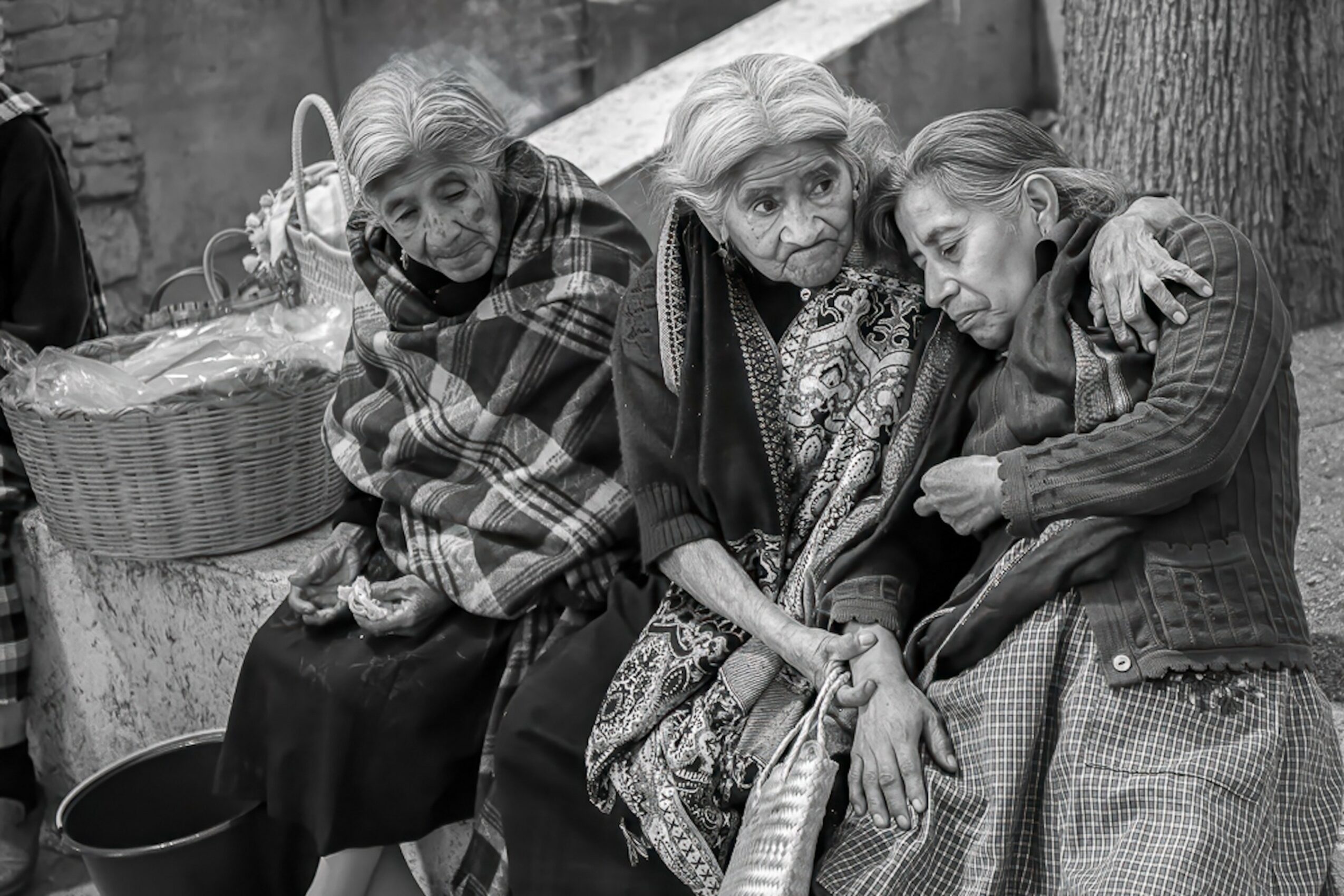
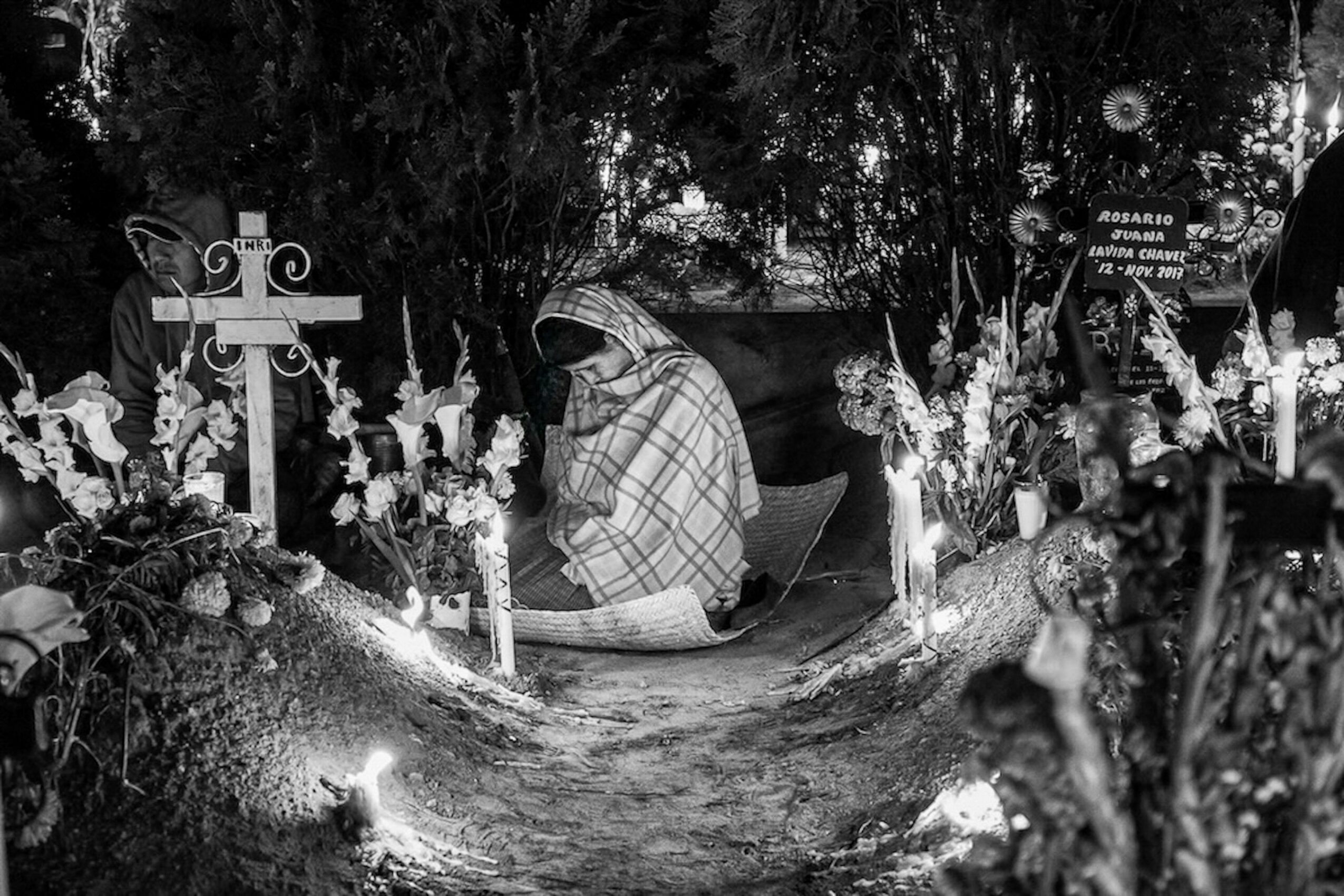
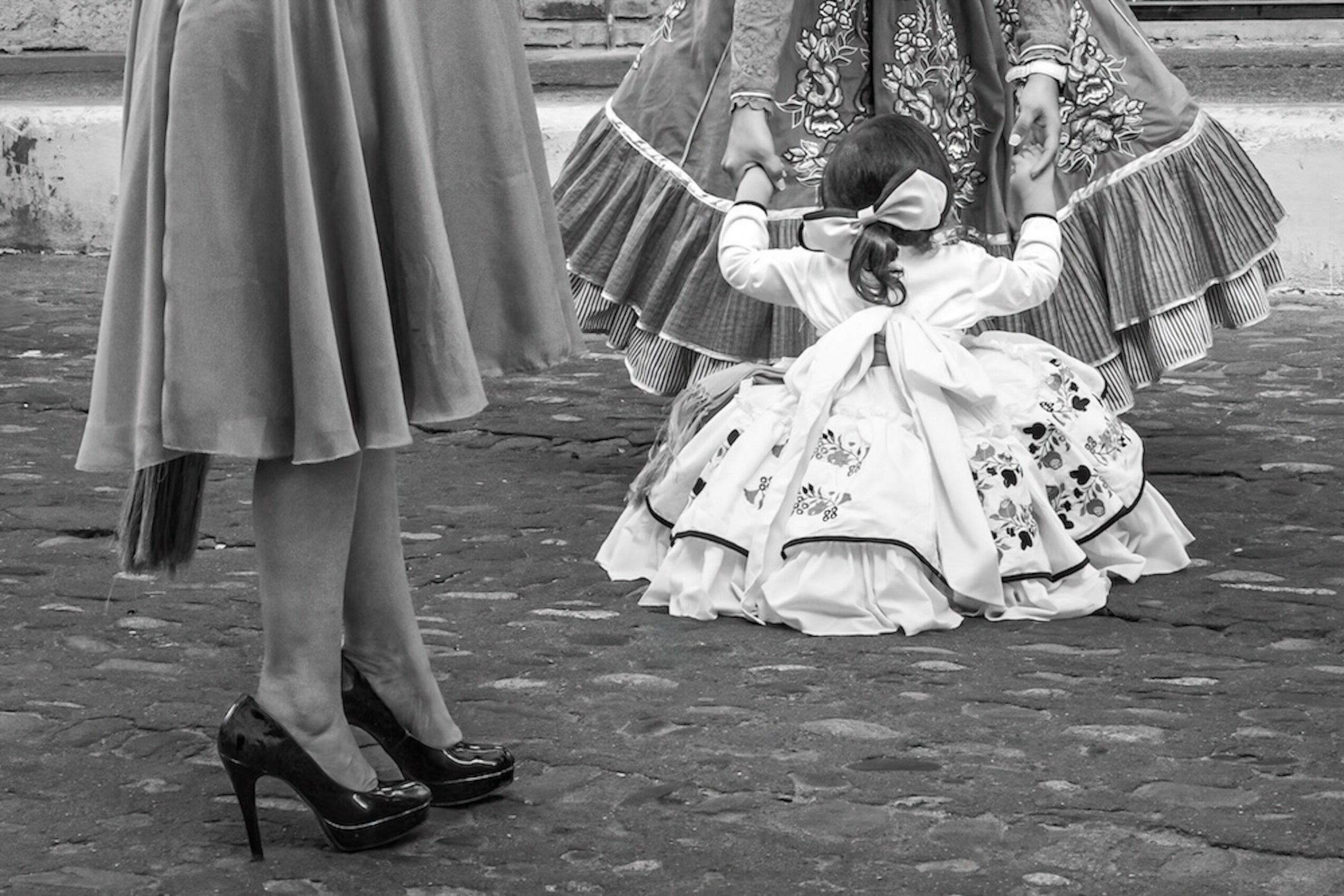
Much of my work today is made in Mexico, where I live, and focuses on women, everyday life, tradition and cultural change. Along the way, I’ve published two books combining my photography and writing, SHE: Believed She Could So She Did and Black Women in Business: Journeys in Resilience. I’ve also had my photographs exhibited and published, experiences I certainly never envisioned when I first picked up a camera seriously.
My upcoming book, Testimonio, grew out of years of photographing and listening to women in Mexico. It isn’t intended to explain Mexico or speak for Mexican women. Rather, it is my attempt to bear witness to the women who allowed me into small pieces of their lives and to share what I observed with respect.
Looking back, I don’t really see entrepreneurship and photography as two completely separate lives anymore. Both required me to take chances, walk into unfamiliar situations, trust people and figure things out as I went along.
After 36 years of building one life, I’ve had the unexpected pleasure of building another.
Would you say it’s been a smooth road, and if not what are some of the biggest challenges you’ve faced along the way?
I’m not sure any road worth taking is completely smooth, and I’m not sure I’d want it to be.
One of the more humbling experiences of becoming serious about photography after a long business career was going from being very experienced at one thing to being a beginner again. After 36 years as an entrepreneur, I knew how to run a business. I knew how to make decisions, solve problems and trust my judgment. Photography required me to become a student again—to learn, make mistakes and occasionally discover that the photograph I thought was wonderful really wasn’t.
That’s good for you.
Documentary photography has also required me to become comfortable with being uncomfortable. You walk into situations where you don’t necessarily belong, approach people you don’t know and occasionally hear “no.” You have to be willing to look foolish, get lost, change plans and recognize when your assumptions about a person or a situation are simply wrong.
Working in another country and culture adds another layer. I am very conscious that I am an outsider photographing in Mexico. That requires patience and respect and an understanding that access is something another person gives you; it isn’t something you’re entitled to because you’re carrying a camera.
I’ve also had to learn to really accept criticism. Photography is personal, so when someone tells you an image doesn’t work, your instinct can be to defend it. I’ve learned that sometimes the better response is simply to listen. Not every criticism is right, but there’s usually something to learn from it.
Perhaps entrepreneurship prepared me for this more than I realized. Running a business for 36 years taught me that things rarely go according to plan and that there’s almost always another way forward. Photography has taught me much the same thing.
Thanks for sharing that. So, maybe next you can tell us a bit more about your work?
I consider myself a documentary and street photographer and a writer, but at the heart of my work I’m a storyteller. I’m drawn to ordinary people and everyday lives—the things we can easily overlook because they don’t initially appear extraordinary.
I’m particularly interested in women’s experiences, traditions that are changing or disappearing, and the common threads that connect people across geography, culture and circumstance. Much of my work today is made in Mexico, where I live.
I photograph primarily in black and white because it allows me to concentrate on gesture, emotion, relationships and the small details that reveal something about a person or a moment. Increasingly, I combine those photographs with writing. Sometimes an image can say what words cannot, and sometimes the words tell us what exists beyond the frame.
My projects have taken me into very different worlds—from documenting women in Mexico to traditional adobe brickmakers to spending time with a multigenerational lowrider family in New Mexico. On the surface, those subjects may seem to have very little in common. For me, the connection is an interest in people and lives that aren’t necessarily like my own.
I’m proud that my photographs have been exhibited and published and that I’ve been able to combine my photography and writing in books. But some of the things I’m most proud of will never appear on a résumé. They’re the moments when someone trusts me enough to let me into her home, introduces me to her family, allows me to photograph something personal, or simply sits down and tells me her story. A strong photograph matters enormously to me, but so does the relationship that allowed that photograph to exist.
My upcoming book, Testimonio, brings much of this together. It grew from years of photographing and listening to women in Mexico. The title means “testimony” or “witness,” and that comes very close to how I see my role. I’m not there to speak for someone else or to explain a culture that isn’t mine. I’m there to pay attention, listen and bear witness.
Perhaps what sets me apart is less a particular photographic style than the way I approach the work. I’m genuinely interested in people, and I’m willing to spend the time, ask the questions and follow a story without knowing exactly where it will lead.
I’ve learned that some of the best stories begin with a very simple question: I wonder what’s over there?
Is there a quality that you most attribute to your success?
Curiosity has probably been the driving force throughout my life. It was important during my 36 years as an entrepreneur, and it has become even more important in my life as a photographer and writer.
It’s what makes me turn down a street when I have no idea where it leads, talk to someone I normally wouldn’t meet, or become fascinated by something I knew absolutely nothing about the day before. More than once, curiosity has led me to a person or a story I never could have planned.
But I’ve learned that being curious isn’t just about asking questions. It’s about listening to the answers. As a photographer, I can arrive thinking I know what the story is and completely miss the real story unfolding in front of me. Some of my best experiences—and photographs—have happened when I’ve let go of what I expected to find and simply paid attention to what was actually there.
Curiosity also means being comfortable saying, “I don’t know.” I don’t need to be the expert in the room. In fact, I’d much rather find the expert, ask questions and leave knowing something I didn’t know before.
And I don’t believe curiosity has an expiration date. If anything, I think it becomes more important as we get older. There is always another person to meet, another place to explore, another question to ask and another thing to learn.
At this point in my life, I’m much more interested in what I don’t know than what I do.
Contact Info:
- Website: https://www.deborahcolephotography.com
- Instagram: @deborahcolephotographer