


Today we’d like to introduce you to Nicholas Lapresa.
Nicholas, we appreciate you taking the time to share your story with us today. Where does your story begin?
I was raised in the public housing projects of Bologna, in a complex and volatile environment alongside my mother and twin brother. My youth unfolded on the streets, marked by instability, heavy friction, and severe personal struggles, until I hit an absolute breaking point in 2021. Today, I am deeply grateful to have made it through that dark period and to be able to channel that raw pain into my work.
Having been rejected by the fine arts high school, art was never an academic exercise or a stylistic choice for me; it was a primary requirement for survival. A year ago, I left for Australia with almost nothing. I landed a job managing social media for a local gallery, which ended abruptly on Christmas Eve when I was fired—after watching the owner use a drawing I’d gifted her as a coffee coaster. Homeless and unemployed, I spent my days wandering the streets, painting obsessively on salvaged wooden boards.
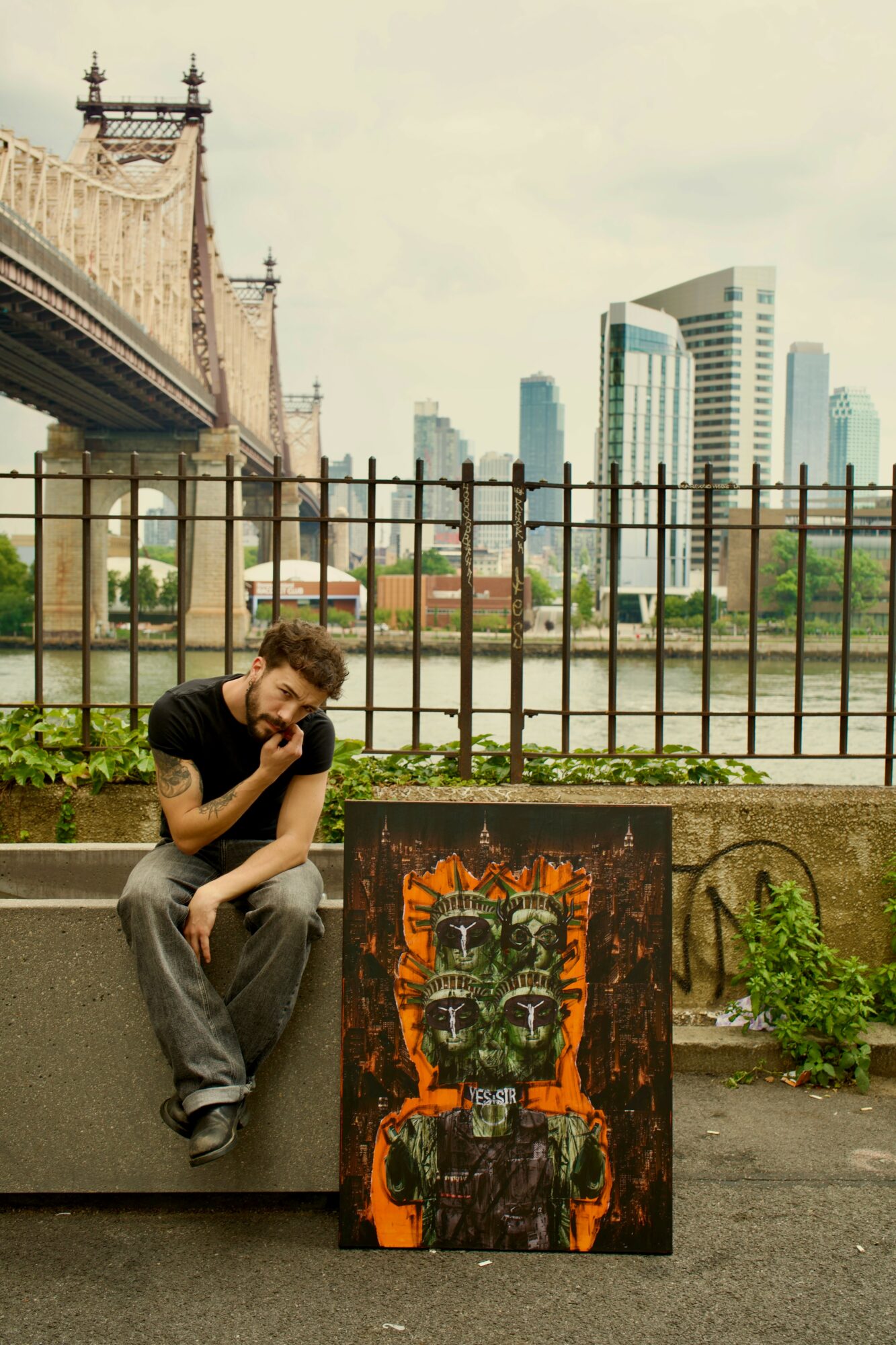
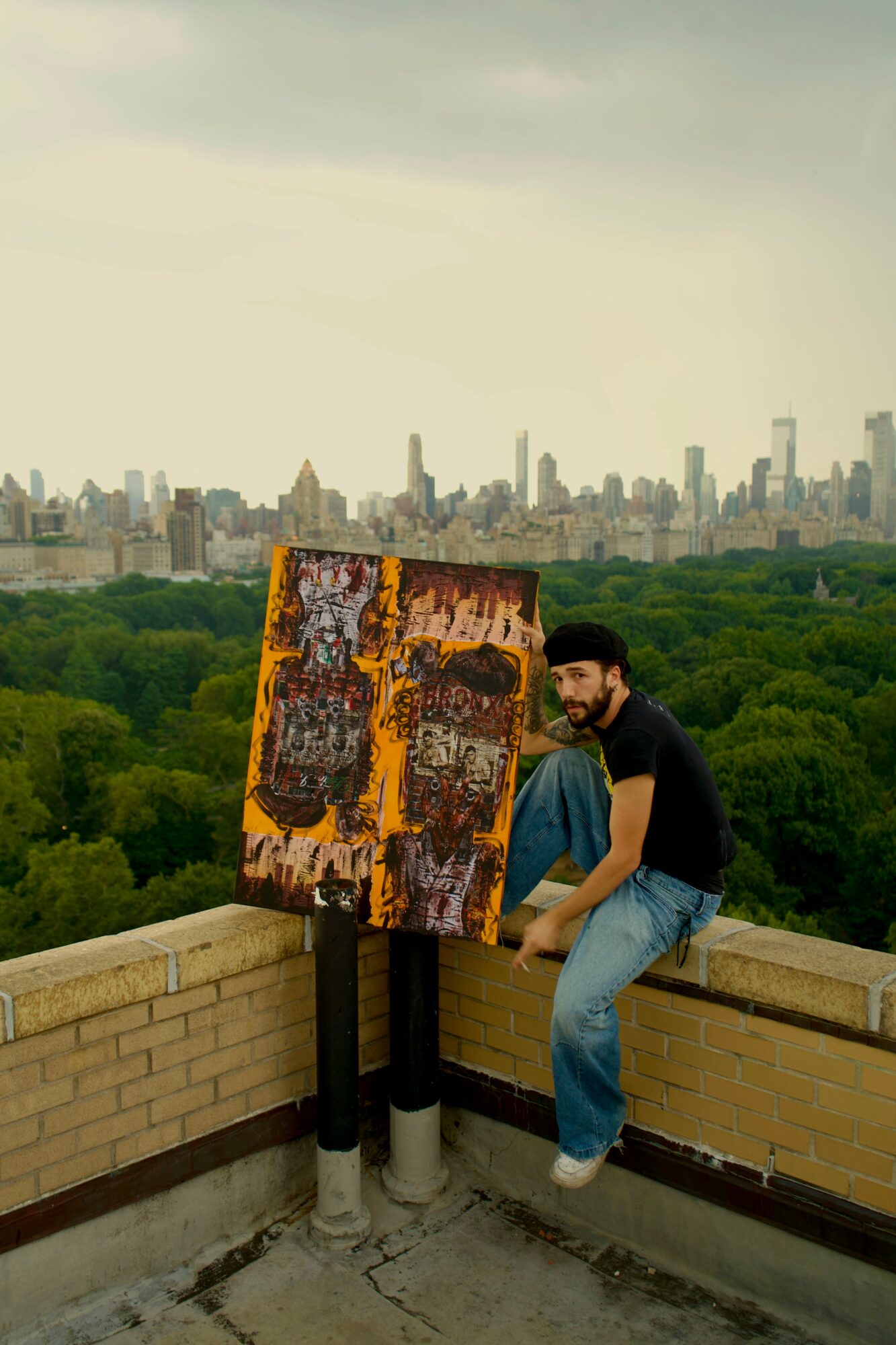
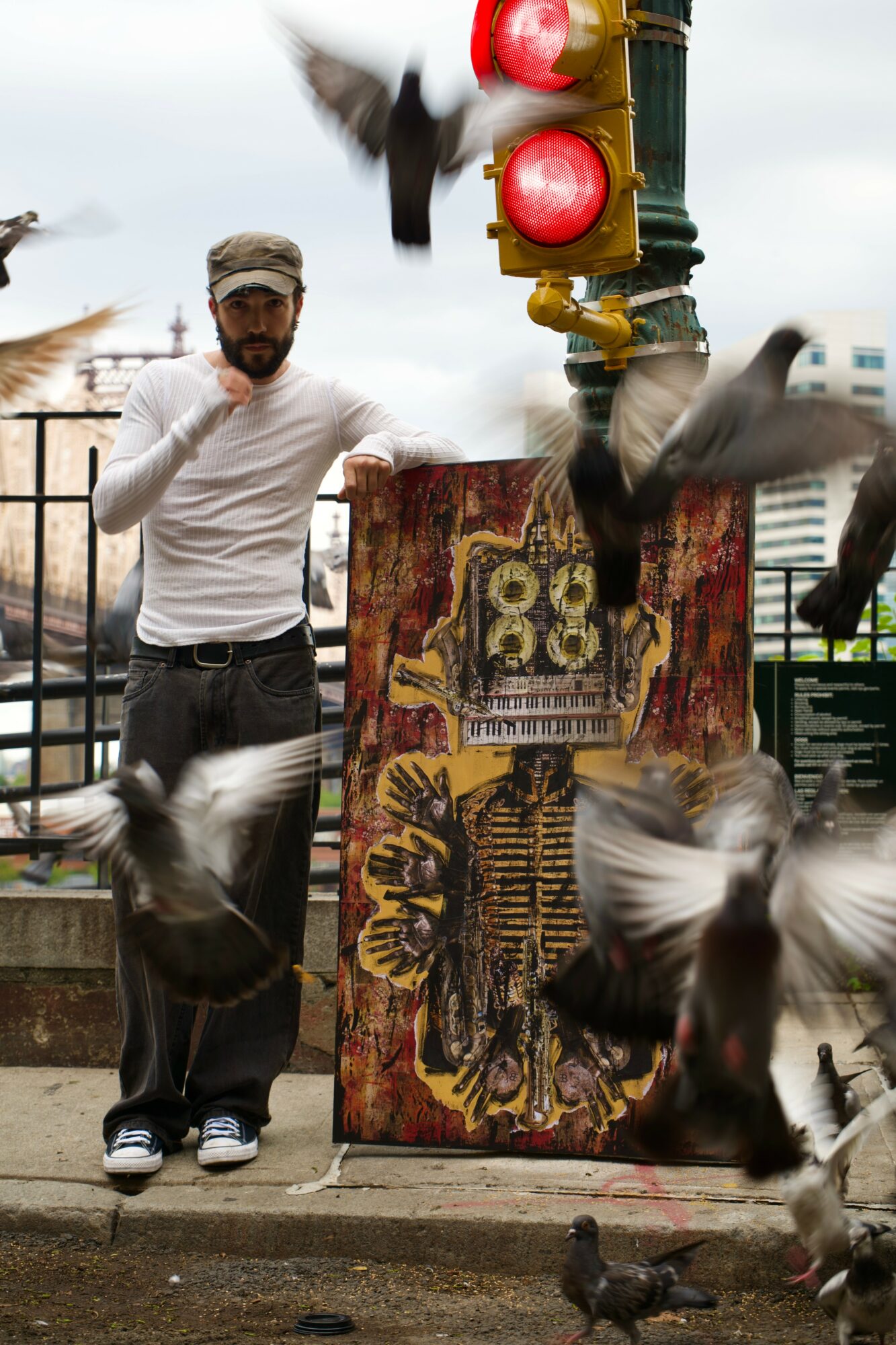
To support myself, I took a job at a coal mine in the Australian Outback. Working twelve-hour shifts, I watched the bodies around me: hollowed-out, reduced to mechanical cogs within an industrial machine. That is where my concept of “brutalist anatomy” was born—the human form fused with metal, concrete, and systems of control.
Using my hard-earned savings from the mine and the first sales of my paintings, I flew to New York with barely a thousand dollars and an uncompromising focus. Within two weeks, I had secured a job and scheduled an exhibition. My art is not a performance—it is an unfiltered autopsy of the reality I live.
Would you say it’s been a smooth road, and if not what are some of the biggest challenges you’ve faced along the way?
Not at all. The real struggles were never about a lack of creative drive—creating has always been an instinctual requirement for me. The primary challenges were emotional and psychological: carrying raw rage, instability, and isolation through unpredictable environments. Painting became my ultimate outlet, the place where I could channel that inner noise and transform it into physical form.
Thanks for sharing that. So, maybe next you can tell us a bit more about your work?
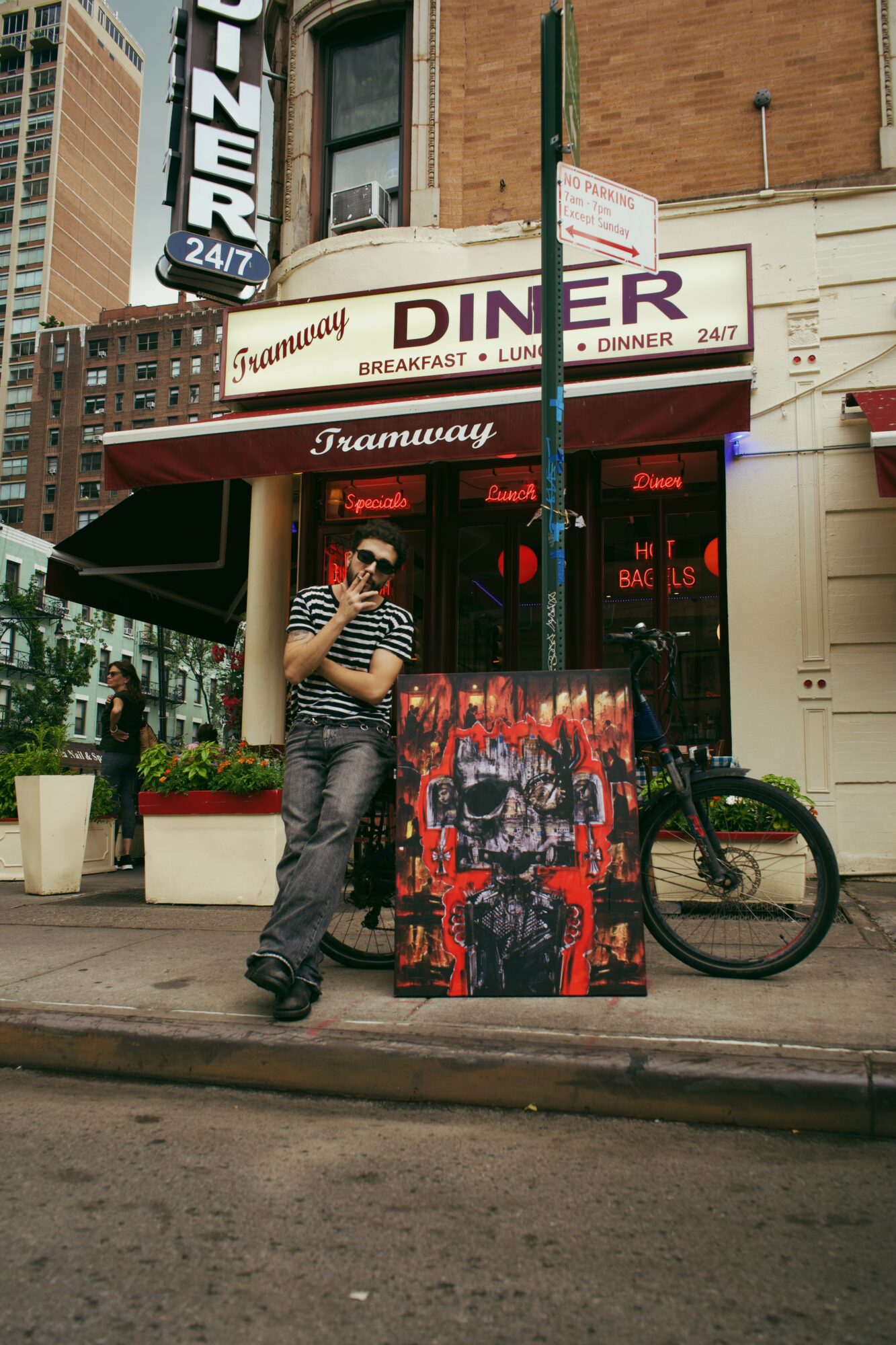
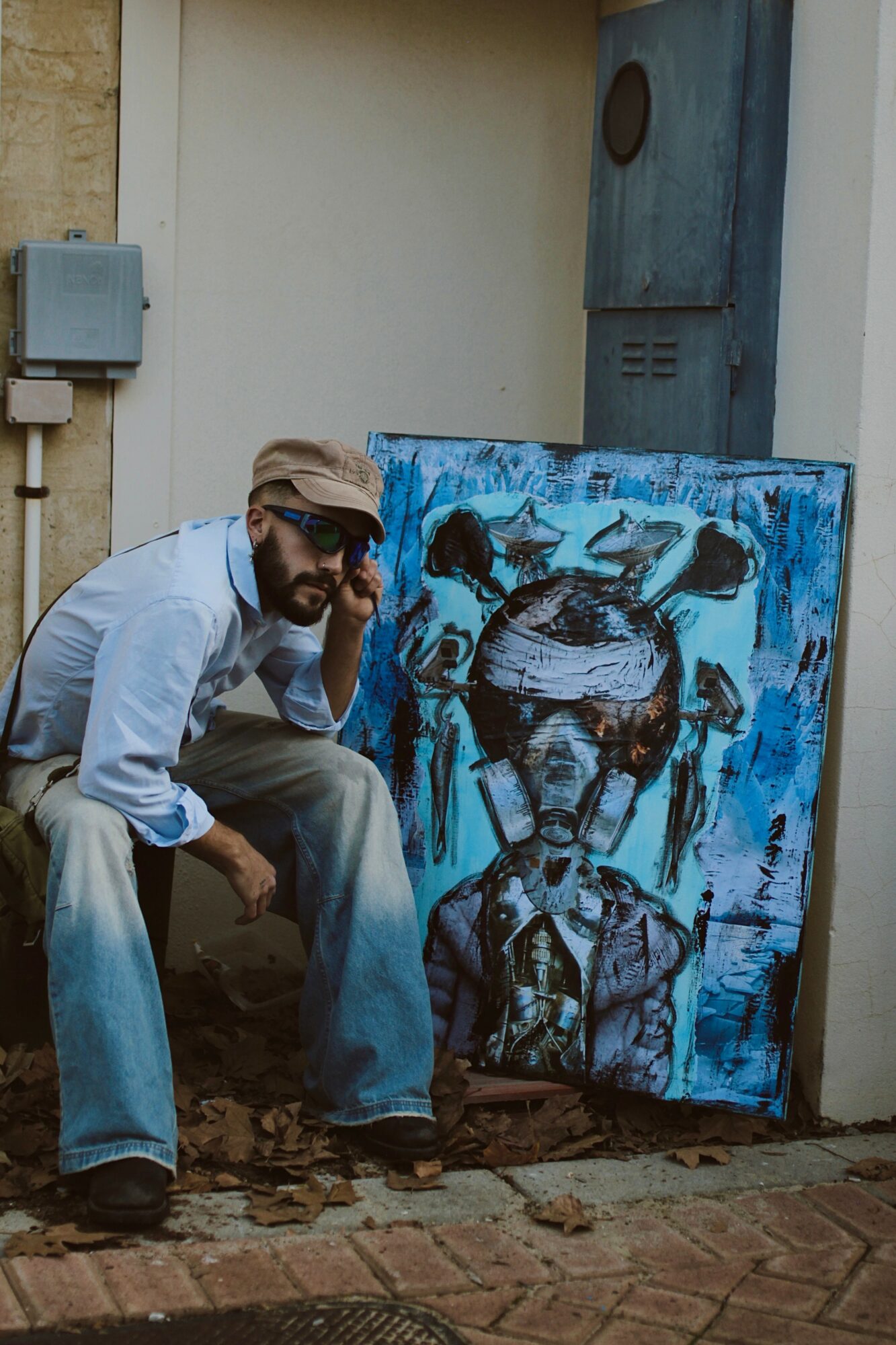
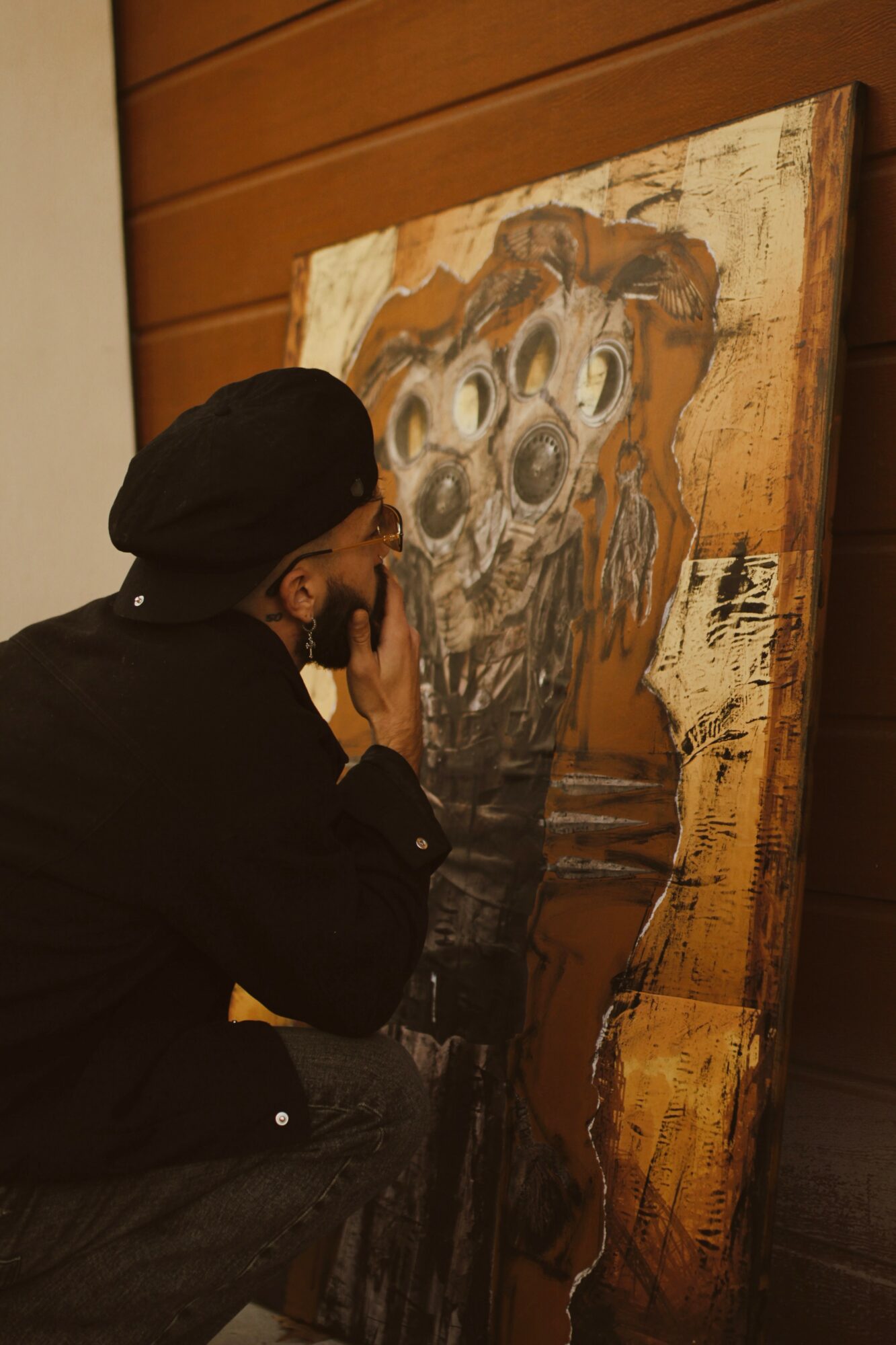
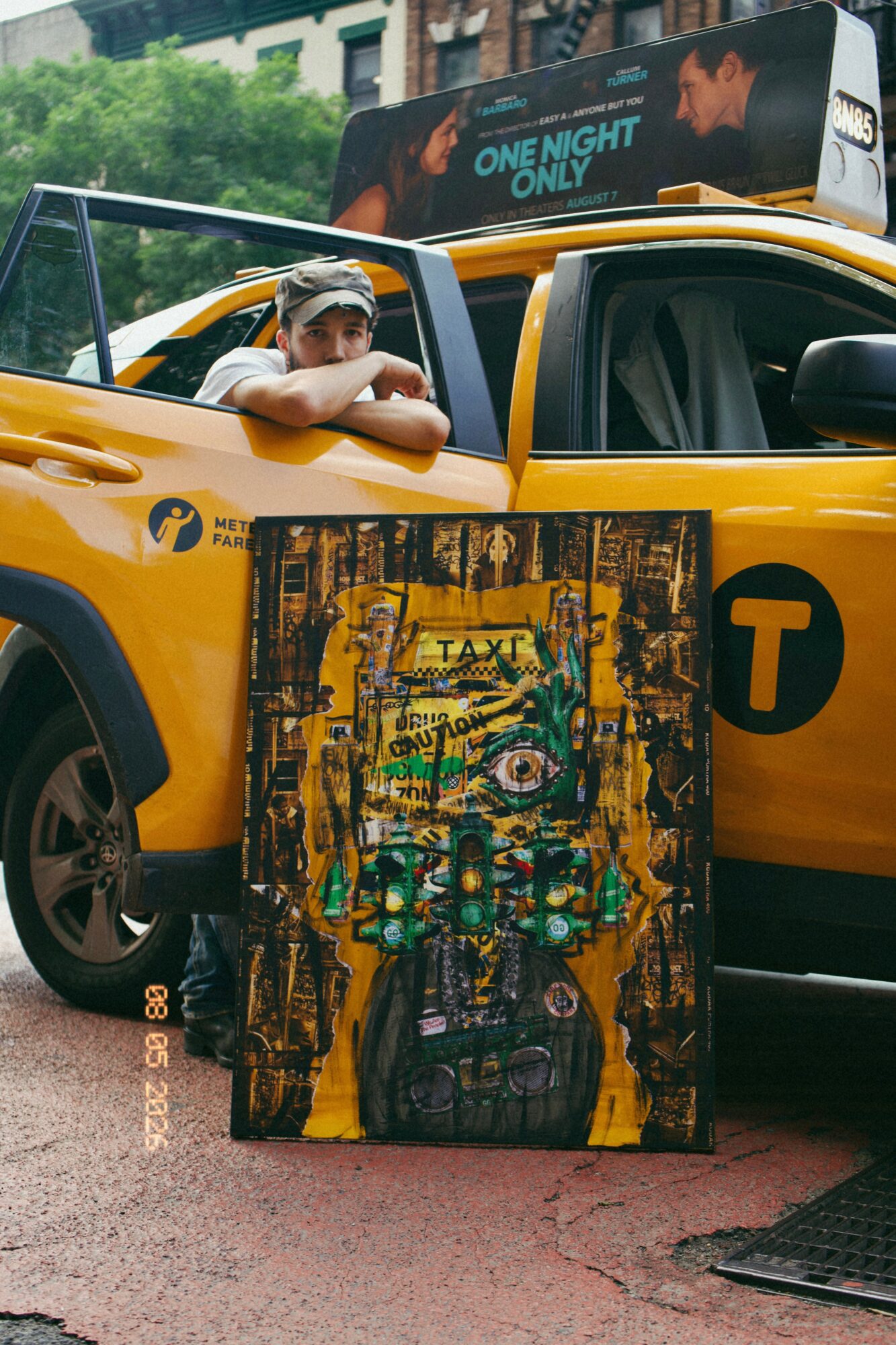
My practice focuses on dissecting the human condition through “brutalist anatomy”—a visual research where bodies are stripped of sentimentality and reduced to mechanical components. Rather than taking pride in past work, I am driven by a persistent restlessness, constantly setting my sights on distant horizons. My distinction lies in this obsession: I’m not interested in decorative art, but in creating a new visual language and an immersive, uncompromising world that dissects contemporary life.
So maybe we end on discussing what matters most to you and why?
What matters most to me is absolute authenticity and the capacity to transform chaos into form. I have no interest in comfort or sugarcoated narratives; life is harsh, mechanical, and often brutal. What drives me is the ability to take raw rage, isolation, and systemic friction, and translate them into visual work that feels undeniable. For me, art isn’t about seeking approval—it’s about staying true to the urgency of existing and creating a mirror that forces people to look at reality without filters.
Contact Info: