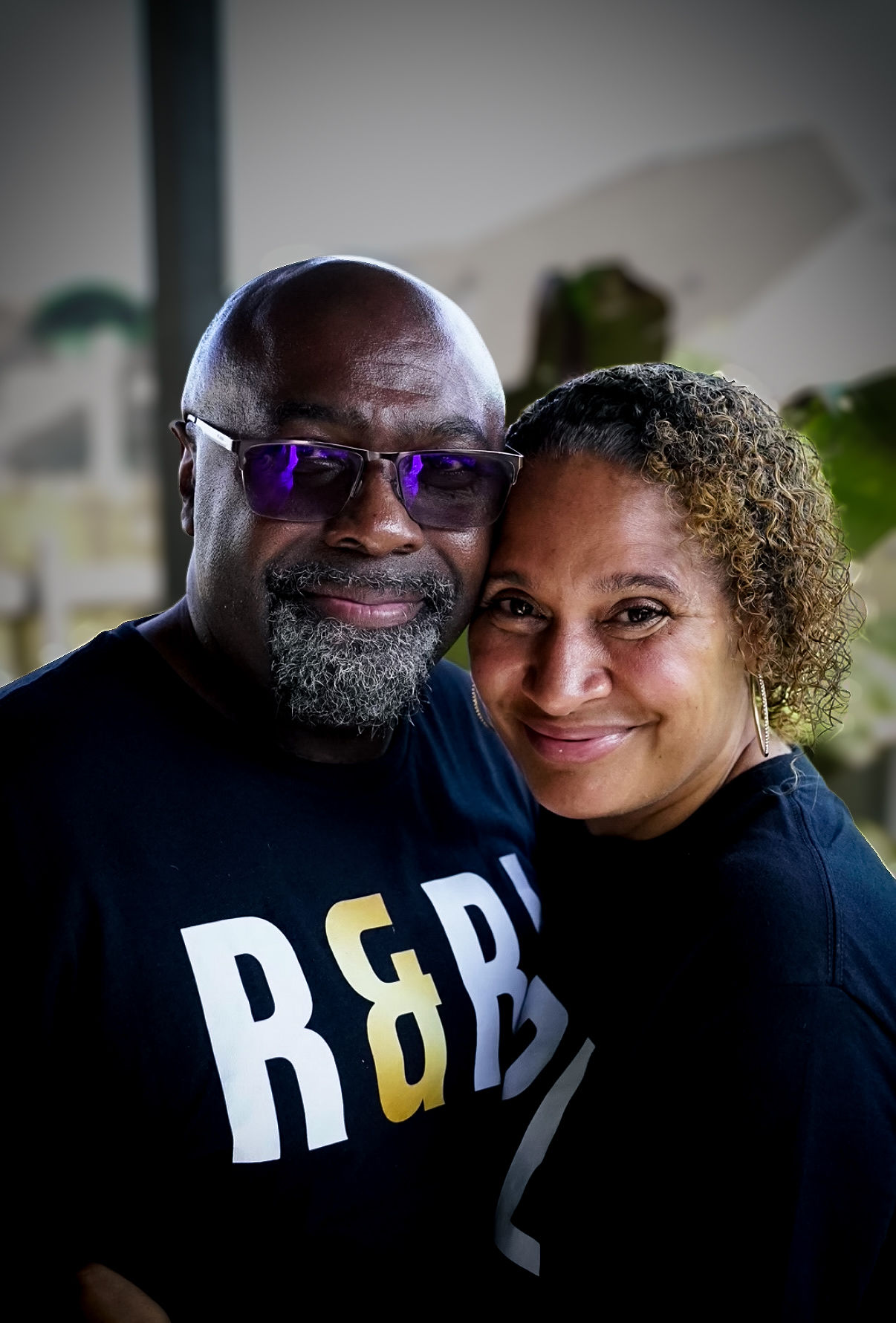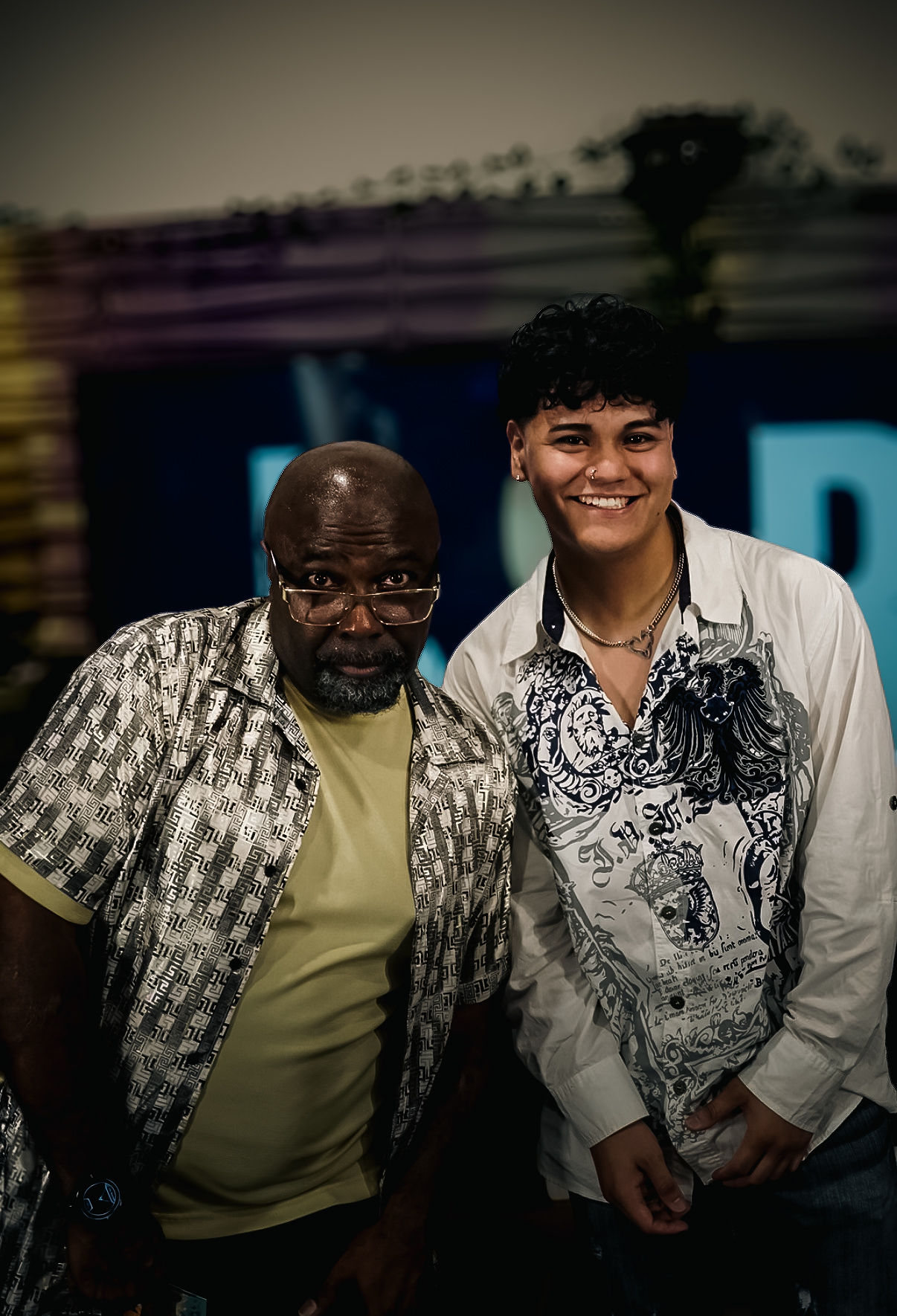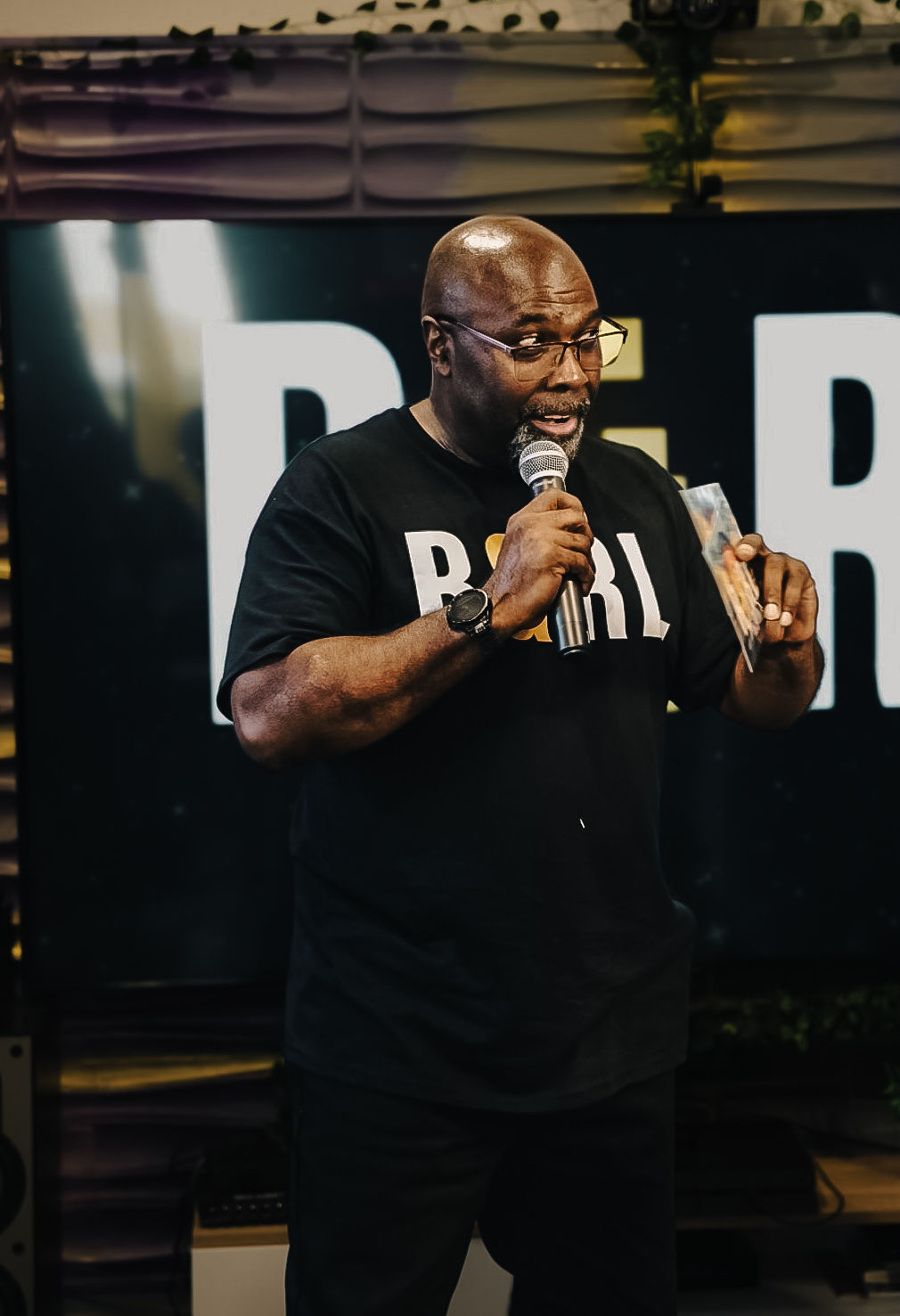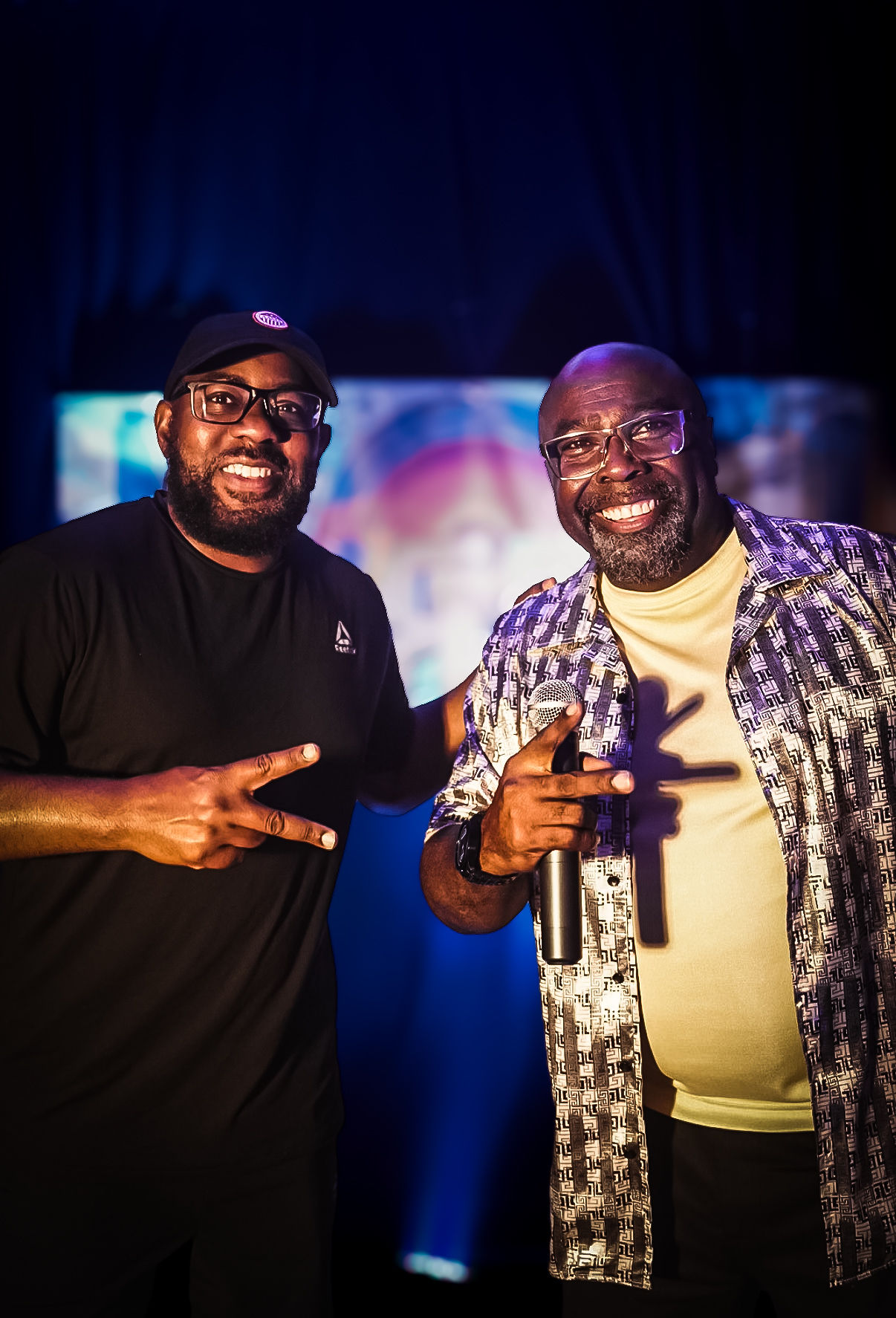



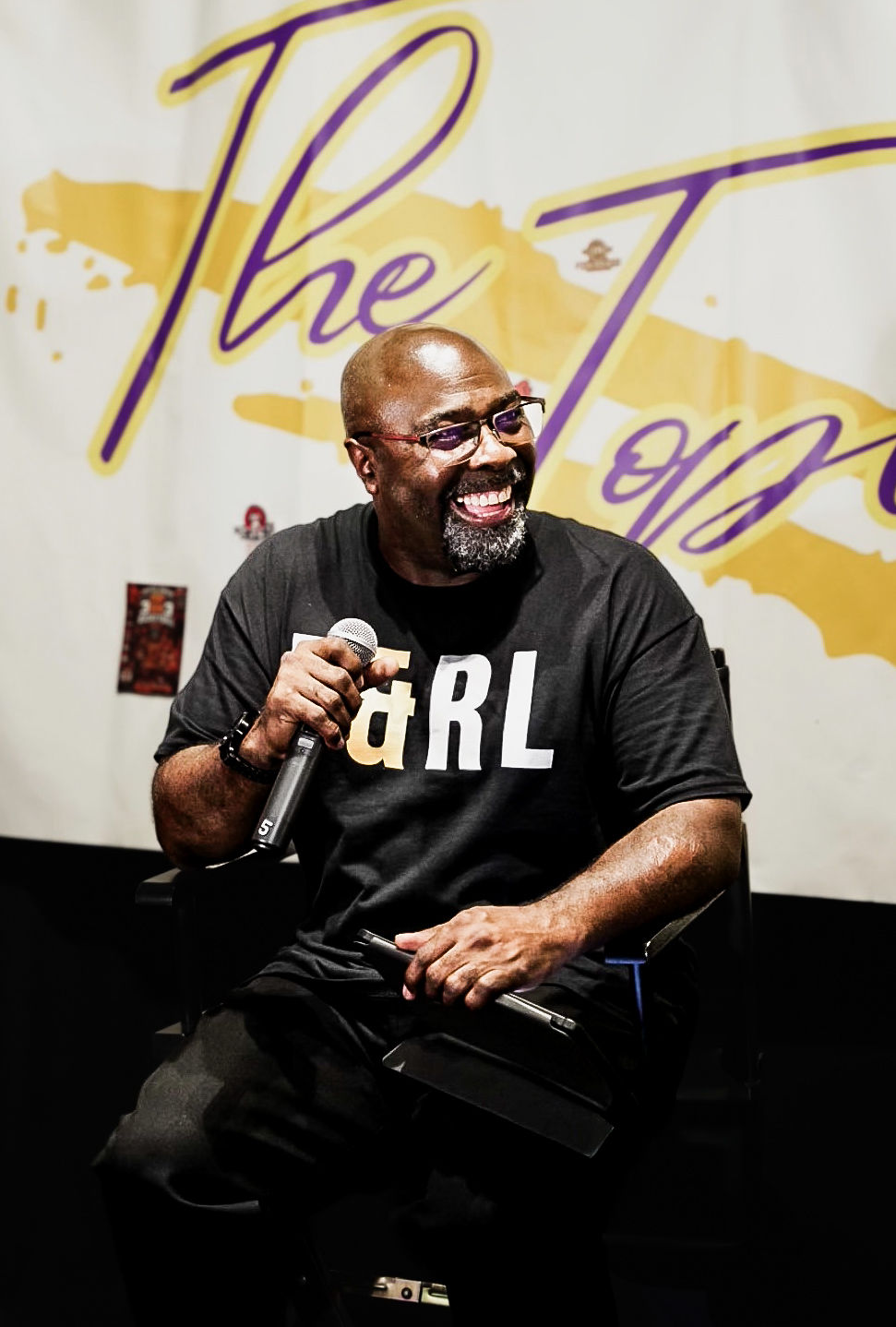
Today we’d like to introduce you to Kevin Stewart.
Hi Kevin, can you start by introducing yourself? We’d love to learn more about how you got to where you are today?
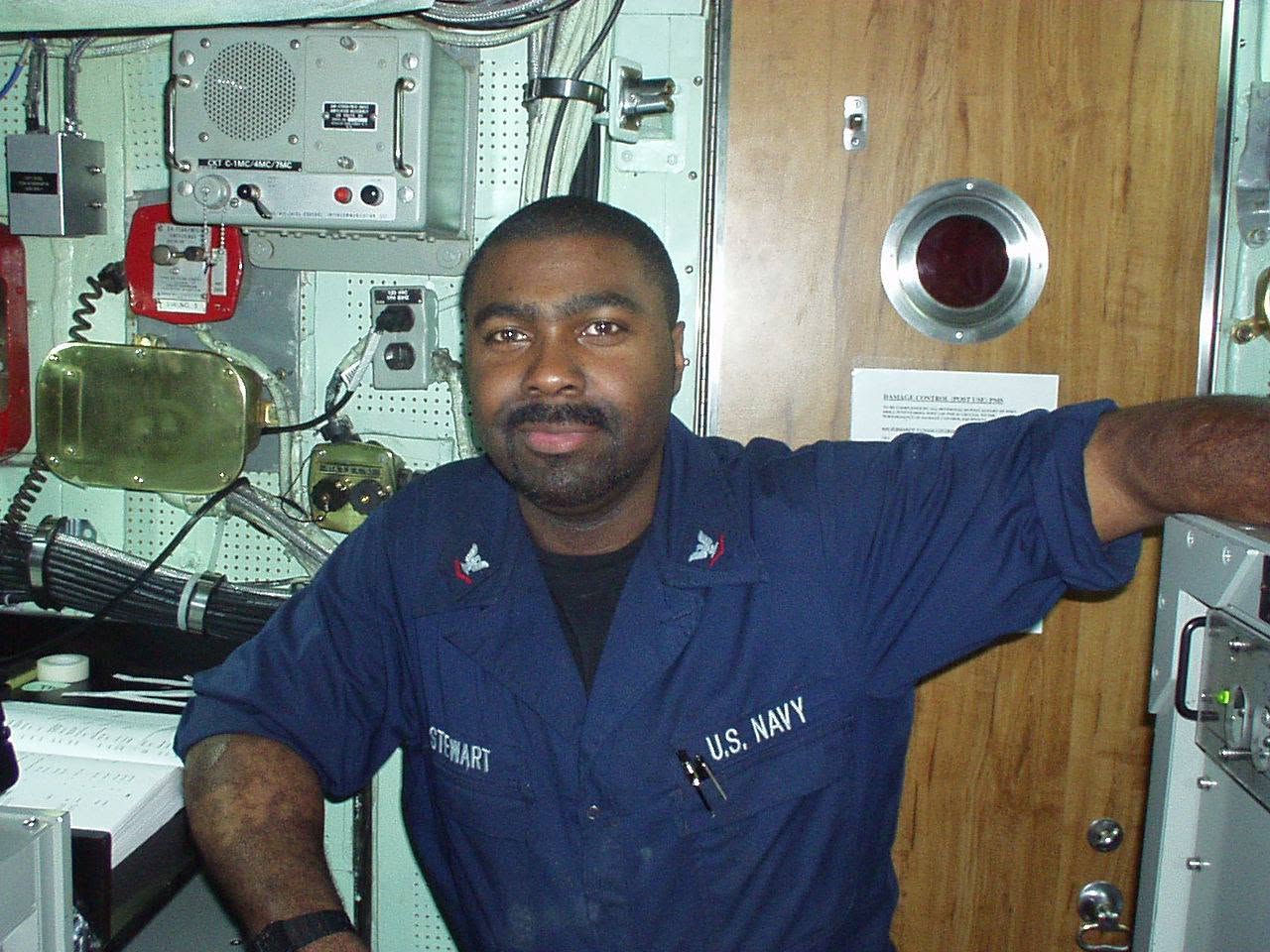
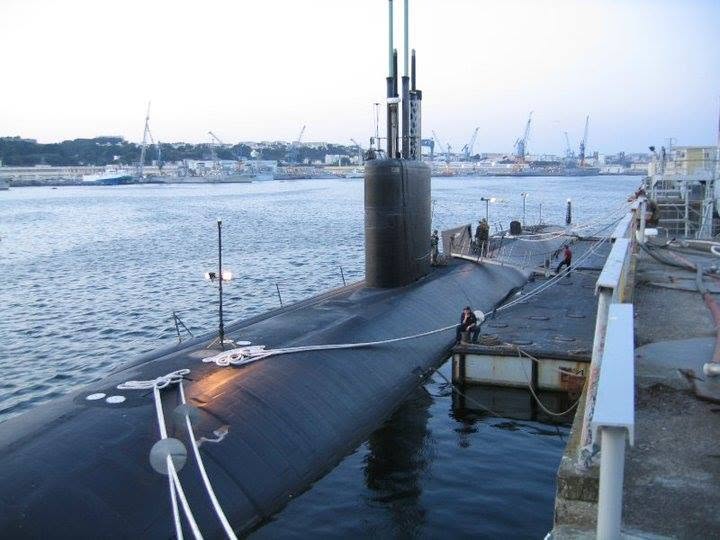
I spent nine years in the Navy as an electronics technician on submarines, most of it aboard the USS Miami, SSN 755. A nuclear-powered fast attack submarine. That taught me two things: fix what’s broken, and don’t wait for someone to hand you a working system.
After the Navy, I moved into semiconductor manufacturing as a technician. Secure work. Good money. But it never filled the hole the Navy left.
Being on mission. People depending on you to do your job and do it right. The thrill of that anxiety was intoxicating. I can say that now. When I was in it, I wanted nothing more than to get out of that stress-inducing hell.
Once I got out, I started and finished my bachelor’s degree, then went looking for something to build.
That led me to YouTube. I started with movie reviews. A show called The Topic Is. Nobody was waiting on my opinion about movies, but I liked the work.
Then I started Sea Stories with Mr. Durite, where I told the truth about life on a fast attack submarine. The good, the crazy, the hard parts. The audience was small. I did not care. I loved swapping stories with other military folks.
Then YouTube launched live streaming. I wanted the challenge of taking a recorded show and doing it live. I found a co-host, and Sea Stories Live was born.
Eventually I ran out of sea stories. But I did not run out of love for broadcasting.
So I rented an office space off 183 and Cameron Road and started The Durite Network. No shows. No plan. No talent. I figured if I built it, people would come.
They did not.
I showed up to an empty studio. Day after day. Month after month.
Then one day an actress I had interviewed for Sea Stories Live called me back. She asked if I knew anything about podcasting. I said no. I told her to come in anyway.
I put out a table. Set up a microphone. Turned on the camera. Facebook had just launched live video, so I decided vodcasting beat podcasting. If we were going to talk, people should see it.
We called it On the Flow with Katurah.
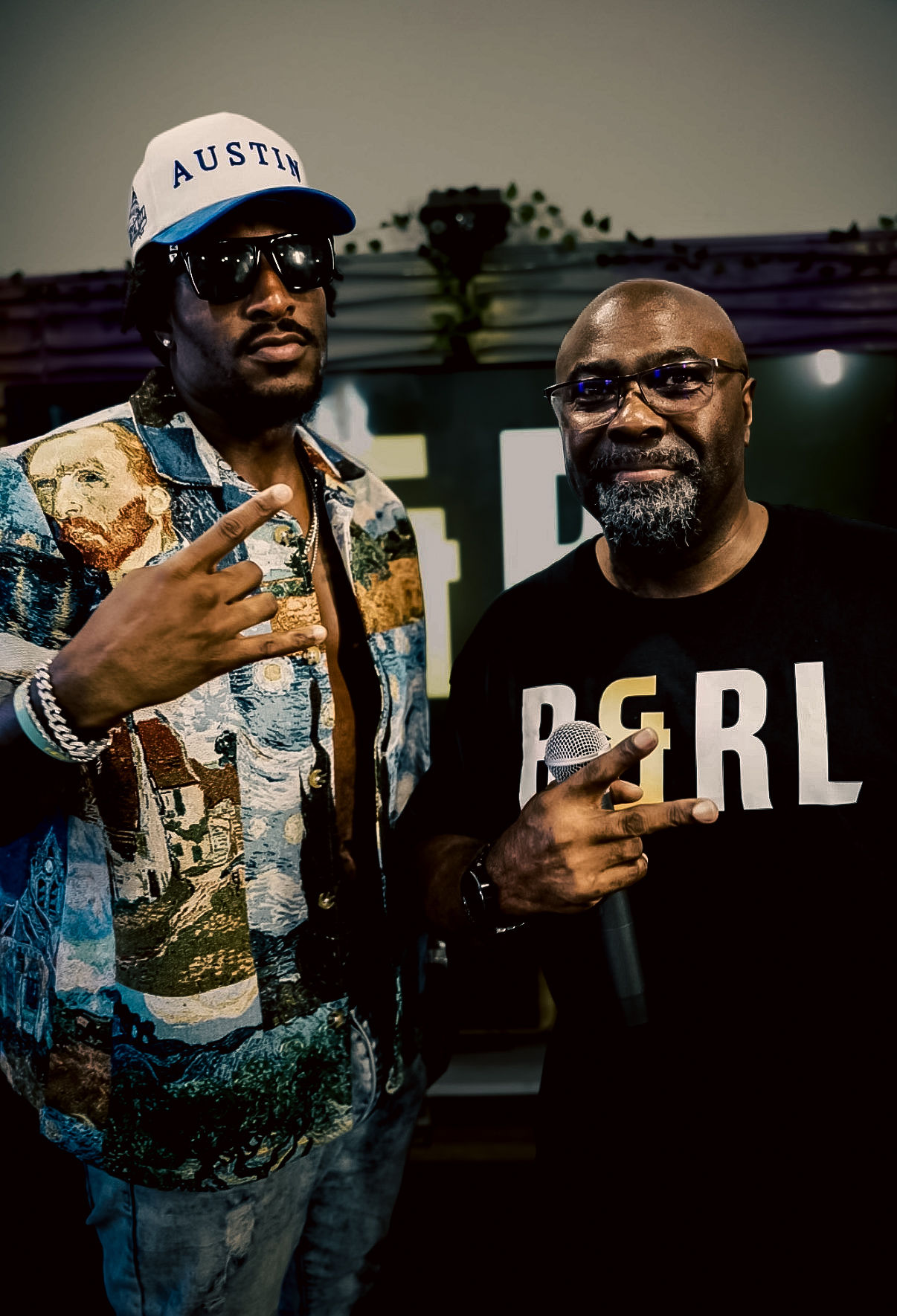
Guests started coming in for her show. Then other people wanted their own. All told, I produced ten different vodcasts out of that studio. We were not national. We were local, and people liked what we did. Actors, writers, rappers, politicians, singers, in and out of that room. What they all told me was the same thing: they could feel how much care went into every show.
Right before the shutdown, I put on an unofficial SXSW event called the Soul & Savory Showcase. Artists, hosts, local businesses, seventeen hours of live stream. I ran it by the seat of my pants. Hardest thing I had done to that point. It was also the closest I had ever come to that feeling I had on the boat.
Then Covid closed the doors. I kept producing as long as I could, but eventually I had to stop.
Sea Stories ended for good. The Topic Is survived, and it kept evolving.
What brought me back was building a podcast room for a friend. I finished it, stood there looking at it, and thought: why am I not doing this for myself?
So I did. I started producing The Locker Room again, one of the shows I had going before Covid. That put me back in front of the camera, and I realized how much I had missed it since the Sea Stories days.
The Locker Room put me in front of a lot of people. One of them was Dr. Chris Harvey, the Mayor of Manor, Texas. We started a monthly YouTube show called Frontline Manor, where we get real information to the public. It worked well enough that the City of Manor built its own series around it, Meet Manor Mondays, with a Frontline Manor segment inside it.
Somewhere in there, The Durite Network crossed 200 episodes, and I became an enrolled producer with Austin Public Access so the work could reach Channel 16 too.
Along the way, I kept seeing the same gap. Austin calls itself the Live Music Capital. But independent R&B and hip hop artists here were not getting stage time, not getting paid, and not getting documented. They were making real work with no platform.
I pitched Rhythm & Rise Live to the City of Austin’s Elevate Grant for FY26. They said no.
I ran it anyway.
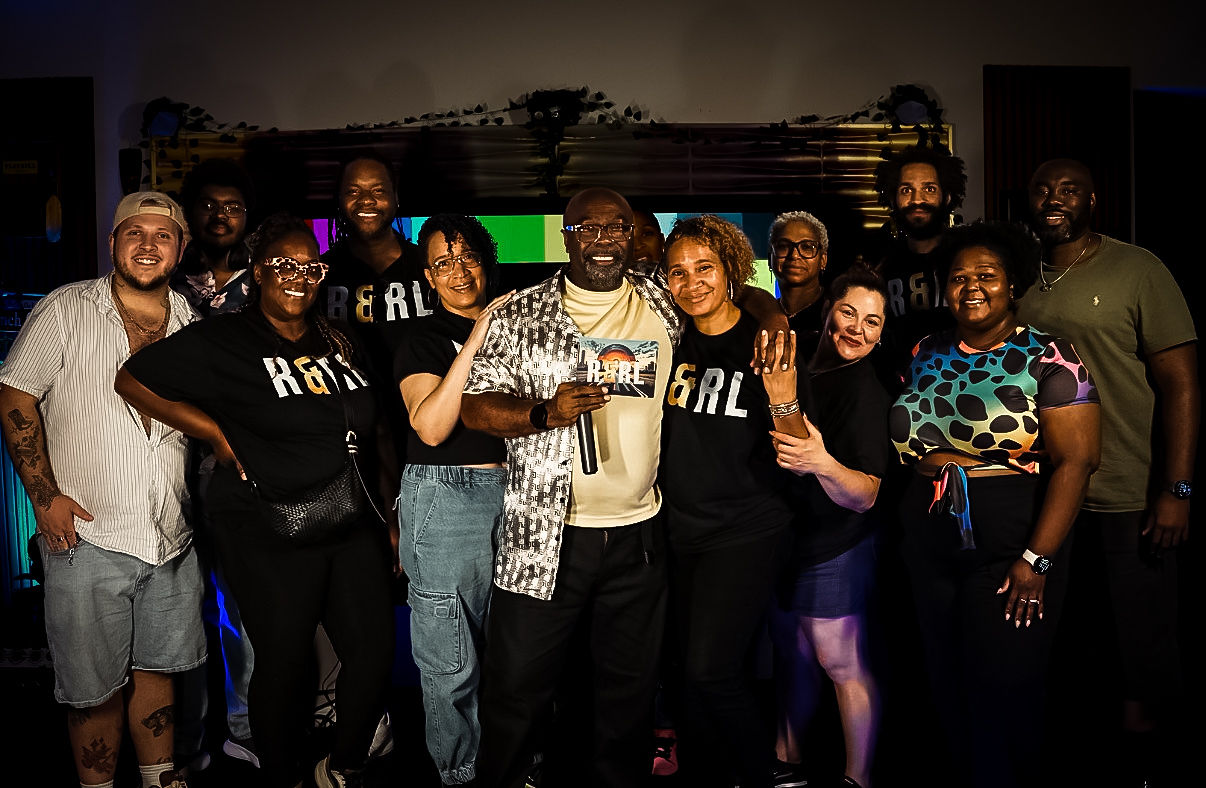
On June 27, 2026, we broadcast Rhythm & Rise Live for twelve straight hours from my home studio. Thirty-three independent Austin artists. Every one of them paid. We streamed free on YouTube, Facebook, Twitch, and Austin Public Access Channel 16. No ticket, no paywall, no gatekeeper.
I funded it myself. Just over nineteen thousand dollars out of pocket. I built the stage out of pallets and plywood. I wrote the software that ran the lights and the playout. Melinda directed. Our team was neighbors and friends who believed it would work.
The event pulled just over 5,000 views online, another 956 on broadcast, and more than 239,000 in promotional reach. Two of our artists went on to win Austin Hip Hop Awards.
Now I have proof, not just a proposal. I submitted for FY27 in August, and I am building toward 2027.
I did not need permission to start. I needed a reason. The artists were the reason.
Can you talk to us a bit about the challenges and lessons you’ve learned along the way. Looking back would you say it’s been easy or smooth in retrospect?
There has only been one obstacle that everyone else and I have: money. I have enough to do what I am doing now, but if I ever want to scale, this will always be a challenge.
Can you tell our readers more about what you do and what you think sets you apart from others?
I produce Rhythm & Rise Live. It is a free, twelve-hour live music broadcast built for independent R&B and hip hop artists in Austin.
I run it out of a private home studio in Manor. No venue, no ticket booth, no bar tab. The show goes out on YouTube, Facebook, Twitch, and Austin Public Access Channel 16 at the same time.
I am the executive producer, but on RRL that title means I am also the stage builder, the software developer, the grant writer, and the guy running cable at two in the morning.
The specialty is the whole pipeline. I book the artist, interview them for The Topic Is, promote the set, produce the broadcast, master the audio, cut the archive, and hand them the footage. That is usually five different companies. Here it is one operation.
I am also known for documentation. Every artist on the lineup gets a real interview, a bio page on the site, professional photos, and a clean recording of their set. Most independent artists in this city have never had anyone build them a press kit. RRL hands them one.
What do you like and dislike about the city?
I like working with people who want to create, not just get paid. People who want to get paid are not really willing to put in the sweat equally. People who want to create go all in, no matter what, to see the final product.
Contact Info:
- Website: https://rhythmandriselive.com
- Instagram: rhythmandriselive
- Facebook: https://www.facebook.com/profile.php?id=61578497830922
- Youtube: https://www.youtube.com/@RhythmandRiseLive
- Other: https://open.spotify.com/playlist/5nVvu0w00iRGtmW31nhzVP?si=5Tg0RJS0QtG7V6nTCQiuew