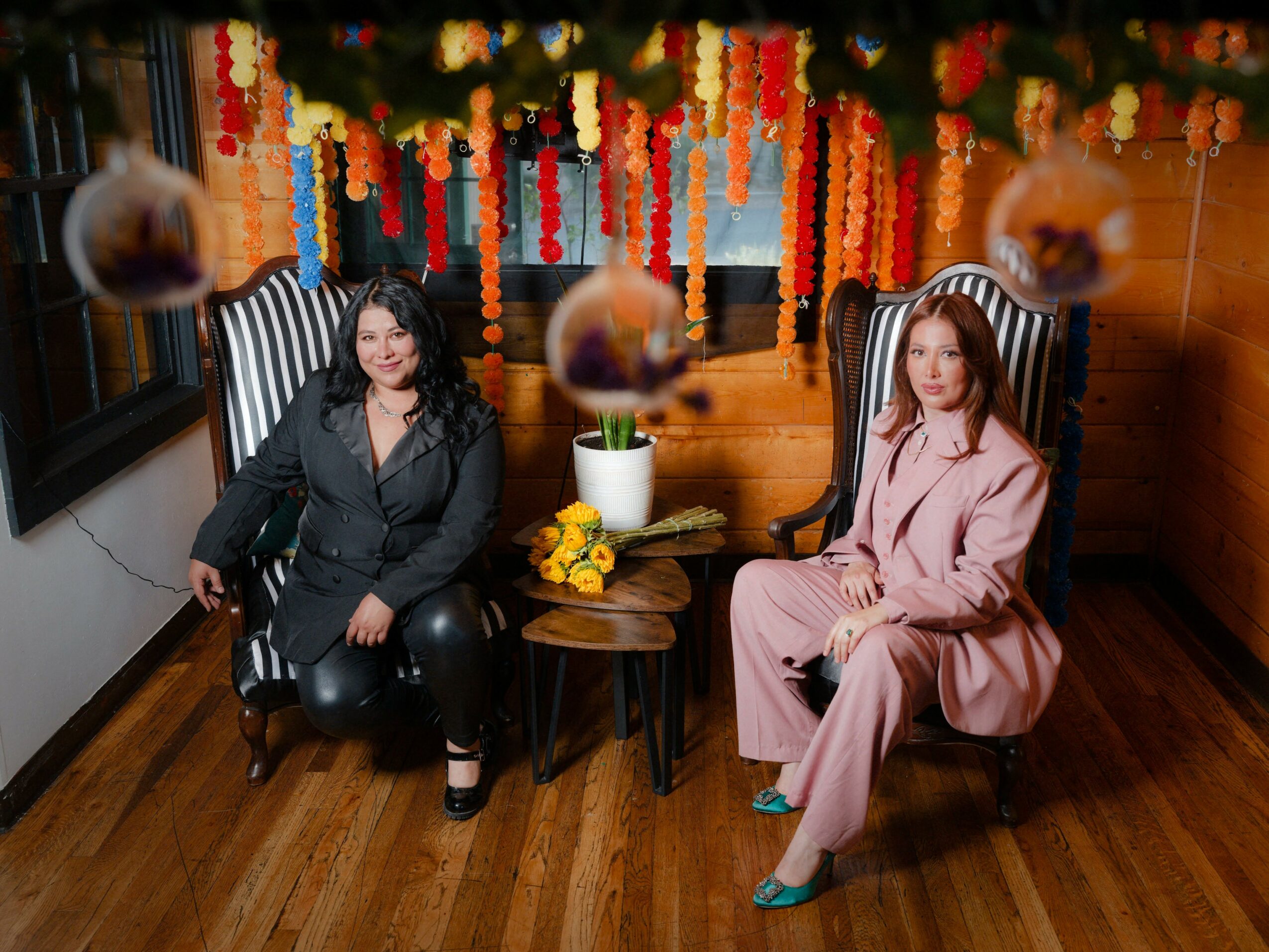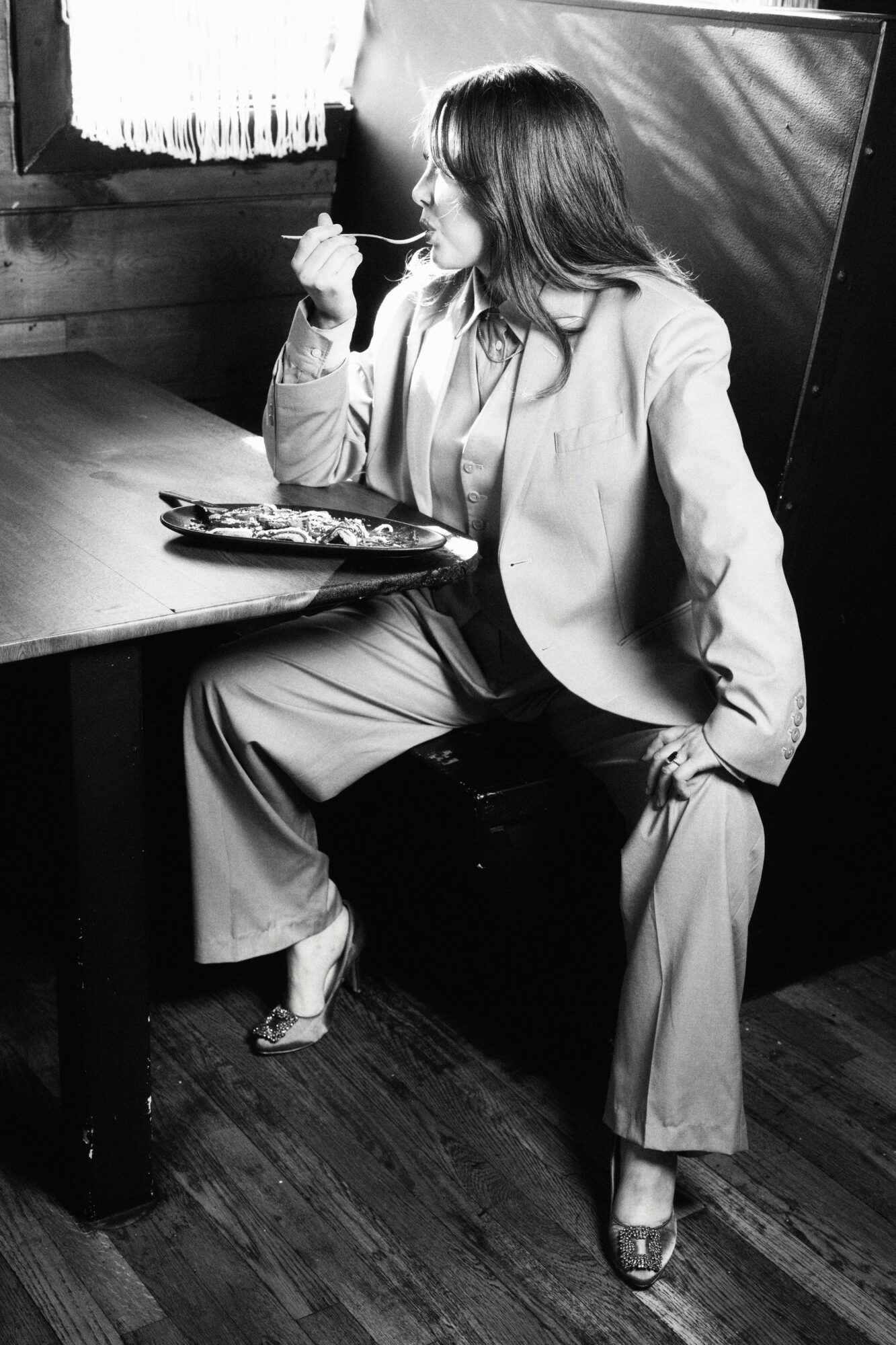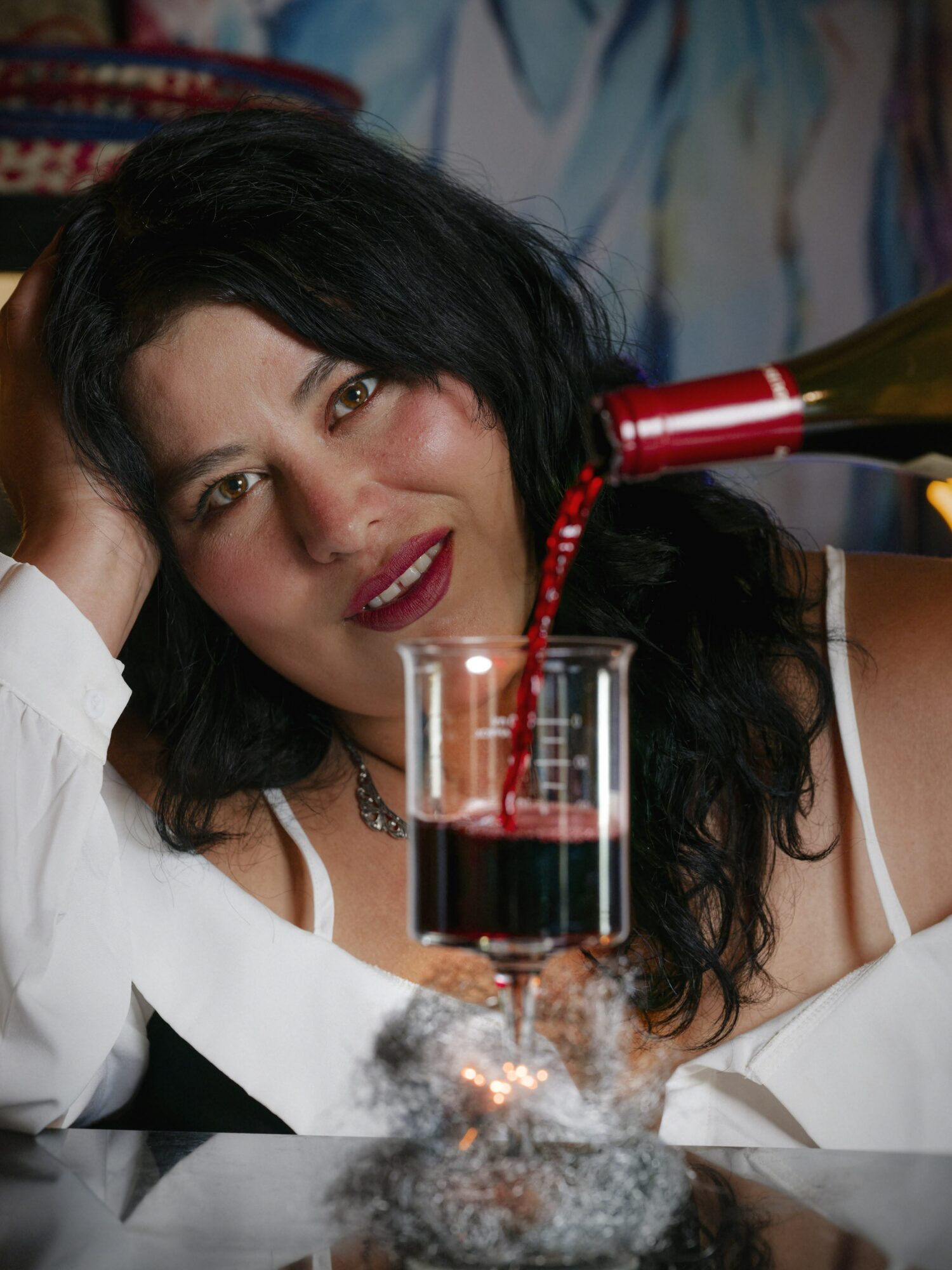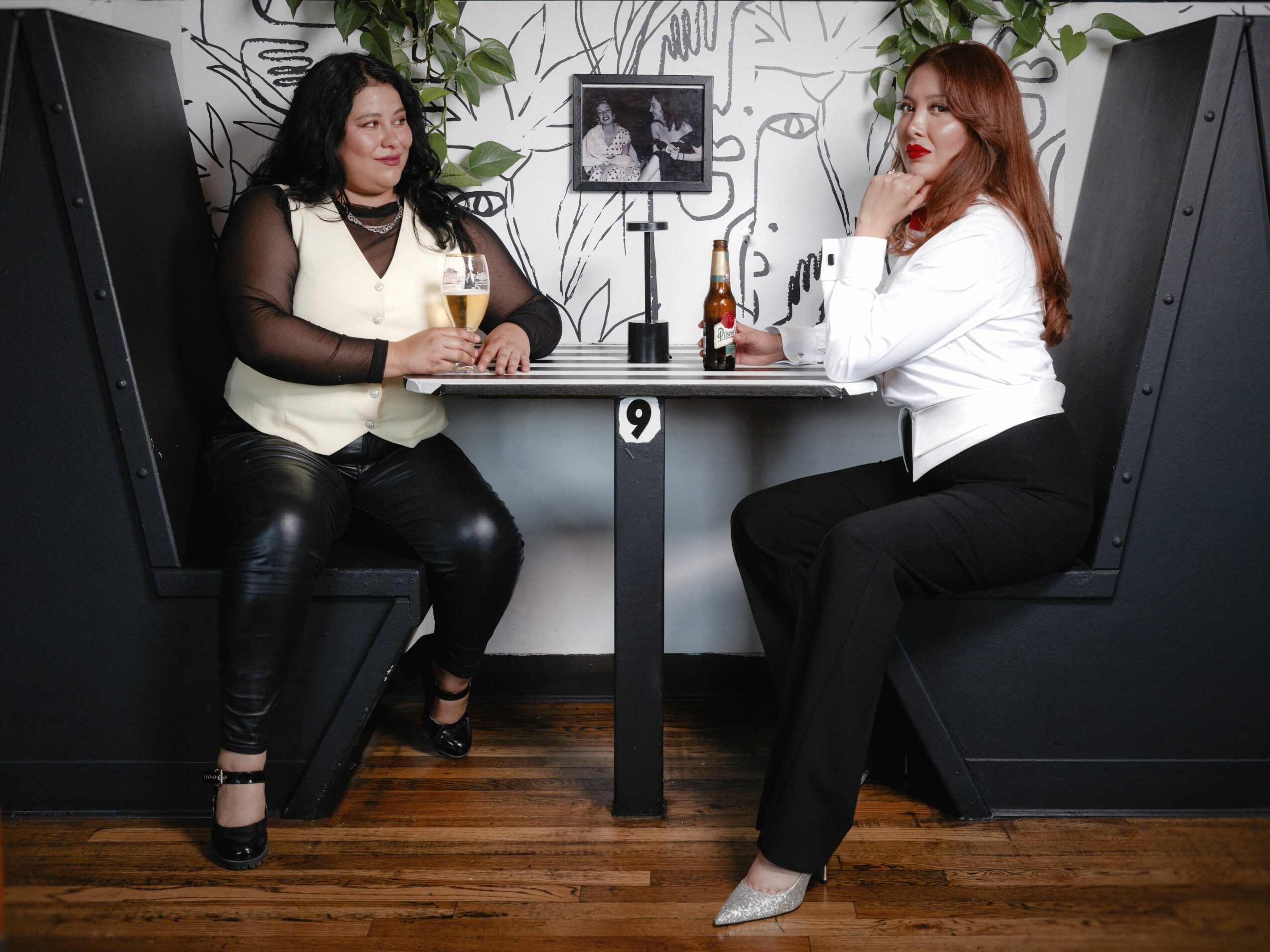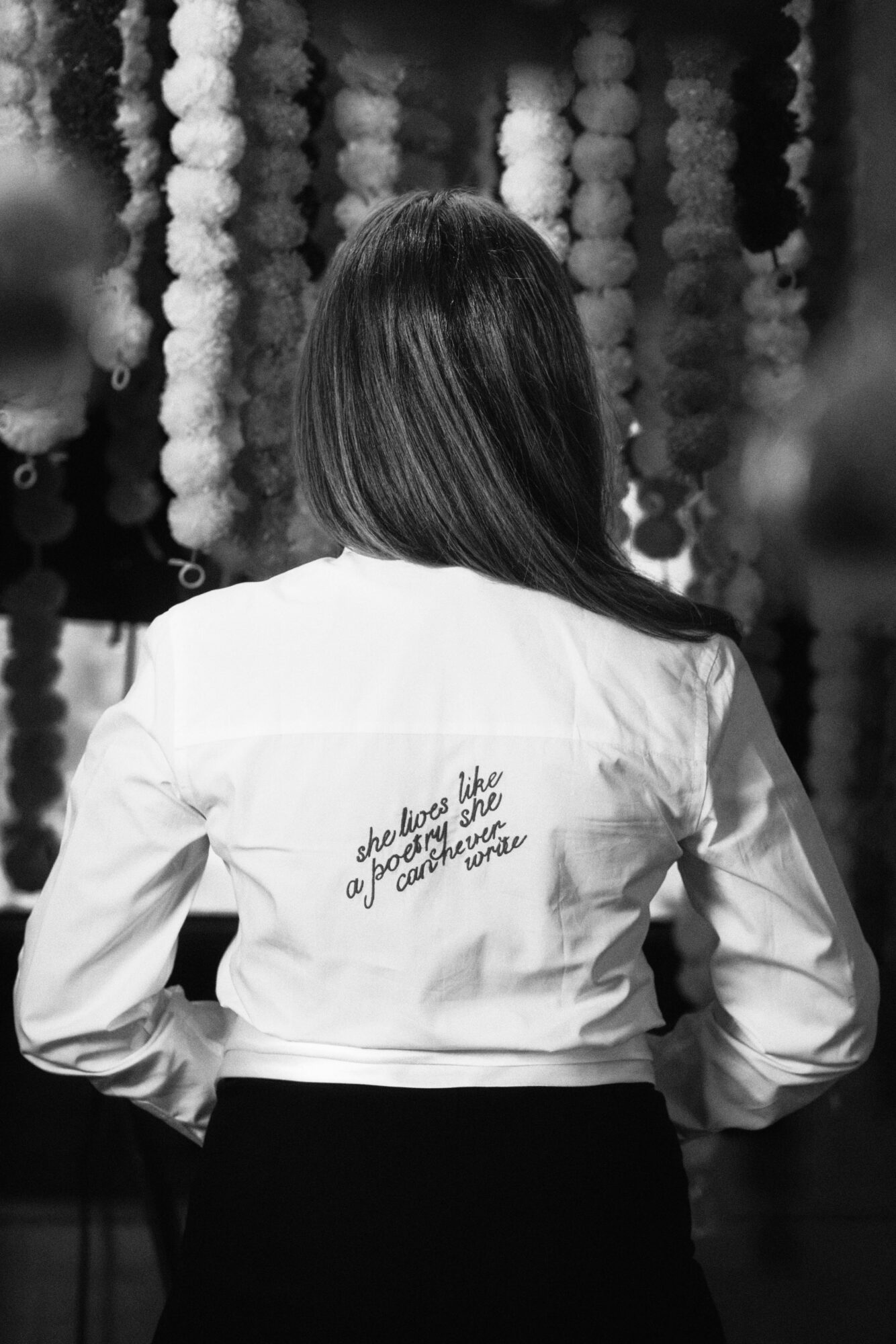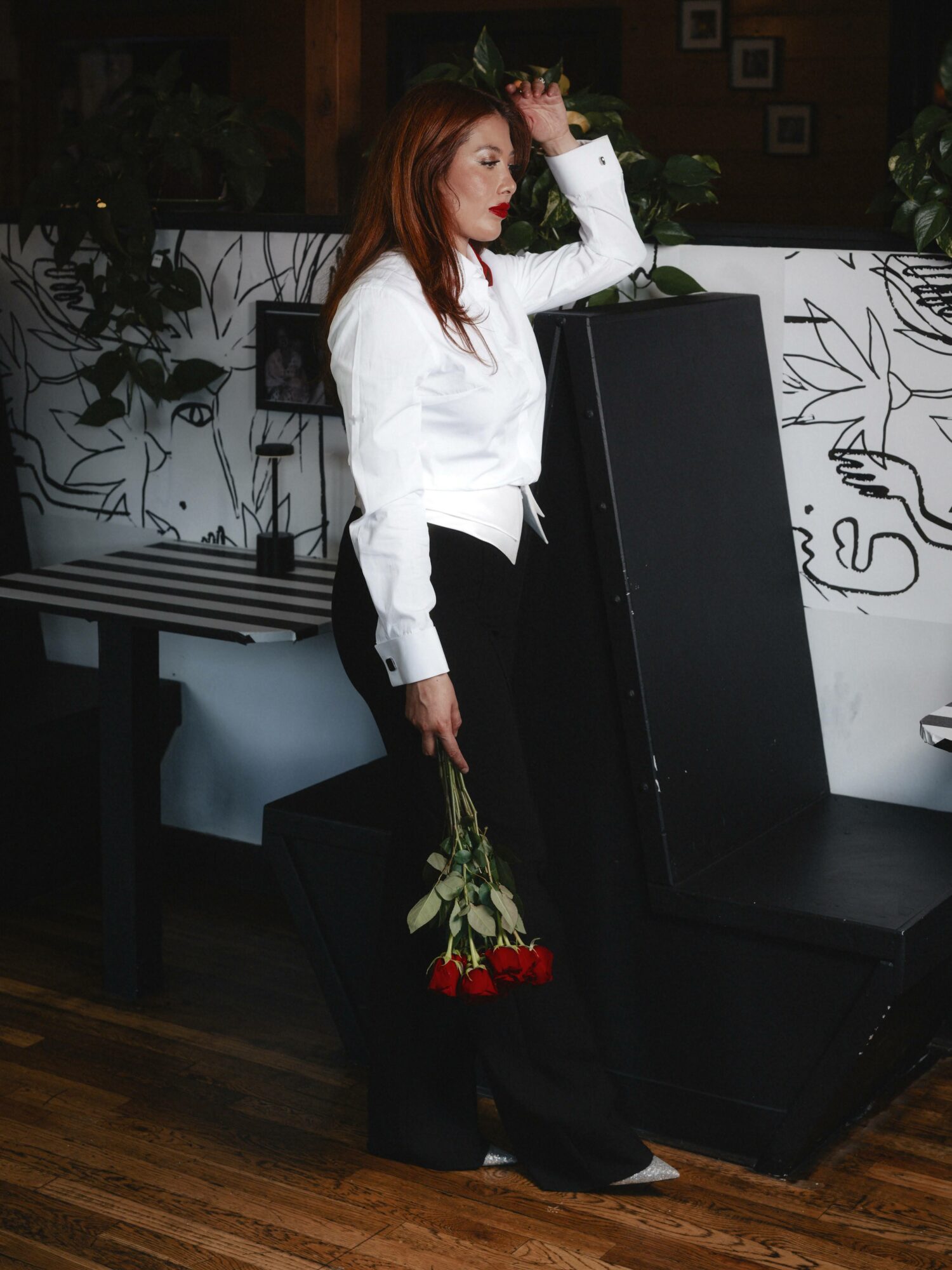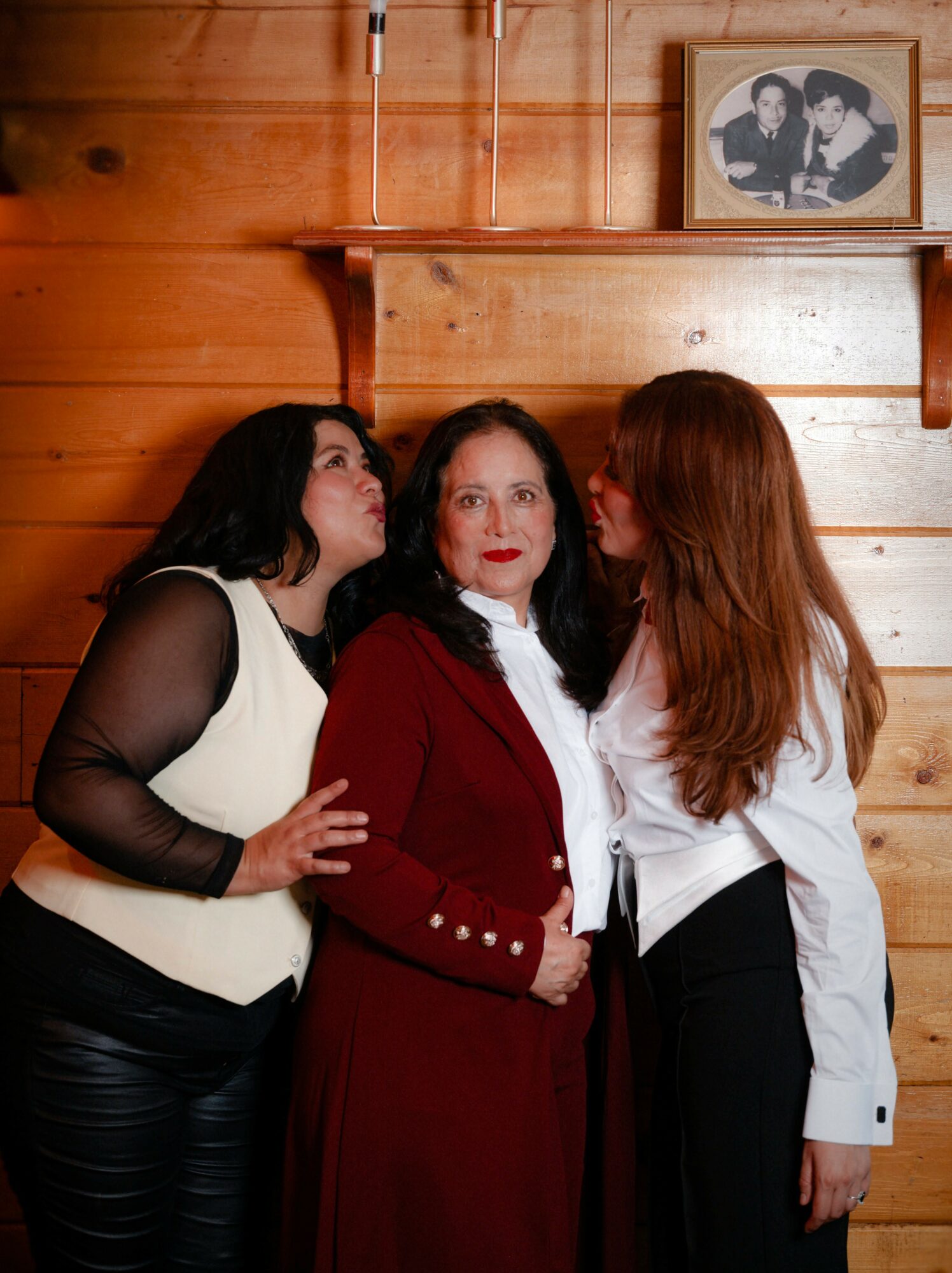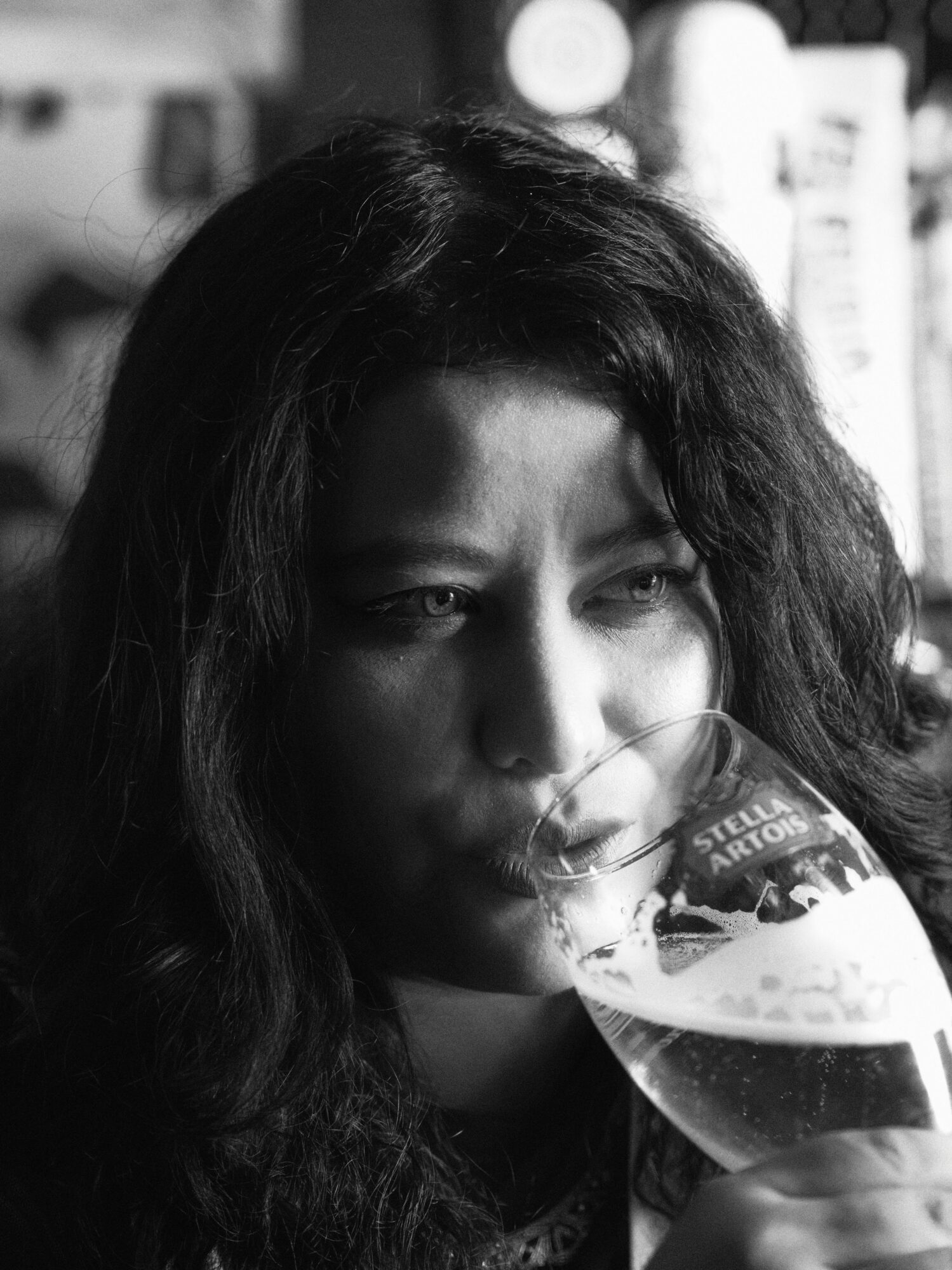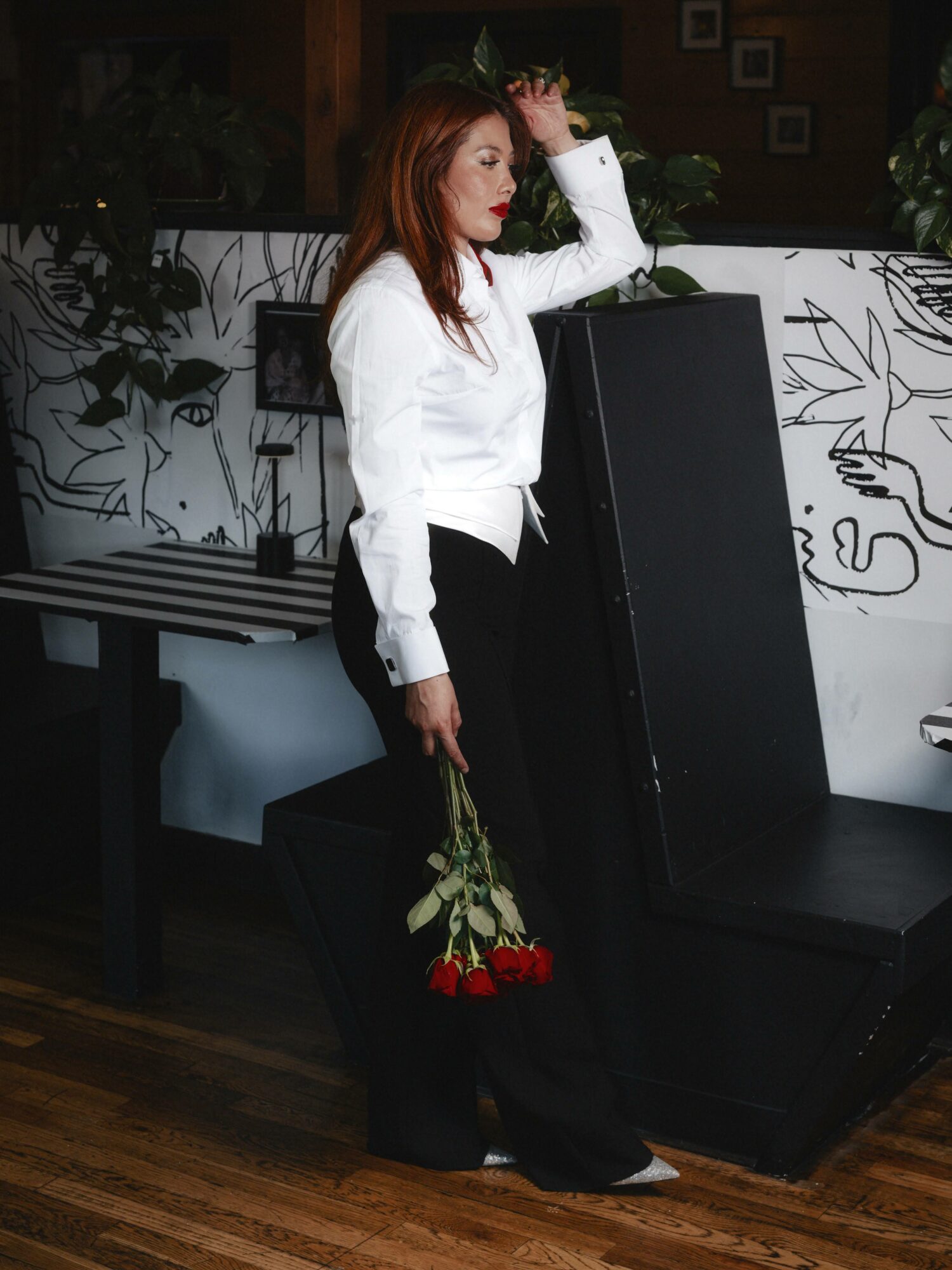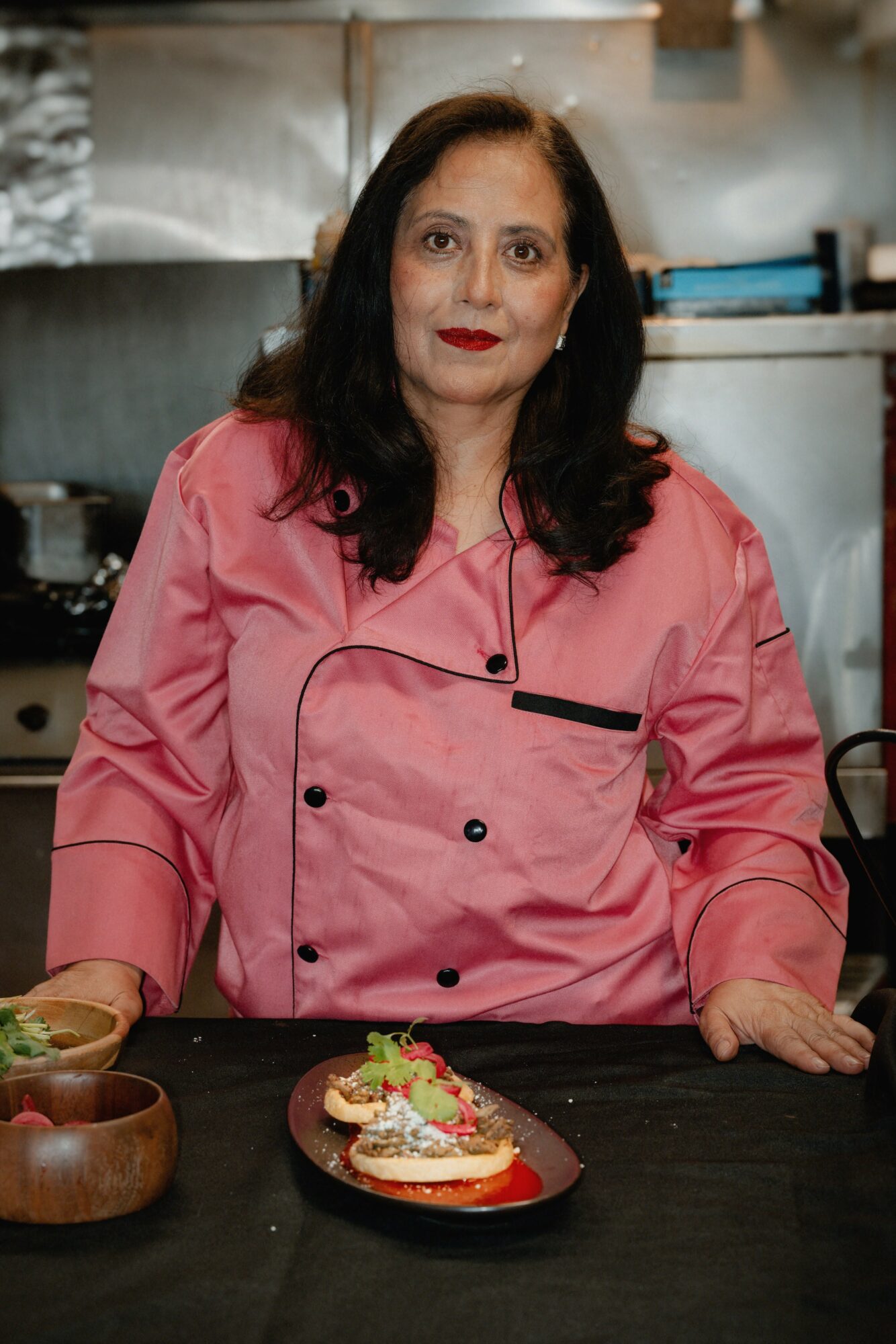



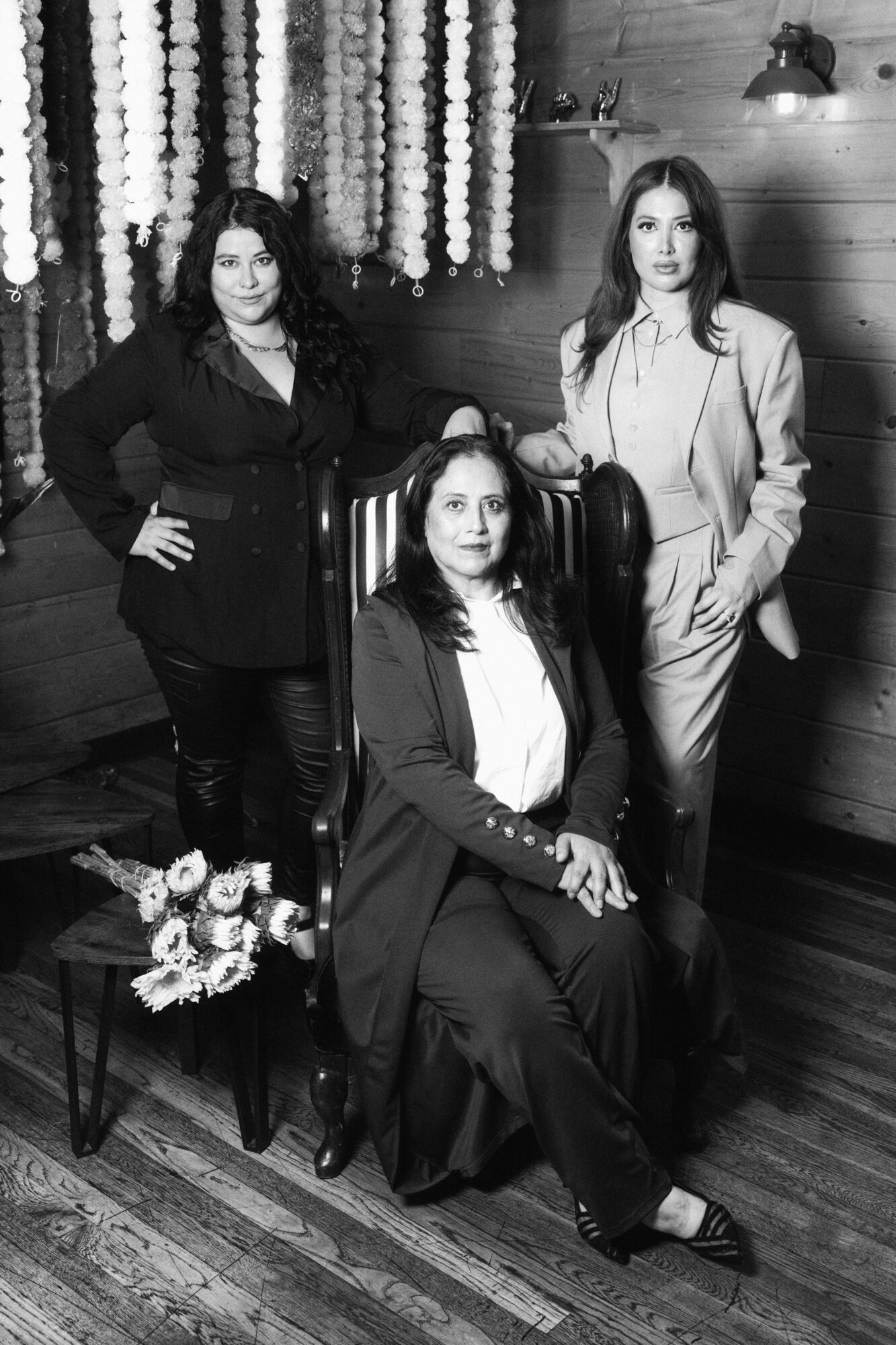
Today we’d like to introduce you to Muy Salsas LLC.
Hi Muy salsas LLC , we’re thrilled to have a chance to learn your story today. So, before we get into specifics, maybe you can briefly walk us through how you got to where you are today?
Muy Salsas started with a very simple idea: we wanted to create a place that felt like us. We wanted to serve Mexican food with the flavors, dishes, and traditions that we knew and loved, while creating something that also belonged to the community we were becoming part of.
From the beginning, this has been a family business in every sense of the word. It was never just about opening a restaurant or selling tacos. We were building something together while also learning, making mistakes, adapting, raising our families, working long days, and figuring out what kind of restaurant we wanted Muy Salsas to become. A lot of what people see today was built little by little — one customer, one employee, one menu item, one busy Taco Tuesday, one catering event, and one relationship at a time.
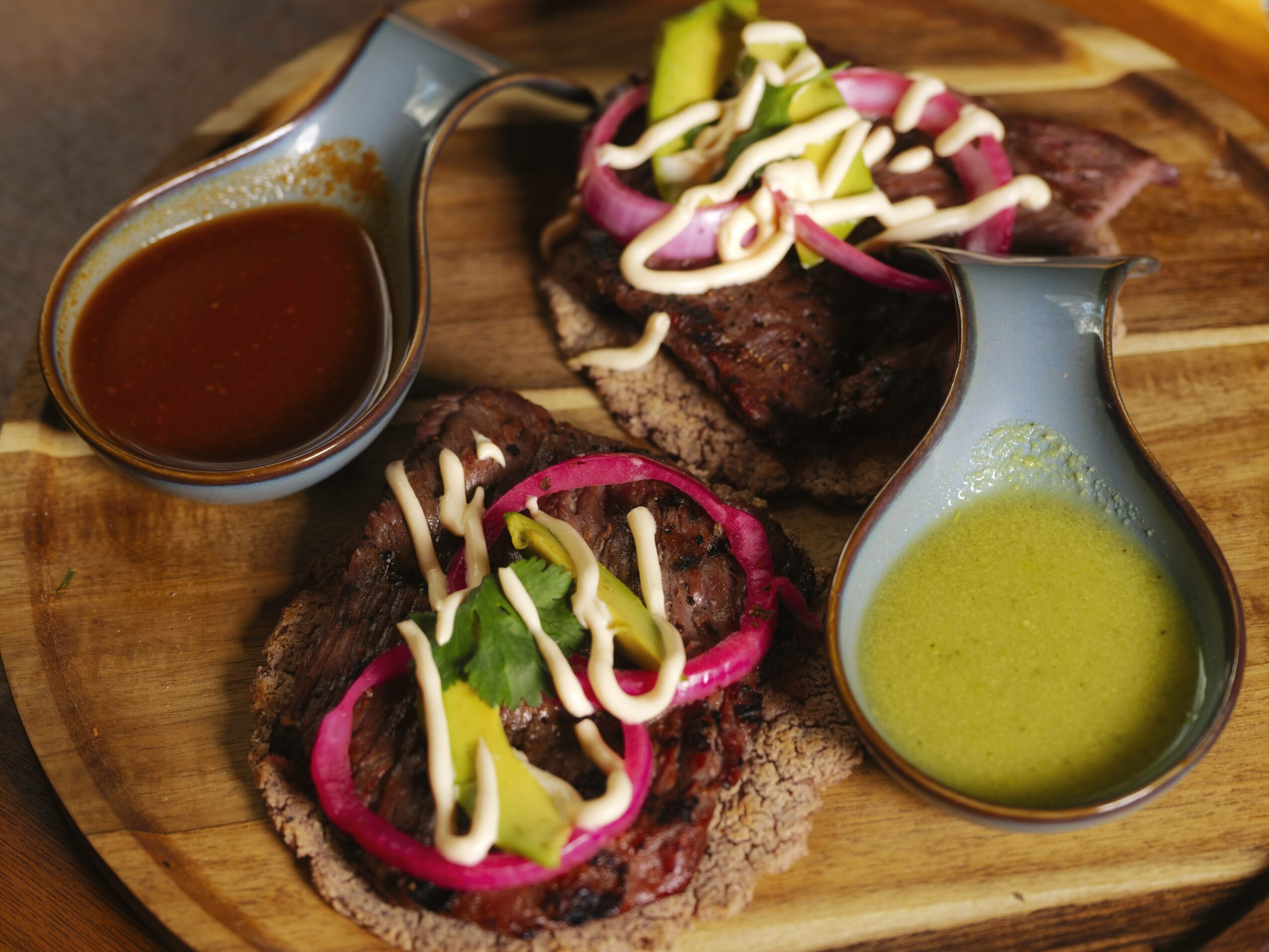
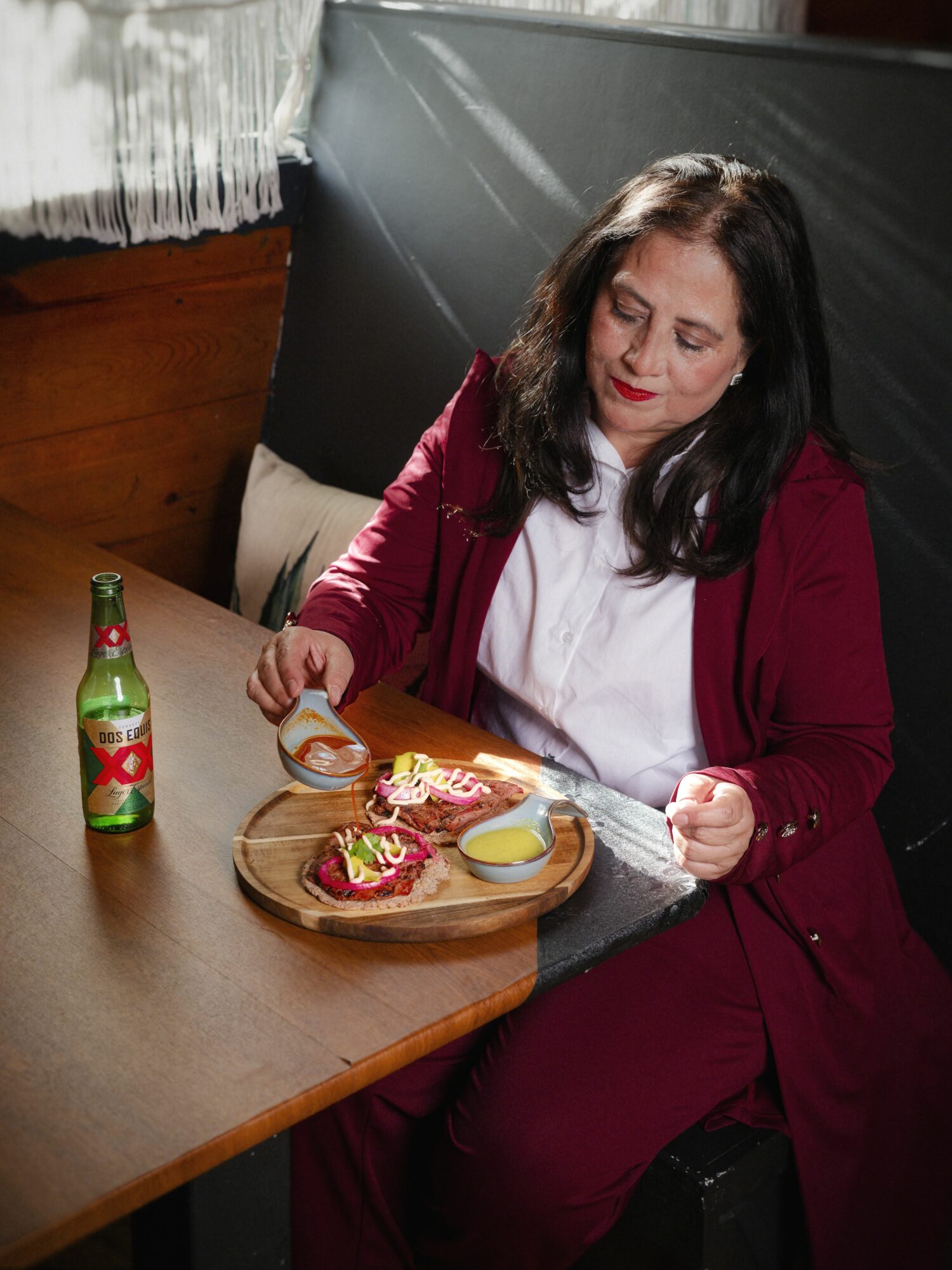
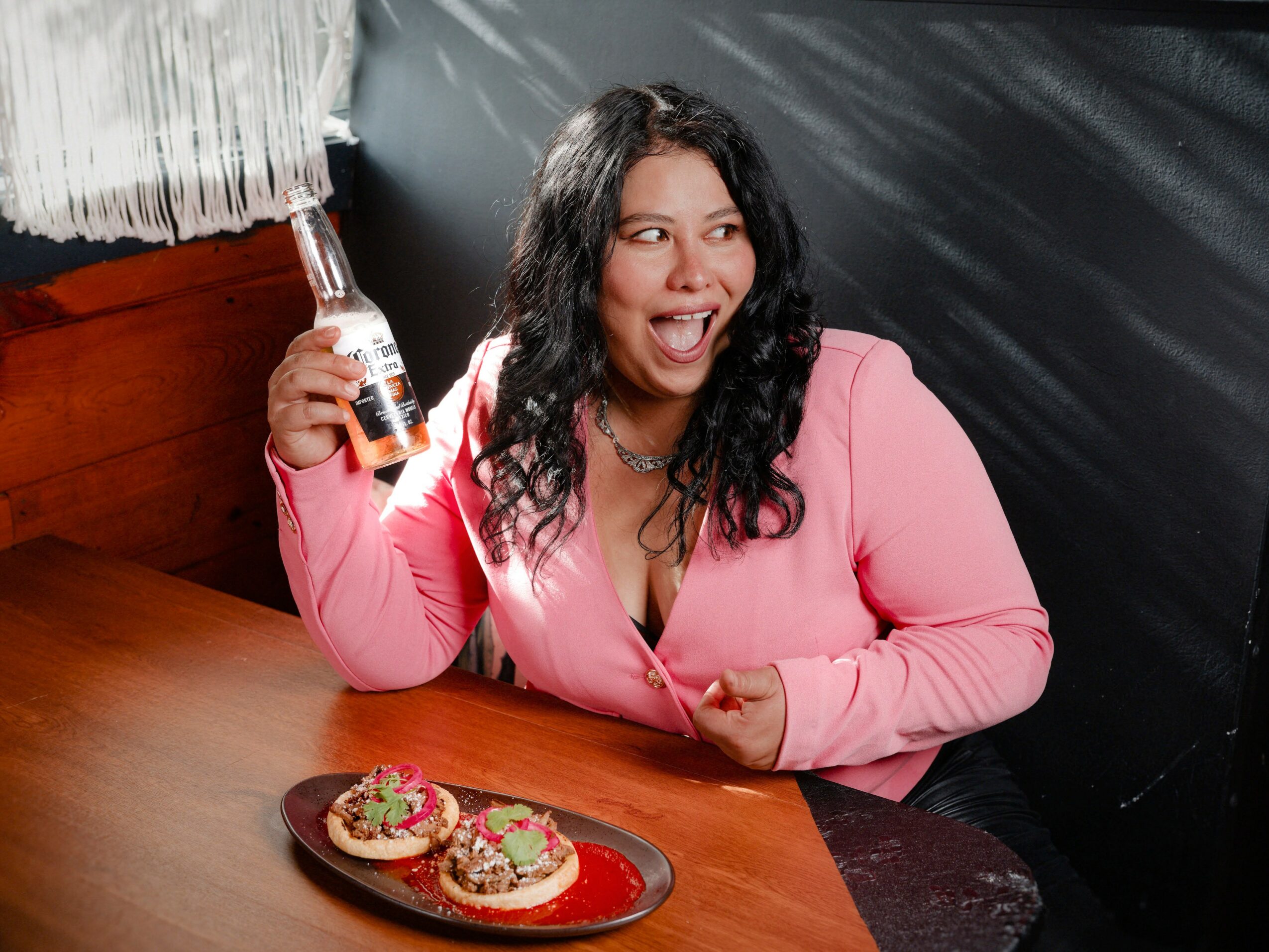
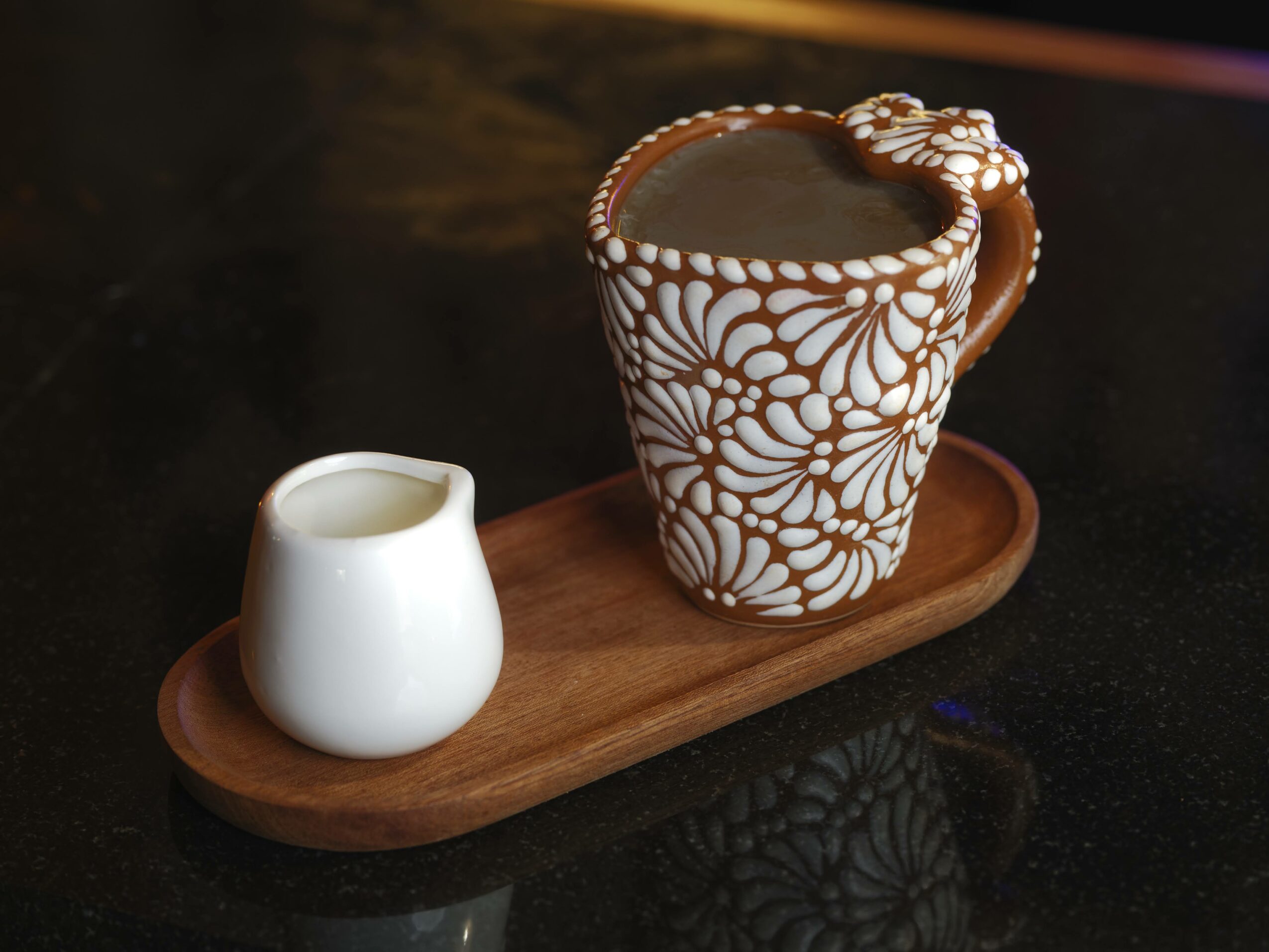
Food has always been at the center, but we never wanted Muy Salsas to feel like a generic version of Mexican food. We wanted our menu to have personality. We wanted people to find familiar things like tacos, barbacoa, al pastor, chicken fajitas and enchiladas, but also dishes such as sopes, chilaquiles, enfrijoladas, calabacitas, nopales and specials that allowed us to keep experimenting. Over time, we also added coffee drinks, desserts, seasonal ideas and collaborations because we realized Muy Salsas could continue evolving without losing its identity.
One of the most important parts of our story has been our team. When you work in a restaurant, you spend an enormous part of your life with the people beside you. You see each other tired, stressed, excited, frustrated and proud — sometimes all in the same shift. Over the years, our employees have become part of the story of Muy Salsas. Some have grown up while working with us, some have moved on to college or the next chapter of their lives, and others have stayed with us through many different seasons. We have always wanted the restaurant to feel less like a collection of employees and more like a group of people carrying something together.
Los Alamos has also shaped who we are. A restaurant becomes part of a community in ways you don’t necessarily understand when you first open the doors. You begin by thinking about food, payroll, inventory and whether enough people are going to walk through the door. Then, over time, you realize you are becoming part of birthdays, work lunches, family dinners, celebrations, school events, catering events and people’s routines. You start recognizing families as they grow. You know what certain customers are going to order. People come in after difficult days and after really good ones. That relationship with the community became one of the most meaningful parts of Muy Salsas.
There have also been difficult seasons. Running a small independent restaurant means constantly adjusting to rising costs, staffing, repairs, equipment, long hours and circumstances you cannot always control. There have been moments when it would have been much easier to give up. Those experiences have probably shaped us as much as the successful ones because they forced us to understand what we were really trying to protect. It wasn’t simply a business or a physical space. It was years of work, the livelihood of the people who work with us, the trust of our customers, and something our family had built together.
In 2026, being named an Edible New Mexico Local Hero was especially meaningful to us. Not because an award suddenly defined Muy Salsas, but because it felt like recognition of all of those small, mostly invisible moments that came before it — the long days, the mistakes, the changes, the employees who showed up, the customers who kept coming back, and the community that allowed us to grow.
Today, Muy Salsas is still evolving. We are more experienced than when we started, but we are still learning. We cater events, experiment with new dishes, collaborate with other local businesses and continue looking for ways to make the restaurant better without losing what made people connect with us in the first place.
If there is one thing that has remained constant, it is that Muy Salsas has always been about more than the plate in front of you. Food is what brings people through the door, but relationships are what have built the restaurant. We want people to feel the warmth, humor, imperfections, culture and work behind what we do. We are proud of how far Muy Salsas has come, but we are probably even more proud that after everything we have experienced, it still feels like us.
That is really the essence of Muy Salsas: food made with identity, a business built by family and employees, and a restaurant that became part of a community we deeply care about.
Would you say it’s been a smooth road, and if not what are some of the biggest challenges you’ve faced along the way?
No, it has not been a smooth road. In fact, some of the most important parts of the Muy Salsas story have come from the obstacles we have had to survive.
Like almost every independent restaurant, we have faced the things people rarely see from the dining room: rising food costs, enormous utility bills, staffing challenges, equipment breaking, repairs, payroll, long nights, catering after already working a full day, and the constant pressure of knowing that the decisions we make affect not only our own family but the families of the people who work beside us.
But some of our hardest struggles have been more personal than financial.
We are a Mexican family that built a Mexican restaurant in a community we came to love deeply. We have always been proud of where we come from. Our culture is not a marketing concept for us. It is in our food, our language, our humor, our music, the way we welcome people, and the way our family works together.
Unfortunately, there have also been moments when being Mexican has made us feel that we were being looked at differently.
Over the years, we have heard comments that were extremely difficult to forget. At one point, when there was a plumbing issue in the building, we were told that it was because “you Mexicans cook with a lot of grease.” When we wanted to change colors in the restaurant, there were comments questioning why we would change them because they were already “Mexican colors.”
To someone hearing those sentences once, they may sound like comments that can simply be brushed aside. When you are the person receiving them, while investing your money, your labor and years of your life into a business, they land very differently.
You begin wondering whether people see you first as a business owner, a tenant and a member of the community — or simply as “the Mexicans.”
That has been one of the quiet struggles behind Muy Salsas.
And today we are facing perhaps the most difficult chapter in our history.
The property where Muy Salsas operates was acquired by Saint Job of Pochaiv Orthodox Church. Earlier in our relationship, we had conversations that made us believe there was a future for Muy Salsas in the building, including discussion of continuing our tenancy. We continued operating, paying rent, maintaining the space and investing in the restaurant with that understanding.
Then everything changed.
We received notice that the Church wanted to terminate our tenancy, initially raising concerns about structural and safety conditions in the building. From our perspective, what followed has been extremely confusing and painful. We have asked for documentation. We have asked for the opportunity to understand exactly what is supposedly unsafe. We sought our own professional evaluation. We have offered to make reasonable repairs. We have asked for additional time so that, if relocation truly becomes necessary, we can transition responsibly rather than suddenly putting a restaurant and its employees at risk.
We are not asking anyone to ignore legitimate safety concerns. If something is unsafe, we want it repaired. We have children, employees and customers inside that building. Their safety matters to us enormously.
What has been difficult is feeling that meaningful conversation with us has become almost impossible.
There have been times when representatives connected to the property have been willing to speak with other people about our situation — including members of the community and the media — while direct communication with us has been restricted or redirected through attorneys.
Imagine what that feels like after years of investing in a place.
People can discuss your restaurant, your tenancy and your future with others, while you are standing inside the very business whose future is being decided.
That imbalance has forced us to confront difficult questions.
We cannot claim to know what is in another person’s heart, and we are very careful about that. But because of the comments and experiences we have already had as Mexican women running this business, it is impossible for us not to ask whether bias — conscious or unconscious — has played some role in how we have been perceived or treated.
Racism is not always someone standing in front of you and openly declaring that they do not like you because you are Mexican.
Sometimes it is quieter.
Sometimes it is a comment about “you Mexicans.”
Sometimes it is an assumption about how you cook.
Sometimes it is the feeling that your concerns do not carry the same weight.
Sometimes it is watching people talk around you instead of talking to you.
And sometimes it is wondering whether you would be treated differently if your name, your accent, your food or your background were different.
Those are uncomfortable things to say publicly, but they are part of our story too.
What makes this particular moment even more emotional is the timing.
After years of work, Muy Salsas was recently recognized as an Edible New Mexico Local Hero. It should have been one of those moments when we could finally stop for a second, look around and say, “We built something that matters.”
Instead, while receiving that recognition, we have also been fighting for the survival and stability of the business itself.
There is something almost impossible to describe about watching your community celebrate your light at exactly the same moment that you feel someone else may be trying to dim it.
But what this experience has taught us is that the light of Muy Salsas was never created by a building owner.
It was created by our family.
It was created by employees who have worked exhausting shifts and still found reasons to laugh together in the kitchen.
It was created by customers who have supported us week after week.
It was created by every Taco Tuesday, every family dinner, every birthday, every catering event, every employee who grew while working here, and every person who told someone else, “You need to go try Muy Salsas.”
A landlord can own walls.
A church can own property.
But neither owns the story that was created inside those walls.
That belongs to all of us.
We do not know yet exactly what will happen with our current location. We hope there can still be fairness, transparency and humanity in how this situation is resolved. We continue to believe that people — particularly institutions built around faith and community — have an opportunity to choose dialogue, compassion and good faith even when there is disagreement.
And we want to be equally clear that speaking about our experience is not an attack on anyone’s religion. Our issue is not with Orthodox Christianity or with someone’s faith. It is about how we, as tenants, business owners, women, immigrants and members of this community, have experienced the decisions and treatment surrounding our business.
Those distinctions matter to us.
We have experienced beautiful support from people of many backgrounds and faiths throughout the life of Muy Salsas. This is about accountability and human dignity, not religion.
So no, the road has not been smooth.
There have been moments of exhaustion, financial pressure, discrimination, uncertainty and now the very real possibility of losing the place we have called home.
But there has also been something much stronger on the other side of every obstacle: community.
Every time something has tried to make Muy Salsas smaller, the people around us have reminded us of what we actually built.
We built more than a restaurant.
We built a place where our Mexican identity did not need to be diluted to belong.
We built a workplace where people became family.
We built something our community recognized as its own.
And whatever happens next, we will not allow anyone else’s perception of who we are to determine the value of what we created.
If someone tries to dim our light, our answer is not to become quieter.
Our answer is to remember who helped us turn it on in the first place.
Thanks – so what else should our readers know about your work and what you’re currently focused on?
Our professional lives did not begin in the restaurant industry, and I think that is actually a big part of what makes Muy Salsas different.
My sister Christine is a social worker, and service to people has always been deeply connected to the way she sees the world. Her professional background taught her to look beyond what is immediately visible — to understand that behind every family, employee or individual there is a much larger story. There may be language barriers, immigration experiences, financial pressures, family responsibilities, cultural differences or simply the difficulty of trying to navigate systems that were not necessarily designed with you in mind.
My own educational path was different. I studied criminology and philology, and when I first came to Los Alamos, I never imagined that so much of my life would eventually revolve around social-service and community work. But that is exactly what happened.
Living here changed the direction of my professional life.
I began working closely with families and became increasingly involved in supporting children, parents and the Latino and Hispanic community. Over the years, I learned that sometimes the most important thing you can give someone is not a program or a service — it is helping them understand that they have a voice.
Christine and I have spent years doing that in different ways.
We have helped Spanish-speaking families understand resources that were unfamiliar to them. We have helped people make connections, ask questions, communicate with organizations and navigate systems that can feel intimidating when English is not your first language. Sometimes it has meant translating language, but very often it has meant translating something much larger: culture, expectations and how institutions work.
There is an enormous difference between translating someone’s words and helping someone feel understood.
That distinction has shaped both of us professionally.
Los Alamos is an extraordinary community, but there can also be a gap between the resources that exist and the people who actually feel comfortable accessing them. For Latino and Hispanic families, language and culture can sometimes create an invisible barrier. A service may technically be available to everyone, but if someone does not understand how to access it, does not feel represented, or is afraid to ask questions, then in practice that resource can still feel very far away.
We have tried, in our own small way, to help close that distance.
And eventually we realized that the same philosophy had made its way into Muy Salsas.
We sometimes joke that we opened a restaurant, but somehow our social-service backgrounds followed us into the dining room.
People do not always come through the door carrying only an appetite. They come carrying their lives.
Employees come to us with questions about school, family, housing or the next step in their careers. Customers tell us their stories. Spanish-speaking families ask for help finding resources. Someone needs a connection. Someone needs information. Someone simply needs a place where they do not have to explain who they are.
Those things are technically not part of running a restaurant.
But to us, they are part of running this restaurant.
I think that is one of the things that sets Muy Salsas apart. We have never been interested in creating Mexican culture only as décor or something to be consumed. We wanted to create a place where our culture was alive — in the food, certainly, but also in the relationships, language, humor, hospitality and sense of responsibility toward one another.
We are especially proud of the trust we have built within the Latino and Hispanic community in Los Alamos.
That does not mean we speak for an entire community. We don’t. The Latino community itself contains many different experiences, countries, generations and perspectives. But we understand what it feels like to enter a room and wonder whether your accent, your last name or where you come from is going to change how someone sees you.
Because of that, when someone comes to us feeling uncertain or unheard, our instinct is often to say, “Come here. Tell us what is happening. Let’s figure out where you need to go.”
Sometimes that happens through our professional work.
Sometimes through community involvement.
And sometimes, unexpectedly, it happens across a table at Muy Salsas.
That is probably what we are most proud of professionally. Our careers, our community work and the restaurant may look like completely different things on paper, but to us they all come from the same place: people matter. Their stories matter. Their culture matters. And they deserve to feel that they belong in the community where they live.
For us, success has never only meant how many plates we sell.
If an employee leaves Muy Salsas more confident than when they arrived, that matters.
If a family discovers a resource because we helped connect them, that matters.
If a Spanish-speaking parent feels comfortable asking a question because they know they will be understood, that matters.
And if someone walks into Muy Salsas and feels, even for an hour, that there is a little piece of home waiting for them in Los Alamos, that matters too.
Our professional paths have been very different, but they ultimately brought Christine and me to the same place: using whatever space we are given — an office, a community meeting, a conversation, or a restaurant — to make people feel seen, heard and welcome.
Is there anything else you’d like to share with our readers?
If there is one thing we would want readers to understand, it is that Muy Salsas has never simply been a restaurant to us.
It is difficult to separate the business from our lives because so much of who we are has found its way into this place.
We brought Mexico with us, but we also became part of Los Alamos.
Somewhere along the way, those two worlds stopped feeling separate.
Muy Salsas became the place where someone could sit down for tacos and hear Spanish from the kitchen, where an employee could ask us for advice about school or life, where a family could walk in and feel something familiar, and where people from completely different backgrounds could end up sharing the same room and the same food.
That is the part of this journey that means the most to us.
We are proud of the food, of course. We are proud of every recognition, every busy Taco Tuesday, every catering event and every person who tells us they brought their family because they wanted them to experience Muy Salsas.
But our greatest pride is probably found in things that will never appear on a balance sheet.
It is watching young employees grow up in front of us.
It is watching someone leave for college and remembering when they first walked into our kitchen.
It is being trusted by a family that needs help finding a resource.
It is having members of the Latino and Hispanic community know they can walk through our door, speak Spanish and be understood without having to apologize for it.
It is knowing the names and stories behind the people sitting at our tables.
And it is realizing that a restaurant can feed people in more ways than one.
Our backgrounds in social work, criminology, language and community service probably have more to do with Muy Salsas than we ever realized when we started. Christine and I have always believed that when you are fortunate enough to have a place in a community, you also have a responsibility to make room for other people.
Muy Salsas became one of those places.
Right now, we are living through one of the most uncertain periods in the restaurant’s history. We do not know exactly what will happen with the building that has housed Muy Salsas or where this dispute with Saint Job of Pochaiv Orthodox Church will ultimately lead.
That uncertainty is real.
So is the sadness and frustration that come with feeling that something you spent years building could be disrupted so quickly.
And yes, our experiences have also forced us to have uncomfortable conversations about discrimination, about what it means to be Mexican women operating a business, about comments we have heard over the years, and about whether people with accents, different names or different cultural backgrounds are always afforded the same voice and consideration.
We believe those conversations matter.
But we also do not want this difficult chapter to become the definition of Muy Salsas.
No church, landlord, disagreement or building deserves that much ownership over our story.
Our story belongs to the people who built it.
It belongs to our mother and our family.
It belongs to the employees who have spent countless hours beside us.
It belongs to the customers who turned ordinary Tuesdays into traditions.
It belongs to the community members who supported us before there were awards or recognition.
It belongs to every person who chose to walk through our doors and, in doing so, helped turn an idea into something alive.
Being recognized as an Edible New Mexico Local Hero was beautiful because, to us, “Local Hero” was never about being heroes. It was a reminder that local is a relationship.
A local business exists because a community decides, again and again, that it matters.
And maybe that is what we would most like readers to take away from our story.
Independent businesses are fragile.
Behind the colorful signs, photographs, awards and social media posts are real people. There are employees depending on their hours. There are families who have invested their savings and years of their lives. There are immigrants building something in a place that gradually becomes home. There are children growing up watching their parents work. There are communities creating memories inside spaces they do not necessarily own.
That is why supporting a small business means much more than buying something.
Sometimes it means showing up.
Sometimes it means speaking up.
Sometimes it means asking difficult questions when something does not feel right.
Sometimes it simply means reminding the people behind the counter that what they created mattered to you.
Los Alamos has done that for us many times.
Whatever happens next, we will always be grateful for that.
We do not know exactly what the next home of Muy Salsas will look like, or what challenges are still ahead of us. But we know what Muy Salsas is now.
It is Mexican.
It is New Mexican.
It is immigrant.
It is local.
It is women-led.
It is imperfect.
It is loud sometimes.
It is exhausted sometimes.
It is incredibly resilient.
And above everything else, it is ours.
Not because we own the walls around it, but because thousands of ordinary moments, meals, conversations, friendships, mistakes, celebrations and acts of kindness created something that cannot be written into a deed.
Buildings can change hands.
Doors can close.
But community is much harder to take away.
And wherever this story takes us next, we intend to keep the light on.
Contact Info:
- Instagram: Muy salsas la
- Facebook: https://www.facebook.com/MuysalsasLA/