



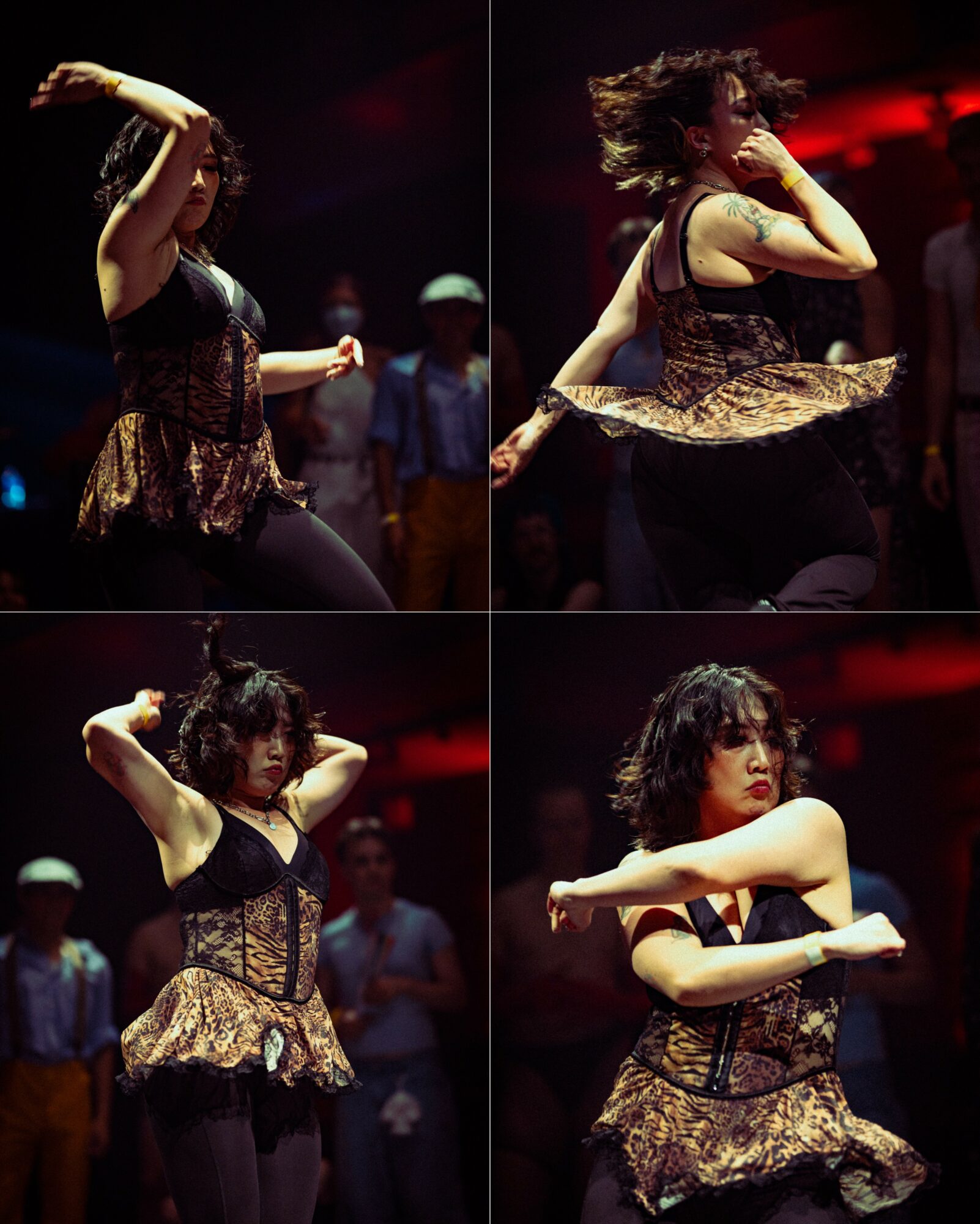
Today we’d like to introduce you to Daeun “Onjay” Cho.
Hi Daeun “Onjay”, it’s an honor to have you on the platform. Thanks for taking the time to share your story with us – to start maybe you can share some of your backstory with our readers?
I’m originally from Seoul, South Korea, and I moved to New York City in 2019 to pursue dance more seriously. I came to New York with a lot of curiosity and ambition, but I don’t think I could have imagined the life and career I would eventually build here.
W*acking/Punking has been at the center of that journey. I was first introduced to the style in Korea, and what drew me to it was the freedom it gave me to express my personality, interpret music, and make choices in the moment. The more I studied it, the more I realized that W*acking/Punking wasn’t simply a collection of movements or techniques. It was a culture with a history, a community, and an incredible emphasis on individuality and self-expression. That made me want to understand it on a much deeper level.
After moving to New York, I trained across different styles and eventually completed the Independent Study Program at Peridance. At the same time, I continued developing myself as a freestyle dancer through classes, sessions, clubs, and battles. Competing became a major part of my growth because it constantly challenged me to figure out who I was when there was no choreography to rely on. Over the years, I’ve been fortunate to win and place in battles in New York and beyond, and those experiences have helped shape the dancer I am today.
Another major chapter of my journey began when I joined The Fabulous Waack Dancers, directed by Princess Lockerooo. Being part of the company gave me opportunities to perform W*acking/Punking in very different environments and helped me experience how the culture could exist not only in battles and clubs, but also on major stages and in theatrical spaces.
As my career developed, teaching became equally important to me. I realized that I didn’t just enjoy showing people movement—I loved helping dancers understand why they were doing something. My teaching focuses heavily on foundations, musicality, freestyle, and helping students develop their own choices rather than simply copying mine. I want dancers to have the tools to eventually become independent artists.
More recently, I’ve also stepped further into organizing and creating spaces for other dancers. I brought WAACKERHOLIC, a battle event that originally began in Seoul in 2015, to New York as a platform where dancers can challenge themselves, experiment, and connect through W*acking/Punking. I also direct SHENANIGANZ, my NYC-based multi-style performance team.
Today, I see myself as more than just a dancer. I’m a freestyler, performer, teacher, choreographer, organizer, and community member—and all of those roles continue to influence one another.
What keeps me excited is that I still feel like I’m discovering new things. Recently, dance has actually started to feel fresh to me again, almost like when I first discovered W*acking/Punking. I’m still competing, still training, still questioning things, and still finding new ways to express myself. I think that curiosity is ultimately what has carried me from Seoul to New York and continues to shape where I’m going next.
Alright, so let’s dig a little deeper into the story – has it been an easy path overall and if not, what were the challenges you’ve had to overcome?
Definitely not. I think a lot of my growth came specifically because the road wasn’t smooth.
I moved from South Korea to New York in 2019, essentially starting my life and career over in a completely different country. Then, only a few months later, the pandemic happened. As a dancer whose entire world depended on studios, performances, clubs, battles, and being physically present with other people, suddenly everything stopped. I was still trying to establish myself in New York while also figuring out how to survive financially, professionally, and personally.
Being an immigrant artist also came with another layer of uncertainty. For years, there was always a question of how long I would be able to stay in the U.S. and continue building what I had started. There were moments when opportunities were growing but my immigration situation made the future feel unpredictable. It was difficult to invest so much of myself into building a life and career while knowing that circumstances outside of dance could potentially change everything.
There was also a cultural responsibility I had to confront as I became more deeply involved in W*acking/Punking. I first learned the dance in Korea, but living in the U.S. made me realize how much more there was for me to understand about where it came from—the LGBTQ+ communities that created it, its history, and the people who carried the culture forward. As someone who was not born into that history or community, I had to learn how to participate with respect while continuing to ask questions, listen, research, and acknowledge where the knowledge comes from. That process is still ongoing, and I believe it should be.
And of course, there have been the struggles that come with being a competitive dancer. Battles can be incredibly rewarding, but they can also force you to confront your ego and your insecurities. Sometimes you win, sometimes you lose much earlier than you expected, and sometimes you dance well and still don’t get the result you wanted. I’ve had to learn not to let a result determine how I see myself as an artist.
Looking back, though, I think those challenges are a big part of why I have such a strong sense of direction now. I had to repeatedly ask myself: Why am I doing this? What kind of dancer do I want to be? What do I actually want to contribute?
I’m still answering those questions. But I think that’s also why I’m still growing.
Can you tell our readers more about what you do and what you think sets you apart from others?
I’m a professional dancer, freestyler, choreographer, instructor, and event organizer based in New York City. My main specialization is W*acking/Punking, but my movement vocabulary has also been shaped by House, Hip-Hop, Vogue, and other styles I’ve trained in over the years.
I think what I’m most known for as a dancer is my musicality and the way I approach freestyle. I love responding to music very specifically—its rhythm, lyrics, textures, instrumentation, dynamics, and even its humor. I don’t necessarily want my dancing to look the same every time. I want the music to tell me who I am in that particular moment.
That is also where my background in multiple styles becomes important. I don’t see those styles as separate boxes that I have to switch between. They have gradually become different tools within my movement language. W*acking/Punking is at the center of my artistic identity, but House might change how I use my feet, Hip-Hop might change my groove or weight, and Vogue might influence the way I think about lines, shapes, or presentation. My goal isn’t to demonstrate how many styles I know—it’s to let those influences become part of one honest freestyle language.
Battling has played a huge role in developing that language. I’ve competed extensively in New York and other cities, and I’m proud to have won and placed at events that were meaningful to me. But what I’m even more proud of is that I’ve developed a voice that feels recognizable as mine. Winning is exciting, but having someone watch me dance and say, “That was very Onjay,” means a lot to me.
Outside of battles, I perform professionally and am a member of The Fabulous Waack Dancers, directed by Princess Lockerooo. Through the company and my independent career, I’ve had opportunities to bring W*acking/Punking into theaters, festivals, cultural institutions, and major stages. I also choreograph and direct SHENANIGANZ, my NYC-based multi-style performance team.
Teaching is another major part of my work. I specialize in helping dancers build strong foundations and then understand how to actually use those foundations in freestyle. I’m very interested in the “why” behind movement. Instead of teaching students to dance like me, I want to give them enough understanding of technique, music, history, and movement concepts that they can eventually make their own decisions.
I’m also the organizer of WAACKERHOLIC, a Waacking battle that I originally started in Seoul in 2015 and have now brought to New York. Creating opportunities for other dancers has become increasingly important to me. I don’t only want to participate in the scene—I want to contribute to the environments that allow the next generation of dancers to experiment, battle, connect, and grow.
If there is something that sets me apart, I think it’s that I’m constantly moving between different roles: competitor and teacher, performer and organizer, student and leader. I still actively train and battle while teaching and creating spaces for others. I never want reaching a certain level to make me feel like I’m finished learning.
The thing I’m most proud of isn’t one title, performance, or achievement. It’s that I came to New York from Seoul and, over time, built a place for myself here while continuing to evolve. I’m proud that I’m becoming an artist with my own voice—and that now I can use that voice not only for myself, but to create opportunities for other people too.
Do you have any advice for those looking to network or find a mentor?
For me, the best networking has never really felt like “networking.” Most of the meaningful relationships and opportunities in my career came from consistently showing up, being genuinely interested in people, and contributing to the community before expecting something in return.
Especially in dance, people remember how you make them feel and how you carry yourself in a space. Take classes, go to battles, attend events, support other dancers, have conversations, and actually become part of the community. Don’t only show up when you need an opportunity.
The same applies to finding a mentor. I’ve been fortunate to learn from many incredible dancers throughout my journey, but I don’t think mentorship always has to begin with formally asking someone, “Will you be my mentor?” Sometimes it develops naturally because you consistently learn from someone, ask thoughtful questions, apply their feedback, and build trust over time.
One thing that has worked well for me is being curious and asking why. I don’t just want to know what someone does—I want to understand how they think, what experiences shaped their perspective, and why they make certain choices. At the same time, I think it’s important not to put any mentor on a pedestal. Learn from multiple people, understand that they may have different perspectives, and eventually develop your own.
My biggest advice is to build relationships, not contacts. Be present, be reliable, support people genuinely, and let them see your work consistently. A strong network is something you build over years, not something you collect overnight.
Contact Info:
- Instagram: https://www.instagram.com/onjay__majesty
- LinkedIn: https://www.linkedin.com/in/daeun-cho-53a463255
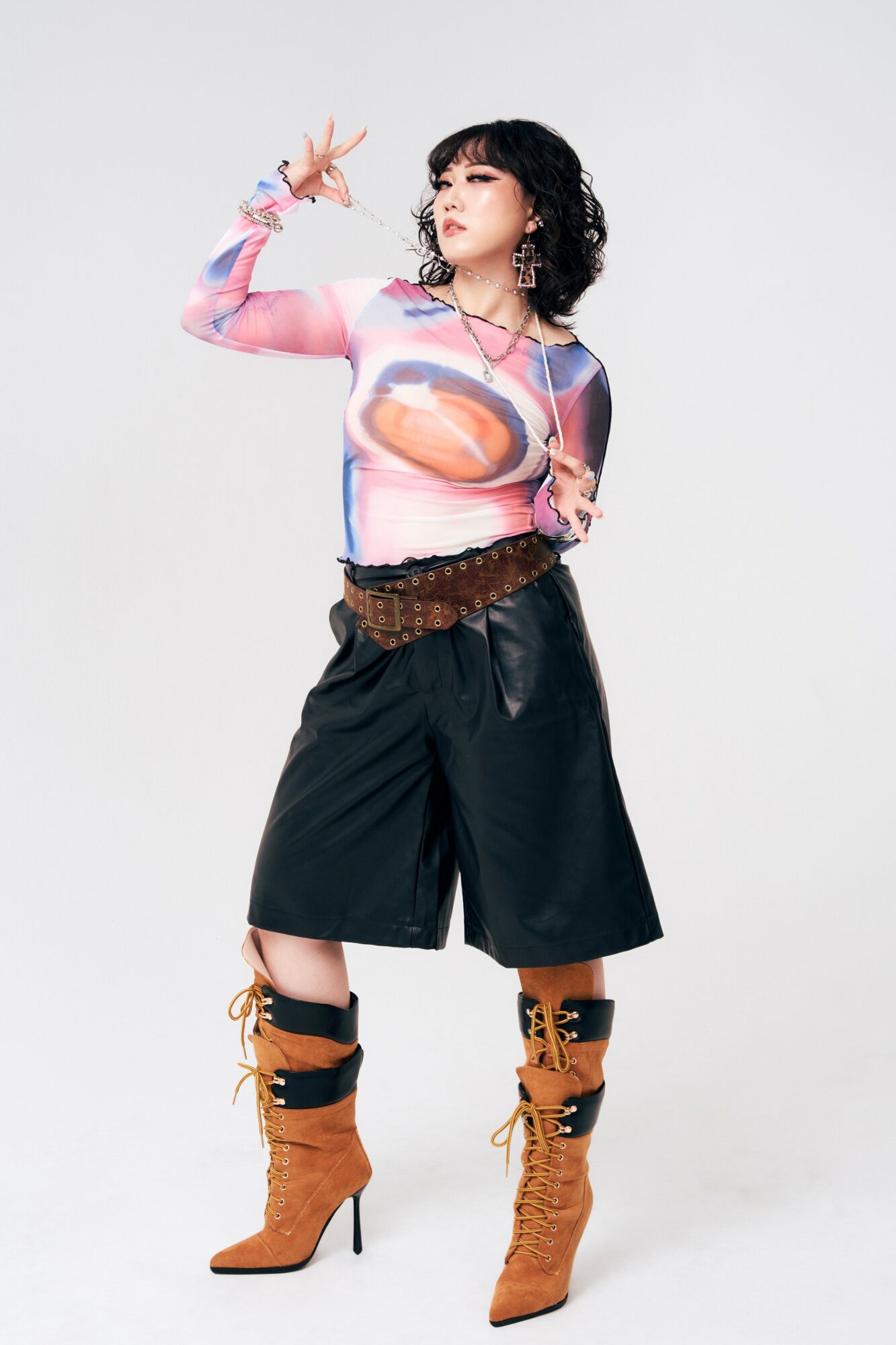
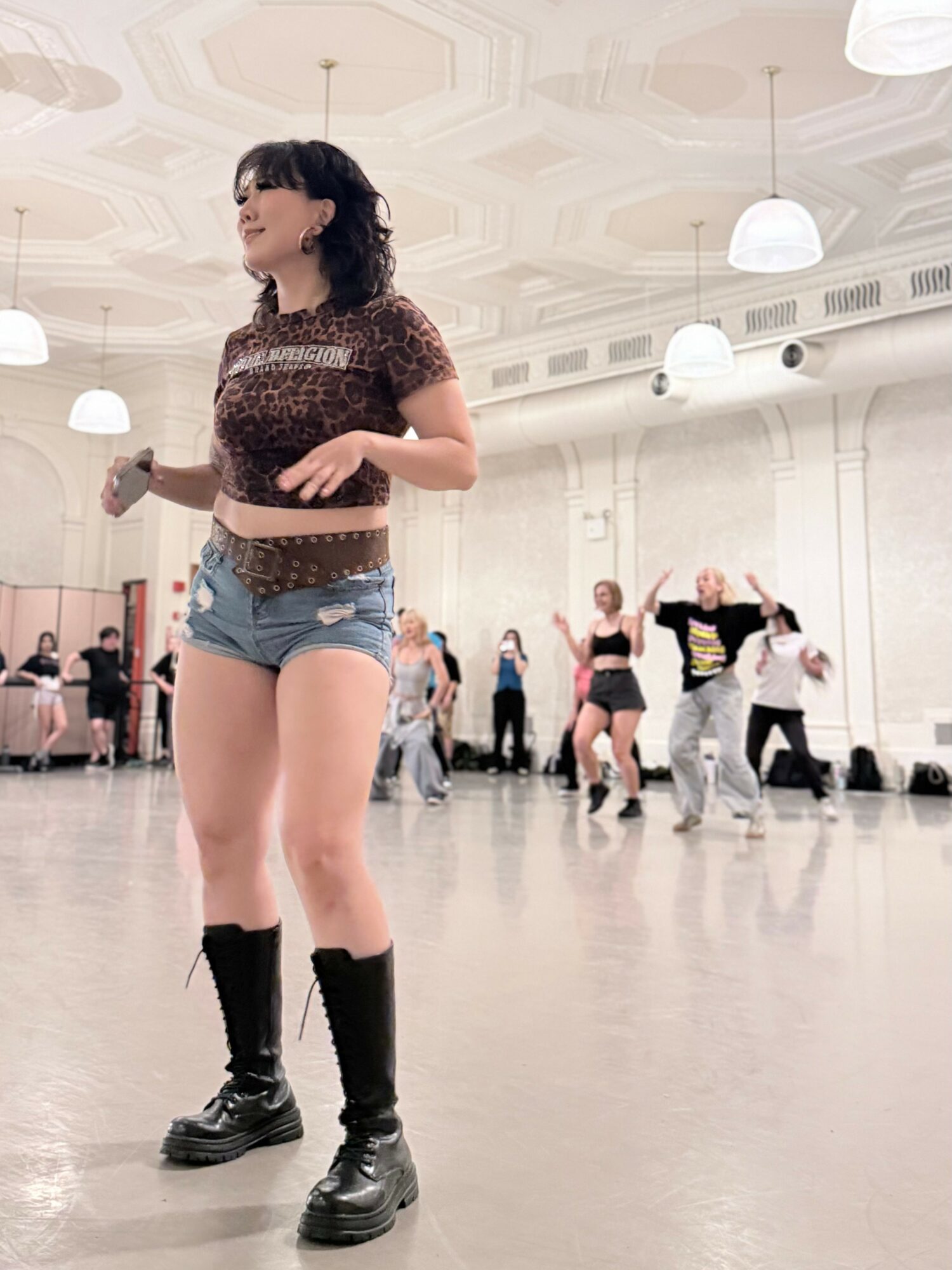
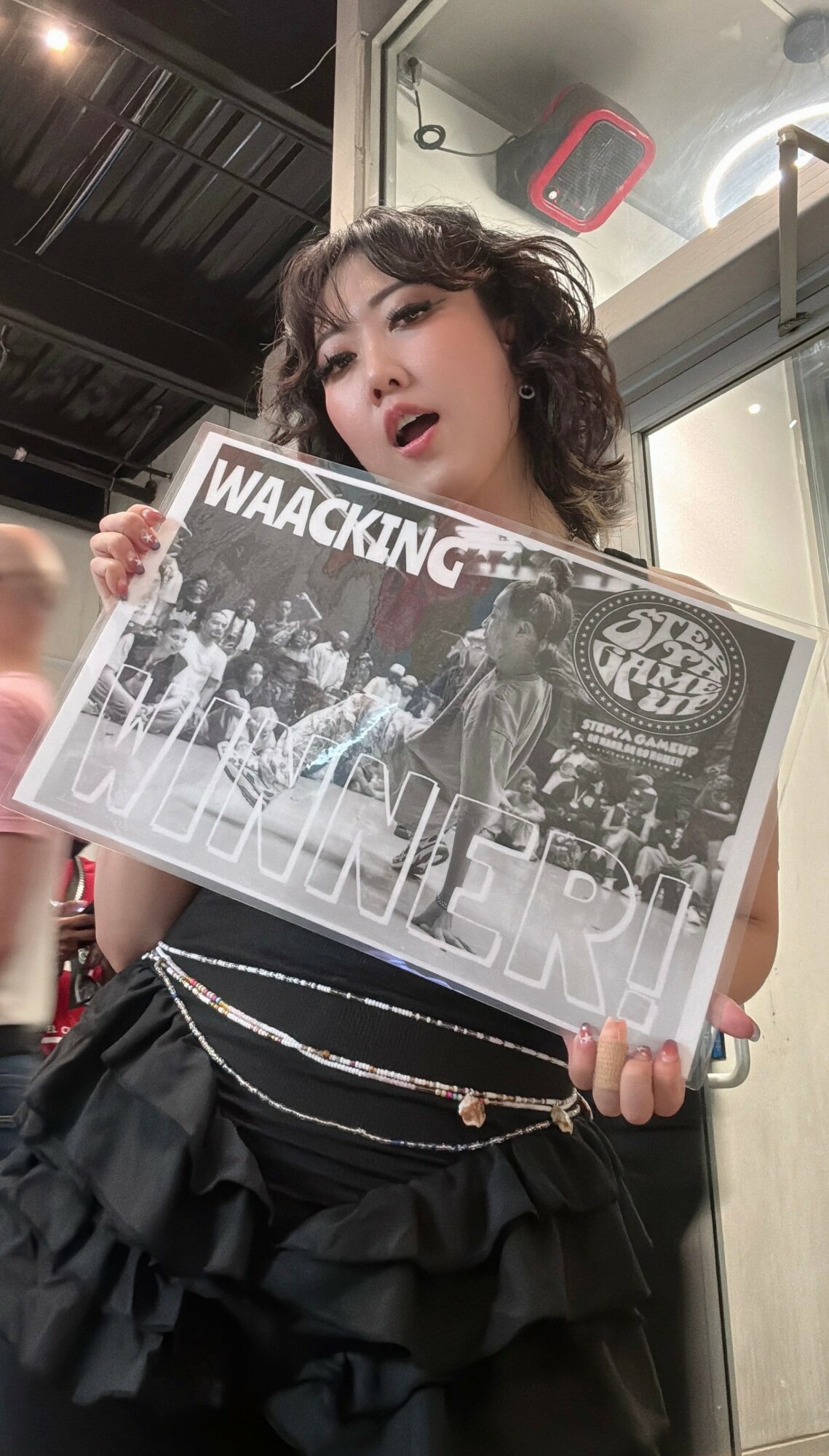
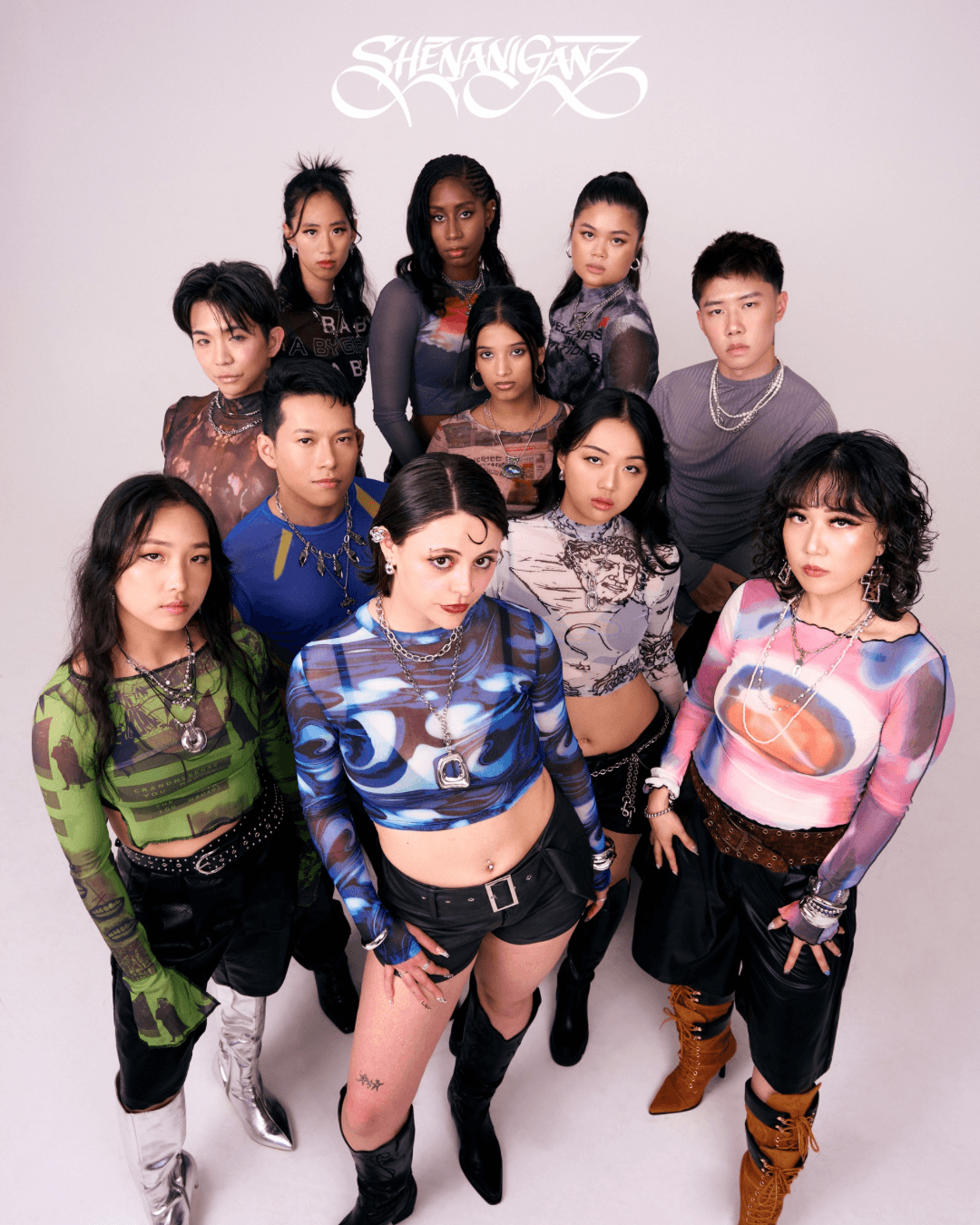
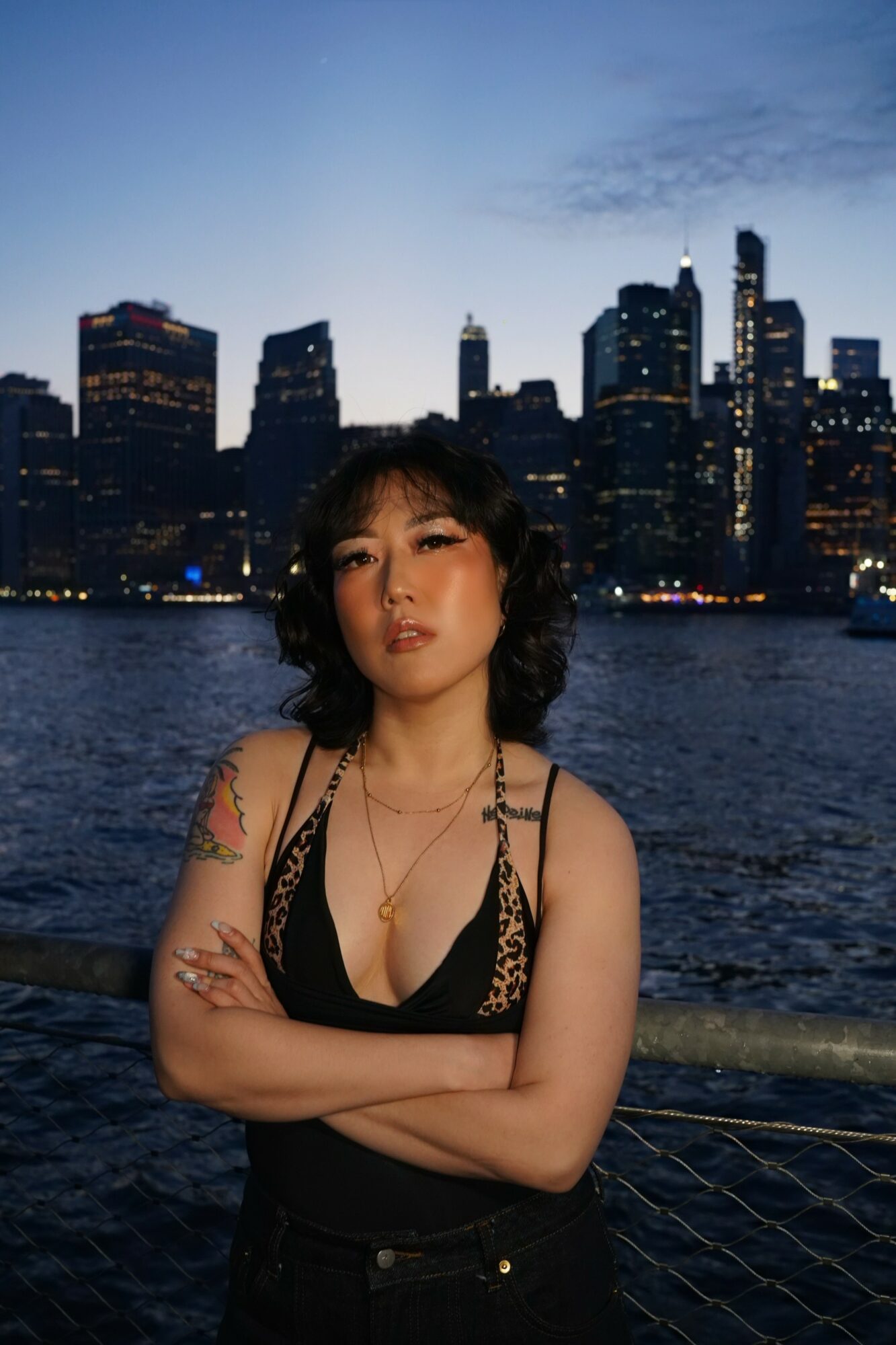
Image Credits
Sohx Visual
Aqua
NahNah