


Today we’d like to introduce you to Diana Anzaldúa.
Alright, so thank you so much for sharing your story and insight with our readers. To kick things off, can you tell us a bit about how you got started?
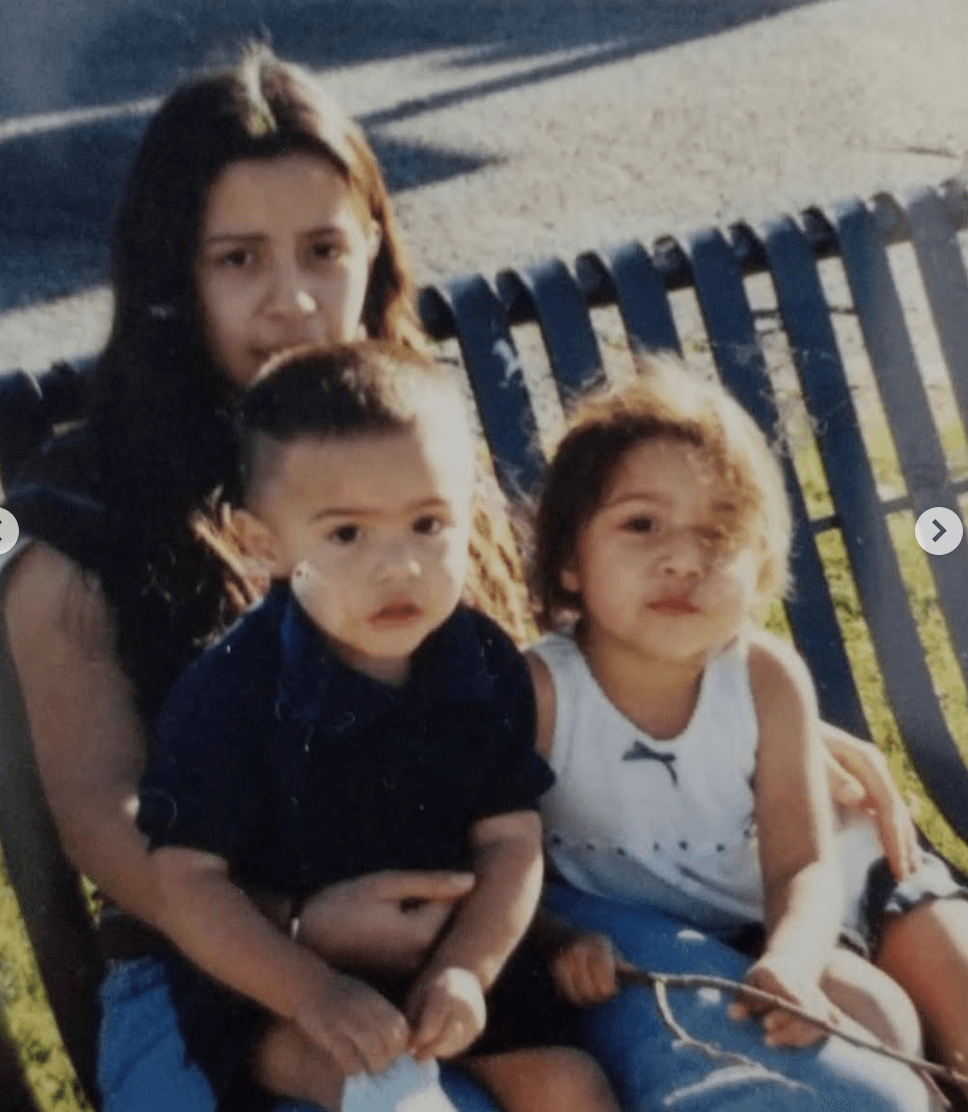
I became a mother very young, and in many ways, that shaped the way I came to understand survival, responsibility, and care long before I had the language for trauma or healing.
My early life was marked by instability, family violence, financial hardship, and experiences that forced me to grow up quickly. By my mid-teens, I was raising two children and trying to figure out adulthood while still being a child myself. Looking back, I think those years gave me an intimate understanding of how much people carry that the outside world often cannot see.
One of the turning points in my life came when I began working at a nonprofit serving young people at the age of 17. Being in that environment exposed me to possibilities I had not imagined for myself. Over time, I returned to school, earned my GED, went on to study psychology, and eventually earned my master’s degree in social work from UT Austin.
My path into mental health was deeply personal. I recognized so much of what I was learning professionally in my own life, my family, and the communities I came from. I became increasingly interested not only in trauma, but in the ways culture, oppression, relationships, community, and belonging shape our ability to heal.
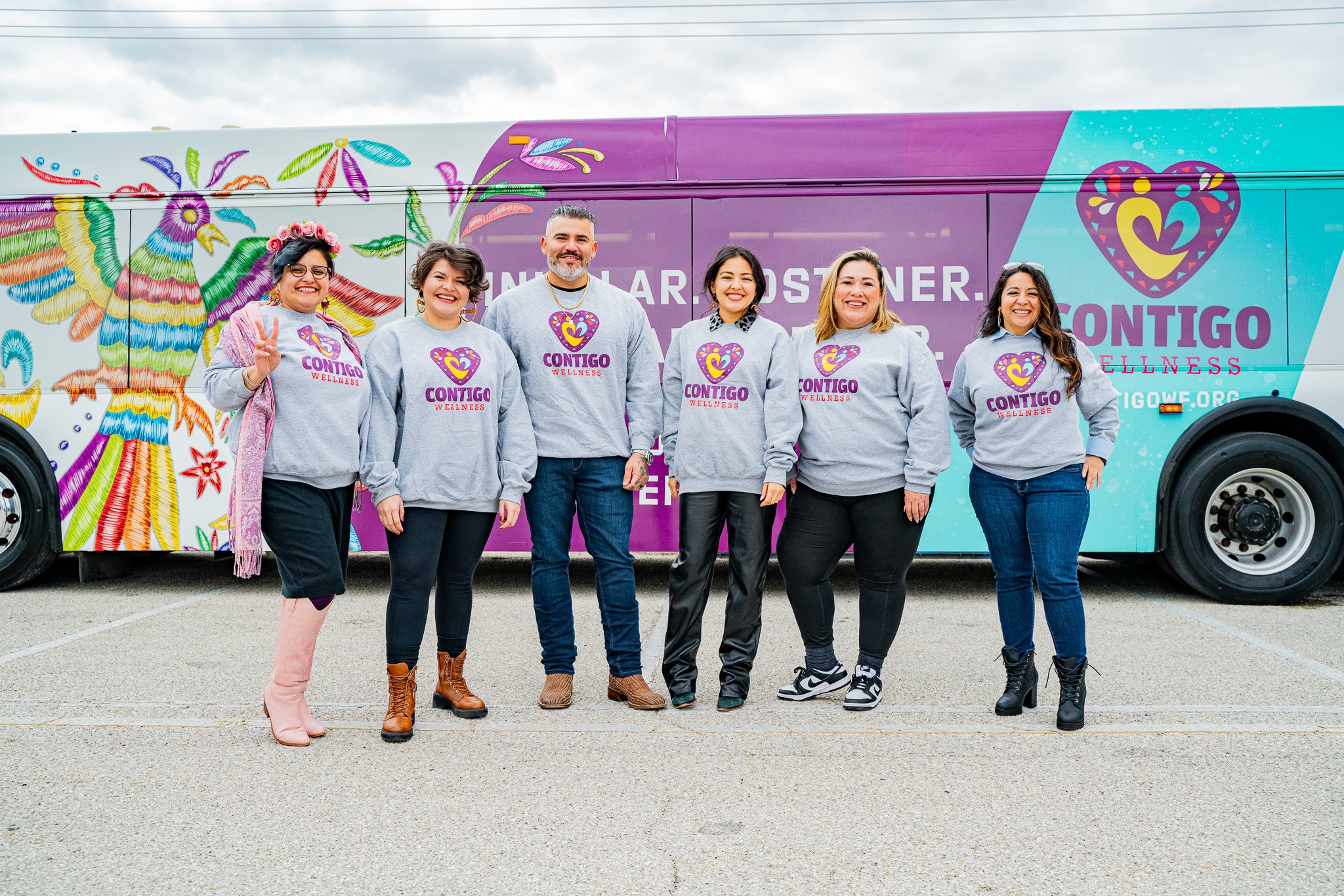
That eventually led me to create the Austin Trauma Therapy Center and later Contigo Wellness. My work has continued to expand beyond traditional therapy into community healing, public art, storytelling, ancestral practices, and culturally responsive wellness.
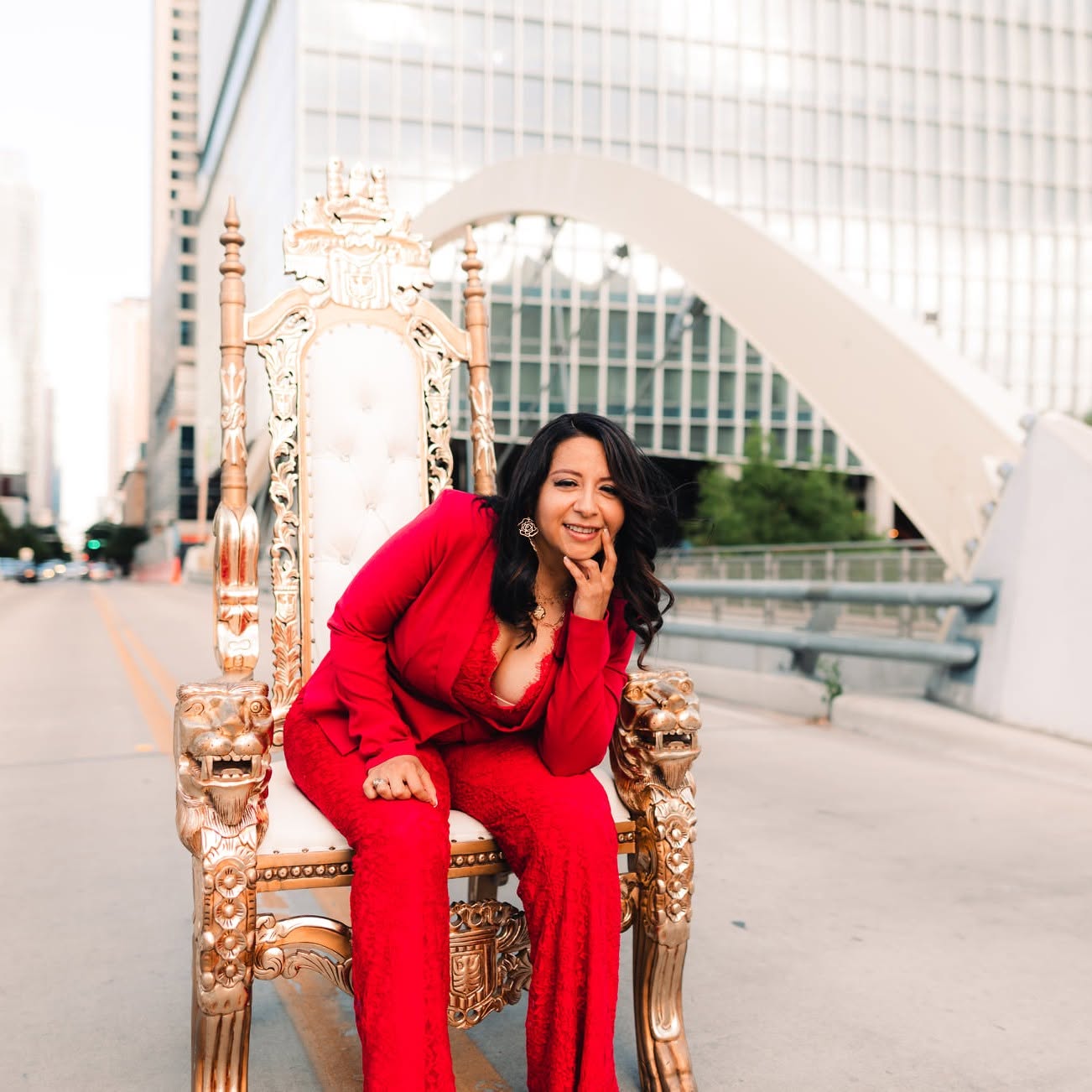
Today, I’m also pursuing a PhD in Liberation Psychology, where I’m exploring healing through community, land, ancestry, creativity, and relationship. I think the thread connecting all of my work is the belief that healing should not require people to disconnect from who they are in order to access it. I spend a lot more time in nature and with people I deeply admire. The older I get, and the deeper I get into my August Leo self—the more I understand the importance of hyping yourself up. Celebrating yourself. Taking up space. Sitting on the throne when the throne presents itself. Learning to honor who you’ve become is part of the journey too.
My life has taken me places I could not have imagined as a teenage mother trying to survive. I don’t see my story as one of overcoming where I came from as much as learning how to transform what I lived through into something that can create more possibility, care, and belonging for other people.
Austin shaped me deeply. It grew me, challenged me, and expanded my sense of what was possible. So much of who I am today was formed here—through the people I met, the work I built, the communities that welcomed me, and the many versions of myself I became along the way. Austin didn’t just become the place where I built so much of my life; in many ways, it helped build me. I will always be deeply grateful for this city.
Can you talk to us a bit about the challenges and lessons you’ve learned along the way. Looking back would you say it’s been easy or smooth in retrospect?
Definitely not. I’ve been involved in social justice work for nearly 30 years, and one of the things I’ve learned is that meaningful change is rarely linear or comfortable.
Some of my earliest struggles were deeply personal. As I mentioned, I became a mother as a teenager, experienced poverty and family violence, and had to navigate systems that were not necessarily designed to see possibility in someone with my story. I stopped going to school after the 8th grade and at 16, I was encouraged to lie on my first rental application by the apartment manager because I wasn’t old enough to legally sign a lease here in Texas. There were nights I didn’t have money for food so we had to utilize food pantry resources so the kids could eat. Being a teen mom in the 90’s here in Austin was rough. I worked, raised my children, and pursued my education at the same time. There were many moments when simply continuing required an enormous amount of persistence. Many nights, I’d sleep only 2 hours a night because I had homework and assignments due, and I’d have to do that after work, when the kids were asleep. I did that for nearly a decade until I got my Bachelors in Psychology. During that time, I also fostered my nephew from the age of 1-4 years old, which added more responsibilities to my already exhaustive list.
Later, the challenges became different. Working in mental health and social justice means constantly confronting the systems that contribute to the very harm we are trying to heal. I’ve had to navigate institutions that can be resistant to conversations about racism, oppression, cultural difference, accessibility, and whose knowledge gets recognized as legitimate. I’ve also had to learn how to build organizations while staying connected to the values that led me to create them in the first place.
There have been financial struggles, professional disappointments, burnout, grief, and periods when I’ve had to completely reconsider what success means to me, and maybe I’m still asking myself this question. Social justice work can also come with the pressure to continually give, advocate, and show up for others. One of my biggest lessons has been learning that liberation work cannot require us to abandon ourselves and in my journey, I recognize now that I had done that for much of my life.
Nearly three decades into this work, I understand struggle differently. I don’t necessarily see every difficult season as evidence that I’m on the wrong path. Sometimes it is an invitation to adapt, to let something end, to return to what matters, or to imagine another way forward.
The road has absolutely not been smooth, however, it has been meaningful, and I think the challenges have made me much less interested in perfection and much more committed to creating spaces where people can be fully human.
Alright, so let’s switch gears a bit and talk business. What should we know about your work?
My work has taken many forms over the years, but the common thread has always been creating spaces where people feel seen, connected, and like they belong.
I’m a psycho-spiritual trauma therapist, social worker, educator, community healer, and founder of Austin Trauma Therapy Center and Contigo Wellness. I specialize in trauma, grief, culturally responsive mental health, and psychospiritual healing, particularly with communities that have historically been marginalized or underserved by traditional systems of care. Increasingly, my work also brings together art, land, ancestry, storytelling, and community as pathways toward healing. I am always searching for and dreaming of solutions to ameliorate injustices of non-equity in communities.
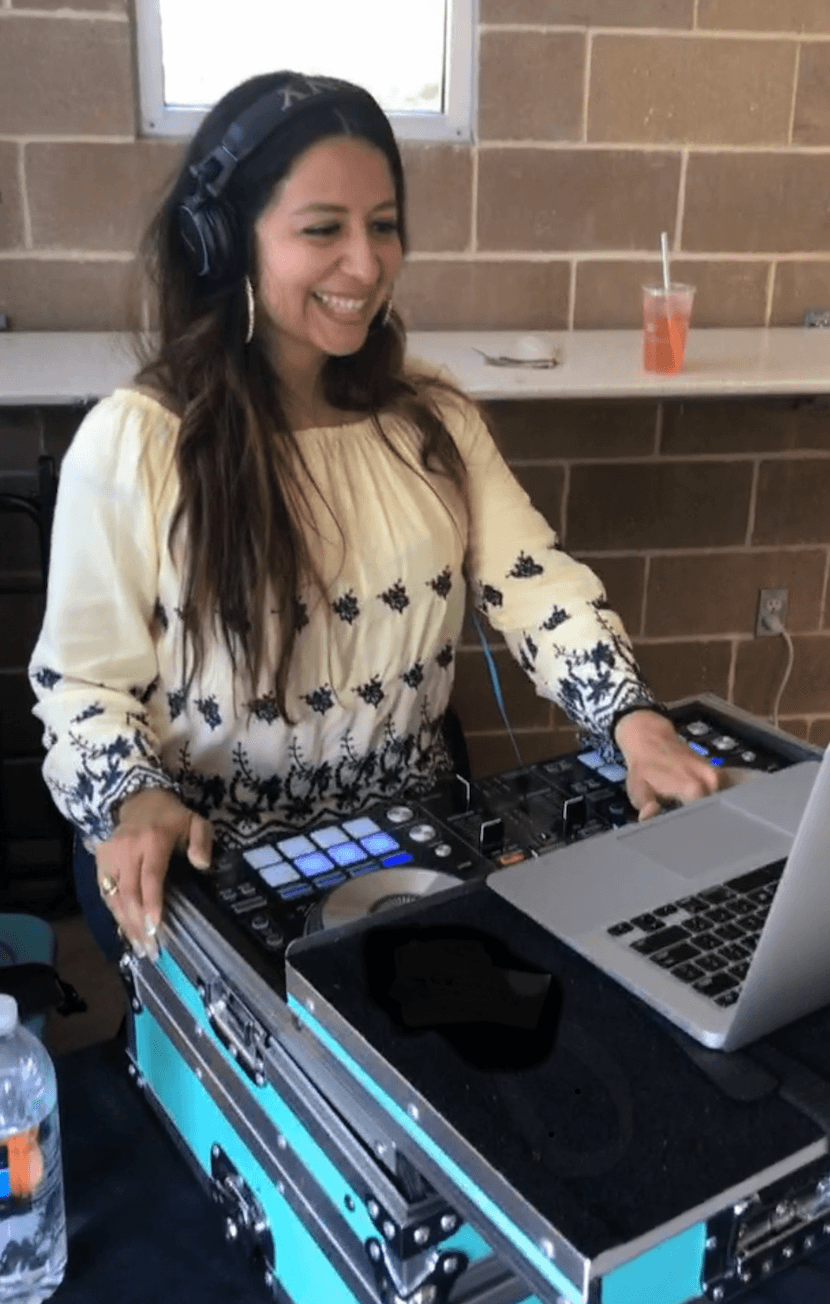
Creativity has actually been part of my work for a very long time. I was a DJ for about 20 years and co-owned a DJ company with a former partner. I spent years creating the special memories for quinceanera’s, weddings, celebrations, and major life moments. That part of my story may seem very different from being a therapist, but to me there is a connection. Music taught me how to read a room, how to move people, how to create energy, and how powerful shared experiences can be. It also taught me that art can create belonging in ways that words sometimes cannot. Music has a powerful healing component for the heart and nervous system and the rhythm of the beats can mimic that of ceremonial drums. It’s still my favorite!
Today, people probably know me most for my work around trauma healing, social justice, culturally responsive care, and creating alternatives to conventional ideas about what healing is supposed to look like. Through Contigo Wellness, that has included community healing programs, public art, our Tú Importas murals (which means You Matter), mental health initiatives, and spaces that center culture and connection rather than asking people to leave those parts of themselves at the door. We just put up our 6th Tú Importas mural in a 3rd State because mental health equity and accessibility matters deeply to me.
What I’m most proud of is that I’ve continued to build from lived experience rather than separating myself from it. I know what it is like to need support and not necessarily have access to the right resources. I know what it’s like to be invisible. So when I create something, I’m often thinking about the person who might otherwise be excluded from the conversations.
What sets my work apart is probably that I don’t see healing as belonging exclusively to the therapy room. Healing can happen through a conversation, a mural, music, movement, grief ritual, storytelling, a friend-hang, being in relationship with land, or simply being somewhere you are fully seen. I’m also a double Leo, so much of my work will always be rooted in joy, love, passion and creativity. My work is truly about expanding the places where healing is allowed to happen in creative and re-imagined spaces.
After nearly 30 years in social justice work, I’m less interested in creating programs that simply help people survive difficult systems. I’m interested in imagining, dreaming, and building the spaces where people can actually belong, heal, create, and thrive. I think about this work generationally, what was carried to me by those who came before, what I have the responsibility to transform in my lifetime, and what I want to leave for the generations who will arrive after me. I want my life’s work to be part of my family’s larger legacy: honoring what those before me carried, transforming what is mine to transform, and widening the path toward healing, liberation, and possibility for the generations yet to come.
How do you define success?
I define success very differently than I did when I was younger. For a long time, success meant survival—being able to take care of my children, build stability, finish school, and create opportunities that I didn’t always have access to growing up.
Today, success feels much more like alignment. It is being able to do work that reflects my values, create something meaningful, and still have enough of myself left to actually live my life. It is having the freedom to evolve, to say no to things that no longer fit, and to choose relationships, work, and communities where I can be fully myself without masking. any part of me.
I also think about success collectively. I’m proud of the things I’ve built, and I don’t want success to only mean how far one person can go, or how much can one person do? I want what I create to make more room for other people—to access healing, tell their stories, create art, feel a sense of belonging, or imagine possibilities for themselves that perhaps they couldn’t see before. Even if it’s simply a seed I’m able to plant, or a thread I’m able to leave behind for someone else to pick up a weave a new story, that’s good for me. I’m just one person evolving and moving this world forward with a lot of love and passion.
Really, at this point in my life, success isn’t really about accumulating more. This is what we’ve been taught through capitalism and colonialism, right? It’s about being able to look at my life and know that I have loved deeply, created something that mattered, stayed connected to who I am, and left things better than I found them.
Contact Info:
- Website: https://atxtraumatherapycenter.com
- Instagram: https://instagram.com/contigo_wellness
- Other: https://contigowf.org