



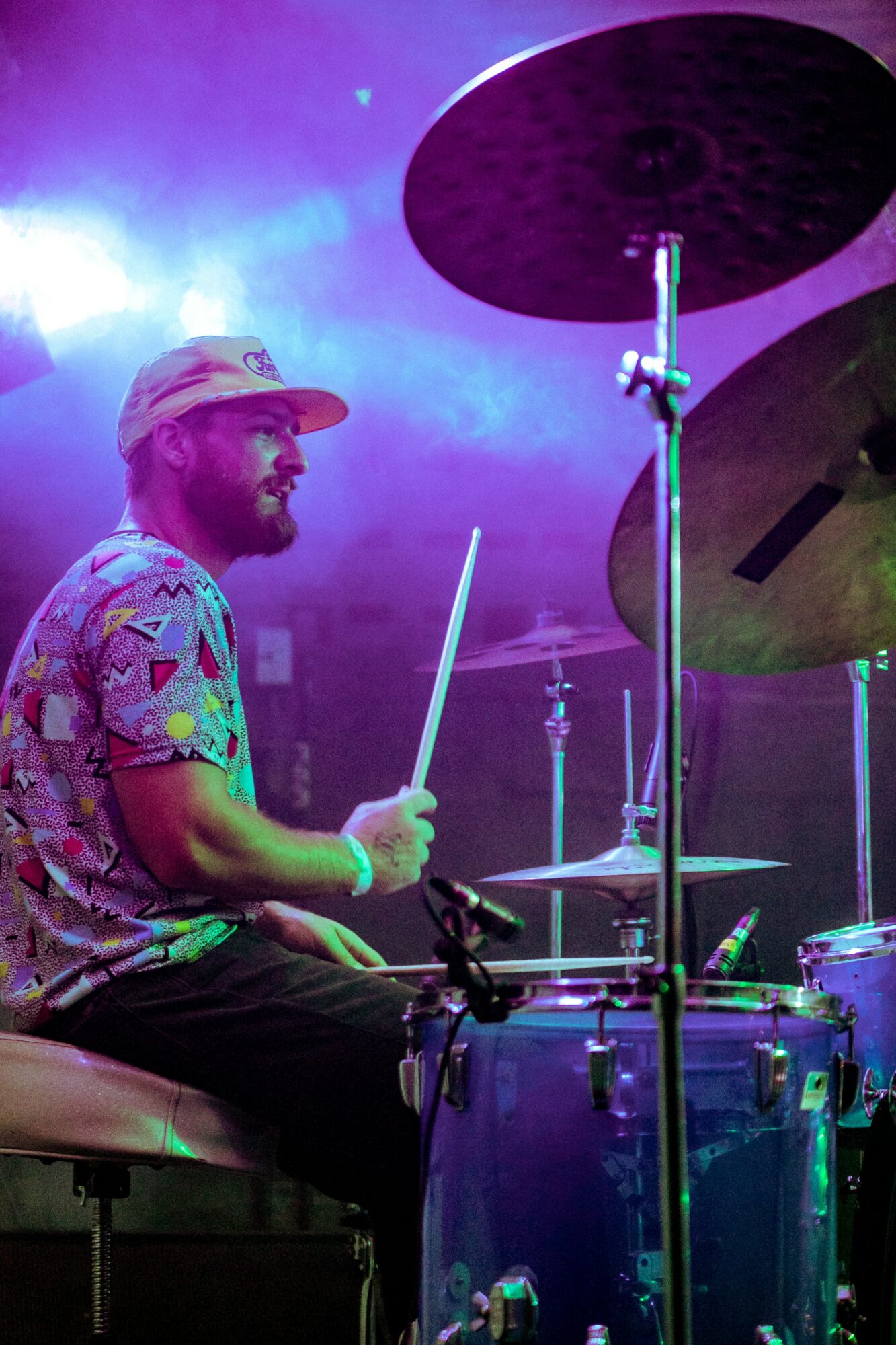
Today we’d like to introduce you to Forest Cazayoux.
Hi Forest, so excited to have you on the platform. So before we get into questions about your work-life, maybe you can bring our readers up to speed on your story and how you got to where you are today?
I was born and raised in New Roads, Louisiana. There wasn’t much music being played in my family, but somehow I fell in love with drumming from a really early age. Like a lot of kids, I started out banging on pots and pans when I was probably two years old. I was also very fortunate to have great, encouraging parents who nurtured my interests from an early age. Whatever I was excited about, they gave me the space and support to explore it, and that played a huge role in giving me the confidence to follow music later in life.
One of my strongest memories from growing up is the New Roads Mardi Gras parade. Our house was very close to where the parade started, and every year I could hear the drums and brass warming up before everything got going. That sound meant an amazing day was about to happen. Mardi Gras was probably my favorite day of the year, and looking back, I think hearing those drummers had a huge impact on me. I was also exposed to Zydeco, Cajun music, funk, and other Louisiana music at local functions around Pointe Coupee Parish.
Eventually, I graduated from pots and pans to a snare drum, and after begging my parents long enough, they bought me my first drum set when I was 11.
There wasn’t a music program at my school, but Hurricane Katrina unexpectedly played a part in my musical journey. After the storm displaced so many people in 2005, a drummer named Daniel Nunez ended up attending my K-12 school in New Roads. I was around 12 and he was a junior in high school. Daniel became my first drum teacher. He taught me the basics and, more importantly, got me started down the right path.
Through high school, I mostly played drums by myself for fun. I was heavily into sports and skateboarding, so music was something I loved but hadn’t completely committed myself to yet. When I started college in South Louisiana, that began to change and I started taking drumming much more seriously.
Around 19, my brother Philip was going to school in New Orleans, so I started making trips there to hang out with him. On someone’s recommendation, I ended up walking into the Maple Leaf Bar one night and seeing Johnny Vidacovich play drums for the first time. I had never seen anyone play like that in my life. I was fortunate enough that Johnny eventually took me on as a student. He completely changed my perspective on music and taught me valuable lessons not only about playing drums, but about music and life in general.
During that time, I was also starting to gig with bands around Baton Rouge and Lafayette. After finishing school at the University of Louisiana at Lafayette, I stayed in Lafayette and continued playing with the bands I was involved with. Then, at 24, I decided it was time to take another chance. In late 2017, I moved to Austin looking for more opportunities to grow as a musician. My uncle Stephen and aunt Sarah Laborde took me in for my first couple of months while I got on my feet, which I’m still incredibly grateful for.
I started gigging around Austin with different artists and playing clubs around town. Over time, Austin became much more than the place I moved to for music. It became home. I’ve met so many great people here who have influenced my life in ways that go far beyond music. I’ve built friendships, found a community, and eventually met the woman who became my wife. When I think about the person and musician I’ve become, Austin is a huge part of that story.
One of the most important musical turning points for me happened during COVID in 2020. There wasn’t much live music happening anywhere, and one day I walked into Sahara Lounge and happened upon a livestream by the house band. The group included incredible West African musicians, including master percussionist Aboubacar Sylla from Guinea. It turned out they were looking for a drummer, and I was lucky enough to land the gig playing Africa Night every Saturday.
That became another education for me. I immersed myself in those rhythms and felt like I was going back to school all over again. Abou and I became close friends, and playing with him and the other musicians at Sahara opened up an entirely new musical world for me.
Eventually, in 2022, the idea came to me to start my own band. I wanted to bring together some of the best musicians I knew and see what would happen if we created something where everyone’s individual musical experiences could have a voice. I wanted to build a world-class live band, but just as importantly, I wanted to make music with my friends and create something that felt genuine to all of us.
I started making calls, and the pieces began falling into place. That became CAZAYOUX. I’m incredibly fortunate to be surrounded by such great friends and musicians, including Xander Freeman, Aboubacar Sylla, Fumi Sugawara, Patrick Harwell, Joe Woullard, John Spiece, Damien Valenzuela, Sam Blomgren, and the many other musicians who have contributed to the project along the way.
CAZAYOUX has become a meeting point for all of these different experiences. My roots in Louisiana are part of it, Abou’s Guinean musical traditions are part of it, and so are the backgrounds and influences of every musician in the band. We aren’t trying to recreate one particular style of music or fit neatly into a genre. We’re trying to create something of our own from the experiences we all bring to the table, with rhythm and groove at the center of it.
Since 2022, we’ve been creating original music and expressing our collective experience here in Austin. We started in clubs and have since released three albums, played festivals and larger stages, traveled together, and continued pushing ourselves musically. But I still feel like we’re at the beginning of what CAZAYOUX can become.
The bigger vision is to build something sustainable that allows us to keep making ambitious music together for a long time. I want CAZAYOUX to be a project where great musicians can express themselves, where collaboration across different musical traditions happens naturally and respectfully, and where the audience feels the same sense of community that we feel onstage. I want the music to connect with people whether we’re playing a small club in Austin, a festival somewhere we’ve never been, or eventually taking it around the world.
At the end of the day, we’re trying to make the best music we possibly can, keep learning from one another, and create an experience that leaves people feeling a little better than when they walked in. I feel incredibly lucky that I get to do that with my friends in a city that has become my home, and the goal is to see just how far we can take it.
Can you talk to us a bit about the challenges and lessons you’ve learned along the way. Looking back would you say it’s been easy or smooth in retrospect?
It definitely hasn’t been a smooth road, but I think that’s also part of what has made it meaningful.
One of the biggest challenges has simply been figuring out how to build a sustainable life around music. I think a lot of musicians eventually face the reality that loving music and making a living from it are two very different things. I’ve worked a full-time job while playing shows at night, rehearsing, recording, booking gigs, sending emails, promoting releases, and trying to keep everything moving forward. You learn pretty quickly that being a musician involves a lot more than just playing music.
CAZAYOUX presents its own challenges because it’s a large collective. Putting eight or more musicians onstage, getting everyone rehearsed, traveling, recording, and making sure people are compensated fairly can get expensive very quickly. Sometimes the easiest business decision would be to make the band smaller, but a big part of the sound and experience comes from having all of those personalities and instruments together. So the challenge has been figuring out how to grow the opportunities around the band rather than constantly compromising what makes it special.
There have also been a lot of moments of uncertainty. You can put an incredible amount of time, money, and energy into a record or a show and have no idea how people are going to respond to it. There are gigs that exceed every expectation and others where you wonder if anyone is listening. You deal with rejection, opportunities that fall through, financial pressure, and plenty of mistakes. I’ve had to learn not to let any one show, release, or setback determine how I feel about the bigger picture.
Moving to Austin was also a risk. I came here without much of a network and had to start over in a lot of ways. I’m grateful that my aunt and uncle gave me a place to stay when I first arrived, but after that it was about meeting people, taking gigs, showing up, and slowly becoming part of the community. There wasn’t really a shortcut.
As I’ve gotten older, another challenge has been figuring out what success actually means to me. When you’re younger, it’s easy to think the goal is simply to tour as much as possible, play bigger stages, and keep chasing the next opportunity. Those things are still exciting to me, but I’m married now and I have a life and people I care about outside of music. I want to build something that can grow without sacrificing everything else that makes life meaningful.
That has probably become one of my biggest motivations with CAZAYOUX. I want to prove that we can make adventurous music, pay musicians well, travel and reach people outside of Austin, and build something sustainable without losing the friendships and sense of community that made us want to do it in the first place.
There are definitely easier ways to make a living, but every time we get onstage together and the band locks into something that none of us could create individually, it reminds me why I keep doing it.
Appreciate you sharing that. What else should we know about what you do?
My main creative work is CAZAYOUX, the band and collective I started in Austin in 2022. I’m the drummer, bandleader, and one of the producers, but I also work as a drummer with other artists around Austin. Playing in different musical situations has been a big part of my growth and keeps me learning, listening, and approaching music from different perspectives.
With CAZAYOUX, I really think of the project as a vehicle for collaboration. I try to bring together musicians I admire, give everyone room to bring their own personality and musical background into the music, and see where we can take it together.
Rhythm and groove are at the center of what we do. My background growing up around Louisiana music, my love for funk and jazz, and my experience studying and playing West African music have all shaped the way I approach the band. But CAZAYOUX isn’t about combining genres just for the sake of it. We’re interested in taking all of those influences and experiences and creating our own musical language from them. There’s also a lot of improvisation, so the music has room to change depending on the musicians, the room, and the night.
I think what sets CAZAYOUX apart is the people in it. Everyone brings something completely different to the table. My role as a bandleader is often less about telling everyone exactly what to play and more about putting the right people together and creating an environment where something unexpected can happen.
What I’m most proud of is that we’ve built this from the ground up. We started playing small clubs around Austin and have now released three albums, played festivals and larger stages, traveled together, and built a growing community around the music—all while staying independent and continuing to evolve.
More than any particular accomplishment, I’m proud that we’ve created something that feels like us. When CAZAYOUX is really clicking, there are eight people onstage listening to each other and creating something that none of us could make individually. That feeling is ultimately what I’m chasing.
Networking and finding a mentor can have such a positive impact on one’s life and career. Any advice?
I think the biggest thing that has worked for me is simply showing up, being curious, and trying to build real relationships with people rather than thinking of it as “networking.” Most of the important relationships in my musical life happened pretty organically because I was going to shows, sitting in, taking gigs, asking questions, and putting myself around musicians I admired.
With mentors, I think you have to genuinely be willing to learn. Johnny Vidacovich had a huge impact on me because I approached him as someone who wanted to listen and absorb what he had to teach, not because I thought the relationship could lead to an opportunity. The same has been true with Aboubacar Sylla and the musicians I met through Africa Night at Sahara Lounge. I showed up every week, played the music, listened, asked questions, and over time those relationships became friendships.
My advice would be to go where the people you admire are, support what they’re doing, ask questions, and be useful when you can. Don’t approach every relationship thinking about what you can get out of it. Be genuine, work hard, keep showing up, and over time your network tends to build itself.
Contact Info:
- Website: https://www.cazayouxmusic.com/
- Instagram: https://www.instagram.com/cazayoux_music/
- Facebook: https://www.facebook.com/CazayouxMusic
- Youtube: https://www.youtube.com/@cazayoux_music
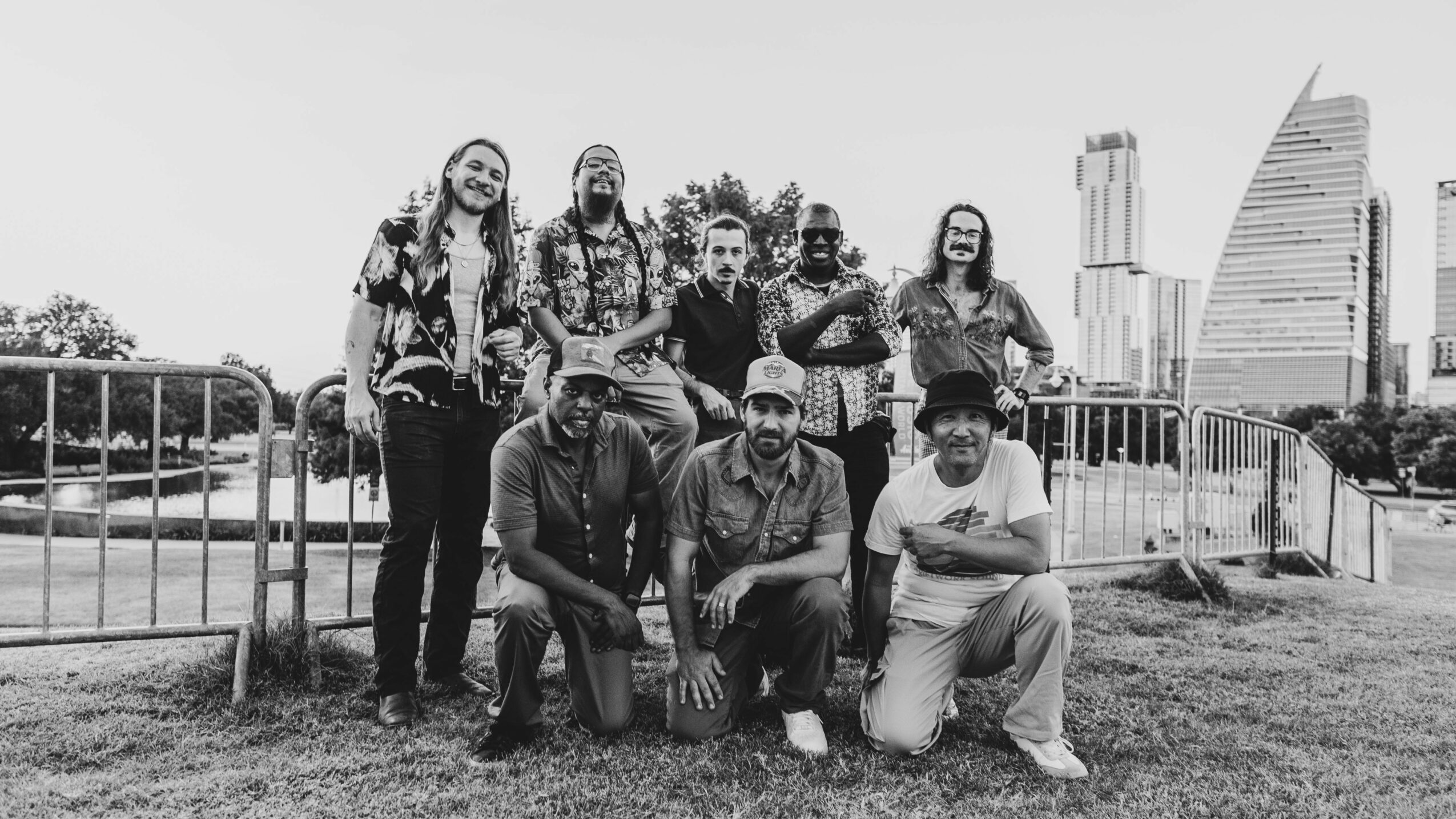
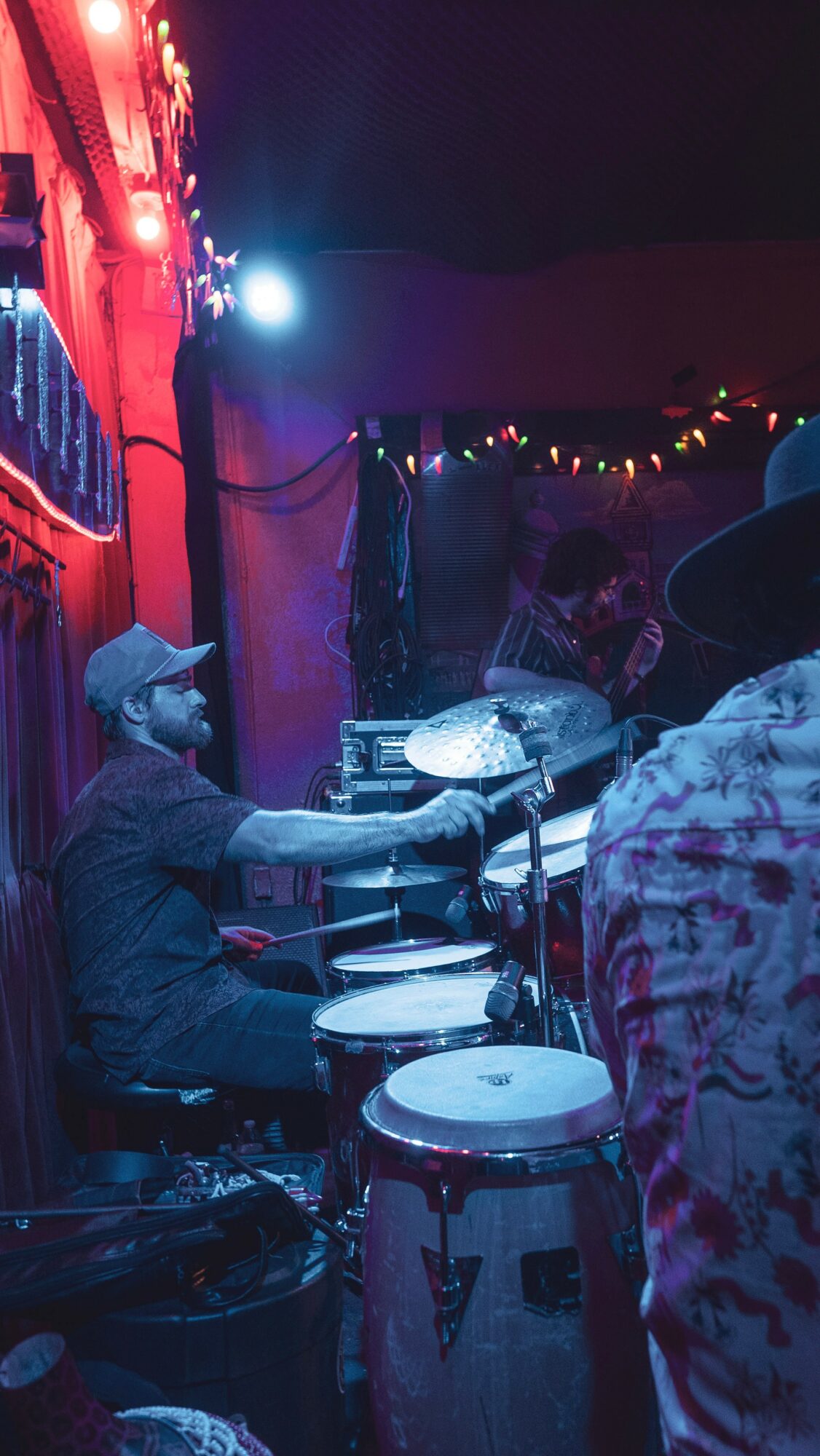
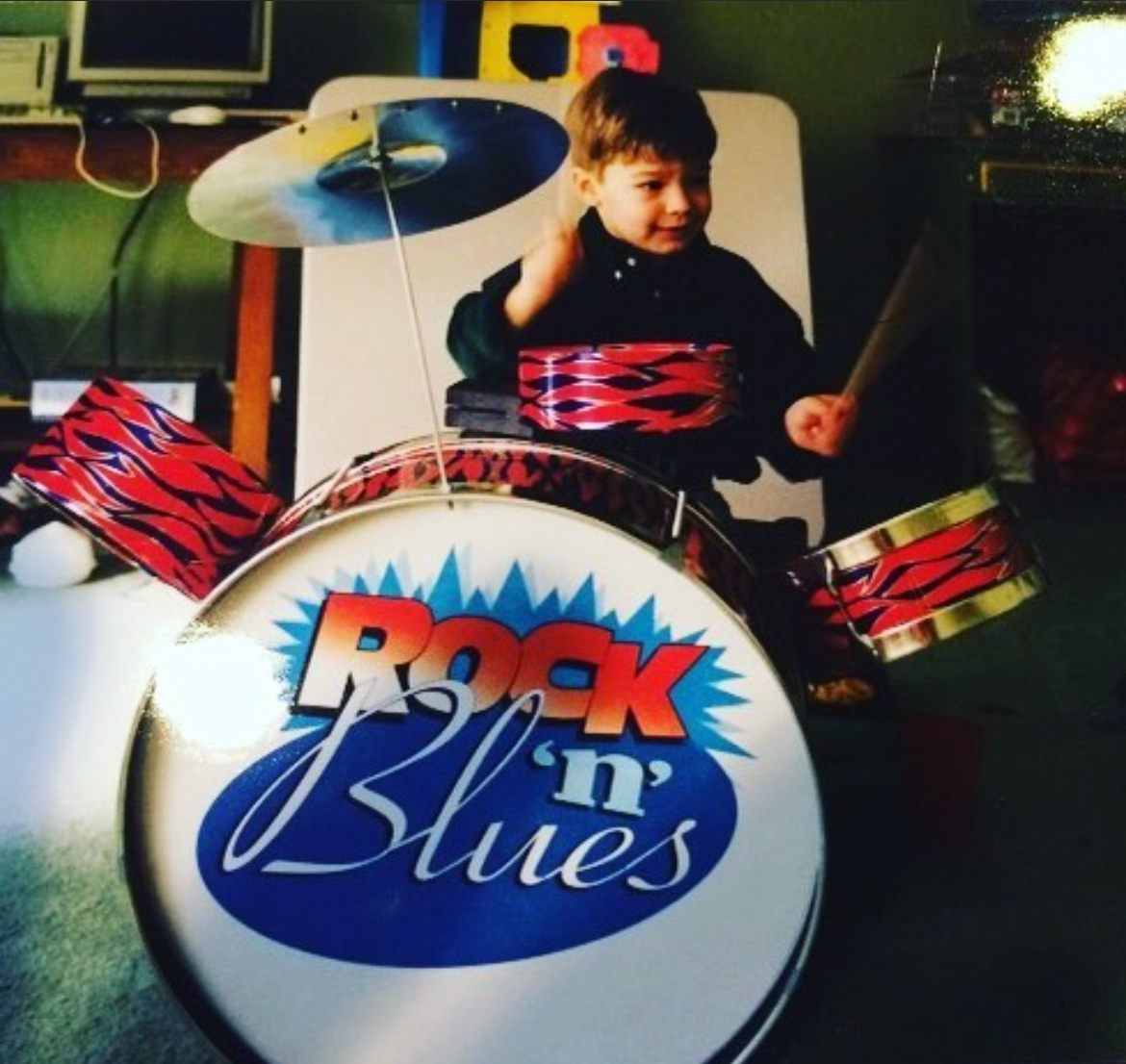
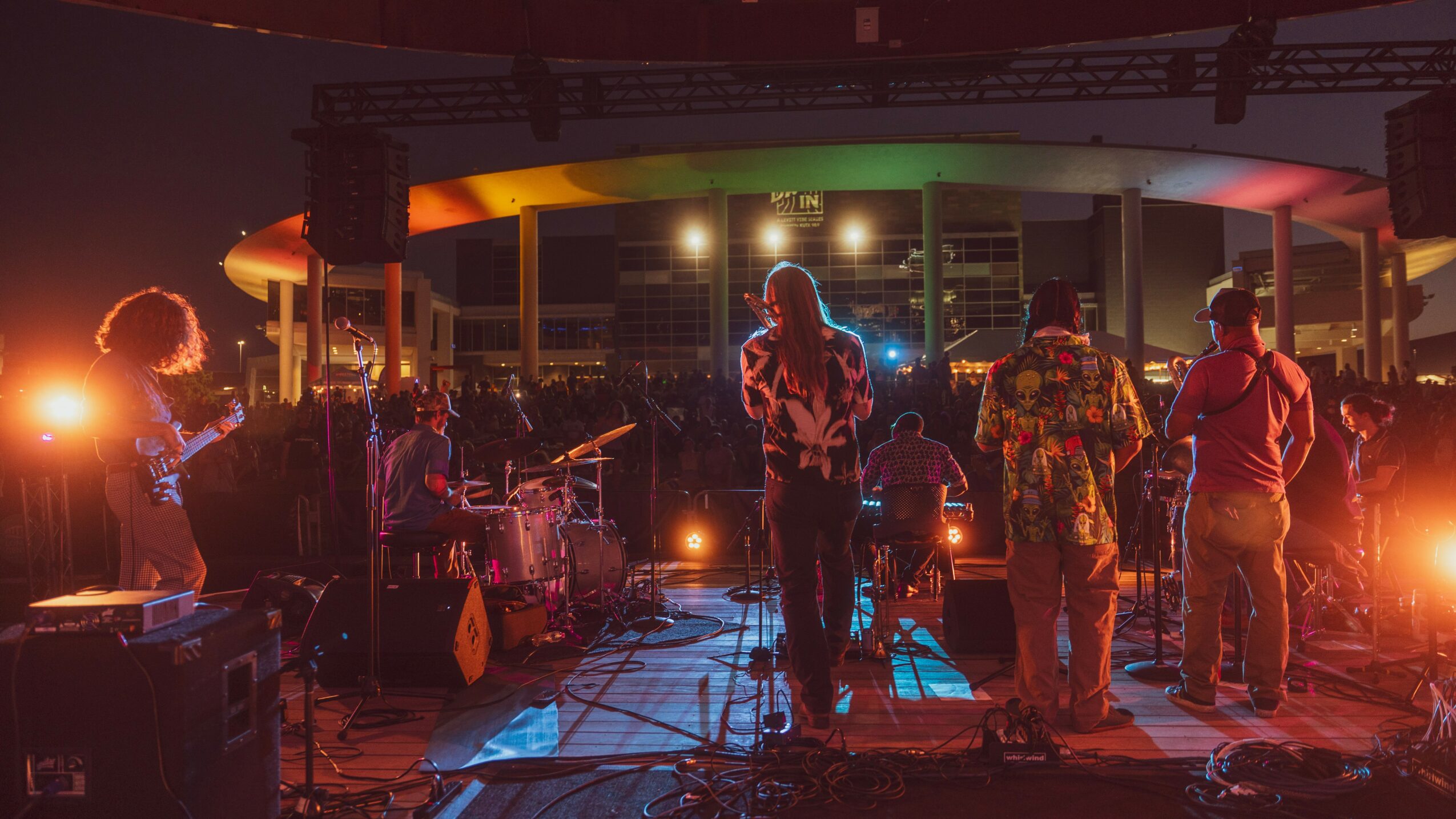
Image Credits
Patrick Thomas
Justin Cook
Alex Parker