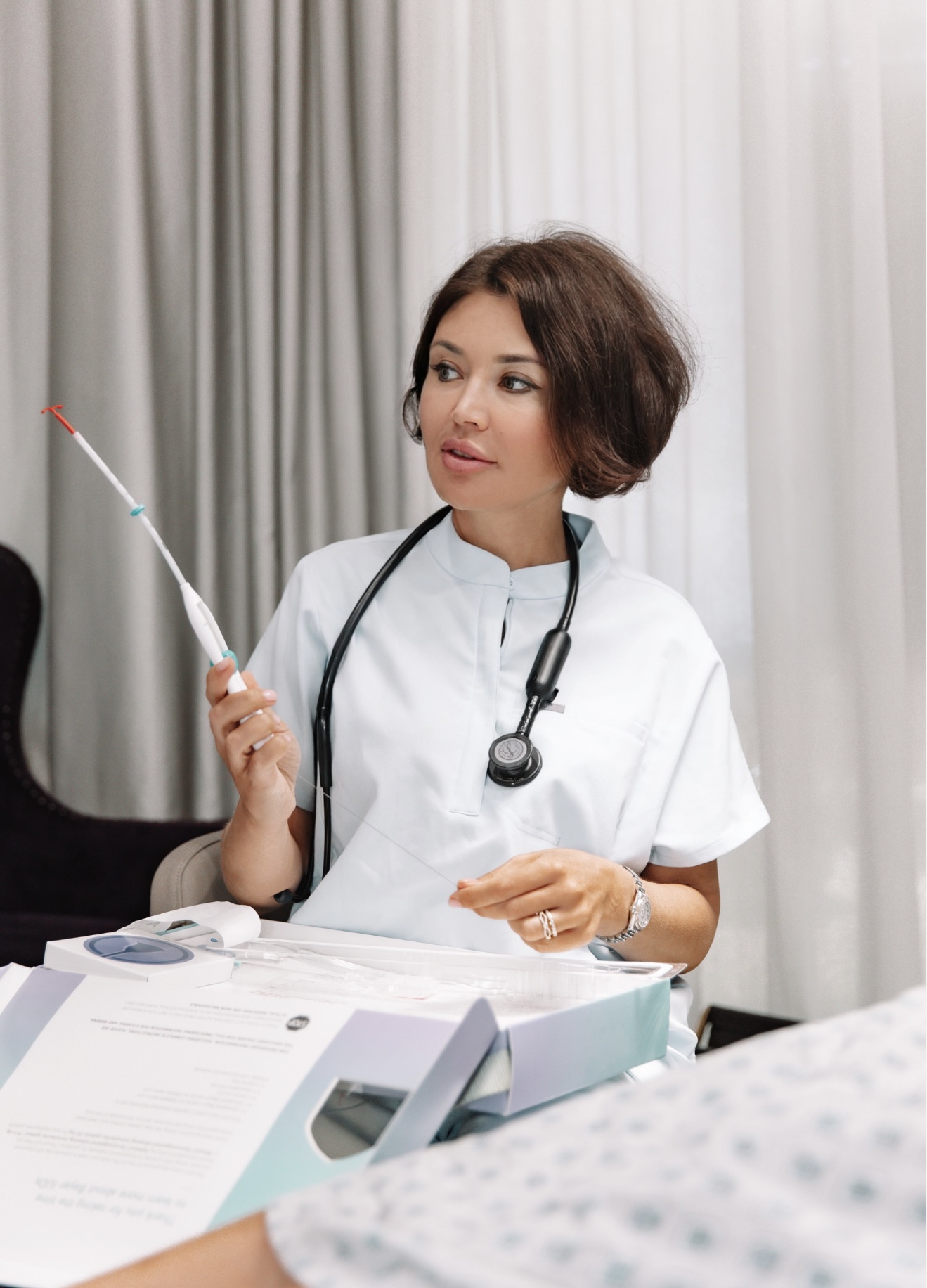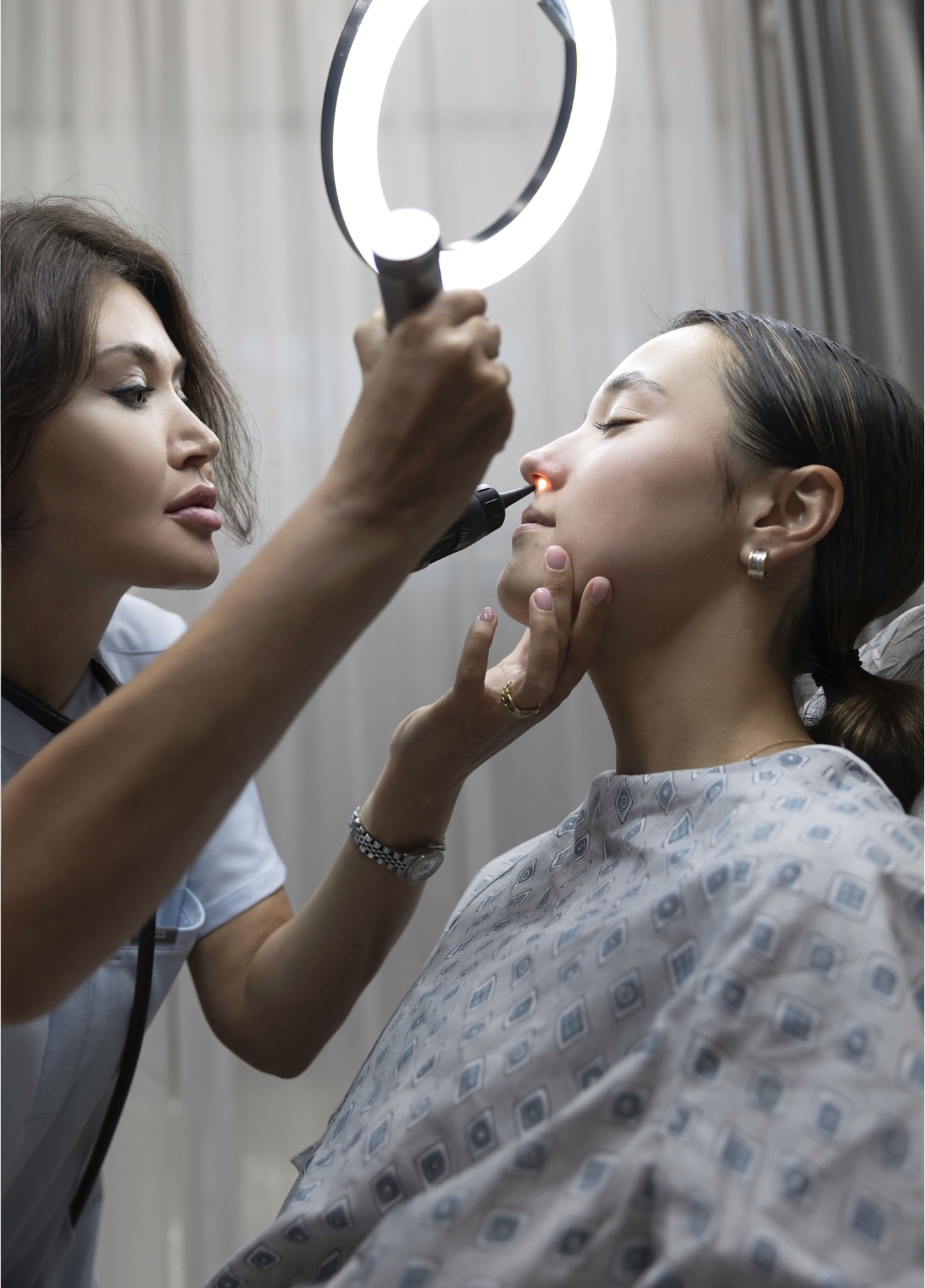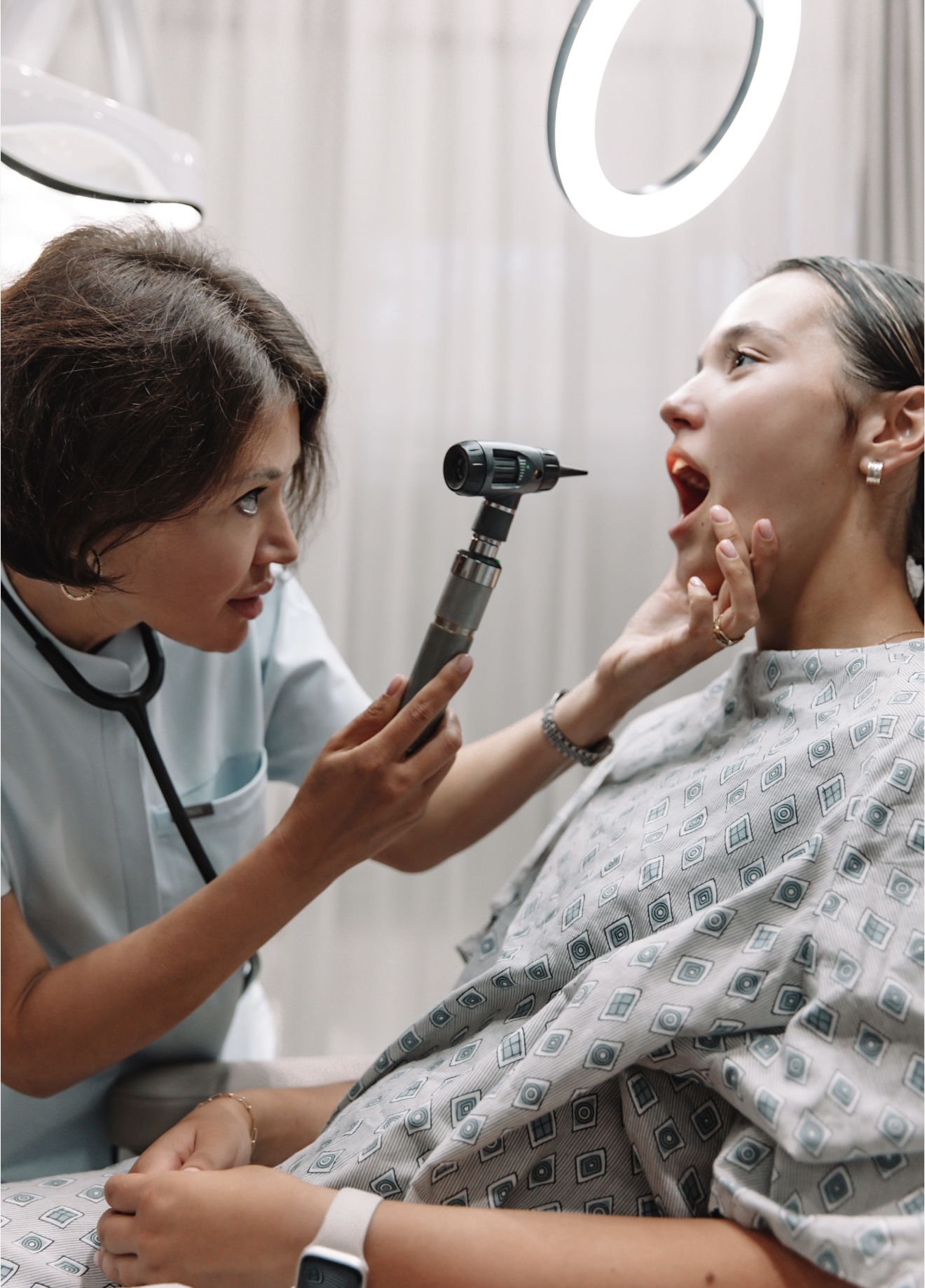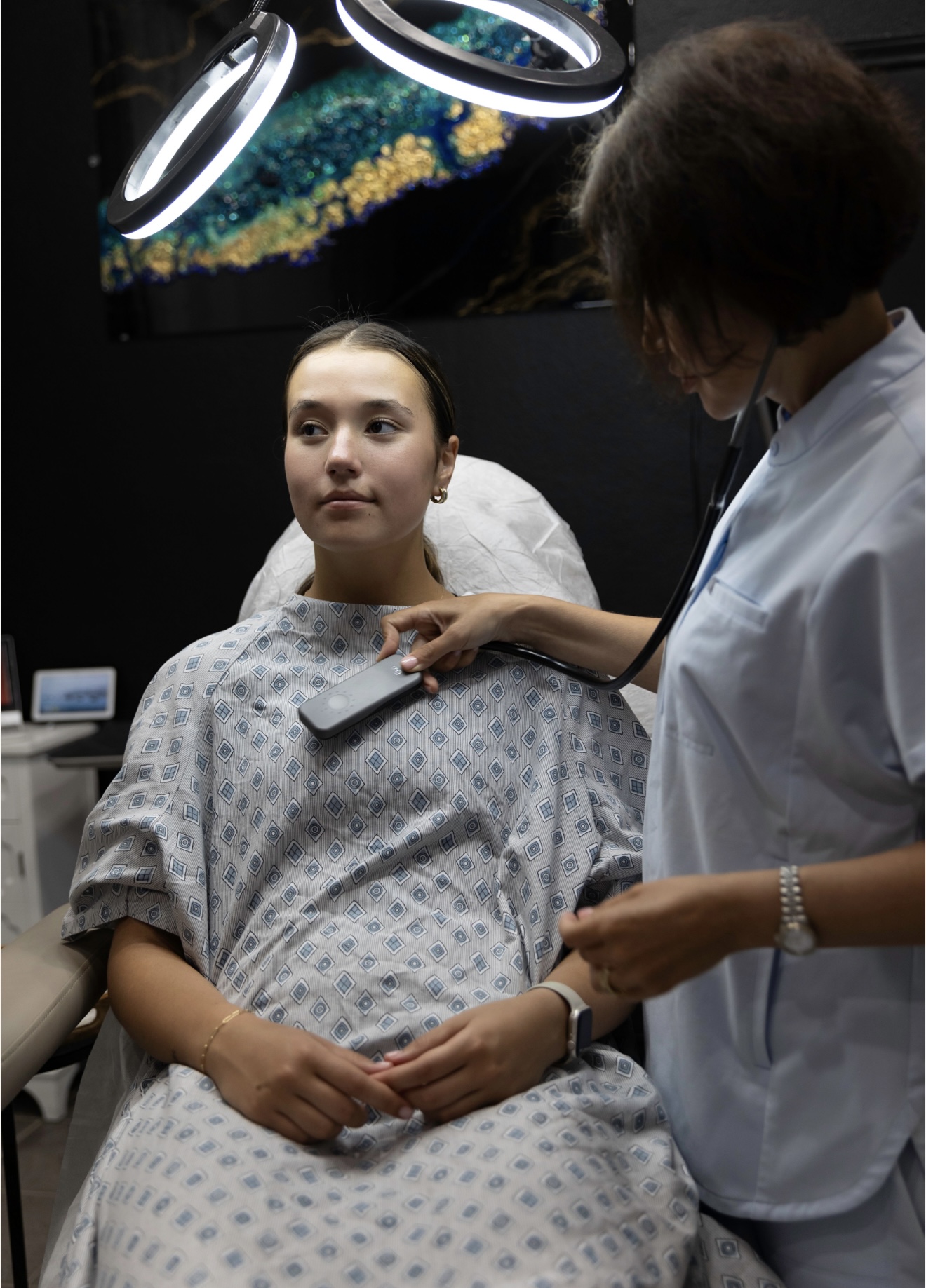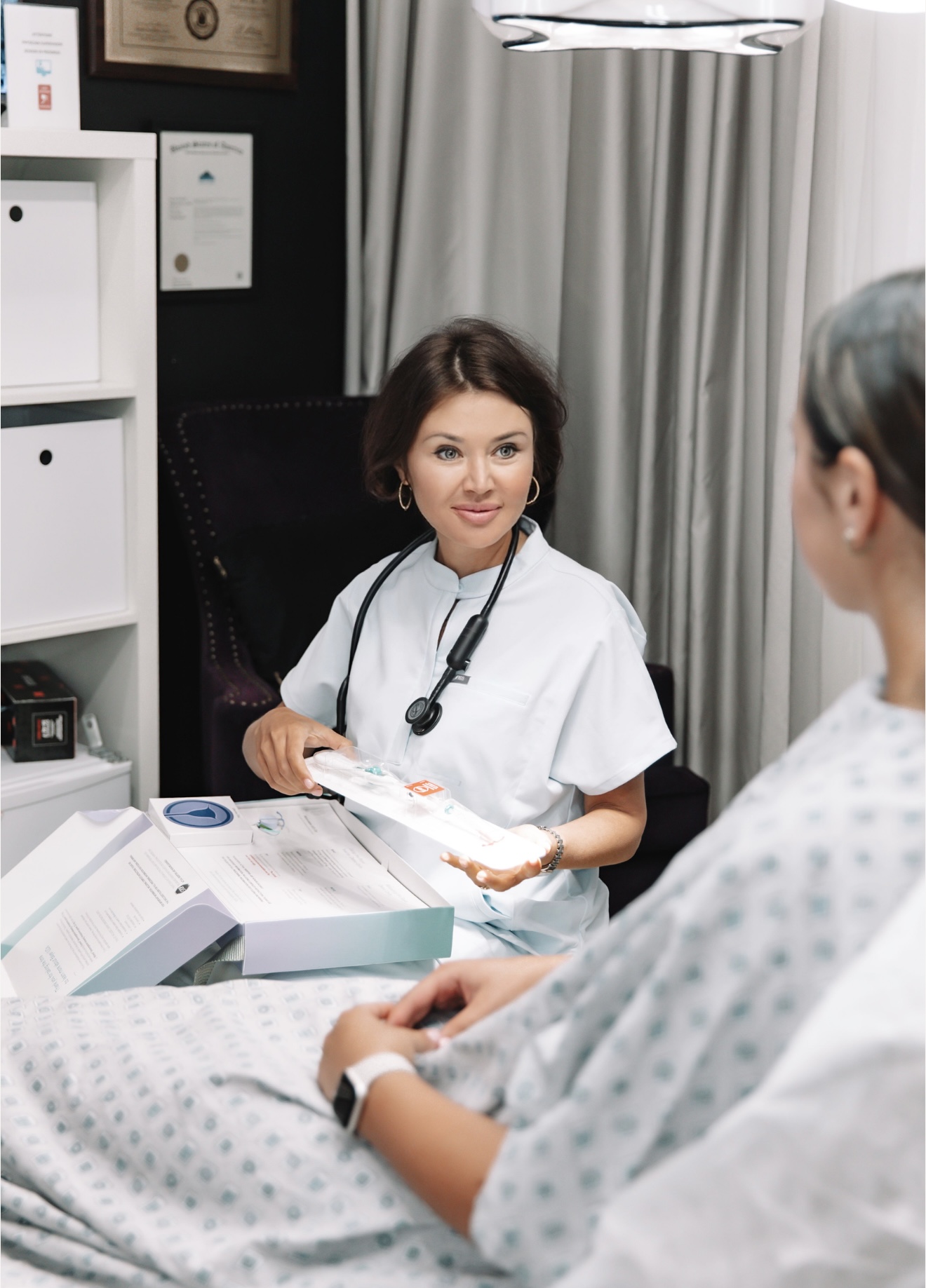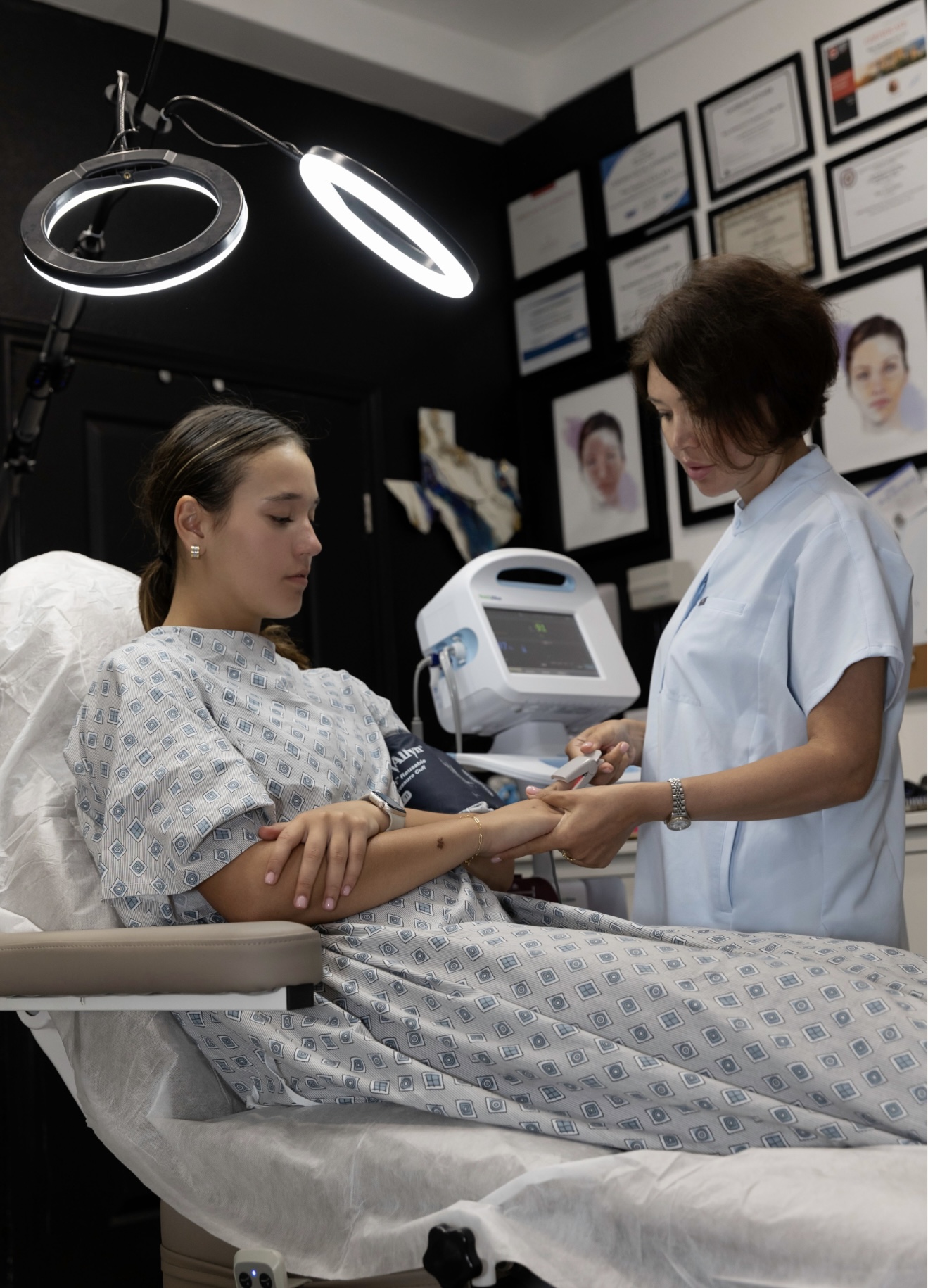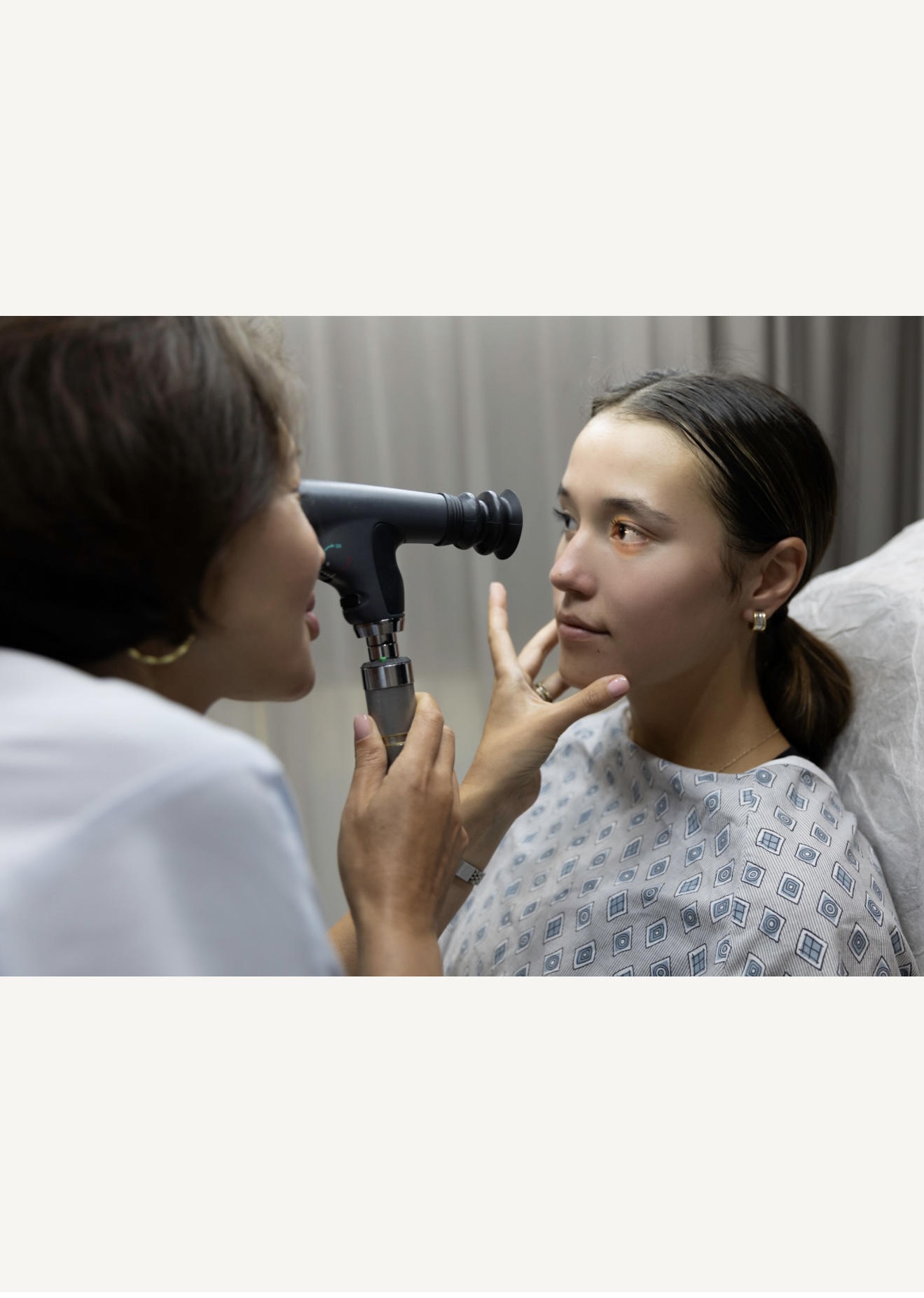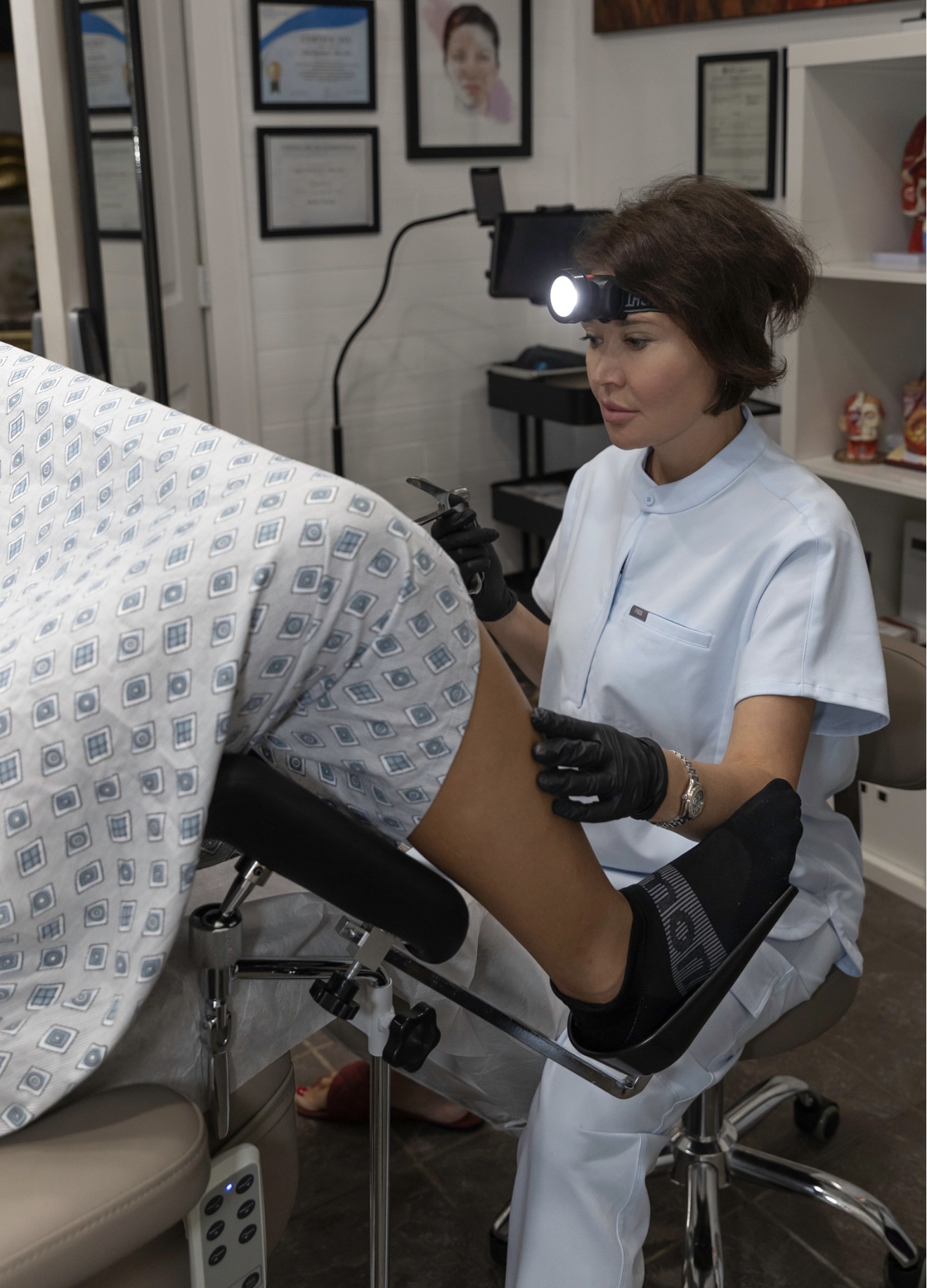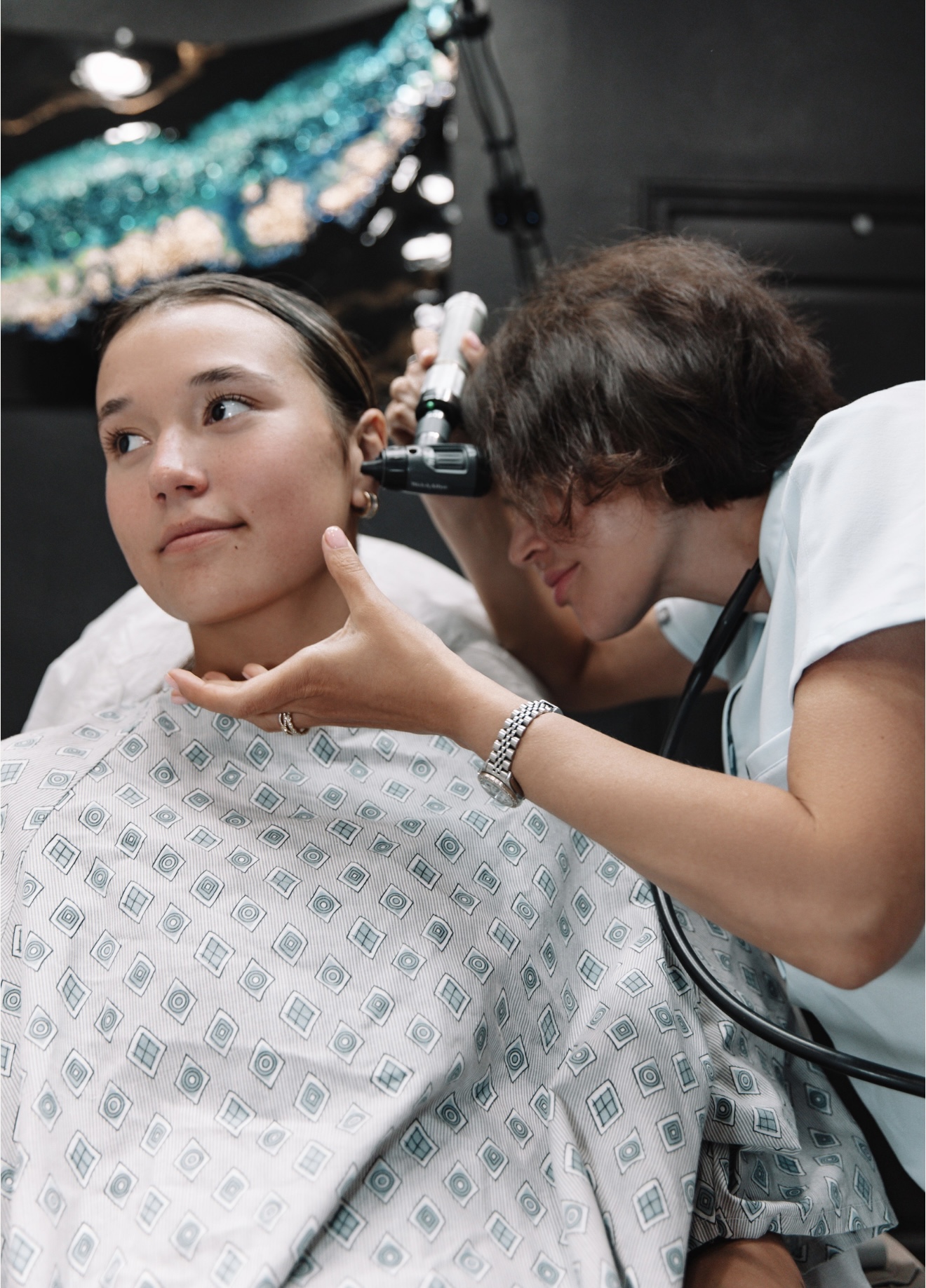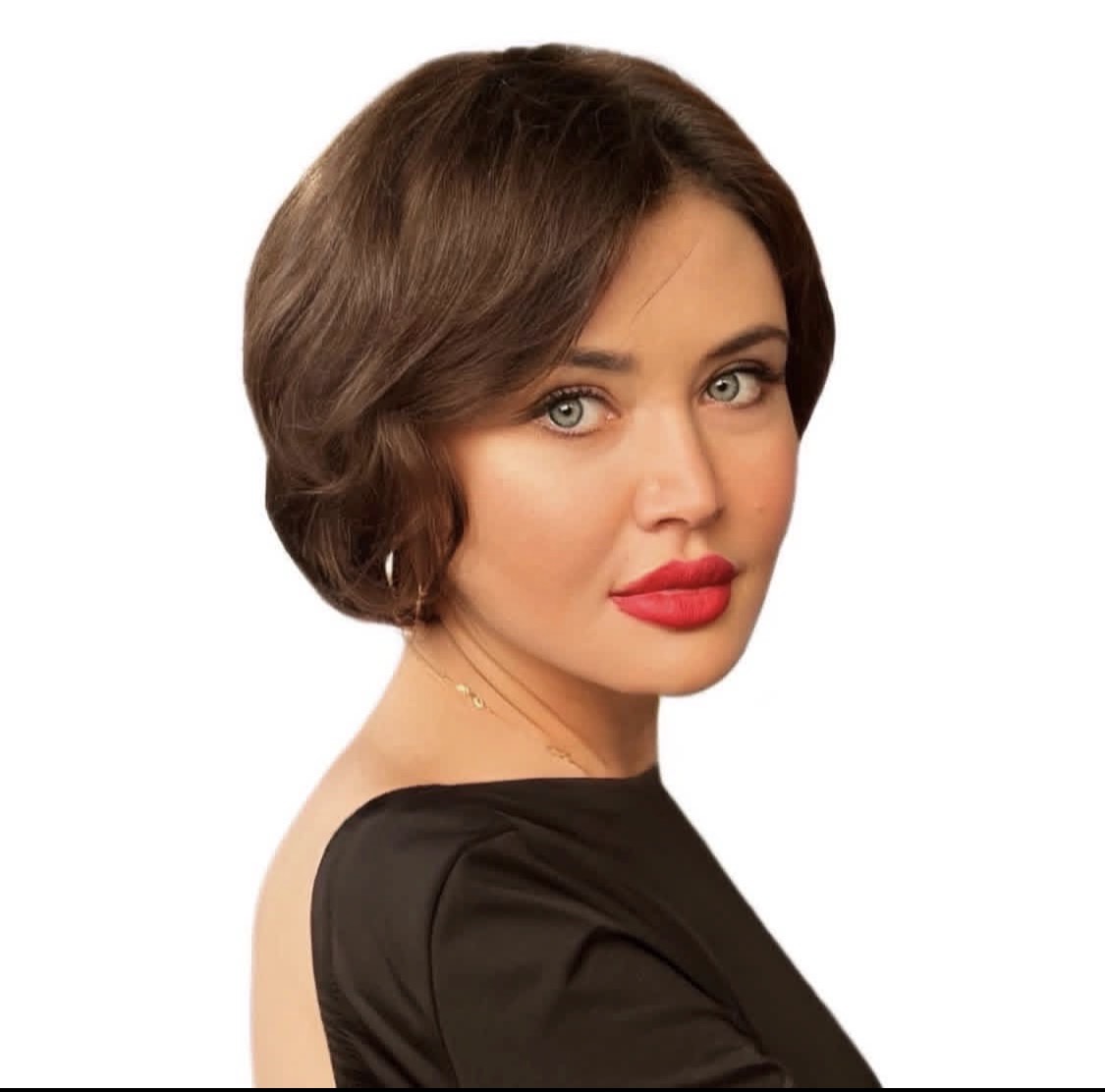



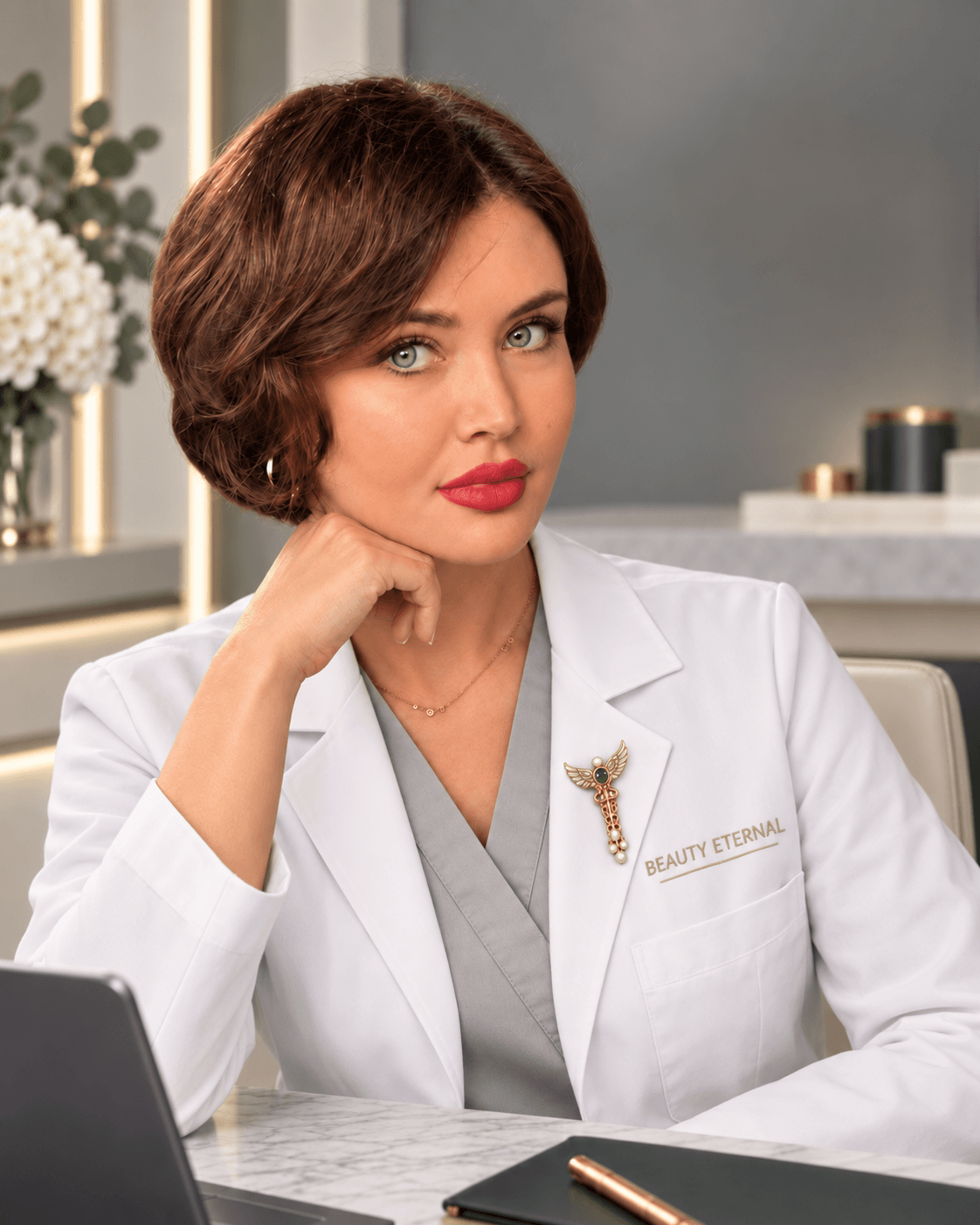
Today we’d like to introduce you to Nina Tupusheva.
Hi Nina, we’re thrilled to have a chance to learn your story today. So, before we get into specifics, maybe you can briefly walk us through how you got to where you are today?
I have been in nursing since 1998, and my career has taken me through emergency care, plastic surgery, primary care, and aesthetic medicine. Each stage taught me something different, but I have always been especially interested in the connection between clinical knowledge, precision, and the individual needs of the patient.
Over time, my work in aesthetic medicine became much more than performing procedures. I became increasingly focused on facial anatomy, injection technique, safety, and the small technical details that can influence outcomes. I have always believed that aesthetic treatment should preserve a person’s individual features rather than change who they are.
That curiosity eventually led me into innovation. I began developing my own approaches to injection techniques and medical-device concepts, and my work resulted in a U.S. patent related to dermal filler injection.
I have also continued to advance my clinical education through doctoral-level nursing study. Today, my work brings together patient care, aesthetic medicine, clinical innovation, education, and research.
Looking back, I think the biggest change is that I no longer see myself only as a clinician performing procedures. I have become much more interested in asking why we do things a certain way, whether there is a better way to do them, and how ideas that begin in everyday clinical practice can eventually contribute to the profession.
Alright, so let’s dig a little deeper into the story – has it been an easy path overall and if not, what were the challenges you’ve had to overcome?
My path has not always been smooth. I have spent much of my career learning how to grow professionally while continuing to work, study, and care for patients at the same time. Medicine keeps changing, and I have always felt that staying in the same place professionally was never really an option.
Aesthetic medicine brought its own challenges. It takes years to develop clinical judgment, understand anatomy at a deeper level, refine technique, and learn how to make decisions that are both safe and appropriate for the individual patient. Trust also takes time. For me, that has always been one of the most important parts of the work.
A different kind of challenge began when I started developing my own ideas. I learned that recognizing a problem in clinical practice is one thing, but turning that observation into something structured is much harder. Developing a medical-device concept, pursuing a patent, and working on scholarly projects required me to think in a completely different way. I had to learn how to document ideas, study the existing evidence, refine concepts, and keep working on them even when the process was slow.
I also continue to balance several parts of my professional life: patient care, doctoral education, aesthetic medicine, and clinical innovation. At times, that balance is difficult. But I have also realized that these areas are connected. Clinical practice gives me questions. Education helps me examine them more critically. Innovation gives me a way to think about possible solutions.
The challenges have made me more careful, more patient, and more willing to question my own approach. I have learned that some of the most important professional growth happens quietly, over time, through repetition, observation, and the decision to keep improving.
Appreciate you sharing that. What should we know about Beauty Eternal?
Beauty Eternal is aesthetic medicine practice, built around a simple philosophy: I want patients to look refreshed and balanced while still looking completely like themselves. My clinical practice includes physician collaboration and is structured in accordance with the professional requirements that apply to advanced practice nursing in Texas.
My approach has always been strongly grounded in anatomy. Before recommending a treatment, I look at facial structure, proportions, tissue quality, movement, and the individual characteristics that make each person’s face unique. I do not believe in giving every patient the same treatment plan, and I have never wanted to create a recognizable “signature look” that makes different people look alike.
Over the years, my work has included neuromodulators, dermal fillers, regenerative treatments, skin rejuvenation, and facial and body procedures. What continues to interest me most, however, is not simply adding more treatments. I want to understand why a technique works, how it can be refined, and how technical details may influence the way a procedure is performed and evaluated.
That curiosity has also taken my work beyond the treatment room. Questions that came from everyday clinical practice led me to develop my own injection concepts and a medical-device design that resulted in a U.S. patent related to dermal filler injection. That experience changed the way I think about clinical practice. I began to see how observations made while treating patients can sometimes develop into broader ideas about technique, education, and innovation.
What I am most proud of, however, is the trust patients place in me. Aesthetic medicine is very personal. When someone allows you to treat their face, they are trusting not only your technical skills but also your judgment. I take that responsibility very seriously.
My goal is never to change someone into a different person. I want to understand what they hope to improve, determine what is anatomically appropriate, and choose a thoughtful approach for that individual. Sometimes that means doing less rather than more.
For me, Beauty Eternal represents that balance between science and aesthetics: understanding anatomy, respecting individuality, continuing to learn, and remembering that there is a person behind every procedure.
Is there anything else you’d like to share with our readers?
What I would like readers to know is that I still genuinely enjoy learning. The longer I work in medicine, the more I realize how much there is to understand and how important it is to stay curious.
In aesthetic medicine, I think it is very easy to become focused on new products, devices, and techniques. Those things are important, but for me they are only tools. The person sitting in front of me always matters more than the treatment itself.
I have also learned that sometimes the best result comes from knowing when not to do too much. Every face is different, every patient has different goals, and I believe good aesthetic medicine starts with listening, careful judgment, and respect for individuality.
At this point in my career, I am especially interested in the connection between clinical practice, education, and innovation. I still ask questions, I still develop new ideas, and I still look for ways to improve what I do.
I think that is what keeps this work meaningful for me. There is always something more to learn, and there is always a better question to ask.
Contact Info:
- Website: https://www.beautyeternal.us/
- Instagram: https://www.instagram.com/nina2push?stkn=NnlkbXI5NTl5aGg1&utm_source=qr
- Other: https://www.instagram.com/beautyeternal_atx?stkn=MTN6ZmsxeGJ4MDVrYg%3D%3D&utm_source=qr