


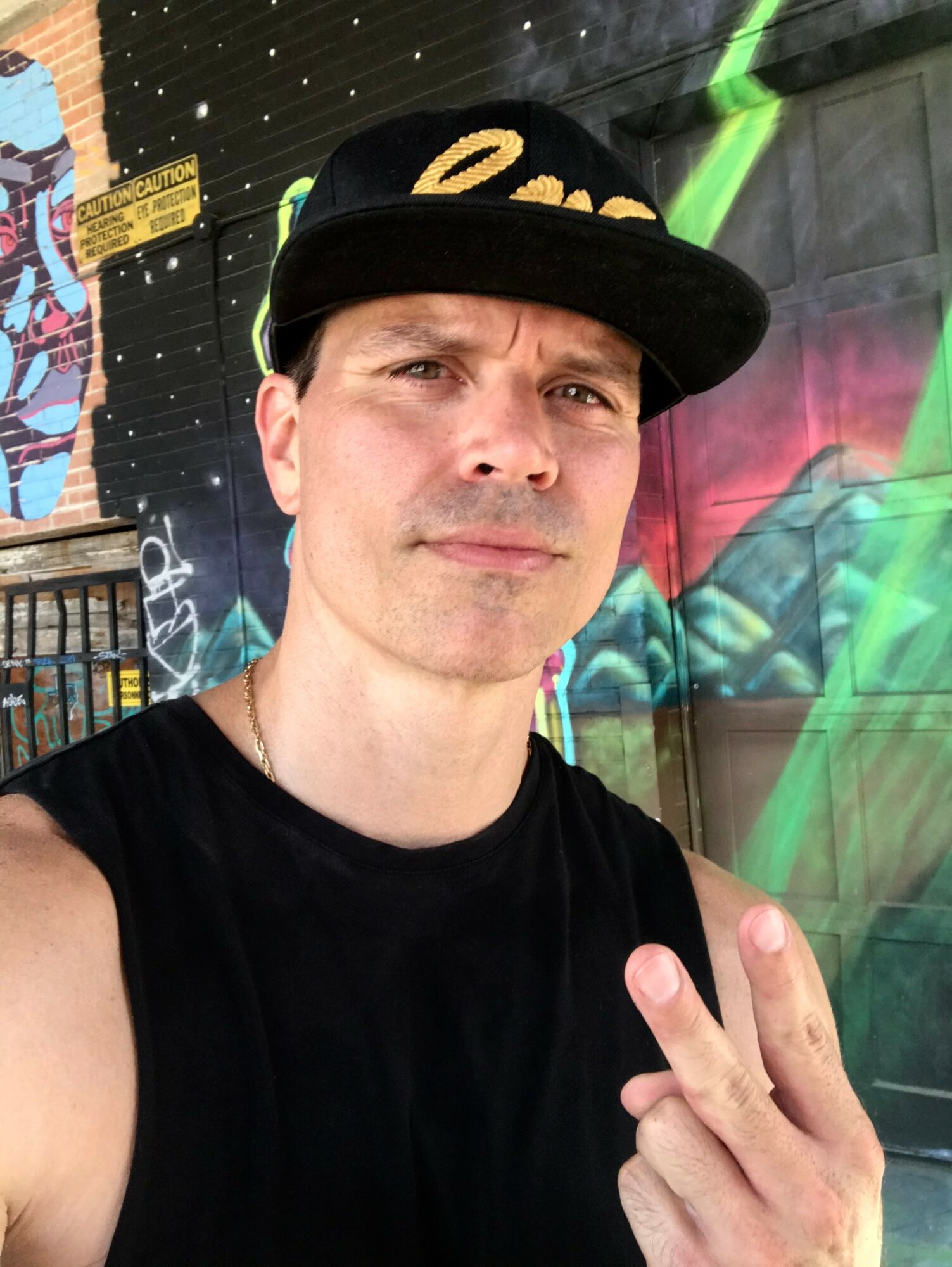
Today we’d like to introduce you to Arlen J.
Hi Arlen , it’s an honor to have you on the platform. Thanks for taking the time to share your story with us – to start maybe you can share some of your backstory with our readers?
I never wanted to die in a bad mood. That was something I thought about, and took seriously, in my youth. Somehow, I had this idealistic notion that if I had any say in the matter, I wanted to meet death consciously. I was terrified of being so consumed by sadness or anger that I couldn’t see or appreciate the good that was probably happening right in front of me. That I couldn’t gather up all the good that existed in my life and savor it into one final breath. I was too sad and too angry in my youth, and that concerned me early on.
But as thoughtful as I was at a young age, I didn’t have much agency over myself. I could recognize what was happening internally without necessarily knowing how to change it. As the years went on, that struggle created more frustration and more anger.
I found relief in sports and the arts. They gave all of that energy somewhere to go. But eventually I started seeing the same problem show up there too. In sports, I questioned my ability to lead. In the arts, I questioned my discipline and consistency. I could have ability, ambition, ideas, even stretches of real momentum, but without greater command over myself I kept running into the same wall.
It became clear to me that mindset would have to be at the helm of everything I did, and ultimately, of who I became.
From there, things began to change. I found rhythm. I found consistency. I started to understand that performance wasn’t only about talent or motivation. It was also about learning how to direct yourself when neither one was readily available.
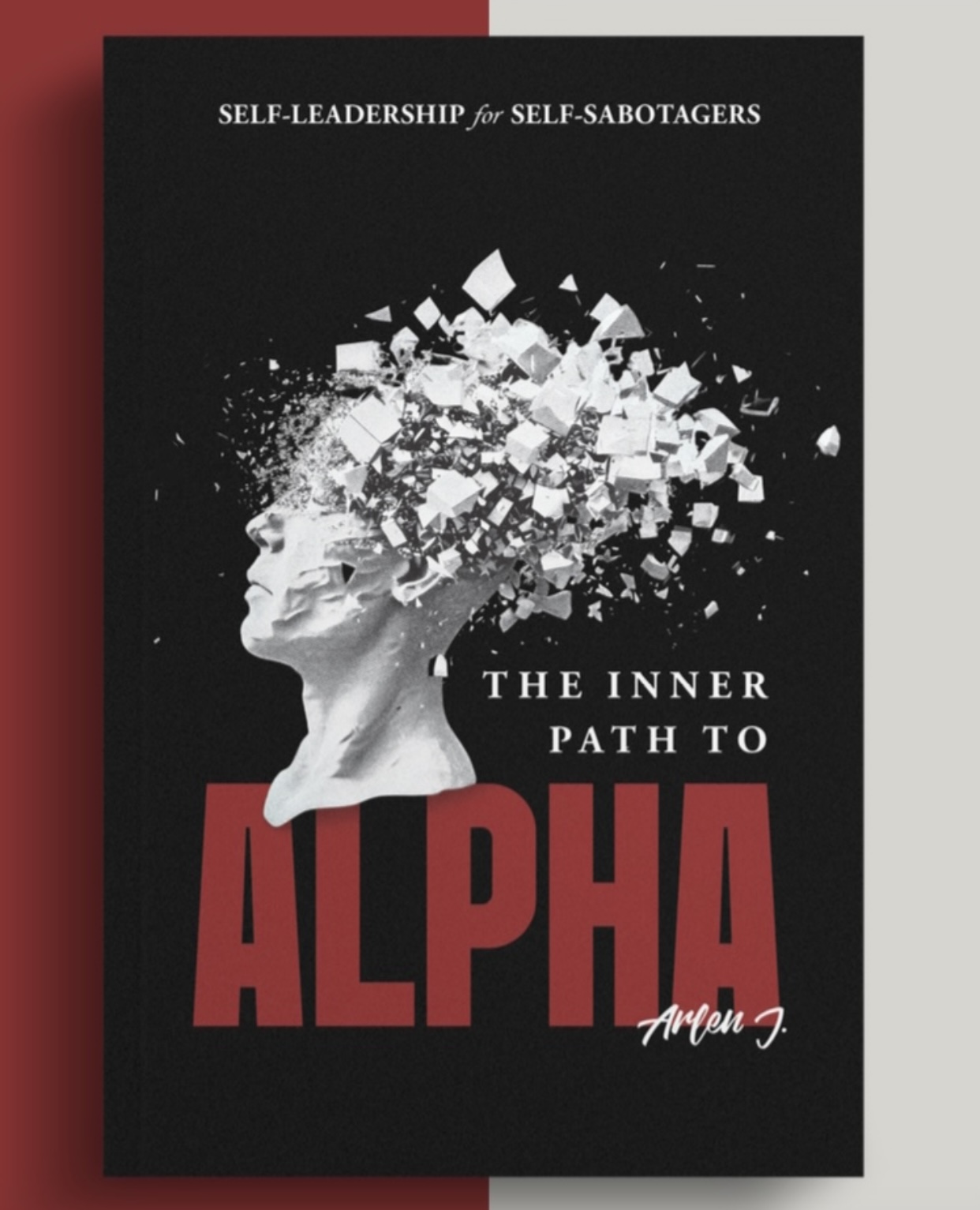
That understanding started showing up in everything. Photography. Coaching. Business. Eventually Prodigy Mindset. Then my first book, The Inner Path to Alpha. I became increasingly interested in the mechanics of self-leadership. How we speak to ourselves. How we create momentum. What we do when motivation disappears. How much of our own performance can actually be brought under conscious command.
But something else happened along the way.
Greater self-command didn’t make me a simpler person. In some ways, it gave me permission to become more complex.
The more command I developed over myself, the less interested I became in reducing myself to one thing.
I could be an athlete and an artist. A photographer and a mindset coach. An entrepreneur and an author. I could care deeply about discipline, performance and self-leadership while also being interested in sexuality, photography, music, fashion and forms of creative expression that don’t necessarily sit neatly beside one another.
At some point, I stopped feeling like all of those things needed to agree with each other. They weren’t necessarily contradictions. They were complexity.
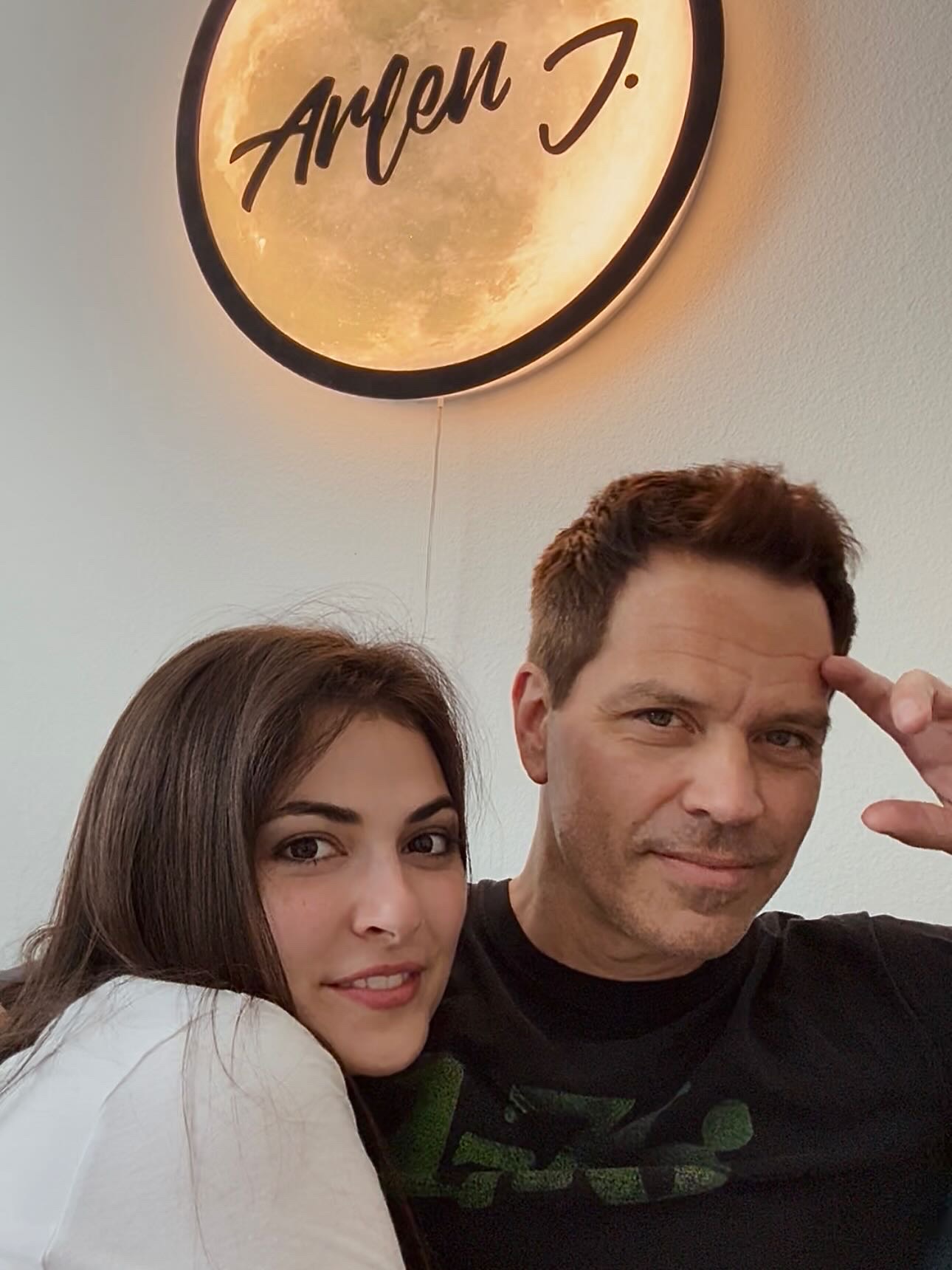
That eventually extended into creating adult content with my partner, Cat Lyons. From the outside, that might seem completely disconnected from writing about mindset or building a coaching business. From where I stand, it really isn’t. It brings together photography, performance, sexuality, entrepreneurship, storytelling and creative expression. Those things had already existed in my life. They had just existed in separate rooms.
Mindset became more than a tool for discipline. It gave me enough internal structure to let those rooms connect. It gave me the agency to carry more of myself without feeling like every part had to be explained away or reduced into one acceptable identity.
For a long time, my understanding of mindset was pretty simple. Learn how to lead yourself and you can dramatically change the trajectory of your life.
I still believe that.
But eventually life gave me another problem to study.
I started going through periods where the discipline was still there. The work ethic was still there. I knew how to push. But pushing wasn’t always producing the same return. Things I had once been able to create momentum around became harder to move. Some things I had built contracted. Certain identities and directions stopped responding the way they once had.
That made me start questioning some of my own ideas.
How much can mindset actually do?
Why do disciplined people falter? What happens when somebody knows how to push, but pushing is no longer the answer? How much of our trajectory comes from self-command, and how much is affected by environment, timing, opportunity, relationships, circumstances and the systems around us?
In a strange way, some of that collapse became the beginning of my next phase.
Earlier in my life. I was trying to understand how to take greater command of myself. Then I became interested in how that self-command could give a person the freedom to become more fully themselves. Now I’m increasingly interested in the limits of command. Where personal agency ends. Where environment, alignment, timing and circumstance begin.
That’s where a lot of my writing and creative work lives now.
I still believe enormously in mindset. I just understand it with more complexity than I once did. The question for me isn’t only, how do we make ourselves move? It’s also, what are we moving toward? What is moving with us? And what happens when being the strongest force in the system is no longer enough?
Can you talk to us a bit about the challenges and lessons you’ve learned along the way. Looking back would you say it’s been easy or smooth in retrospect?
It definitely hasn’t been a smooth road.
I spent roughly five years moving between cities, flying, driving, sleeping in my car and trying to keep a photography career moving. At the time, I thought of that instability as a means to an end. You hear those stories all the time. Somebody sleeps in their car, sacrifices everything, and eventually it becomes part of the success story.
Sleeping in my car didn’t bring me success. It allowed me to sustain momentum. Over time, I realized that was always the lesson and probably the reward.
Photography taught me another version of that lesson. I had some early success and, for a period of time, a pipeline that was helping carry the work forward. When that changed, I had to learn how to find my own footing. How to create relationships. How to generate opportunities. How to keep something moving when the environment around it was no longer doing as much of the work.
That was difficult, but useful. Momentum can feel very personal when you’re inside of it. You think, I’m doing this. I’m making this happen. Then something changes and you begin to see how many conditions were actually helping you along.
Years later, I experienced a much larger disruption.
Photography began slowing down, in large part because of an injury that limited how much I could physically shoot. I wasn’t simply deciding to pull back. My capacity had changed, and something that had been a major source of movement in my life was becoming harder to sustain.
Around the same time, I experienced a separate collapse in financial momentum.
The timing was strange because all of this was happening almost simultaneously with the launch of my first book, The Inner Path to Alpha.
There was a real irony in that.
I had written a book about mindset, self-leadership and the tools we use to move ourselves forward, while at almost the exact same time finding myself in a season where I needed a new map.
The disillusionment was somewhat paralyzing.
I knew how to push. I knew discipline. I knew how to keep moving through discomfort. Those things had served me for years. But now I was dealing with circumstances that weren’t simply asking me to work harder. My physical capacity had changed. My financial circumstances had changed. Some of the momentum I had relied on was disappearing from multiple directions at once.
That challenged more than my circumstances. It challenged some of my own ideas.
I had spent years studying what mindset could do. Now I was being forced to study what mindset couldn’t do by itself.
Why do disciplined people falter? What happens when somebody knows how to push, but pushing is no longer the answer? How much of our trajectory comes from self-command, and how much is affected by environment, timing, opportunity, relationships, circumstance and the systems around us?
Looking back, I don’t think the friction was separate from the evolution of my work. A lot of the work came from trying to understand the friction.
The early struggle taught me how to sustain momentum. Losing the photography pipeline taught me how much momentum can depend on conditions. Injury taught me that capacity itself can change. Financial collapse forced me to examine what happens when multiple supports disappear at once.
In a strange way, some of that collapse became the beginning of my next phase.
So no, it hasn’t been a smooth road. But I also don’t think I would be asking the questions I’m asking now, or doing the work I’m doing now, without the parts that stopped working.
Thanks for sharing that. So, maybe next you can tell us a bit more about your work?
My work has become increasingly difficult to put into one category, and I’m actually comfortable with that.
At the center of it is mindset and creative work. I created Prodigy Mindset around self-leadership, performance and the mechanics of how people direct themselves. That work eventually became my first book, The Inner Path to Alpha, and it continues through my writing today.
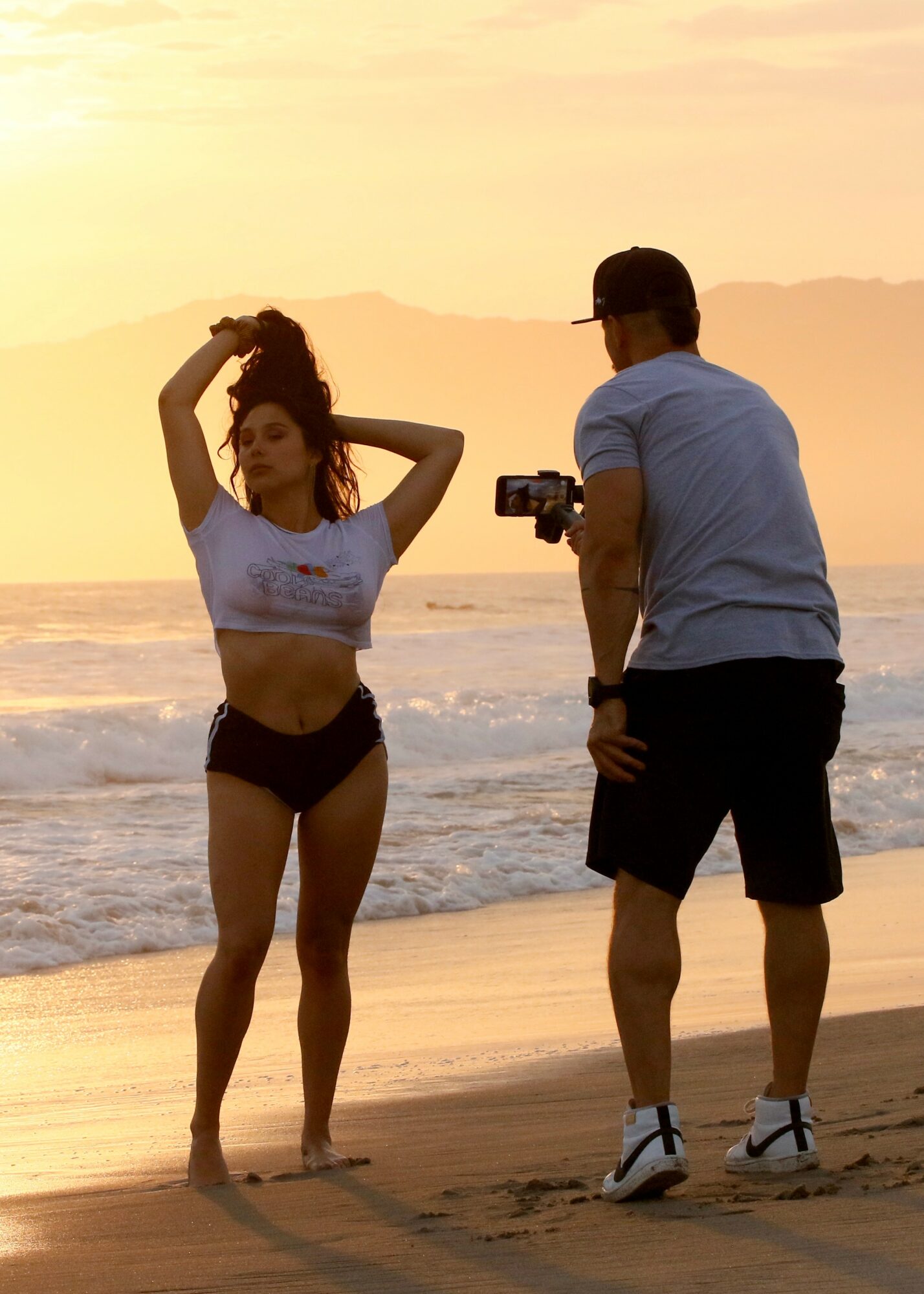
Photography has also been a major part of my professional life. I’ve worked across portraiture, headshots, weddings, commercial work and more creative editorial photography. Even when photography isn’t the main thing I’m doing, I tend to see almost everything visually. It influences how I build brands, tell stories, shoot video and approach other creative projects.
More recently, my partner Cat Lyons and I have also been creating adult content together. For me, that work sits inside a much larger creative world. It brings together photography, filmmaking, performance, sexuality, fashion, storytelling and entrepreneurship. I don’t really experience it as a departure from the rest of my work. It’s another place where a number of my interests happen to intersect.
I think what I’m most proud of is that I’ve allowed the work to keep evolving without forcing myself into one professional identity.
For a long time, I probably thought I needed to figure out what the main thing was. Was I a photographer? A coach? A writer? An entrepreneur? An artist?
I don’t really think that way anymore.
Mindset can inform photography. Photography can inform filmmaking. Sexuality can become part of creative expression. Writing helps me examine all of it. Music, fashion, performance and business can move in and out of the same creative ecosystem without every interest needing to become a separate identity.
I’m less interested now in deciding what category I belong to and more interested in whether the work feels alive, honest and worth exploring.
At this point, I think of myself less as someone with several unrelated careers and more as someone with one body of work that happens to take a lot of different forms.
Maybe there’s a little bit of the polymath in me. I’ve just never been very interested in becoming only one thing.
What was your favorite childhood memory?
When I think of a favorite childhood memory, I don’t really think of an event. I think of a place.
Underneath the staircase in the house where I grew up was this small nook with two windows that looked out into the backyard, underneath the patio. It was a strange little space, especially from a child’s perspective. You could crawl down under the stairs and look out at the world from almost ground level.
I remember seeing a snake outside one of those windows once, which may be part of why the place stayed so vivid in my memory. But mostly I remember spending time there just looking out, thinking.
I was a thinker even as a kid. I liked being inside my own head, observing things, wondering about things. Looking back, I think that little space became one of the first places where I understood how much I enjoyed solitude and thought.
Nothing particularly dramatic happened there. I think that’s partly why I like the memory. It was simply a place where I felt completely comfortable being still, looking out at the world and letting my mind wander.
Contact Info:
- Website: https://arlenj.world
- Instagram: @arlenjmindset