


Today we’d like to introduce you to Abby Milan.
Abby, we appreciate you taking the time to share your story with us today. Where does your story begin?
Willinglee started because we couldn’t find a decent thank-you gift.
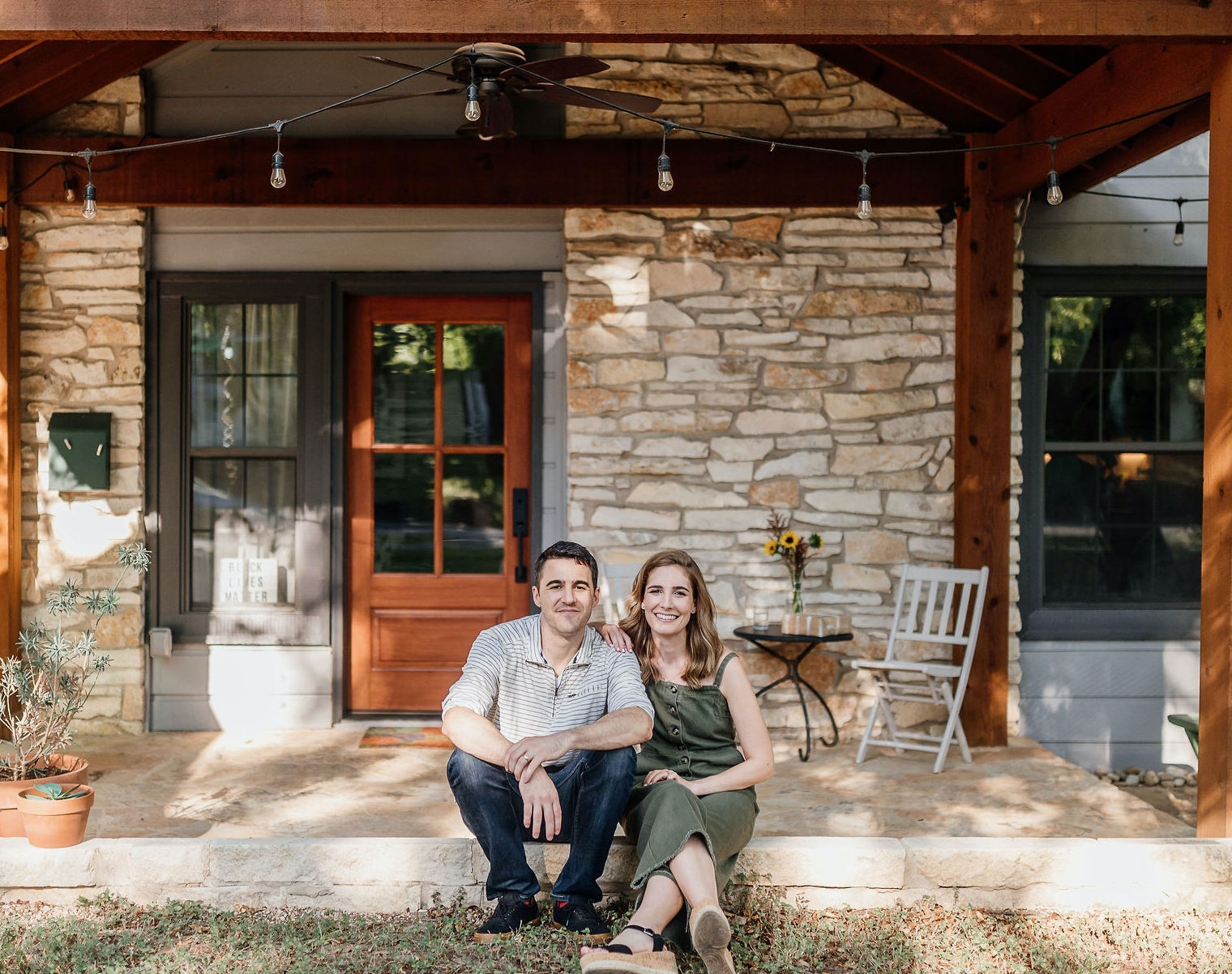
Once upon a time, Alex and I were planning our wedding and hit a classic roadblock: what do you give the people who traveled miles to celebrate with you? We wanted something meaningful but not cheesy, useful but still special—and somewhere between venue hunting and vow writing, that perfect gift stayed perfectly elusive. Then the pandemic turned everything upside down, we both pivoted careers, and we thought, why not build something together? Six years ago, Willinglee sprouted: the solution we wished we’d had.
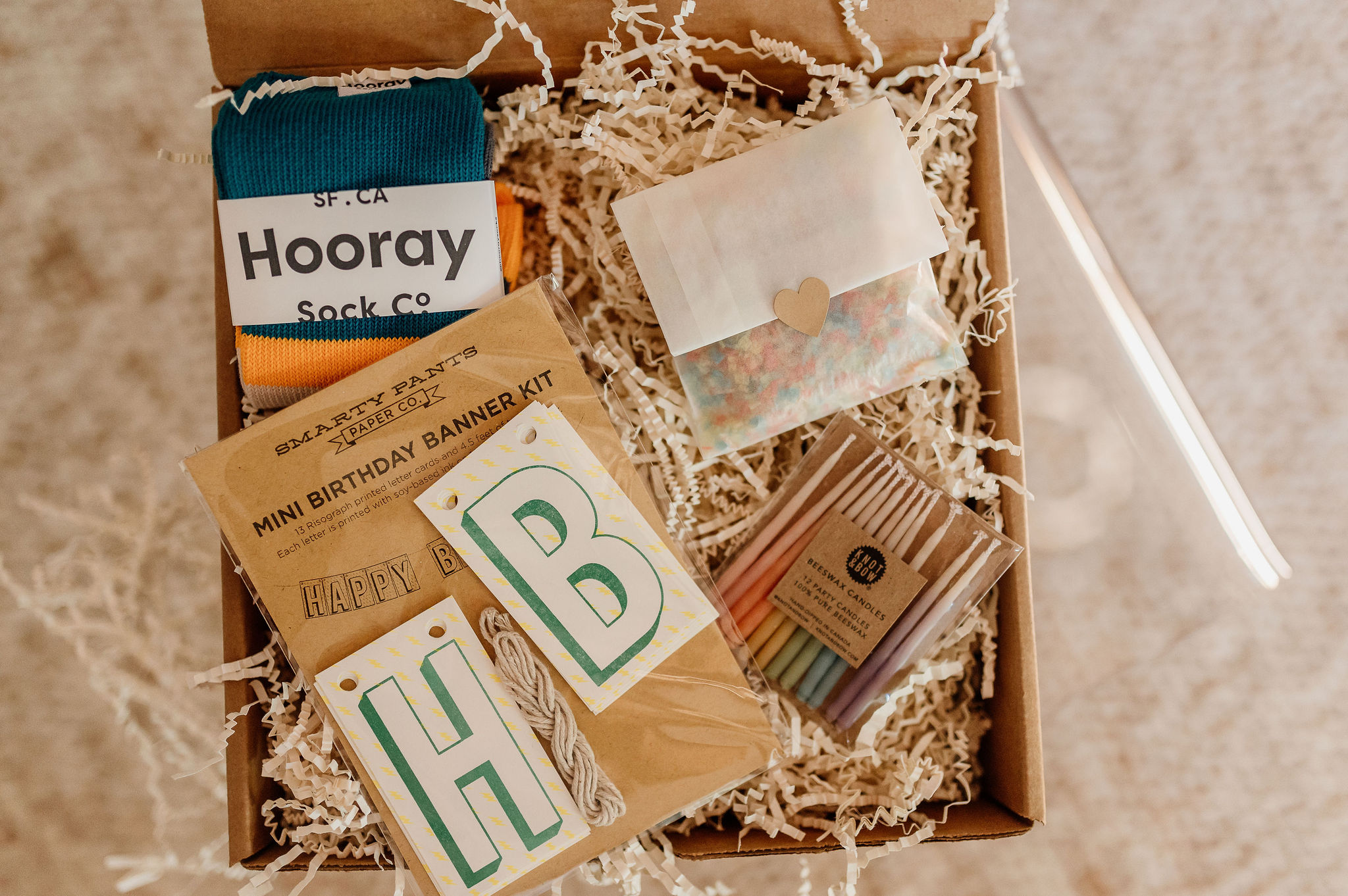
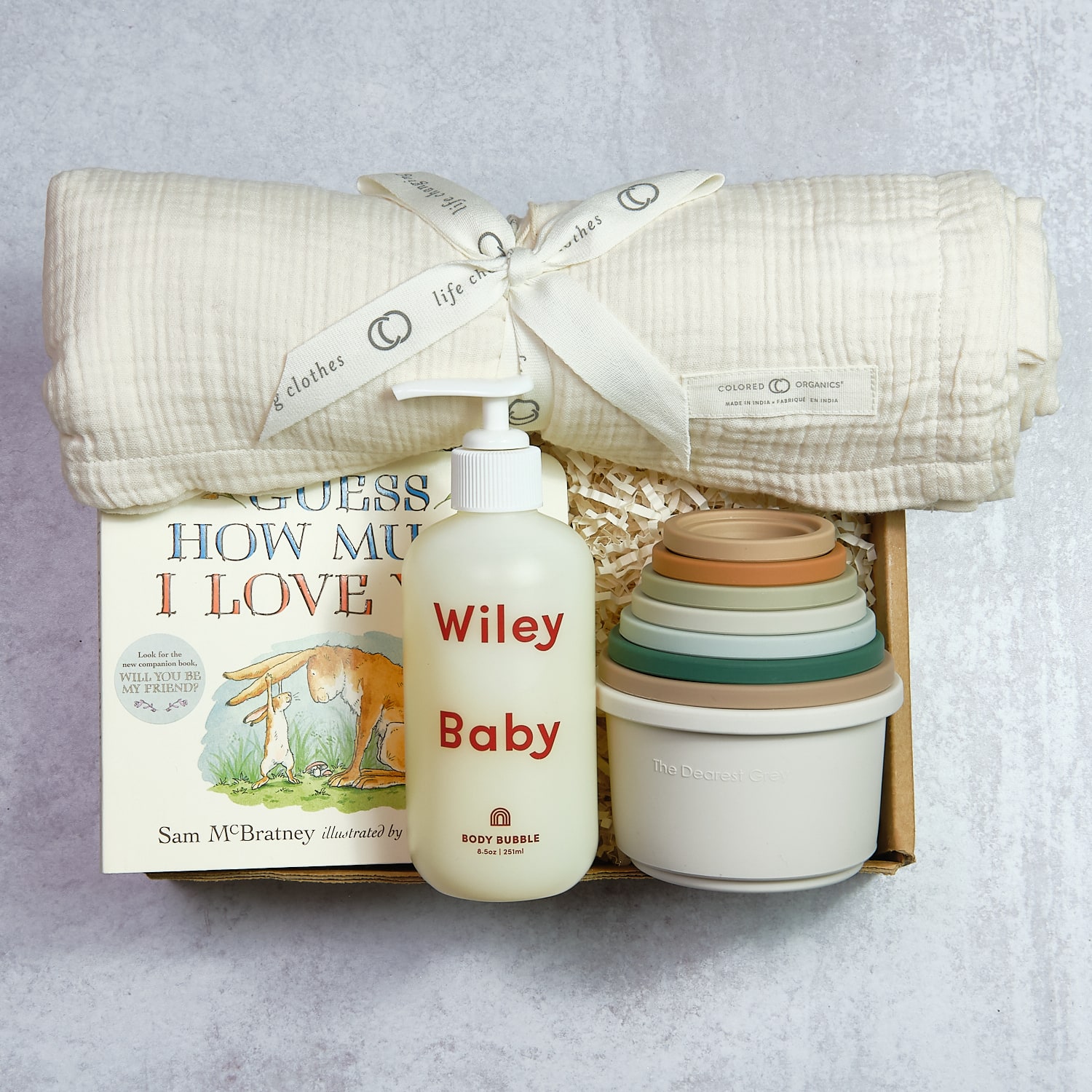
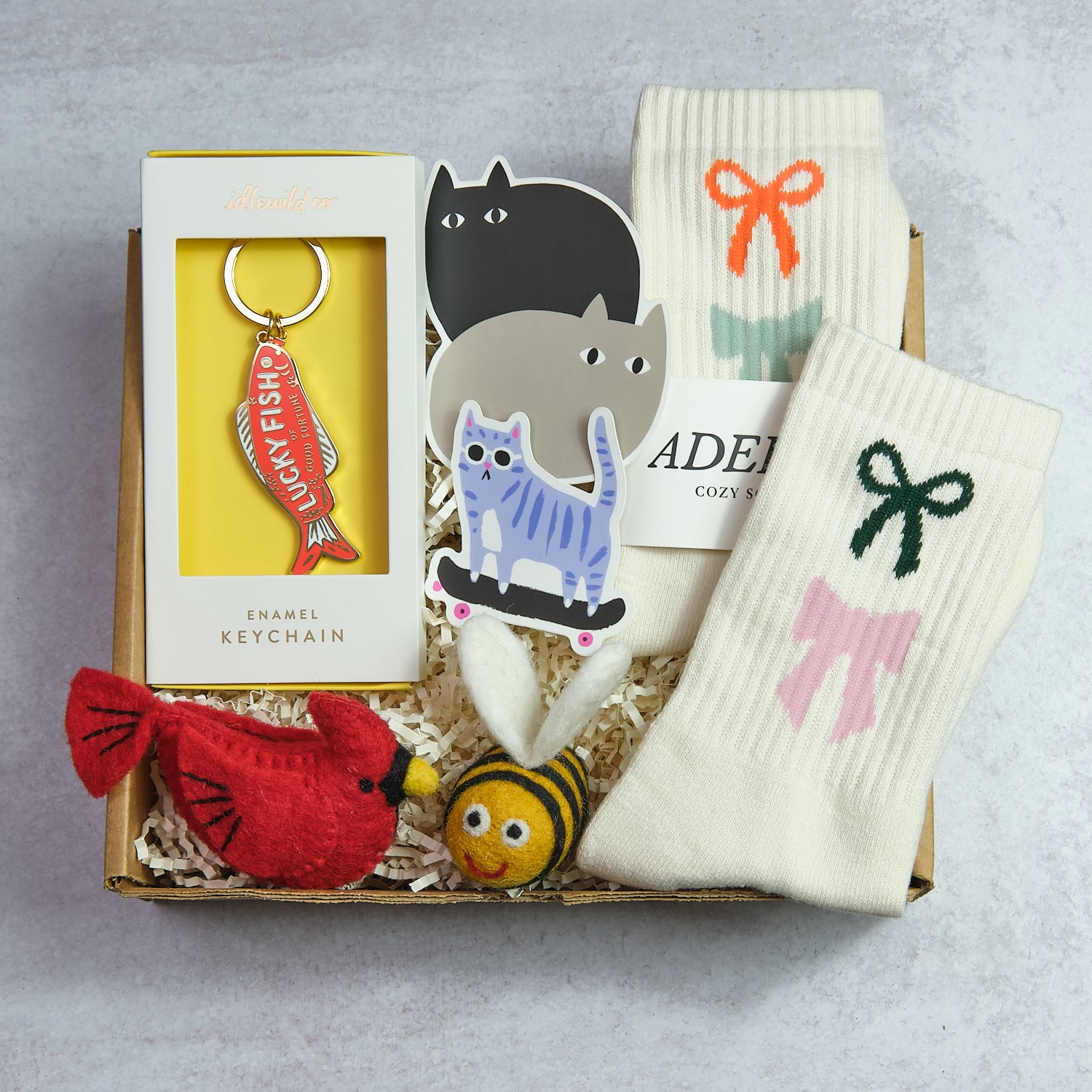
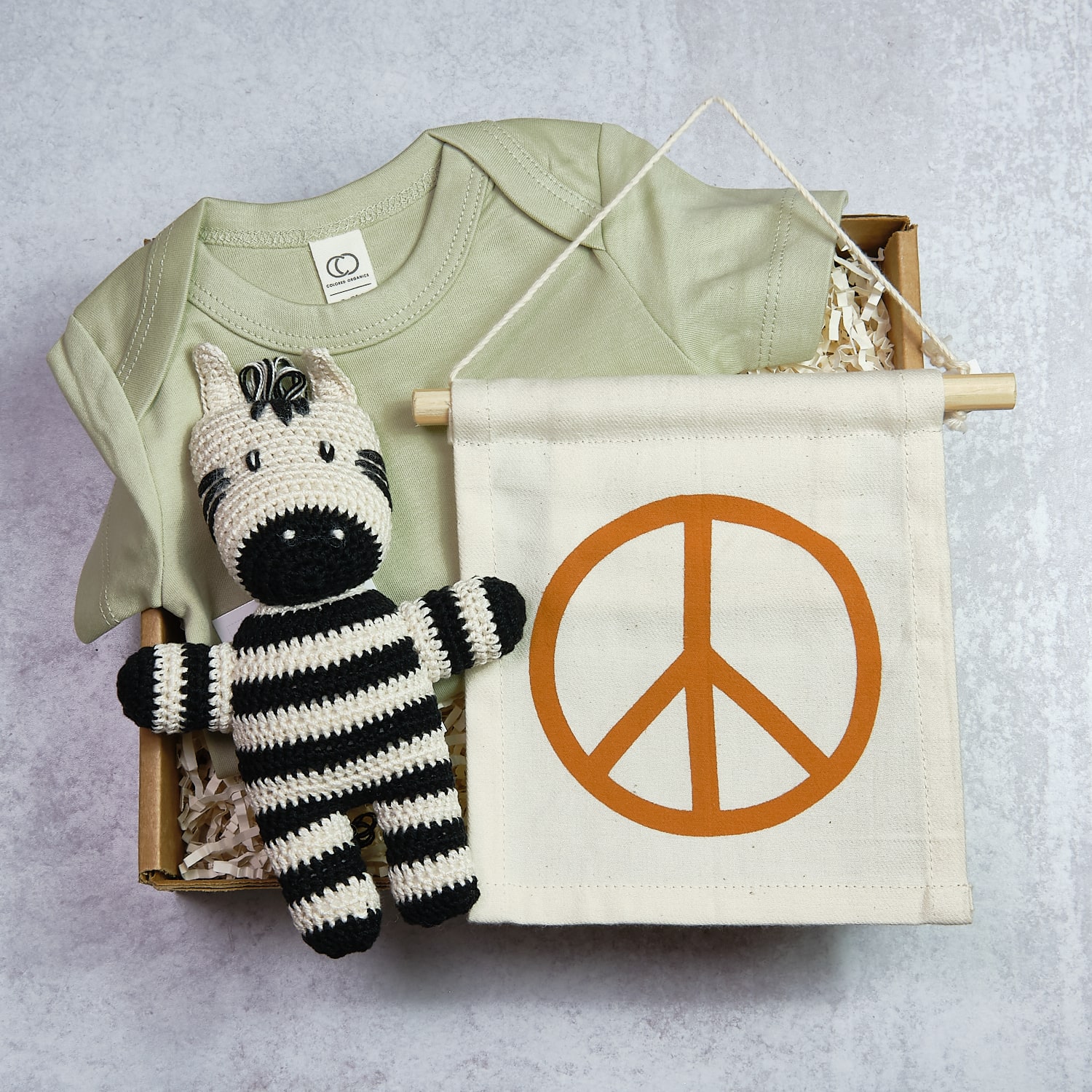
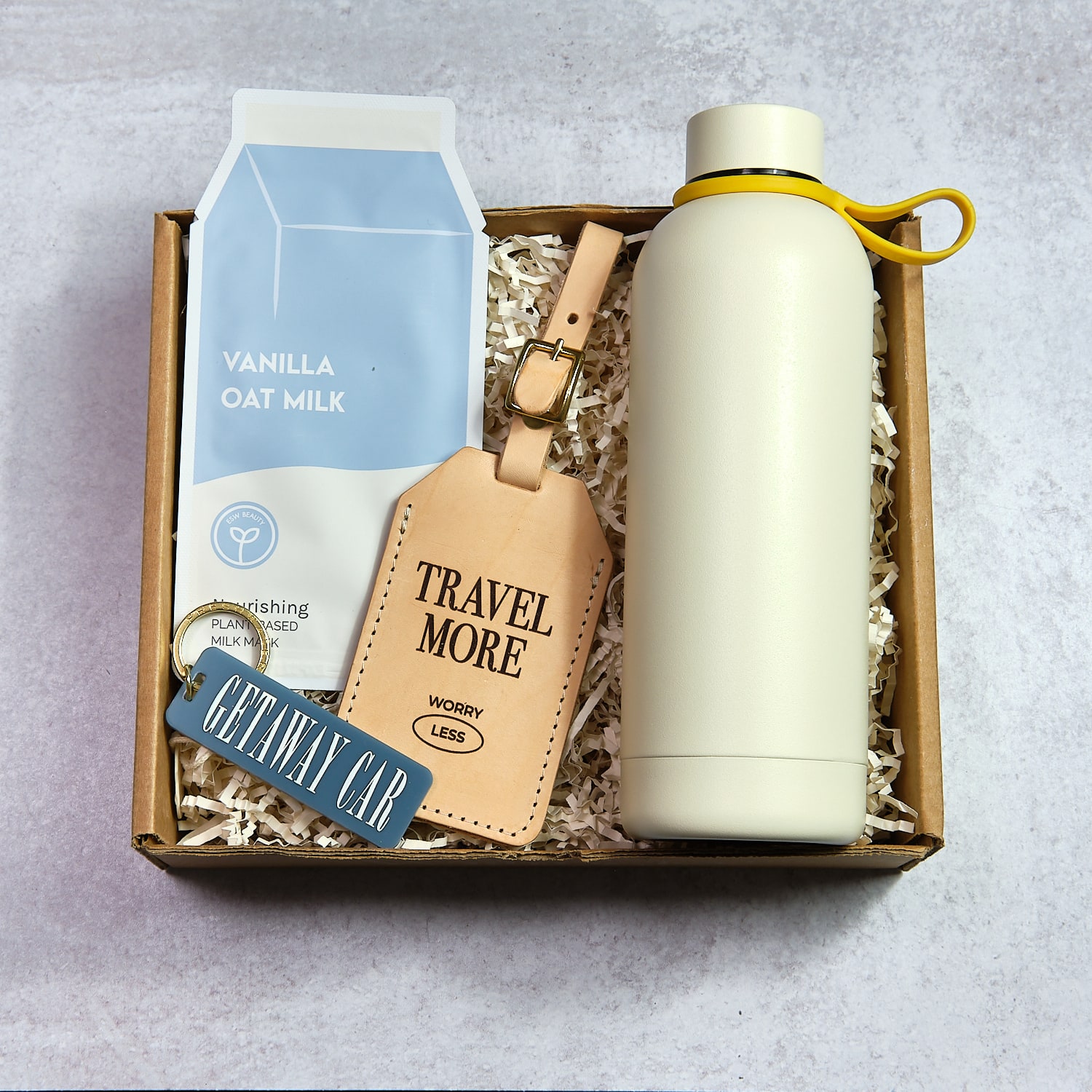
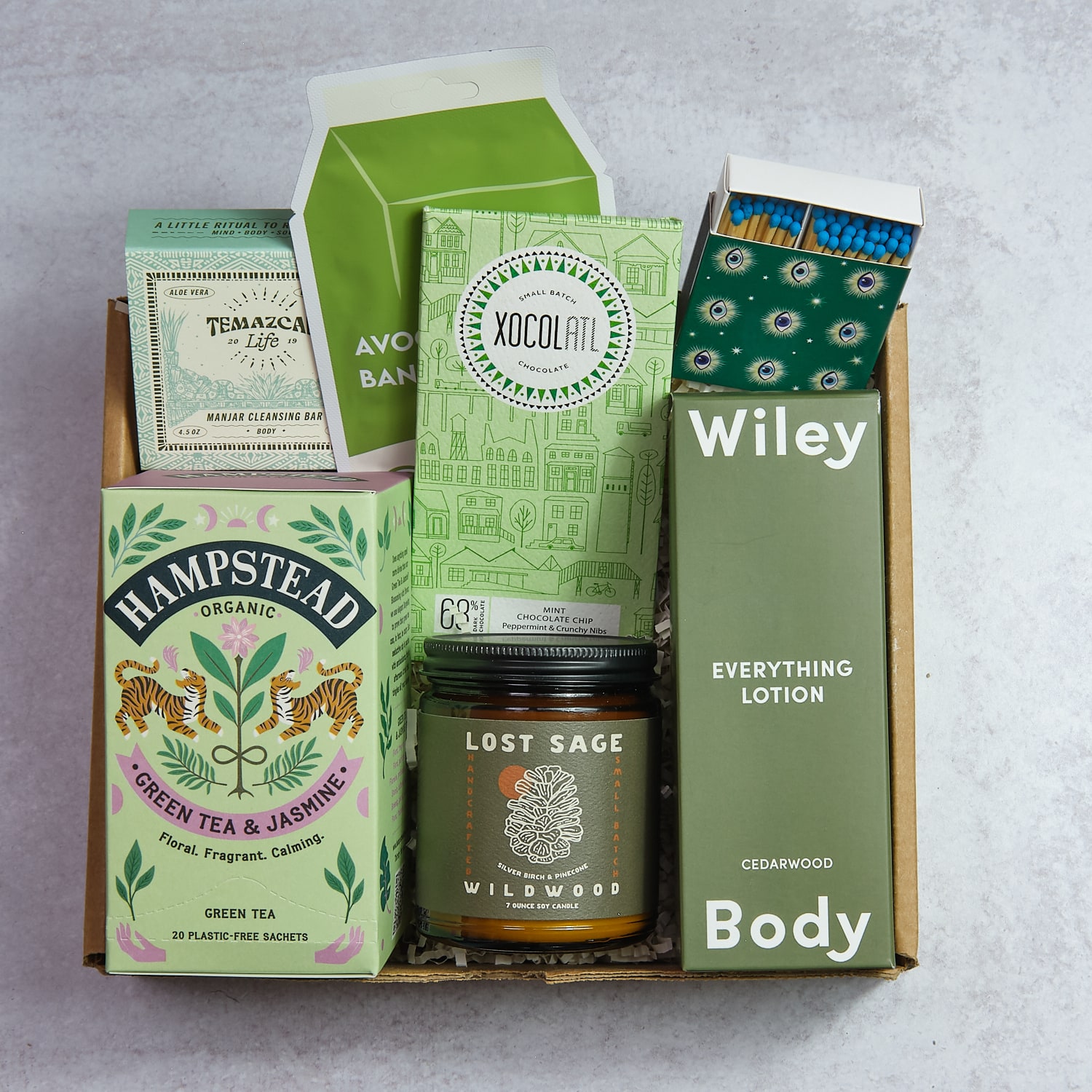
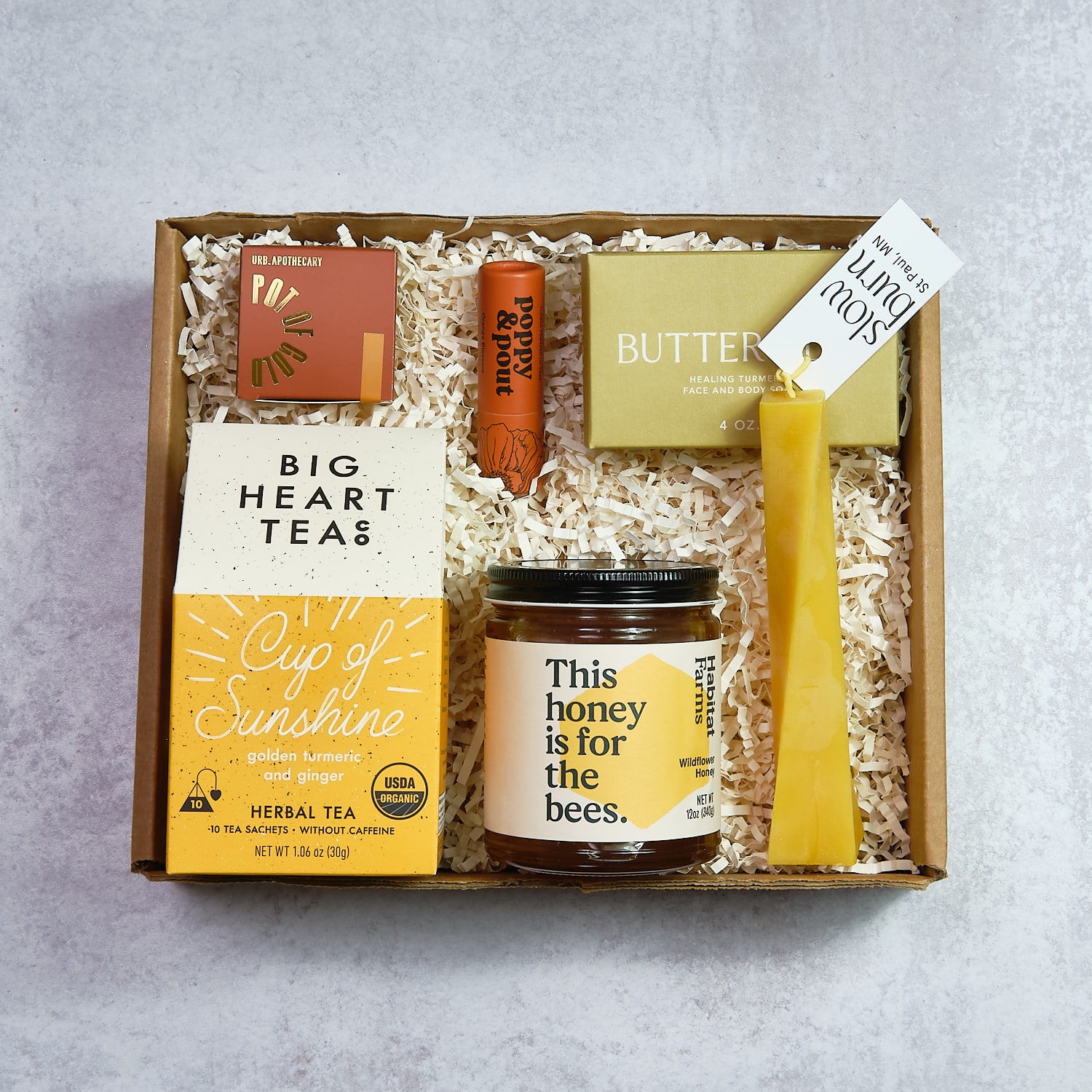
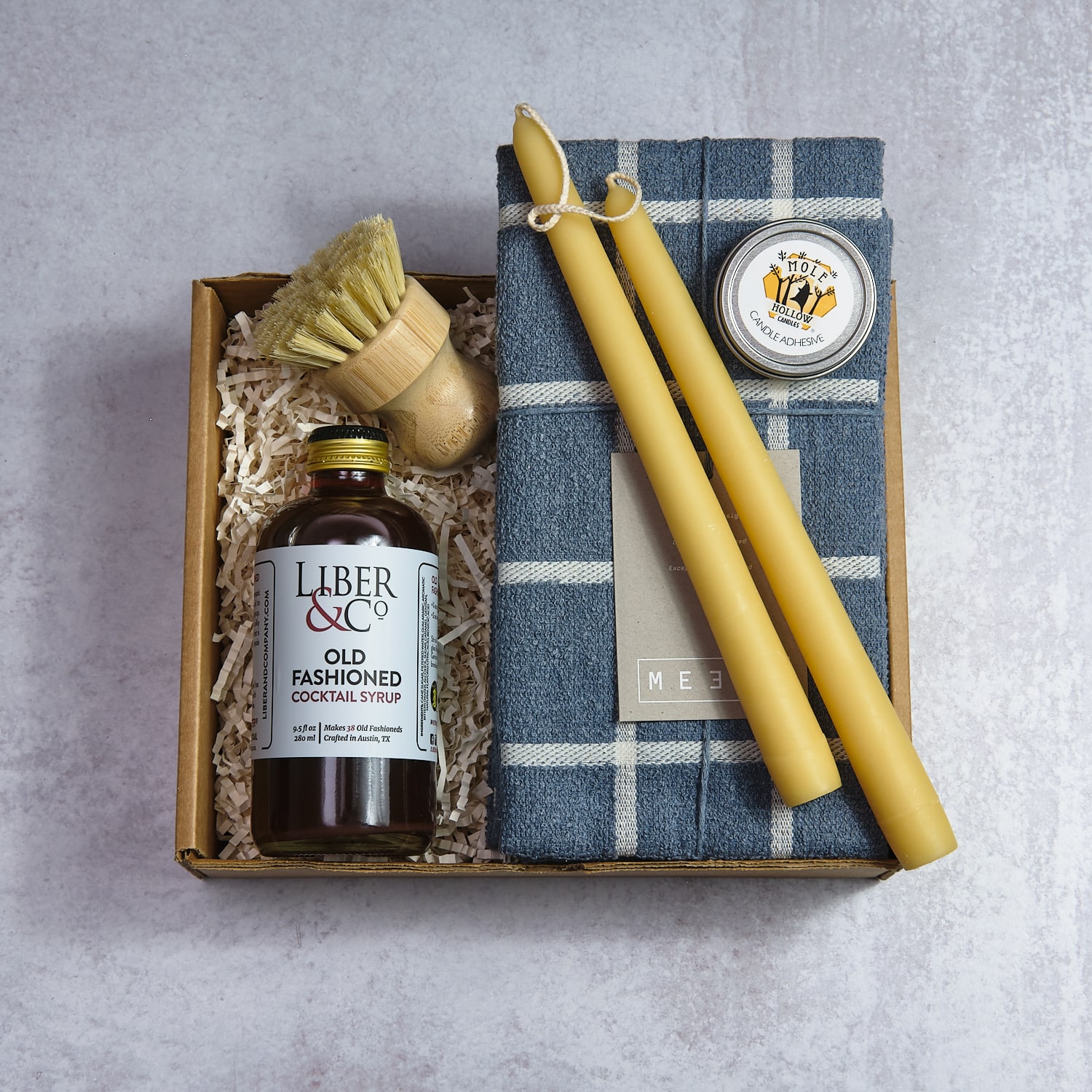
The idea was simple. Every item came from an independent artisan, mostly here in the US, wrapped in hand-painted paper, with the card written for you. You could grab something curated and ready to ship or build your own box from scratch. We donated 1% of every sale. And we kept nudging people past birthdays and holidays toward the ordinary-weekday stuff—a treat for the colleague who covered for you, something small for the mail carrier, a no-reason gift for your person.
Six years later, we’ve sent boxes for weddings, new babies, hard weeks, and an enormous number of “just because” occasions, which became our favorite kind. We worked with dozens of makers. We got to be a tiny part of a lot of people’s good news.
We’re closing Willinglee now, which is bittersweet in the way most good endings are. More on the why below—but we’re ending it willingly, and with a whole lot of gratitude.
Can you talk to us a bit about the challenges and lessons you’ve learned along the way. Looking back would you say it’s been easy or smooth in retrospect?
Honestly, I don’t think owning a small business is ever smooth. I’d be suspicious of anyone who says otherwise.
We started Willinglee as a team, but not long in, Alex took a job that made it nearly impossible for him to help. I was also working a full-time job. So the business got squeezed into the margins—early mornings, late nights, weekends that were supposed to be for resting. And the thing about squeezing something into the margins is that it slowly stops being the part you look forward to.
Which was the real loss. We love this work. Meeting the makers behind every product, hearing how they got started, watching someone’s day get made by a box they didn’t see coming—that never got old. But somewhere along the way, the joy started coming at the expense of our peace. There was no time to breathe. And a business built on bringing joy back to gift-giving is a hard one to run when you’ve run out of your own.
I don’t think we’re alone in that. Most small businesses are run entirely by one or two people, and those people are also parents and partners and employees somewhere else. Between that and the economics right now—tariff hikes have been brutal for anyone sourcing handmade goods—I’m seeing more shops like ours close than I’d like. It’s a sad trend, and I understand it from the inside now.
Thanks for sharing that. So, maybe next you can tell us a bit more about your work?
Alex and I both come from creative backgrounds, which means we both know exactly how hard it is to make a name for yourself. We’re also both hopeless empaths. Put those together and you get Willinglee: a business built less around stuff and more around getting more eyes on people who make beautiful things in small batches.
That was the whole idea behind the box, actually. One gift might hold goods from four or five different makers, which means every box was an introduction—to a candlemaker in Ohio, a ceramicist in Vermont, someone’s kitchen-table soap company. A customer came for one thing and walked away knowing five new names. Our hope was that that reach would really blossom, and watching it happen is the part I’m proudest of.
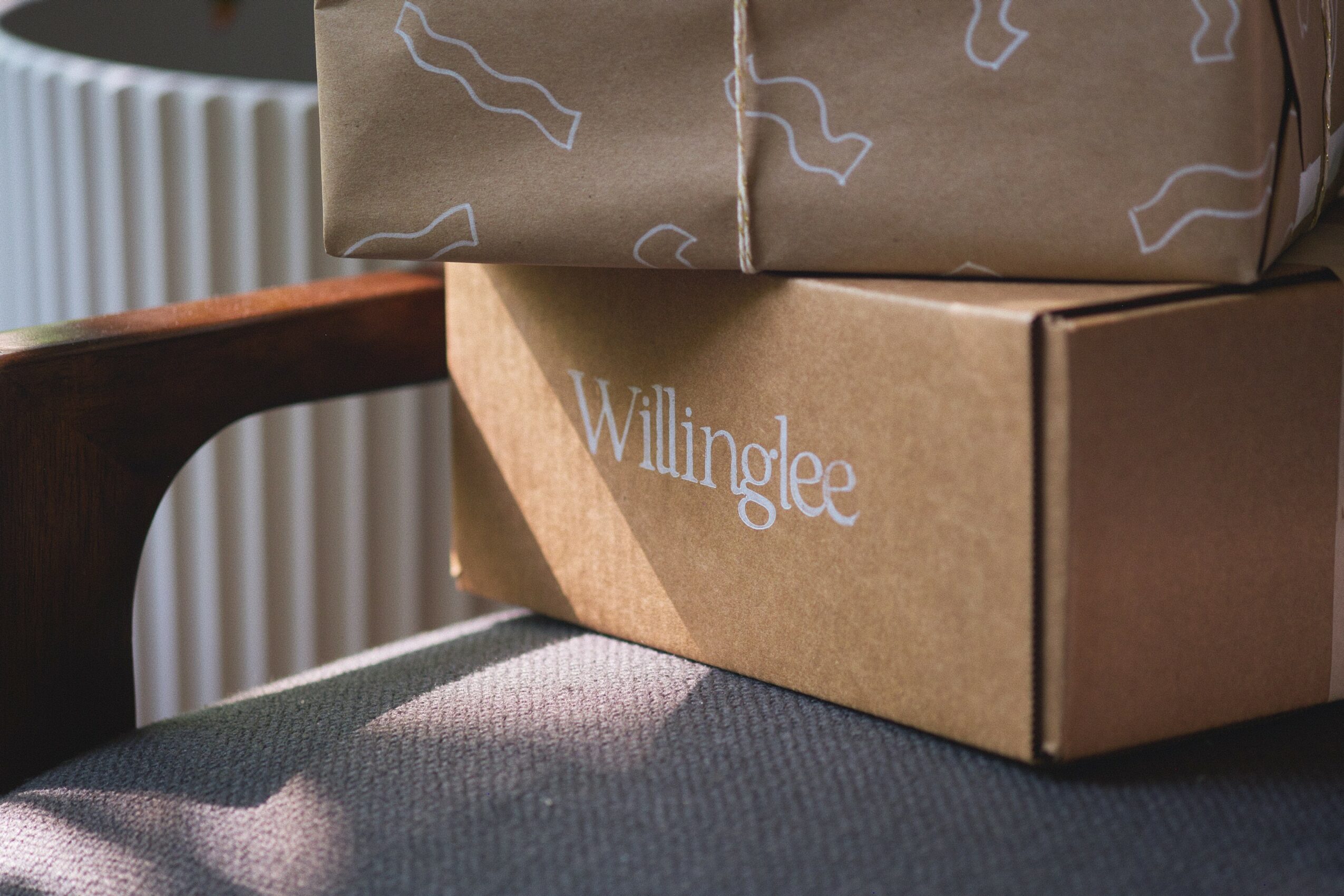
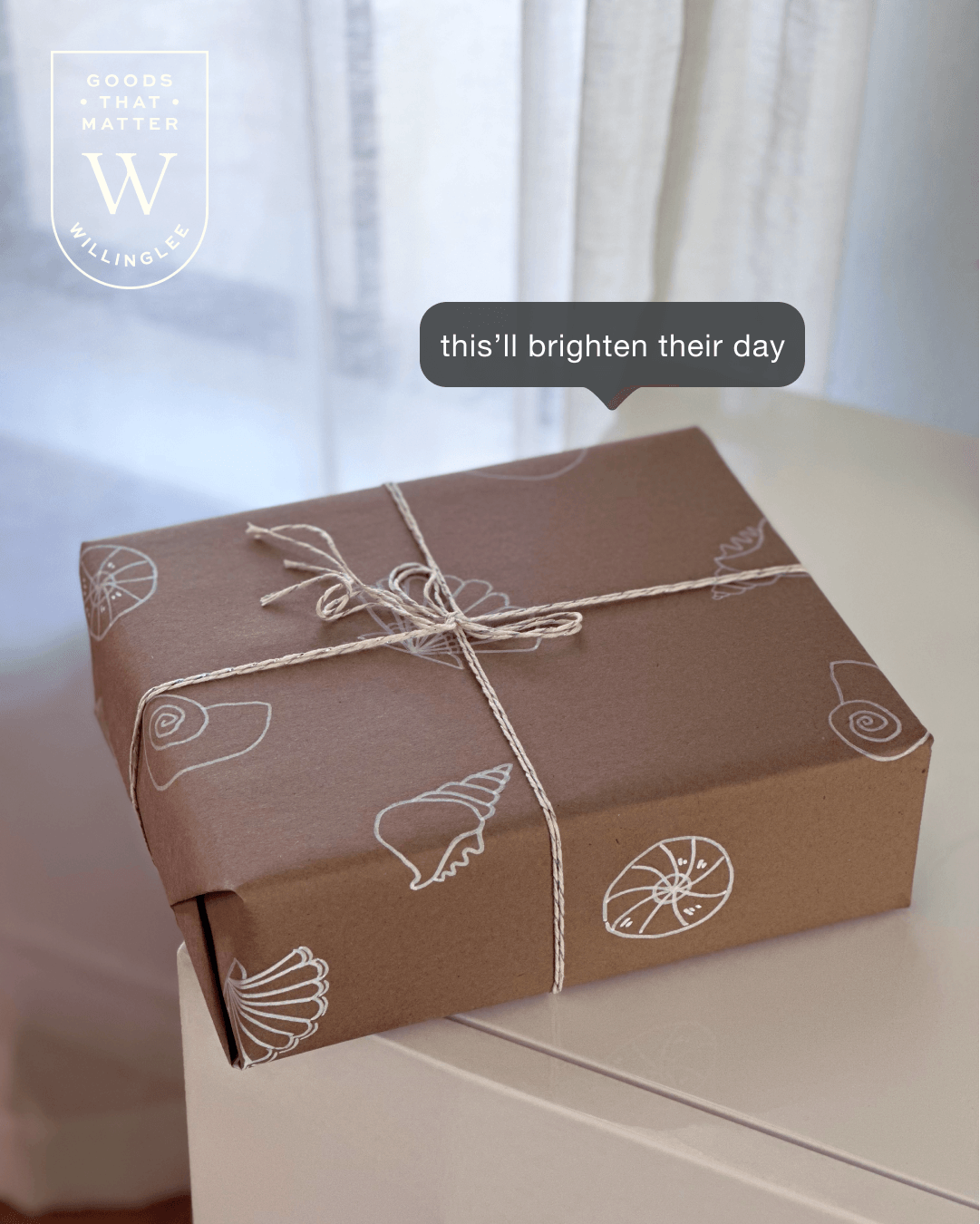
The rest of what set us apart was mostly stubbornness about the details. We celebrated the everyday instead of just the big occasions. We kept the boxes genuinely affordable, and made them for everybody—not just the people who already get a lot of gifts. We wrapped everything by hand, in paper I hand-painted myself, which was wildly impractical and completely worth it. And we tried to do all that we could with what we had: 1% of every sale to charity, earth-friendly wrap, real vetting of every single product before it went in a box.
These days Alex and I are both back at companies—he’s in marketing, I’m in product design. We’re also parents to two small humans, which is easily the best job either of us has ever had and the only one with no off-ramp.
Once Willinglee is fully wound down and I find a little room to breathe, I’m hoping to start writing again. I have a Substack called Humbly Unfolding that’s been patiently waiting for me.
Who else deserves credit in your story?
Our makers, full stop. Willinglee was never really our product—it was theirs. We just built the box around it.
Six years is a lot of makers, but a few carried us: Liber & Co. and Wildflower Caramel Co. and SRSLY Chocolate on the food and drink side, Hearth & Hammer and MEEMA for the home, Worthwhile Paper and People I’ve Loved for our paper goods, Kind Lips and Conscious Step rounding us out. These are real businesses run by real people out of real kitchens and studios, and they trusted us with their work, sent us their last of something when we were short, and answered our emails at eleven at night.
Two creatives shaped Willinglee in ways that are all over the brand. Claire Moskal of It’s Studio Studio did our branding, and she’s the reason we’re not called “Little Boxes” anymore—she pushed us toward a name with more room in it, and Willinglee grew into itself from there. And Christine Nguyen-Milan designed wrapping paper with me every holiday season, which meant the busiest, most stressful stretch of our year also became one of my favorite parts of it.
Alex deserves his own line. He built this with me from the very beginning, and even once his job made it nearly impossible to stay hands-on, he never stopped being the person I talked every decision through with. Willinglee doesn’t exist without him.
Beyond that, the honest answer is: nobody, and everybody. We never took outside funding. Willinglee was paid for by us, which means every box that went out was made possible by the person who bought the last one. So the credit goes to our friends and family, who bought in before there was anything to buy into—who ordered gifts they didn’t need, told their coworkers, reposted every launch, and never once asked when we were going to get a real job about it. Special thanks to Sam Stephens, who packed and shipped orders while we were away on vacation, which is the kind of favor you can only ask someone who really understands what you’ve built.
I’ll admit I sometimes wished for a mentor, someone who’d done this before and could tell us which fires were actually worth putting out. We mostly figured it out as we went. But the flip side is that everything Willinglee became, it became because a few hundred people decided a small idea was worth their money—and that’s not nothing to be proud of.
Pricing:
- Curated gift boxes sold for $45 – $150
- Items in the marketplace were priced between $1 and $65
Contact Info:
- Website: https://willinglee.co/
- Instagram: https://www.instagram.com/willinglee.goods/