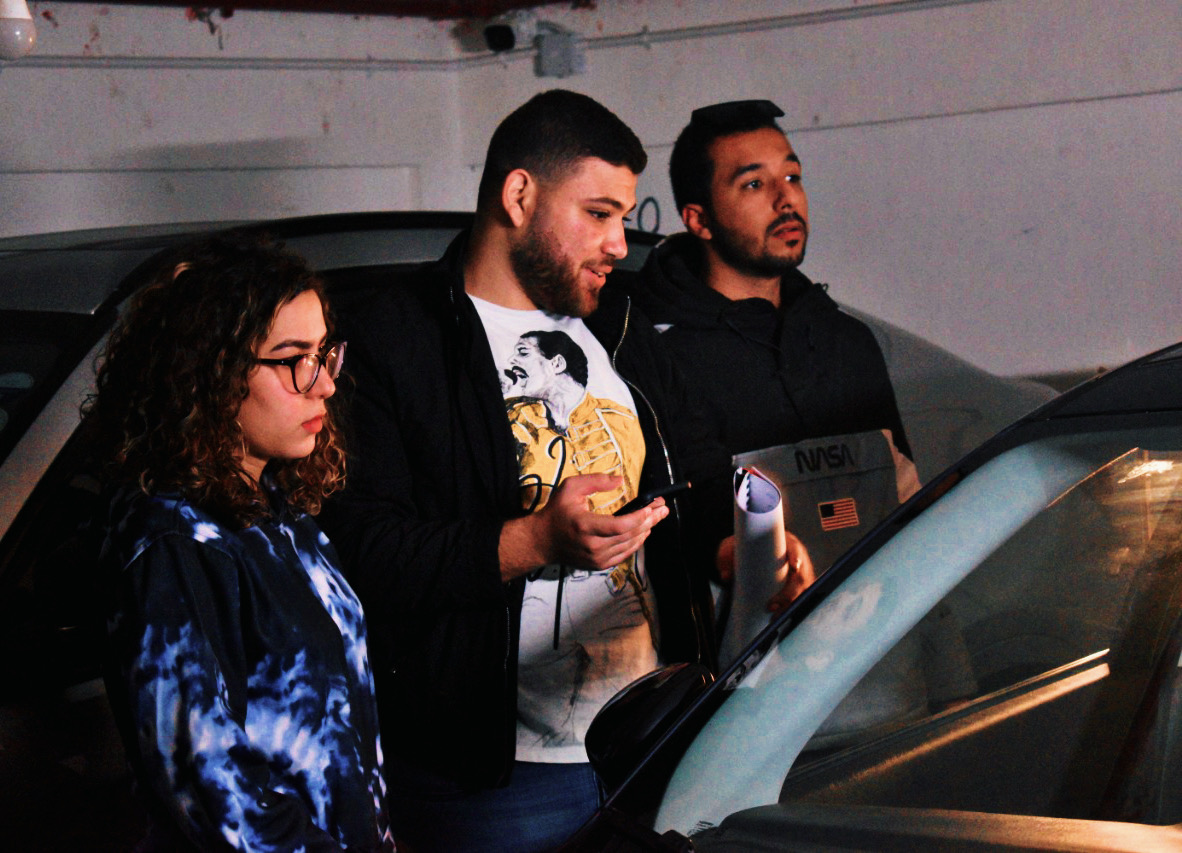



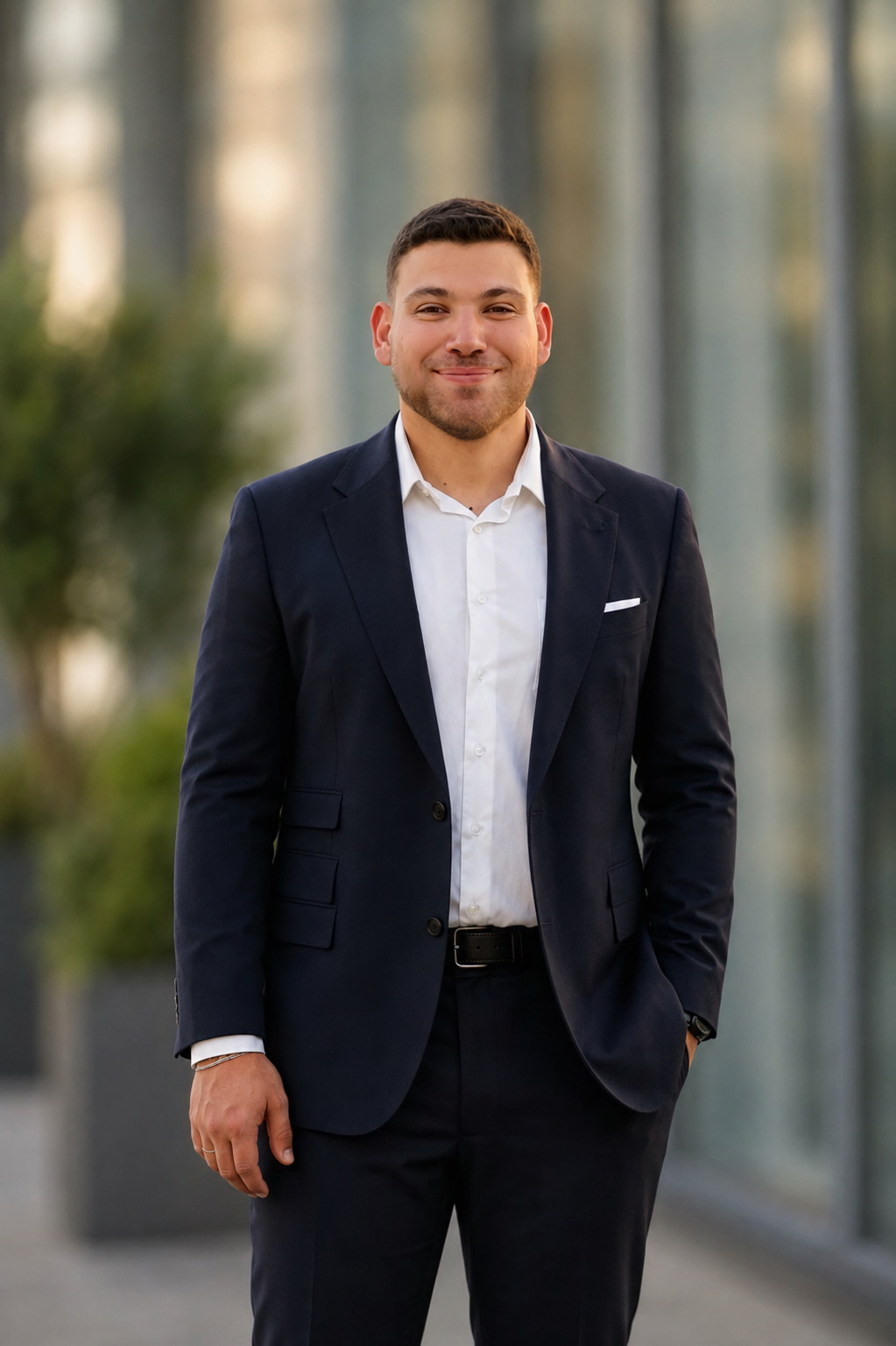
Today we’d like to introduce you to Ahmed Lutfi.
Hi Ahmed, so excited to have you on the platform. So before we get into questions about your work-life, maybe you can bring our readers up to speed on your story and how you got to where you are today?
My story really started at university, where studying Supply Chain Management completely changed the way I looked at business. My university environment encouraged entrepreneurship, and through studying supply chain I started to realize that I was sitting in what I like to think of as the “kitchen of the business” where decisions around demand, purchasing, inventory, production, logistics, and suppliers actually come together. That made me feel that this was a field where I could eventually build something of my own.
I got an early chance to test that idea when I started my first small business, importing action figures from the United States and selling them in Egypt. It was a simple business, but it taught me a lot about sourcing, demand, pricing, customers, logistics, and actually taking responsibility for a product from one end to the other.
During my third year of university, while I was still specializing in Supply Chain Management, I joined Kellogg’s as an intern. I was curious from the beginning and wanted to understand not just how things were done, but why they were done that way. I found myself reviewing processes, learning from the people around me, and even identifying issues and errors that could have a real operational impact.
One of those experiences became the foundation for a university project about ERP and MRP systems. I became fascinated by how a human data-entry mistake could create a huge difference between what a system should recommend and what was actually being withdrawn from inventory. It made me realize that good systems don’t replace people they give people the structure and information they need to make better decisions.
Around 2020, another opportunity came through when I joined forces with ten partners to build a transportation and storage business. I later worked in the company myself, which gave me another perspective on operations and running a business.
But my journey wasn’t always a straight line. At one point, I seriously considered changing careers completely and becoming a short-film director. I wanted to tell stories, create films, and eventually submit them to local and international festivals. I faced a number of challenges along the way, and although that path didn’t become my career, the experience stayed with me. Around the same period, I also decided to learn German and eventually reached B1 through a certified language institute.
Eventually, I decided to focus seriously on Supply Chain and began building my career as a Supply Chain Planner. I wanted to understand the field from different angles and kept looking for opportunities to combine operational knowledge with entrepreneurship.
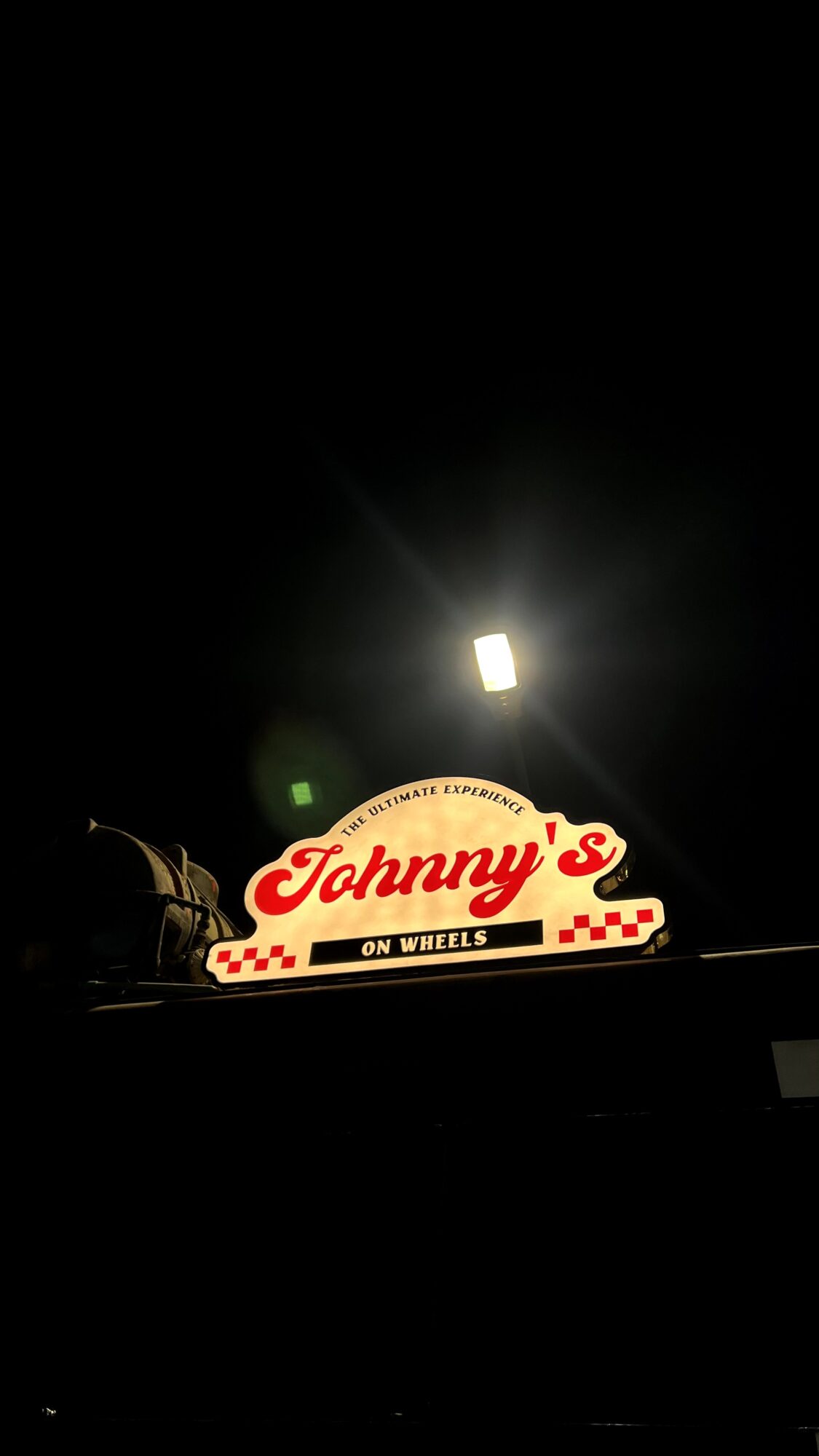
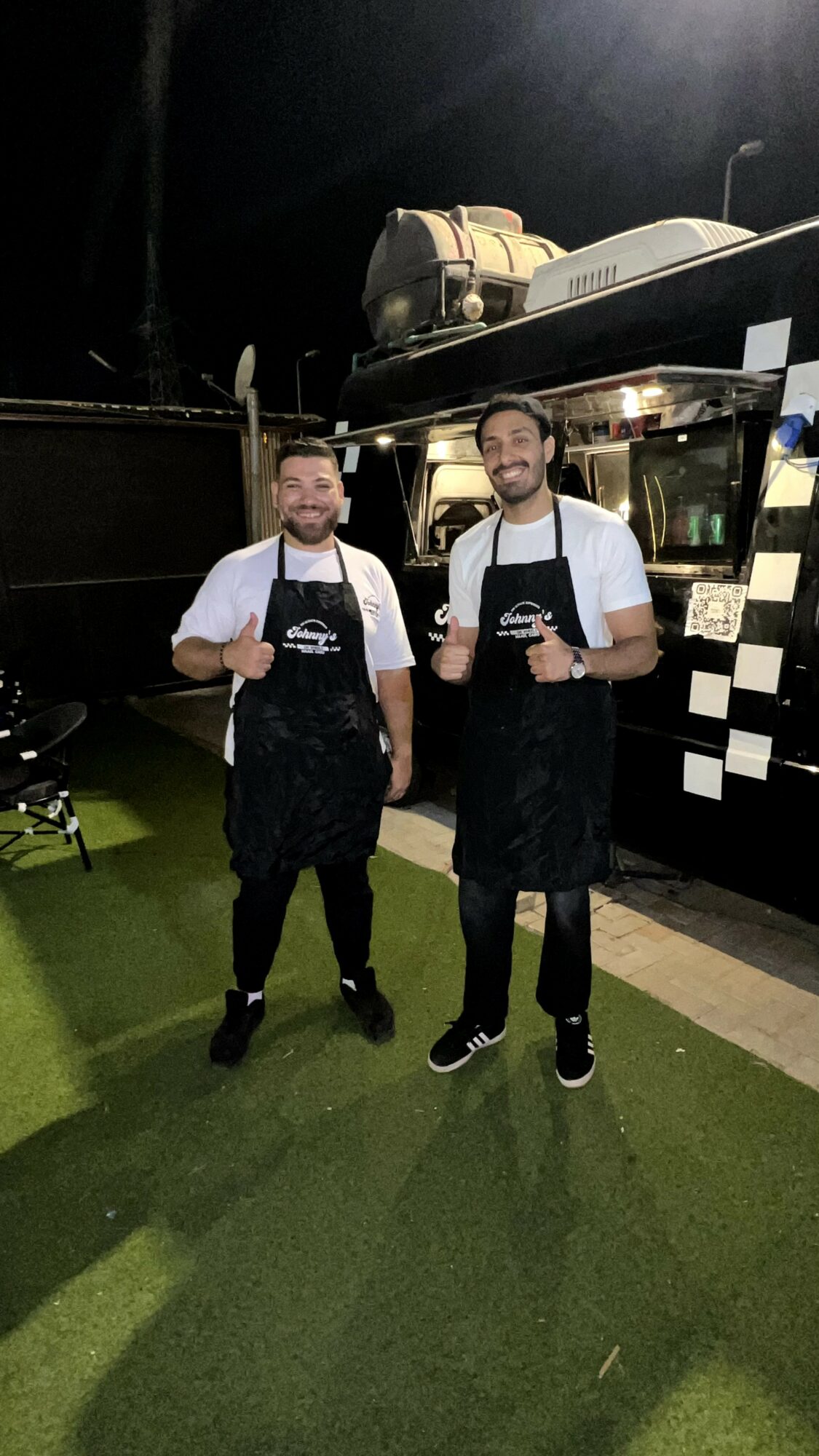
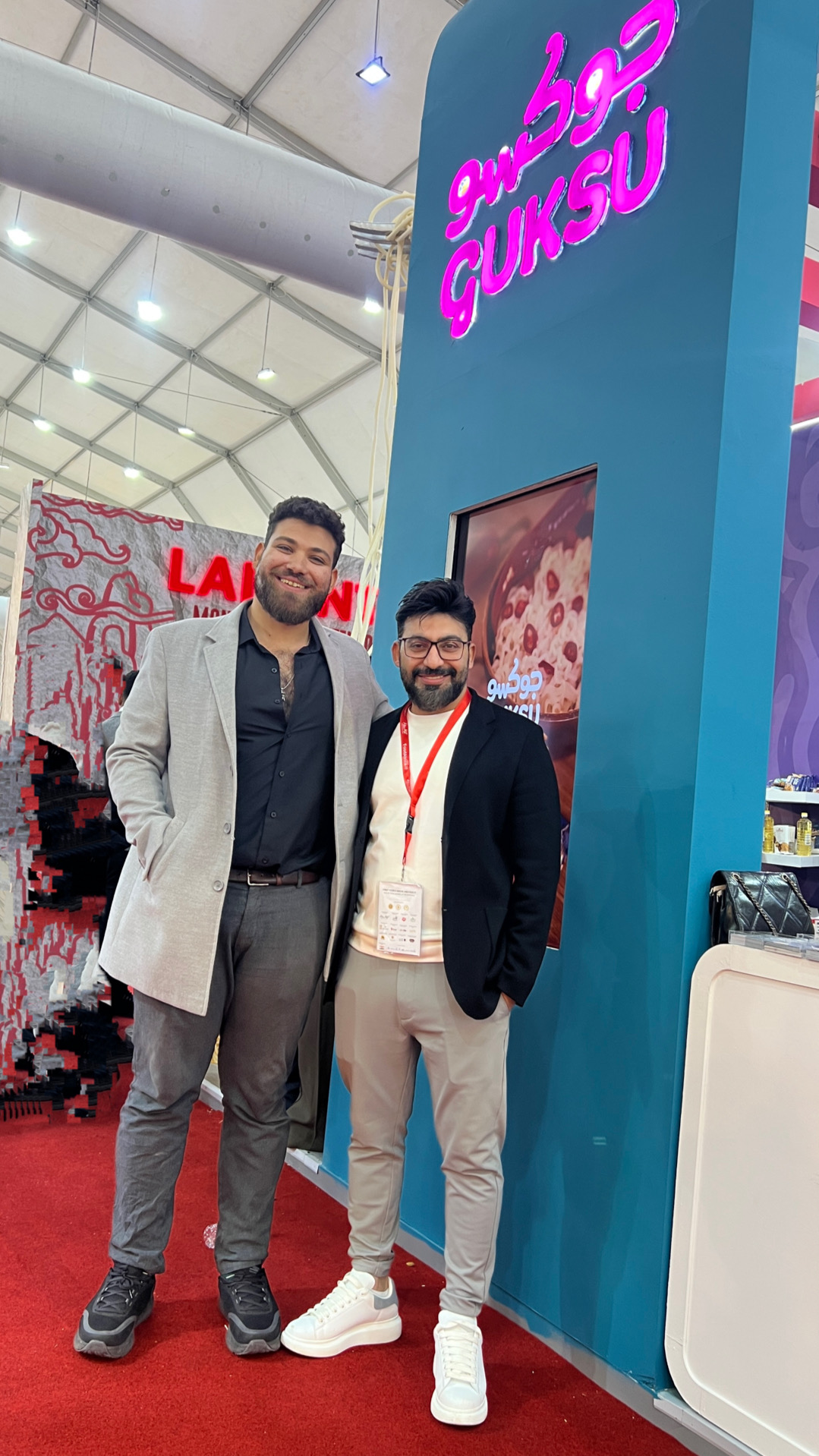
That led me back into the F&B world, where I tried to build a brand from scratch. I worked on the concept, planning, operations, new ideas, and attended industry summits to learn from people already working in the field. I managed to build the project and operate it, but by the fourth month, everything eventually fell apart and I had to make the decision to return to a full-time planning career.
At the time, it felt like a setback. Looking back, I see it differently. Every attempt whether it was business, filmmaking, logistics, or supply chain added another layer to how I think.
I returned to the FMCG industry in November 2025, and within a relatively short period, I grew from a planner into a Head of Planning and Supply Chain Lead by August 2026. Today, I see my journey less as a straight career path and more as a collection of experiments, risks, failures, and opportunities that gradually showed me what I am good at and what kind of work I want to keep doing.
What connects all of those chapters is probably my curiosity. I’ve always wanted to understand how things work, find a better way of doing them, and eventually build something myself. I don’t think I’m finished figuring that out yet and that’s probably what makes the journey interesting.
Alright, so let’s dig a little deeper into the story – has it been an easy path overall and if not, what were the challenges you’ve had to overcome?
No, it definitely hasn’t been a smooth road. There were several points where I had to question my direction, start over, or accept that something I had invested a lot of time and energy into wasn’t going to work the way I had hoped.
One of the biggest struggles was figuring out what I actually wanted to build my career around. I explored several paths because I was genuinely interested in different things. I considered filmmaking seriously, tried entrepreneurship more than once, worked in logistics and transportation, learned German, and eventually decided to focus my career on Supply Chain.
The most difficult experience was probably building an F&B business from scratch. I put a lot of thought, planning, and effort into the project, and for a while I genuinely believed we were building something that could grow. But by the fourth month, the project collapsed and I had to step back and return to a full-time planning role.
That was difficult because it wasn’t just a business decision it felt personal. When you build something yourself, you naturally connect your identity to it, so seeing it fail can make you question your own abilities.
Another challenge was learning to grow professionally in environments where there isn’t always a clear roadmap. Working in a startup taught me that sometimes you don’t have someone telling you exactly what the next step is. You have to identify the problem, learn what you need to learn, and take responsibility for the outcome.
Over time, I’ve learned that setbacks don’t necessarily mean you’re moving in the wrong direction. Sometimes they give you information you couldn’t have gotten any other way. The F&B experience, for example, taught me lessons about business and operations that I probably wouldn’t have learned from simply reading about entrepreneurship.
I think the biggest lesson has been to become comfortable with uncertainty. I don’t expect every idea I try to work, and I don’t expect my career to follow a perfectly straight line anymore. What matters to me is that every chapter leaves me with more experience, more perspective, and a better understanding of what I can do next.
Thanks for sharing that. So, maybe next you can tell us a bit more about your work?
Today, I work in Supply Chain Planning within the FMCG industry, with a focus on planning, procurement, inventory, production coordination, and the processes that connect them together.
What I enjoy most about my work is taking something that can be complicated or unstructured and turning it into a process that people can actually work with. Supply Chain sits at the center of a business, so my role often means looking at the bigger picture while still paying attention to the smallest operational details.
Over the course of my career, I’ve worked across different parts of the supply chain, from demand and production planning to raw material procurement, supplier management, inventory, and coordination between departments. Working in a startup environment also meant that I couldn’t always stay within the boundaries of a job description. If there was a problem that needed solving, I had to understand it, work with the relevant people, and find a practical solution.
I’m particularly proud of how quickly I’ve been able to grow through taking on responsibility. In my current company, I joined as a Supply Chain Planner in November 2025, and by August 2026 I had grown into a Head of Planning and Supply Chain Lead role. I’m proud of that progression, but even more proud of the systems, relationships, and processes I’ve helped build along the way.
I’m also proud that I’ve never looked at Supply Chain as just a job. I’ve tried to understand the business behind the numbers why we buy something, how it affects production, how inventory decisions affect cash, how suppliers affect operations, and ultimately how all of those decisions affect the customer.
What I think sets me apart is the combination of an operational mindset and an entrepreneurial one. I’ve actually tried building businesses myself, including an F&B brand, so I understand what it feels like to make decisions when the money, resources, and consequences are real. At the same time, my Supply Chain background has taught me to think in systems, data, processes, and contingencies.
I also don’t think of myself as someone who has everything figured out. I’m naturally curious, and I’m usually asking why something is done a certain way and whether there is a better way to do it. For me, being good at Supply Chain isn’t just about planning what should happen it’s about being prepared for what actually happens.
Are there any apps, books, podcasts, blogs or other resources you think our readers should check out?
I’m a big consumer of different kinds of content, and I don’t necessarily separate “career learning” from the things I enjoy outside of work.
For business and professional development, I use LinkedIn, YouTube and podcasts quite a lot. I listen to shows like The Joe Rogan Experience, Impaulsive, Chris Van Vliet’s podcast and Broken Skull Podcast. I also follow F&B and business focused content, including Amr Sherif’s Foodcast, because I work in FMCG and I’m genuinely interested in how food businesses operate.
Books have also played a big role in shaping how I think. Some that have stayed with me are The Personal MBA, Never Split the Difference, How to Talk to Anyone, The Art of War, The 48 Laws of Power, The Subtle Art of Not Giving a Fck*, and Setting the Table by Danny Meyer. I’ve also found The Art of Coffee Shop Management by Colin Harmon particularly interesting because it connects business concepts with the realities of running an F&B operation.
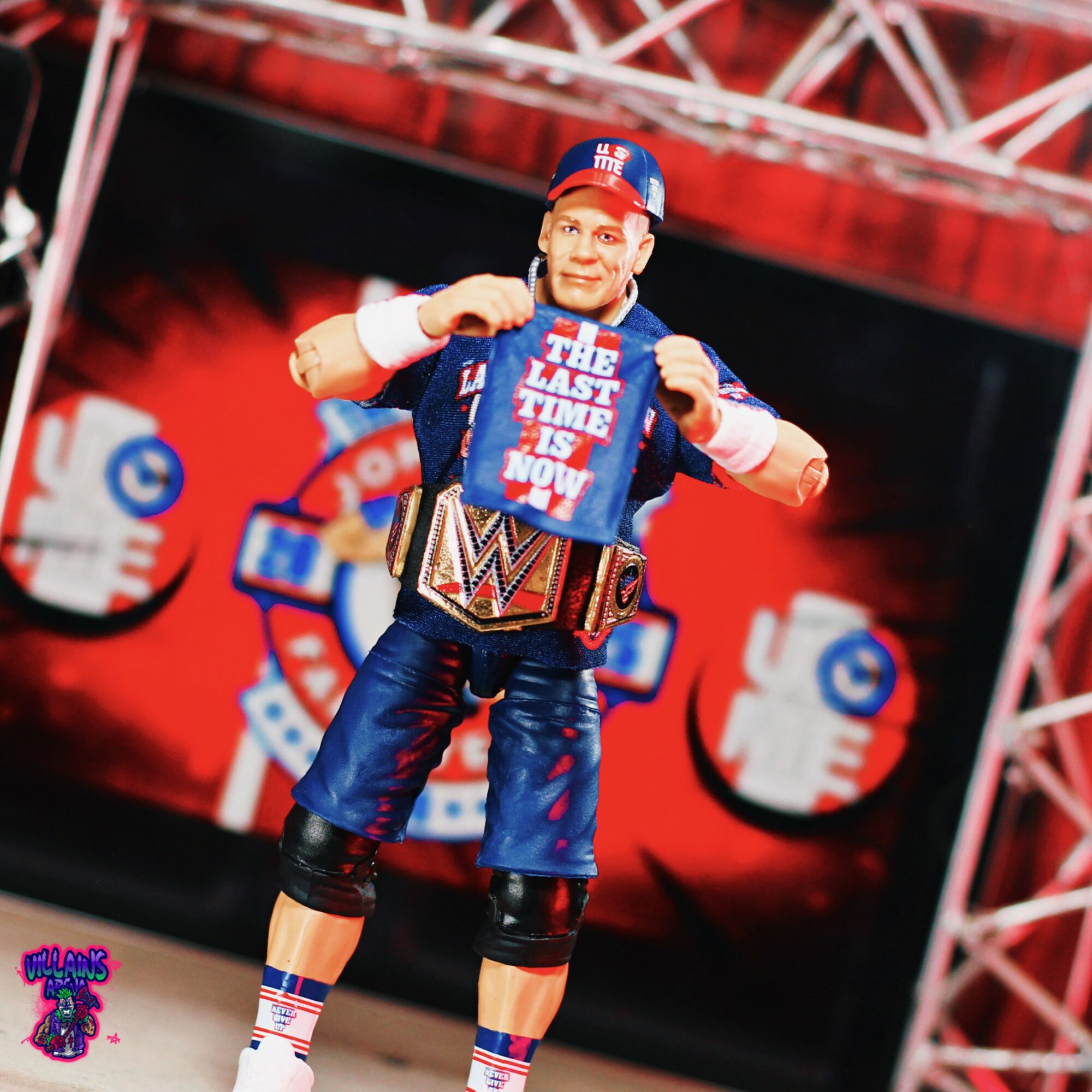
Interestingly, I learn a lot from sports and professional wrestling as well. I follow football closely and know a lot about its history, teams, managers and the stories behind them. I do the same with wrestling. I often find myself using examples from football or wrestling when thinking about leadership, competition, strategy, branding, negotiation or managing people at work.
I think that’s probably what helps me most: I don’t limit learning to business books. I try to understand the story behind things, why people make certain decisions, what worked, what failed, and then apply those lessons to my own work. Sometimes a football manager, a wrestling storyline or a restaurant owner can teach me something about business just as effectively as a management book can.
Contact Info:
- Instagram: lutfi.jad1
- LinkedIn: https://www.linkedin.com/in/ahmed-el-rouby-b4190b351/