


Today we’d like to introduce you to Blake Martin.
Hi Blake, so excited to have you on the platform. So before we get into questions about your work-life, maybe you can bring our readers up to speed on your story and how you got to where you are today?
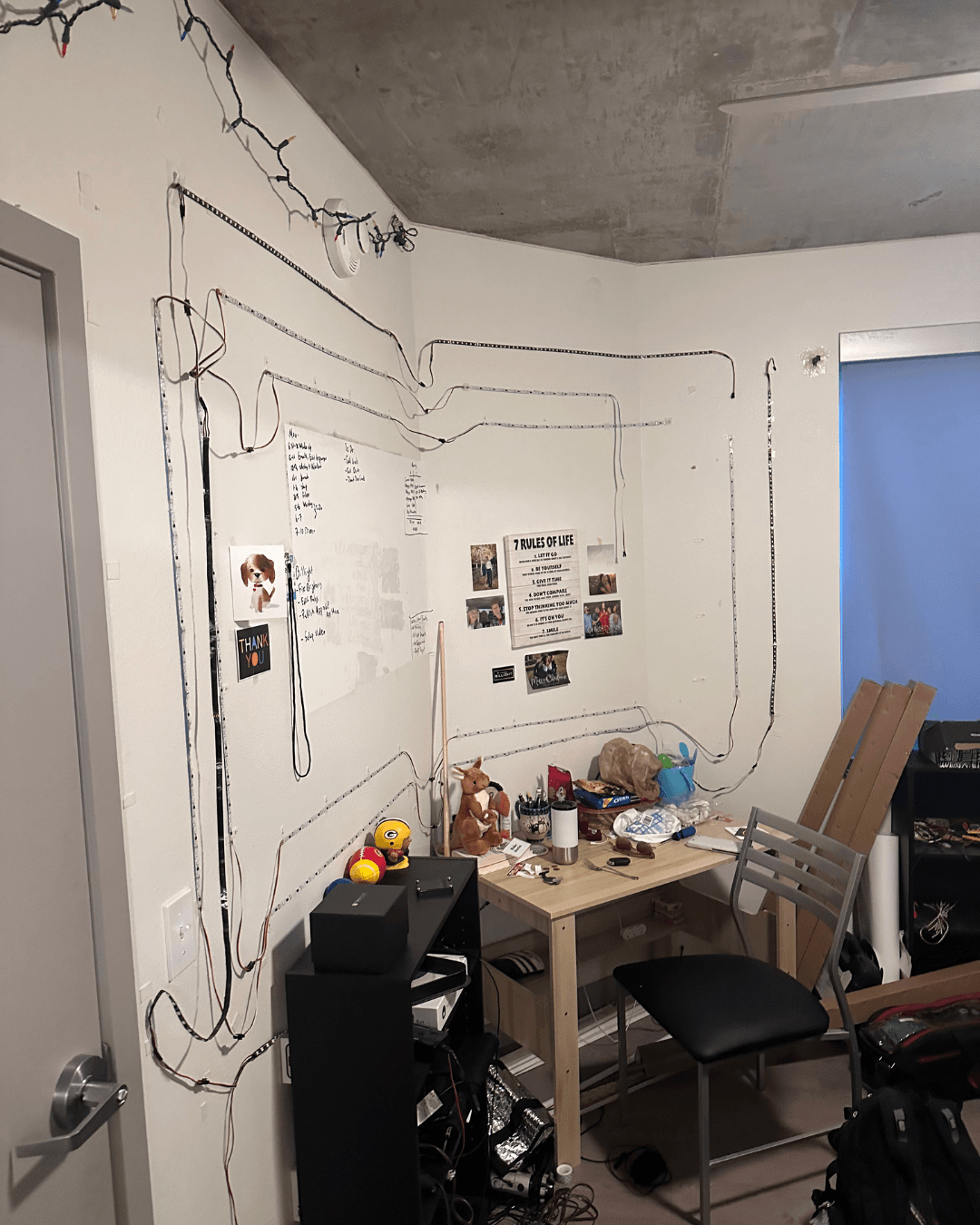
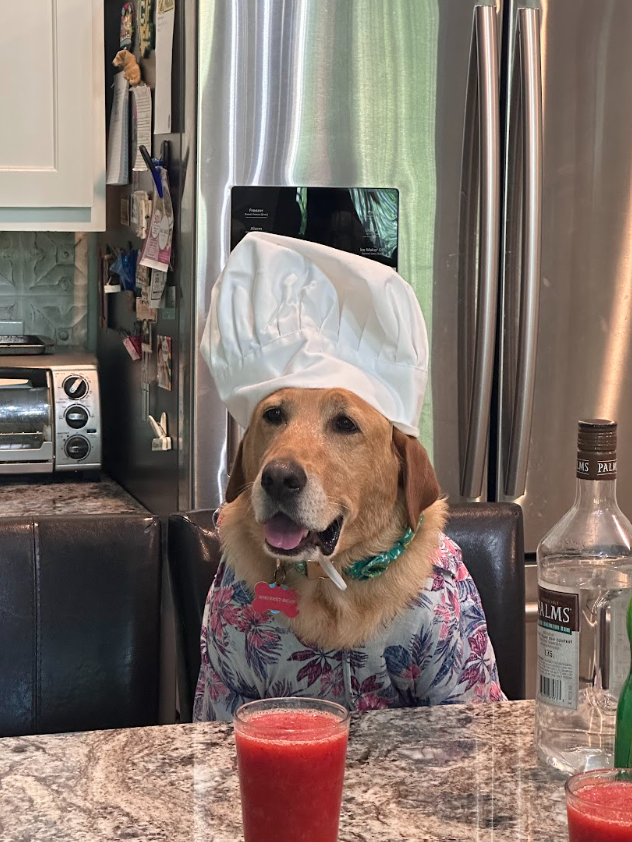
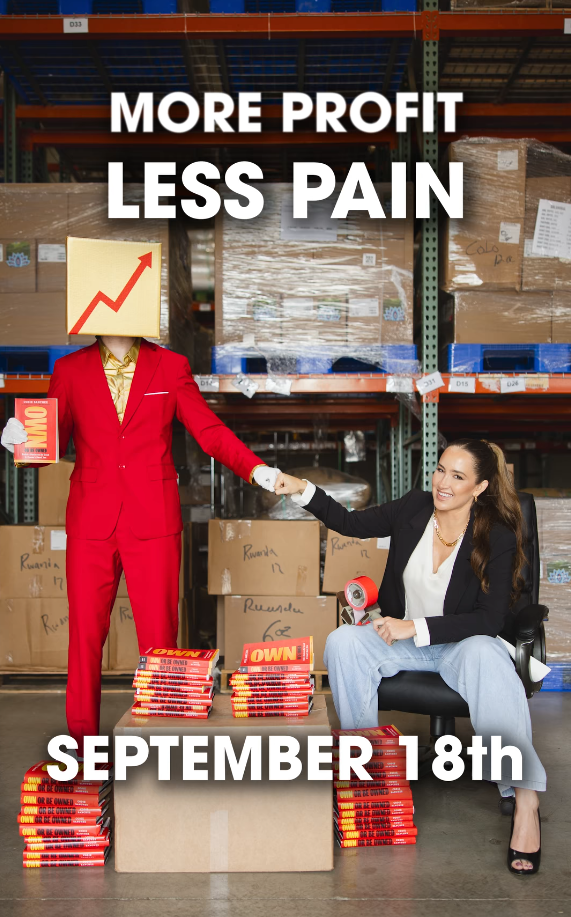
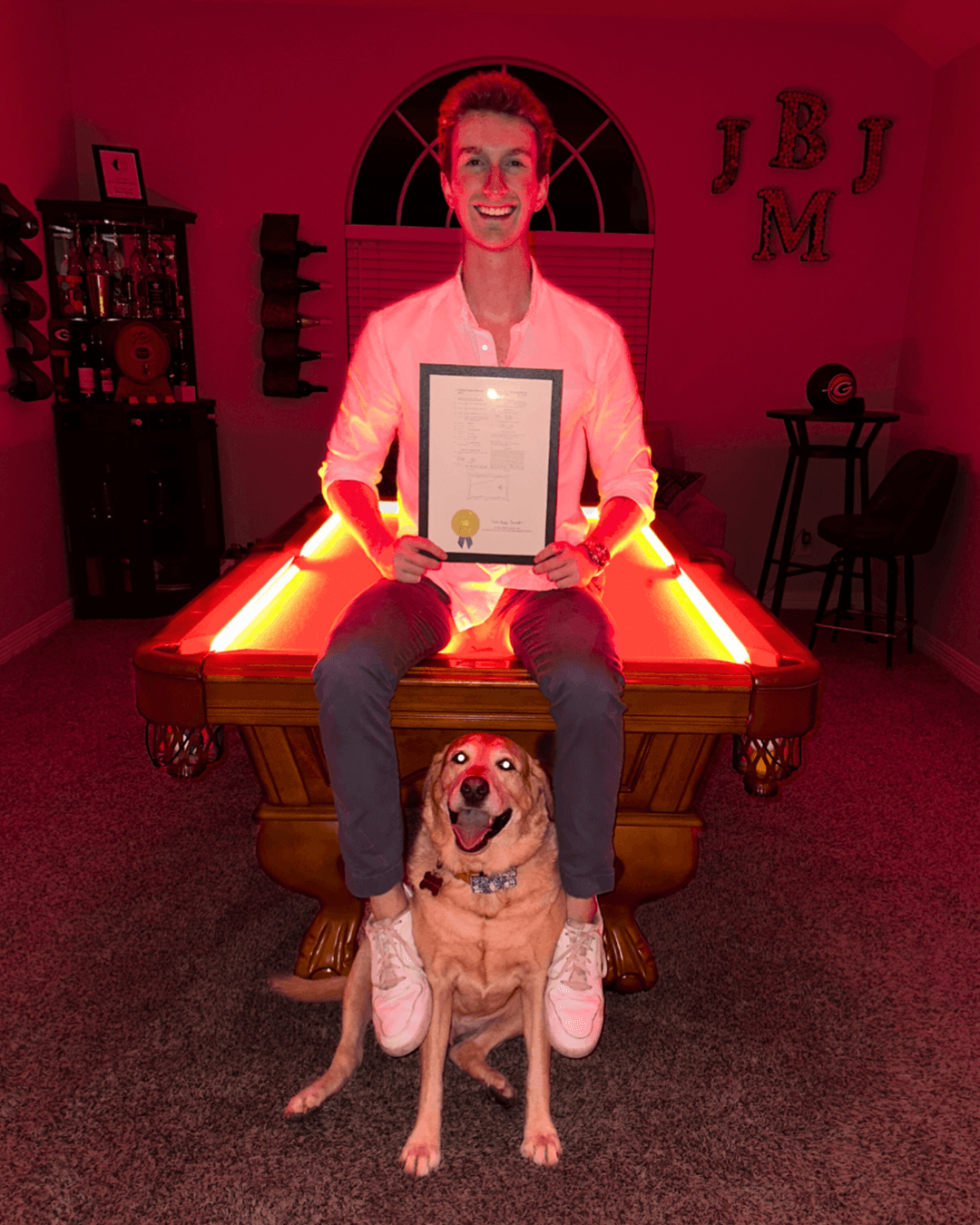
I have always been very curious and obsessed with things that I love. In middle school, I tried bowling and by the time I graduated high school I was one of the top ten bowlers in the country and a two-time All-American. That taught me how to learn something at a high level quickly and how to win. When Covid shut down the bowling alleys, I spent a lot of time in the basement and learned how to code (before AI). I wanted to make something physical, so I started playing with lights. My first invention was the first-ever interactive drum set. I couldn’t replicate it, but I really enjoyed playing pool. So I put the lights on the pool table and made the first version of what is now Billight: The world’s first light up pool table and gaming system. As I traveled to college, I sent a video of my light system to one of the most famous pool players in the world. First week of college I flew to his house in Vegas and put it on his table. He said it was the future of pool. I spent my three years in college prototyping this system on the wall above my bed, 3D printing it in the campus lab, testing in pool halls, and raising money to get it produced overseas. While I was in the capital-raising phase, I realized I needed to learn social media. So I started an Instagram account with my dog Whiskey. I figured out the Instagram algorithm using my stats and data science degree (at least college did something haha) and gained Whiskey nearly 250k followers in less than 2 years. He was one of the fastest-growing dog accounts on the internet at the time. Billight got funded and was produced. I graduated college, moved to Houston, then moved to Austin. I realized I didn’t know enough about business yet. So, I accepted a part time job as Ryan Holiday’s social media coordinator in hopes of learning from a successful marketer. Within 6 months, I became his head of content. Billight was then named one of TechCrunch’s top 200 most promising startups globally by Disrupt. I led Ryan’s content for a #2 NYT best-selling book launch and grew his personal brand rapidly by working on the book review format. Billight sold out last Christmas. Then in April, I transitioned to be Codie Sanchez’s head of YouTube and creative. I have been working on the creative for her book launch as well now and Billight is preparing for a large Christmas season.
We all face challenges, but looking back would you describe it as a relatively smooth road?
Can’t say it has been smooth at all. I have failed at every step of the road. I posted for 6 months on Whiskey’s channel and got 0 views. I almost lost my business to a con artist. Someone I once looked up to as a mentor threatened to ruin my career. My first round of Billight units did not work due to a factory miscommunication, and I had to fix over 1000 lights and controllers on my kitchen table with a soldering iron. I have posted hundreds of pieces of content that have flopped. My ex-girlfriend told me that my dreams were unrealistic (brutal).
As you know, we’re big fans of you and your work. For our readers who might not be as familiar what can you tell them about what you do?
My parents started their careers in engineering and physics and then transitioned into sales. I have the ability to understand complex topics and then tell a story about them. I can simplify anything so anyone can understand. I am obsessed with patterns and data. I am not the most gifted in art, but I am really good at finding patterns that people miss behind what works and then executing off of them. And lastly, for better or for worse, I am a generalist. I know a little bit about everything, enough to hold a conversation with someone who knows a lot more than me. I LOVE learning.
If you had to, what characteristic of yours would you give the most credit to?
My ability to learn quickly, find through lines, and apply it. If knowledge equaled success, librarians would run the world. But it’s the ability to spot what is useful information and apply it. A lesson I have learned recently is breaking everything down into first principles. You see something that works for something else and the impulse is to go and copy it. The issue with this is that you don’t have the same exact problem set and the same exact ability to execute. The learning is not “This works, I should do it to.” The real lessons come from breaking things down into first principles. Why did it work? What made it work? And how do I apply the first principles from that to what I am working on?
Pricing:
- Billight – $299
Contact Info:
- Website: https://www.billightpool.com
- Instagram: https://www.instagram.com/_blakemartin._/
- LinkedIn: https://www.linkedin.com/in/blakermartin27/