



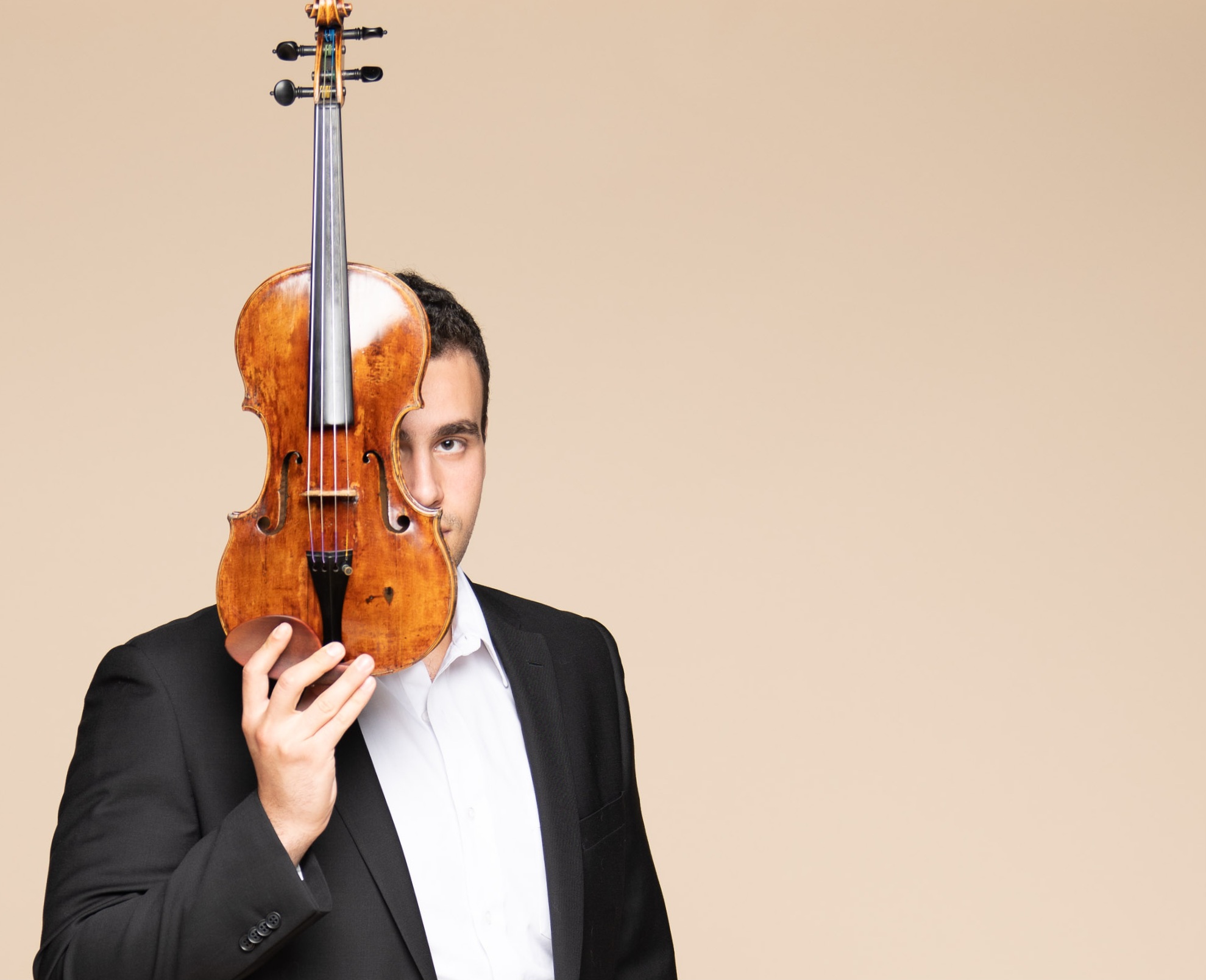
Today we’d like to introduce you to Daniel Temnik.
Hi Daniel, so excited to have you with us today. What can you tell us about your story?
I was born into a family of musicians, so music was really part of my life from the very beginning. My father was a decorated conductor, and my mother is a pianist. In some ways, becoming a musician felt almost inevitable…as though it was something I had been chosen to do, or perhaps something that had chosen me!
I started out on the piano before eventually transitioning to the violin, and I grew up in a very serious and professional musical environment. My parents dedicated an extraordinary amount of their time, energy, and themselves to my development with the goal of giving me every opportunity to become a professional classical musician. I have an enormous appreciation for the sacrifices that went into that.
As I got older, music took me into national and international competitions, performances, festivals, and collaborations with some extraordinary musicians. I eventually studied at The Glenn Gould School in Toronto with Barry Shiffman and Victor Danchenko, two brilliant musicians who had a tremendous influence on my development as both a violinist and musical artist.
Getting from there to where I am today has really been a combination of hard work, persistence, and learning how to keep moving forward! A career in music comes with plenty of successes…but also plenty of disappointments, rejections, and moments where things don’t go according to plan. A big part of my journey has simply been learning to get back up every time I’ve fallen down, and to keep moving forward with a little more perspective, resilience, and determination each time.
Over the years, my career has also grown beyond performing. Teaching and mentorship have become an incredibly important part of my life, as has creating opportunities for other musicians through my work in arts administration and artistic direction.
I feel incredibly fortunate that my musical life encompasses all of those things—performing, teaching, collaborating, and helping to build a community around classical music.
Alright, so let’s dig a little deeper into the story – has it been an easy path overall and if not, what were the challenges you’ve had to overcome?
It definitely hasn’t been a smooth road!
One of the earliest challenges was financial.
My family immigrated to North America without a great deal of money, and developing as a classical musician can be extraordinarily expensive. Instruments, bows, lessons, competitions, travel, and all of the other costs add up very quickly! Purchasing the kind of violin or bow needed at a professional level simply wasn’t always realistic for us. I was very fortunate to have a strong support system, including donors and individuals who believed in me and helped by lending instruments and sponsoring me at important stages of my development.
Burnout has also been a very real part of the journey.
Preparing for international competitions and performances requires an ENORMOUS amount of discipline. You find yourself at certain points practicing seven or eight hours a day. I sometimes describe being a classical musician as almost a form of high-performance sport. The level of repetition, concentration, physical control, and mental endurance required can take a real toll on both the body and the mind.
Then, of course…there is rejection.
Every musician experiences it: competitions you don’t advance in, festivals you aren’t accepted to, auditions or opportunities that don’t work out. When you have invested hundreds of hours into preparing something, those rejections can be quite difficult not to take personally. I’ve learned that grit is one of the most important qualities a musician can develop. One opportunity not working out doesn’t mean there won’t be another one, and sometimes the opportunities you create for yourself end up being more meaningful than the ones you were originally chasing.
Another major challenge is simply building a sustainable career in classical music today.
I don’t think it is enough anymore to only be an excellent performer. A musician also has to understand how to communicate, present themselves, teach, collaborate, organize projects, and think entrepreneurially. In my own career, that has meant expanding beyond performing into teaching, artistic direction, and creating opportunities and an ecosystem for other musicians as well.
And now at this stage of my life, balance has taken on an entirely new meaning. Alongside performing, teaching, and arts administration, I also have a family and a newborn daughter. Learning how to give meaningful time and energy to all of those parts of my life is probably one of the newest challenges, but also one of the most rewarding!
Appreciate you sharing that. What else should we know about what you do?
One of the most rewarding things about my work is that it is for other people.
Whether I am performing for an audience, teaching a student, mentoring a young musician, or creating a concert, there is always a sense that the work extends beyond myself. That connection to people and to the community is a huge part of what makes it meaningful to me.
My career lives at the intersection of performance, teaching, mentorship, and artistic direction. As a violinist, I specialize in classical performance, particularly solo, chamber music and the traditional violin repertoire. I come from a very specific Eastern European violin tradition/school, and I am extremely proud of that lineage, which traces back through my teachers to the legendary David Oistrakh. There is a particular approach to sound, phrasing, discipline, technique, and musical expression within that heritage that has shaped both the way I play and the way I instruct.
Teaching has become one of the parts of my career that I am quite proud of. There is something incredibly rewarding about watching a student grow from lesson to lesson and then seeing that work translate into real opportunities. I have watched my students gain admission to universities and major music programs, attend international festivals, succeed in auditions, compete internationally, and win competitions. Those moments are every bit as meaningful to me as my own accomplishments on stage!
I think what sets me apart is that I have never wanted to define myself solely as a performer. I care just as much about what happens around the performance: developing young artists, creating opportunities for musicians, building audiences, programming concerts, and helping create an ecosystem in which classical music can continue to grow. Through my work in artistic direction and arts administration I have been able to bring musicians together and create projects that I genuinely believe have value for the community.
At the centre of all of it is really the same philosophy, music is something to be shared. Whether I am holding a violin on stage, sitting across from a student in a lesson, or putting together a concert behind the scenes, I want the work to leave something meaningful with the person on the other side.
Is there anyone you’d like to thank or give credit to?
There are so many people who deserve credit for helping shape both the musician and the person I have become.
I have been incredibly fortunate with my teachers and mentors throughout the years. Barry Shiffman and Victor Danchenko have had a profound influence on me. They gave me far more than violin instruction, helping shape the way I think about music, sound, discipline, professionalism, and what it means to build a meaningful life as a musical artist. I carry their influence with me every time I perform and every time I teach!
My family has also been an enormous source of support throughout my life and career. A life in music can be unpredictable, demanding, and at times all-consuming, and I have always been fortunate to have people around me who believed in what I was doing and had my back. That kind of personal and professional support has given me the confidence and stability to take chances, pursue opportunities, and continue building something that is very much my own.
I also owe an enormous amount to my students. My professional life as a teacher exists because of them and because of the families who have trusted me with their musical education. Teaching is an incredibly personal relationship, and many of my students have been with me for years. Watching them develop as musicians and as people, seeing them earn opportunities, gain admission to programs, perform on important stages, or simply discover a deeper love for music has been one of the greatest rewards of my career. At the same time, they continually challenge me to become a better teacher, communicator, and musician. In many ways, they have shaped me just as much as I have helped shape them.
I have also been very fortunate to work alongside extraordinary musicians, colleagues, presenters, organizations, and advocates for the arts. Some of the most important lessons I have learned have come outside of a formal lesson—through rehearsals, performances, conversations, collaborations, and simply observing how other great artists approach their craft.
I also think the arts community itself deserves a tremendous amount of credit. Musicians depend on communities that believe culture is worth investing in…audiences who come to concerts, organizations that create opportunities, donors and sponsors who support projects, presenters who take chances on artists, and colleagues who encourage and advocate for one another. As my career has expanded into artistic direction and concert presenting, I have come to appreciate that ecosystem more and more.
A career in music can sometimes look very individual from the outside, you are the person standing onstage holding the violin, but in reality there is an entire community behind you! My teachers, family, students, colleagues, audiences, presenters, and supporters have all played a role in allowing me to do what I do, and I feel incredibly fortunate to have had them around me.
Contact Info:
- Website: https://www.danieltemnik.com
- Instagram: https://www.instagram.com/danieltemnik
- Facebook: https://www.facebook.com/dtemnik
- Youtube: https://www.youtube.com/@danieltemnik
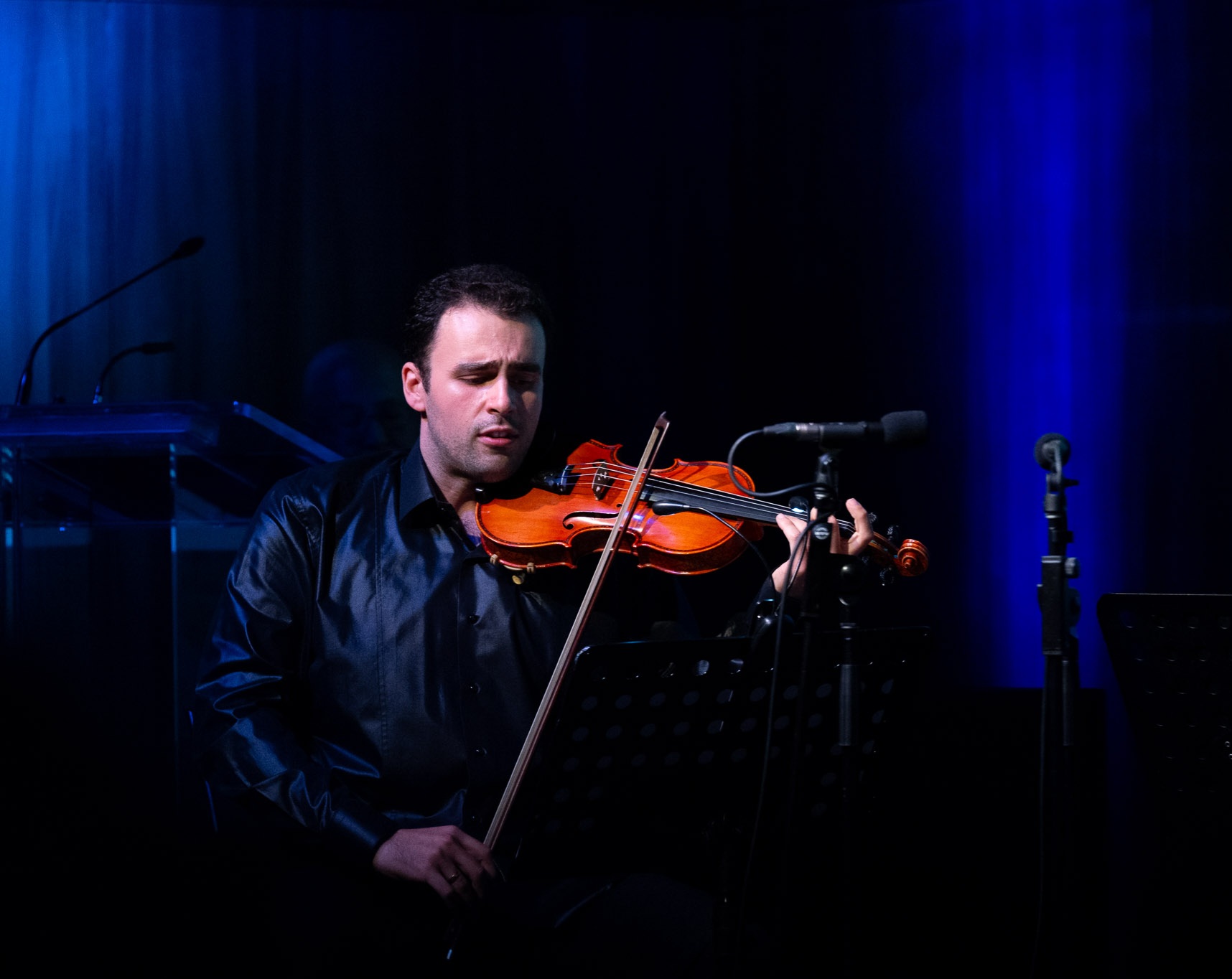
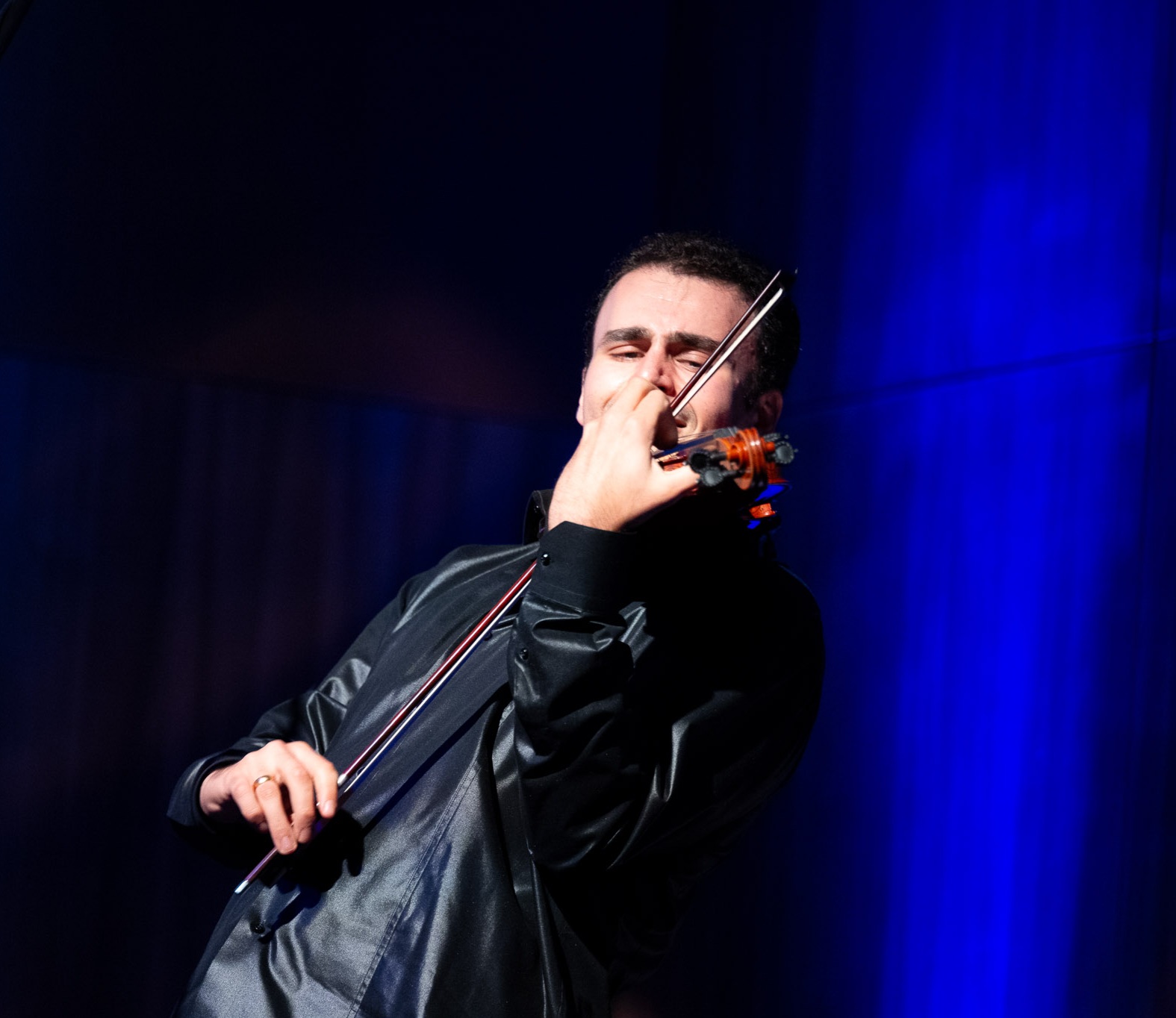
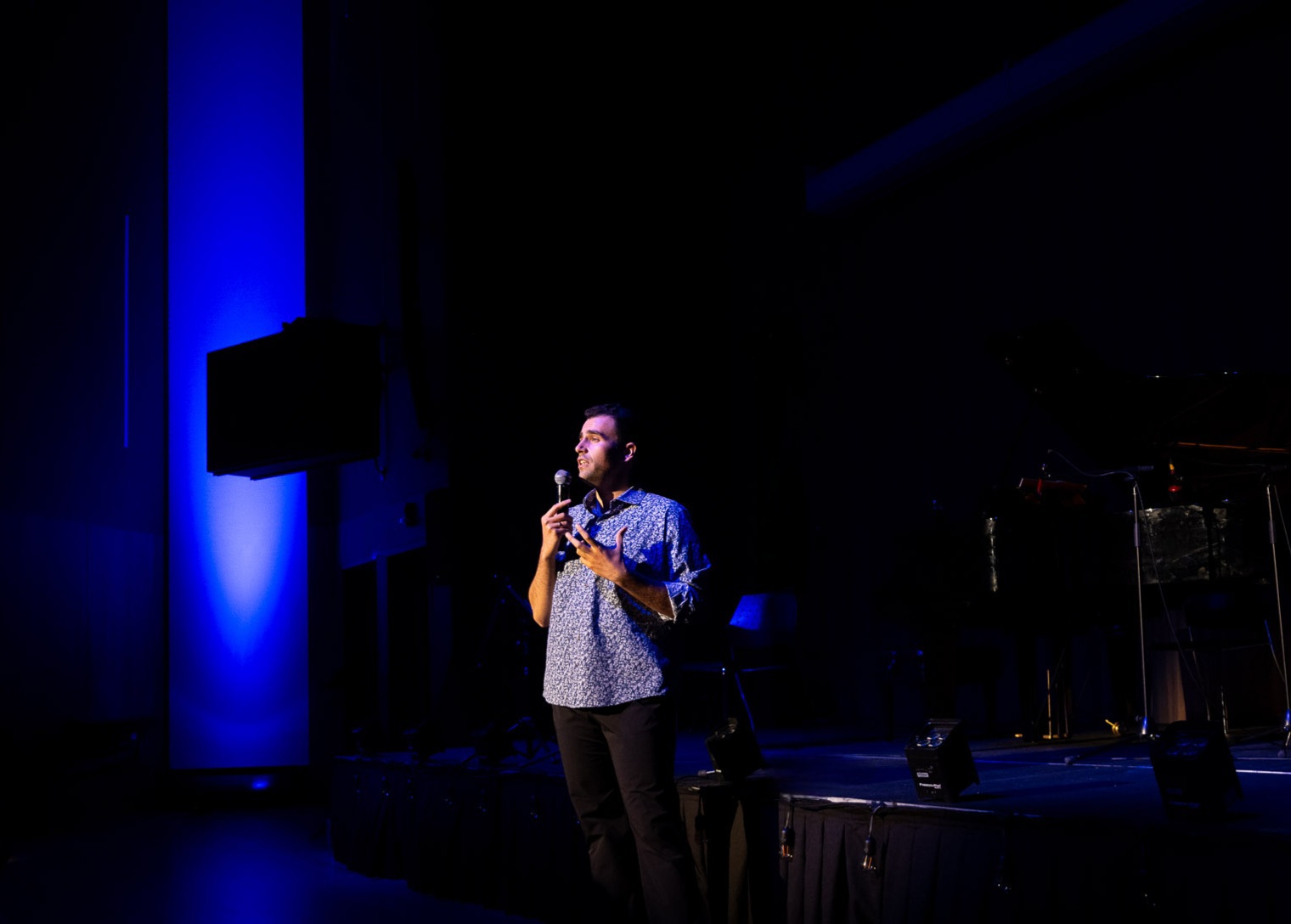
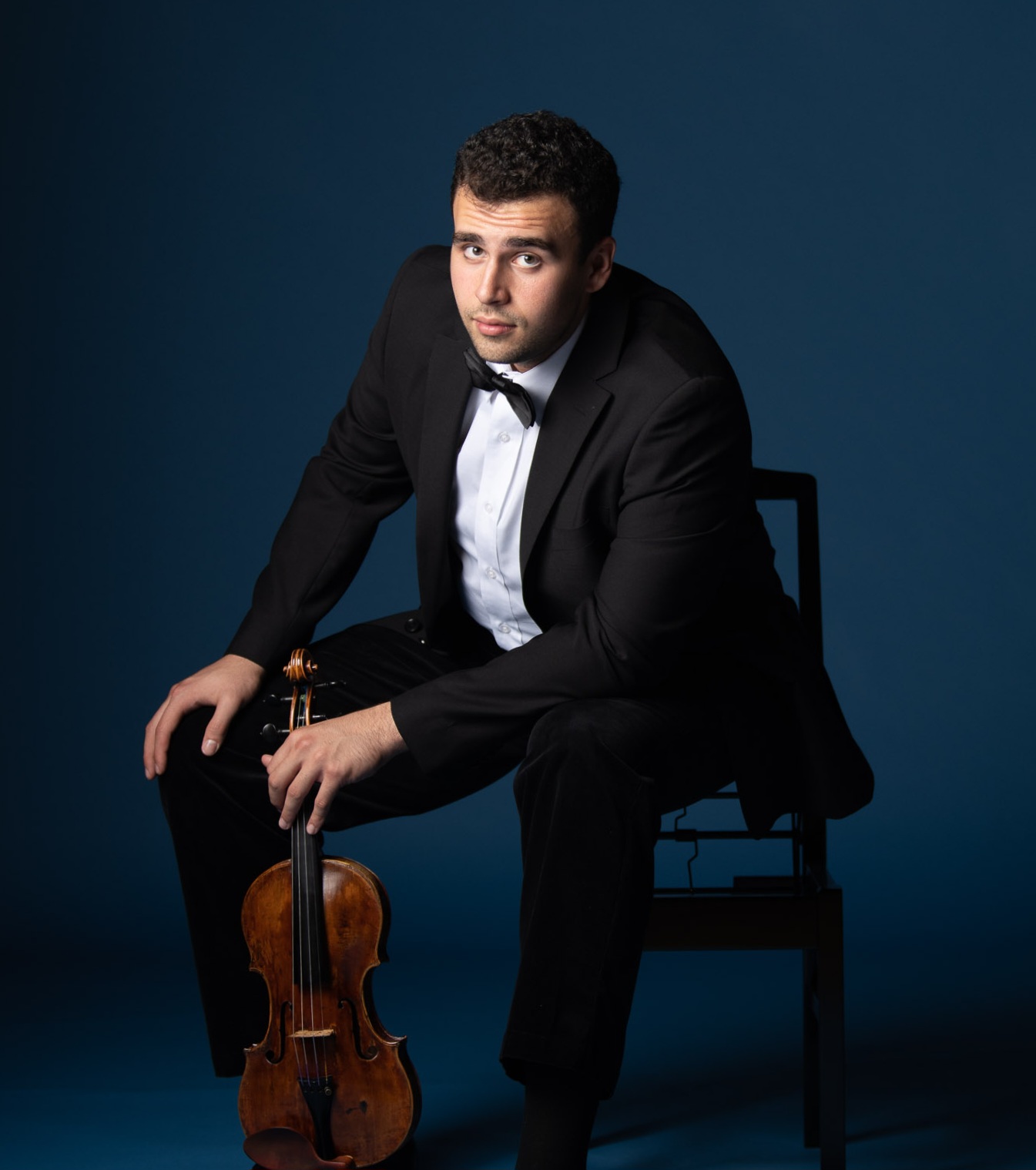
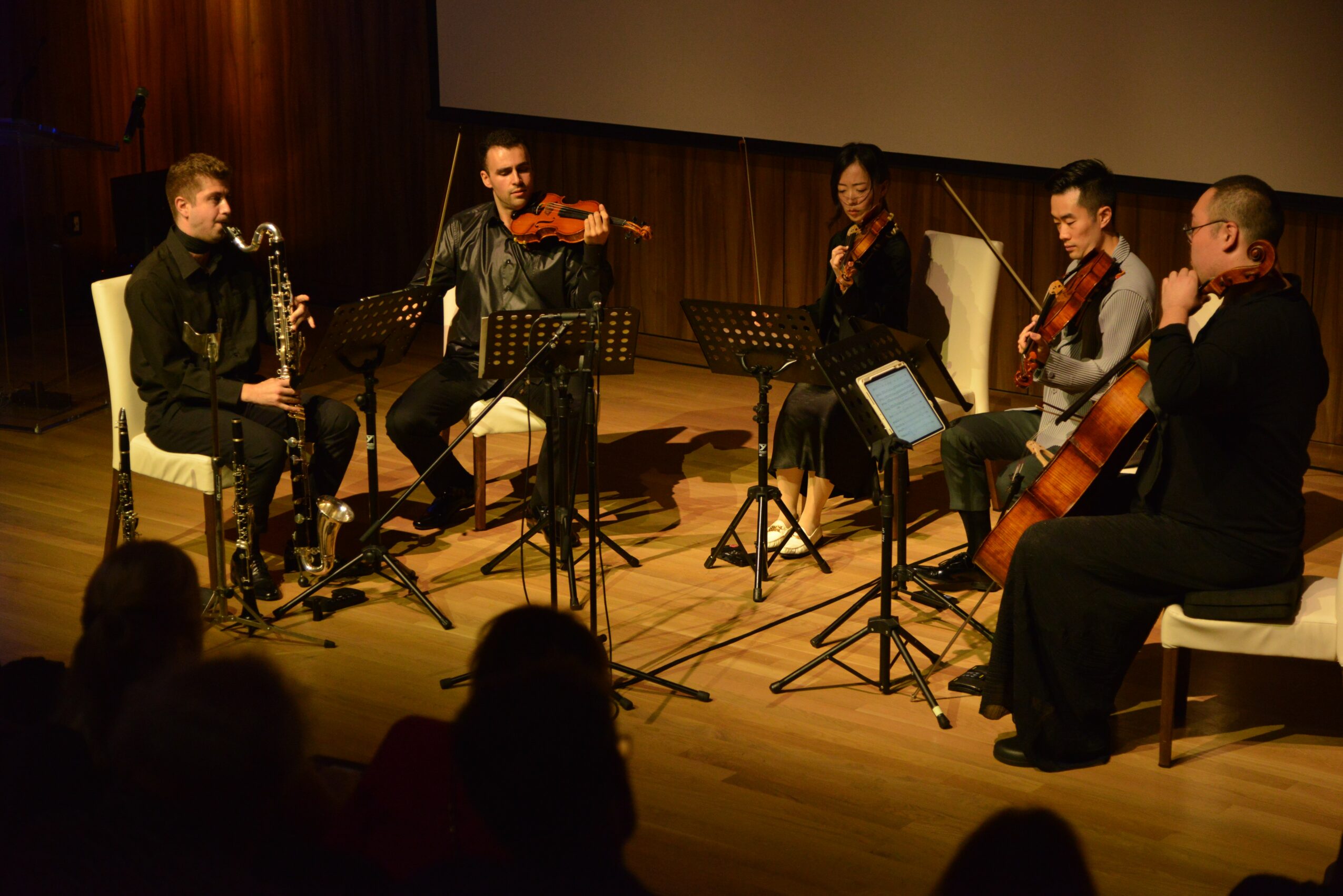
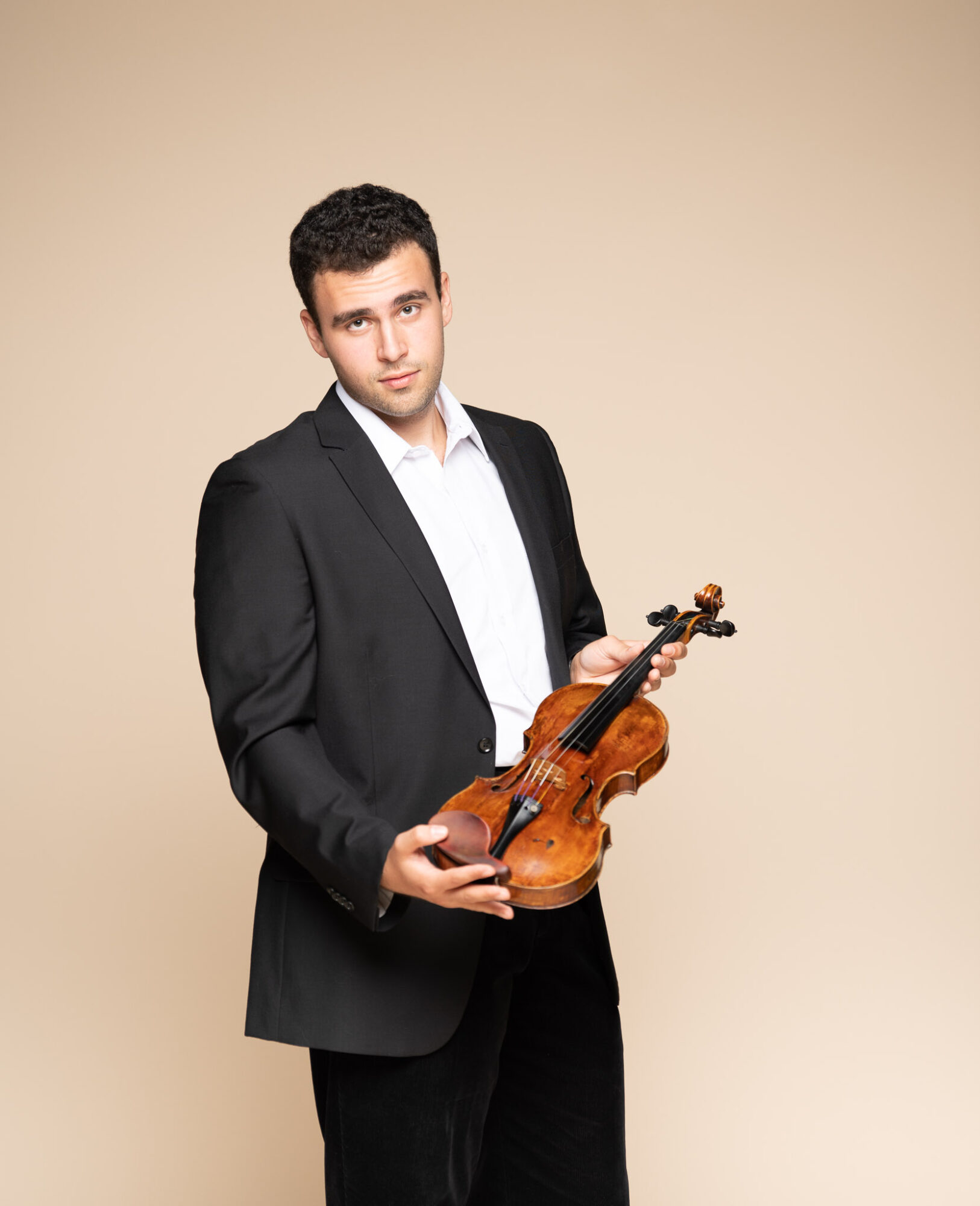
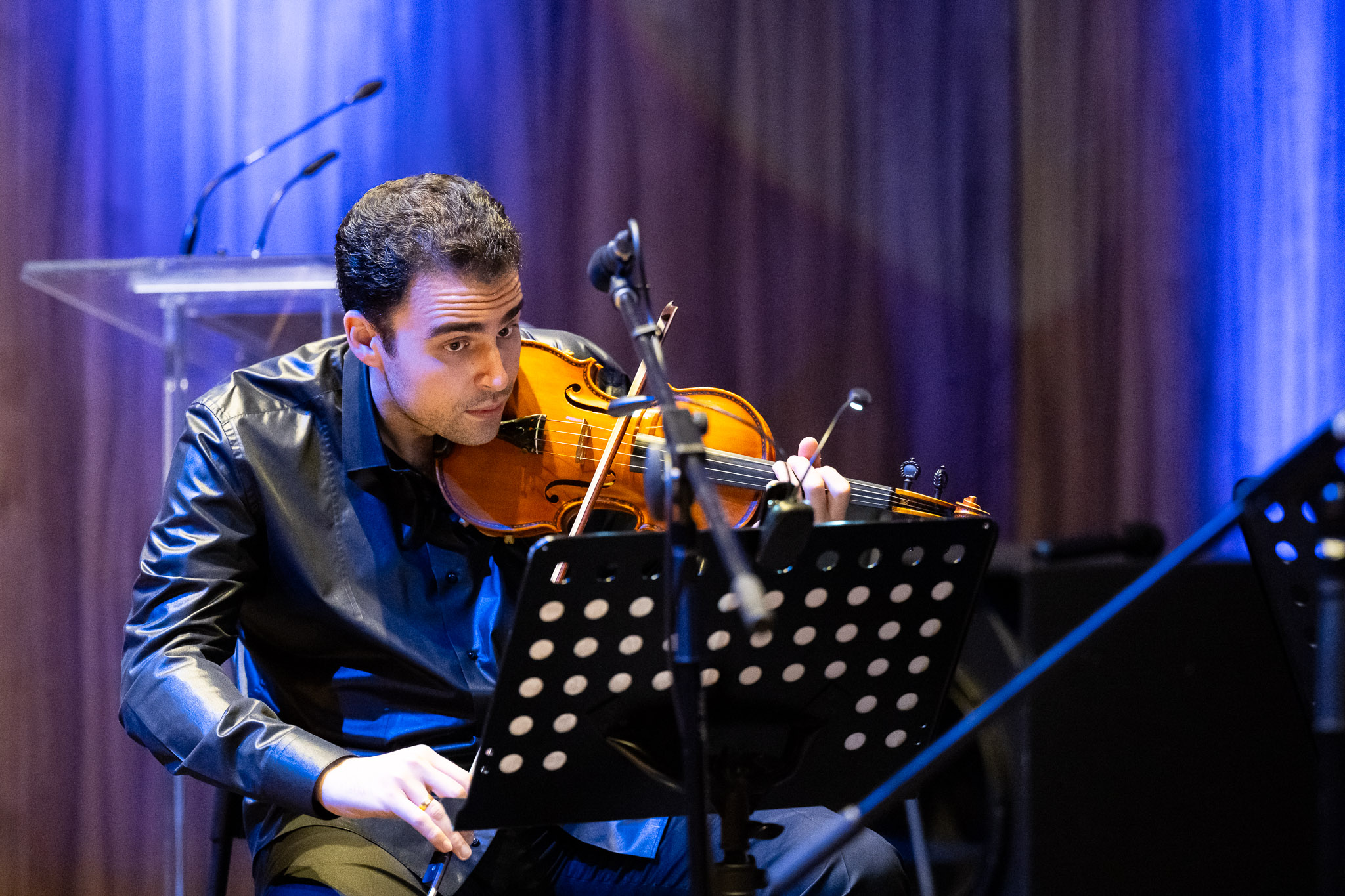
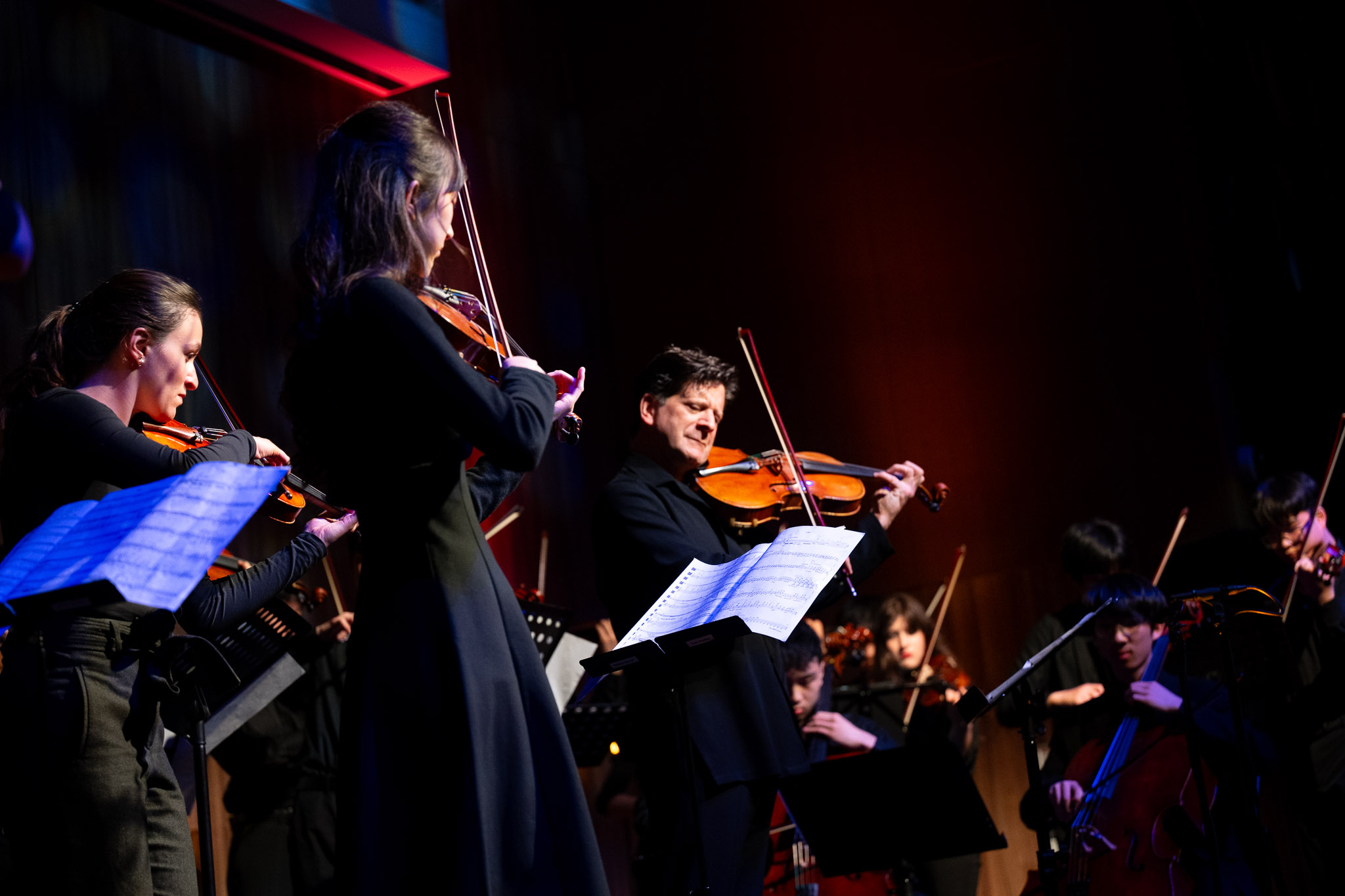
Image Credits
Stuart Lowe