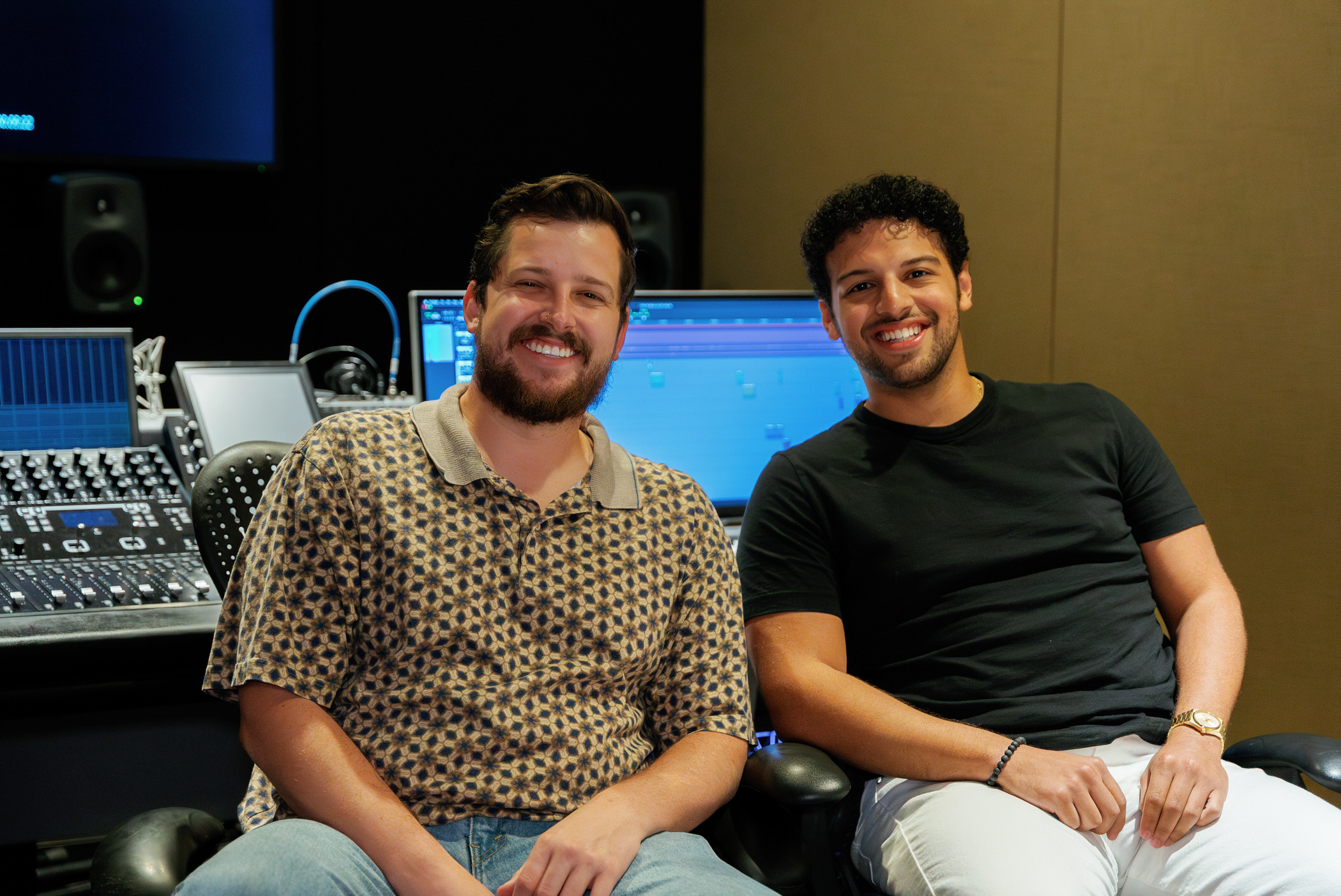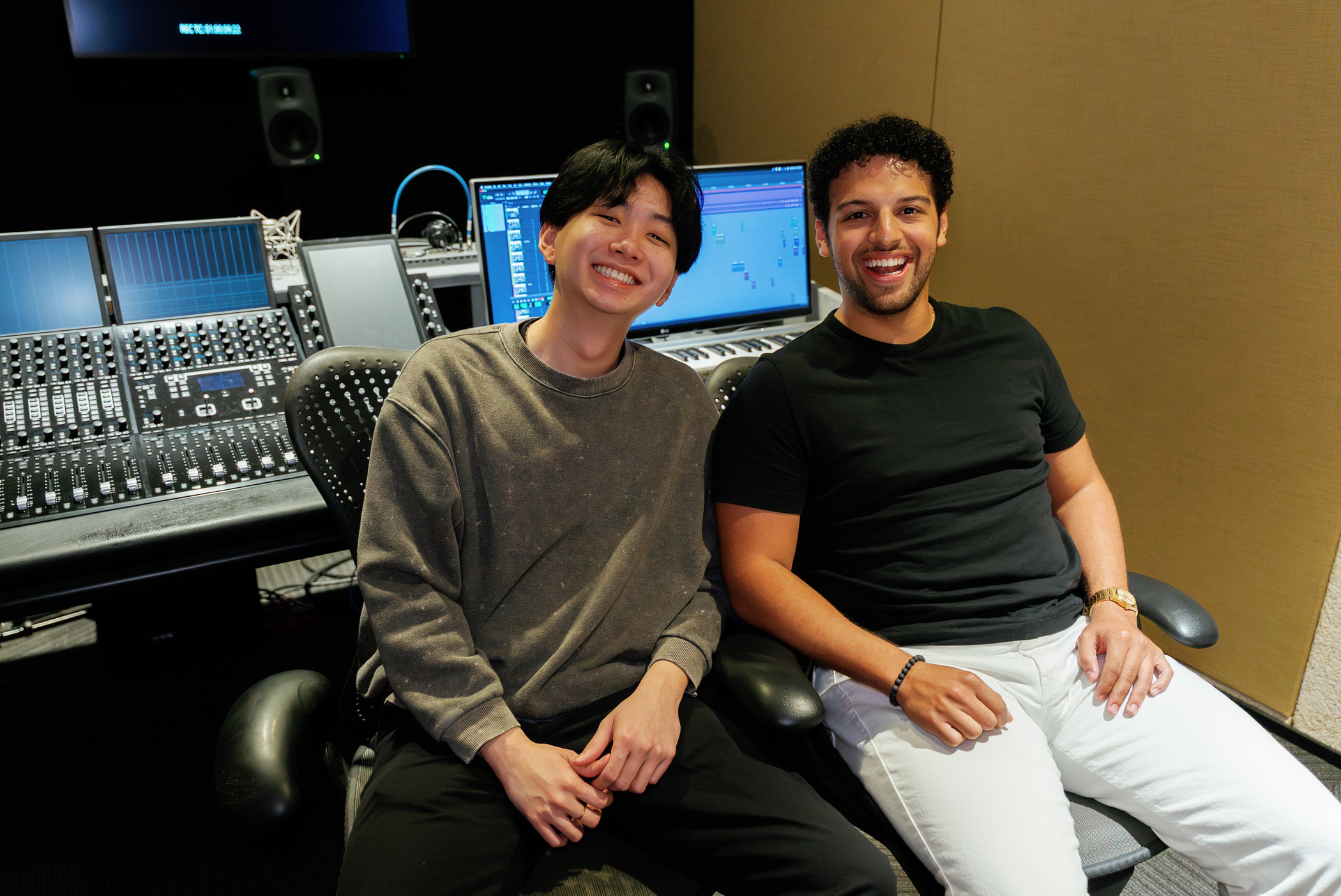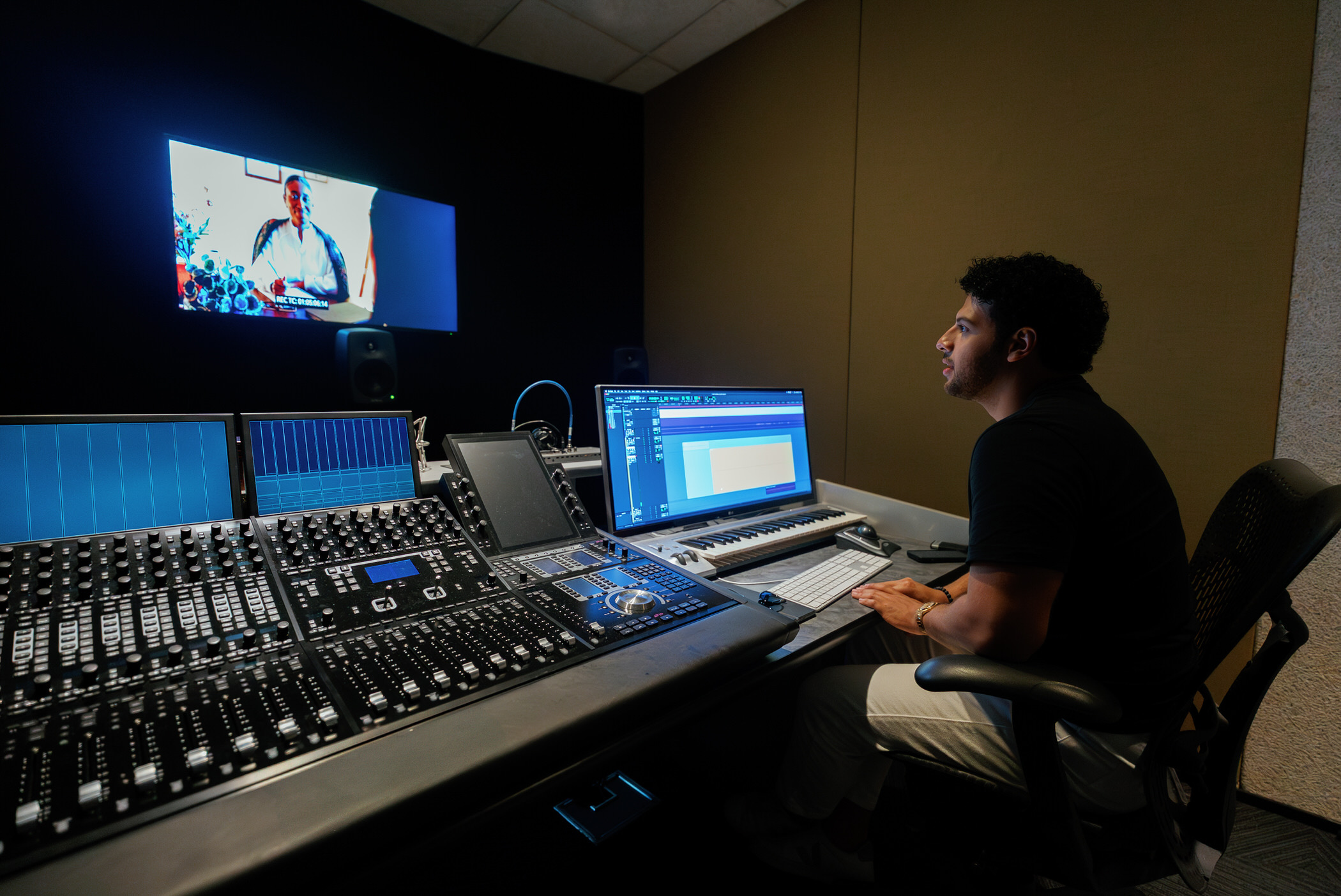



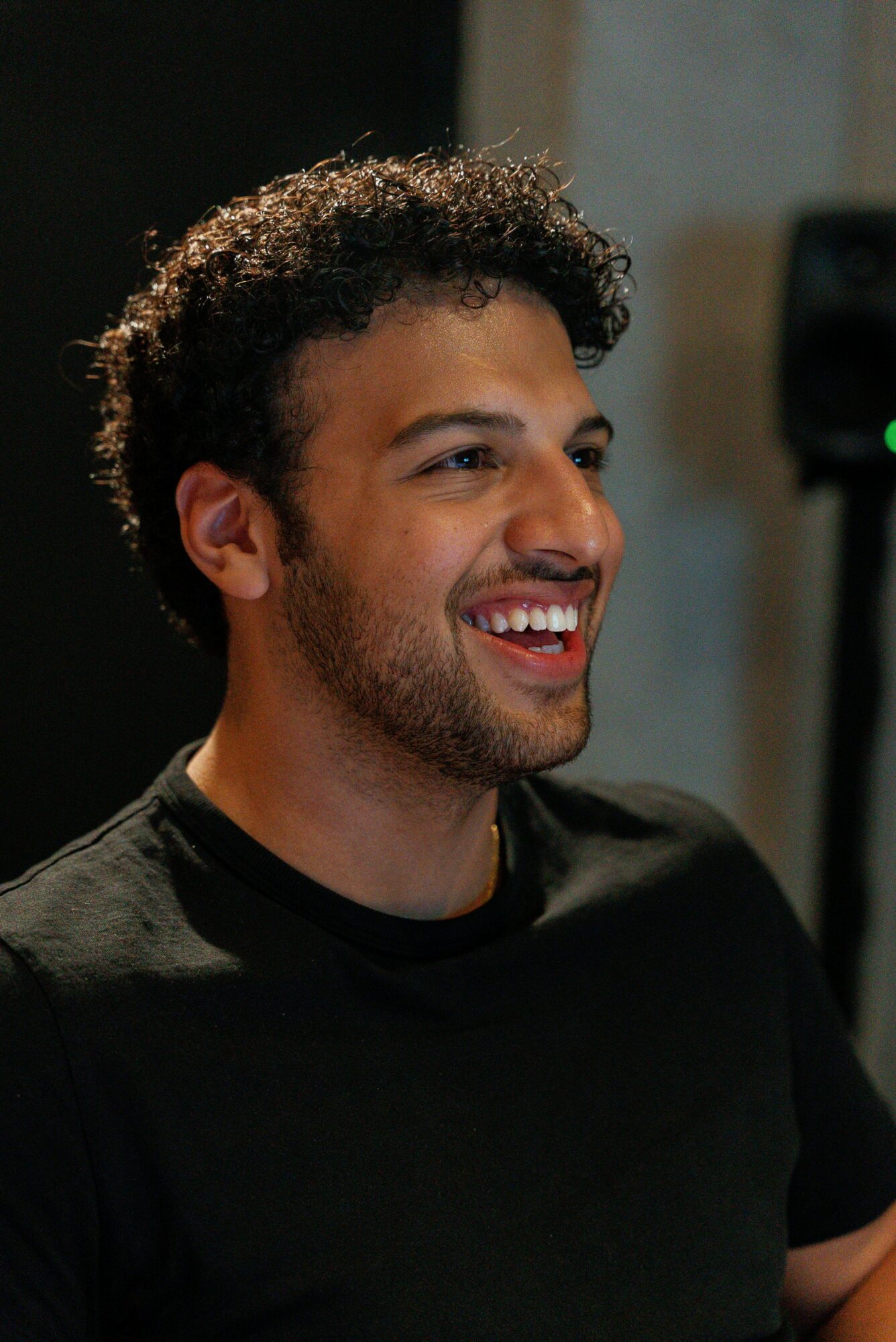
Today we’d like to introduce you to Santiago Torres.
Hi Santiago , so excited to have you with us today. What can you tell us about your story?
My passion for music started at a very young age. My mom always tells me that even when I cried or screamed as a baby, somehow I would do it in pitch. She took that as a sign pretty early on, and by the time I was four, she had enrolled me in piano and singing lessons.
I grew up in New York, and music quickly became a huge part of my childhood. I picked up the saxophone in elementary school, joined choirs and jazz bands, and competed in music competitions. Whenever my parents asked what I wanted to be when I grew up, my answer was always the same: I wanted to be a musician. At one point, my dad even printed out an entire list of possible careers for me to consider. It didn’t matter—I still chose music.
My family eventually moved to Austin, and around middle school, my relationship with music started to change. I didn’t just want to perform anymore; I wanted to create something of my own. I didn’t really know what that career looked like yet, so I decided I wanted to become a music producer. I taught myself production through YouTube, starting with house and EDM before branching into hip-hop, R&B, and other genres and eventually working with local artists.
I loved producing, but I always felt like I was writing within whatever genre or sound was current rather than finding something that completely clicked with me.
After high school, I packed my things and moved from Austin to Orlando to attend Full Sail University and study music production. Early in the program, I took a class on writing music for media. One of our assignments involved scoring a mock commercial to picture, and I remember finishing it and immediately feeling something different. For the first time, I could actually see what my music was doing to a story—how it could change the way you interpreted an image, a character, or an emotion.
I was hooked. After that, I probably tormented my professors with questions. I wanted to understand how you translate what’s happening on screen into music, why certain sounds change the emotion of a scene, and how you know when the music should lead or when it should get out of the way.
Film composition gave me the creative freedom I had been looking for. I didn’t have to be an EDM producer, a hip-hop producer, an orchestral composer, or anything else. Every project could call for something completely different. The genre wasn’t the point anymore—the story was.
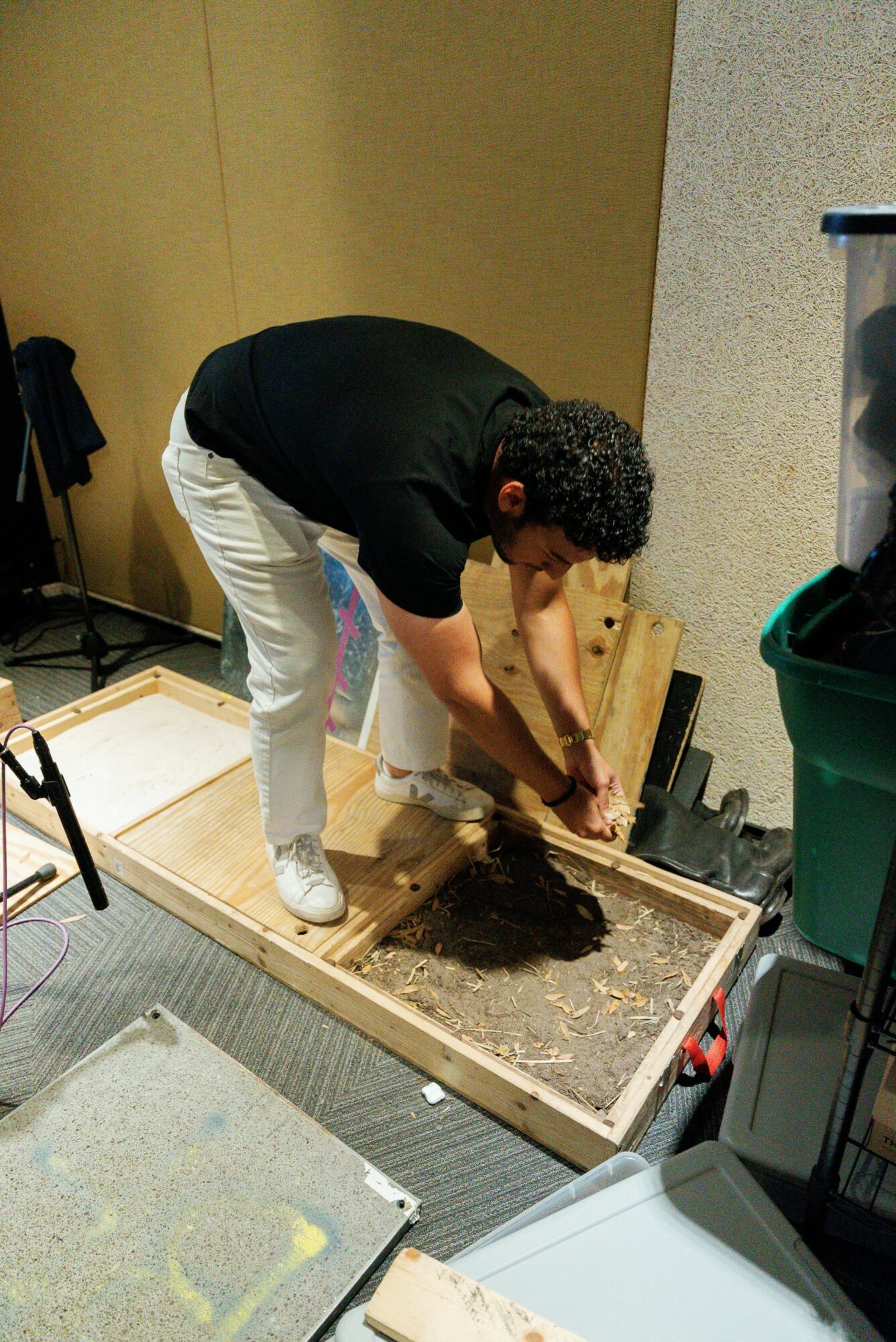
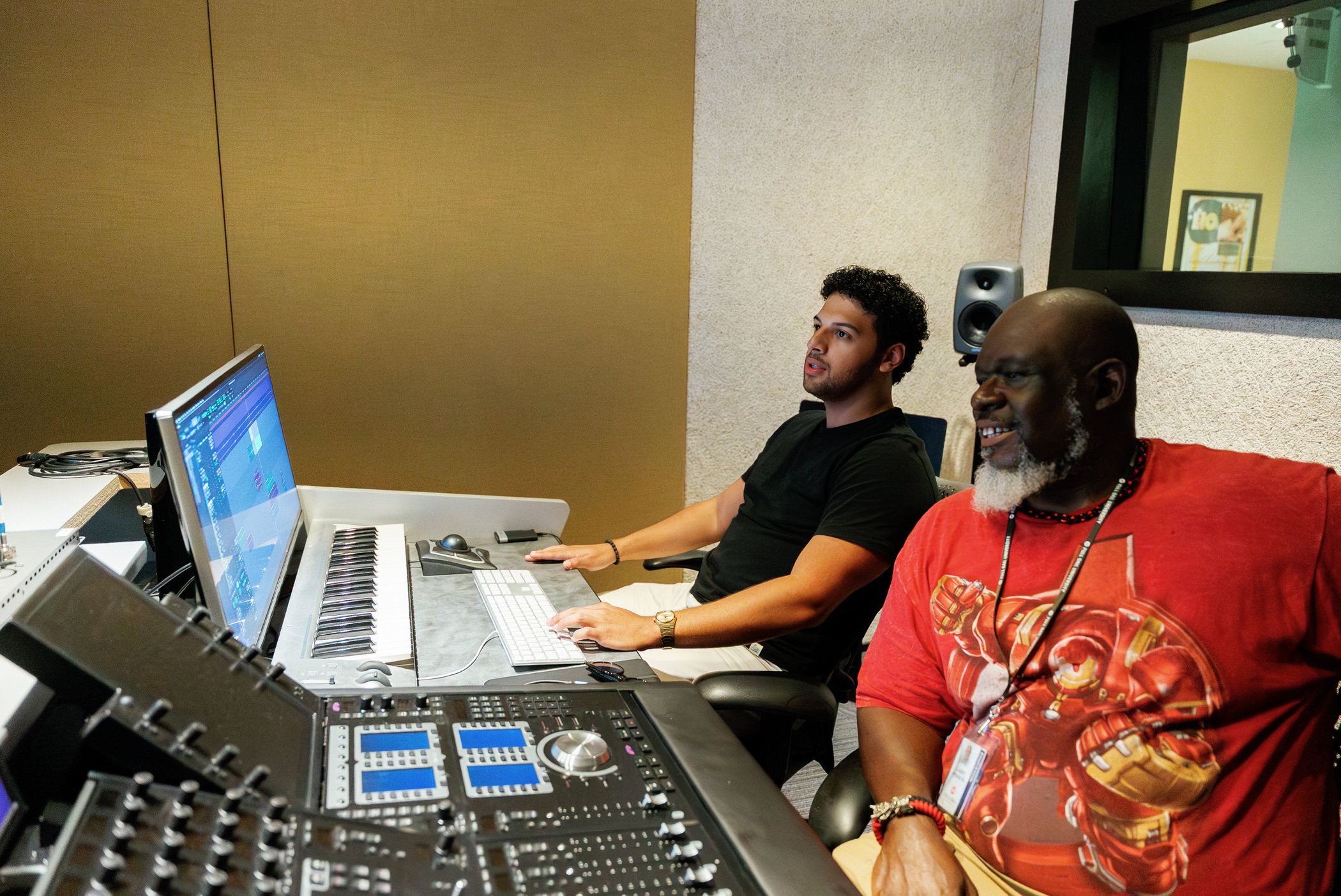
At the same time, I became more interested in audio engineering. I understood engineering from the music side, but I wanted to understand how sound worked across an entire film. After graduating, I reached out to Full Sail’s film department and had the opportunity to intern and learn on their Dolby Atmos dub stage. That experience opened up an entirely different side of film for me: re-recording, dialogue, Foley, ADR, ambience, sound design, and how all of those elements work alongside music to create a film’s soundtrack.
As I started working professionally with filmmakers, one of the people I constantly turned to was my former instructor, Chris Kline. While scoring a horror film early in my career, I started reaching out to him regularly for guidance. I would send him scenes, ask what he thought, and constantly pick his brain. He was always willing to give me the feedback I needed—sometimes telling me something worked, and sometimes very plainly telling me that it didn’t. Over time, he became a mentor to me, and we developed a really strong creative relationship.
Not long after that, I founded ScoreHaus. The idea was to bring together everything I had fallen in love with—film composition, music production, sound design, and audio post-production—under one roof. I wanted to build a team that could think about the entire sonic identity of a project rather than treating music and sound as two completely separate worlds.
One of my favorite parts of building ScoreHaus has been the people I’ve gotten to build it with. Chris eventually joined the company, and through him, other people who had once been my instructors at Full Sail became collaborators. My graduating class was only five people, so we were all pretty tight-knit, and one of my classmates, Freddie Jacobs, eventually joined us as well. Freddie and I used to sit in the same classes, write music together, and probably drive Chris crazy with questions. Now we all get to work together.
Eventually, I moved back to Austin, where I had first started producing years earlier, and continued building ScoreHaus here. Today, we work with filmmakers and creatives across original music and audio post-production while continuing to grow the team and the kind of work we take on.
In a lot of ways, I still feel like the four-year-old who only knew that he wanted to make music. I just understand why now. For me, it was never really about fitting into one genre or having one specific title. It was about telling stories through sound. That’s ultimately what led me to film, and it’s what we’re continuing to build ScoreHaus around today.
Alright, so let’s dig a little deeper into the story – has it been an easy path overall and if not, what were the challenges you’ve had to overcome?
Definitely not. I think one of the biggest challenges has been learning that being good at the creative side of this industry is only part of the job. When I first started, I thought that if I worked hard enough at composing and engineering, everything else would naturally follow. In reality, building a career in film and music also means learning how to find opportunities, build relationships,
communicate with directors and clients, handle the business side, and stay consistent when work itself isn’t always consistent.
There have definitely been periods where I’ve questioned whether I was moving fast enough or doing enough. Creative industries can be unpredictable. You can finish a project you’re incredibly proud of and then immediately find yourself wondering what the next one is going to be. A lot of opportunities also take much longer to develop than you expect, so learning to be patient while still actively creating opportunities for yourself has been a big lesson.
Starting ScoreHaus brought a completely different set of challenges. I went from thinking primarily as a composer and engineer to also having to think about clients, contracts, budgets, deadlines, building a team, and where we wanted the company to go. There’s no class that completely prepares you for figuring all of that out while still trying to do your best creative work.
But I think those challenges have made me much more adaptable. If I don’t know how to do something, my instinct has always been to figure it out, ask questions, find people who know more than I do, and learn from them. That’s basically how I taught myself production when I was younger, how I found my way into film scoring and audio post, and how I’ve approached building ScoreHaus. I’m still learning constantly, and I don’t think that part ever really stops.
Alright, so let’s switch gears a bit and talk business. What should we know about your work?
I’m a film composer and re-recording engineer, and most of my work focuses on original music and audio post-production for film. I specialize in horror, thriller, suspense, drama, and atmospheric sound design, where I get to use music and sound to shape tension, atmosphere, and emotion. Through ScoreHaus, my team and I work with filmmakers across original music, sound design, dialogue, Foley, and final mixing. We’ve also expanded into production music through the ScoreHaus library, creating original collections that filmmakers and creatives can license for their own projects.
Working in both music and audio post has shaped the way I approach a film. I don’t really see them as two separate things. Sometimes a scene needs music, sometimes it needs sound design or ambience, and sometimes the best choice is to leave space and let it breathe. Everything has to serve the story.
I’ve been fortunate enough to work on projects that have premiered at festivals such as SXSW and gone on to platforms like Prime Video. I’ve also had my work recognized with a Best Sound nomination at the Orlando International Film Festival, which meant a lot to me because audio post is such a big part of what I do alongside composing.
What I’m most proud of is building ScoreHaus and the team behind it. I get to work with people I genuinely trust creatively, including some of the same people who taught me and came up alongside me. We all bring different strengths to the table, but we share the same goal: figuring out what each project needs and making it the best we can.
I don’t necessarily want every project I touch to have a recognizable “Santiago sound.” I’d rather people recognize the attention to the story. Every film and every director is different, and finding the right sonic identity for each one is probably my favorite part of the work.
Is there something surprising that you feel even people who know you might not know about?
Something most people probably don’t know is how much Coraline influenced me creatively. I’ve loved that movie and its score for years, and it was one of the things that really made me fall in love with how strange, dark, and atmospheric music could completely shape a story. Later, The Queen’s Gambit opened me up even more to orchestral scoring and a different side of writing for picture. Both had a pretty big influence on the kind of composer I wanted to become and, honestly, still influence the kind of work I’m drawn to today.
Contact Info:
- Website: https://scorehaus.com
- Instagram: https://www.instagram.com/sntitrs/
- LinkedIn: https://www.linkedin.com/in/santiagotorres02/