


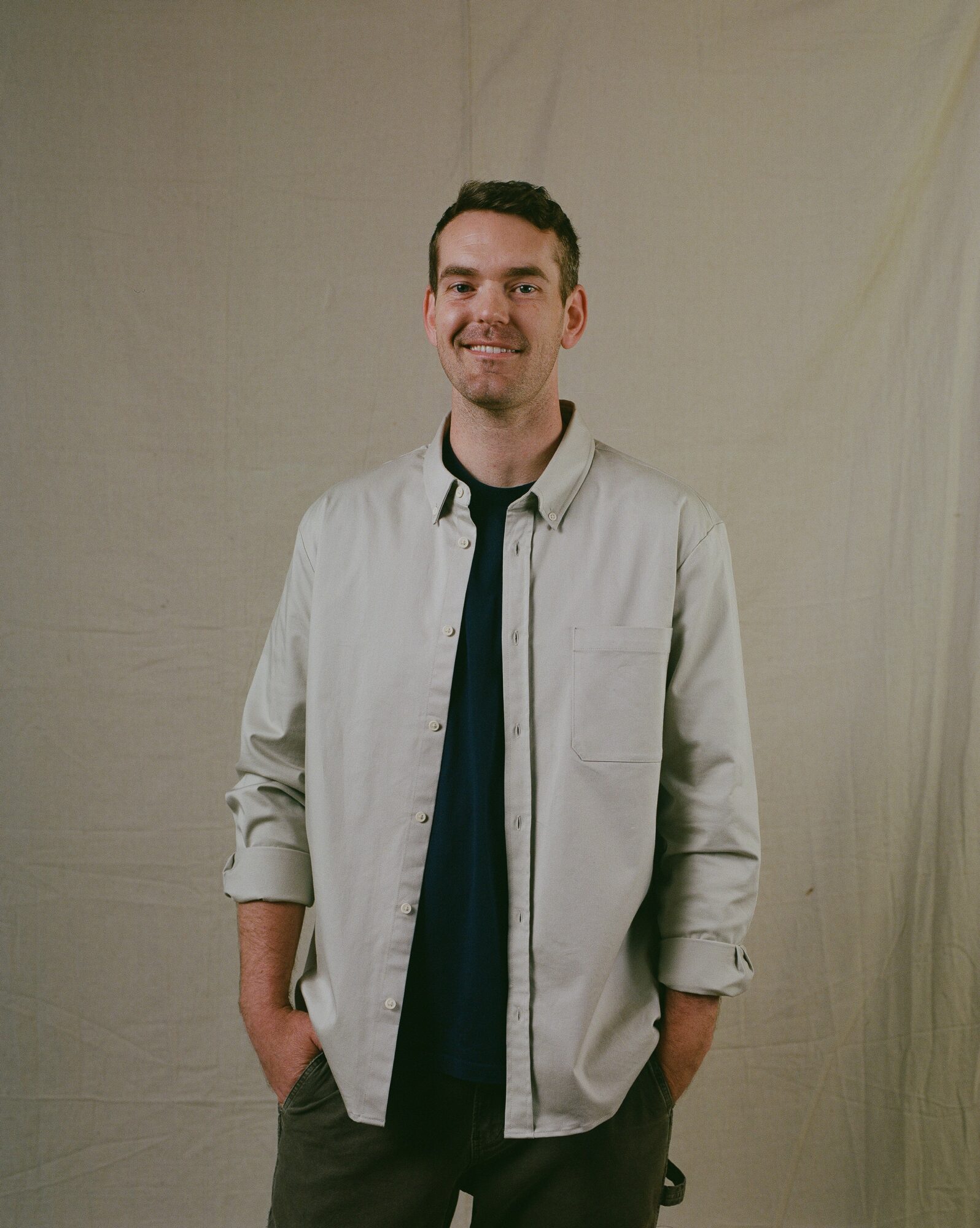
Today we’d like to introduce you to Ryan Mahon.
Hi Ryan, we’d love for you to start by introducing yourself.
I spent about a decade on the product side of menswear and retail, most recently as a product manager at Lululemon, and before that at Williams-Sonoma and Macy’s. Across those roles I saw the whole picture of how clothes get designed, made, priced, and sold at scale. I also saw how much of what gets made is designed to be replaced.
The idea for Waldruh started somewhere much older. My family has had a lake house in the Hudson Valley since 1921. My great-great-grandfather built it by hand and named it Waldruh, German for the kind of quiet you only find deep in the woods, and the name is still carved into the property. A few years ago, while going through old boxes in the garage, I found a box of woven clothing labels dated to the early 1930s, all reading “WALDRUH.” Someone in my family had been sewing that name into their clothes almost a century ago, and that stuck with me. It felt like the right way to honor where I come from and the classic Americana I grew up around.
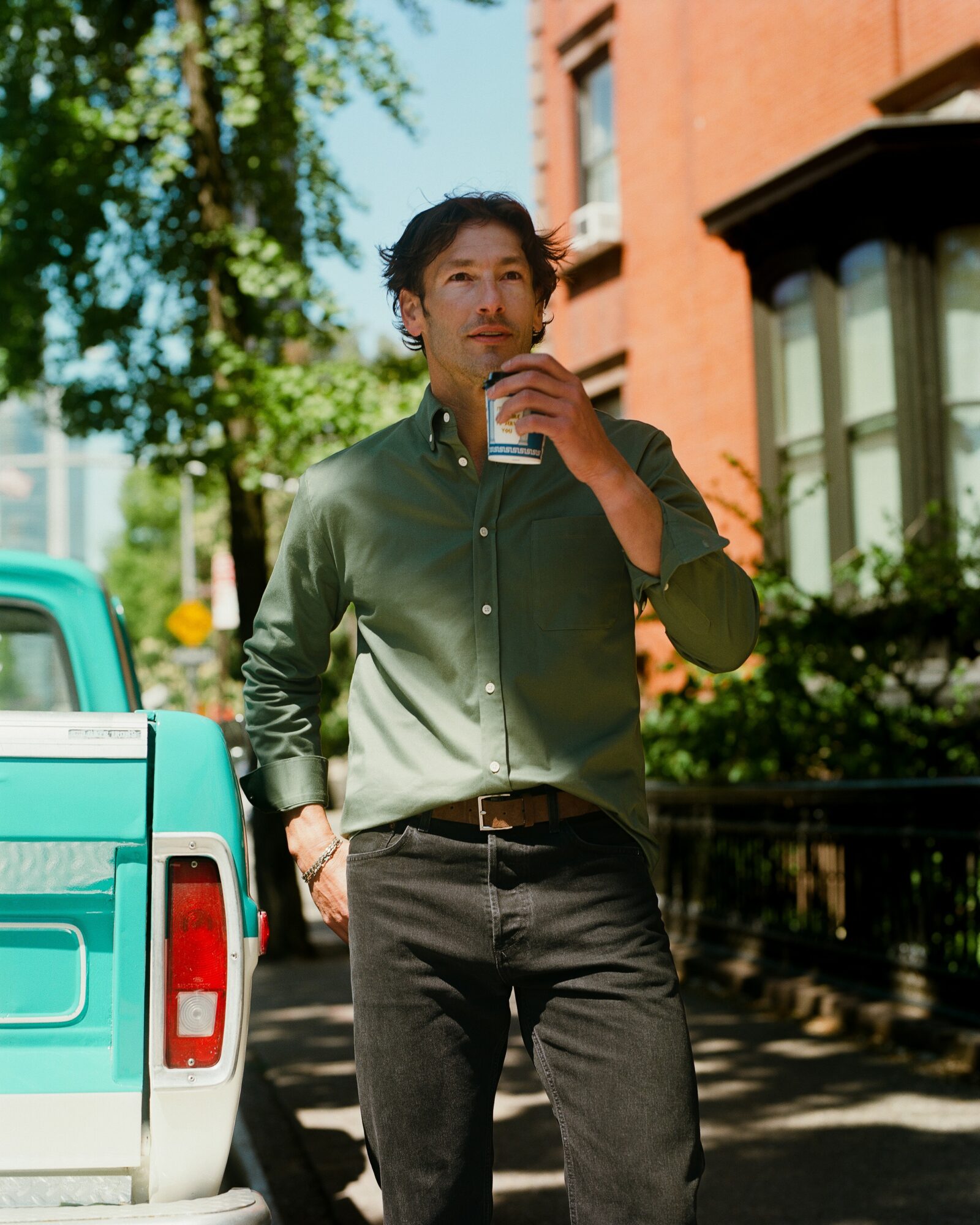
I lived in Brooklyn for a number of years, and that’s where a lot of my style took shape. I started buying less and buying better, looking for pieces that would last. The shirt I wore to the office had to come with me to dinner that night, or upstate on the weekend to a brewery or one of the small towns along the Hudson. That’s the gap I kept seeing: most men don’t want more clothes. They want fewer pieces that do more.
I left Lululemon last year and have spent the months since building Waldruh from scratch in Austin, self-funded. I wanted to start with a tight, intentional collection: two shirts and two pants, sold on their own or as ready-made kits, so a guy who doesn’t want to think about what to wear doesn’t have to. Each piece holds its own, works with the others, and fits into what’s already in your closet. Everything is understated, well made, and built to last.
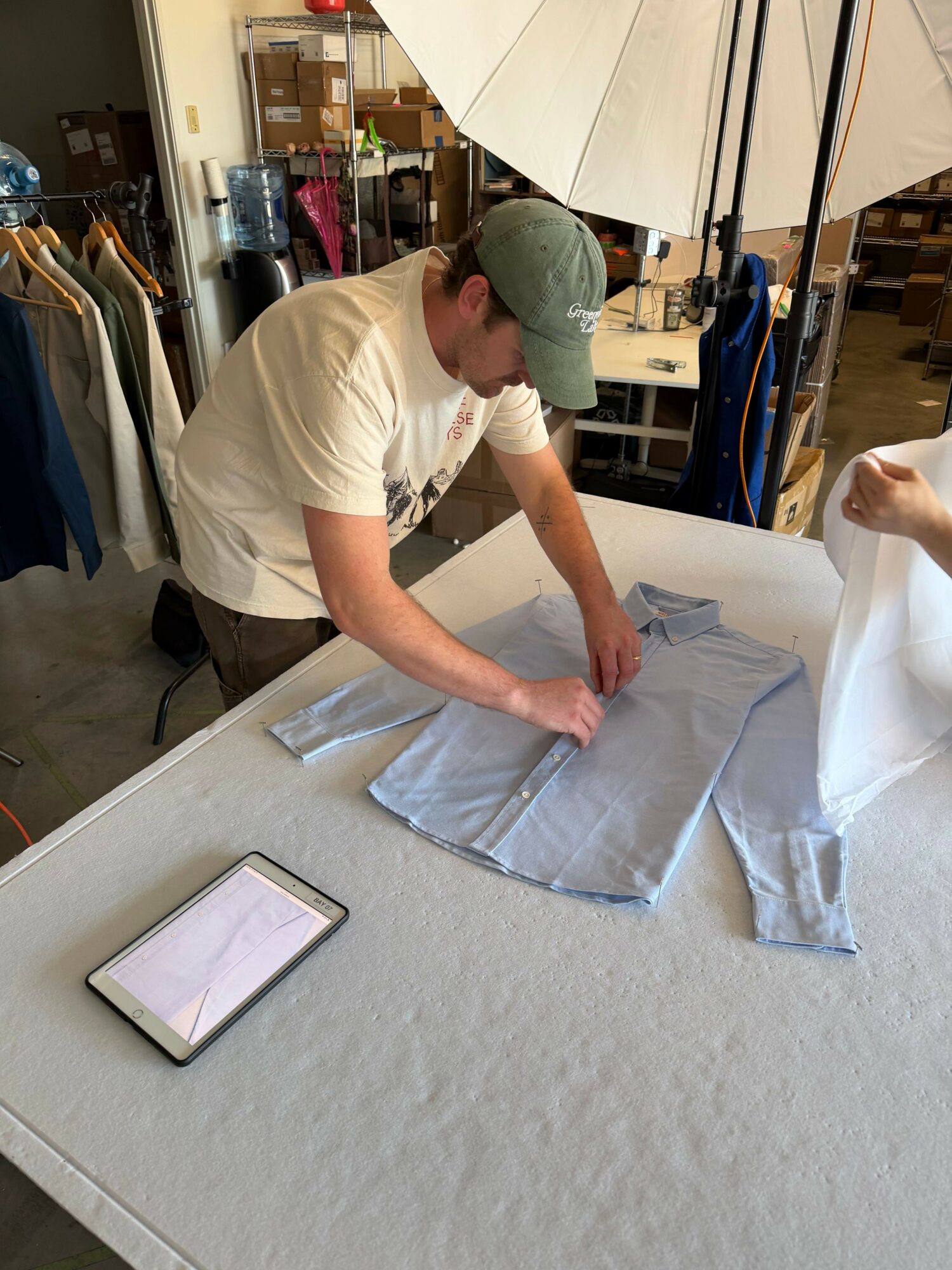
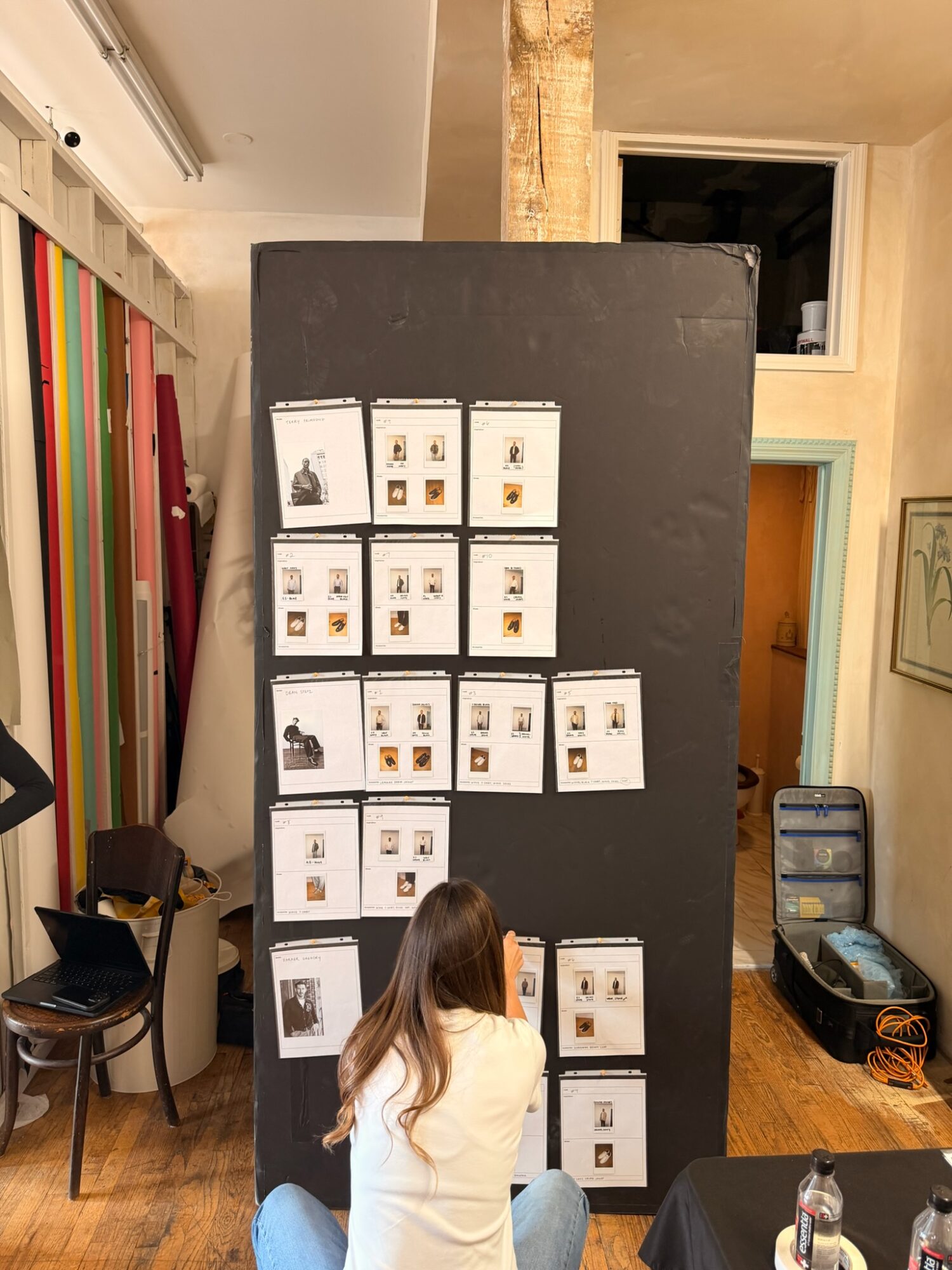
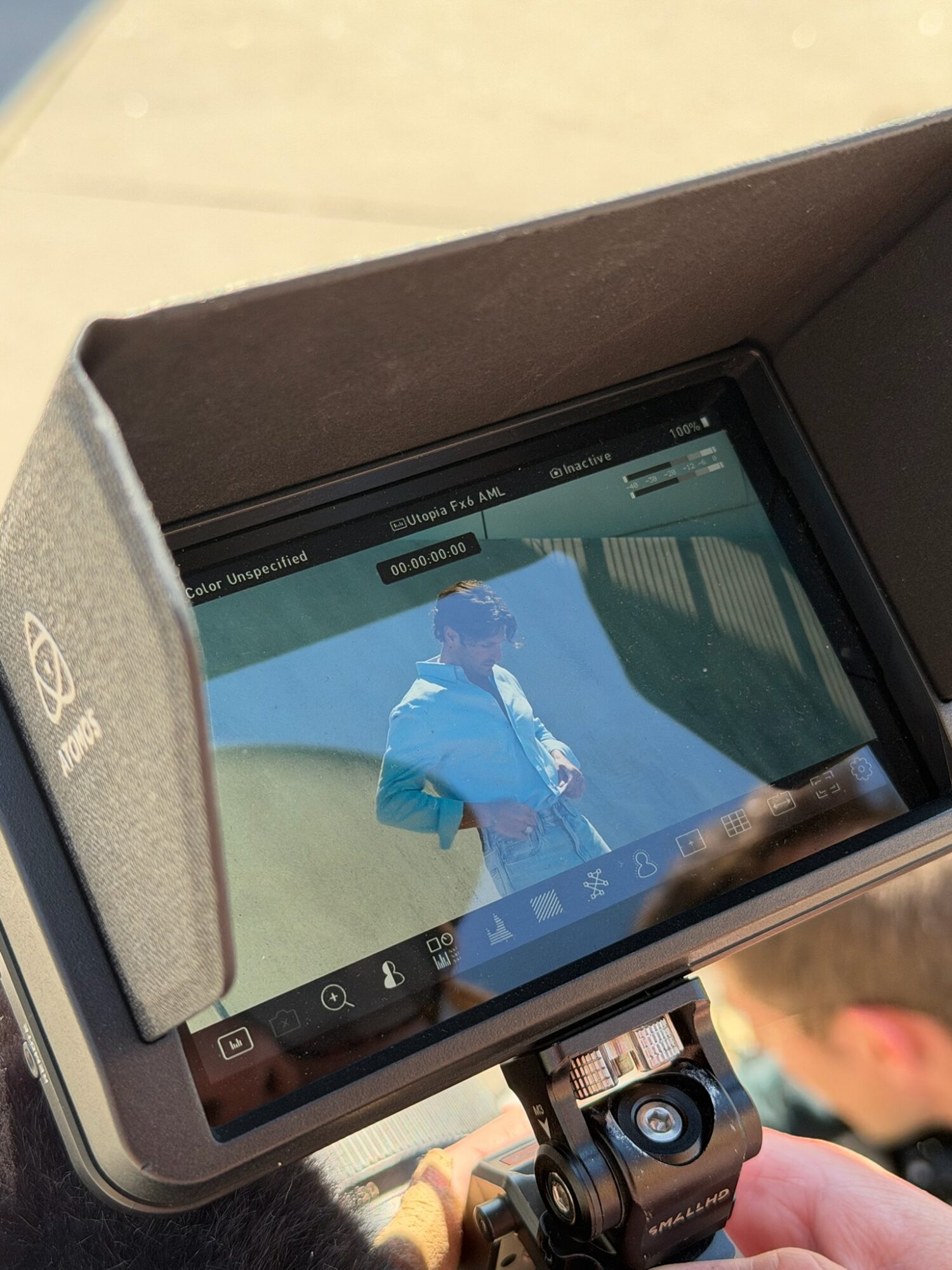
Right now I handle all of it, from fit sessions with my pattern maker and choosing fabrics, trims and manufacturing partners, to coding the website, running photo shoots, marketing, inventory and order packing. It’s a lot, but it means nothing leaves without my eyes on it, from the first pattern to the packed box. I stand behind what I’ve built, and I want to make sure every part of it is executed to perfection.
Alright, so let’s dig a little deeper into the story – has it been an easy path overall and if not, what were the challenges you’ve had to overcome?
No, not even close. Being self-funded means every mistake comes straight out of my own pocket, and there’s no team to hand things off to. At Lululemon, there was a person for every step. Now that person is just me.
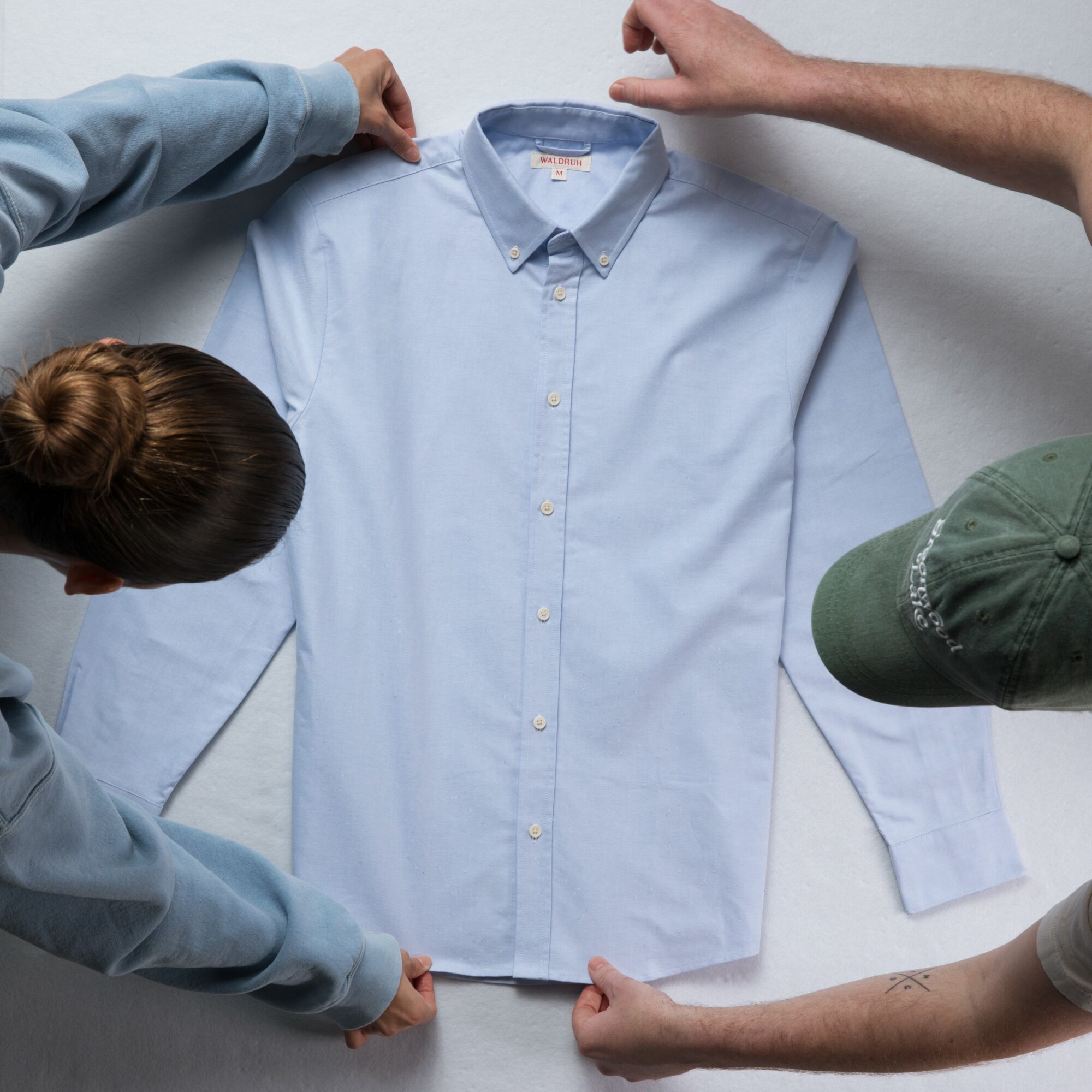
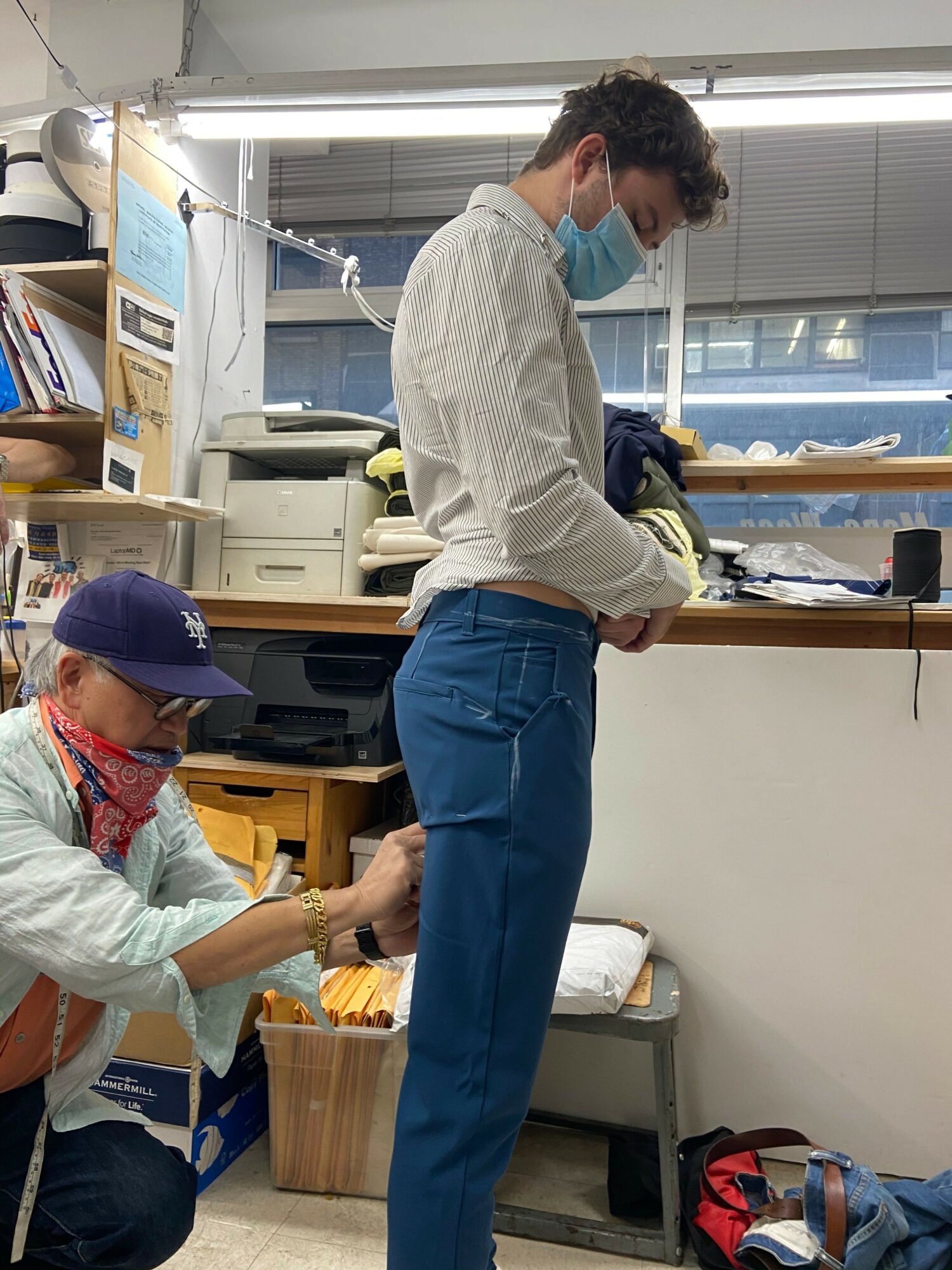
The first production run was the hardest part. Getting patterns and fit right took months of back and forth, and a lot of details that seem small on paper, like a quarter inch on a seam, turn into real problems in the finished product. When our pants came in, they were running long. We caught it in QC, I inspected every pair by hand before anything shipped, and we brought them to a local tailor to fix them (shout-out to Gassane Tailor up in North Austin!). It was definitely not how I pictured launch week to look, but nothing went out the door that I wasn’t happy with.
Freight was another one. A week before launch I was on the phone with an airline cargo desk myself, tracking down a shipment that was supposed to be handled for me. You learn fast that if something matters, you follow up on it yourself.
Honestly, most of the struggle is just the volume. One day I’m writing code for the website, the next I’m packing orders at my kitchen table. It’s a lot, but it’s also been exciting to learn new things early on and have no option but to make pivots quickly and nimbly.
We’ve been impressed with Waldruh, but for folks who might not be as familiar, what can you share with them about what you do and what sets you apart from others?
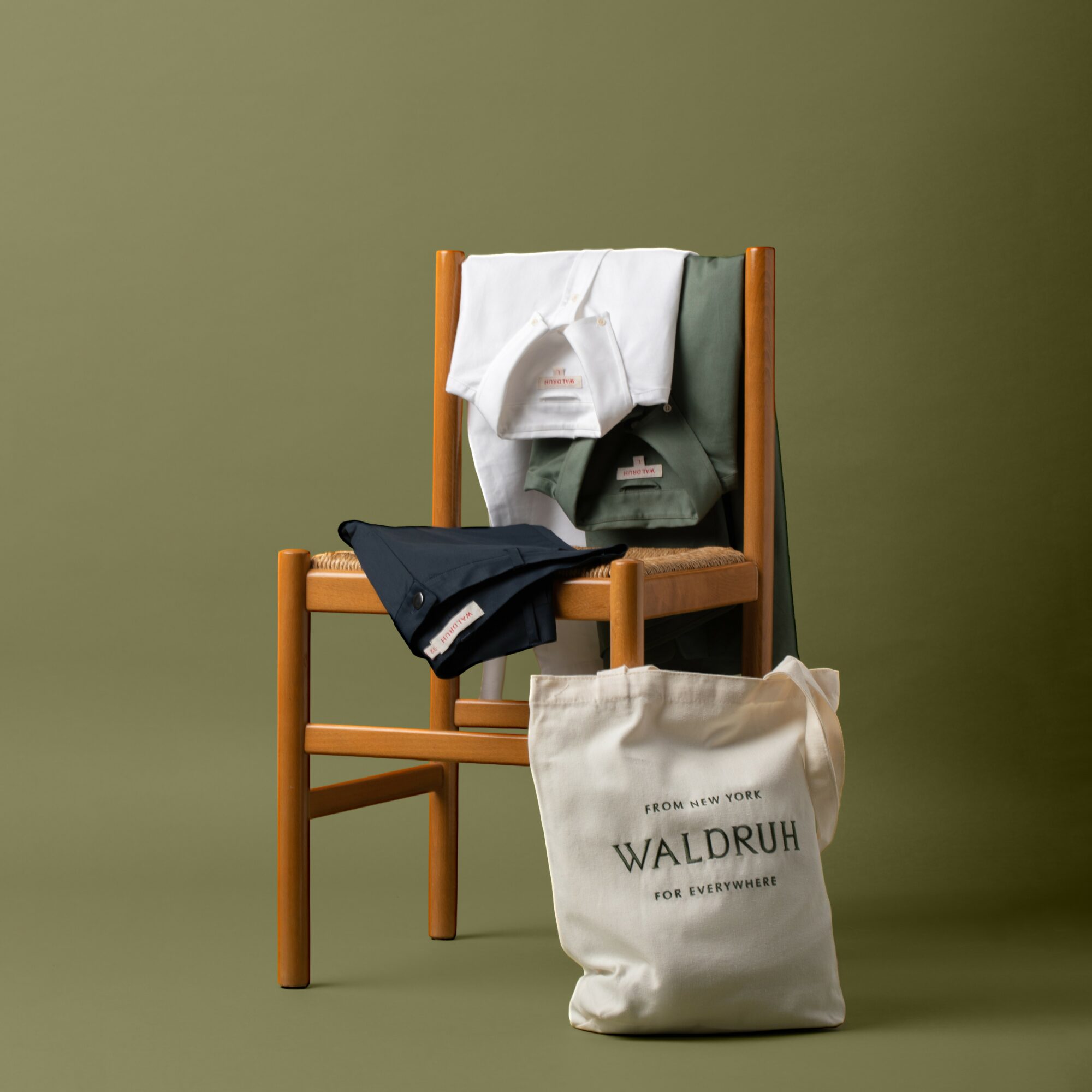
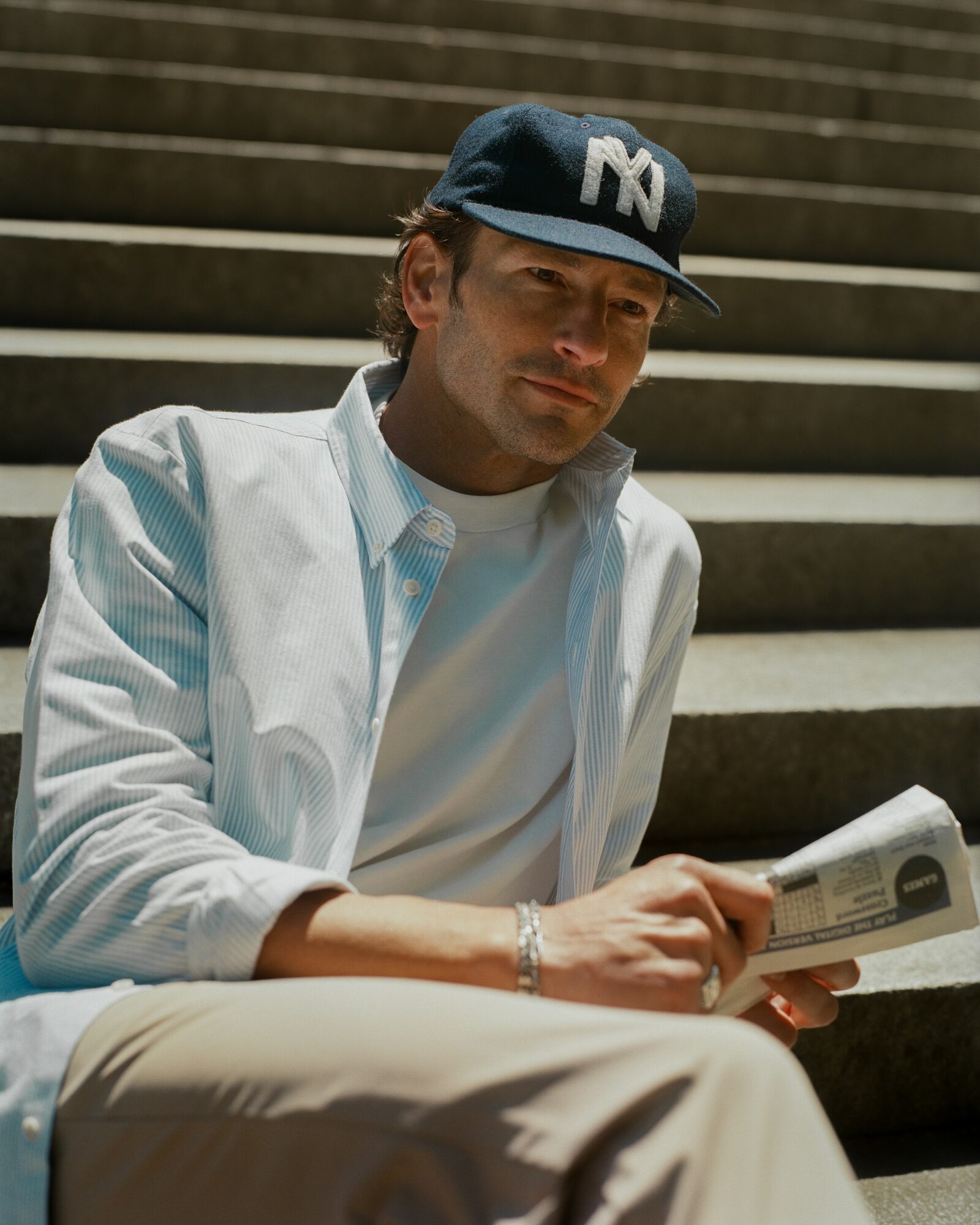
Waldruh makes menswear essentials for guys who want to look put together without thinking about it too much. We launched this August with four pieces: two shirts, the English Standard and the Austin Oxford, and two pants, the Driggs 5-Pocket and the Welt Trouser. Everything is designed to work together, and to work across your whole week. The same shirt should be fine at the office Monday morning, at Thursday night dinner, and at the park on a Saturday.
What sets us apart is the kits. You can buy anything on its own, but we also put together complete outfits (the Commuter, the Date Night, the Professional, the Weekender) so if you don’t know what goes with what, we’ve already done that for you. Two shirts and a pair of pants for $275.
We’re small on purpose. I’d rather make a handful of things really well than fill a site with options. Every piece went through multiple rounds of fit sessions before it went into production, and I still look at almost everything before it ships.
What I’m most proud of is the name. Waldruh comes from decades of family history in the Hudson Valley, starting with my great-great-grandfather and great-grandfather, who built something together that has lasted generations. Finding those old labels with our name on them is the reason this brand exists. Putting it back on clothes almost a hundred years later means a lot to me.
Where do you see things going in the next 5-10 years?
I think guys are going to continue leaning towards buying less and expecting more from what they do buy. People are tired of clothes that fall apart after a season, and tired of scrolling through hundreds of options to find one shirt. That’s good news for smaller brands that do a few things well.
On the business side, it’s getting more expensive to make and ship clothes. Tariffs have changed the math for a lot of brands, especially small ones, and I think you’ll see tighter collections and fewer new styles every season because of it. But I honestly don’t think that’s a bad thing – it’s just going to require brands and consumers to be more intentional.
The other shift is in how brands find customers. Online ads keep getting more expensive, so word of mouth and actually knowing your customer matters more than ever. The big brands have the budgets, but a small brand with a real story and a founder people can talk to has an advantage. I think the next ten years belong to brands that people actually feel connected to, not the ones with the biggest ad spend or the ones pushing endless AI-generated content at you.
Pricing:
- Shirts (English Standard & Austin Oxford): $95
- Pants (Driggs 5 Pocket & Welt Trouser): $110
- Kits (2 shirts + 1 pant): $275, a $25 savings over buying separately
Contact Info:
- Website: https://shopwaldruh.com/
- Instagram: https://www.instagram.com/shopwaldruh/
- Facebook: https://www.facebook.com/shopwaldruh
- LinkedIn: https://www.linkedin.com/company/waldruh/
- Other: https://www.tiktok.com/@shopwaldruh