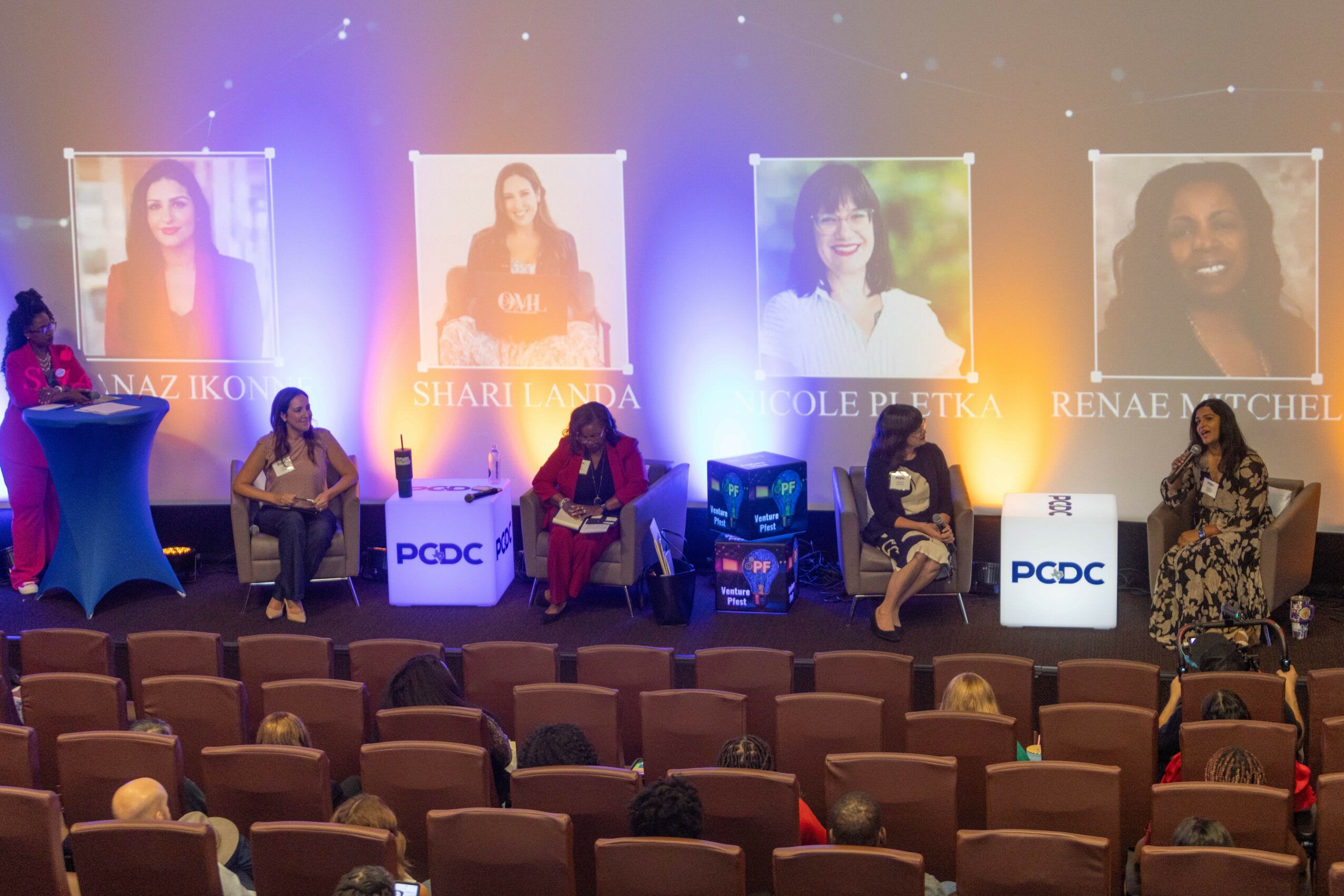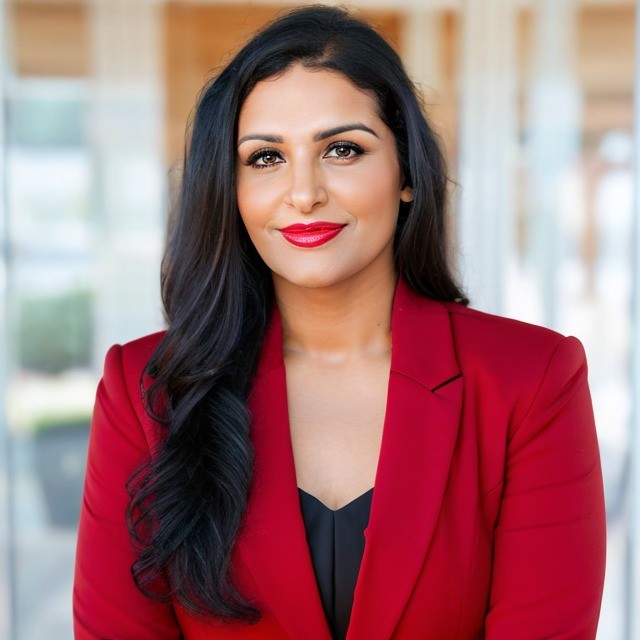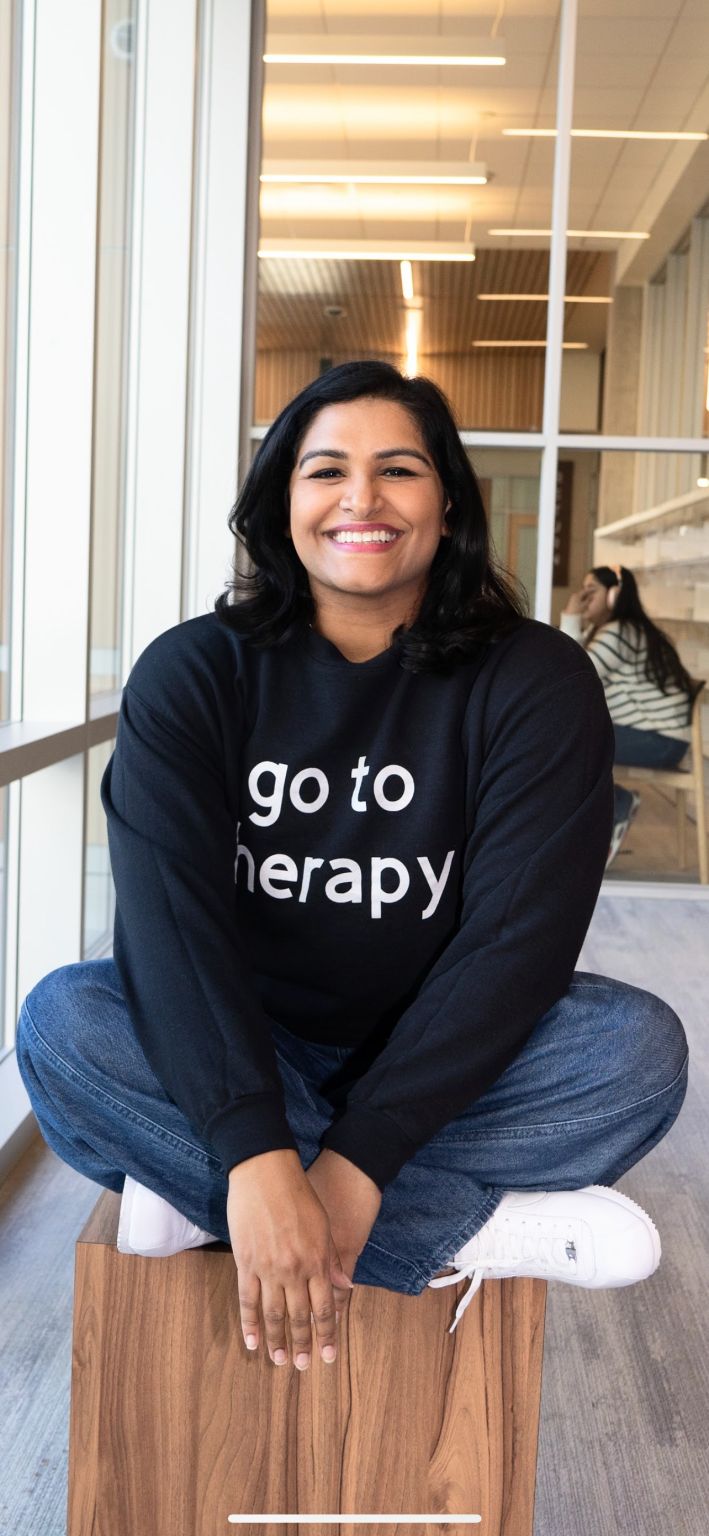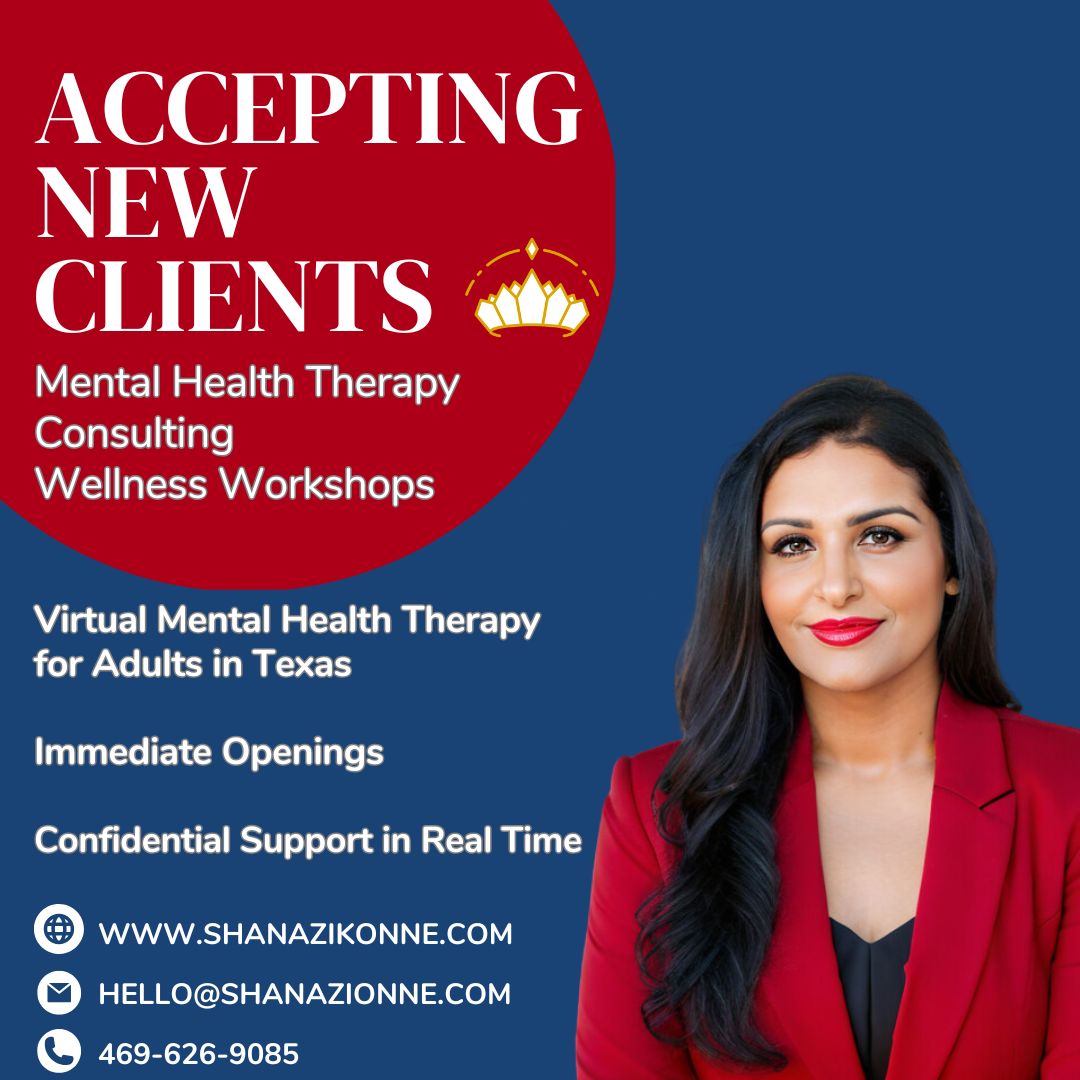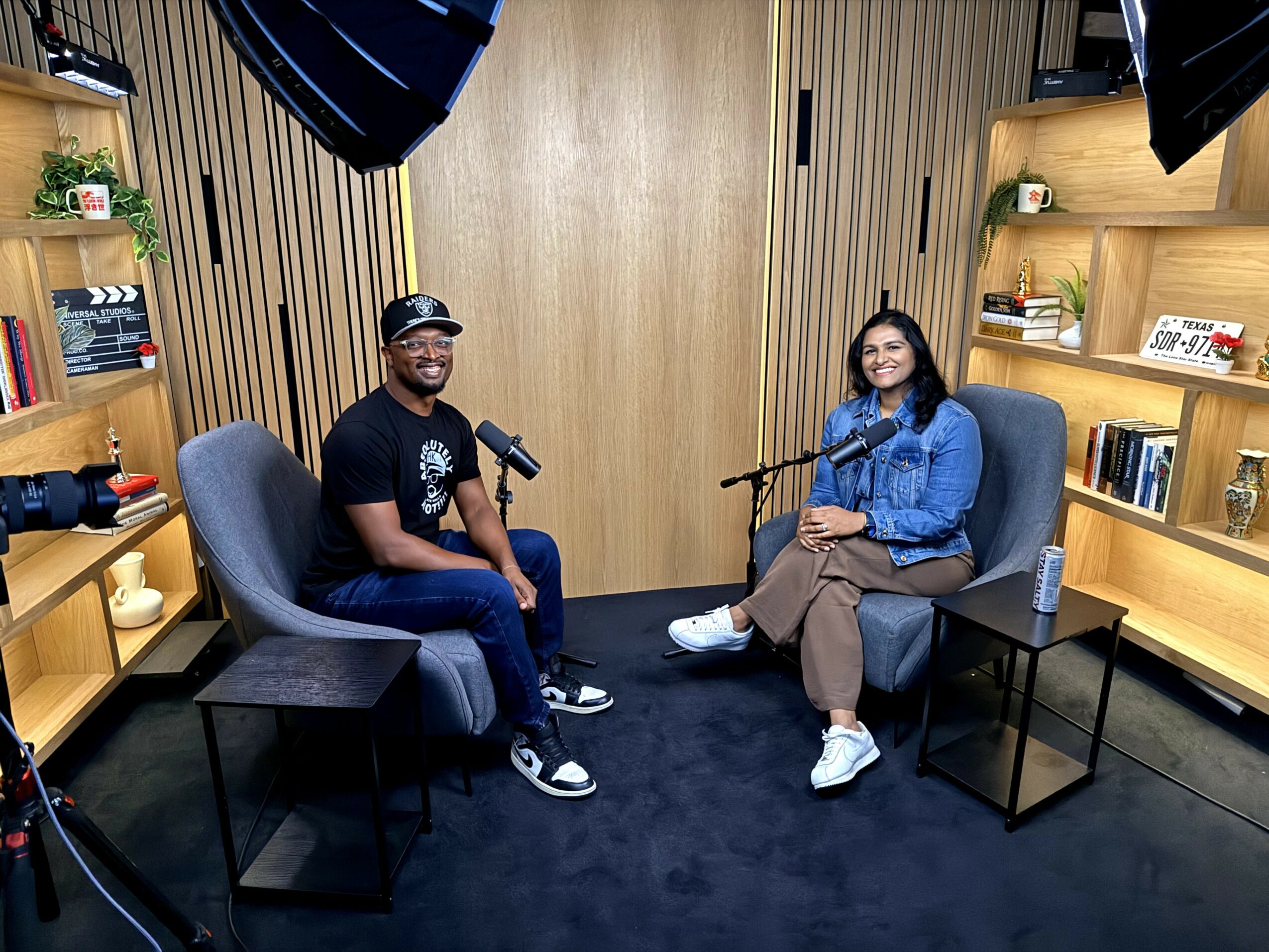




Today we’d like to introduce you to Shanaz Ikonne.
Hi Shanaz, we’d love for you to start by introducing yourself.
My journey began with a genuine interest in understanding people, what shapes us, how our experiences shape how we think and behave, and what helps people move forward when life gets difficult. That eventually led me into the mental health field and to becoming a Licensed Professional Counselor.
Early in my career, I primarily focused on working directly with individuals, children, and families. Over the years, I began seeing the same patterns show up again and again: stress, burnout, anxiety, difficulty with boundaries, parenting challenges, relationship struggles, and people trying to function at a high level while carrying a tremendous amount emotionally.
That expanded the way I thought about my work. I realized I didn’t only want to help people once they were already overwhelmed. I wanted to help people and organizations understand the factors that contribute to overwhelm in the first place and give them practical tools to build resilience, healthier relationships, and sustainable ways of working and living.
That led me to expand beyond traditional therapy into speaking, training, consulting, and professional development. Today, through my practice, I work at that intersection of mental health, resilience, burnout prevention, emotional wellness, and human performance.
What has been really meaningful to me is being able to take what I’ve learned clinically and translate it into practical education that can reach a much larger audience—whether that’s a parent, an employee, a leader, a nonprofit, or an entire organization.
So, in many ways, my career has evolved from helping people heal to helping people build the skills, environments, and systems that allow them to thrive.
We all face challenges, but looking back would you describe it as a relatively smooth road?
Definitely not. One of the biggest misconceptions about building a career or business is that once you get good at what you do, everything else falls into place.
There have been a lot of moments where I’ve had to figure things out as I went, building a private practice, learning the business side of entrepreneurship, developing my voice as a speaker and consultant, figuring out how to price and package my expertise, and learning when to say yes and when to say no.
I’ve also had to navigate the tension between being a clinician and being a business owner. As a therapist, you’re trained to focus on the client and the work. Entrepreneurship requires you to also think about contracts, marketing, intellectual property, finances, partnerships, sustainability, and growth.
One of the biggest lessons for me has been learning that being good at your work isn’t the same thing as building a sustainable business around your work.
I’ve also had to become much more comfortable with visibility. Speaking, teaching, and putting your ideas out into the world requires you to be willing to take up space and let people see what you know.
The road hasn’t been perfect, but honestly, I’m grateful for that. Every challenge has forced me to become more intentional about the kind of business I want to build and the kind of impact I want to have.
Thanks for sharing that. So, maybe next you can tell us a bit more about your work?
At the core, I help people and organizations better understand the human side of performance and well-being.
I’m a Licensed Professional Counselor, Nationally Certified Counselor, and Registered Play Therapist, and my background is in mental health, child and family work, and clinical counseling. I now bring that clinical expertise into speaking, training, consulting, and organizational wellness work.
My areas of focus include burnout prevention, resilience, emotional regulation, mental health, workplace wellness, stress management, healthy relationships, parenting and family wellness, and sustainable high performance.
I’m particularly interested in the space between wellness and performance. I don’t believe those things should be treated as opposites. People can perform at a high level without constantly operating at the expense of their mental health.
I’m probably best known for taking topics that can feel very clinical or complicated and making them practical, relatable, and immediately usable.
One thing I’m especially proud of is that my work has expanded beyond the traditional therapy room. I’ve been able to take the knowledge and skills I’ve developed as a clinician and translate them into workshops, presentations, community programs, professional development, and organizational initiatives.
What sets me apart is that I’m not approaching workplace wellness solely from an HR perspective or solely from a motivational-speaker perspective. I’m bringing a clinician’s understanding of human behavior, mental health, relationships, and emotional regulation into those conversations.
I also don’t believe in wellness as a collection of generic tips. I want people to understand why something is happening and then give them tools they can realistically use.
Ultimately, I want people to leave one of my sessions thinking, “That made sense, I can actually use that, and I understand myself a little better now.”
What sort of changes are you expecting over the next 5-10 years?
I think we’re going to see a major shift from reactive mental health care toward prevention, education, and organizational wellness.
For a long time, mental health was treated primarily as something you addressed when there was already a crisis. I think the next five to ten years will bring much more attention to the conditions that contribute to mental health challenges in the first place: chronic stress, burnout, isolation, unhealthy workplace cultures, lack of psychological safety, caregiver stress, and the increasing demands people are experiencing at work and at home.
I also think the conversation around burnout is going to become much more sophisticated. We’re moving beyond simply telling people to meditate, take a vacation, or practice self-care. People are increasingly asking, “What is happening in the environment that is creating this level of exhaustion in the first place?”
That’s particularly important in workplaces. Organizations are beginning to understand that you can’t tell employees to be resilient while simultaneously creating environments that consistently deplete them.
I also think technology and AI are going to dramatically change the mental health and professional development landscape. There will be more digital tools, AI-assisted support, virtual education, and accessible mental health resources. But I don’t think technology will eliminate the need for human connection. If anything, I think it will make the human component even more valuable.
And finally, I think we’re going to see more integration between mental health, leadership development, employee experience, learning and development, and organizational strategy.
That’s exciting to me because it creates an opportunity to move the conversation from “How do we help employees cope?” to “How do we create organizations where people can actually function, perform, connect, and thrive?”
That’s where I see my work fitting into the future.
Contact Info:
- Website: https://www.shanazikonne.com
- Instagram: https://instagram.com/shanazlpc
- Facebook: https://facebook.com/shanazlpc
- LinkedIn: https://www.linkedin.com/in/shanazikonne/
- Youtube: @shanazikonne