


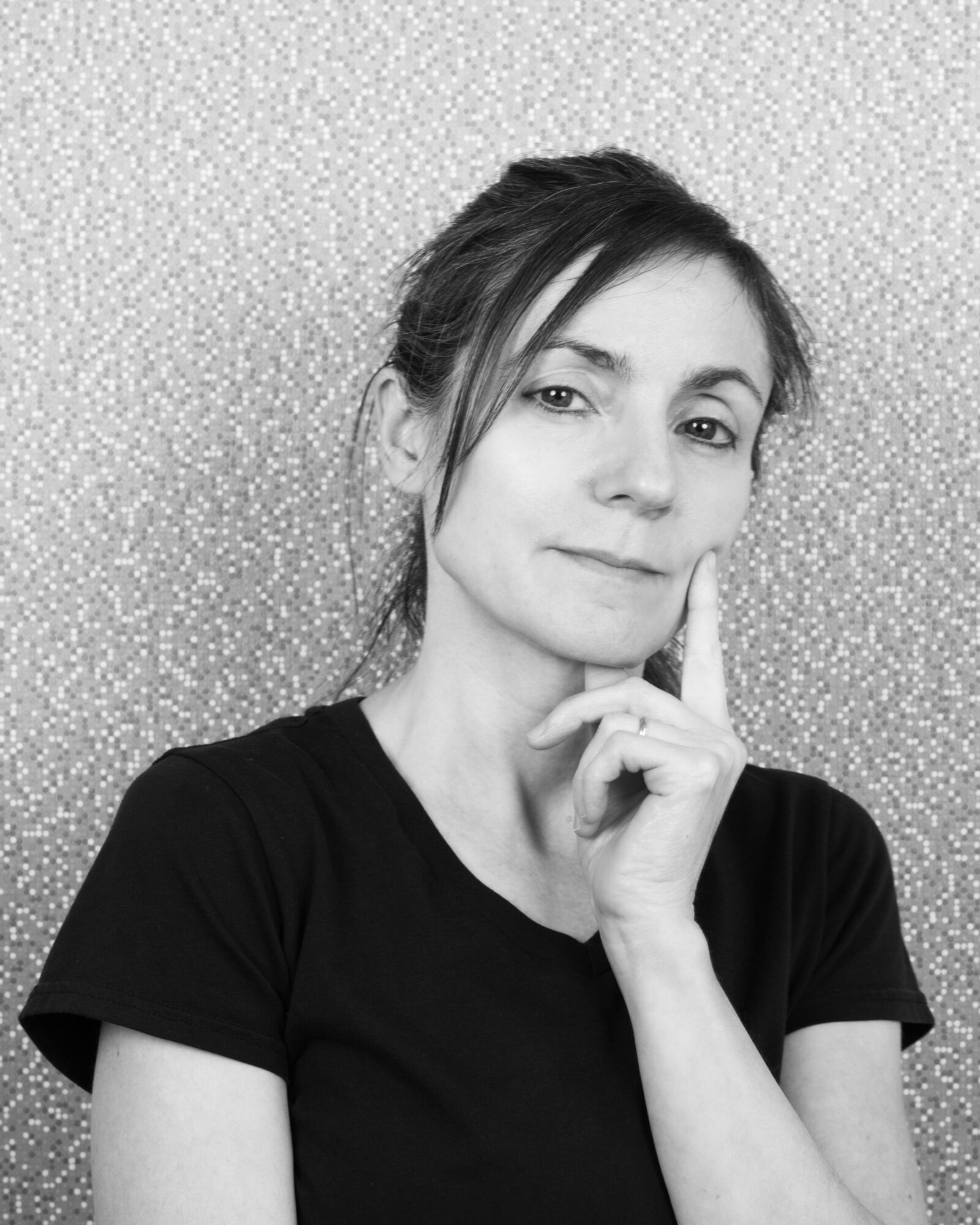
Today we’d like to introduce you to Maria Gil Lucientes.
Hi Maria, can you start by introducing yourself? We’d love to learn more about how you got to where you are today?
I was born in Spain and grew up with a strong connection to both art and science. Drawing and painting were a constant presence from an early age, but mathematics and physics also came naturally to me, and I eventually studied Mathematics in Spain before moving to California and earning a Master’s degree in Computer Science from Stanford University.
I spent about a decade working in the technology industry in California. During those years, I continued making art whenever I could. I drew, painted, studied the work of other artists, and experimented with different techniques. Art was always there, although for a long time I did not think of it as something I could pursue professionally.
Over time, that began to change. I found myself spending more and more of my time thinking about art, experimenting with materials, and developing ideas for new work. Eventually, I realized that what had always seemed like a parallel interest had actually become the central focus of my life, and I decided to devote myself fully to my practice.
My background in mathematics, science, and technology has naturally become part of the way I approach painting. I am interested in systems, patterns, repetition, and the way complex forms can emerge from relatively simple rules. At the same time, I deliberately leave room for chance, material behavior, and intuition. Much of my work develops from that tension between structure and unpredictability.
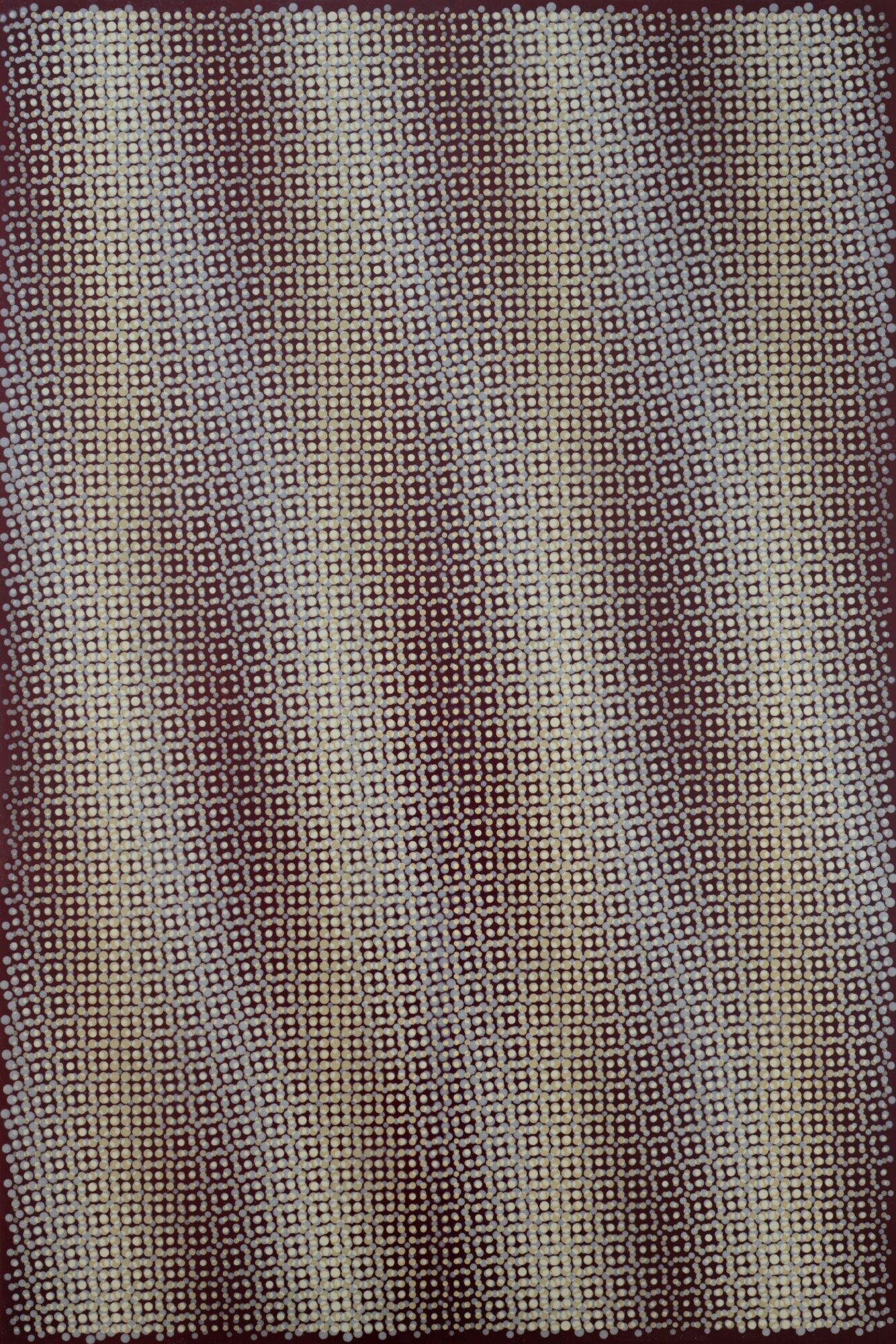
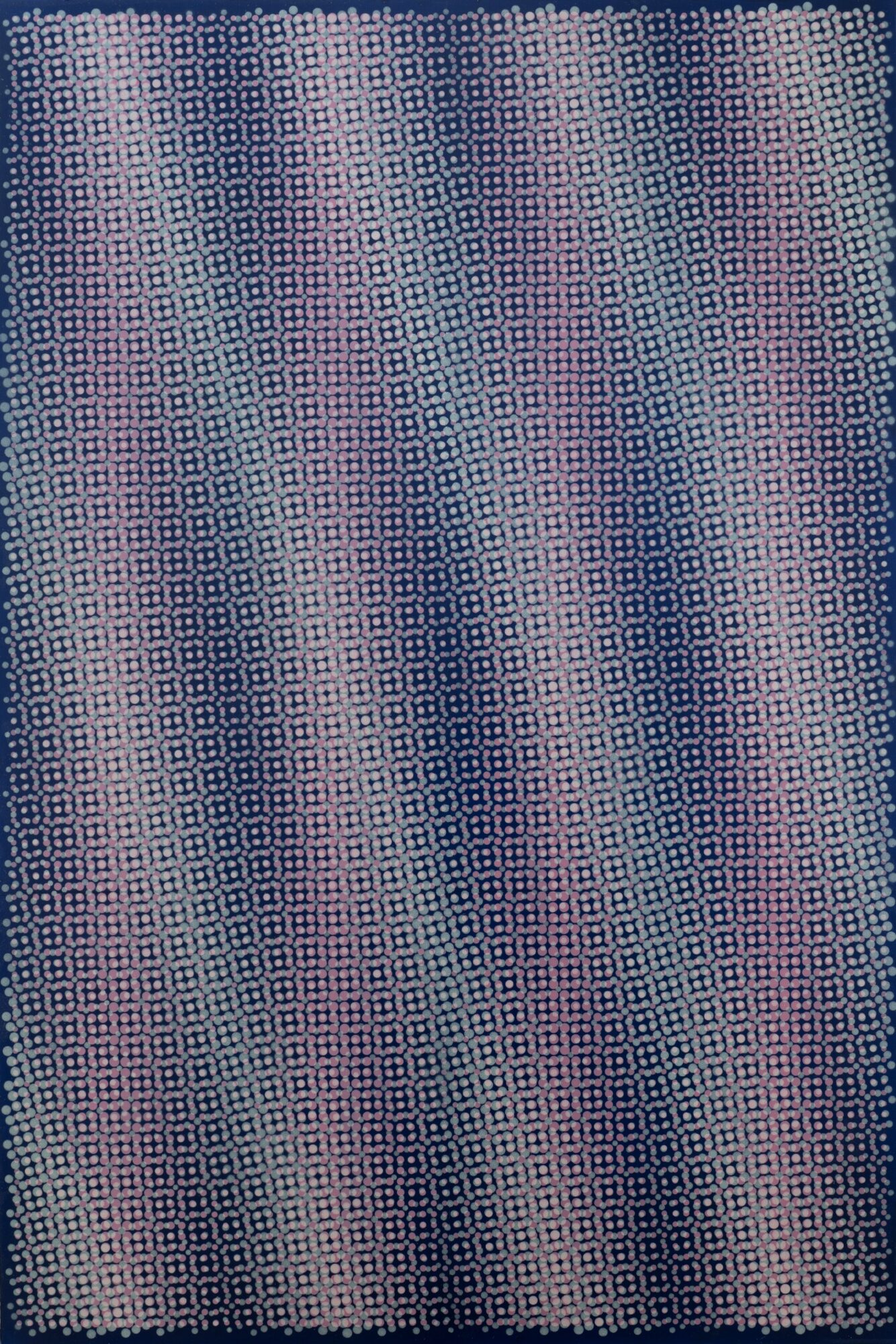
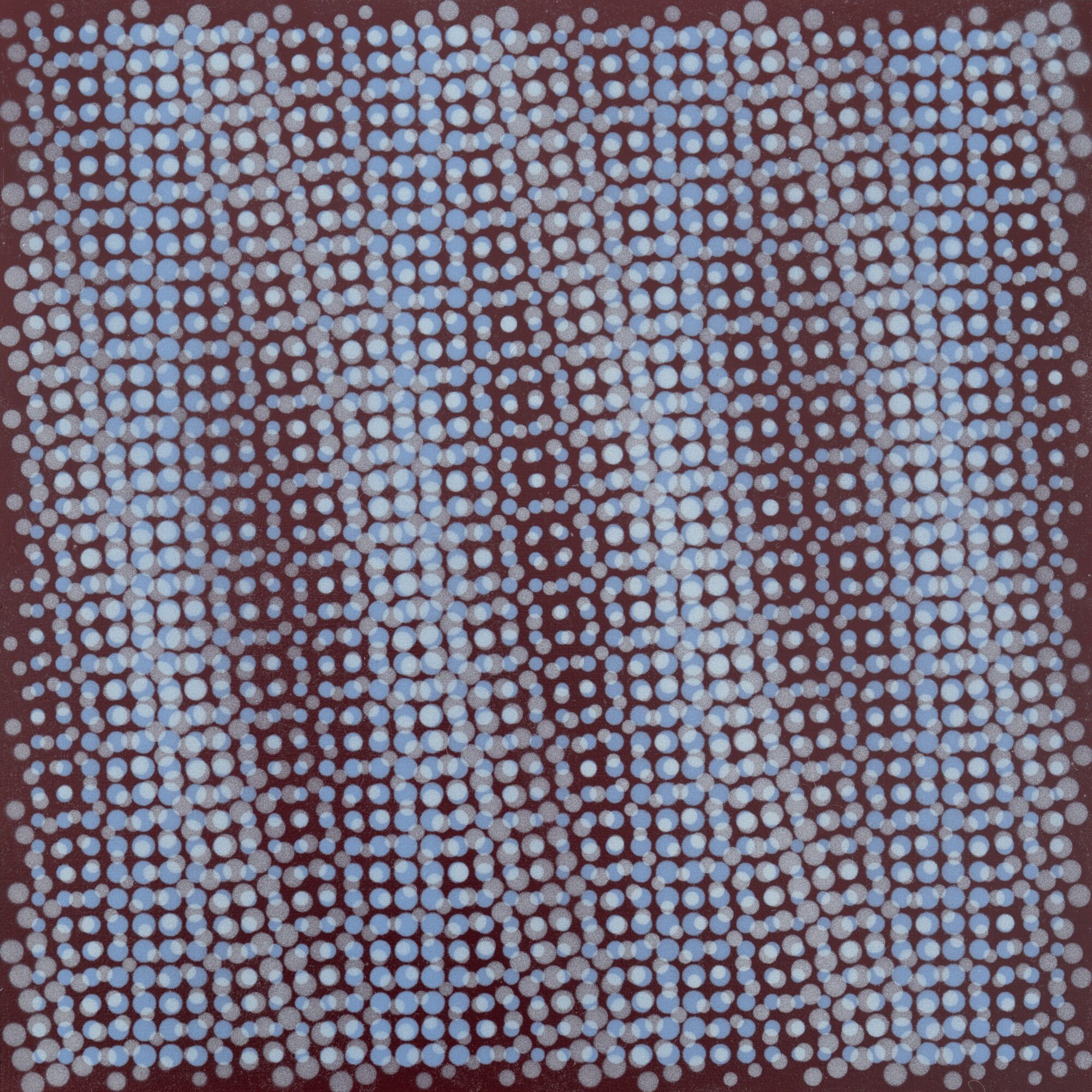
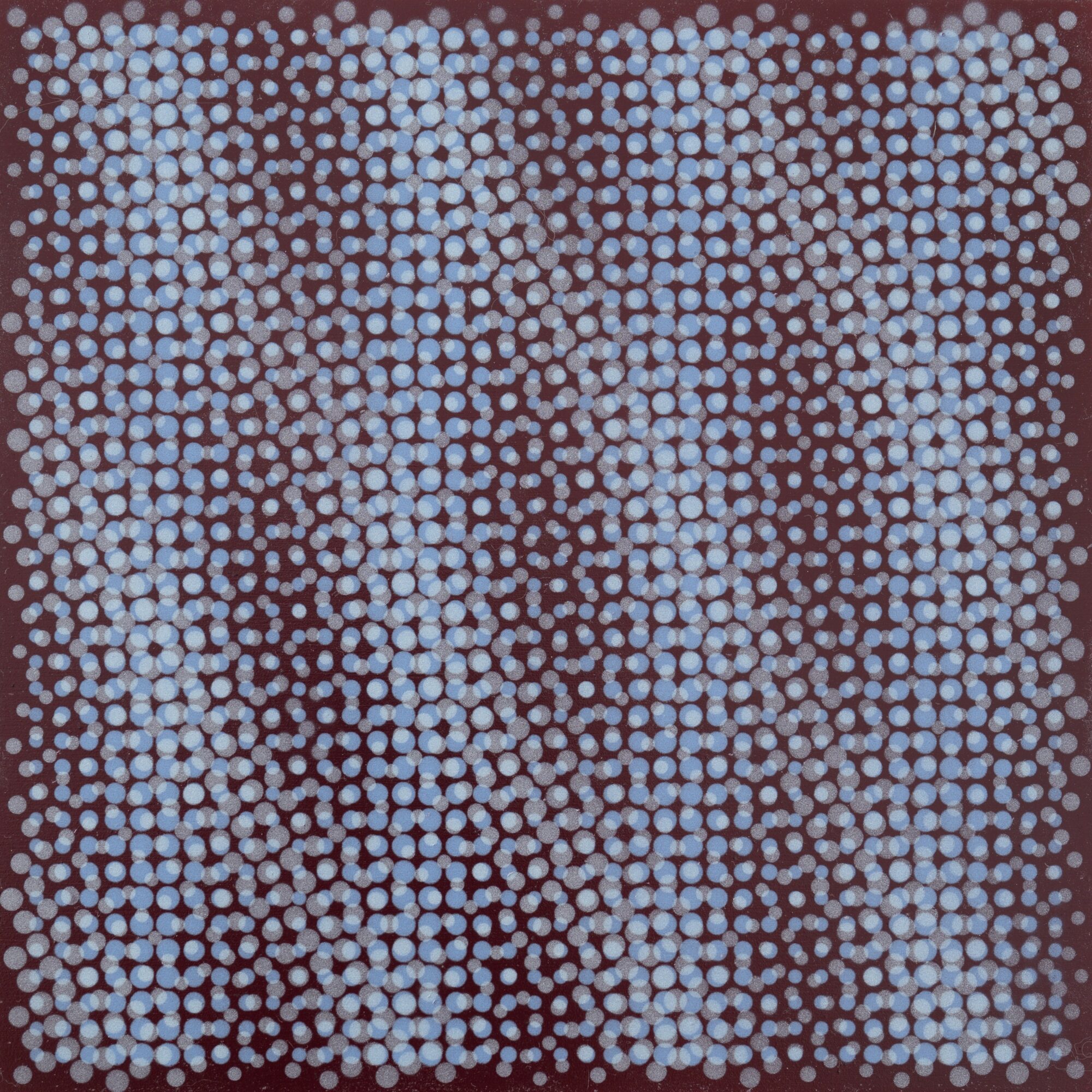
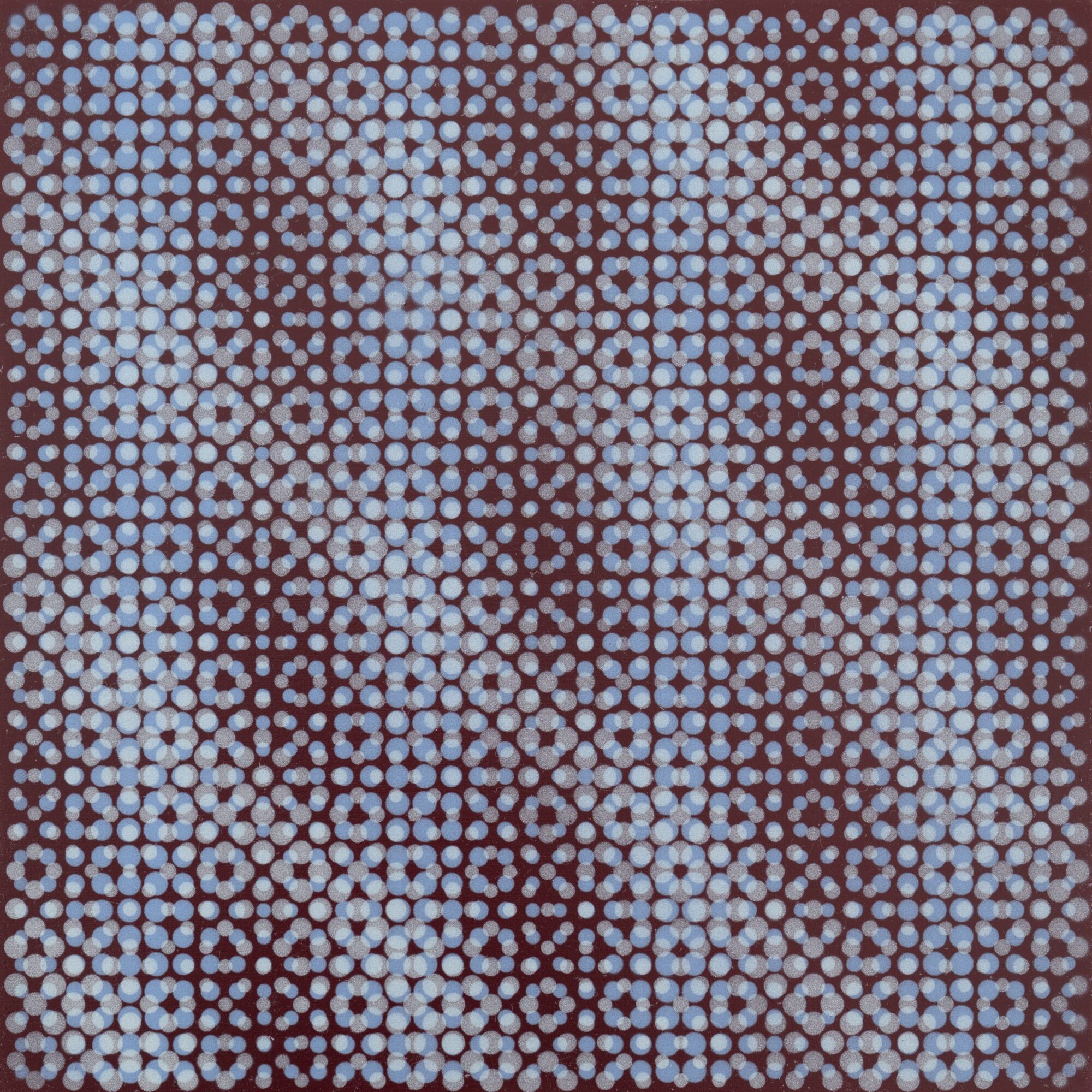
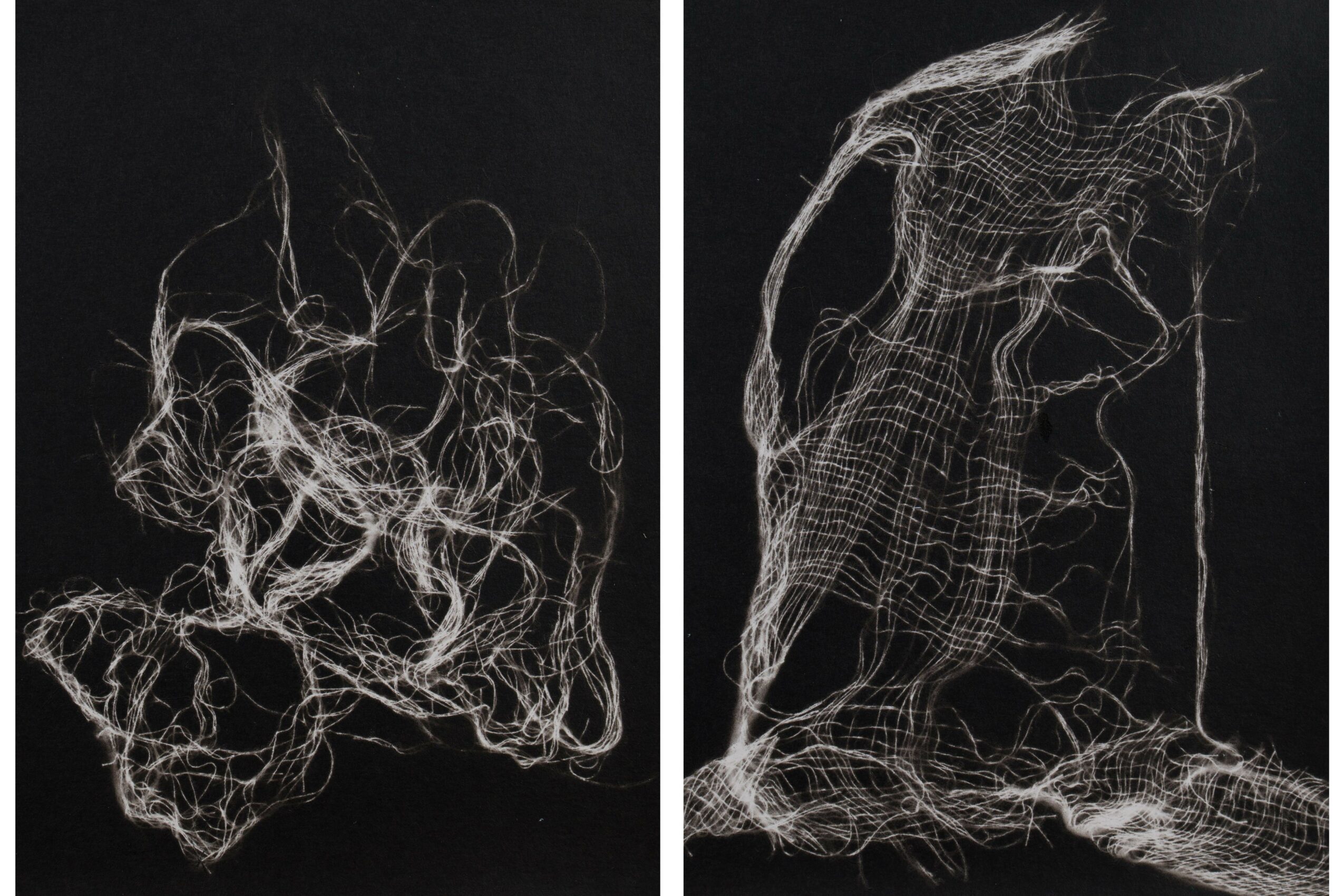
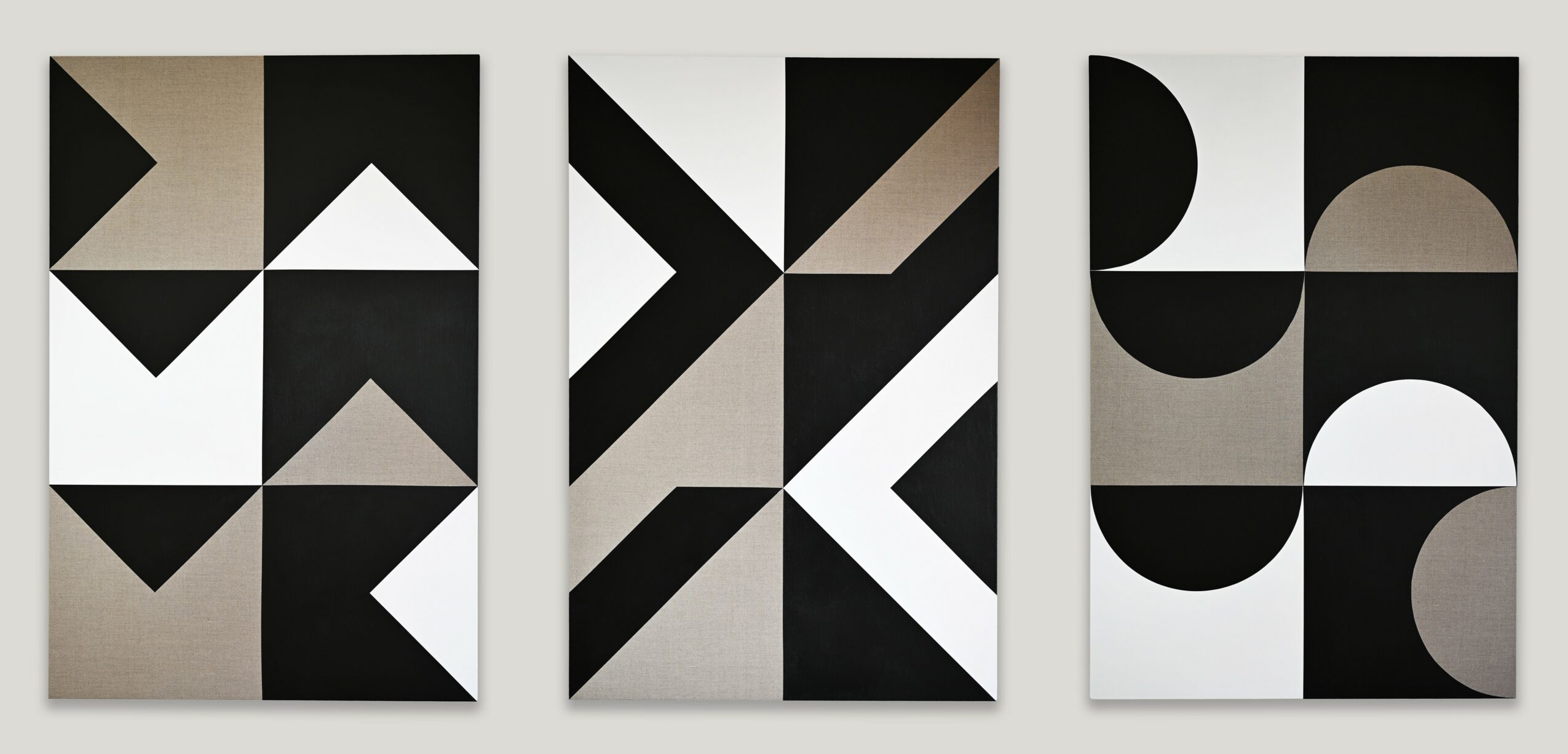
Over the past several years, I have developed a number of bodies of work exploring these ideas in different ways, including *Achromatic*, *Circles*, *Maze*, *Pareidolia*, and most recently *Moiré*. Although each series has its own visual language and system, they are connected by an interest in how order emerges, how small variations can transform a structure, and how abstraction can sometimes begin to suggest something figurative or familiar.
Today, I live and work in San Marcos, Texas, where I have my studio. My practice continues to evolve from one series into the next. I rarely feel that a body of work is completely finished in the sense of closing a door. More often, something discovered in one series becomes a question or possibility that leads me toward the next.
Would you say it’s been a smooth road, and if not what are some of the biggest challenges you’ve faced along the way?
It has not been a completely smooth or direct road, although many of the challenges have been internal rather than dramatic.
For many years, I followed a path in mathematics, science, and technology because those fields came naturally to me and offered a clear professional direction. Art was always present, but because it had been part of my life for so long, I did not immediately recognize it as something I could build a professional life around.
One of the biggest challenges was allowing myself to take that possibility seriously. Moving from a well-defined career in technology toward a much less predictable path in art required a different kind of confidence. There is no clear roadmap, and progress is rarely linear. You have to become comfortable with uncertainty, rejection, experimentation, and long periods in which you are developing work without knowing exactly where it will lead.
There has also been the challenge of finding my own visual language. I am self-taught, so much of my development has come through sustained studio work, reading, looking closely at art, and experimenting with materials and processes. That independence has been important to me, but it also means that I have had to build my own structure and continually question whether the work is moving in a meaningful direction.
At the same time, I think those challenges have shaped the way I work. My background taught me to be persistent, analytical, and comfortable with solving problems, while art has taught me to accept ambiguity and uncertainty. I have gradually learned that both are necessary.
Thanks for sharing that. So, maybe next you can tell us a bit more about your work?
My work is primarily focused on painting and works on paper, and I am especially interested in systems, repetition, pattern, and the relationship between control and unpredictability.
I often begin with a defined set of rules or constraints involving materials, color, scale, or process, and then explore how much variation can emerge within that framework. I work extensively with airbrush and acrylic, sometimes using unconventional materials or tools as part of the process. In different bodies of work, I have used fabric resists, repeated geometric structures, layered stencils, and laser-cut screens to create compositions that evolve through both precision and chance.
I am probably best known for work that sits somewhere between geometry and figuration. Although the compositions are abstract, they often suggest something more familiar: a face, a landscape, a biological form, or some other visual association. I am very interested in that moment when an image begins to shift in the viewer’s perception without ever fully resolving into something recognizable.
What I am most proud of is developing a practice that feels genuinely connected to the way I think. My background in mathematics, physics, and computer science is not something I try to illustrate directly, but it has shaped my interest in structures, systems, and emergent complexity. At the same time, I do not want the work to feel purely analytical. Chance, intuition, material behavior, and visual beauty are equally important to me.
I think what distinguishes my work is that balance. The paintings may begin with a rigorous system, but I am not interested in simply executing a predetermined formula. I want the process to remain open enough for something unexpected to happen. For me, the most interesting work appears in that space between the rule and the exception, between structure and intuition.
Are there any important lessons you’ve learned that you can share with us?
The most important lesson I have learned is to trust the process, even when I cannot see exactly where it is leading.
For much of my life, I was drawn to fields where problems have structure and where progress can often be measured clearly. Art is very different. There are periods of uncertainty, experiments that fail, ideas that take unexpected directions, and moments when you have to make decisions without knowing whether they will ultimately work.
Over time, I have learned that this uncertainty is not something to eliminate. It is often where the most interesting discoveries happen.
I have also learned the importance of persistence. A practice develops slowly, through showing up in the studio, paying attention, and continuing to work even when the results are not immediate. Looking back, many of the most meaningful developments in my work came from ideas or experiments that I could easily have abandoned too early.
So perhaps the biggest lesson has been learning to balance intention with openness: to work with discipline and purpose, but also to leave enough room for something unexpected to emerge.
Contact Info:
- Website: https://mariagillucientes.com
- Instagram: https://www.instagram.com/mgl.artiststudio