


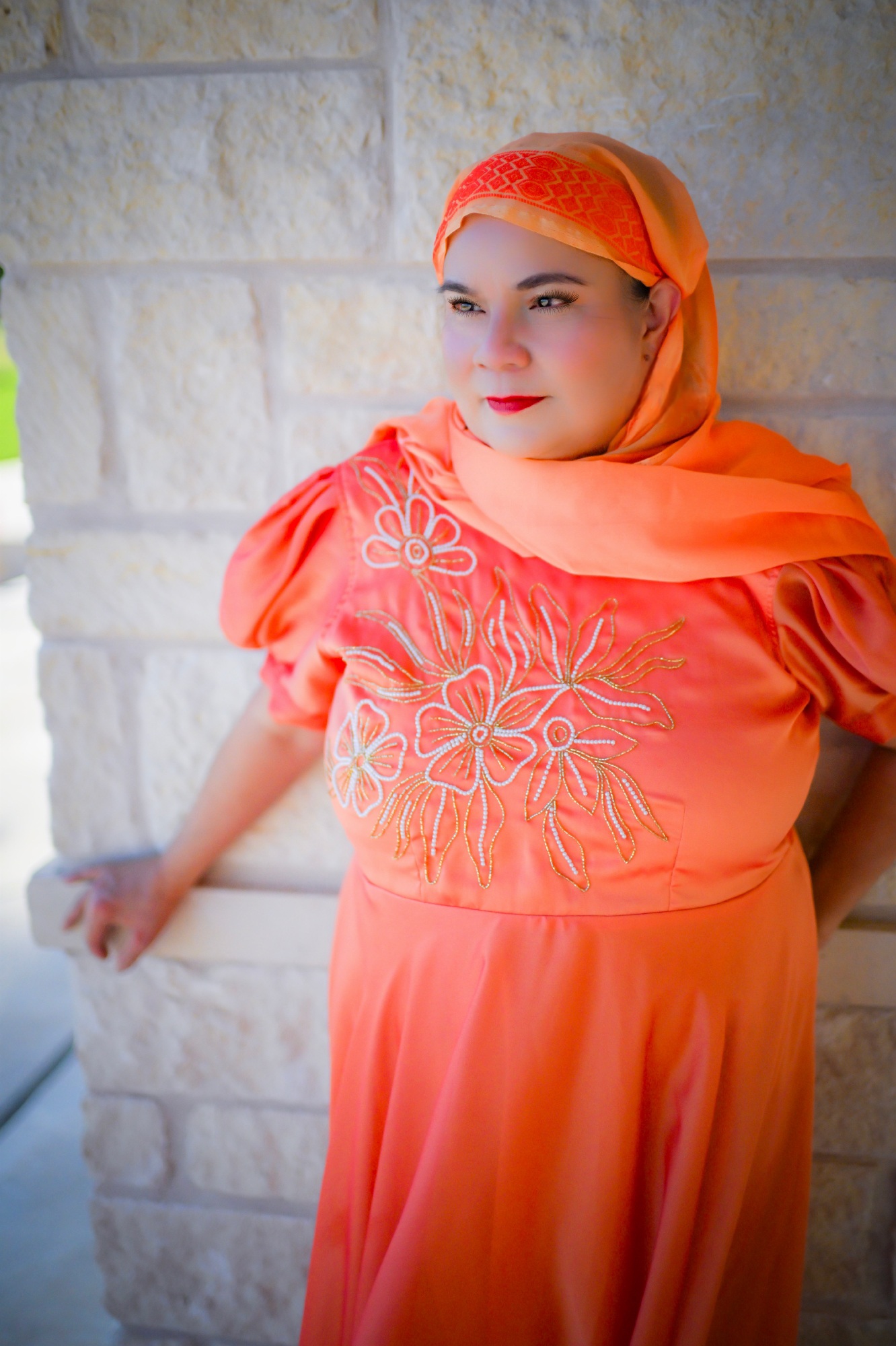
Today we’d like to introduce you to Tonee Sinsay-Carpio.
Hi Tonee, can you start by introducing yourself? We’d love to learn more about how you got to where you are today?
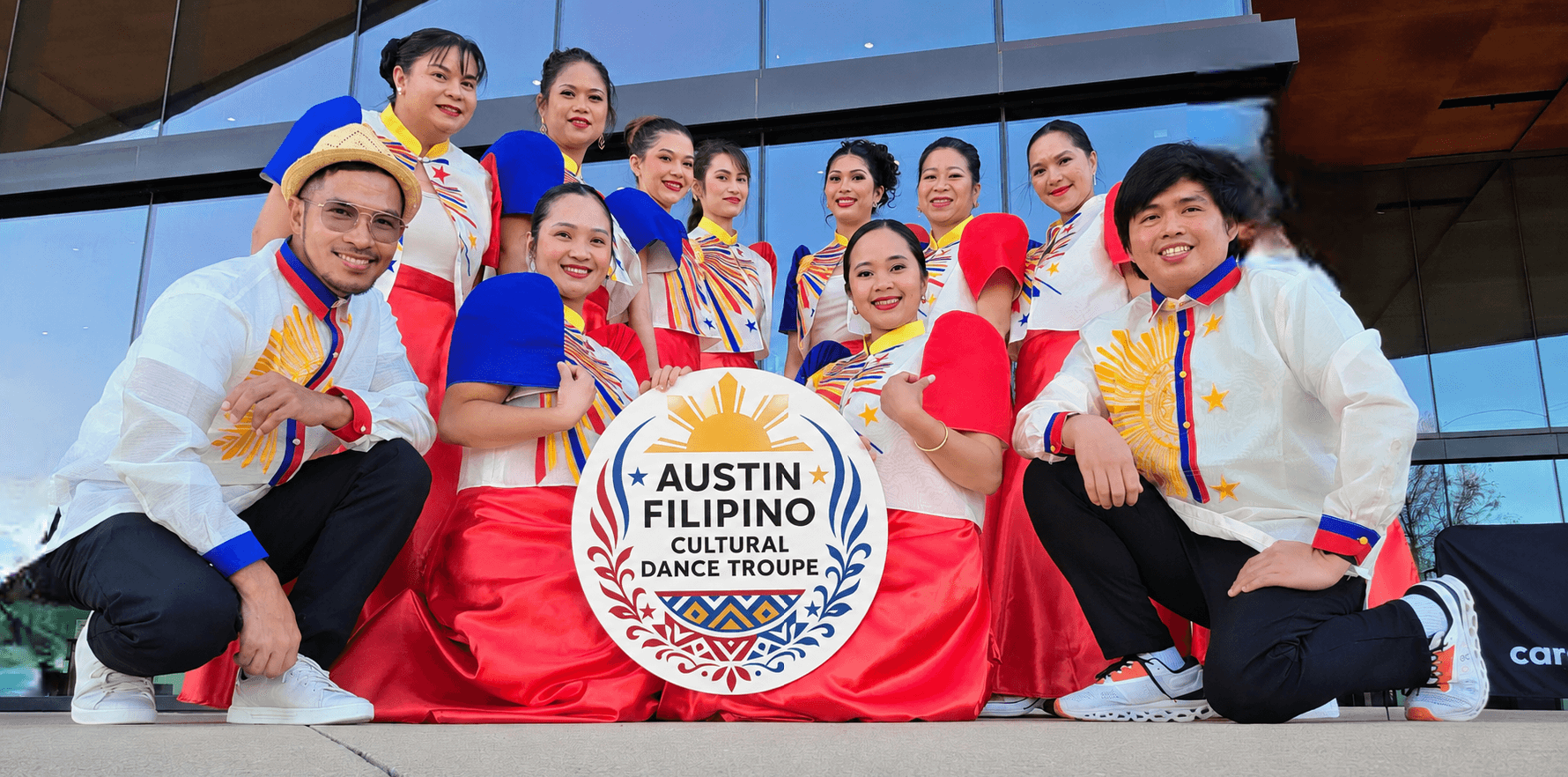
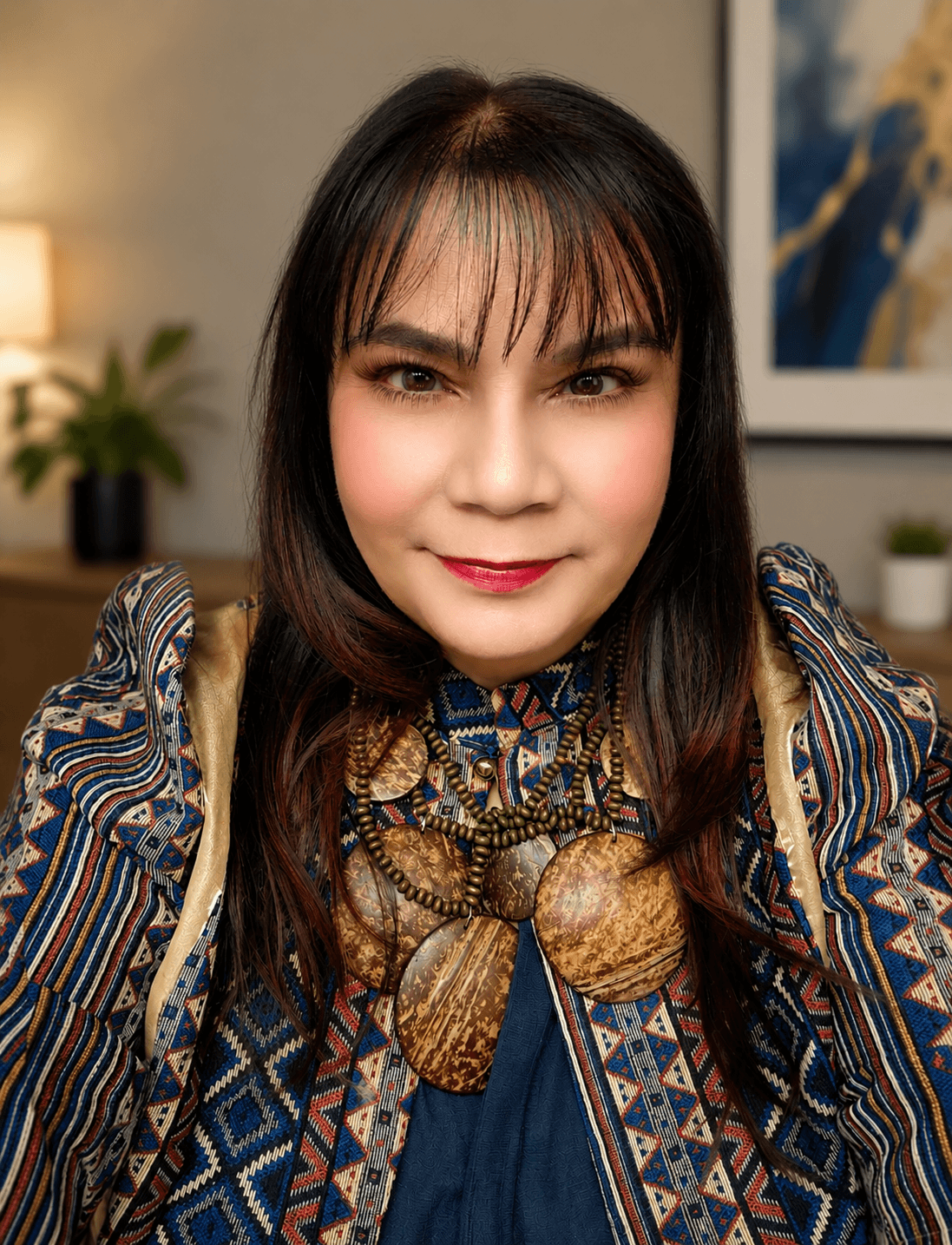
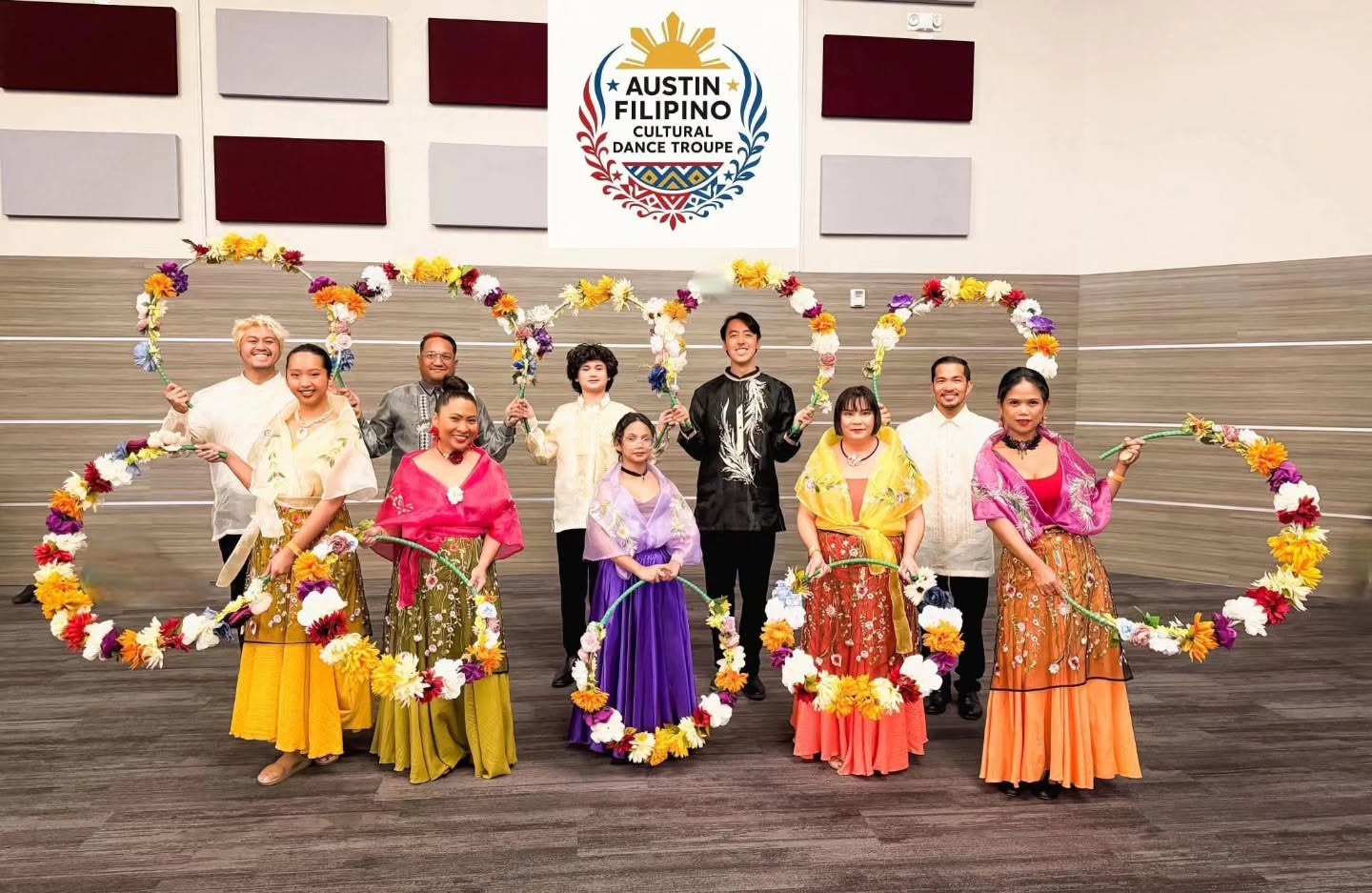
My name is Tonee Sinsay-Carpio, and I am the Executive Director of the Austin Filipino Cultural Dance Troupe (AFCDT). My work with AFCDT is part of a larger commitment I have to building community, creating opportunities, and preserving Filipino culture here in Central Texas.
I also serve as Chief of Staff and Director of Community Affairs for the Filipino Young Professionals of Austin (FYP-ATX), where I have had the opportunity to connect Filipino professionals, families, artists, and community partners through cultural, educational, and social programs. Through FYP-ATX, I have seen firsthand how important it is to create spaces where people can feel represented, connected, and proud of their heritage. That experience helped shape my vision for AFCDT and reinforced my belief that cultural preservation is strongest when it is shared across generations.
AFCDT grew from a simple but meaningful desire: to keep Filipino culture alive through dance and create opportunities for our community to share that culture with others. As a Filipino American, I believe culture is something we should not only preserve, but actively pass on to the next generation. Filipino folk dance carries our history, traditions, stories, and regional identities. AFCDT was created to honor that heritage through traditional dance, music, cultural education, and community engagement.
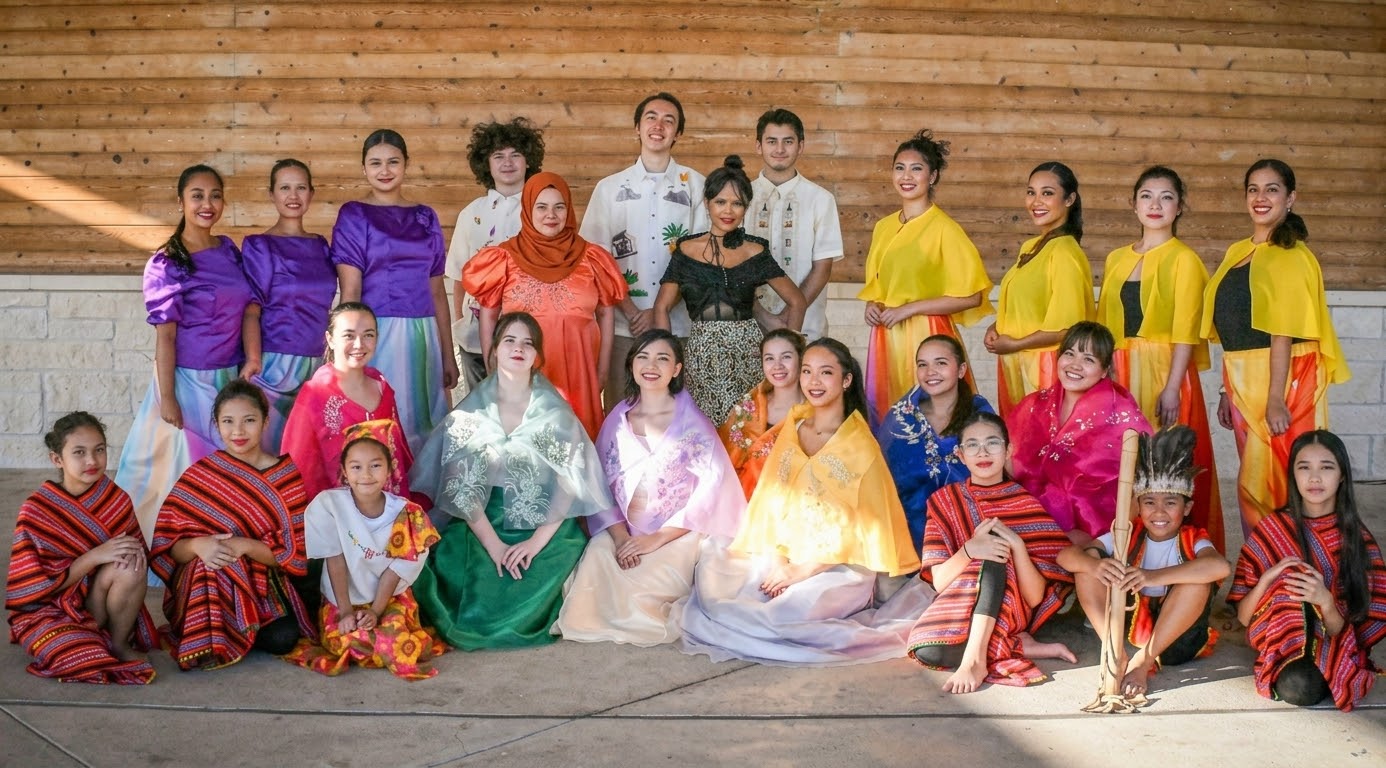
What began as people coming together around a shared love of Filipino dance has grown into an intergenerational troupe serving communities throughout Central Texas. Our dancers range in age and experience, and that diversity has become one of our greatest strengths. Experienced dancers have stepped forward to mentor newer performers, and our seasoned members are now helping teach our children’s dance team. In this way, knowledge is passed from one generation to another—not just through choreography, but through stories, traditions, discipline, and pride in our heritage.
Over the past several years, AFCDT has performed at schools, cultural festivals, community celebrations, faith-based events, and major public events. Our performances are more than entertainment; they are opportunities for cultural education and connection. Through music, movement, storytelling, and interactive demonstrations, we introduce audiences to the history and regional diversity of the Philippines while creating opportunities for people to experience Filipino culture firsthand.
A major milestone in our journey came in April 2026, when AFCDT officially received our Texas nonprofit status. Although we remain a community-based volunteer organization, this step has given us a stronger foundation to build sustainable programming and expand our impact. This year, we were also honored to receive a Nexus Grant, which has helped us take the next step in developing our artistic and educational work.
Today, AFCDT is led artistically by our Artistic Director, Rhea Thomas, alongside a dedicated group of seasoned dancers, emerging performers, parents, volunteers, and community supporters. Together, we are building not simply a dance troupe, but a cultural community where people of different ages and backgrounds can learn, lead, perform, and belong.
Our next chapter is especially exciting. We are developing an immersive Filipino dance production planned for early 2027, creating an opportunity to bring Philippine culture to audiences in a deeper and more engaging way. The production will build on our traditional repertoire while creating opportunities for dancers, musicians, educators, and community members to collaborate.
What excites me most is seeing how AFCDT has grown and knowing that we are still at the beginning of our story. Every rehearsal, every child who learns a Filipino dance, every seasoned dancer who becomes a teacher, and every audience member who discovers something new about the Philippines represents another connection to our culture.
For me, community leadership and cultural preservation are deeply connected. Whether through my work with FYP-ATX or through AFCDT, I want to create spaces where people feel that they belong, where the next generation can see themselves represented, and where our culture is not simply remembered but actively lived.
AFCDT is about more than preserving the past. It is about creating a future where Filipino culture continues to be visible, celebrated, and passed on. Through dance, we are building community—one performance, one student, and one generation at a time.
Alright, so let’s dig a little deeper into the story – has it been an easy path overall and if not, what were the challenges you’ve had to overcome?
It has definitely not been a smooth road, but the challenges have also shaped AFCDT into the organization we are today.
One of our biggest challenges has been building a sustainable organization as a community-based, volunteer-led troupe. Most of our dancers, teachers, and volunteers have full-time jobs, families, and other commitments, so finding consistent rehearsal time, coordinating performances, and keeping everyone engaged requires a great deal of flexibility and commitment. Many of us contribute our time, skills, and personal resources because we believe strongly in the mission.
Financial sustainability has also been a challenge. Costumes, props, rehearsal space, transportation, music, and production expenses can add up quickly, while many of our community performances are offered at little or no cost to the organizations we serve. We have had to be creative—stretching limited resources, sharing costumes and equipment, fundraising, and relying on the generosity of our dancers and community partners.
Another challenge has been growing while maintaining the quality and authenticity of our cultural work. As opportunities have increased, so has the need to recruit new dancers, develop leadership, teach younger performers, and prepare for larger productions. We have learned that building a strong cultural organization is about much more than putting together a performance. It requires developing people, creating systems, communicating effectively, and making sure the knowledge and traditions are passed from one generation to the next.
There have also been moments of transition and change within our leadership and artistic team. Those experiences taught us the importance of shared leadership and creating opportunities for others to step forward. Today, our Artistic Director, Rhea Thomas, works alongside experienced dancers who have stepped up to mentor newer members and teach our children’s dance team. Seeing our members grow into leadership roles has been one of the most rewarding outcomes of those challenges.
Receiving our Texas nonprofit status in April 2026 and being selected as a Nexus Grant awardee this year have been important milestones. They have given us encouragement and a stronger foundation as we continue building AFCDT.
The road has not always been easy, but every challenge has reminded us why this work matters. We have learned to be resourceful, adaptable, and community-centered. Most importantly, we have learned that we do not have to build this alone. Our dancers, families, volunteers, community partners, and supporters have all played a role in helping AFCDT grow.
Those challenges have made our successes even more meaningful. Today, we are looking ahead to an immersive Filipino dance production in early 2027, a growing children’s program, and new opportunities to share Filipino culture throughout Central Texas. We are still learning and growing, but we are building something that we hope will last for generations.
Appreciate you sharing that. What else should we know about what you do?
Professionally, I work in Risk Management for a FinTech company, where I focus on identifying risk, solving complex problems, analyzing information, and helping protect both customers and the organization. My career has taught me to be analytical, detail-oriented, adaptable, and comfortable navigating challenges—skills that have become just as valuable in my community and nonprofit work.
Outside of my professional career, I am what I jokingly call a “perpetual volunteer.” I have spent years volunteering with Filipino and other community-focused nonprofit organizations, and I currently serve as Chief of Staff and Director of Community Affairs for Filipino Young Professionals of Austin (FYP-ATX). Through FYP-ATX, I help build partnerships, develop community programs, support events, and create opportunities for Filipino young professionals and the broader community to connect and engage.
Community service has become a significant part of who I am. I enjoy being the person behind the scenes who brings people together, figures out how to make an idea happen, and steps in wherever there is a need. Whether I am coordinating an event, connecting organizations, supporting an artist, mentoring volunteers, or helping develop a new community program, I am motivated by creating meaningful experiences for others.
I am especially proud of the work I have done to help create spaces where Filipino culture and community are visible and celebrated. Through my work with FYP-ATX and AFCDT, I have been able to combine my passion for community building with cultural preservation. I believe that representation matters—not only in the organizations we build, but in the programs, performances, and opportunities we create for others.
What sets me apart is the combination of my professional risk-management mindset and my community-centered approach. In my career, I am trained to look at what could go wrong, find solutions, and build processes that work. In my volunteer work, I apply that same mindset to a very different goal: figuring out how we can make something meaningful happen despite limited time, resources, or people.
I am also someone who believes strongly in collaboration. I don’t believe community work is about one person having all the answers. It is about recognizing people’s strengths, bringing the right people together, and creating opportunities for others to lead. Some of the most rewarding moments for me have been watching volunteers, dancers, young professionals, and community members step into leadership roles and realize what they are capable of.
Ultimately, I am proudest of the relationships and communities I have helped build. Titles and accomplishments are meaningful, but what matters most to me is knowing that something I helped create gave someone a sense of belonging, an opportunity to participate, a connection to their culture, or simply a place where they felt welcomed.
I am a risk analyst by profession, a community builder by passion, and a volunteer by choice. I bring the same values—self-control, loyalty, kindness, optimism, and trust—to both my professional and community work. I believe in showing up, doing the work, and helping others bloom where they are planted.
We’d love to hear about any fond memories you have from when you were growing up?
Some of my favorite childhood memories are the simple moments I shared with my parents—especially dancing and singing with my father and going to the market with my mother.
I remember dancing and singing with my father, moments that were filled with laughter, music, and joy. I didn’t realize it at the time, but those moments gave me an early appreciation for how music and movement can bring people together. They are memories I still carry with me today and, in many ways, they became part of the foundation for my love of dance and Filipino culture.
I also loved going to the market with my mother. We would look at textiles, fabrics, and other beautiful materials, and I remember being fascinated by the colors, patterns, and textures. Those trips gave me an appreciation for the artistry and traditions woven into everyday Filipino life.
Looking back, I realize that my parents were introducing me to culture without ever needing to call it “cultural preservation.” It was simply part of our everyday lives—through music, dance, family, markets, textiles, and shared experiences.
Those childhood memories are especially meaningful to me now because so much of what I do today revolves around preserving and sharing Filipino culture. In many ways, AFCDT is an extension of those early experiences: the music I heard, the dances I enjoyed, the traditions I witnessed, and the memories my parents gave me. I hope that through my work, I can help create those same kinds of meaningful memories for the next generation.
Contact Info:
- Instagram: https://www.instagram.com/atxfilculturaldancetroupe/?hl=en
- Facebook: https://www.facebook.com/profile.php?id=61580949494346