


Today we’d like to introduce you to Rosy Campanita.
Hi Rosy, so excited to have you on the platform. So before we get into questions about your work-life, maybe you can bring our readers up to speed on your story and how you got to where you are today?
I want to start out by giving gratitude to my ancestors, my family, friends and community for all the love, challenges & support throughout this experience called life. My name is Rosy Campanita, and I am a, 2-Spirit / queer, born and raised by Mexican immigrant parents in the culturally rich neighborhoods of Chicago. My mother had me at a very young age of sixteen and my father was a member of a famous street gang. Although they were loving parents, I grew up witnessing lots of violence, both in the neighborhood and in my home. When I was around the age of nine, my dad went to prison and my mother divorced him. My mother became a single-mother, working two to three jobs, raising my younger brother and I. These experiences in my childhood ultimately influenced me as an artist and gave me the determination to set my life onto a different path.
High school was rough especially being queer. I started to take my father’s path of drug use and violence, but made a quick turnaround when I attended a program called After School Matters (an arts initiative for inner-city/under-served youth). In that program, I learned and practiced lots of hand-on studio work and used diverse of mediums like printmaking, paper-making, mural painting, stone-carving, clay, jewelry making, etc. I had lots of art teachers in that program, but the one teacher that made a big difference to me was a well-known Mexican muralist by the name of Hector Duarte. Hector not only taught me about the fundamentals of mural-making, but was also an advocate and teacher of human rights, cultural she-roes/heroes, and social-political movements both in the art world and in the local neighborhoods. I remember during his classes, he would invite artists and musician friends, and they would play and sing Mexican revolution corridos like “Las Adelitas” by Amparo Ochoa, as well as other powerful influential artists from the Americas, like Mercedes Sosa, Violetta Parra, and others who dedicated their work to give light to unjust treatment of Indigenous communities in Central & South America through their music. These experiences helped me develop a deeper social and political understanding of the world and my role in it.
After I graduated high school, I was admitted to The School of the Art Institute of Chicago where I initially focused on painting and drawing before my interest settled on dark room photography. Unfortunately, in my third year, I had to drop out due to lack of financial support; I could not afford the highly-priced tuition. Because of that, my mom and I got stuck with burdensome student loan debt—a result of predatory practices of withholding financial education with empty reassurance. Nonetheless, I continued taking photos and started exhibiting my work in local cafes and galleries. I also got a job working as a tour guide for the Mexicanidad: Our past is present, exhibition at the new re-opening of the National Mexican Fine Arts Museum in my neighborhood of Pilsen in Chicago. Once exposed to incredible cultural art, I started to ask questions about my indigenous roots. My maternal grandmother shared with me about my indigenous great grandpa who spoke Nahuatl, – when he died during the time of the Mexican Revolution we lost our access to my maternal grandma’s indigenous history – the only part that survived was assimilation and Mesztizaje. A similar story echoes my paternal side. This made me feel so many things that I had to understand, explore, and reconnect.
Everything seemed to be slowly aligning for me, after a while. By now, I had joined a Mehxica Ritual Dance group in a TeoKalli/Kapulli (school/bighouse) called Nahui Ollin based in Chicago, I started to learn my ancestral language Nahuatl, went to indigenous ceremonies, and I joined a street art collective called El Tiempo del Caracol—a group composed of local artists, writers, musicians, film makers, journalists, activists, and performers, etc. We studied under an unhoused man who was a genius literary writer. He became our group’s elder leader. We shared our home with him and he shared his care, knowledge, and wisdom. His name was Nahui Tocthli (4Rabbit) but we called him Tata, may he rest in peace.
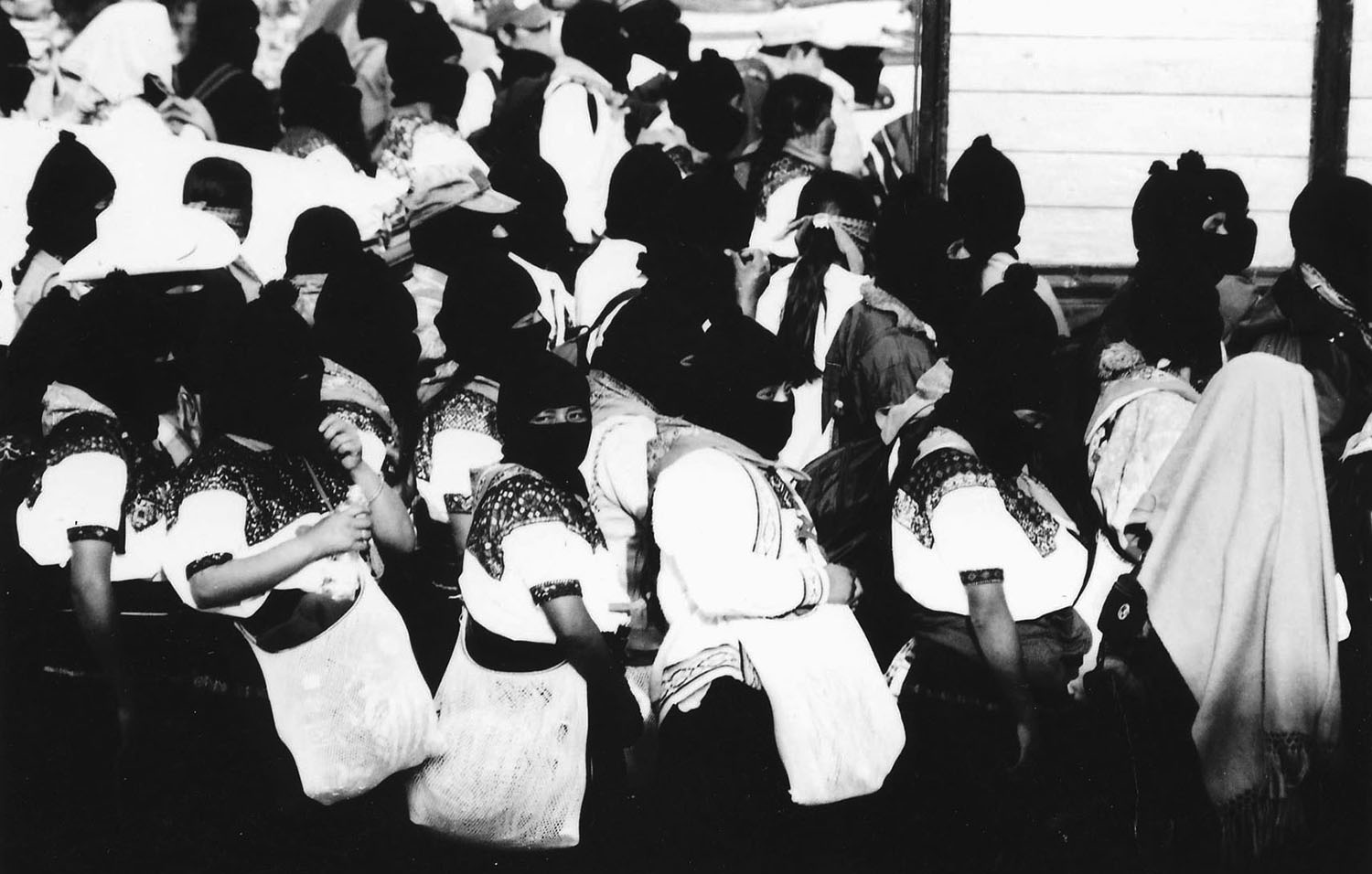
In 2006, a short while after learning about the Indigenous Mayan-led Zapatista movement in Chiapas, Mexico (E.Z.L.N. 1994), the Caracol collective held a fundraiser for myself and a friend to drive supplies to his family and community in Chiapas. We drove a whole week from Chicago into Mexico through Matamoros/Brownsville, traveling along the Gulf of Mexico, driving through Taumaulipas, Veracruz, etc. I witnessed the results of the slow degradation of rich Mexican farm lands by cattle farming and factories constantly pumping out toxic fumes into the sky, polluting the jungle, the ocean and anything that breathes. The journey was life-changing. Once in Chiapas, I was allowed to visit and document the Zapatista communities. I was impressed and inspired by their successful reclamation of autonomy from the Mexican nation-state to steward the land in indigenous communal-ism. I stayed in San Cristobal de las Casas for about two months and had my first ever international photo exhibit called “Chicago a Chiapas”. I continued to visit the communities on and off for the next three years.
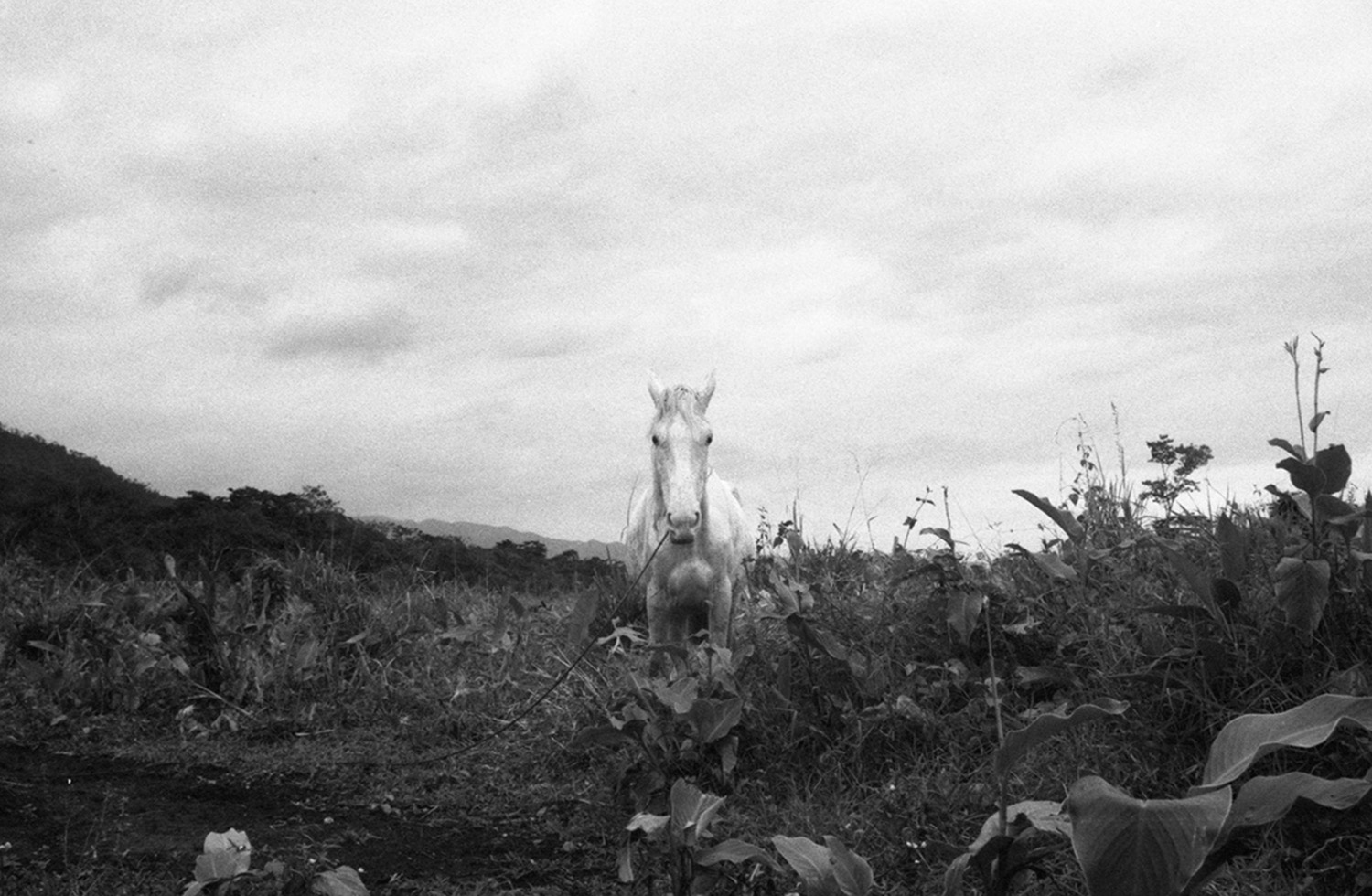
My work led me to an all volunteer media group with my friends and collaborators – James (Jimmy) Foley (R.I.P.) who was a journalist and writer, Suree Towfighnia, a filmmaker, and Che Christ, an Indigenous MC poet from the Piipaash Nation (Maricopa) of Arizona. We all met in Chicago and traveled together across Turtle Island to document different movements and recorded stories of immigrant struggles and victories against environment polluters and racist laws. We were all invited to the Pine Ridge reservation in Lakota Territories in South Dakota, where we learned of the Lakota Hemp farmers and the War pony races with Alex WhitePlume, and worked on a few projects with his wife our dear beloved Oglala Lakota Matriarch Wioweya Najin Win (Debora Whiteplume) whom had strongly given voice to the protection of sacred water. She stood up against the Uranium corporations and companies that contaminated the reservation’s drinking water without any remorse. This story is told in Suree’s film called Crying Earth Rise Up. In Lakota lands I learned about AIM (American Indian Movement), Wounded Knee, the Battle of the Lil Big Horn. I learned the stories and the resilience of the Lakota People and continued to travel to different reservations, spending time with folks from different nations such as Dine (Navajo), Akimel Oʼotham, and Tohono O’odham Nations, White Mountain Apache, Pokanoket, Muskogee, Ohlone , Potowatmi, Piipaash(Maricopa), Yaqui and more. I heard and documented stories from the people of the injustices bought onto them by the U.S. government and other corporations. These stories were so familiar, they were very similar to the ones I heard thousands of miles away in the southeast Mexican jungles of the Zapatista communities.
Alright, so let’s dig a little deeper into the story – has it been an easy path overall and if not, what were the challenges you’ve had to overcome?
In 2014 my friend Jimmy was kidnapped in Syria and killed on live TV by ISIS, and not too long after another close dear friend Rudy was also killed in 2015 in our neighborhood in Chicago by a stranger with mental health issues. This really made me fall into a deep depression. I traveled less, and was offered a teaching job in After School Matters program(the same program I was in during high school). It was full circle, now I was teaching students art. By now the there was much strife in our city after the many killings of Black men like Laquan McDonald whom was shot 16 times by a racist Chicago cop. My students were enraged and scared. We used art as a tool for therapy to channel that pain and anger We created poetry and mixed media to explore their ideas and then they would present their work to an audience. It was a good feeling and achievement for that moment, but it didn’t solve the violence.
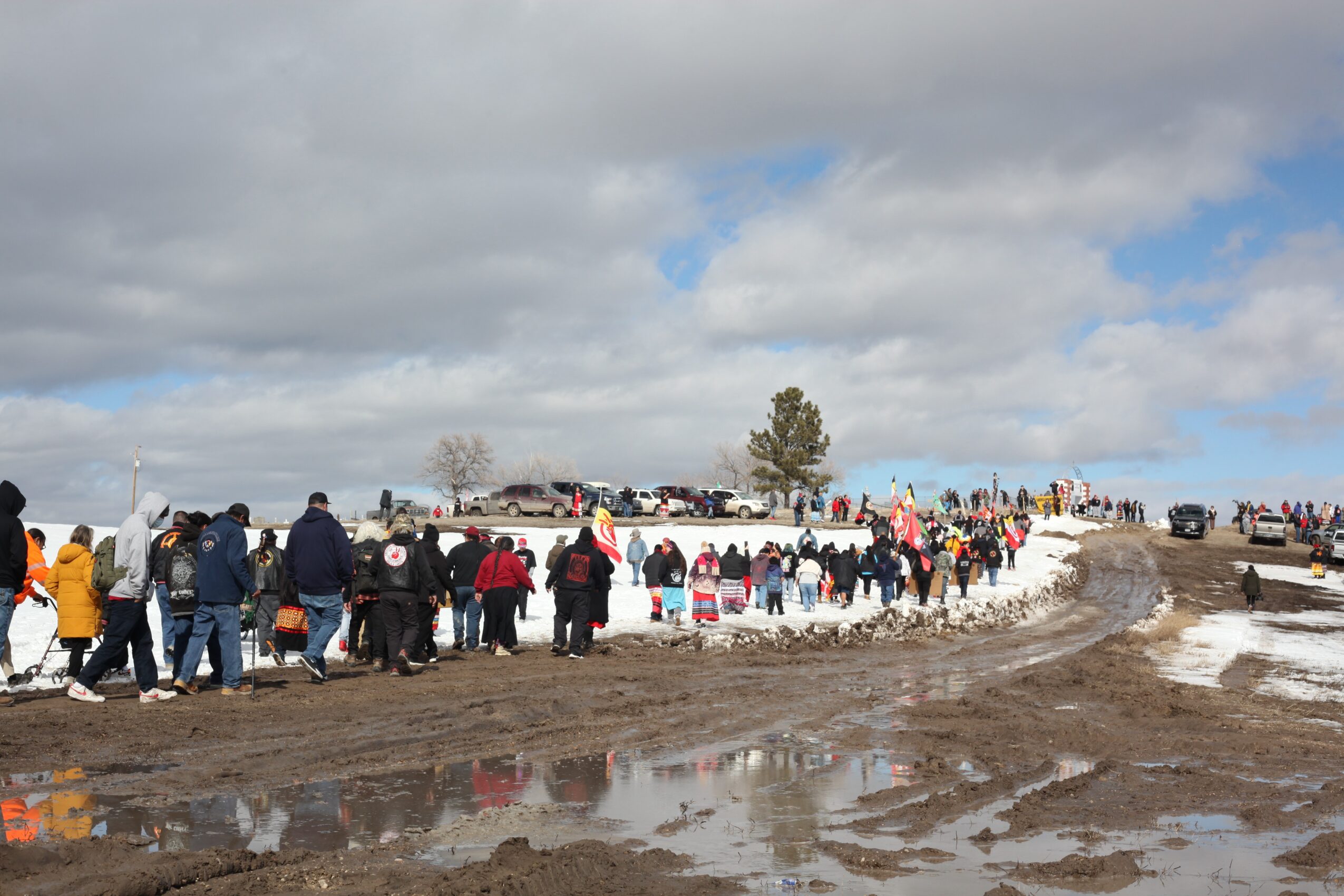
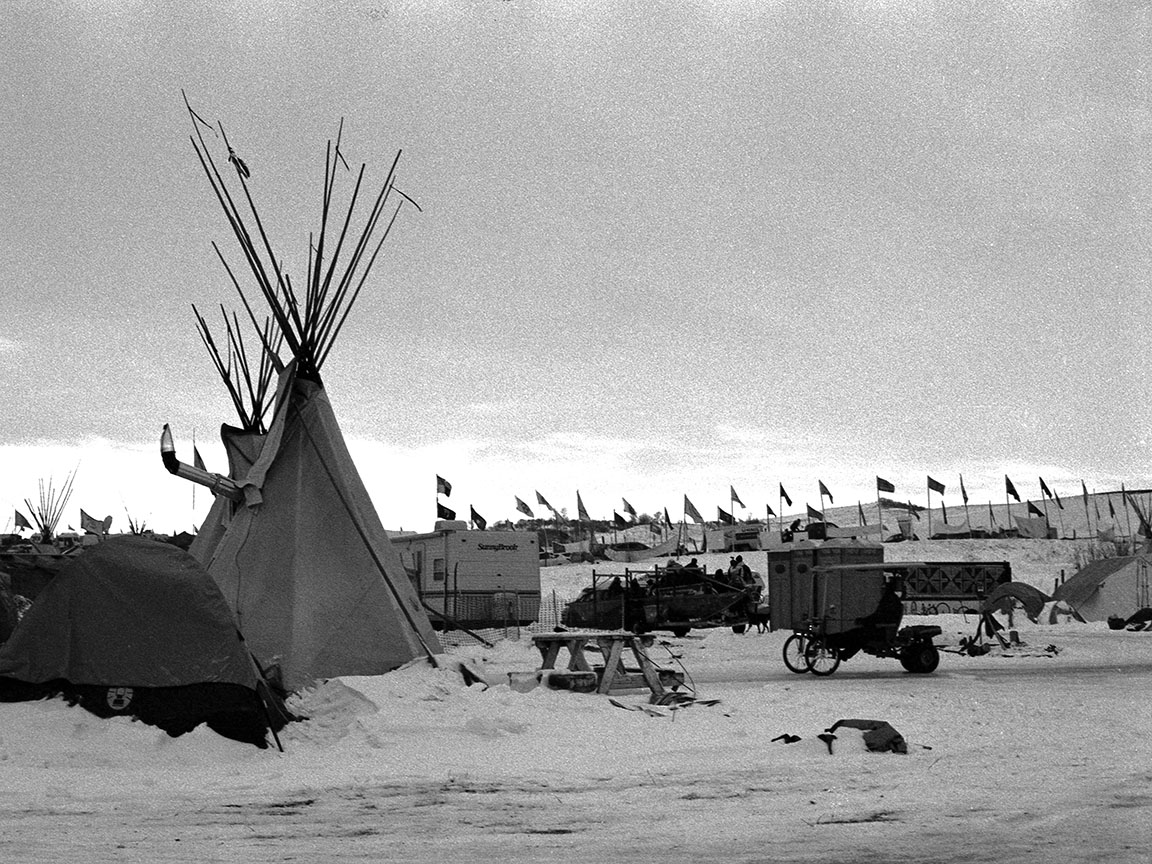
In 2016, I started to work at a local urban farm called Growing Power in Chicago. There, my main duty was to water the 12 acre farm. This was a real treat to be in the middle of a city with so many types of plants and goats! I slowly moved up to building greenhouses and working on composting projects. This job permitted me to travel in between seasons. I ended up back in Lakota Territories, this time I was in Standing Rock in North Dakota supporting my indigenous relatives in their homelands to stop DAPL (Dakota Access Pipe Line) from constructing their oil pipelines through the Cannonball river. I went to Standing Rock, fundraising and bringing supplies and people to support the protest throughout the year. It was infuriating and unjust, everything the government did to folks there. DAPL had PMCs (Private Military Companies) with machine guns, and sprayed chemicals over the camp, they shot water cannons and rubber bullets at people. Two of my friends were shot in the eyes, and one friend was attacked by a German Shepard that was owned and controlled by DAPL private security. All these things were documented and reported. Still to this day my friends are having health complications due to these vicious unjust attacks. So, in winter of 2016 we were lied to and told it was over, that we, the people, have won. We were all sent home with more trauma and Energy Transfers Partners (DAPL’s company) got richer.
Upon my return I finished my time as an urban farmer in Chicago and decided to move to my partner’s queer and trans community in the southeast part of the country. There we lived off the land, grew our own food, built structures and housing as well as systems for mutual aid. I really enjoyed living and being amongst my community. I documented the plants and witnessed different endemic species there. It was sort of a culture clash coming from Chicago. The spiders were huge, there were lots of armadillos, sassafras trees, pawpaw (the fruit from the Jungle Book) etc. The night skies gave lots of visibility to the stars. Living with the land and my peers started to heal me.
Appreciate you sharing that. What else should we know about what you do?
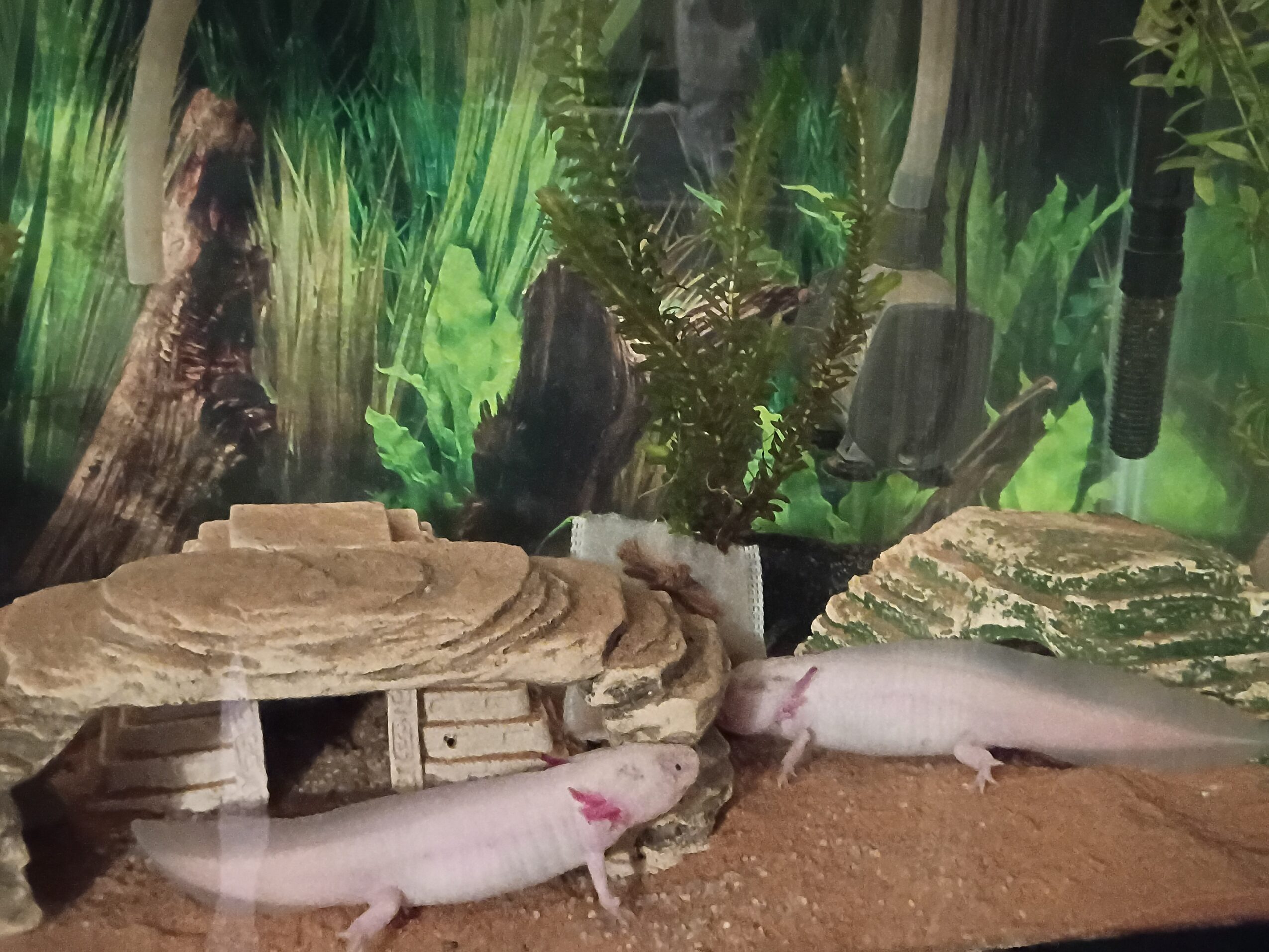
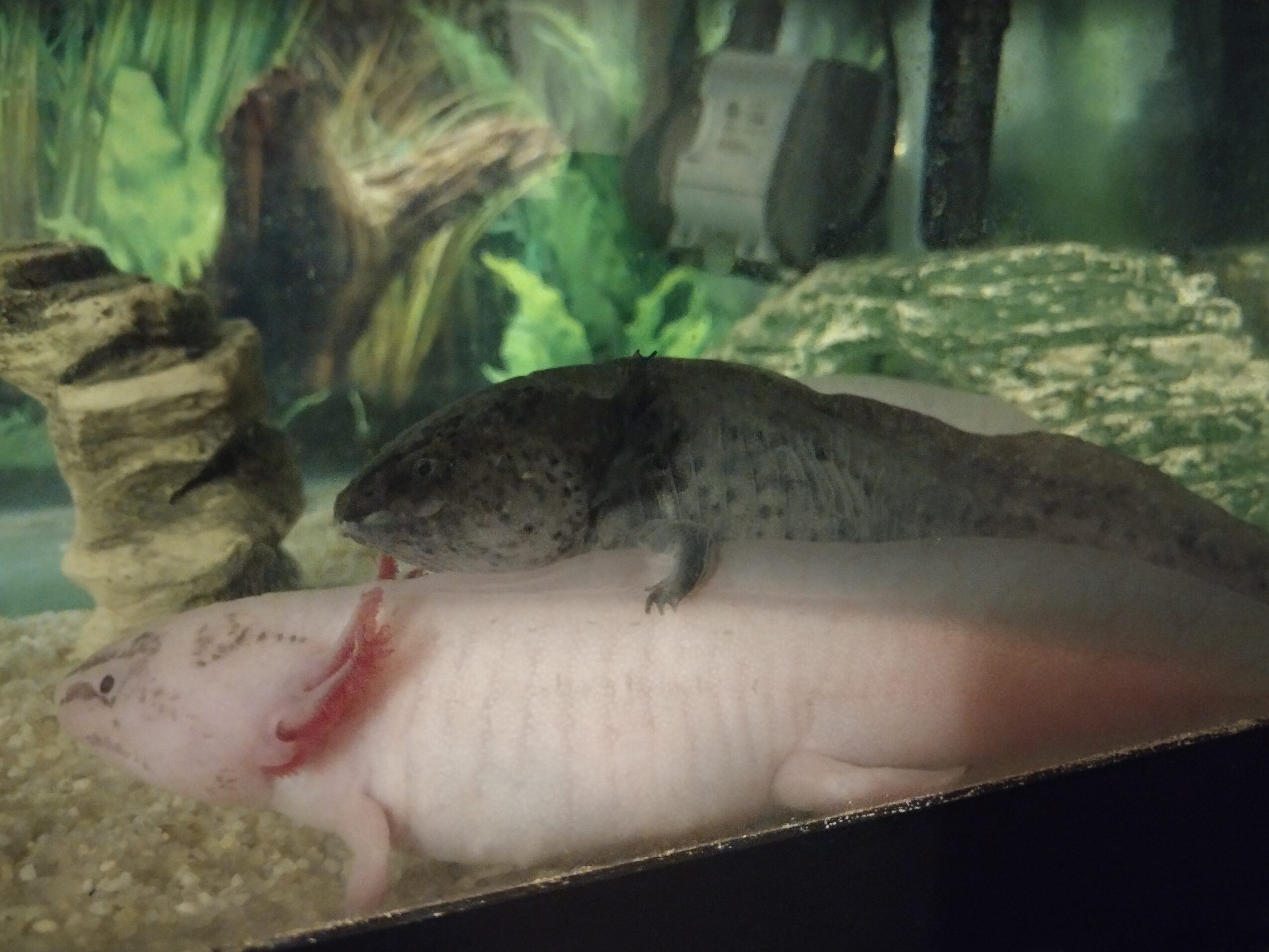
In the summer of 2019 my partner and I moved to Austin, TX. In January of 2020 I had my first exhibition at the Emma S Barrientos Mexican American Cultural Center in downtown Austin. It was a retrospective photo work of 13 years (2006-2019),called El Camino del Corazón (the path of the heart). When it came time for me to take down the exhibition in mid March of 2020, all of sudden Covid shut down the city. Covid19 stopped everything in the world except time. My work was trapped in the exhibition gallery at the cultural center for half a year. By then, I had acquired some axolotl eggs from a friend. Axolotls are an endangered salamander amphibian from Xochimilico and now dry Lake Texcoco in Mexico City, Mexico. I had no idea they would survive. They looked like chia-seeds that have expanded in water. Slowly I started to notice little tail, hands, and gills forming. One day they started to hatch, and I was overjoyed! I was officially an axolotl midwife. During this time, I brought together Rebel Axolotl Collective to support the cost of axolotl care. When my work came off the gallery walls, I wanted to make sure people still had access to these important stories and went to Youtube University and used all my savings to purchase a screen press, UV light table, and equipment for screen printing. It was a big investment for me and a big risk.
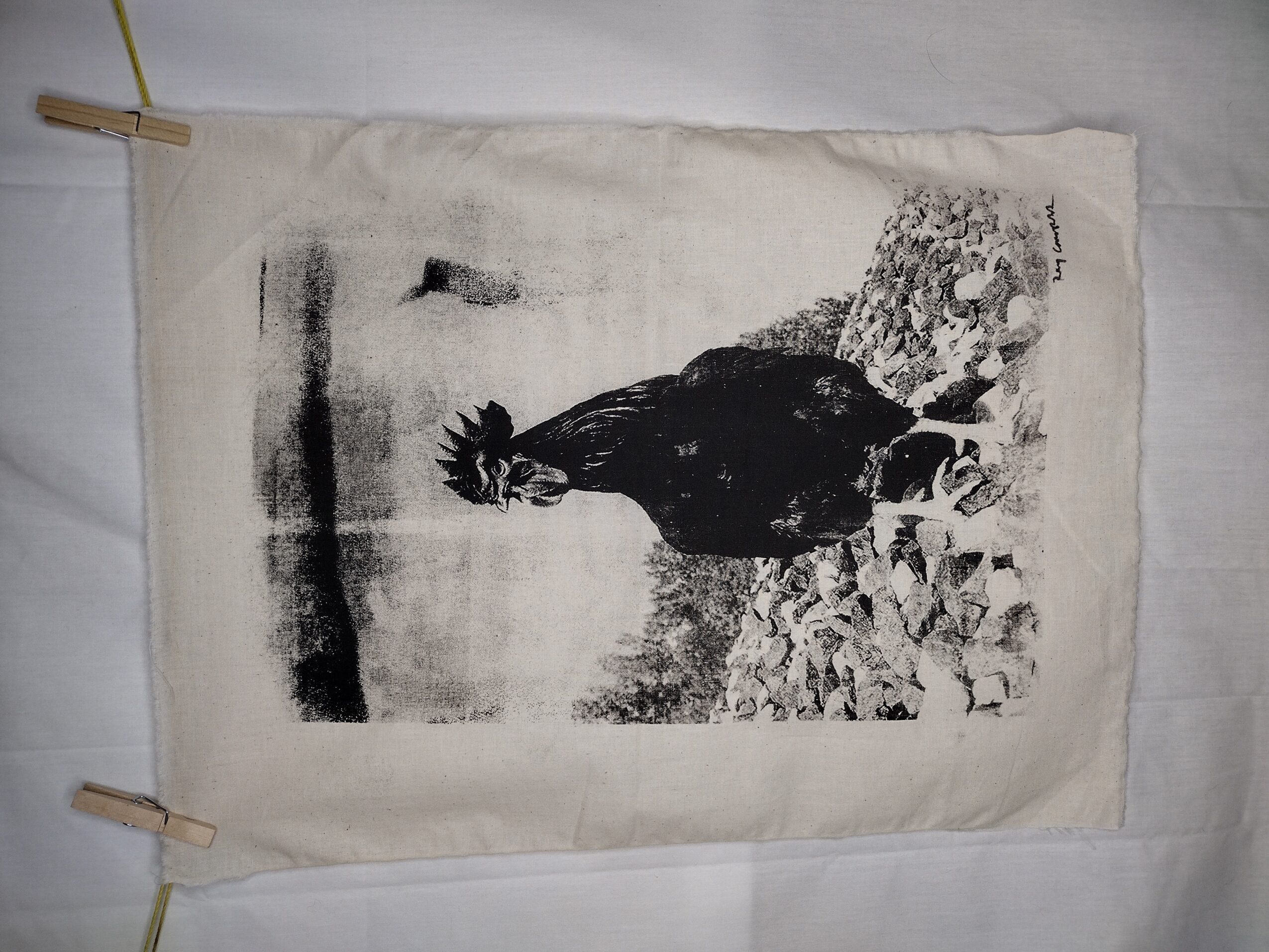
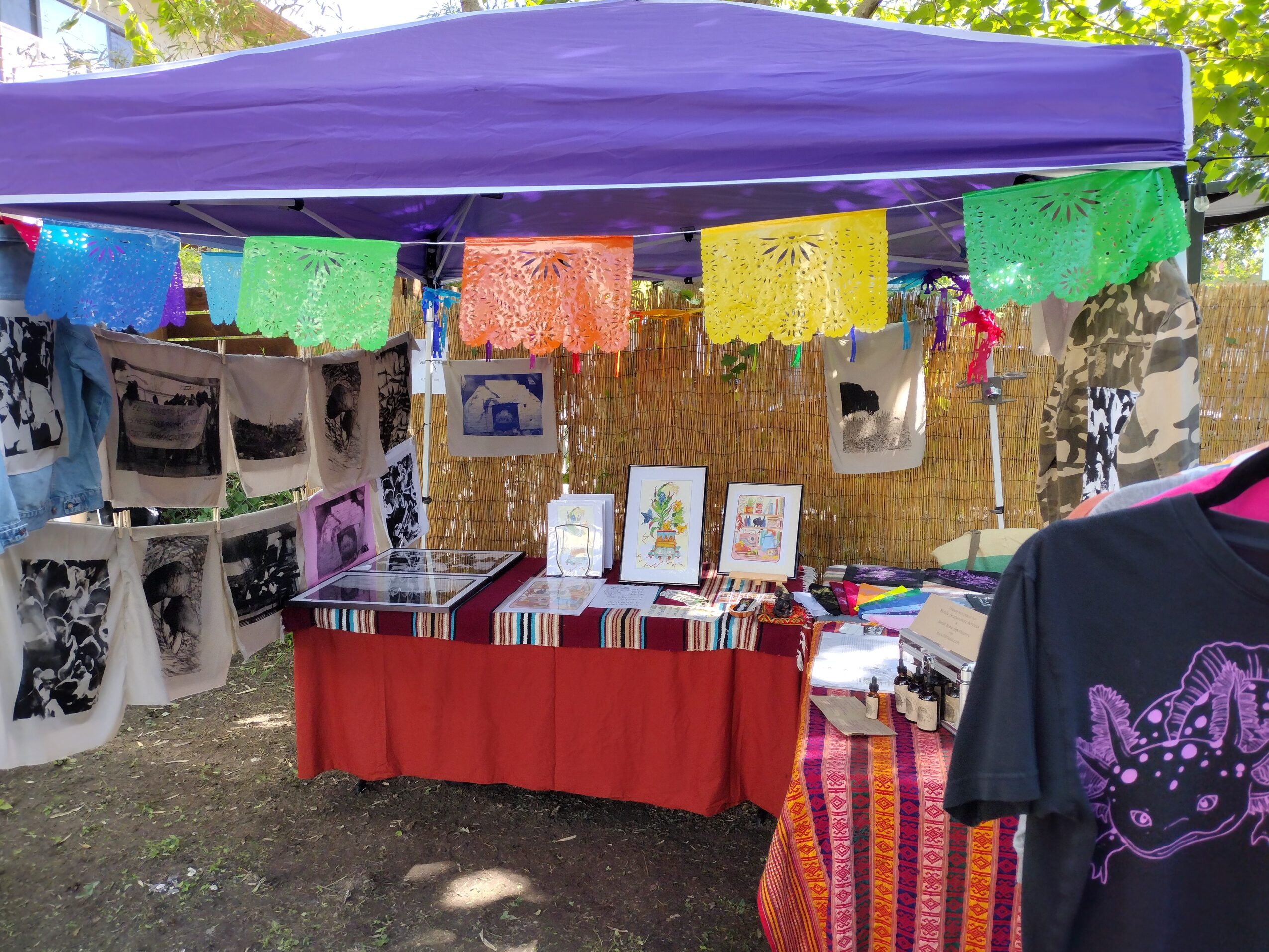
3 years ago I started screen printing my photos onto fabrics and clothes. I recruited some close friends I made in Austin. One is an artist by the name of Briza Camacho (painter/tattoo artist and Illustrator) and the other is a citizen scientist & environmentalist Suzi M. Since then we have been tabling/vending using art as a way of educating people about the importance of this endangered species from Mexico and its cultural significance, while raising funds to continue caring and maintaining 9 axolotls that I have been raising for over 6 years now. It has been a slow process but people have been positively responding to our work as a collective.
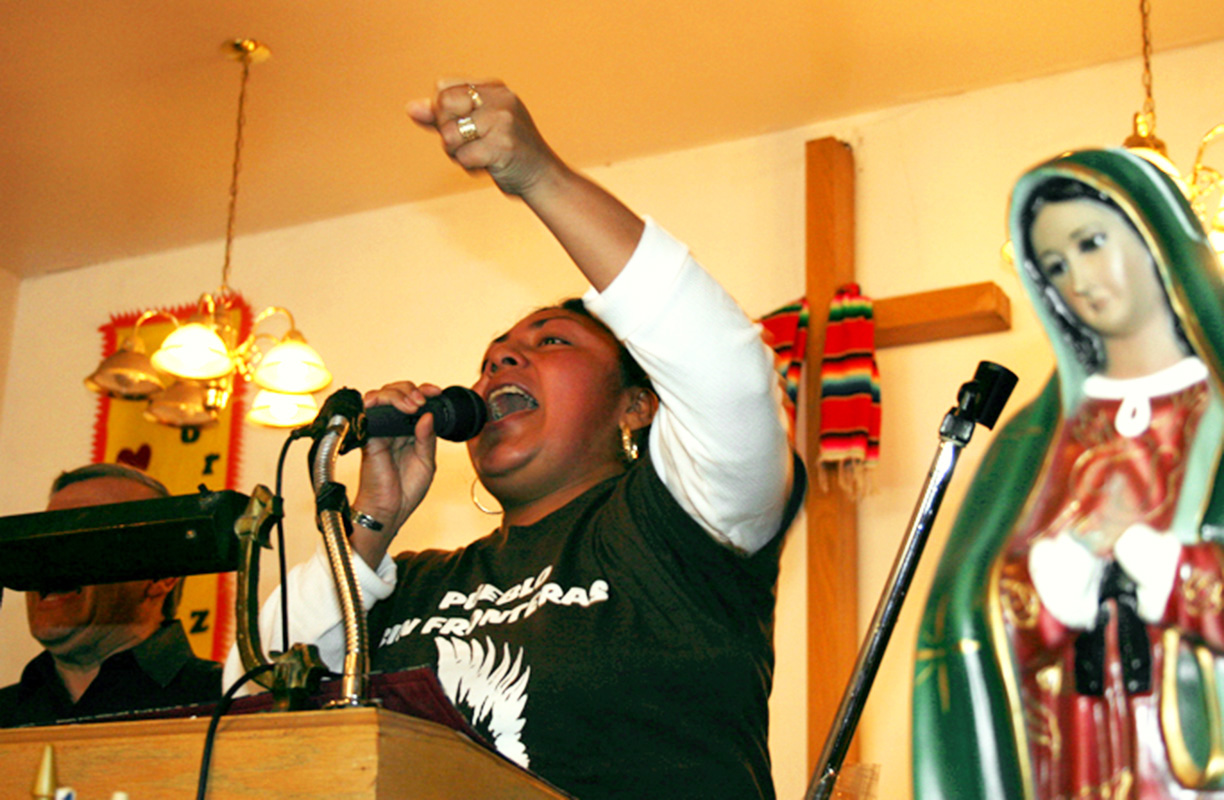
On the 1st day of spring 2026, Rebel Axolotl Collective successfully organized our 1st ever two- day event called Axolotlfest in Austin for international water day. It was all done grassroots style, we had challenges not having funds but the community showed up strong! Friends donated food, and time. One of our Indigenous community elder and founder of Ama’s Herb School, Santa Akouatzin Yanez-Montemayor led a water blessing at the Sacred Springs aka “Barton” Springs, and people of all ages gathered for two days to see axolotl related art, music, puppet building, performances, and cumbias. The event featured wellness offerings such as acupuncture from the Peace Collective (a non-profit group of volunteer acupuncturist) and yoga etc. We raised a little bit over $1000 and that helped us purchase a new chiller and 2 new tanks for the axolotls. We are currently trying to seek funds for Axolotlfest 2. And if possible we would love to make it mobile and bring Axolotlfest 2 to different communities in and out of Austin, TX.
My overall goal with Rebel Axolotl Collective is to continue to use it as a platform to showcase different artists and to help self sustain their work, while continuing to provide care for my nine axolotls. Ultimately I would love to create an aqua or hydroponics system with the nine Axolotls. We all must work together to protect the soil, the air, the water, the people and the creatures of this Earth Mother. As an artist, my duty is like the great artist Toni Cade Bambara that once said “the duty of an artist is to make the revolution irresistible.”
You can visit our work and others mentioned hereon IG: rebelaxolotlcollective, + @Brizacamacho+@thewatersconnectus + @PeaceCollective @AMAHerbSchool
YouTube channel: Axolotlswithoutborders and coming up very soon look out for our new website: www.rebelaxolotlcollective.com
To donate funds for axolotlcare:
Venmo : RosyCampanita (rebelaxolotl)
We’d love to hear about any fond memories you have from when you were growing up?
My favorite Childhood memory was going to the recreational park by Midway airport in Chicago with my grandpa “Pop” to see the airplanes fly really low and up close. I always was fascinated by the size of the plane and wondered how they can get it to fly so high like a bird.
Contact Info:
- Website: www.rebelaxolotlcollective.com (coming soon at the end of 2026)
- Instagram: @rebelaxolotlcollective + @brizacamacho
- Youtube: youtubechannel: axolotlswithoutborders
- Other: Venmo: @rosycampanita (rebelaxolotl)