


Today we’d like to introduce you to Gabrielle Chavira.
Hi Gabrielle, we’re thrilled to have a chance to learn your story today. So, before we get into specifics, maybe you can briefly walk us through how you got to where you are today?
I was born and raised in Austin, Texas. Being an Austin native has always been a special part of my identity, especially as I’ve watched the city grow and change over the years. No matter how much Austin evolves, it will always be home to me.
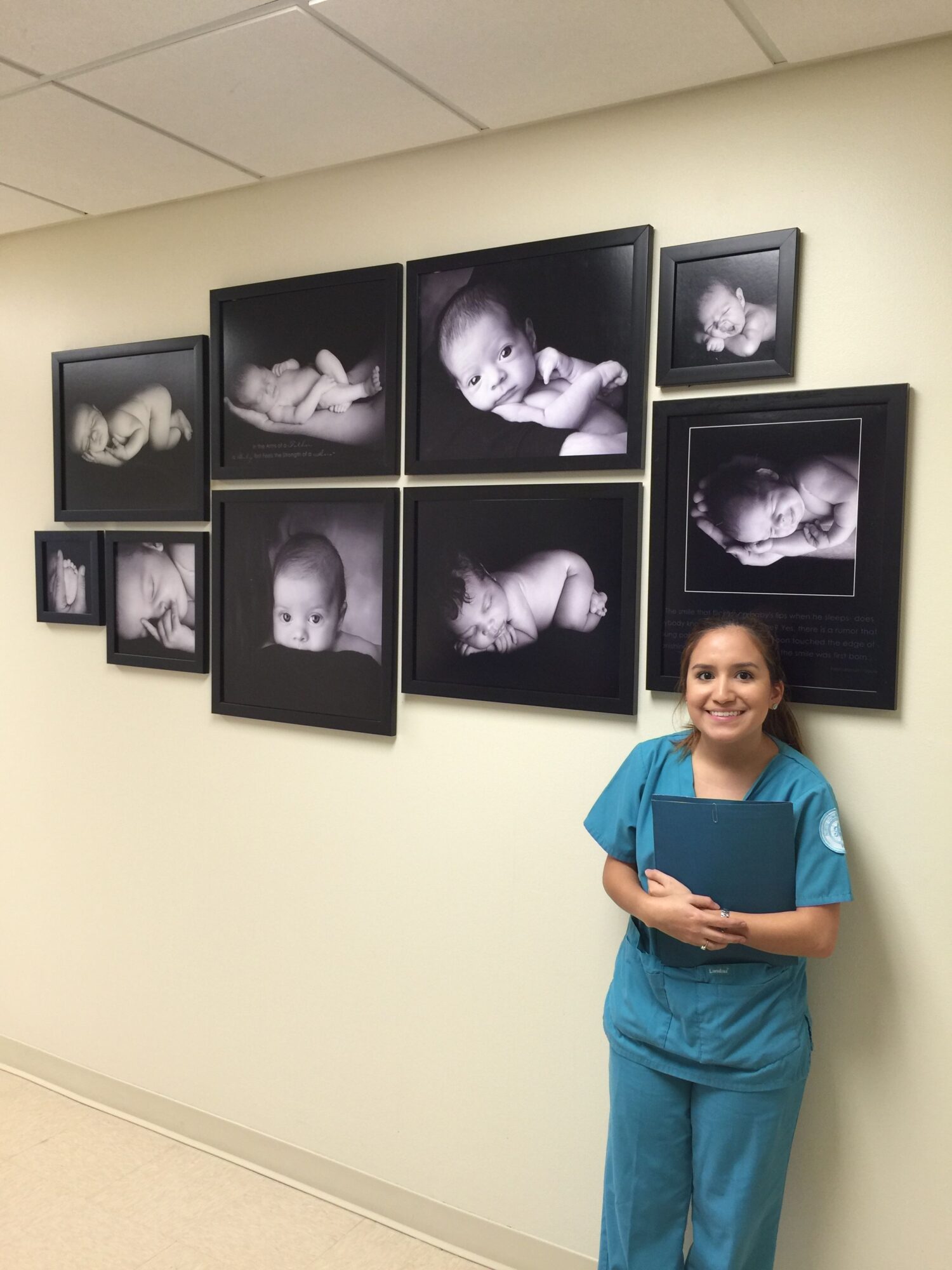
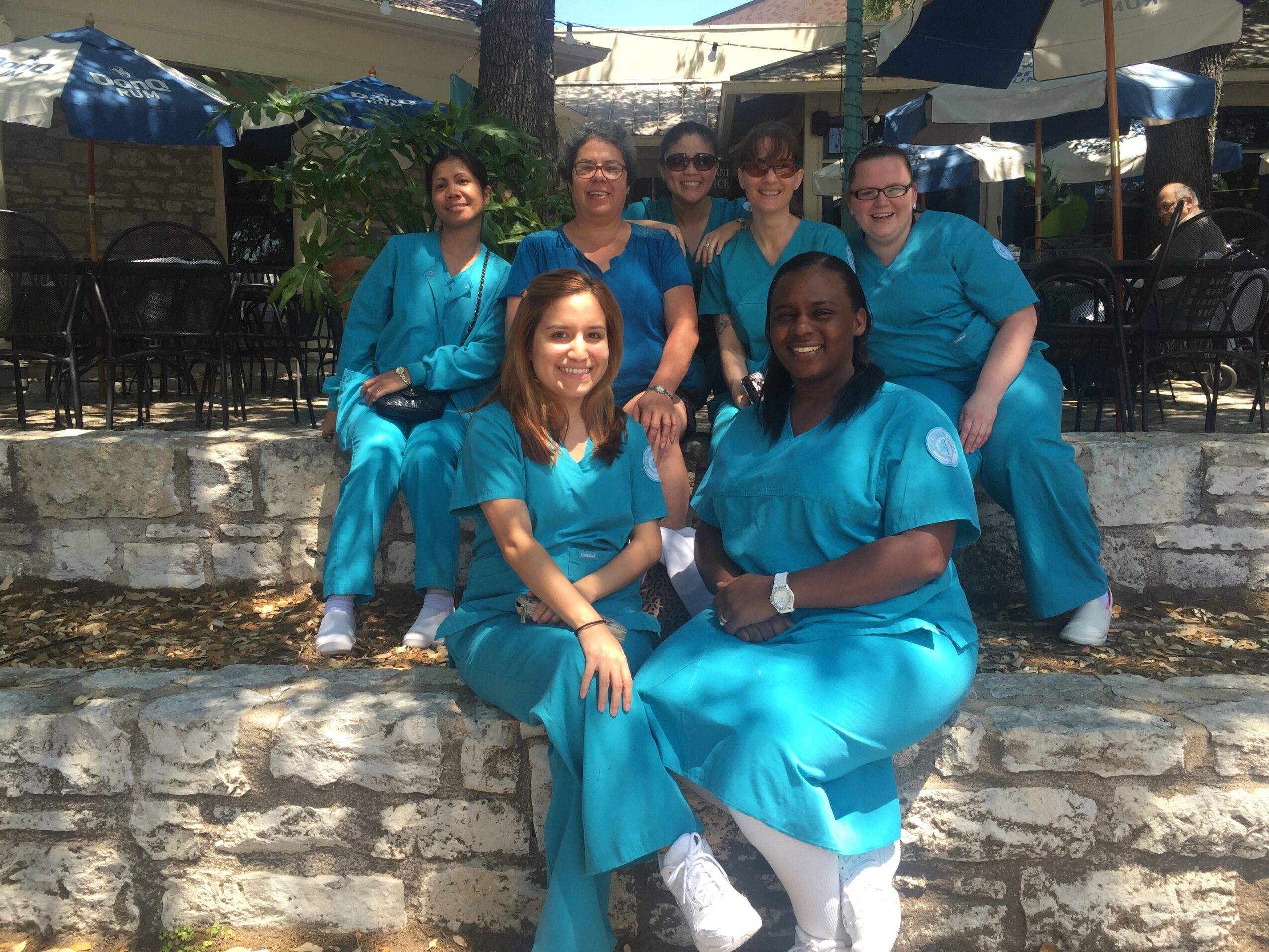
My nursing journey began shortly after graduating from high school when I enrolled in the Vocational Nursing Program at Austin Community College (ACC). While many of my friends were heading off to traditional four year universities, I took a slightly different route, and looking back, I wouldn’t change a thing.
One of the things I appreciated most about attending community college was the opportunity to learn alongside people from all walks of life. My classmates came from different generations, cultures, socioeconomic backgrounds, and life experiences. Some were beginning their careers like me, while others were returning to school to pursue a new chapter in their lives. Being surrounded by such a diverse group of individuals at a young age gave me a unique perspective on life and helped shape the way I connect with people today.
I also remember that, even back when I was a student, there was a certain stigma surrounding community college education. There was this perception that attending a community college was somehow less impressive than going straight to a university or that it was a lesser educational experience. Unfortunately, I think some of that stigma still exists today. But my experience taught me something completely different. Community college gave me an incredible educational foundation, exposed me to people I might not have otherwise met, and provided opportunities that ultimately helped shape my entire career. I’ve always believed that where you begin your education doesn’t determine how far you can go.
After completing the Vocational Nursing Program, I continued my education at ACC, where I earned my associate degree in nursing. I later went on to earn my bachelor’s degree from Texas A&M University and eventually my master’s degree from Texas Tech University, becoming a board-certified Psychiatric Mental Health Nurse Practitioner.
My journey through nursing wasn’t necessarily a straight path. It took me some time, different experiences, and a little soul searching to figure out where I truly belonged within the profession. Nursing offers so many opportunities, and I think sometimes we put pressure on ourselves to know exactly what we want to do right away. For me, it was a process of discovering what I was passionate about and what kind of impact I wanted to make.
Eventually, I found myself drawn to psychiatry, and that’s when everything started to fall into place. What I love most about psychiatric nursing is that it allows me to connect with people on a much deeper level. Mental health is incredibly complex, and no two individuals have the same story, even when they share the same diagnosis. I enjoy taking the time to understand not only someone’s symptoms but also their experiences, environment, relationships, and the circumstances that have shaped who they are.
Psychiatry challenges me to look beyond what is immediately visible. It requires patience, empathy, curiosity, and an understanding that healing isn’t always linear. Sometimes progress comes in small victories that might seem insignificant to someone else but mean everything to the person experiencing them. There is something incredibly rewarding about watching someone begin to regain their confidence, develop healthier coping skills, or simply feel heard and understood for the first time. I also appreciate that psychiatry is constantly evolving, which allows me to continue learning and growing as a provider.
That passion ultimately led me to open my own practice, InPower Psychiatry and Wellness. I wanted to create a space where individuals feel comfortable seeking mental health care without fear of judgment or stigma. My vision has always been to provide care that looks at the whole person rather than focusing solely on a diagnosis or medication. I believe mental health treatment should be collaborative, individualized, and empowering. Opening my own practice has given me the opportunity to build something that reflects those values while serving the community that helped shape me.
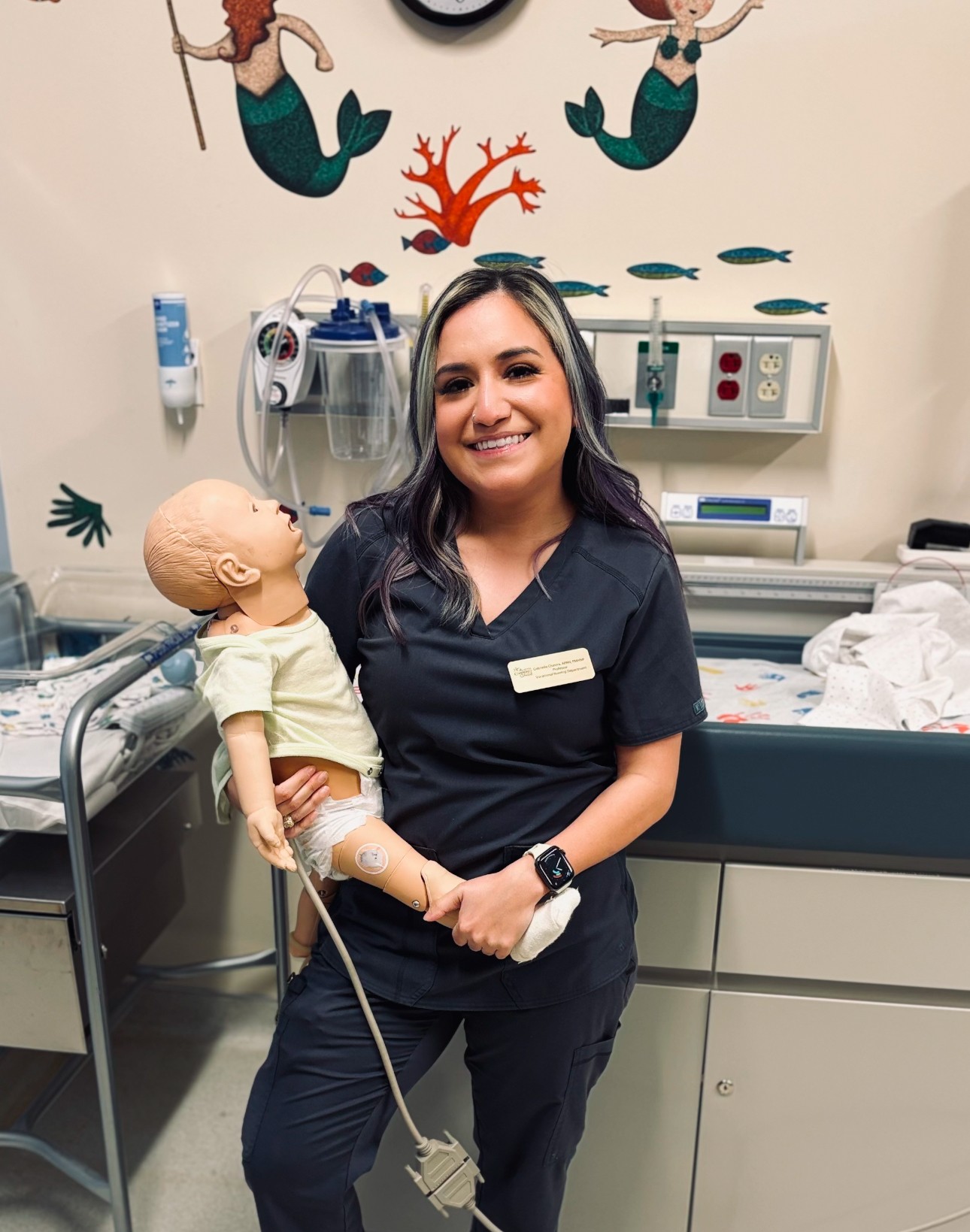
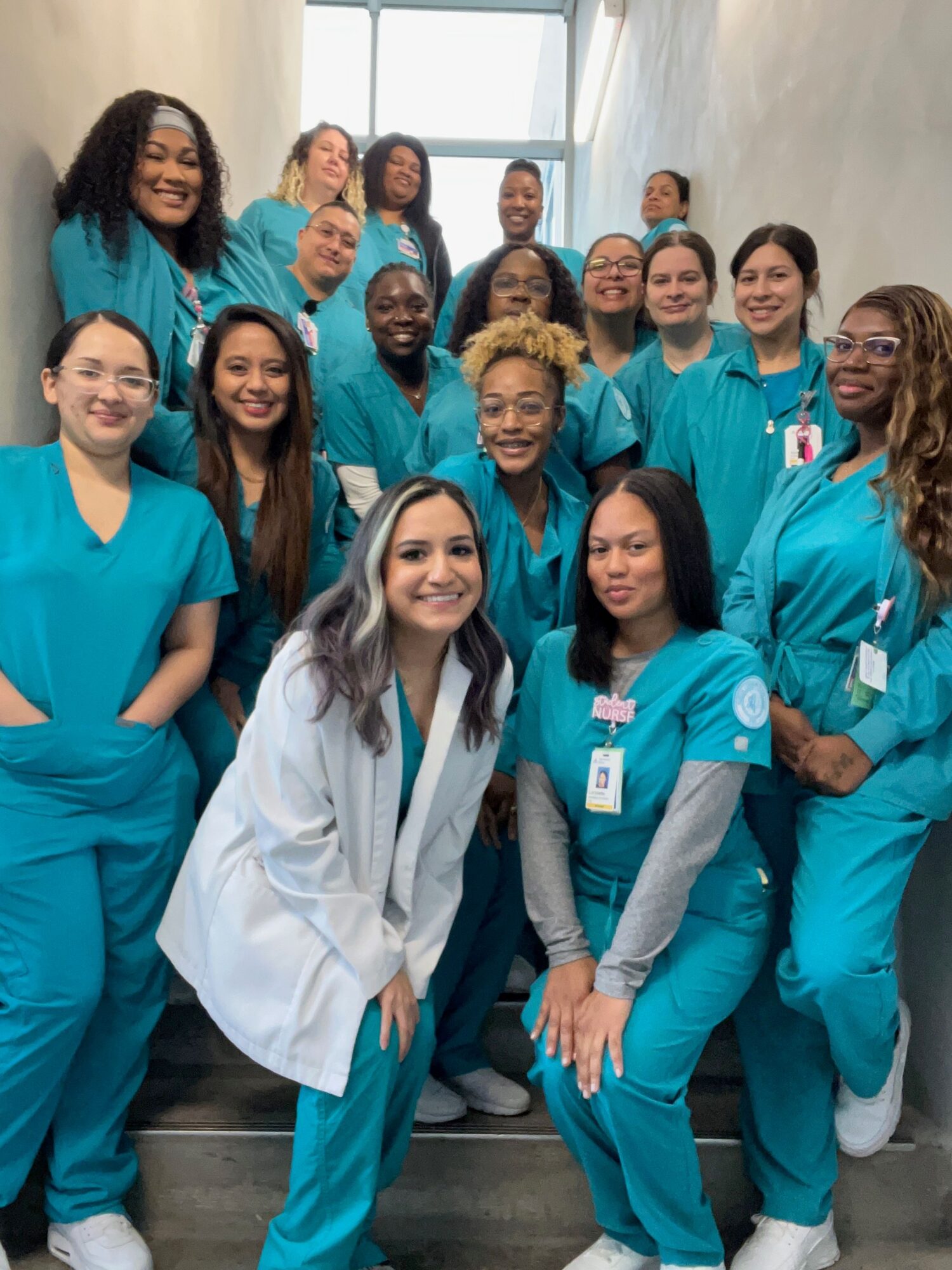
Alongside running my practice, I’ve also had the opportunity to come full circle in my nursing journey. I currently serve as a nursing professor in Austin Community College’s Evening and Weekend Vocational Nursing Program, the very program where my own nursing career began.
Giving back to my community has always been important to me, especially because Austin is where my roots are. When one of my former nursing professors approached me about an opportunity to teach at ACC, it was something I couldn’t pass up. There was something incredibly meaningful about returning to the same program that helped build my foundation as a nurse, only this time being on the other side of the classroom.
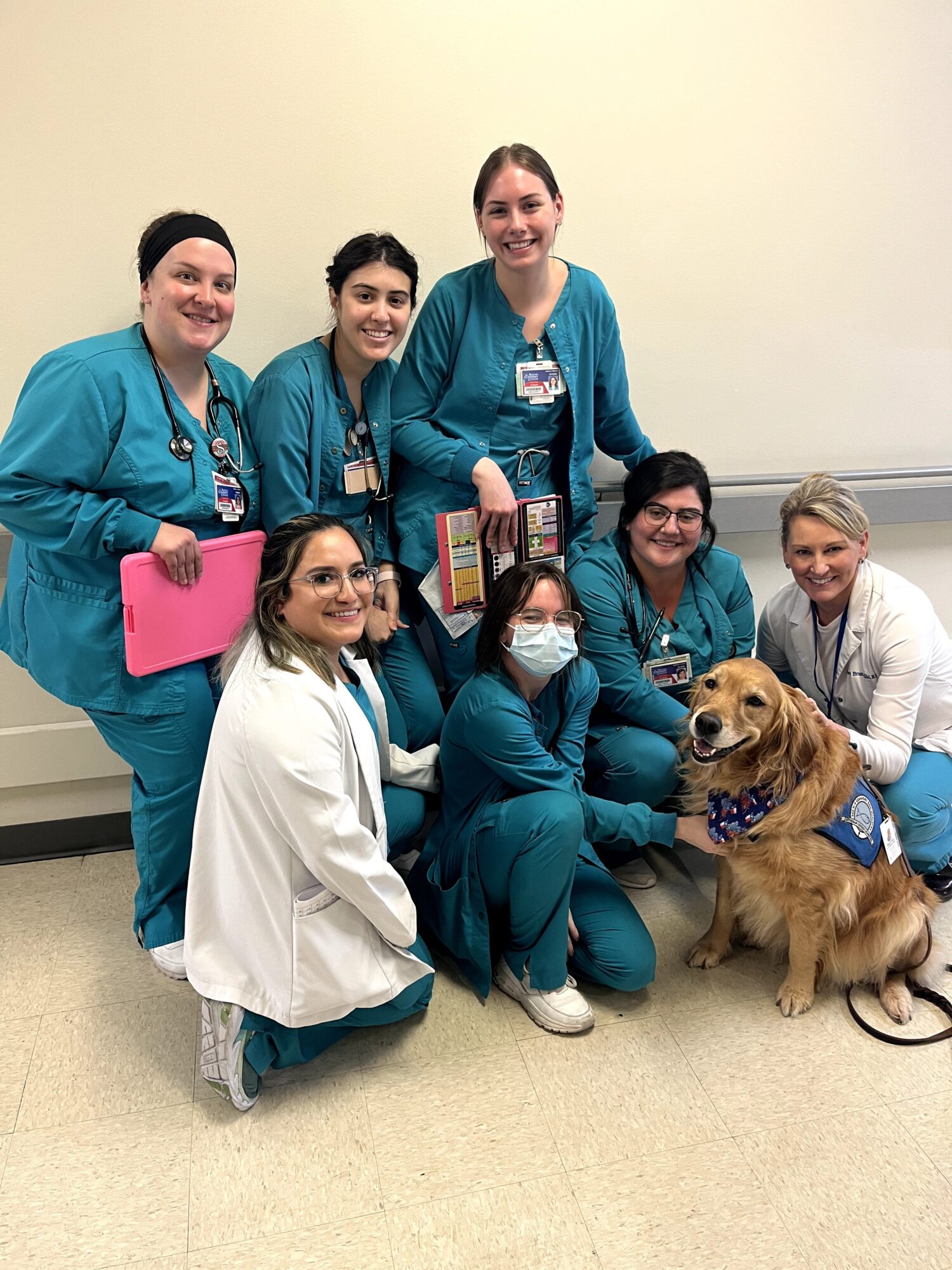
Teaching has given me an entirely different appreciation for nursing. I get to work with students who remind me so much of the people I once sat beside in class. Many are balancing families, full-time jobs, financial responsibilities, and countless other challenges while pursuing their dreams of becoming nurses. I understand how demanding that journey can be, and being able to encourage, challenge, and support them along the way is incredibly fulfilling.
One of the most rewarding parts of teaching is when my students tell me that they hope to follow in my footsteps one day. I’ve had students share that they want to continue their education and eventually become nurse practitioners themselves. What makes those conversations especially meaningful is hearing them say that seeing someone who started in the exact same Vocational Nursing Program, went on to become a psychiatric nurse practitioner, and now owns her own practice makes that dream feel possible for them.
Those moments mean more to me than I can really put into words. I remember being in their shoes, just beginning my nursing education and not knowing exactly where my career would take me. Now, to be standing in front of a classroom as both their professor and an example of what they can accomplish is an incredible feeling. It reminds me that sometimes the greatest impact we can have on someone isn’t necessarily through what we teach them from a textbook, but through showing them what is possible.
It’s also one of the reasons I feel so strongly about challenging the stigma surrounding community college education. I want my students to take pride in where they’re starting. There is absolutely nothing wrong with beginning your educational journey at a community college, and it certainly doesn’t place a limit on your future. Whether their goal is to become an excellent vocational nurse, earn their registered nursing license, pursue an advanced degree, or eventually open a practice of their own, I want them to understand that their ambitions are valid and achievable.
I don’t ever want my students to feel that their starting point makes them any less capable than someone who began at a four year university. If anything, I hope my story encourages them to recognize the value of their own experiences and the opportunities that are ahead of them. You don’t have to start at the top to accomplish something meaningful. You just have to be willing to keep growing.
Today, I find myself balancing two roles that I’m equally passionate about: educating future nurses and growing my psychiatric practice. It can definitely be challenging juggling both, but each role brings something meaningful to my life. Teaching keeps me connected to the foundation of nursing, while my practice allows me to continue pursuing my passion for mental health and building something of my own.
When I look back at where I started, I never would have imagined that the young girl who enrolled at ACC right after high school would one day return as a professor while also owning her own healthcare practice. My journey hasn’t always been perfectly planned, but every experience has contributed to where I am today.
If there’s one thing I’ve learned, it’s that success doesn’t have to follow a traditional timeline or a straight path. Sometimes the experiences that seem like detours are actually preparing you for something greater. I’m proud of how far I’ve come, but what makes this journey even more meaningful is knowing that my experiences might inspire someone else to pursue their own goals.
At the heart of everything I do is a desire to make a positive difference, whether that’s through helping someone navigate their mental health journey, mentoring a future nurse, or giving back to the Austin community that has given me so much. And if sharing my story helps even one student realize that their dreams are within reach, then that’s something I’ll always consider one of my greatest accomplishments.
Alright, so let’s dig a little deeper into the story – has it been an easy path overall and if not, what were the challenges you’ve had to overcome?
I wouldn’t necessarily say it’s been a smooth road, but I do believe that some of the challenges I’ve encountered have helped shape who I am today, both personally and professionally.
One thing I’ve come to recognize throughout my journey is how much stigma and financial barriers can influence the decisions people make about their own futures. Interestingly enough, I’ve seen these challenges in two very different areas of my career: education and mental health.
When I first started my nursing education at Austin Community College, I remember there being a certain stigma surrounding community colleges. There was this idea that attending a four year university was somehow more respectable or that starting at a community college meant you weren’t as academically capable or ambitious. Even today, I think that perception discourages some individuals from considering community college as a starting point for their education.
Having started in a vocational nursing program and eventually becoming a Psychiatric Mental Health Nurse Practitioner and opening my own practice, I’ve learned firsthand that where you start doesn’t determine where you’ll finish. That’s something I try to emphasize to my students. I want them to feel proud of their educational journey rather than feel that they have something to prove because they chose a different path.
Beyond the stigma, I think one of the biggest challenges facing nursing students today is the financial burden of pursuing an education. The cost of living has increased significantly, and for many individuals, the idea of reducing their work hours to attend nursing school simply isn’t financially realistic. Nursing programs are demanding, requiring time for lectures, clinical rotations, studying, and skills practice. Unfortunately, bills don’t stop coming just because someone decides to pursue an education.
As a professor in ACC’s Evening and Weekend Vocational Nursing Program, I see firsthand how much our students sacrifice to pursue their goals. Many are balancing full-time jobs, raising families, and managing financial responsibilities while trying to succeed in a rigorous nursing program. Some simply cannot afford to work fewer hours, even when they desperately need more time to study. Financial assistance isn’t always enough to cover the realities of everyday living, and I think that’s something that often gets overlooked when we talk about access to education.
It’s difficult knowing that there are incredibly capable individuals who want to become nurses but may never have the opportunity because they cannot afford to step away from work or take on the additional financial burden. Sometimes the biggest obstacle isn’t a person’s ability or determination, but whether they can financially afford the opportunity to pursue their goals.
Interestingly, I see many of these same challenges in the mental health field. Despite the progress we’ve made in raising awareness, there is still a significant stigma surrounding seeking psychiatric care. People sometimes hesitate to reach out because they’re afraid of being judged, misunderstood, or labeled. Others may feel that asking for help is a sign of weakness or that their struggles aren’t significant enough to deserve attention.
But beyond stigma, affordability is another major barrier to receiving mental health treatment. There are individuals who genuinely want help but simply cannot afford it. Some don’t have health insurance, while others struggle to afford their monthly premiums, deductibles, copays, or the out-of-pocket costs associated with psychiatric appointments, therapy, and medications. Even individuals who have insurance may find that their coverage is limited or that finding a provider who accepts their plan is challenging.
As a psychiatric provider and practice owner, this is something that weighs heavily on me. It’s difficult knowing that someone may recognize they need help, find the courage to reach out, and still face financial obstacles that prevent them from receiving consistent treatment. Mental health care shouldn’t feel like a luxury that only certain people can afford. I believe everyone deserves the opportunity to receive quality, compassionate care, regardless of their financial circumstances.
What I’ve realized is that education and mental health care have more in common than people might think. In both situations, individuals may be fighting against stigma, financial limitations, and circumstances that are often beyond their control. Someone may desperately want to go back to school but cannot afford to reduce their work hours. Another person may want to begin therapy or psychiatric treatment but has to choose between paying for an appointment and covering their basic living expenses.
In both situations, the desire to improve their lives is there, but the resources and opportunities aren’t always accessible.
That’s why I make a conscious effort to relate to the people I work with, whether they’re my students in the classroom or my patients at InPower Psychiatry and Wellness. I understand that everyone comes from different circumstances, and I never want to assume that someone isn’t trying hard enough simply because their progress looks different from someone else’s.
As an educator, I want my students to feel comfortable asking questions, making mistakes, and sharing their concerns without feeling embarrassed or discouraged. I also recognize that sometimes what a student needs most is someone who understands that they’re balancing responsibilities outside the classroom. As a psychiatric provider, I want my patients to feel safe discussing not only their mental health symptoms but also the personal, social, and financial challenges that may affect their treatment.
One of the most important things to me, whether I’m teaching or treating someone, is making sure their voice is heard. I believe people are much more receptive to learning, growing, and healing when they feel genuinely understood and respected rather than judged by their circumstances.
Of course, balancing the responsibilities of being an educator, healthcare provider, and business owner comes with its own challenges. There have been moments of uncertainty, long hours, and plenty of learning experiences along the way. But those experiences have also taught me the importance of patience, adaptability, and giving myself the same grace that I encourage others to give themselves.
Ultimately, one of the biggest lessons I’ve learned is that people shouldn’t have to feel ashamed of where they’re starting, whether that’s walking into a community college classroom for the first time or reaching out for mental health support. Both require courage, and neither should be limited by stigma or financial circumstances.
I know I can’t single handedly change the cost of education, the healthcare system, or the economy, but I can make a difference in how I approach the people I serve. I can listen, advocate, educate, and create an environment where individuals feel supported rather than judged.
If I can help break down even a small part of those barriers by sharing my experiences, encouraging my students, advocating for my patients, and reminding people that their circumstances don’t define their potential, then I feel like I’m making a meaningful difference. To me, that’s what makes the challenges along the way worthwhile.
Thanks for sharing that. So, maybe next you can tell us a bit more about your business?
InPower Psychiatry and Wellness is a psychiatric mental health practice I founded with the goal of creating a welcoming, supportive, and judgment free environment where individuals feel empowered to take an active role in their mental health journey. As a board-certified Psychiatric Mental Health Nurse Practitioner, I wanted to build a practice that reflects my personal philosophy of care: mental health treatment should be individualized, collaborative, and focused on the whole person rather than just a diagnosis.
Based in Central Texas, InPower Psychiatry and Wellness currently provides telepsychiatry services throughout Texas for children, adolescents, and adults ages 8 and older. We specialize in psychiatric evaluations, medication management, and supportive therapy for individuals experiencing a variety of mental health concerns, including anxiety, depression, ADHD, bipolar disorder, PTSD, and behavioral challenges.
One of the biggest reasons I decided to open my own practice was because I wanted the freedom to approach mental health care in a way that aligned with my values. Throughout my nursing career, I’ve learned that mental health is rarely as simple as identifying symptoms and prescribing medication. Our mental well being is influenced by so many factors, including our physical health, relationships, environment, lifestyle, past experiences, and the challenges we face in everyday life.
What I believe sets InPower apart is our emphasis on treating the person, not just the diagnosis. Medication can be an incredibly valuable part of psychiatric treatment, but I don’t believe it should automatically be the only focus. I want my patients to understand their mental health, recognize patterns in their lives, develop healthier coping strategies, and feel confident participating in decisions about their treatment. Depending on each individual’s needs, that may involve medication management, supportive therapy, lifestyle modifications, education, or collaboration with other healthcare professionals.
I also recognize that seeking psychiatric care can be intimidating, especially for someone who has never received mental health treatment before. Unfortunately, there is still a stigma surrounding mental health, and many individuals hesitate to seek help because they’re afraid of being judged, misunderstood, or labeled. I wanted InPower to be a place where those fears could be set aside.
When someone comes to me for care, I want them to feel like they’re having a conversation with someone who genuinely wants to understand them rather than simply going through a checklist of symptoms. I believe listening is one of the most important skills a healthcare provider can have. Every patient has a story, and understanding that story is essential to providing meaningful care.
Another important part of my approach is recognizing that not everyone has the same access to mental health resources. Financial limitations, insurance coverage, demanding work schedules, family responsibilities, and transportation can all become barriers to treatment. Having worked with individuals from many different backgrounds throughout my nursing career, I understand that treatment plans need to be realistic and considerate of each person’s circumstances.
This is one reason why offering telepsychiatry services has been especially important to me. Virtual appointments allow individuals throughout Texas to access psychiatric care from the comfort of their homes, which can be particularly beneficial for those balancing work, school, parenting, or other responsibilities. While telehealth doesn’t eliminate every barrier, it can make seeking care more convenient and accessible for many individuals.
As the practice continues to grow, my goal is to eventually transition into a hybrid model, offering both telehealth and in-person appointments to better serve the Central Texas community. I also hope to expand InPower into a more comprehensive mental health and wellness practice by bringing additional psychiatric providers, licensed therapists, and other wellness professionals together.
My long-term vision is to create a collaborative environment where patients have access to multiple approaches to mental health care, including traditional psychiatric treatment, psychotherapy, and appropriate holistic and integrative wellness services. I strongly believe that mental health and physical health are interconnected, and I want the practice to continue evolving in a way that supports both.
One of the things I’m most proud of when it comes to the InPower brand is the meaning behind its name. I chose InPower because I wanted the practice to represent empowerment from within. Too often, individuals struggling with their mental health feel as though they’ve lost control of certain aspects of their lives. My goal isn’t to make decisions for my patients but to provide them with the knowledge, guidance, and support they need to feel empowered to make informed decisions for themselves.
Even the visual identity of the practice reflects that philosophy. Our logo incorporates a brain and elements of nature, symbolizing the connection between mental health, personal growth, and overall wellness. I intentionally wanted the brand to feel calming, approachable, and welcoming rather than overly clinical or intimidating. Mental health care can already feel overwhelming, and I wanted every aspect of InPower, from our name to the patient experience, to communicate a sense of comfort, hope, and possibility.
Being born and raised in Austin also makes building this practice particularly meaningful to me. I’ve watched Central Texas grow tremendously over the years, and with that growth comes an increasing need for accessible mental health services. While InPower currently serves patients virtually throughout the state, my heart is especially invested in giving back to the community that helped shape who I am today.
As a small, independently owned practice, I’m also proud of the opportunity to build meaningful relationships with my patients. I don’t want individuals to feel like they’re just another appointment on the schedule. I want them to feel comfortable asking questions, expressing concerns, and being honest about what is or isn’t working for them. I believe the best treatment outcomes come from a partnership between the patient and provider, where both are actively involved in the process.
Do you have recommendations for books, apps, blogs, etc?
I really enjoy attending community events, local business gatherings, and networking opportunities where I can meet individuals from different industries and walks of life. I believe there’s so much value in stepping outside of your usual environment and having genuine conversations with people. You never know what you might learn from someone else’s experiences, whether they’re a fellow healthcare professional, a small business owner, or someone who has taken a completely different career path.
As someone who was born and raised in Austin, giving back to my community has always been important to me. I especially enjoy connecting with other local business owners because I understand the passion, dedication, and challenges that come with building something of your own. There’s something inspiring about being surrounded by individuals who are working toward their goals while also contributing to the growth of our community.
Networking, to me, isn’t just about promoting my practice or exchanging business cards. It’s about building meaningful relationships, learning from others, supporting local businesses, and finding opportunities to collaborate. Through these connections, I can also learn more about the needs of our community and discover ways that InPower Psychiatry and Wellness can help address gaps in mental health care.
I also believe that being involved in the community makes me a better healthcare provider and educator. It reminds me that everyone’s experiences are different and that there’s always something new to learn from the people around us. Some of the most valuable lessons I’ve gained haven’t come from a textbook or professional training but from simply listening to other people’s stories.
Contact Info:
- Website: https://www.inpowertx.com
- Instagram: https://www.instagram.com/inpowertx