


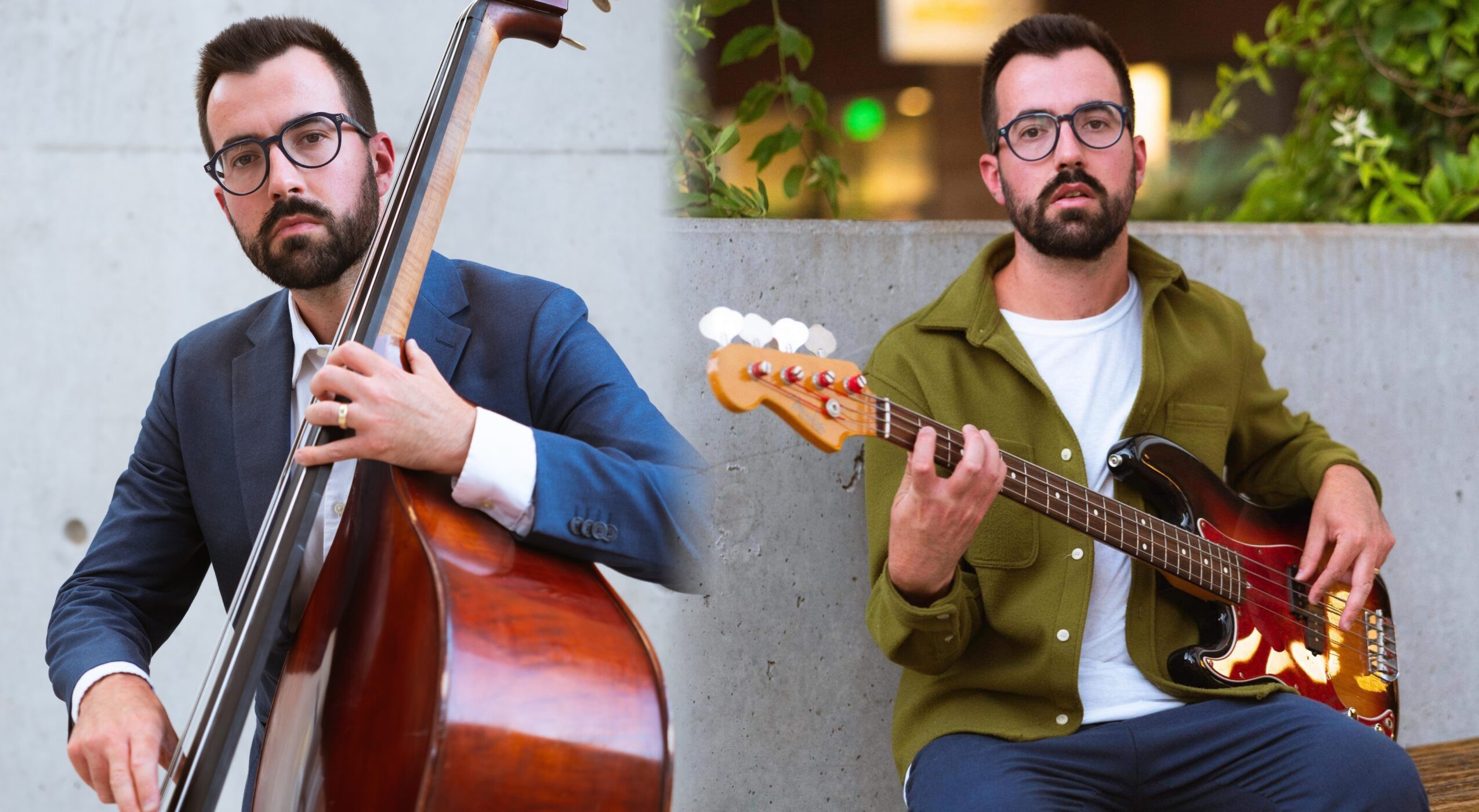
Today we’d like to introduce you to Alex Bilodeau.
Hi Alex, so excited to have you with us today. What can you tell us about your story?
I was born in Ottawa, Ontario, Canada, and first started playing electric bass in sixth grade. My older brother had already started playing guitar, and not wanting to play the same instrument as him, I decided to pick up the bass instead. I quickly became obsessed with the instrument. My brother and I spent countless hours practicing, playing music, and learning together.
Music completely changed my life. Before discovering it, I struggled in school and often felt like I wasn’t particularly good at anything. Finding music gave me a sense of purpose and helped me develop a strong work ethic and discipline that I eventually learned to apply to other aspects of my life. For the first time, I felt that I had found something I was passionate about, something I could work toward and continually improve at. Music gave me confidence and fundamentally changed the way I saw myself.
During high school, my older brother, Steve, and I formed a band with two friends who attended an arts high school in Ottawa. We called ourselves “Kelvin and the Farenheits” (I’m still not entirely sure how we came up with that name). We spent countless hours improvising, writing music, and developing our sound together. My brother and my bandmates had an enormous influence on me, both musically and personally. They pushed me to become a better musician while also helping me come out of my shell and grow as a person. We’re all still close friends today, despite now living in different cities around the world, including New York, Toronto, Berlin, and Austin.
After high school, I went on to study jazz performance at McGill University in Montreal, where I had the privilege of learning from many incredible musicians and developing a strong foundation in jazz, improvisation, and musicianship. My brother was already studying jazz guitar at McGill, so we had the opportunity to overlap for two years. During that time, we lived together and spent much of our time practicing, playing music, and immersing ourselves in the world of jazz. It was an incredibly formative period in my development as a musician.
After graduating from McGill, I returned to Ottawa, where I spent several years working as a professional musician. I performed, recorded, and taught regularly, gaining valuable experience and continuing to develop my career.
In 2017, I moved to the United States to pursue a master’s degree at the New England Conservatory of Music in Boston, Massachusetts. My time at NEC was another transformative chapter in my musical development. I had the extraordinary opportunity to study with several of my musical heroes, including Billy Hart, Cecil McBee, Jason Moran, Dave Holland, and Miguel Zenón. I also had the chance to perform with acclaimed artists such as Ethan Iverson, Dave Douglas, Ran Blake, Freddie Cole, and others. My teachers taught me an incredible amount about jazz, improvisation, creativity, and what it means to be a professional musician. NEC is a truly special institution, where students are encouraged to explore their creativity, take risks, and continually search for new musical ideas. My experience there had a lasting impact on the musician I am today.
In 2022, my wife and I moved to Austin, Texas, a city we are now very happy to call home. When I first arrived, I didn’t know anyone in the local music scene. I started meeting musicians by attending jam sessions and going to shows around town, and before long, I began connecting with more and more people in the community. Musicians started recommending me to others, and opportunities to perform quickly followed. In the four years since moving here, I’ve had the honor of performing with an incredible range of local and internationally renowned musicians, including Sean Jones, Ignacio Berroa, Rachel Z, Ephraim Owens, Andre Hayward, Red Young, and many others. Austin has become an incredibly meaningful place for me, both personally and professionally, and I’m grateful to be part of such a great musical community.
I’m sure it wasn’t obstacle-free, but would you say the journey has been fairly smooth so far?
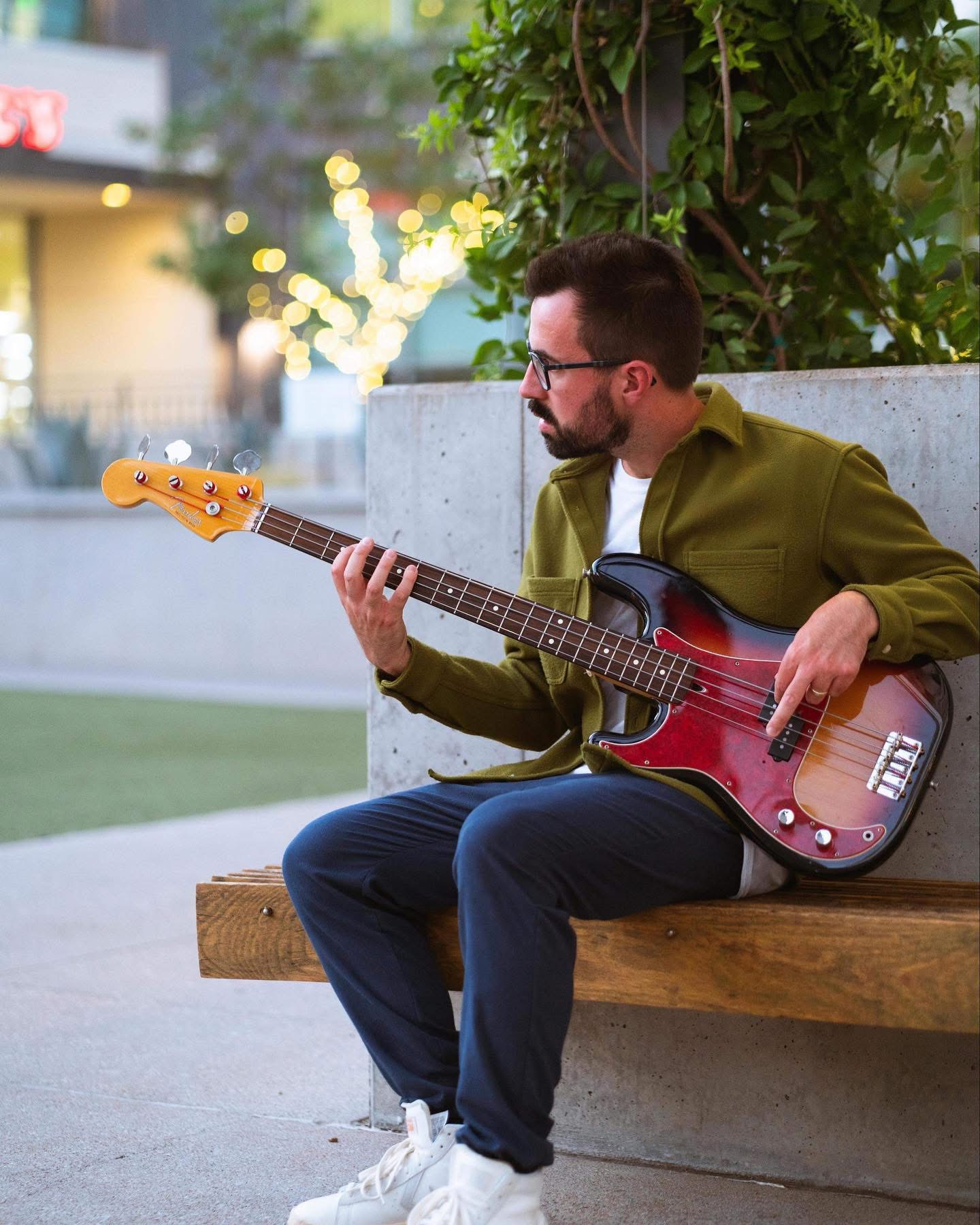
There were definitely many challenges along the way, but one experience that stands out as particularly unique is the fact that I play electric bass left-handed and upright bass right-handed. While there are plenty of left-handed electric bass and guitar players, I quickly discovered that finding a left-handed upright bass was a different story. When my mom contacted double bass teachers, every single one of them told us that I would have to learn to play the double bass right-handed. I was already determined to learn the instrument, and I decided that wasn’t going to stand in my way.
Because I had to learn to play using my non-dominant hand, developing my technique on the upright bass was a long and challenging process. There were times when I never imagined I would be able to play the way I do today. Now, however, I rarely even think about the fact that I play the two instruments with opposite hands. Every once in a while, after a performance where I’ve played both instruments, someone will come up to me and say, “Wait, were you playing electric bass left-handed and upright bass right-handed?!?!” To this day, I’ve never met another musician who shares that experience.
I’ve also never considered myself a naturally gifted musician. Everything I’ve accomplished has come through years of hard work, persistence, and dedication to my craft. When I first arrived at McGill, I honestly felt like one of the weakest musicians at the university. By the time I graduated, however, I had developed the confidence and skills to believe that I could pursue a career as a professional musician. Along the way, I was fortunate to have friends and professors who believed in me and encouraged me. I haven’t shared this story with many people because I used to find it embarrassing, but I actually auditioned for the New England Conservatory twice and was rejected the first time. The rejection was devastating. The very next day, I approached Petr Cancura, an incredible saxophonist and NEC alumnus in Ottawa, and asked him to mentor me. I knew I needed to push myself further and take my musicianship to another level. There was also a personal dimension to this challenge: my now-wife was living in Boston, and this meant another year of long-distance dating. Despite the disappointment, I knew there was no point in sitting around feeling sorry for myself. The following year, I was accepted into every college I applied to and became one of the few bass players admitted to NEC that year. Looking back, that experience taught me a great deal about perseverance, resilience, and the importance of believing in yourself.
Choosing to pursue music as a career is not an easy path, and it requires an enormous amount of commitment and sacrifice. My experience has taught me that talent isn’t everything; hard work, perseverance, and a genuine love for what you do can take you much further than you might initially believe. I would encourage anyone considering a career in music to pursue it only if they truly love it and cannot imagine themselves doing anything else.
Thanks – so what else should our readers know about your work and what you’re currently focused on?
I am a professional musician, bassist, and educator who enjoys performing a wide range of musical styles on both electric and upright bass. My experience spans jazz, soul, pop, hip-hop, blues, country, and much more. I’ve always enjoyed putting myself in new or unfamiliar musical situations that challenge me to learn, adapt, and grow as a musician.
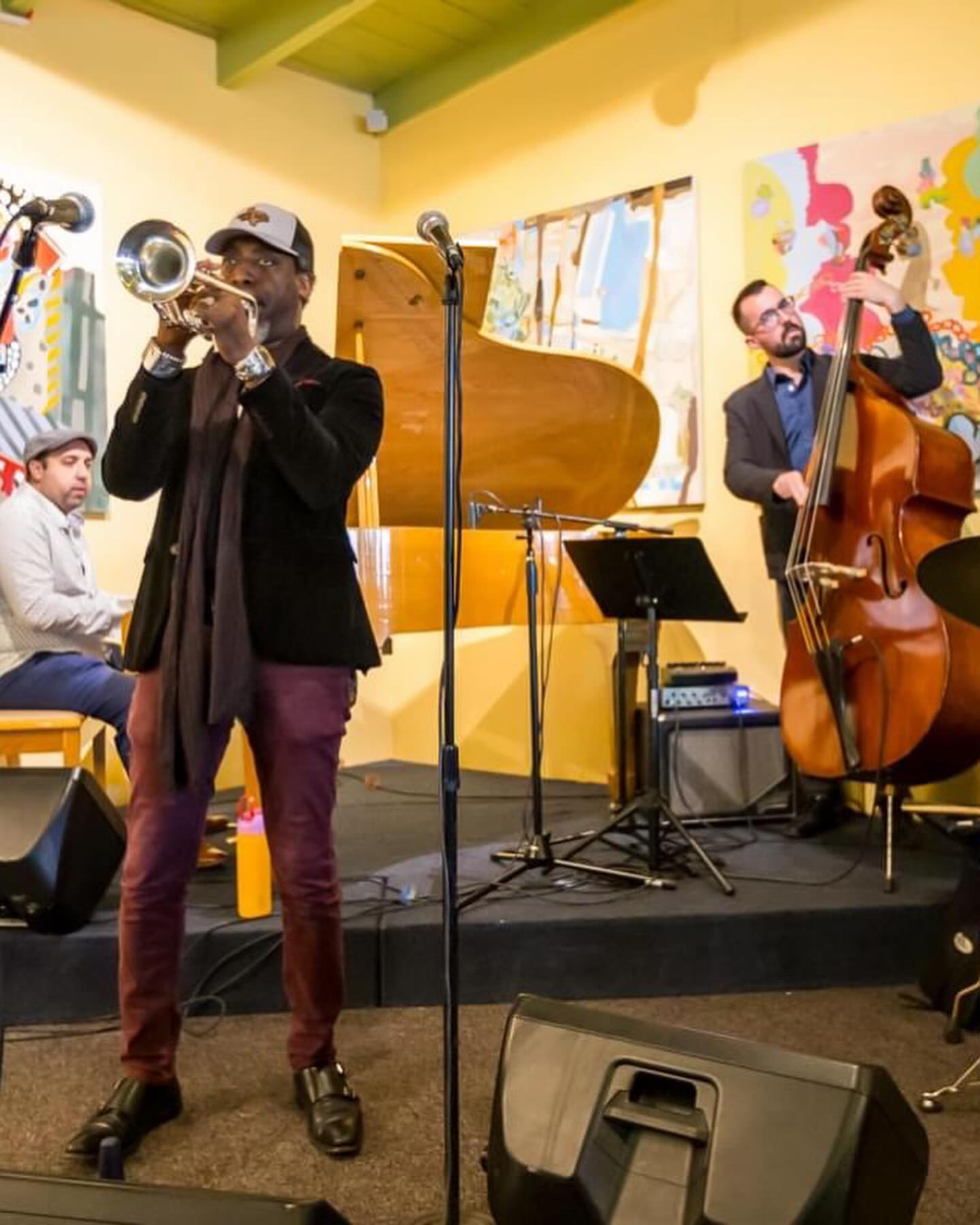
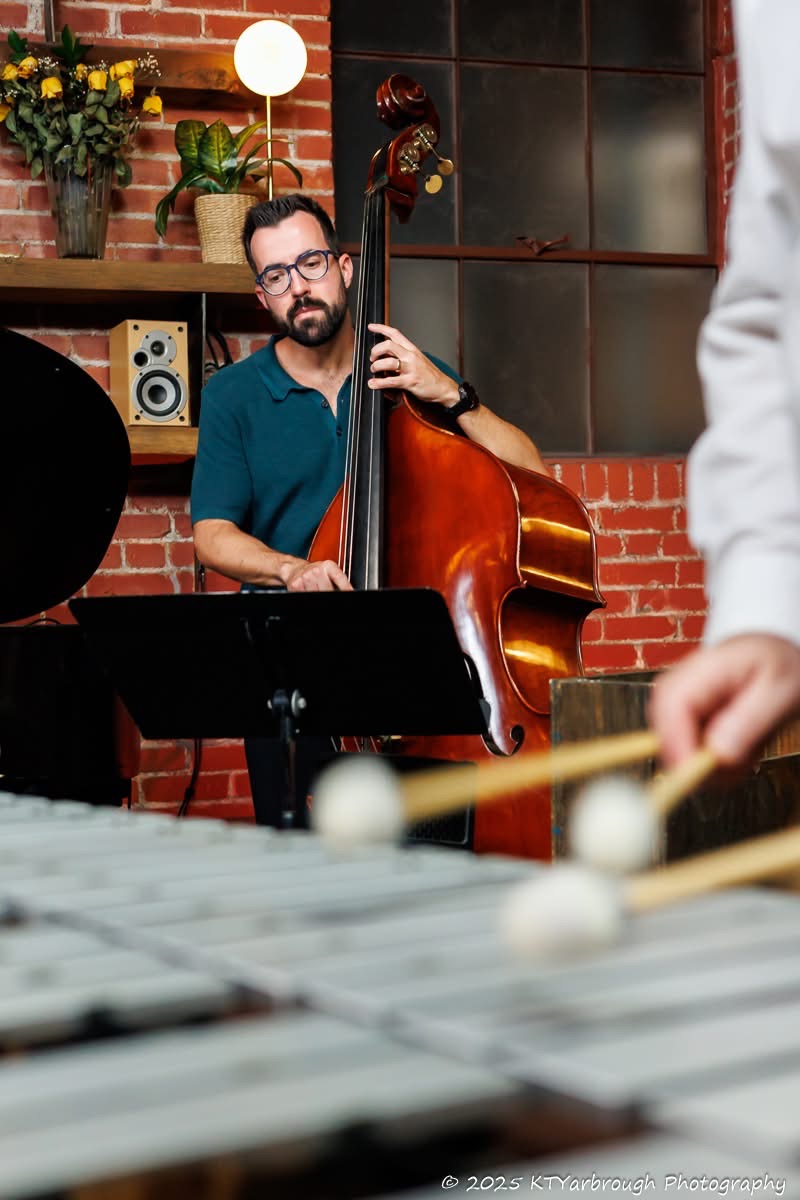
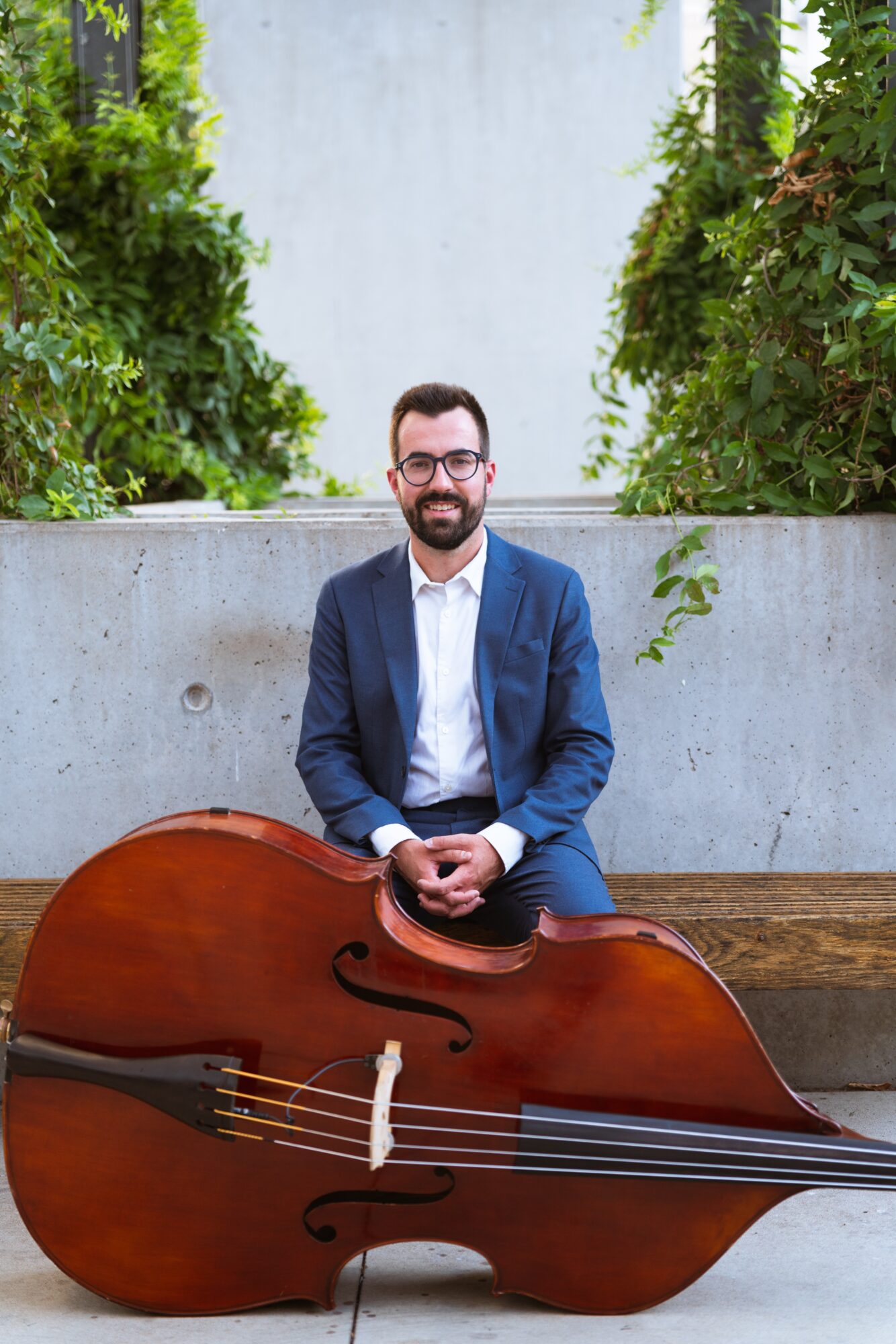
One thing I’ve always taken great pride in is being equally comfortable on both upright and electric bass. I believe that having a deep understanding of both instruments is incredibly important, particularly in today’s musical landscape. While many upright bass players develop a strong command of their instrument, they don’t always take the time to fully explore the language, technique, and feel of electric bass. I’ve worked hard to develop a strong command of both, which allows me to move comfortably between different musical styles and settings. I take pride in being a versatile musician who can contribute meaningfully to just about any musical situation.
To me, being a great bass player is about much more than playing the right notes or demonstrating technical ability. It’s about constantly listening, understanding what the music needs, and finding ways to make everyone around you sound better. The bass may not always be the instrument in the spotlight (but it plays the most important role in an ensemble). Being a great bass player requires selflessness, adaptability, and, above all, the ability to listen deeply. I believe that the best thing I can do as a bass player is to serve the music and support the musicians around me.
Before we let you go, we’ve got to ask if you have any advice for those who are just starting out?
I have been a music educator for many years and have had the opportunity to teach students at every level, from elementary school to college. One of the things I emphasize most is the importance of exploring a wide range of music and following your own musical interests, even when they fall outside what is traditionally taught in schools or universities. I try to practice what I preach, constantly exploring music beyond the traditions and artists I was exposed to during my formal education. These days, that means spending more time listening to Rosalía and J. Cole than to the artists I studied in college. Whether it’s a particular instrument, genre, artist, or musical tradition, I believe these experiences are essential to developing your musical identity and finding your own unique voice as an artist.
Throughout my own musical education, I had teachers who tried to discredit certain artists or steer me toward a musical path that more closely reflected their own interests and experiences. While I understand that these teachers often had good intentions, I eventually realized that this approach didn’t work for me. I believe it’s incredibly important for musicians to develop their own ideas, tastes, and artistic beliefs rather than simply trying to follow someone else’s path. There are so many extraordinary musicians in the world, and I think one of the things that makes them special is that they have developed their own voices rather than spending their careers trying to sound like someone else.
At the same time, I believe finding the right teachers and mentors is incredibly important. I’ve been fortunate to have many wonderful mentors throughout my life who challenged me, encouraged me, and helped me grow, both as a musician and as a person. Finding someone whose approach to music and teaching genuinely resonates with you can make an enormous difference in your development.
Finally, I think it’s essential to surround yourself with a community of musicians, artists, and creative people who inspire you and challenge you to keep growing. Your musical development doesn’t happen in isolation. The people you collaborate with, share ideas with, and learn from can have a profound impact on your artistic journey. My contemporaries inspire me just as much as my musical heroes, and I think being part of a creative community is one of the most rewarding and important aspects of being an artist.
Contact Info:
- Instagram: @billabass