


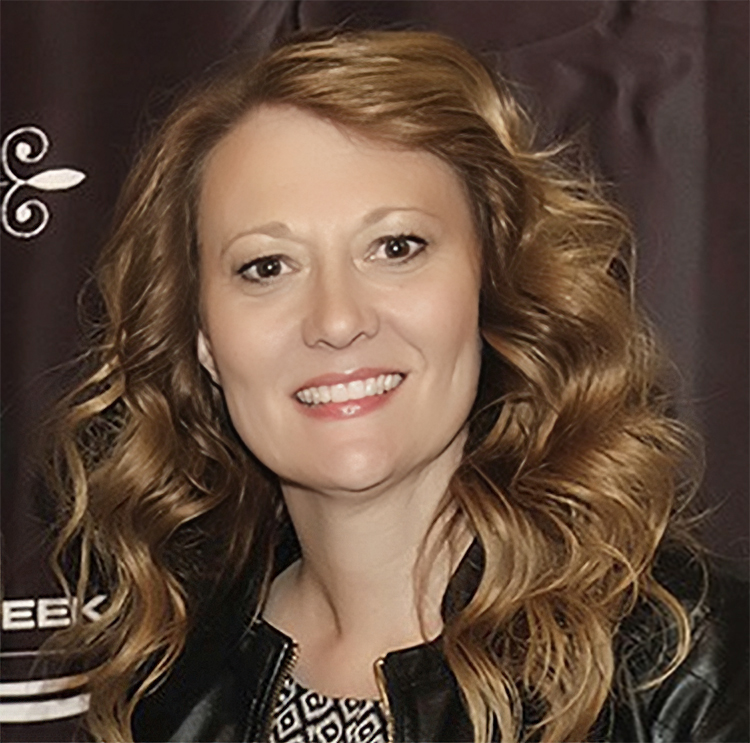
Today we’d like to introduce you to Twila LaBar.
Hi Twila, it’s an honor to have you on the platform. Thanks for taking the time to share your story with us – to start maybe you can share some of your backstory with our readers?
I grew up in the hills of West Virginia, surrounded by music and stories. By the time I was 5 or 6, I was drumming on my mom’s Tupperware bowls, pots, and pans along with her Dionne Warwick and Elvis Presley records. My mom was a patient woman. My dad was a great storyteller, and he kept my sister and me laughing with tales about the mischief he and his brothers got into growing up.
In the summer of 1973, the Jesus Movement reached our small town. My mom had a real conversion, and then we all got saved. Our little church rocked the roof every service, with singing, clapping, harmonies, a full band, and the drums! I was mesmerized by them. My dad was one of the song leaders, and at home, he taught me my first guitar chords.
I started singing in church with my sister and our two best friends. We were 9, 10, 11, and 12, and we lived to sing. We sang every time we were together, even in the way back of their parents’ station wagon, a seat that was basically the trunk, facing the traffic behind us. We’d harmonize anything back there, from “Three Sharp-Toothed Buzzards” to a song about going down to the coal mine. Nobody ever requested either one. Those drivers got a free concert whether they wanted one or not.
When I was 12, our church drummer was leaving for the Marines, and he told me he thought I should take his place. I said, “I can’t play the drums.” He said, “I think you can do it.”
So I learned in front of the whole church, on a mismatched drum set a few feet from the first pew. Service after service, I swept the brushes across the snare and hi-hat so softly that my friends would mouth, “We can’t hear you!” That was sort of the point. I kept my head down and kept at it until I finally got brave enough one Sunday to pick up the sticks. The more I tried, the faster I learned. I didn’t let not knowing how to play keep me from playing. That Marine believed I could do it long before I did.
Later that year, my dad gave me a $20 burgundy Kay electric. It wasn’t much of a guitar, but nobody told me that. I’d play along with him on old country and gospel songs, and soon I was hearing the bass lines and playing them on the top four strings.
One summer night, I turned the radio dial and caught WCFL, an AM station out of Chicago that only came in after dark. Albertina Walker was singing with a mass choir. I had never heard anything like it. I started collecting records and reading every word of the liner notes: who wrote the songs, who produced them, who played on them. I was already writing songs of my own, and stories too, and by 15, I knew I wanted to be a professional songwriter.
At 18, I was asked to teach music at my church’s Christian school. I told the principal I couldn’t even play the piano. He said I could learn. That June, he and some friends hauled a hopelessly out-of-tune saloon piano from the late 1800s into my parents’ dining room, and I pounded on it all summer. Finally, my dad handed me $80 to buy a very used electric keyboard and headphones.
That Christmas, my first school band played “Silent Night. They had worked on that one song since September, on old secondhand instruments, some I’d found in the Green Tab classifieds. It had a real Charlie Brown Christmas feel. It was far from perfect, but they played their hearts out, the applause was thunderous, and we felt like we were at Carnegie Hall. I taught there for six years.
Around 1986, I bought my first synthesizer. It had an eight-track recorder, and to me, it might as well have been a spaceship. Lucky for me, I figured out how to fly it pretty quick. I’d get lost for hours programming tracks. One Sunday afternoon, my neighbor called the police. He said he was trying to rest, and it sounded like someone was pounding on the side of his trailer. In my defense, it was a killer groove, and the drums were way up in the mix. Looking back, it was my first editing bay.
At 29, I found my birth family. My biological father and brother were gifted bluegrass musicians, and my birth mother filled journals with her dreams and thoughts, beautifully written. Suddenly, so much about me made sense.
In 1995, I moved to Nashville and spent fifteen years writing for four major Christian music publishers. Hundreds of my songs were recorded, some by the very artists I’d grown up listening to, and I got to meet producers whose names I’d memorized from those liner notes. I tried very hard to act normal, but I couldn’t wipe the grin off my face. My song “Orphans of God” was recorded by Avalon, Kristin Chenoweth, Ty Herndon, and others, and received a BMI Award and two Dove Award nominations. My mom cheered me on the whole way. Years later, after she passed away, I found little notes all around the house where she had written down my songs and the artists who sang them.
In 2009, I moved to Texas to work with a food relief organization. They only had flyers, and I knew they needed something that would move people. All I had was a MacBook with iMovie and no idea what I was doing, so I started experimenting. Editing video felt just like programming tracks on my old Atari computer: rhythm, pacing, building to the moment that hits your heart. That’s how I became an accidental filmmaker.
A few years later, a friend recommended me to direct and produce a feature documentary on the history of St. David’s Georgetown Hospital. I told him I had never made one. He said I could do it. I’d heard that before, from a drummer leaving for the Marines and a principal who believed I could learn. They’d both been right. By then, I knew better than to argue. Soon after, another friend trusted me to direct two West Texas comedies, “Blanche” and “Ten in Texas,” with casts of real-life West Texans, and I wrote songs for both soundtracks. My two worlds had finally come together, and I’ll always be grateful to the people who believed in me before I’d ever done it. They taught me to believe in myself.
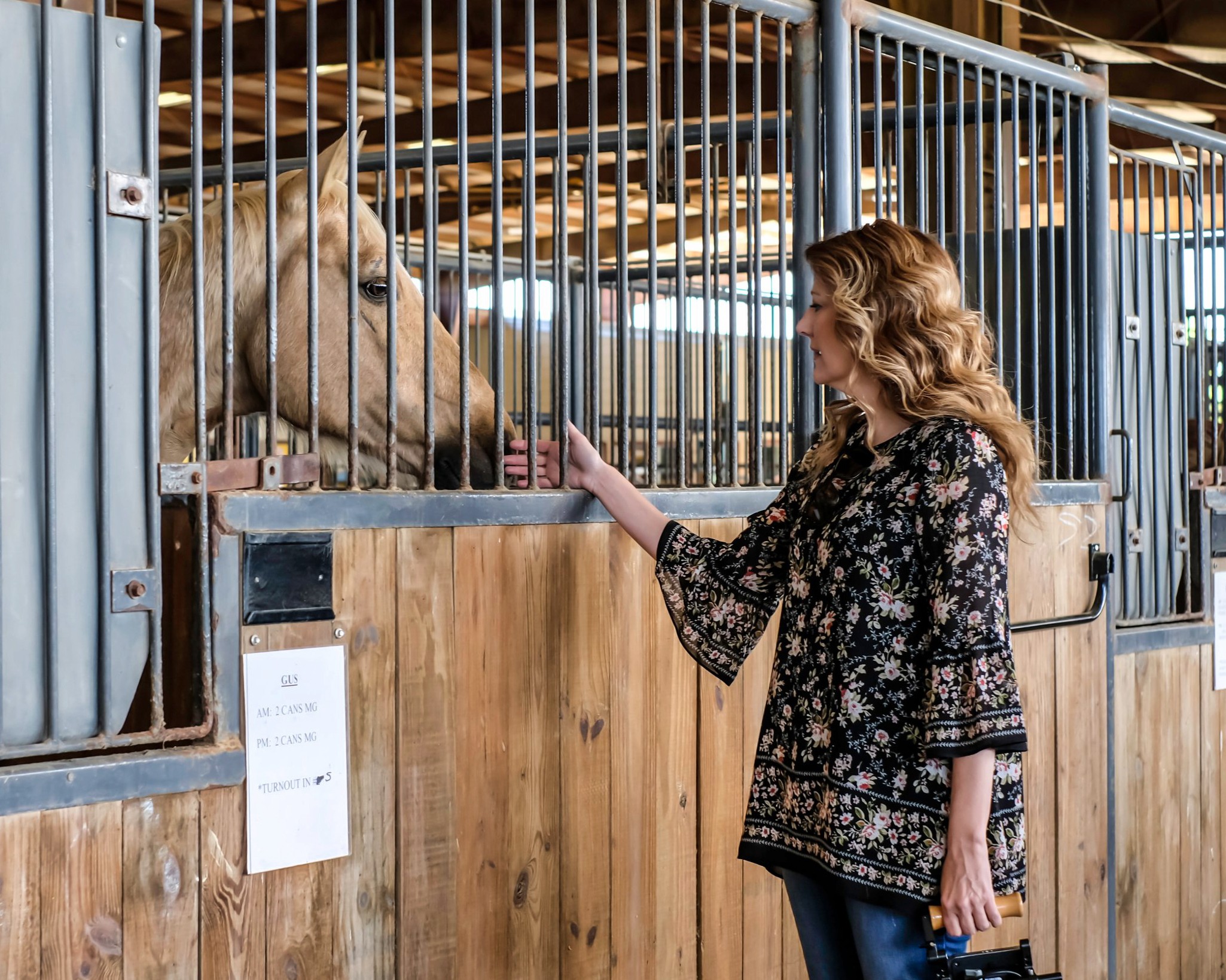
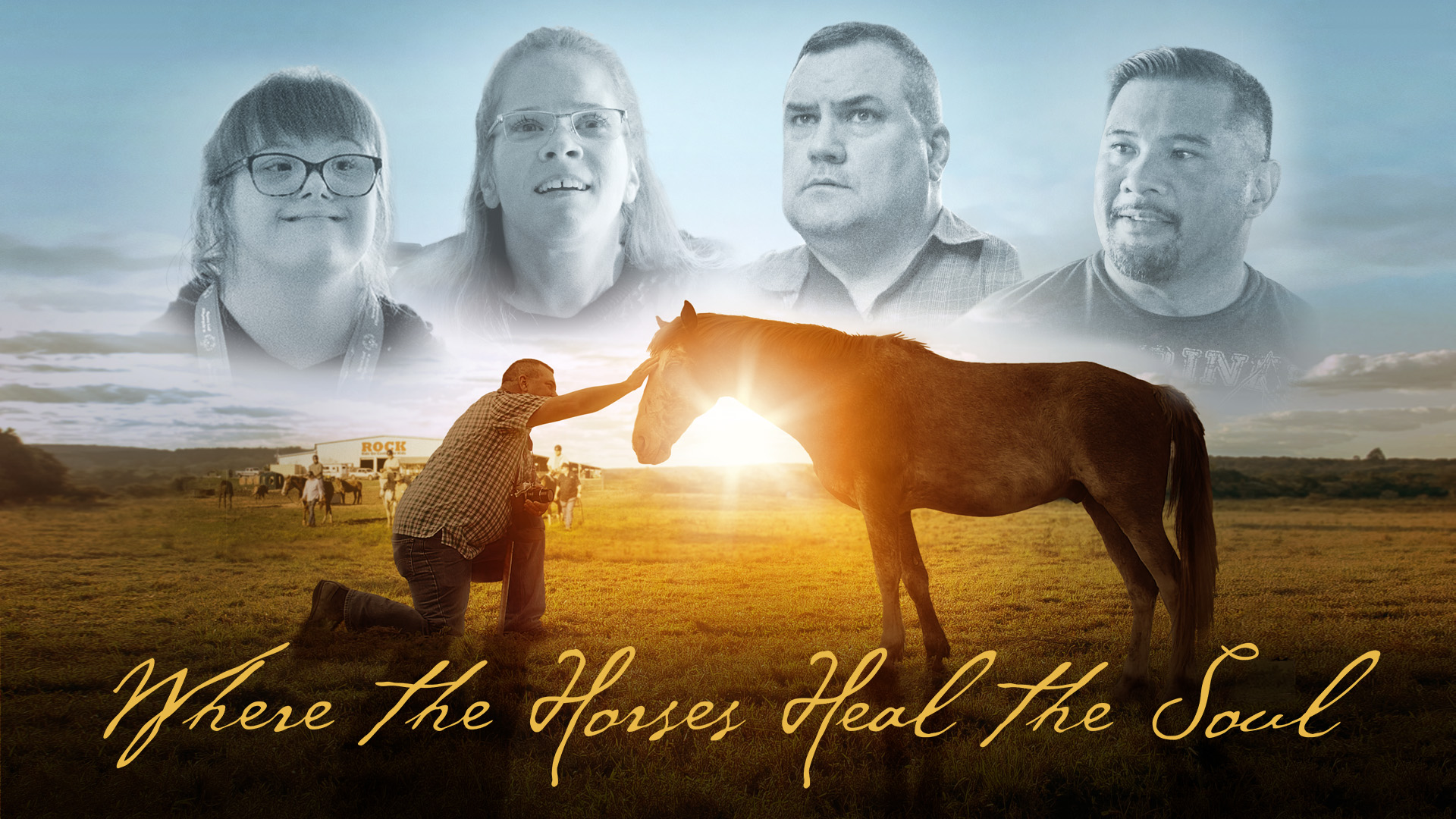
In 2019, the late George and Barbara Brightwell commissioned me to direct and produce “Where the Horses Heal the Soul,” a documentary about ROCK, Ride On Center for Kids, in Georgetown. I’m deeply thankful they trusted me with this story. During filming, a young veteran with PTSD agreed to meet a horse for the first time. Later, in my editing bay, I watched Playboy, the large alpha horse, walk up to him, lower his head, and lick his arm. I watched the veteran’s defenses drop, and I sat there in tears. Just the other day, he told me that coming to ROCK and being part of the film changed his life.
Today, that film is streaming across North America, and my films have won multiple awards and screened at festivals in the United States, France, and Germany. Not bad for a kid who started out on Tupperware. I’m still a songwriter, but filmmaking is the creative channel I’m tuned into in this season of my life, and I’m in discussions about several new film and television projects.
In a way, I’m still that kid in the hills of West Virginia, turning the radio dial, listening for the stories that change lives, including my own.
Alright, so let’s dig a little deeper into the story – has it been an easy path overall and if not, what were the challenges you’ve had to overcome?
Leaving Nashville was one of the hardest things I’ve ever done. I loved Nashville. But after my divorce, I needed a fresh start. My best friend lived in Texas, and she offered me a job working with her at that food relief organization. It was a whole new world for me.
Two years later, a friend at the organization’s headquarters called to give me a heads-up: it was closing. The next day, I didn’t have a job. Honestly, I panicked. Should I go back to Nashville? What else could I do? I was still under contract and writing songs, but so much of the music business happens in person, through co-writes and relationships, and from Texas, I just wasn’t in the room anymore. But I had fallen in love with Texas, so I decided to stay and figure it out.
I’d never run my own business before. Then again, I’d never played the drums before either. So I bought a camera and started a little company I called McKim Creek Media, after my old fishing hole back in West Virginia. I made documentary-style videos, not just commercials, but real stories that would draw people in, for nonprofits, churches, and businesses, learning as I went. Little by little, the work grew. One project led to another, and people started recommending me.
I didn’t know it at the time, but that phone call was the beginning of my career as a filmmaker.
Thanks for sharing that. So, maybe next you can tell us a bit more about your work?
I’m a filmmaker, director, and producer, working in both documentary and narrative film. I tell real stories about real people, lives shaped by perseverance, compassion, adversity, and transformation. I make feature-length documentaries and short impact films, many of them for nonprofits and foundations that want to share their mission in a way that moves people.
What sets me apart, I think, is that I come to film as a songwriter. For years, my job was to find the hook, the one line or title that holds a whole song together, and build three and a half minutes where every part leads back to it. The songs that grab my heart are the ones that seem to wander off in a new direction, then make a turn and find a fresh way home to the hook. I want my films to do the same.
When I edit, I’m always listening for rhythm, and not just in the music. There’s rhythm in a person’s laugh, in the way a horse turns, in the pauses between someone’s words. That’s the songwriter in me. Music is a huge part of how I tell a story. For my West Texas comedies, I wrote and performed songs for the soundtracks. For “Where the Horses Heal the Soul,” I served as music supervisor, selecting all the music and working with a Nashville composer who wrote an hour of original score. Searching for the music that feels just right for each scene is painstaking work, but the right music can make or break it.
I’ve worn a lot of hats on my films. That’s often how it goes with independent projects. I’ve directed, produced, and edited, and sometimes handled the audio and lighting myself. It’s a lot, but it’s kept me close to the story, from the first interview to the final cut.
Many of the people in my films have never been on camera before, and some are sharing the hardest parts of their lives. I want them to feel safe and respected. Sometimes that means leaning in, and sometimes it means stepping back. When the young veteran in “Where the Horses Heal the Soul” met a horse for the first time, he didn’t know any of us, so I stepped back and let our cinematographers film. Some of the most powerful moments happen when I get out of the way.
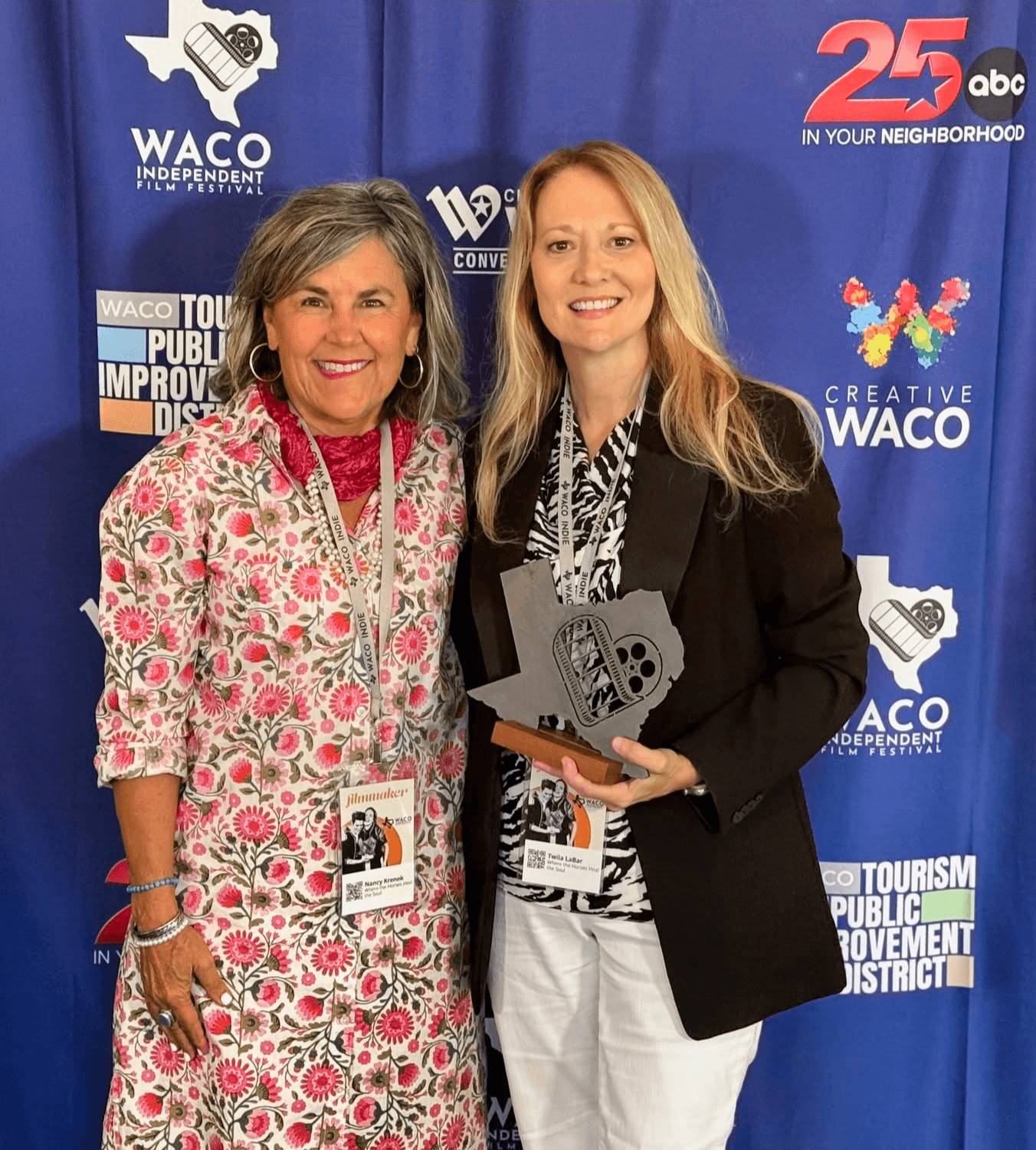
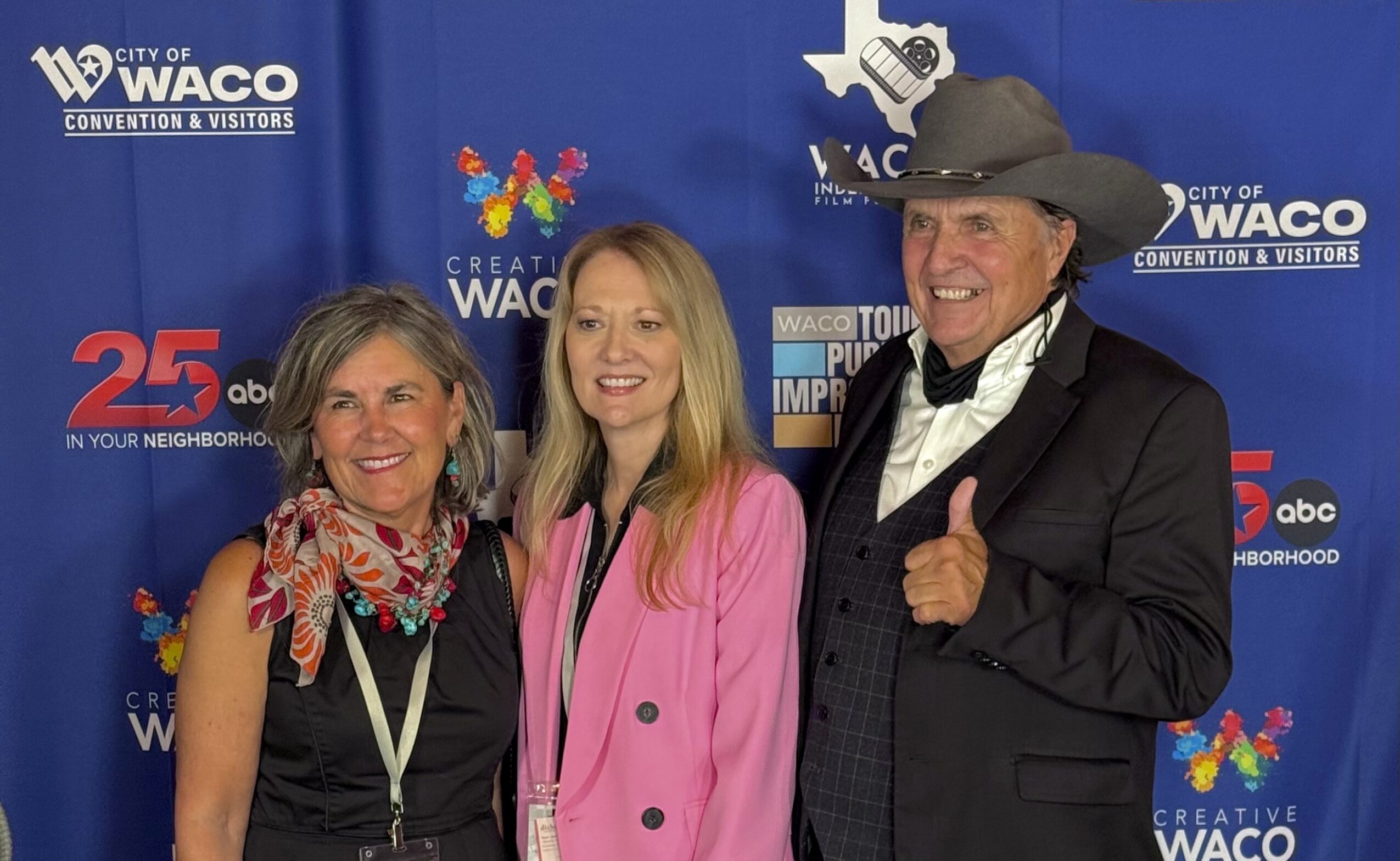
I’m especially proud of “Where the Horses Heal the Soul.” Landing a distribution deal with Freestyle Digital Media, part of Allen Media Group, was a milestone, and it’s how the film reaches audiences across North America. It also won the Audience Award for Feature Film at the 2025 Waco Independent Film Festival, Best Equestrian Film at the 2026 Tryon International Film Festival, and Best Documentary Film at the 2025 GTX Film Festival in Georgetown. Winning in ROCK’s hometown made that one extra sweet. Being honored by festivals like those is truly special. But what matters most to me is the impact. I’ve heard from people around the country who found a therapeutic riding center for their child or loved one with a disability after seeing the film. One woman had always dreamed of starting a center like ROCK, and the film inspired her to finally take that leap. And hearing from people in the film that it changed their lives means more to me than any award.
I believe deeply in what ROCK is doing to transform lives, and my hope is that this film reaches as many people as possible who could benefit from this kind of therapy. If you’d like to see it, “Where the Horses Heal the Soul” is streaming on Prime Video, Apple TV, Google Play Movies, YouTube Movies, and available on cable and satellite.
In terms of your work and the industry, what are some of the changes you are expecting to see over the next five to ten years?
I think the biggest shift is that anyone can pick up the tools to make a film now. When I started, all I had was a MacBook with iMovie. Today, people are telling powerful stories with their phones, and that means more voices and more stories than ever before.
But filmmaking is still a craft, and I hope the industry isn’t swallowed up by AI-generated films. I believe real, human stories will only become more valuable. Audiences can feel the difference between something manufactured and something true.
A film doesn’t have to be shot in 8K or perfectly polished to stir compassion. When my first school band played “Silent Night,” it was far from perfect, but they played their hearts out, and I was so proud of them. I love when things are done with excellence, but when the heart of a story is strong, a few cracks won’t break it. Sometimes they’re what make it beautiful.
I also see impact films growing. Nonprofits and foundations are realizing that a creative, well-told story can move people in ways a flyer never will, and I think we’ll see more films made not just to entertain, but to inspire people to act and make a difference. I hope to make a lot of them.
Contact Info:
- Website: https://twilalabar.com
- Instagram: https://instagram.com/tlabar
- Facebook: https://www.facebook.com/twila.labar
- LinkedIn: https://www.linkedin.com/in/twila-labar-34168833/
- Youtube: https://www.youtube.com/@tjlabar2501
- Other: https://open.spotify.com/artist/4ISMahPMLSzauBI8iVLmQr?si=iwD5K8PTQwaAV-Io18RaKA