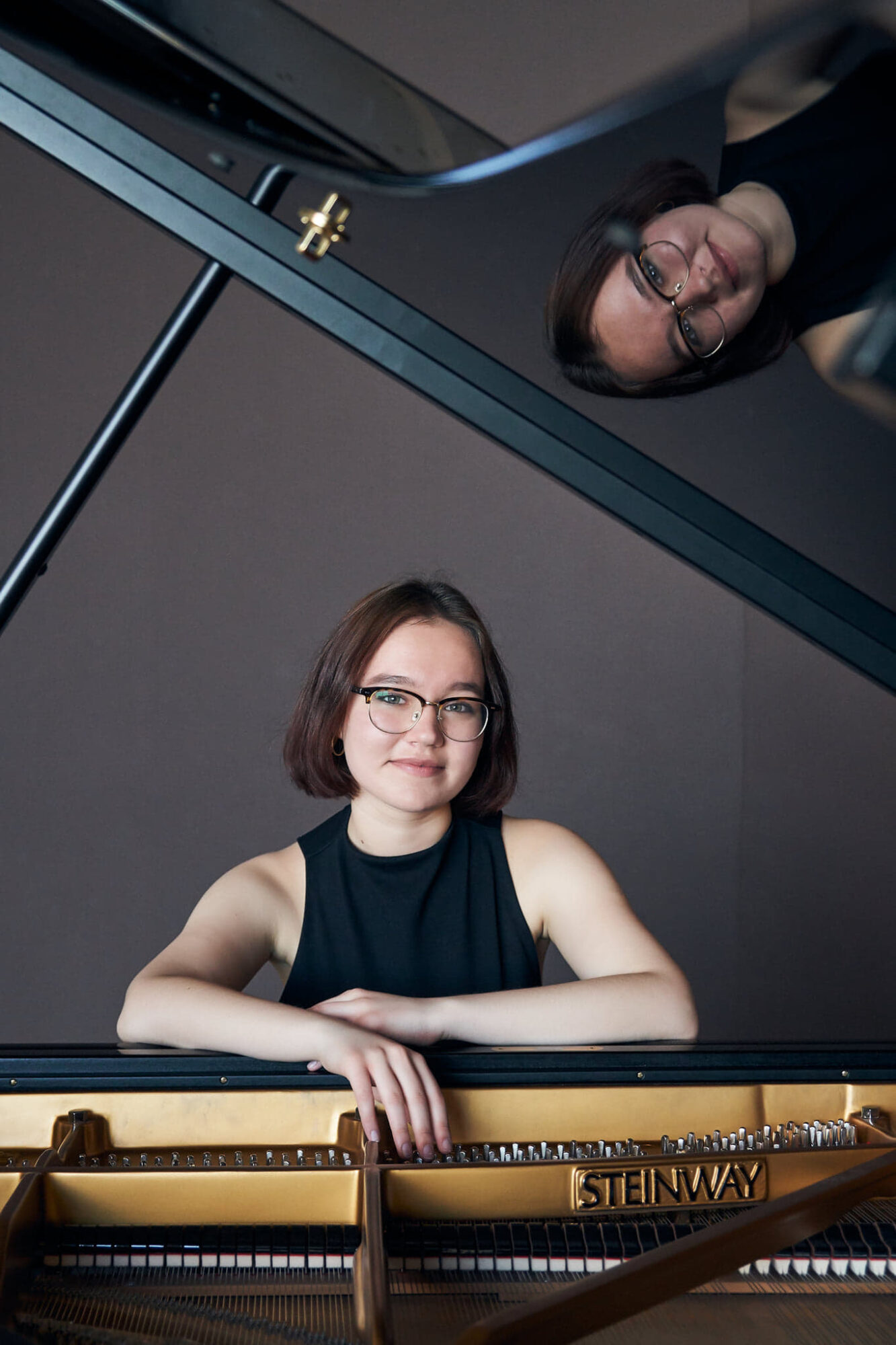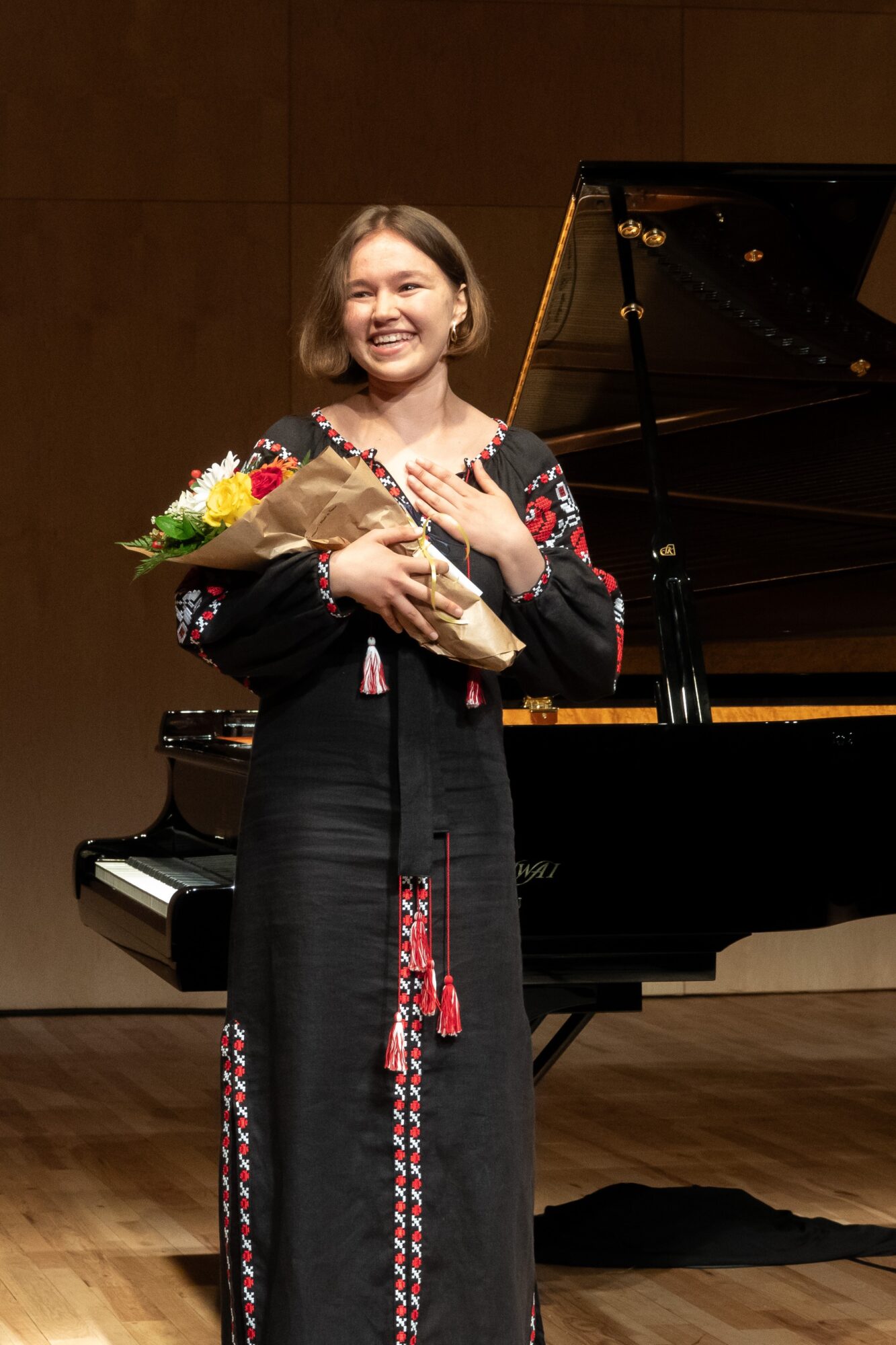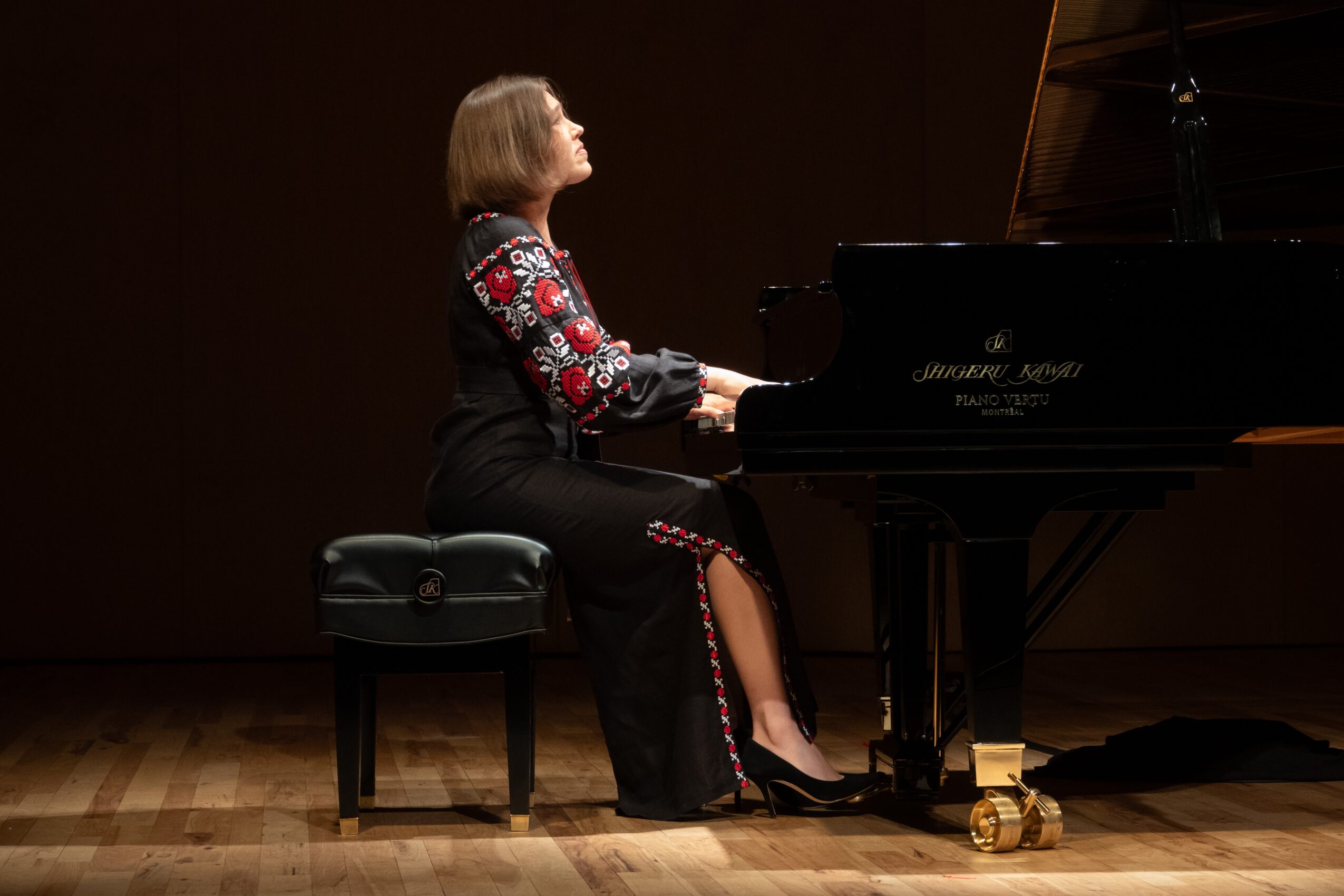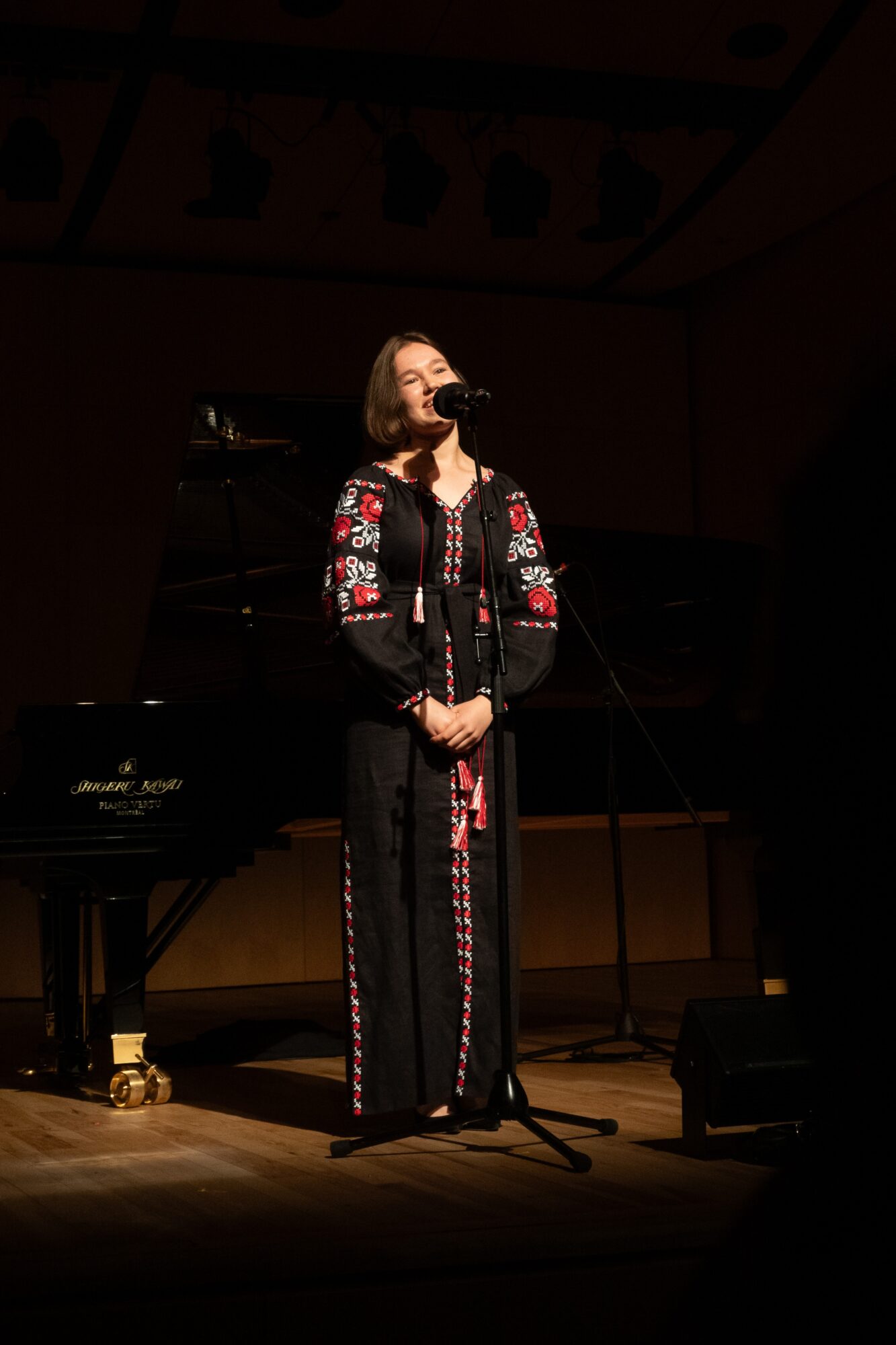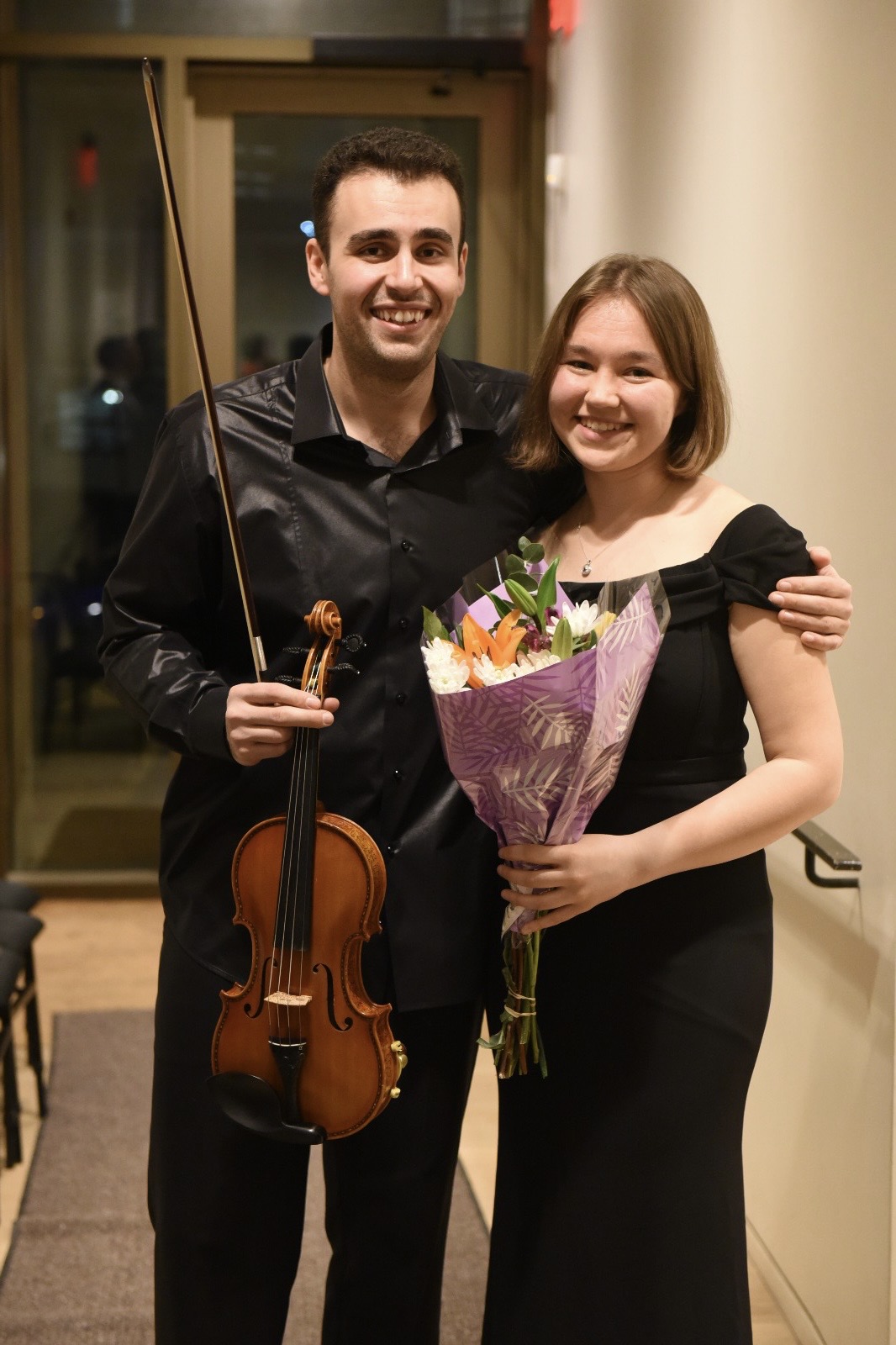



Today we’d like to introduce you to Mariya Orlenko.
Mariya, we appreciate you taking the time to share your story with us today. Where does your story begin?
As is the case for most musicians, I started learning my instrument at a young age – four years old. My grandmother, a music literature professor in Ukraine, was my first piano teacher. Of course, at that stage, it was mostly about having fun and igniting a love for music. Funnily enough, I think my exposure to classical music started even earlier than that. When I was a baby, my mother set poems to melodies of her favourite classical pieces, from Albinoni’s Adagio in G Minor to Rachmaninoff’s Piano Concerto No. 2… So I was soaking in famous tunes before I even played my first note on the piano!
Shortly after beginning lessons, I took my first piano exam and began competing in regional music festivals, which eventually turned into performances on international stages from Canada and the United States to Europe and Asia. As a high school student, I discovered my passion for teaching through preparing younger children for their first examinations at the Royal Conservatory of Music – an interest I did not realize would weave itself into my career years later.
I earned my Bachelor of Music in Piano Performance at The Glenn Gould School studying with the late John Perry and David Louie, and my Master of Music in Piano Performance at the University of Toronto in the studio of Lydia Wong. Alongside my studies, I performed, competed, coached, taught and adjudicated. I also discovered the joy of chamber music and collaborating with other artists and musicians, and met my husband, classical violinist Daniel Temnik (yes, we play lots of concerts together!).
Currently, I am working on my Doctorate of Musical Arts at the University of Toronto under the tutelage of Lydia Wong, while keeping up with my performances and other professional responsibilities, including running the York Region Music Academy alongside my husband in the Greater Toronto Area.
I’m sure it wasn’t obstacle-free, but would you say the journey has been fairly smooth so far?
Is it ever a smooth road?
As a classical concert pianist, I find that the hardest part about my work is staying at once focused and inspired – developing systems for maintaining success but also making space for spontaneous bursts of creativity and experimentation. I find this principle to be useful in almost every aspect of my career, whether it’s building concert programs, managing a performance schedule, or running a music studio. Even in my practice, there are times when organization and disciplined repetition are the way to go, but others when a chaotic bouncing from one piece to another, or one idea to another, produces a better (and funner) result!
As a first generation immigrant, growing up in Canada brought its own challenges, including struggling to fit in culturally with my peers while preserving ties to my heritage. To make matters more complicated, the rigid classical repertoire requirements for competitions and auditions also left little room for imagination. At some point, I felt that I was trying to become a better cookie-cutter pianist than the person next to me, with no room for individuality… Until I found a gold mine of underperformed works that struck a chord: The music of Ukrainian composers Viktor Kosenko, Vasyl Barvinsky, Sergei Bortkiewicz, and Larysa Kuzmenko (among others) offered a strange sense of nostalgia and familiarity that was missing from pieces I had played before… After discovering them, I began to include their pieces in my recitals, which then turned into concert programs built exclusively around Ukrainian classical works. One of my shows, “A Musical Tapestry of Ukraine,” was featured on stages across Canada and has been my most meaningful concert program, both musically and personally.
Can you tell our readers more about what you do and what you think sets you apart from others?
I am a classical pianist and educator. Having performed with orchestras across North America, I concertize regularly in solo and ensemble settings, adjudicate festivals, coach collaborative ensembles and help to run York Region Music Academy (which includes my private piano studio), a music school co-founded with my husband, concert violinist Daniel Temnik.
I would say a common theme throughout my work centers around making rigorous classical music education accessible and practical.
Looking back on my journey so far, I feel that some areas of my growth could have gone more smoothly or quickly if I had truly understood the feedback I was given. Even before applying to music school, I knew that I was missing foundational understanding, which was holding me back… At some point, while brainstorming my long-term career vision, I had the realization that everything boiled down to a single core: an aspiration to catalogue concepts in order to bring clarity to what was unsaid in the music lesson. Interestingly, as my expertise grew, so did this need for clarity and precision, and I leaned into this calling to unearth what was hidden “between the lines.”
Several years ago, I started a classical music YouTube channel called With Mariya, making videos about anything from ear training tips to sight reading challenges and music app reviews. Around the same time, I also founded Efficient Musician Inc., an organization dedicated to making classical music education understandable and approachable, with tools like practice planners and complete fingerings for many classical piano pieces available in an online store. What started out as a passion project led to a collaboration with The Royal Conservatory of Music to create a custom practice planner for their students, which was a dream come true in many ways, and an incredible learning experience!
My doctoral work at the University of Toronto is also centred around cataloguing key concepts in classical music in a way that removes ambiguity and boils ideas down to their essence. It’s still a work in progress, but as I review, listen and read about the teachings of great pianists of previous generations, common themes prevail, which gives meaning and promise to my search!
Are there any books, apps, podcasts or blogs that help you do your best?
A YouTube channel that will always have a special place in my heart is TVK (That Viola Kid). I discovered his channel in high school, when violist Drew Alexander Forde was preparing for an audition to the Juilliard School, and documenting his preparation process in a video series entitled #JourneytoJuilliard. In later years, his channel featured videos describing the lives of Juilliard students, which gave me a glimpse into what my life in music school might be like. His videos lifted some of the mystique surrounding what it meant to be a musician working towards a concert career, and helped me visualize and plan the path I wanted to take in the field.
On long drives to gigs or concerts, I love listening to the Sticky Notes podcast with conductor Joshua Weilerstein. The show features all sorts of famous classical pieces, from symphonies to quintets and solo instrumental works. It’s almost like my mini version of taking an orchestral literature class and expanding my understanding of classical repertoire I wouldn’t otherwise be a part of, getting out of my regular creative domain and into a more grandiose soundscape.
Lately, I’ve been re-reading The Art of Piano Playing by Heinrich Neuhaus for my doctoral work, as well as to refresh some of his ideas in my craft. I couldn’t help but admire the way in which he explains concepts with ease and precision – some pedagogues are excellent communicators through their music and playing, but don’t describe their ideas with the same clarity, making it difficult to extract value from their written work. This isn’t the case with Neuhaus. Whether it’s about sound, timing, or the physical aspect of playing, he never fails to impress with his ability to be concise yet incredibly wise as a pedagogue and musician.
Contact Info:
- Website: https://mariyaorlenko.com
- Instagram: https://www.instagram.com/mariyaorlenko?utm_source=qr