


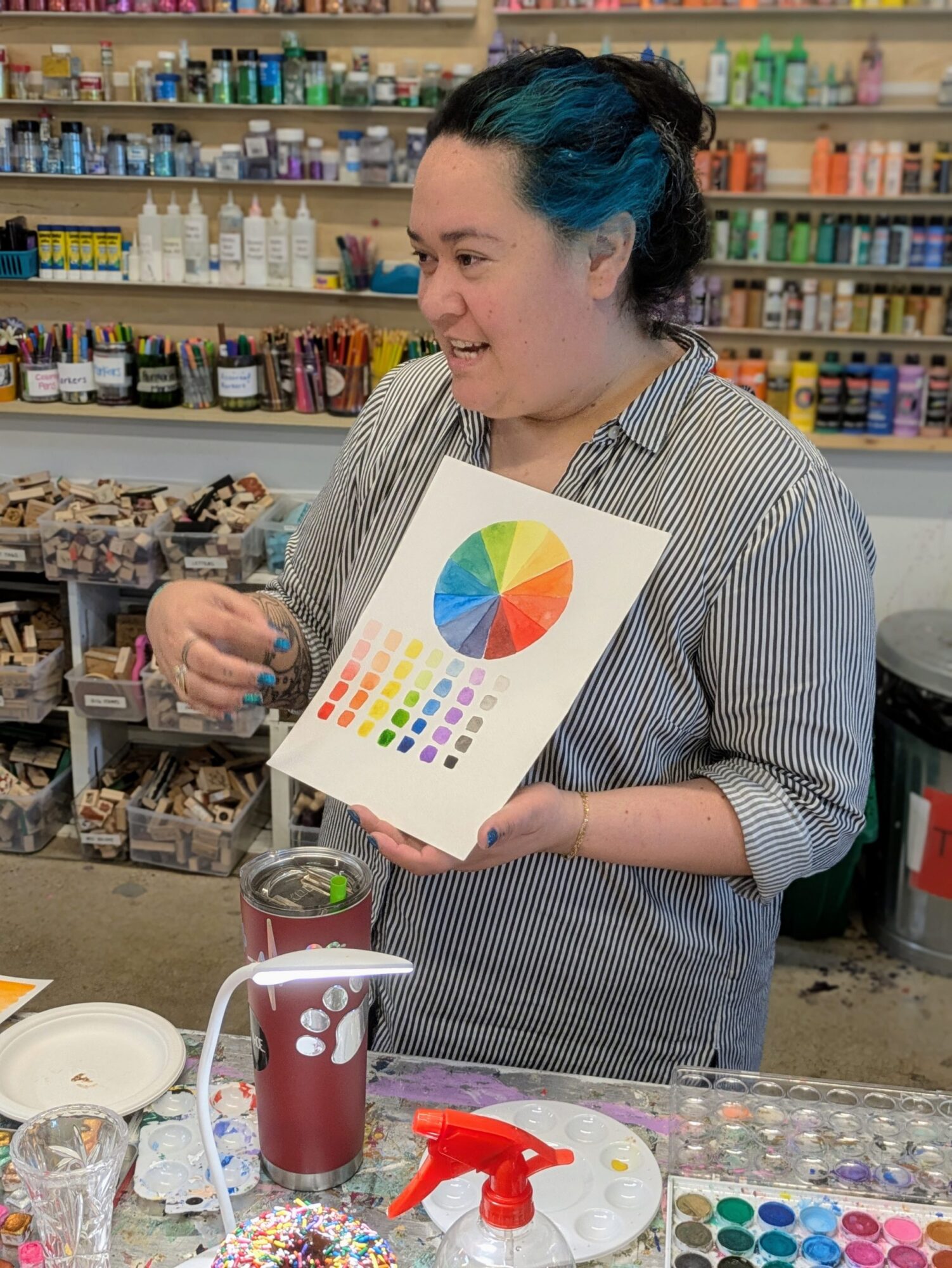
Today we’d like to introduce you to Becky Liendo.
becky, we appreciate you taking the time to share your story with us today. Where does your story begin?
I’ve spent much of my professional life working in arts education, community engagement, and cultural programming here in Austin, including time with organizations like Austin Film Society and the Long Center. I’ve always loved creating opportunities for people to engage with the arts, but I’ve been especially drawn to the moments when people get to participate, experiment, and make something themselves. That interest, along with my own curiosity about art and creative processes, eventually led me to start Creative Curiosity in June 2024.
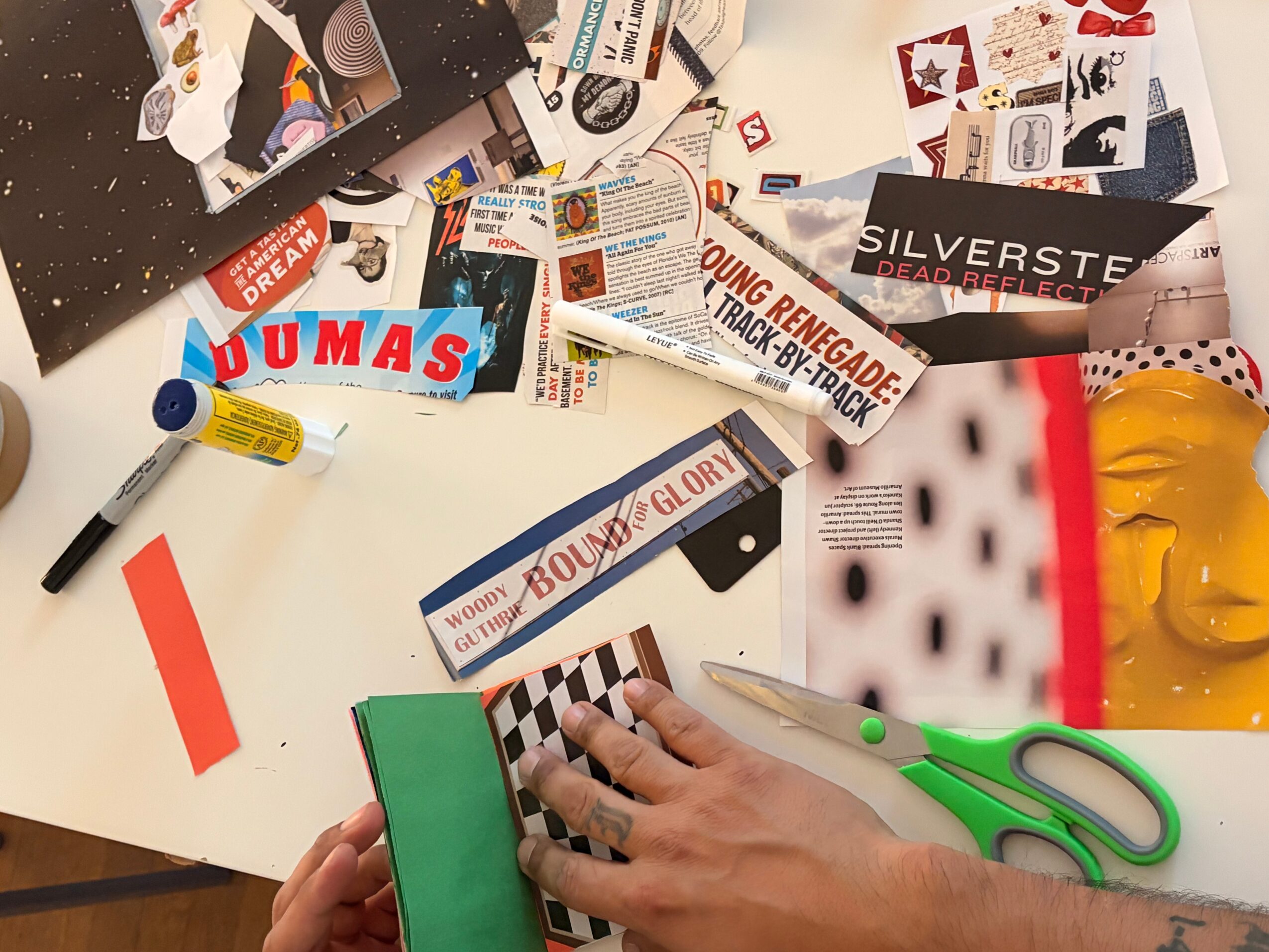
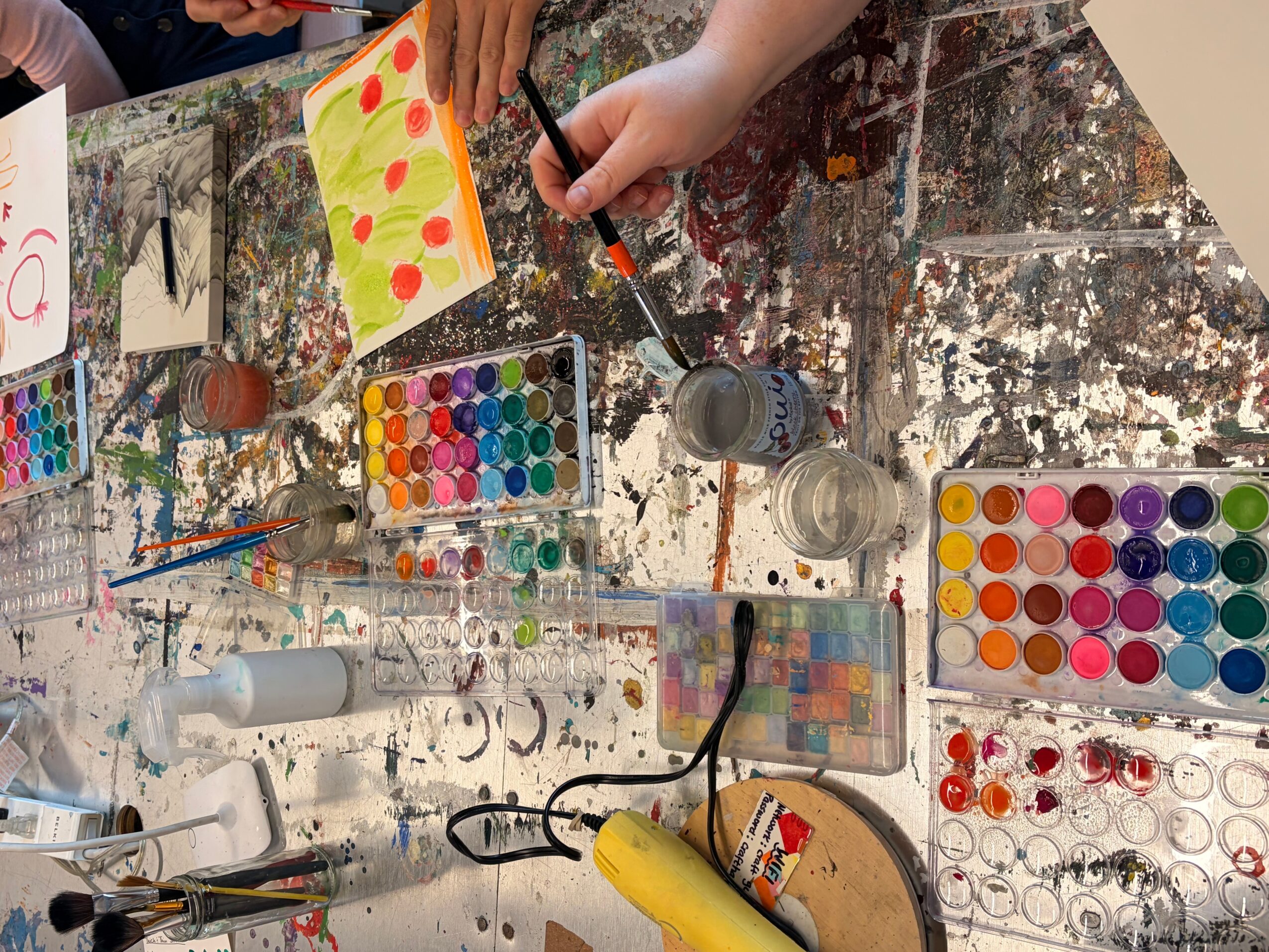
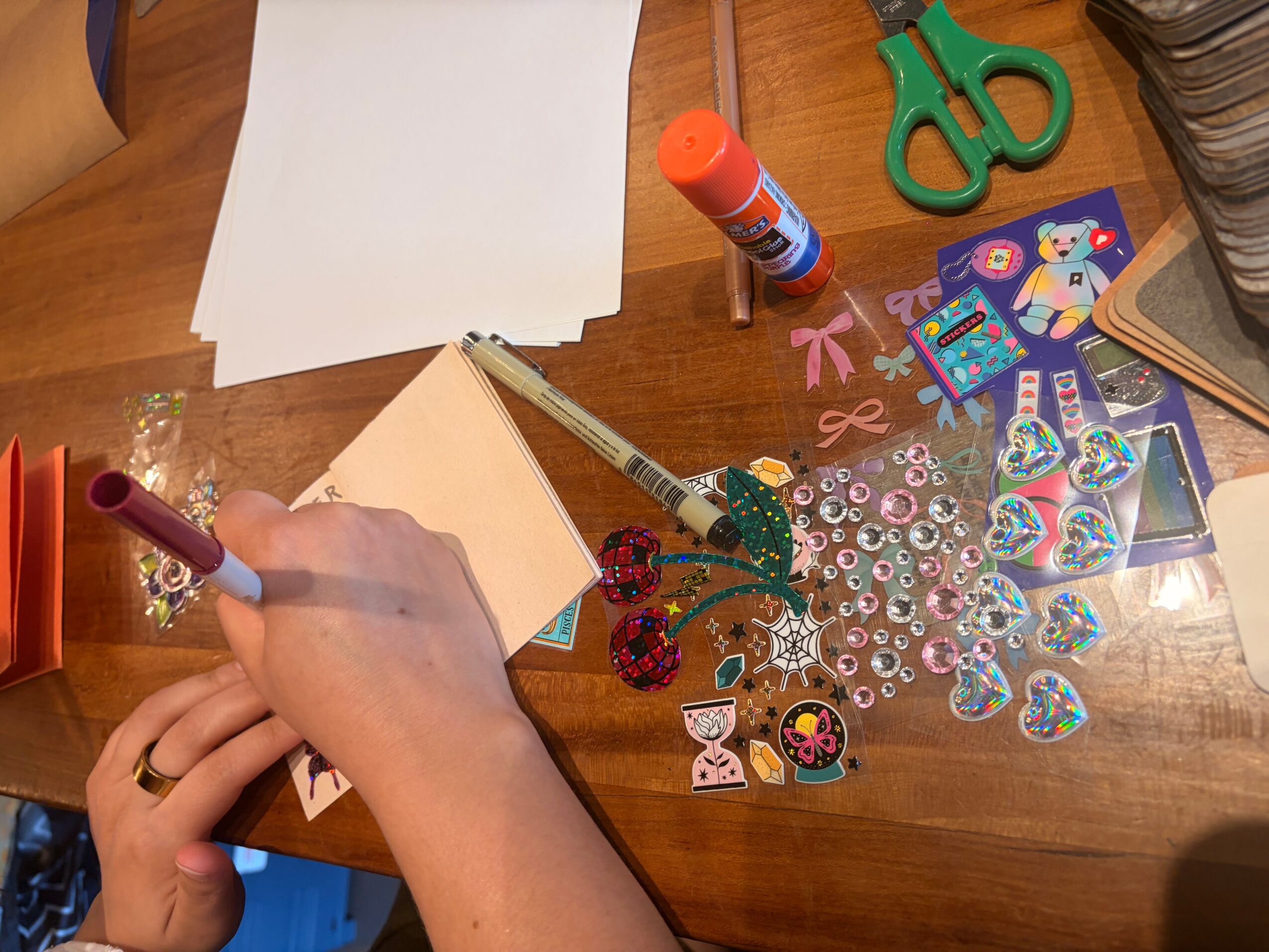
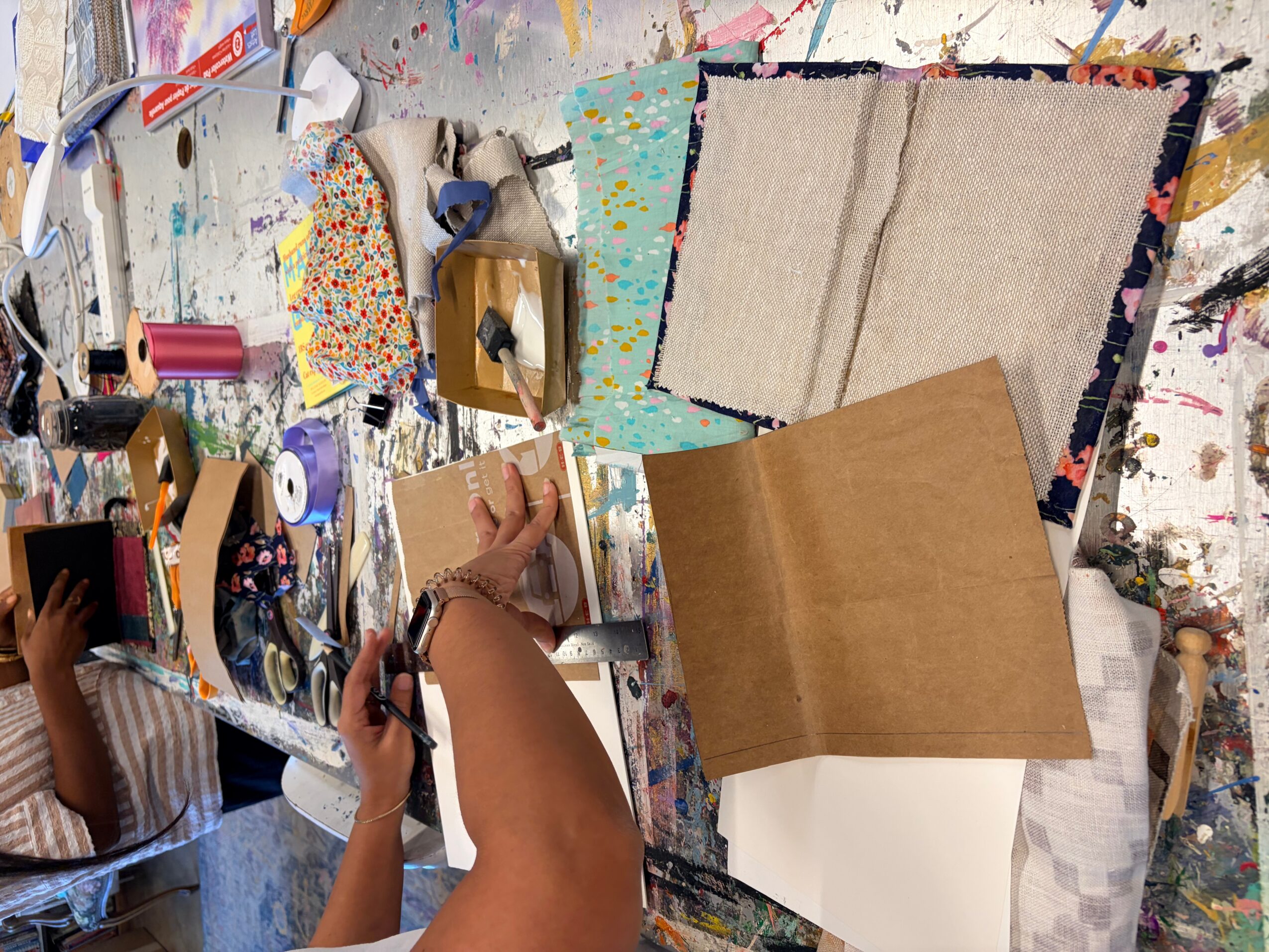
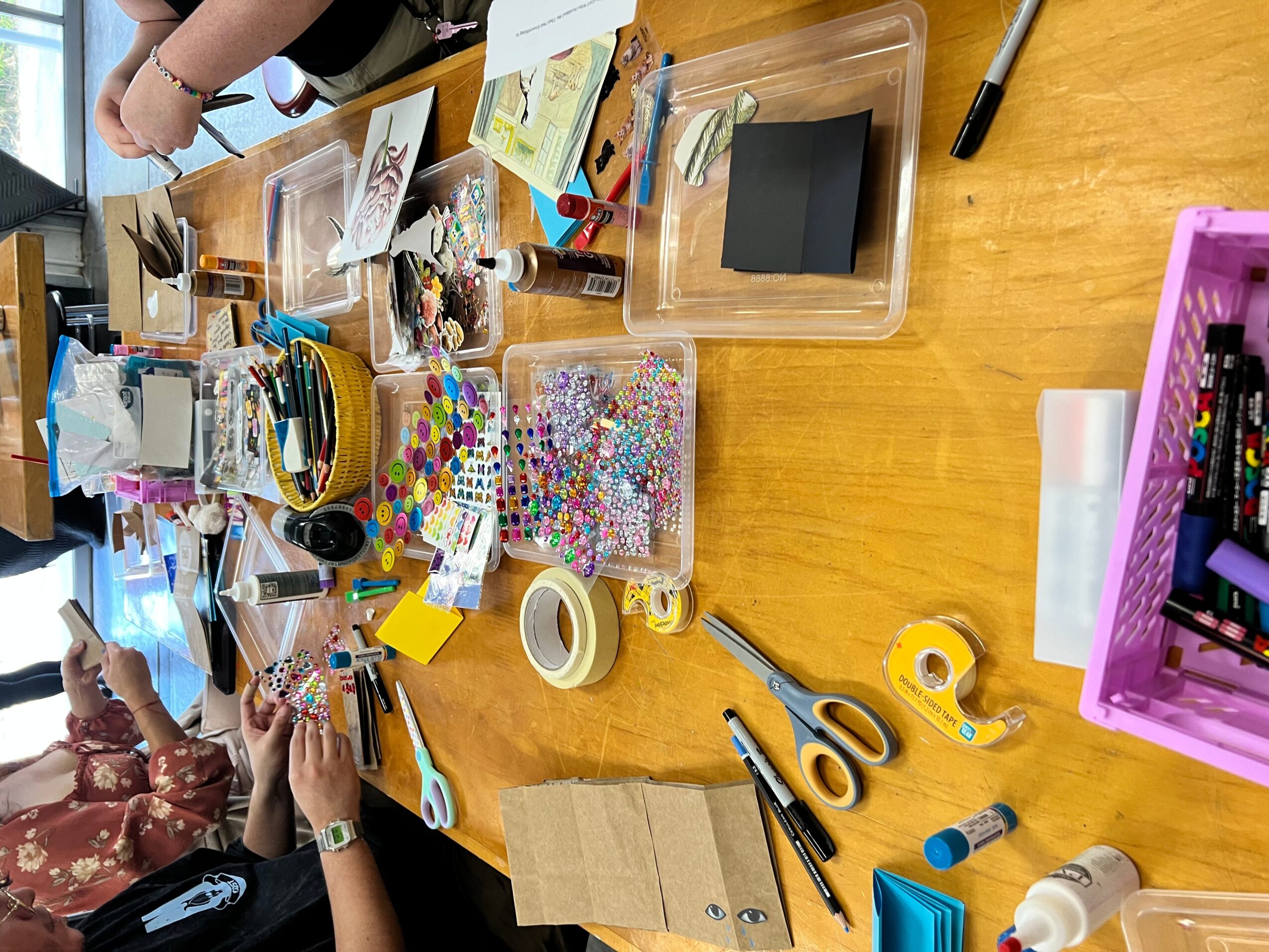
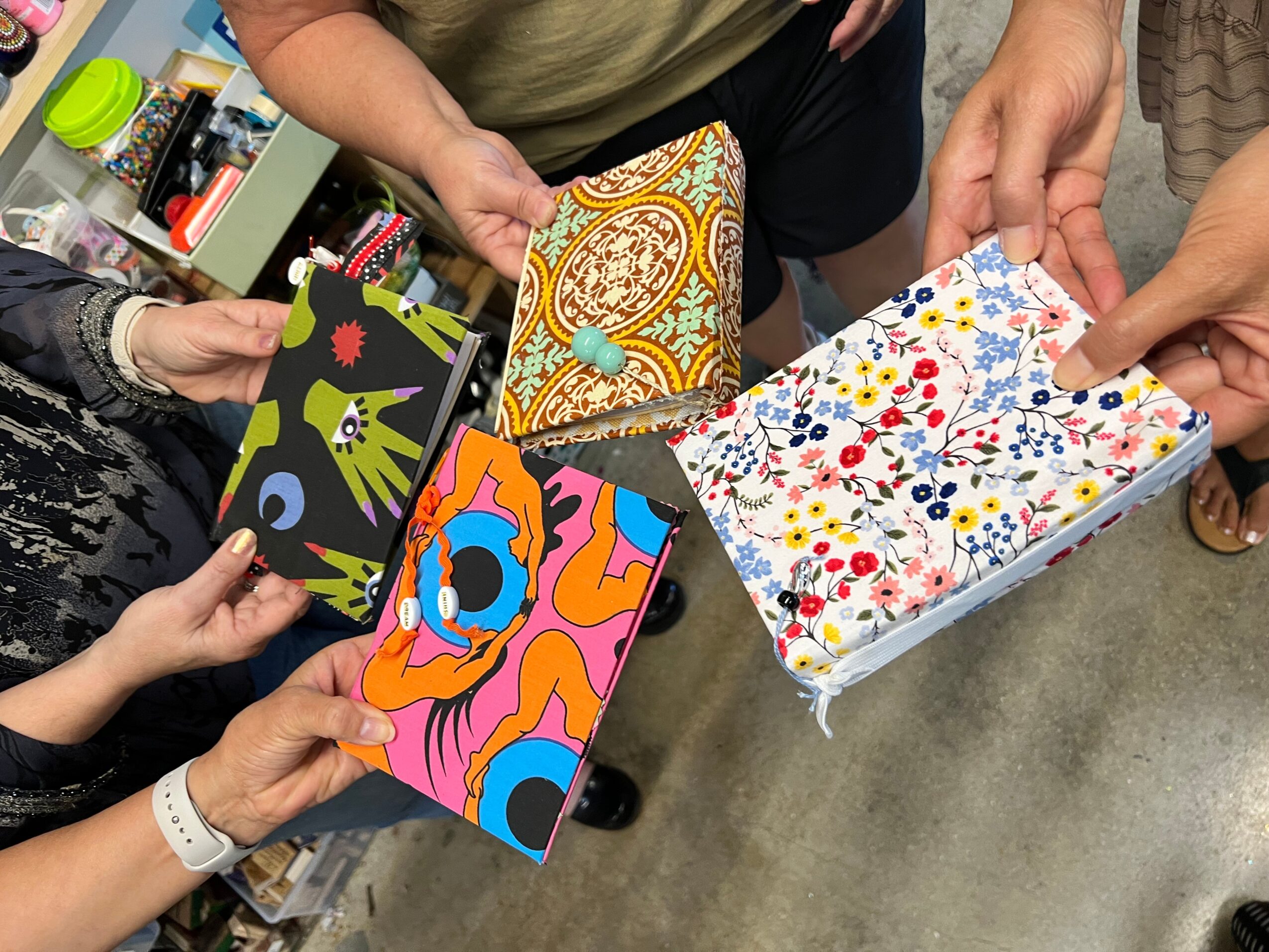
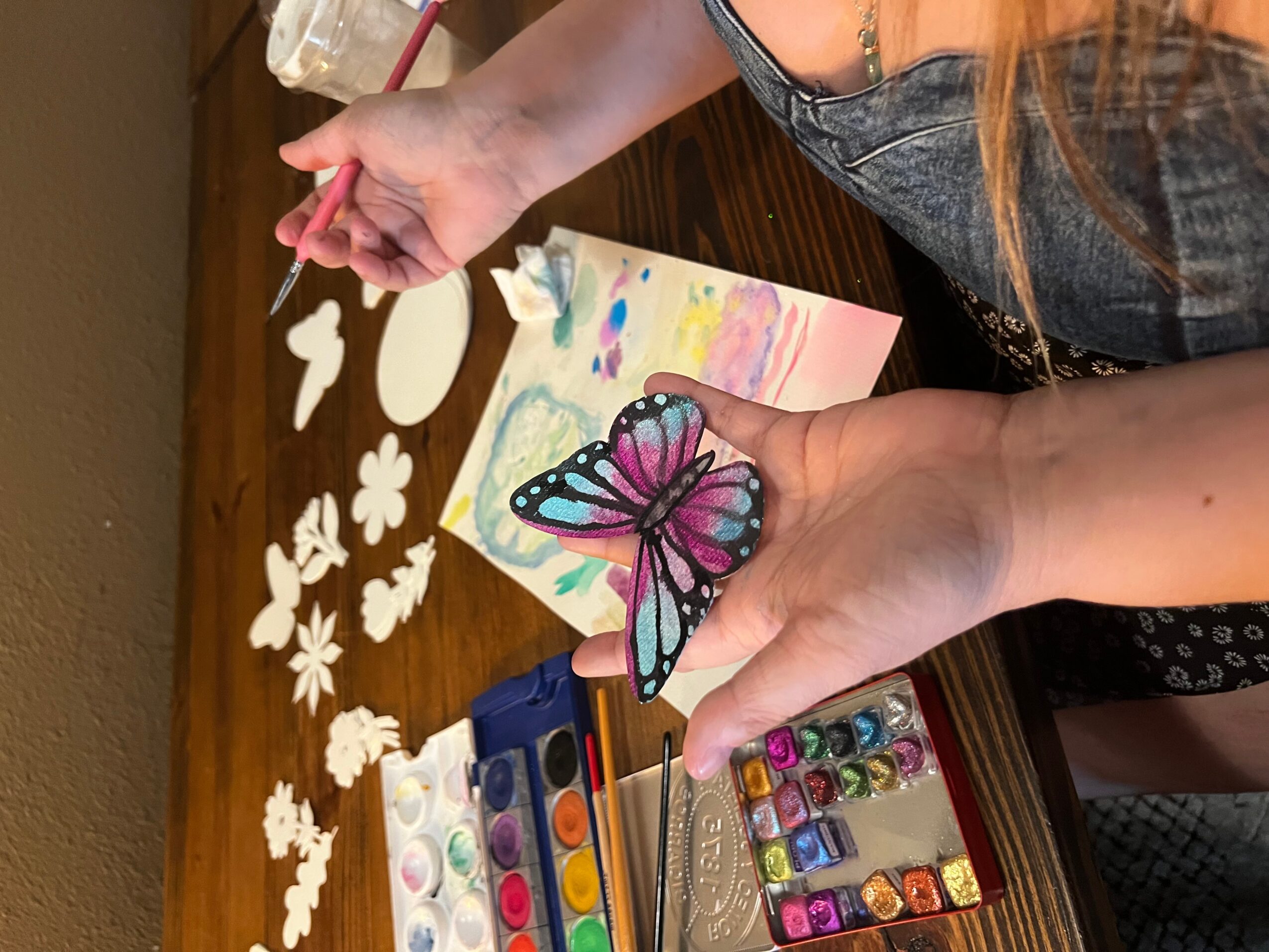
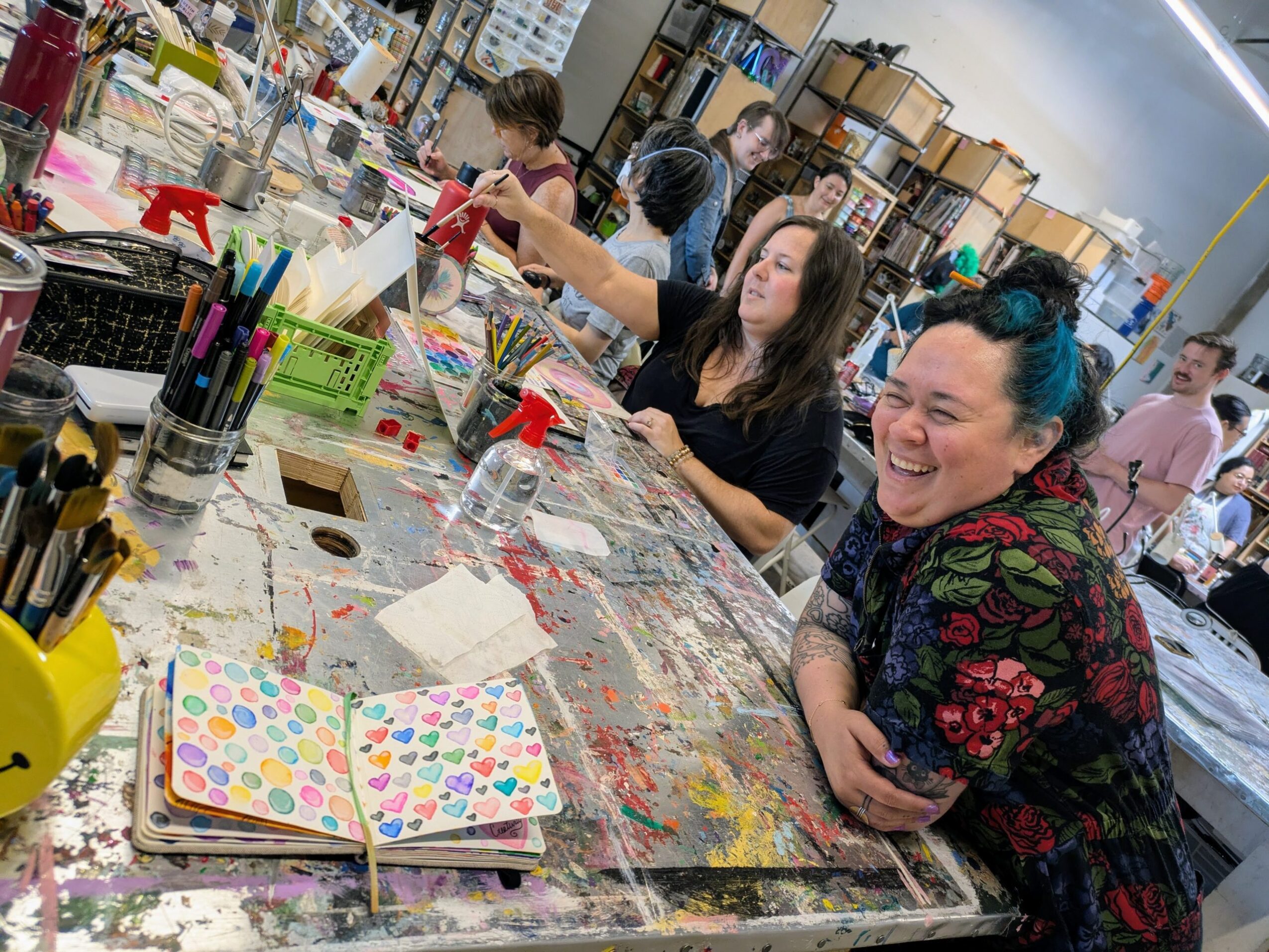
I began with watercolor workshops, but it didn’t take long for my curiosity to wander into other materials and techniques. Since then, Creative Curiosity has grown to include bookbinding, mixed media, printmaking, sewing, and some wonderfully strange little projects that don’t always fit neatly into one category.
One of my favorite things about teaching adults is seeing how differently everyone approaches the same materials or prompt. You can give ten people the same supplies and end up with ten completely different interpretations. I love those moments when someone discovers a technique they hadn’t considered or surprises themselves with what they’ve made. And I love that I get to learn alongside them.
Over the past two and a half years, I’ve been fortunate to collaborate with neighborhood businesses, artists, and community organizations throughout Austin. Those partnerships have allowed Creative Curiosity to pop up in all kinds of spaces, from coffee shops and neighborhood businesses to dedicated arts venues. I really enjoy bringing creative experiences into places where people already gather.
Of course, building a small arts business has also been a learning experience of its own! I’ve discovered that there’s quite a bit more involved than showing up with paintbrushes and paper. Developing workshops, experimenting with materials, preparing supplies, finding venues, and connecting with participants all happen long before anyone sits down at the table.
As Creative Curiosity continues to evolve, I’m thinking more about what it means to build a sustainable teaching practice while making room for my own creativity, too. I want to keep exploring new materials, collaborating with thoughtful community partners, and creating opportunities for adults to spend a little time making something with their hands.
At its heart, Creative Curiosity is about making space for experimentation, observation, and the pleasure of discovering something along the way. And I hope I never stop being curious myself.
Alright, so let’s dig a little deeper into the story – has it been an easy path overall and if not, what were the challenges you’ve had to overcome?
Oh, definitely not! I think one of the biggest surprises has been discovering just how much work happens outside the classroom.
I started Creative Curiosity because I love teaching and making art, but running a small arts business means wearing quite a few different hats. I’m developing workshops, testing materials, sourcing supplies, coordinating with venues, taking photographs, creating marketing materials, managing registrations, and promoting events. And somewhere in there, I still need to find time for my own creative practice!
One of the more difficult things has been navigating the financial realities of making art education accessible while also trying to earn a sustainable living as an educator. Austin is an expensive city, and I know that creative workshops aren’t always within everyone’s budget. I want people to have opportunities to explore art without cost becoming an insurmountable barrier, but materials, space, preparation, and teaching all have real costs, too. Finding that balance is an ongoing challenge.
There’s also the unpredictability of attendance. You can spend weeks developing a workshop, creating examples, and sharing it with your community, only to discover that the timing or interest just isn’t there. I’ve had workshops sell out, and I’ve had others that never made it onto the classroom table. Learning not to measure the value of an idea, or my abilities as an educator, by ticket sales has been an important lesson.
More recently, I’ve been thinking about how much energy goes into making a workshop marketable before I ever get to teach it. Sometimes the preparation and promotion can leave me feeling creatively depleted, which is difficult when the whole reason I started Creative Curiosity was to spend more time making and sharing art.
But these experiences have also helped me understand what I want this work to look like going forward. I’m learning to be more intentional about the projects I develop, the partnerships I pursue, and how I make room for my own curiosity alongside my students’.
I still love what happens around the classroom table. That’s the part that keeps me coming back. The challenge now is figuring out how to build a teaching practice that allows me to spend more of my energy there.
Alright, so let’s switch gears a bit and talk business. What should we know about your work?
I’m an artist and arts educator, and through Creative Curiosity, I develop and facilitate hands-on art workshops for adults. Watercolor has been a big part of my teaching practice, but my curiosity tends to wander! I also work with bookbinding, mixed media, printmaking, sewing, and other creative processes that invite people to experiment with materials and techniques.
I think what makes Creative Curiosity a little different is that I’m less interested in teaching people how to reproduce a particular finished piece and more interested in helping them understand what they’re working with. Of course, we learn techniques and make things, but I want participants to feel comfortable asking questions, trying something unexpected, and discovering their own approaches along the way.
For me, the project is really just the invitation. The creative practice happens inside it.
I try to build workshops that offer enough structure for people to feel supported while leaving room for experimentation and personal interpretation. Sometimes that means exploring how watercolor behaves on different surfaces, experimenting with color and texture, or discovering that an unexpected result is actually the most interesting part of the process.
I’m also a firm believer that teachers should remain learners. I’m constantly experimenting with new materials, revisiting familiar techniques, and discovering things through the questions and observations my students bring to class. That exchange is one of my favorite parts of teaching.
What I’m most proud of isn’t necessarily any particular workshop or project. It’s the moments when I see someone become genuinely curious about what they’re doing. Maybe they start asking more questions, take a technique in an entirely different direction, or realize they want to keep exploring after class is over.
I love when someone leaves with something they’ve made, but I especially love when they leave wanting to make something else.
Ultimately, I want Creative Curiosity to be a place where adults can reconnect with the pleasure of making things, develop creative skills, and give themselves room to experiment without feeling like every result has to be perfect or even particularly beautiful. Sometimes the most interesting discoveries happen when things don’t go according to plan!
Are there any important lessons you’ve learned that you can share with us?
One of the biggest lessons I’ve learned is that passion and determination can only carry you so far. I love what I do, and I care deeply about the experiences I create, but I’ve also learned that building something meaningful requires more than simply working hard and believing in it.
Running Creative Curiosity largely on my own has taught me a lot about my capabilities, but it’s also made me more aware of my limitations. There’s a certain pride that comes with knowing you can figure things out for yourself, but I’ve learned that being able to do everything doesn’t necessarily mean you should.
I’ve also come to appreciate just how important community and collaboration are, not only for the people who attend my workshops, but for me as an artist and educator. The relationships I’ve built with other small businesses, arts organizations, and creative spaces have been some of the most rewarding parts of this experience. They’ve reminded me that meaningful work doesn’t have to happen in isolation.
I’m still learning what sustainability looks like for Creative Curiosity, and I think that will continue to evolve. But I’m beginning to understand that I don’t have to prove my dedication through how much I’m willing to carry on my own. I want to build something that allows me to continue doing the work I love, while also having the time, energy, and support to enjoy it.
Pricing:
- Public Workshops: Most Creative Curiosity workshops range from $45–$75 per person, depending on the project, duration, and materials.
- Accessible Pricing: Pay-what-you-can seats and sliding-scale options are available for most workshops.
- Private Workshops & Group Experiences: Custom workshops are available for private gatherings, organizations, and team events. Pricing varies based on group size, materials, and format.
- Materials Included: Workshop fees generally include the tools and materials needed to participate.
- Visit creativecuriosityatx.com for current offerings, dates, and registration details.
Contact Info:
- Website: https://creativecuriosityatx.com
- Instagram: https://www.instagram.com/creative_curiosity_atx/
- Facebook: https://www.facebook.com/creativecuriosityatx/
- Other: https://linktr.ee/creativecuriosityatx