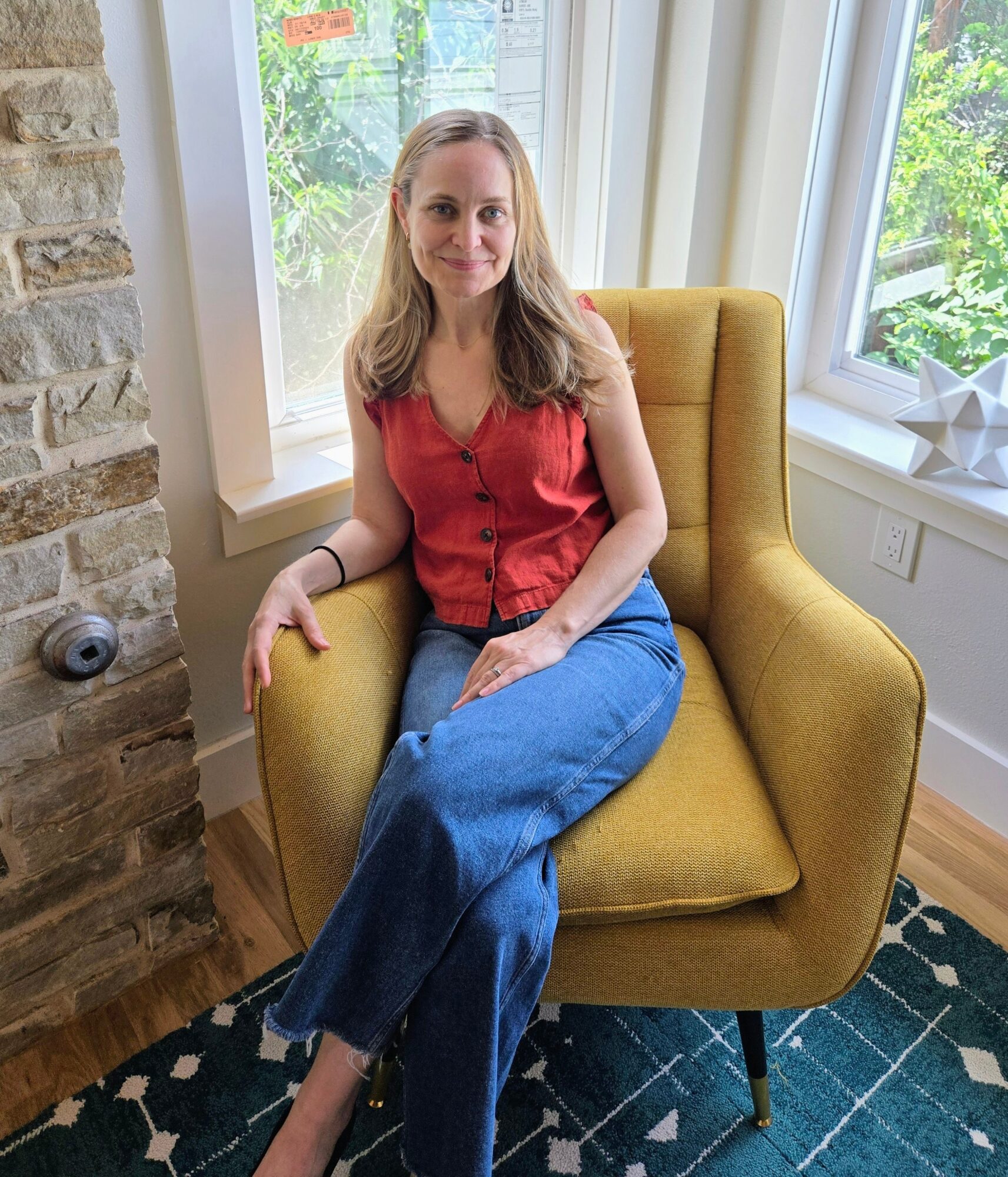



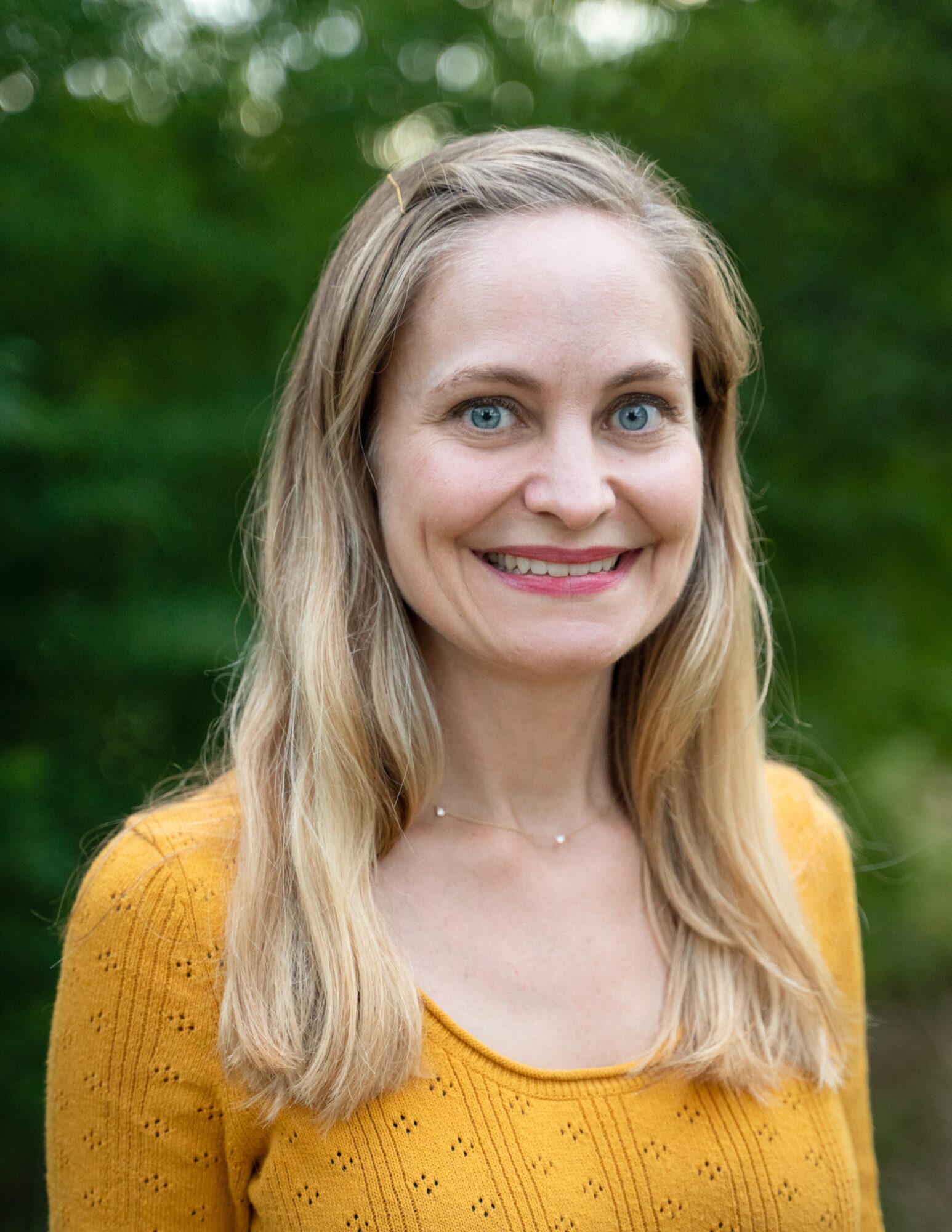
Today we’d like to introduce you to Marian Thompson.
Hi Marian, thanks for sharing your story with us. To start, maybe you can tell our readers some of your backstory.
I’m a Somatic Experiencing Practitioner and psychotherapist in Austin, but I got here by way of Craigslist. After college, I had no idea what I wanted to do, so I started searching job listings. The ones that caught my eye kept asking for an LCSW, so I went back to school to become a licensed clinical social worker, which is the license that allows you to practice psychotherapy.
It made sense. I’ve always been the friend people come to when they need to talk something through, and I’m endlessly curious about people and their stories.
For years, I worked mostly from the neck up, using cognitive approaches with my clients. Then I took a short Somatic Experiencing intro class, and it blew my mind. Our bodies are talking to us all the time. They’re constantly responding to our surroundings, checking for safety and danger, and making predictions about the future based on our past. Here was a way to help people update those predictions and heal trauma, chronic stress, anxiety, and attachment wounds.
Would you say it’s been a smooth road, and if not what are some of the biggest challenges you’ve faced along the way?
It hasn’t always been a smooth road. My training was supposed to take three years. Then my second child was born, and then COVID hit, and it ended up taking close to six. It was worth every extra year.
Today I specialize in sexual trauma, insecure attachment, anger management, and relationships. I’ve been a psychotherapist for 19 years and in private practice for eight, and I’m proud of the practice I’ve built in South and Central Austin.
As you know, we’re big fans of Marian Thompson, LCSW. For our readers who might not be as familiar what can you tell them about the brand?
I’m a Somatic Experiencing Practitioner and psychotherapist in private practice in Austin. I specialize in sexual trauma, insecure attachment, anger management, and relationships. What ties them together is the nervous system: how it learned to predict danger, and how we can help it update.
Somatic therapy moves more slowly than traditional talk therapy, and that’s on purpose. Together, we track what’s happening in your body and learn to notice the cues of safety and danger. Over time, your nervous system learns it doesn’t have to stay on high alert or shut down. Instead of just talking about what happened, you start to embody aliveness.
What I’m proudest of is the safe place I co-create with my clients, a space where people can finally face the things they’ve been running from, at a pace they can handle.
I see clients in person in South and Central Austin, and virtually anywhere in Texas and I offer a free 15 minute consult if people want to learn more.
What would you say have been one of the most important lessons you’ve learned?
The most important thing I’ve learned is that so much of therapy comes down to presence. Becoming an SE practitioner meant doing my own work: noticing my own triggers, working through my own reactivity, and being able to tell when mine shows up versus my client’s. Research on therapy outcomes consistently points to the therapeutic relationship, and a big part of that is how present the therapist is.
To me, presence means tracking the signs of a person’s nervous system together, like dissociation or a trigger being touched, and gently helping them come back when they are ready (giving them plenty of choice and control!) It also means offering my own steadiness, and knowing how to come back to it when I lose it.
Contact Info:
- Website: https://marianwthompson.com/
- Instagram: https://www.instagram.com/mariansomatictherapy/
- Facebook: https://www.facebook.com/marianwthompsonatx
- LinkedIn: https://www.linkedin.com/in/marian-thompson-lcsw-sep-6b712559/