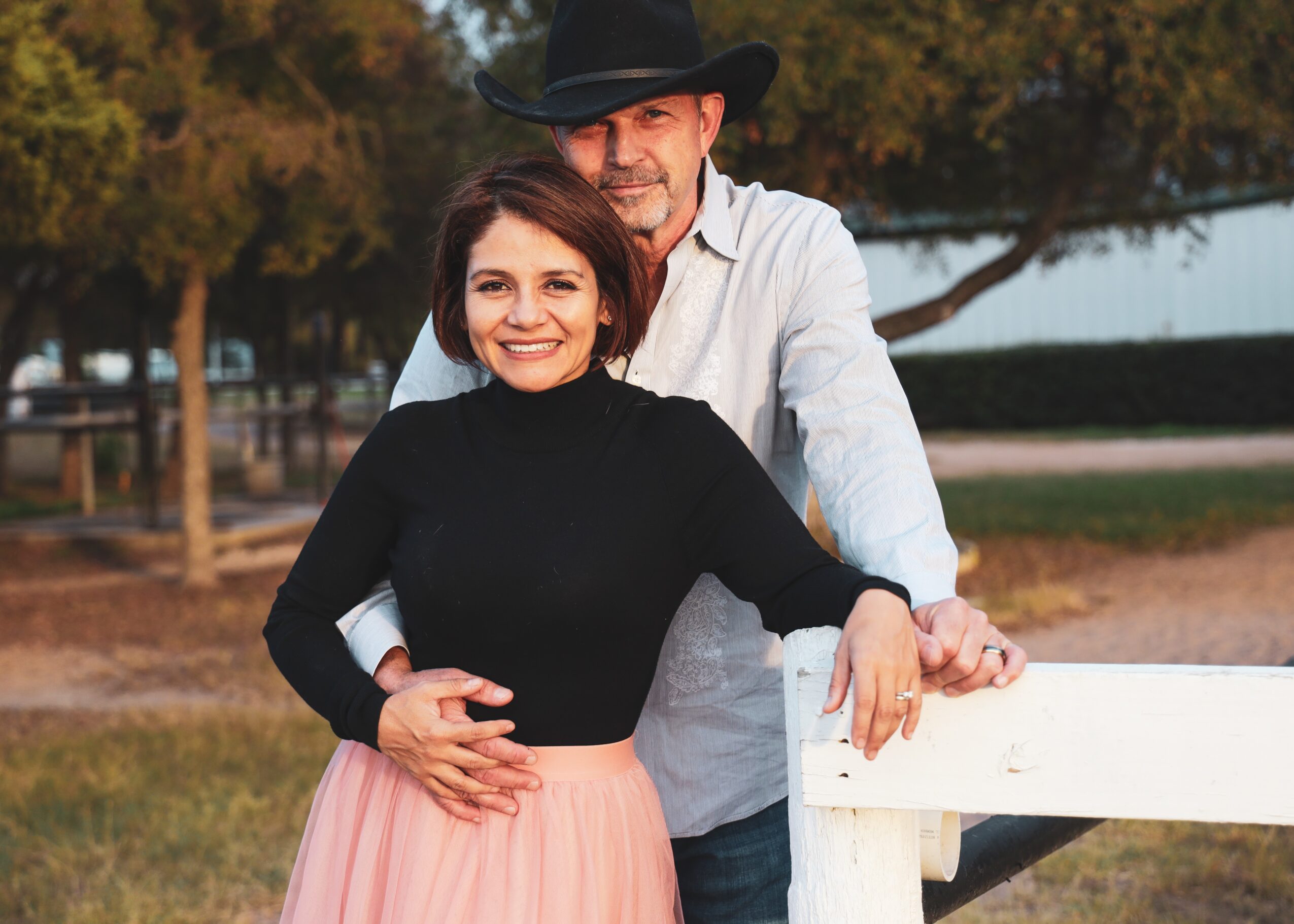



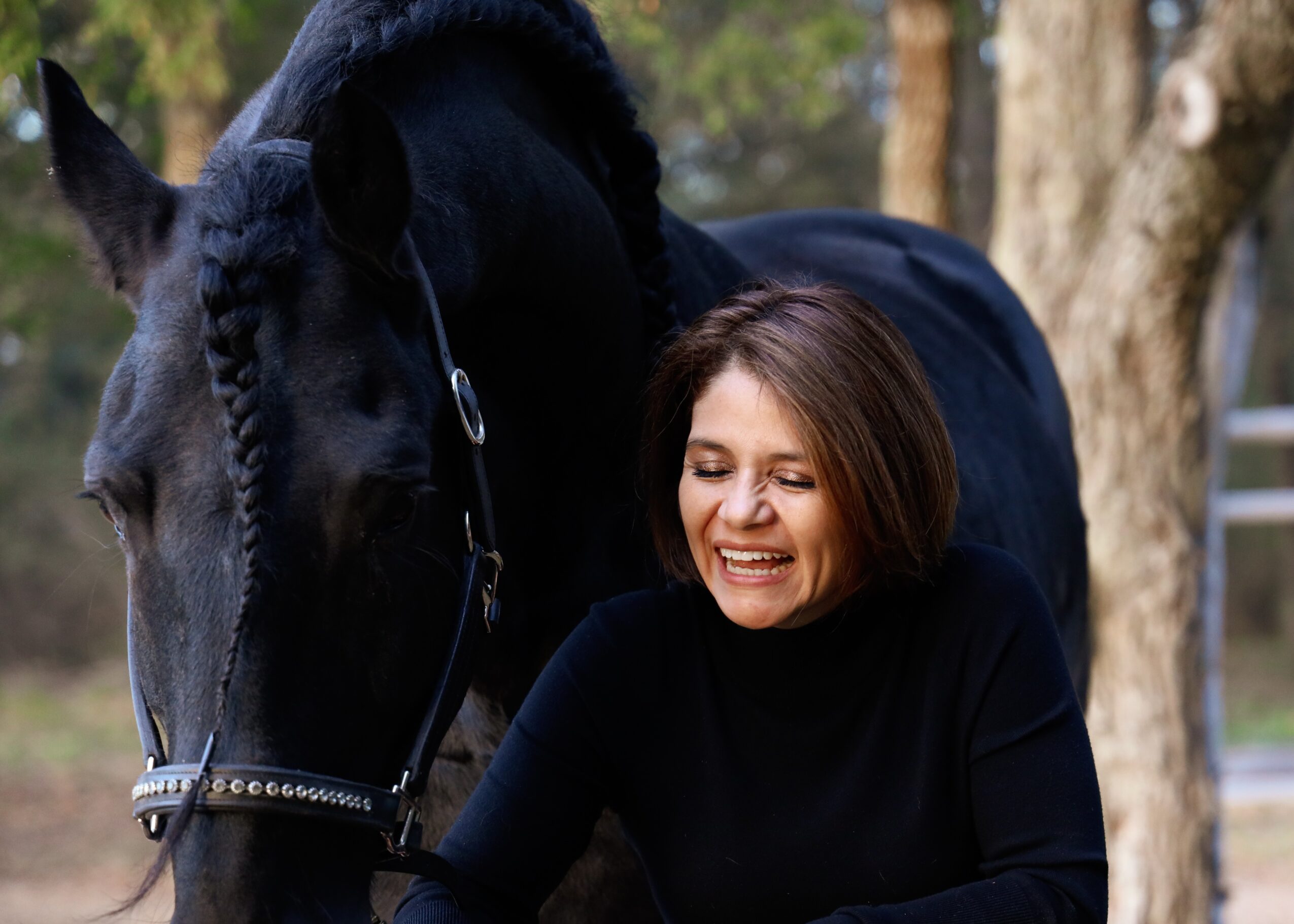
Today we’d like to introduce you to Silvia Speyer.
Silvia, we appreciate you taking the time to share your story with us today. Where does your story begin?
I’ve loved horses for as long as I can remember. The funny thing is, I grew up in Jackson Heights, New York, which isn’t exactly horse country. But I always dreamed about living on a farm, being surrounded by animals, and having horses of my own. My mother used to tell me that if I went to college, got a good job, and became financially independent, I could eventually afford a horse. So I went to college, graduated, accepted a job in Texas, and moved.
And then I did something I would absolutely not recommend to a beginner. I went to a horse auction and bought my first horse. Her name was Hope. She was a Quarter Horse Paint, and she was with me for 25 years. Hope taught me just so many things…how to stay on, and how to get back on when things didn’t go according to plan. She taught me patience, tenacity, and that sometimes you just have to figure things out as you go.
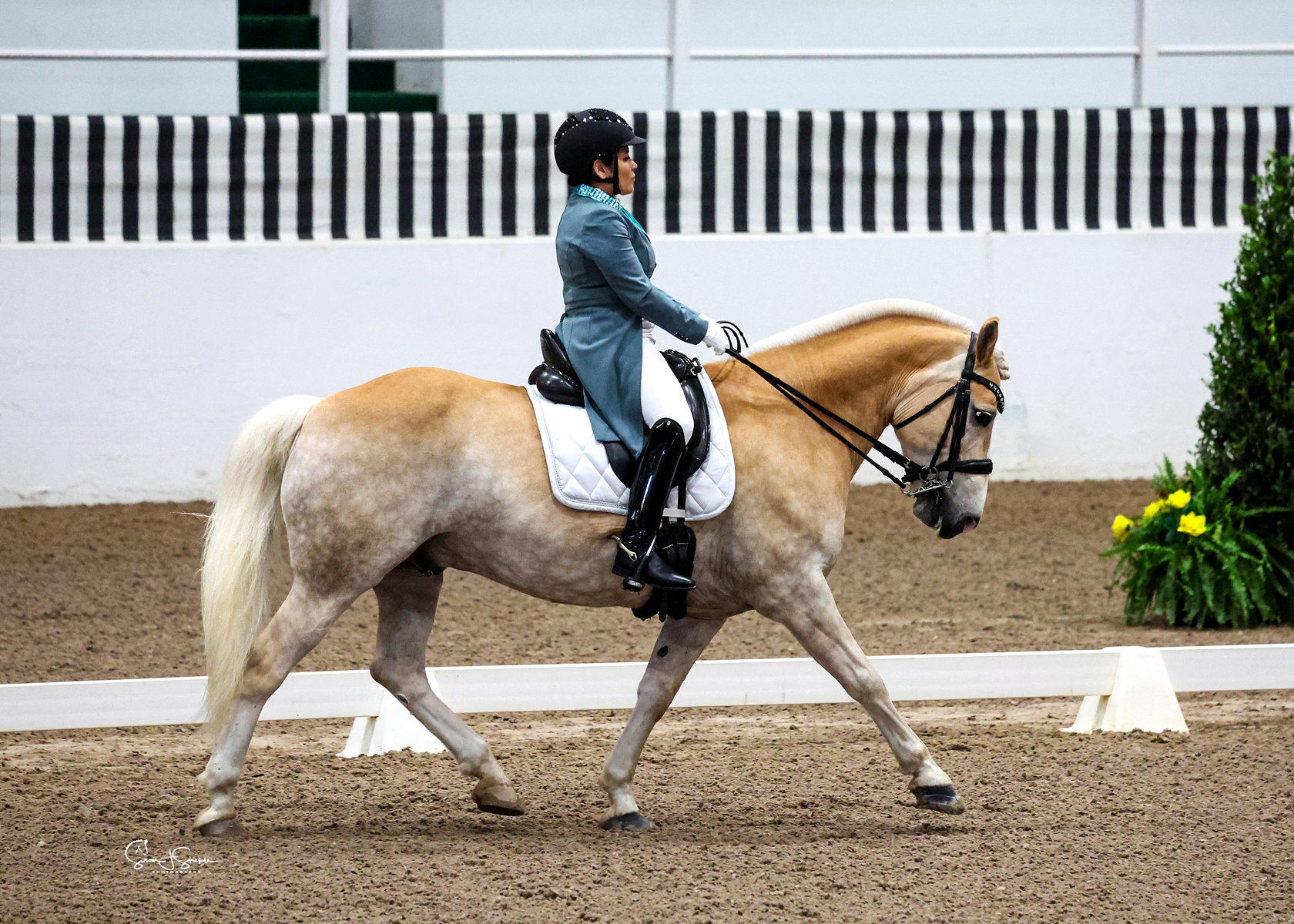
She also wasn’t exactly what you’d call a dressage horse. She wasn’t bred for it, and I encountered trainers who weren’t particularly encouraging about what we could accomplish. But I never understood why that should stop us from learning. I’ve always believed that dressage is foundational riding. It’s about balance, communication, and helping a horse use its body correctly. Does that mean every horse is going to the Olympics? Of course not. But every horse can benefit from good training, and every rider deserves the opportunity to learn, regardless of their budget or the horse they happen to own.
When I started taking formal lessons as an adult, I was incredibly intimidated. I hadn’t been riding since I was three years old. My parents weren’t trainers. I didn’t have deep pockets. I didn’t know what to wear, what the rules were, or even how to interact with the horse people I so desperately wanted to be part of. And as a Hispanic Latina woman, I didn’t see many people who looked like me riding, training, or owning equestrian facilities. There were plenty of Hispanic people doing the essential work that keeps barns running, but not nearly as many in the positions I aspired to.
I was living in Burnet, Texas, when I met a wonderful dressage trainer who started teaching me. When she was preparing to move, she introduced me to White Fences Equestrian Center so I could continue my lessons. There were three women at White Fences who were also working in corporate America, and they were incredibly welcoming. They were kind, supportive, and made me feel like I belonged. I’ll always be grateful to them. Not everyone was like that, though. And I remember thinking how much easier it would be for someone new to riding if they didn’t have to figure out all those unspoken rules just to feel comfortable.
About ten years later, I ended up buying White Fences. Funny how life works.
In the meantime, I had built a career in technology. I started as a database architect and eventually moved into product analysis, product management, and senior product management. I really enjoyed solving problems, working with teams, and understanding the user experience. I was fortunate to work for someone who recognized that I didn’t necessarily think like the other engineers. My brain approaches problems differently, and instead of seeing that as a weakness, he saw the value in it. That made a tremendous difference in my career. Corporate America taught me a lot about budgets, managing resources, building teams, and presenting ideas. It also taught me how to appear confident when I wasn’t feeling particularly confident.
Horses were teaching me some of those same things, although they’re a little more forgiving than your average boardroom. A horse doesn’t care about your job title or how impressive your presentation is. They read your body language, your emotions, and your intentions. You can pretend to be confident all you want, but if you’re nervous and inconsistent, your horse is probably going to let you know. And just when you think you’ve finally figured something out, one of them will practically say, “Hold my beer,” and remind you that you still have plenty to learn.
I’ve always had an entrepreneurial mind. I’ve always been the person saying, “What if we tried this? What if we did that?” I enjoyed corporate America, but I also wanted the freedom to make my own decisions and steer my own ship.
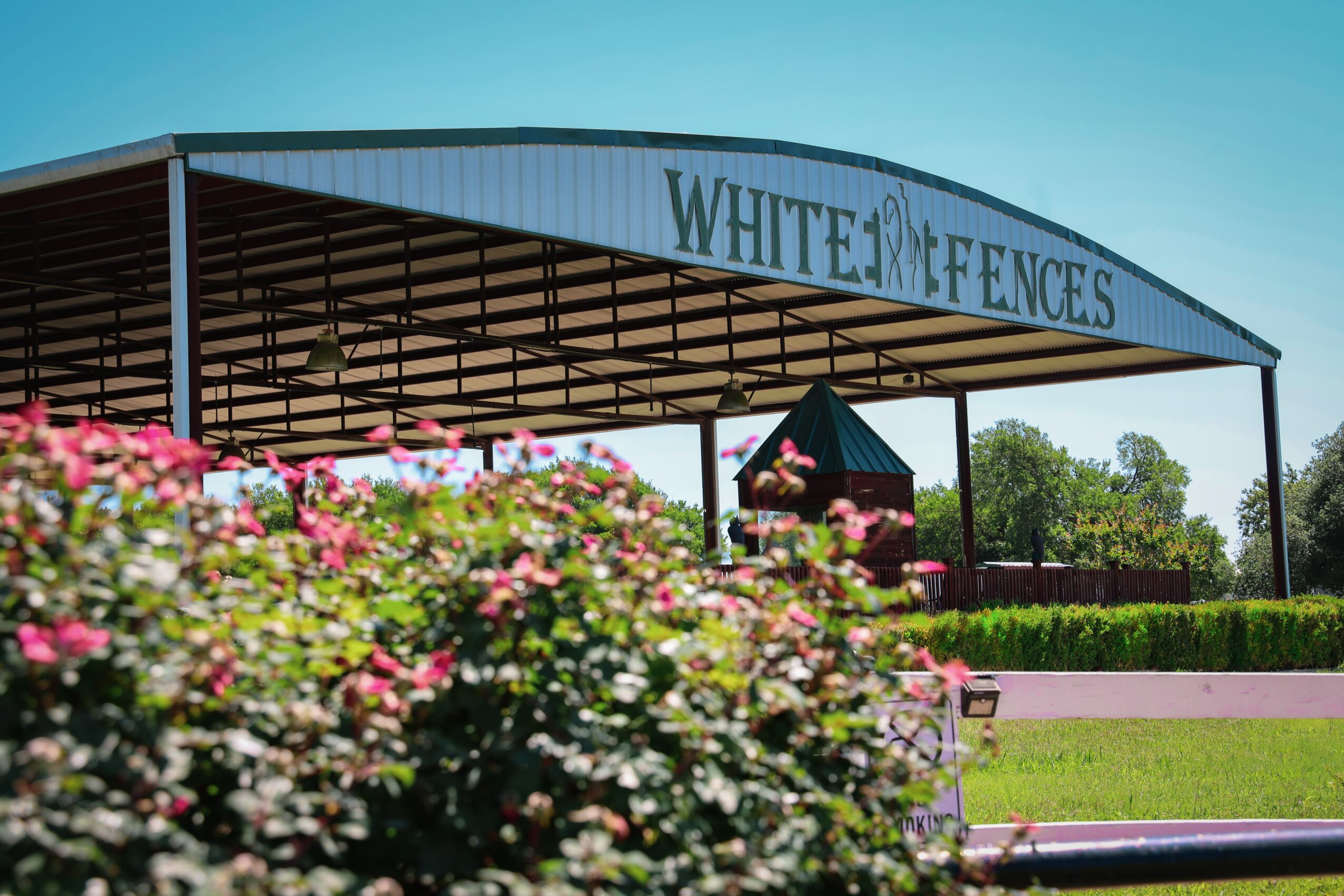
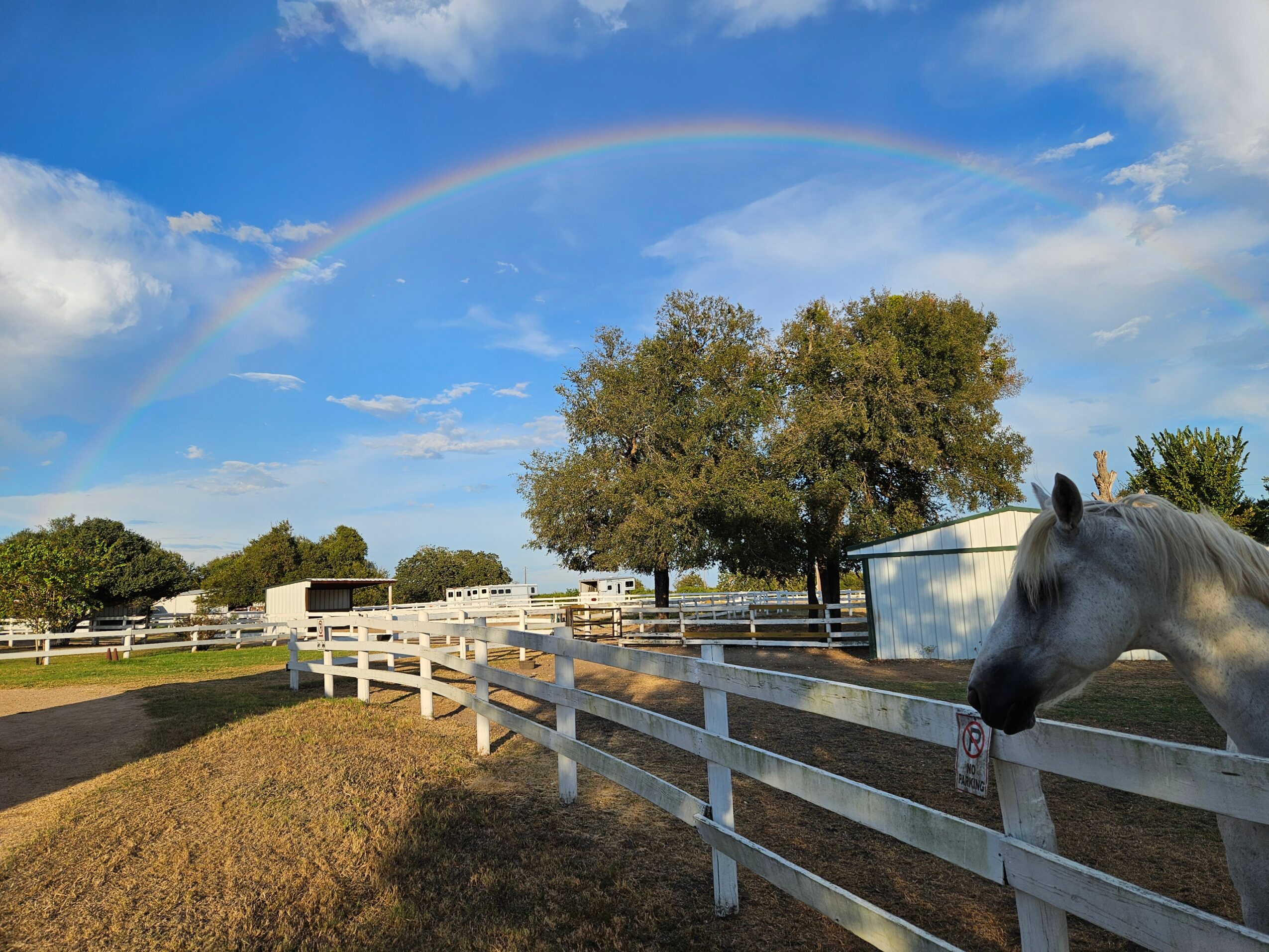
When the opportunity to purchase White Fences came along in 2017, it felt almost cosmic. Here was a property I already knew, in an industry I loved, and an opportunity to create something of my own. My husband and I have spent the years since making the property both functional and beautiful. We thought about how horses experience their surroundings, how curious they are, and what makes them feel safe and comfortable. We also had to think about the realities of Central Texas: the heat, storms, drainage, ventilation, and the everyday practicalities of caring for horses. And I wanted the property to be beautiful for people, too. I’ve planted gardens, flowering trees, and roses because I want people to feel a sense of peace when they come through our gates. I want them to be able to leave the noise of the outside world behind for a little while.
I didn’t buy White Fences because I thought I could run a barn better than anyone else. I wanted to try doing things differently. I wanted to build a place where people could learn to ride correctly without feeling intimidated, where professional trainers could work together and support one another, and where the horses’ well-being was always part of the conversation. I think people sometimes underestimate how vulnerable learning to ride can make you feel, especially as an adult. You’re trusting someone to teach you how to communicate with a thousand-pound animal. That’s a tremendous responsibility, and I believe trainers owe both the rider and the horse their professionalism, patience, and honesty.
I also wanted to approach the business differently. Rather than simply providing stalls for independent trainers, I envisioned a team of professionals working together, sharing their knowledge, and building a community. Has that been easy? Absolutely not.
I’ve been working toward that vision for nine years, and I’ve had plenty of moments when I’ve wondered if I was completely out of my mind. Entrepreneurship has a way of doing that to you. There’s a saying that smooth seas never made good sailors. I think there’s a lot of truth in that. I’ve had to learn things I never imagined I’d need to know, make difficult decisions, ask for help, and sometimes admit that an idea I was convinced would work just wasn’t working.
But I enjoy figuring things out. I enjoy the challenge. And I’ve learned that having the courage to try something is important, but knowing when to change course is just as important. One thing I haven’t changed my mind about is my responsibility to the horses in our care. I can’t fix every problem in the equestrian industry, but I can make sure the horses at White Fences are well-fed, properly cared for, not overworked, and treated with respect.
I also believe horses have an incredible ability to help people heal. I’ve experienced that myself, but some of the most meaningful moments have come from watching our riders and their horses. I remember a rider whose horse suffered a serious injury. It was a long rehabilitation, and there was no guarantee that the horse would ever return to the same level of work. I knew how much that horse meant to him, so while his horse was recovering, I let him ride one of mine. Watching him find some happiness in the saddle again, while still caring for his own horse, was something I’ll never forget. Eventually, through veterinary care, rehabilitation, and a lot of patience, his horse recovered enough for them to return to the show ring. For me, the best part wasn’t seeing them compete again. It was watching the relationship between that horse and rider, and how they helped each other through something difficult. That’s the part of horses that I think is hard to explain to someone who hasn’t experienced it.
When I look at White Fences today, what makes me happiest isn’t necessarily the facilities or the accomplishments in the show ring. It’s seeing people who feel comfortable here, who have found a community. It’s knowing that the people who work with me can provide for their families. It’s looking outside and seeing the farrier working, a few horses grazing, and someone enjoying a quiet moment with their horse. I know that probably sounds like a small thing, but it gives me an incredible sense of peace.
I still have a lot to learn. I’m still figuring things out, still making mistakes, and still trying to improve. But every once in a while, I look around and realize that the little girl growing up in Jackson Heights who dreamed about living on a horse farm actually got to do it. Of course, I don’t think she fully appreciated how much horse manure would be involved.
Would you say it’s been a smooth road, and if not what are some of the biggest challenges you’ve faced along the way?
A smooth road? Absolutely not. And anyone who tells you that owning an equestrian facility is easy probably hasn’t owned one! I came into this with a background in technology and corporate America. I understood budgets, business processes, resource management, and how to build teams. What I didn’t fully appreciate was how different those things become when you’re dealing with living, breathing animals that have their own opinions, personalities, and occasionally very expensive ways of expressing them..and their owners.
You can have the most beautiful business plan in the world, but horses don’t read business plans.
One of my biggest challenges has been figuring out how to build the kind of business I envisioned while keeping it financially sustainable. I didn’t want to simply rent stalls to independent trainers. I wanted to build a collaborative team of professionals who could focus on their craft, support one another, and provide a consistent experience for our riders. That sounds wonderful in theory. Making it work in practice is an entirely different story.
I’ve had to rethink processes, make difficult staffing decisions, change course when something wasn’t working, and learn that sometimes an idea you really believe in still needs to evolve. I’ve also had to learn that being a good leader doesn’t mean making everyone happy. I can care about someone, respect their perspective, and still have to make a decision they don’t agree with. That was a difficult lesson for me, but an important one.
And then there’s the responsibility that comes with caring for horses. They don’t get to choose where they live or who looks after them. We make those decisions for them, and I take that responsibility seriously. When something goes wrong, whether it’s a medical emergency, a facility problem, or just one of those days when everything seems to break at once, you can’t simply close your laptop and deal with it tomorrow.
There have definitely been days when I’ve wondered what on earth I got myself into.
But I’ve also learned a tremendous amount about myself. I’ve learned to ask for help, to trust people who know more than I do, and to recognize that changing direction isn’t the same as giving up. I still believe in what we’re building, even if the road has been a lot bumpier than I imagined. And I think that’s one of the things horses have taught me. You can have a plan, you can prepare, and you can do everything you think is right, but sometimes things still don’t go your way. You have to adjust, learn from it, and try again.
Preferably after a good night’s sleep and a strong cup of coffee.
As you know, we’re big fans of White Fences Equestrian Center. For our readers who might not be as familiar what can you tell them about the brand?
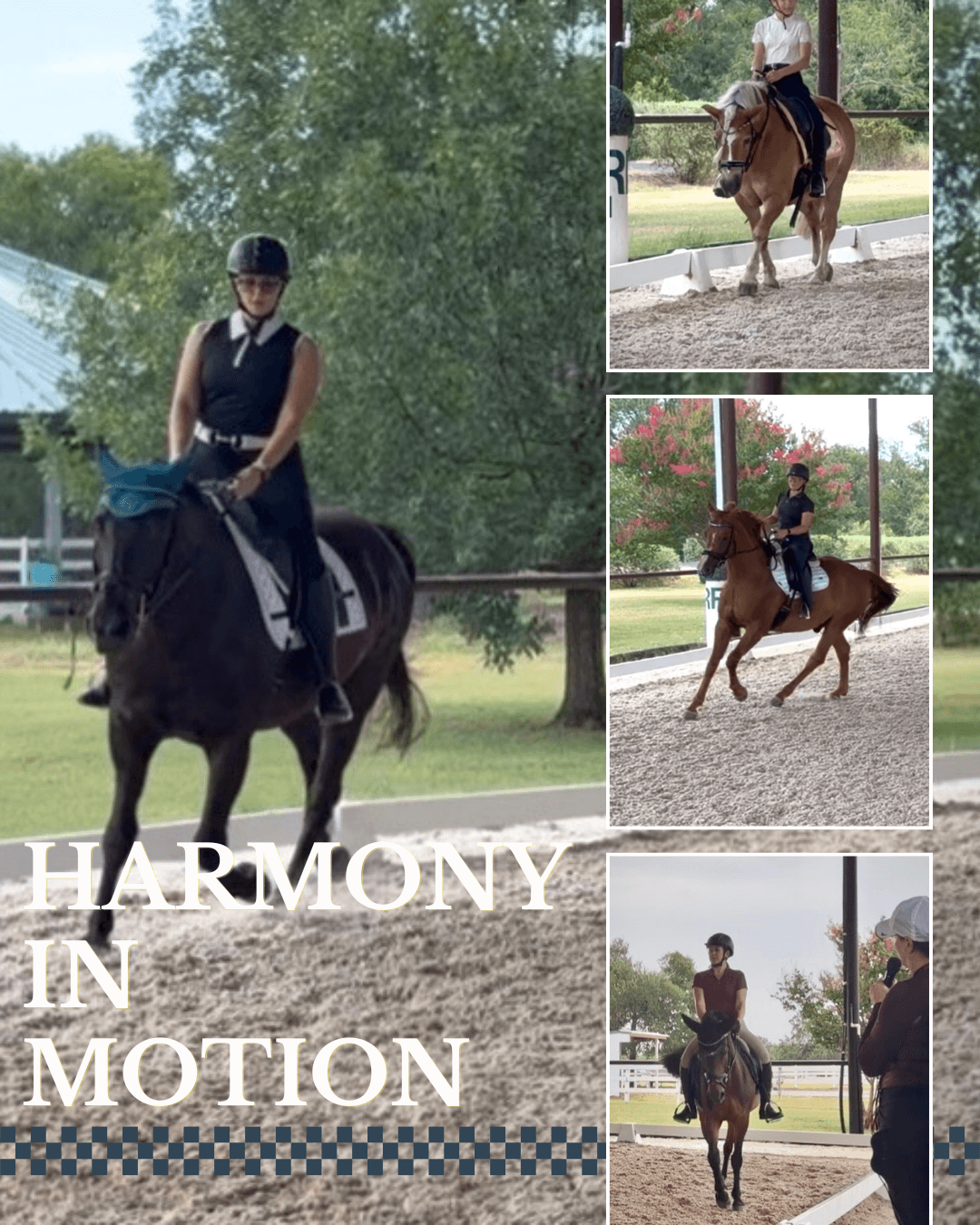
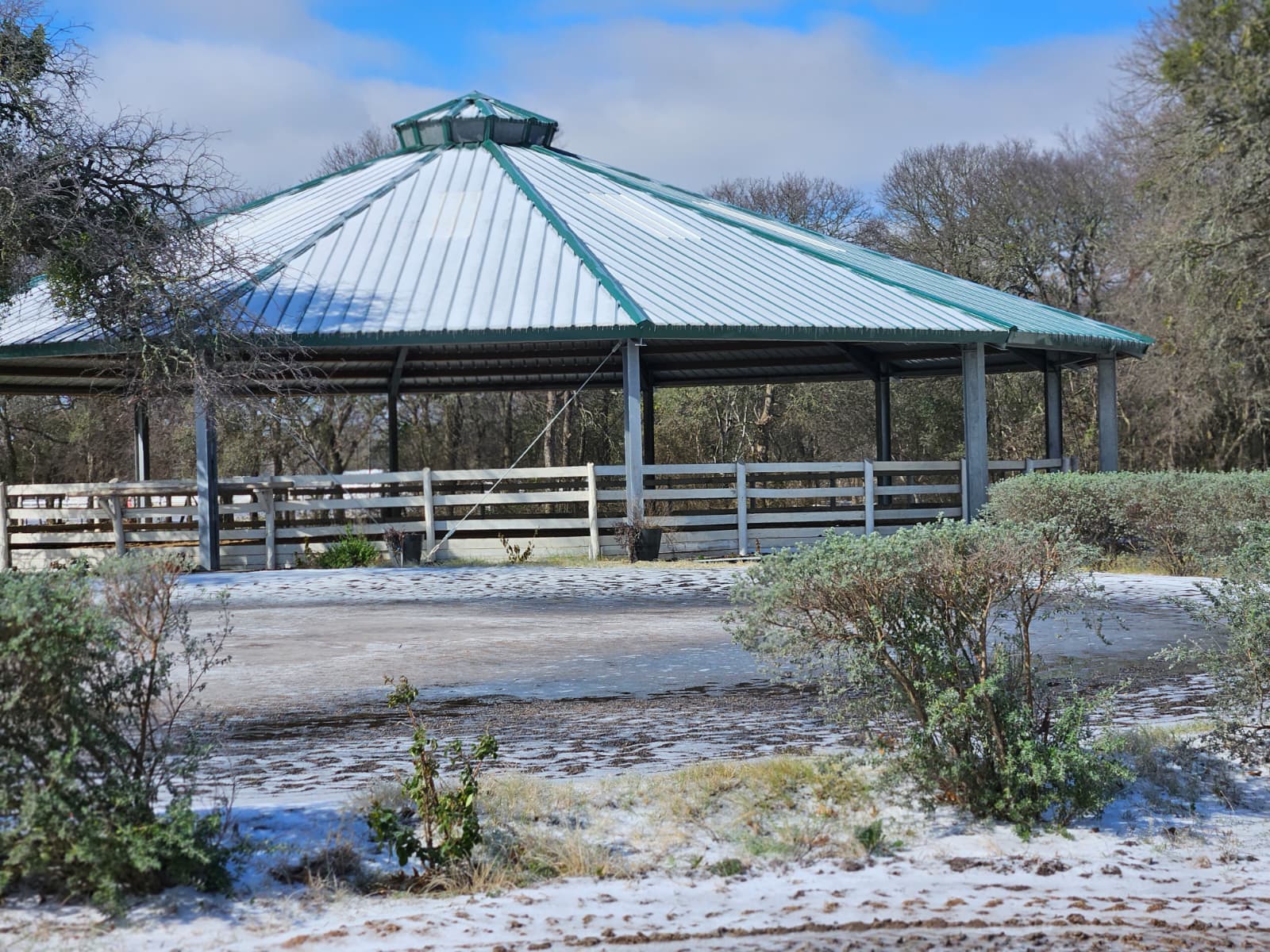
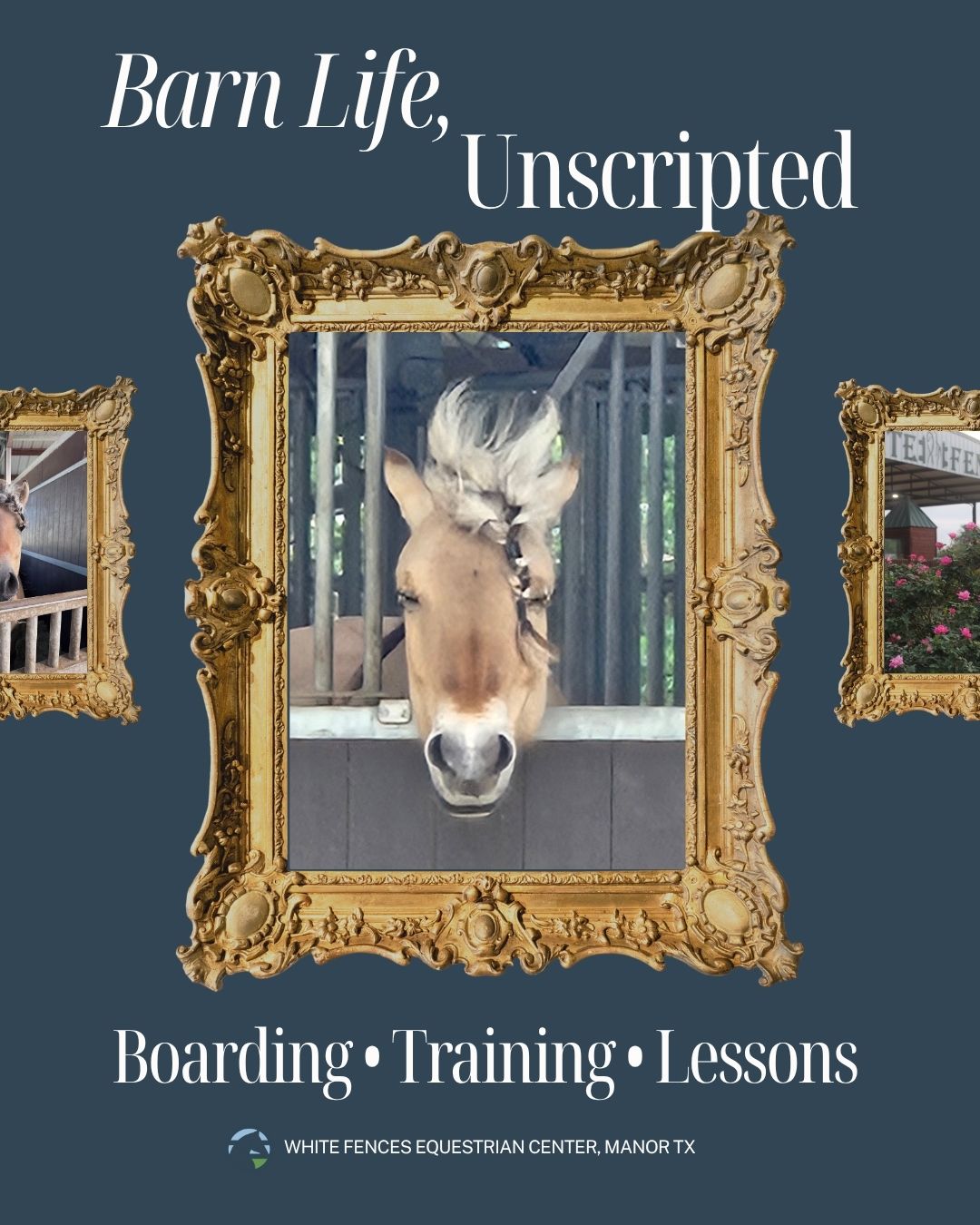
White Fences Equestrian Center is a dressage-focused equestrian facility on 51 acres just outside Austin, Texas. We specialize in full-service horse boarding, professional training, and riding lessons, with a focus on good horsemanship, education, and community.
Our boarding program is much more than providing a stall and feeding a horse. We offer a variety of boarding options, individualized care, and a professional training environment where the horse’s health, happiness, and development are priorities. I believe owners should have peace of mind knowing their horses are being cared for thoughtfully, whether they’re at the barn every day or can’t visit as often as they’d like.
We also take rider education seriously. Through our White Fences Rider Pathway, we provide a structured approach to learning, with clear goals and measurable progress. Whether someone is returning to riding after twenty years or pursuing competitive dressage, I believe everyone deserves quality instruction and the opportunity to grow.
One thing I’m particularly proud of is our collaborative team of trainers. Rather than having everyone operate independently, we’ve created an environment where professionals can share knowledge, support one another, and focus on developing horses and riders.
My husband and I have also worked hard to make White Fences both functional and beautiful. From our covered arena and thoughtfully designed barns to the gardens, roses, and flowering trees, I want people to feel a sense of peace when they come through our gates.
Ultimately, what I’m most proud of is the community we’re building and the quality of care we provide. I want White Fences to be known as a place where horses come first, people feel welcome, and owners can trust that their horses are in good hands.
I believe you can have high standards without being intimidating, be ambitious without losing compassion, and run a professional equestrian business without forgetting why you fell in love with horses in the first place.
Do you have any advice for those just starting out?
Don’t wait until you have everything figured out, because you never will. You can research, plan, and prepare all you want, but eventually you have to take a chance and see what happens.
I think one of the biggest lessons I’ve learned is that you don’t have to know everything, but you do have to be willing to learn. Ask questions, surround yourself with people who know more than you do, and don’t be afraid to admit when you’re wrong. I used to think being independent meant figuring everything out myself. Now I realize there’s a lot of wisdom in knowing when to ask for help.
And pay attention to the numbers! You can be incredibly passionate about something, but passion doesn’t pay the bills. Understanding your finances, your resources, and what it actually costs to operate a business is just as important as loving what you do.
I’d also tell someone starting out not to become so attached to an idea that they can’t recognize when it needs to change. There’s a difference between giving up and knowing when to pivot. Learning that distinction has been one of my biggest challenges. Most importantly, don’t lose sight of why you started. There will be difficult days, unexpected expenses, and moments when you question your sanity. That’s part of entrepreneurship.
And if you’re thinking about opening a horse farm, just know that you’ll spend considerably more time dealing with manure, broken water lines, and equipment than you ever imagined!
Contact Info:
- Website: https://www.whitefencesaustin.com
- Instagram: https://www.instagram.com/whitefences/
- Facebook: https://www.facebook.com/WhiteFencesAustin
- LinkedIn: https://www.linkedin.com/company/whitefencesequestriancenter
- Youtube: https://www.youtube.com/@Whitefencesaustin
- Yelp: https://biz.yelp.com/biz_info/HWPI1wABN_FmRxD5rlSKRA/