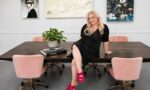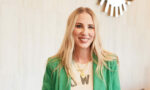



Today we’d like to introduce you to Ashley Landavazo.
Hi Ashley, we’d love for you to start by introducing yourself.
Hello there, my name is Ashley Landavazo. I am a passionate, workaholic, who likes helping people, and who happens to work as a Production Designer for film. I was born in El Paso and was raised by my parents and by the city of Austin, TX. Which is probably how I ended up so weird. Growing up, I was a studious kid and was expected to either go into nursing school or the military. As I grew up I did all the responsible things. I worked as an accountant, lawyer’s assistant, cancer information specialist, project manager, etc., but art was always something in my life that eventually took over.
The idea of working in film was about as real as working for NASA. Not to say that I couldn’t, but it would make more sense if I were a tattoo artist or a bank branch manager. Being a filmmaker was never on my radar, that was until I met my now husband, Paul Gandersman. When we were dating, he asked if I would production design a short he was directing, and I said yes! We worked on it over weekends and nights while I was the Director of Operations of a tech company. Eventually when it was released, the short Givertaker, ended up premiering at Fantastic Fest. It was there that other filmmaker friends started to take notice of my work and they asked me to work on their projects. I kept film and tech separate for a while until I decided to take the plunge and do it full time.
I ended up working with some really talented people and with their amazing projects, I ended up having a film play at SXSW every year until 2021. Now I am able to work on films that my parents can see at Cinemark but really it was all due to the honor of working with people like Emily Hagins, Aaron Morgan, William Goss, Matt Patterson, Daniel Flores, Sharon Artega, Mike McCutchen, Steve Joyner, Caylah Eddlebutte, Paul Alix, Travis Benavides, and many more that got me to where I am today. And I could not be more honored to know and to have worked with them.
My path to becoming a Production Designer was not the typical one. I skipped the PA stage and just went straight to Production Designer. As I gained more experience in larger projects I would get to be a Set Dresser, Set Designer, or would do Construction. With film, it’s hard to know when you’ve leveled up, there isn’t someone who comes by and says you got a promotion! So you move from milestone to milestone. For me those milestones include, my first series (Hold to Your Best Self), working for Bryan Bertino (Who was the first director my aunt could recognize.), my first union project with Prop Master Scott Reeder, joining the union, working at Troublemaker and working with some of the most kind and talented people there, working with Elizabeth Trott (Who helped me learn how to level up all the time.), designing my first set in a stage for SEEK with Aaron Morgan. There are so many more and I am still excited about all the projects I get to do. I just finished production designing my first million-dollar feature in El Paso, which meant a lot to me. And now I am being interviewed here. I mention many names, but I wouldn’t be where I am without the support of my family, my friends (especially Lauryn Ott), and the people I have worked with. This industry is tough and very unforgiving. It takes an army to support the artists that work in film.
Would you say it’s been a smooth road, and what are some of the biggest challenges you’ve faced along the way?
Hahaha, no, it is not a smooth road in film. I remember I told an industry friend of mine that I wanted to go into film full time and they looked me dead in the eyes and said “it is really hard”. I knew them well enough to not take that lightly, but working in film made me feel more excited about life, than not working in film.
However, I have experienced sexual harassment, racism, sexism, and I am regularly underestimated. Not to mention, we work extremely long hours with very few resources, and sometimes, especially as a vegetarian, without food. There have been months where I have been away from home, unable to talk to my loved ones because I am working overnights. And life doesn’t stop when trauma starts, either. You must leave your baggage at the door and run a marathon. However, these challenges have made me stronger and have taught me to stand up for myself more and to care about what I have outside of film more.
Appreciate you sharing that. What else should we know about what you do?
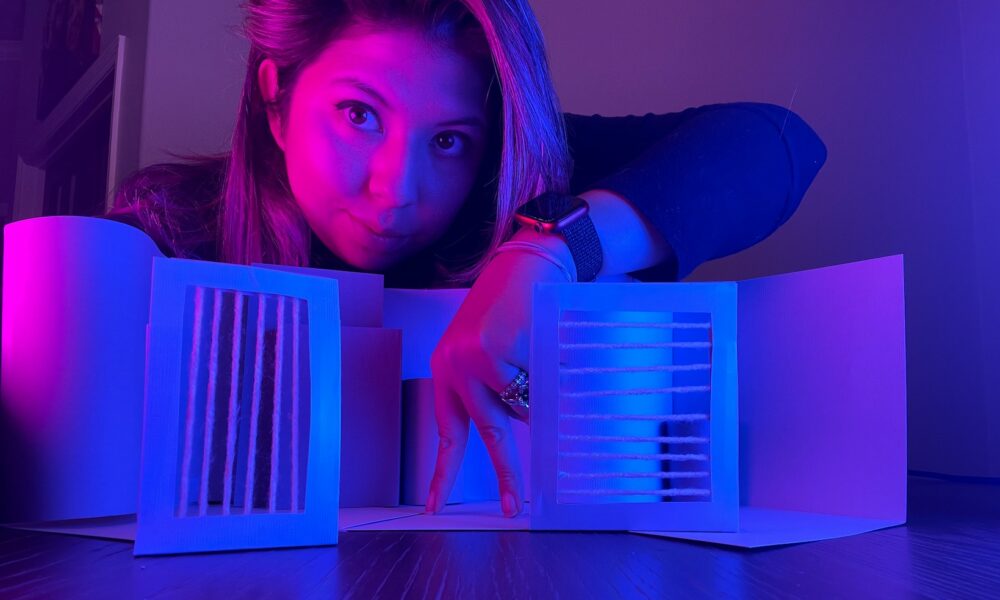
I am proud of a few things in my film career. My growth as an individual went from not knowing how to use a hammer, to making blueprints, and constructing a 1,200 sqft set in 5 weeks. At the same time, I am proud of how I have brought women, minorities, and non-film people in, giving them jobs, and providing mentorship when I can. However, what I am most proud of, is that I have been able to maintain an environment where I hold the lives of my team members above the projects we work on. Everyone should be treated with dignity and respect. It’s easy to treat people like numbers when dealing with money, but it’s different from how things should run, especially when filmmakers give so much to make a movie.
For the first time this year, I will be directing a short film called the Edge of the Bed. I am passionate about this project for two reasons. It will help me grow more as a Production Designer by gaining a new perspective on how we are able to make the things we do. Additionally, I want to direct because it will allow me to hire people and give them the opportunities I had when I first started.
Networking and finding a mentor can positively impact one’s life and career. Any advice?
Oh just go out there and do it. Network, network, network! I went to every film meetup, wrap party, and film festival when I started. After that, when I got a job, I worked like it was my last. I give as much as possible into a project and ask questions when I can. Do not assume anything when you are learning, ask questions, it’s the only way you will grow. Learn from everyone around you; everyone has a plethora of knowledge to share. Anyone can be a mentor, but you have to start by working on getting to know them and why they do things they do.
Pricing:
- Art department often gets underpaid because a lot of people think they can do it. However, they are experts just like electricians or cameramen, you are paying for all the things they have learned to make your project work efficiently.
Contact Info:
- Website: holaproductiondesign.com
- Instagram: @holaproductiondesign


Image Credits
Photos with me in them were taken by Paul Gandersman.