



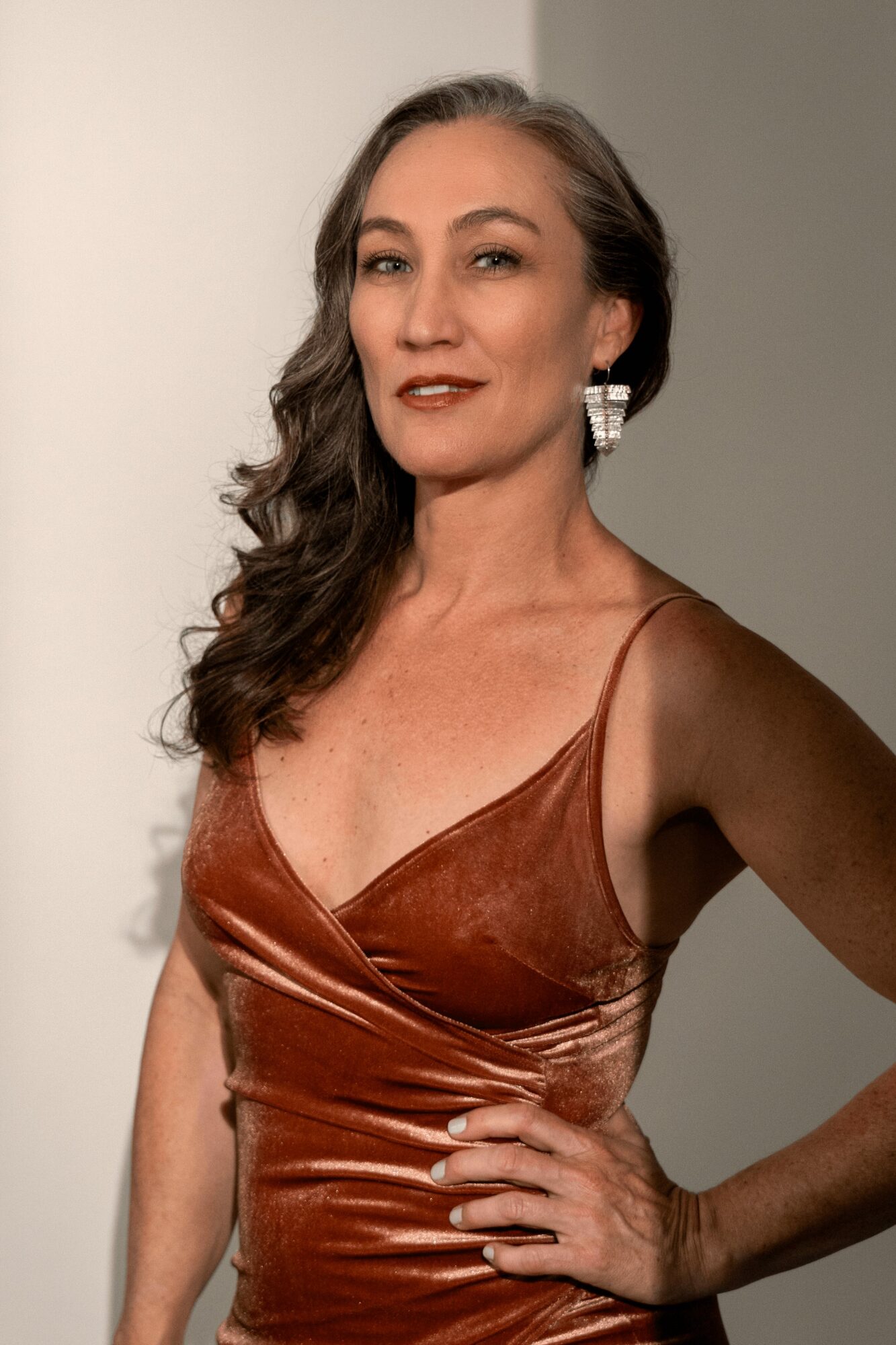
 Today we’d like to introduce you to Hollie Hardy
Hi Hollie, please kick things off for us with an introduction to yourself and your story.
I’m a poet, educator, literary event producer, and author of two books of poetry—”Lions Like Us,” released in June 2024 on Red Light Lit Press, and “How to Take a Bullet: And Other Survival Poems” (Punk Hostage Press 2014), winner of the annual Poetry Center Book Award at San Francisco State University. I have been nominated for a Pushcart Prize and widely published in numerous literary journals and anthologies.
I have a BA in Creative Writing and an MFA in Poetry from SFSU. I teach private writing workshops online and offer one-on-one coaching and editing for writers. Over the last decade, I’ve also taught at Berkeley City College, San Francisco State University, the SF County Jail, and the SF Creative Writing Institute, where I served as Poetry Department Chair. I am the founder of Praxis Poetry: Weekly Prompts for Poets, an asynchronous online subscription service designed and curated to support and inspire poets of all levels.
I also host the free, long-running reading series, Saturday Night Special: A Virtual Open Mic, where poets and writers from across the nation come together on the last Saturday of every month to perform for three minutes each.
In the past, I served as Editor-in-Chief of “Fourteen Hills: The SFSU Review” and as co-founder, producer, and host of numerous literary events—Oakland’s Annual Beast Crawl Literary Festival, Litquake’s Flight of Poets, Sonoma Valley Museum of Art’s Pairings for the Senses, and more. I’ve featured at hundreds of literary readings nationwide and I’m currently on a summer book tour with Red Light Lit for “Lions Like Us,” with readings in Oakland, San Francisco, Los Angeles, Twentynine Palms, Portland, Seattle, Ferryville, Wisconsin, and Lansing, Michigan. I’ll be launching the book in Austin on August 15 at Alienated Majesty Books and on August 18 at Vintage Bookstore and Wine. Join me!
My literary journey started young—I learned to read before kindergarten and in first grade I had a short story published in the local newspaper. When asked what I wanted to be when I grew up, I didn’t hesitate: an author and a teacher. When other kids were playing house, I was playing school and teaching my little sister vocabulary on our home chalkboard.
As a child, I loved Emily Dickinson, Shel Silverstein, and Edgar Allan Poe. My artist parents valued creativity over financial security and encouraged my pursuits. In college, I attended my first creative writing class, and my first poem was published in the “Milvia Street Journal.” I worked days in an office to put myself through school at night, a couple classes at a time. It took more than a decade to get my degrees. One of my favorite teachers in community college, Jenny Lowood, was also the department chair, and she promised to give me a teaching job if I got a master’s degree. So I went to grad school.
At SFSU, I was exposed to amazing poets and writers. I learned the process and craft of poetry, fiction, and creative nonfiction, and how to read like a writer. I also learned the business of writing, how to teach, edit, give feedback, produce literary events, lay out books, and build community—tools I still use nearly every day.
After college, I started producing literary events, teaching at multiple schools, and sending out my poetry manuscript in hopes of securing a publisher. My first book, “How to Take a Bullet: And Other Survival Poems” is a collection of how-to poems with titles ruthlessly appropriated from “The Worst-Case Scenario Survival Handbook.”
Poet, author, and host of “The Slowdown” podcast, Major Jackson, writes about my first book, “A sensuous and persistent vision defines Hollie Hardy’s ‘How to Take a Bullet,’ one that sees our age of self-help and DIY culture as an aesthetic vehicle for more ritualistic and artful remakings of the self in language and hip codes. Some fires actually do revise the mountains. Here is one.”
It took a year before the book found its home. Punk Hostage Press offered me creative freedom, and I was able to design the book myself, including gorgeous original cover artwork by my father, Donald Morey. I also kept my office job because it let me do what I loved, even though being a poet and adjunct professor doesn’t tend to pay well.
My second book came out ten years later, on Red Light Lit Press, with a stunning cover by the book’s muse, Anthony Chase. “Lions Like Us” asks the question: What would you sacrifice for love? Here are poems of longing and loss that weigh and confront the risk of change. The story starts with a budding passion before the burgeoning pandemic and bears immersive witness to distance, isolation, Black Lives Matter protests, and a new love unfolding and refolding at the center of a city in turmoil. Against a burning backdrop, image-rich and lyrical, full of teeth and hands, doorways and birds, nightscapes of ocean and fire, these poems chart the journey of a phoenix, “a woman turning in/ to herself.”
Matthew Zapruder, author of “Story of a Poem” writes about “Lions Like Us,” “Reading this book is like falling in love, then parting, then returning to the beloved, again and again and again. Reader, enter to weep, to laugh, to find solidarity. Enter to find, in its purest, most intense, most direct and available form, poetry.”
I’m sure it wasn’t obstacle-free, but would you say the journey has been fairly smooth so far?
For 25 years, I lived in the same 1920s apartment building in Uptown Oakland, CA., affectionately known as Hellrose Place. When the pandemic hit, and the city locked down, I was laid off from my office job, and I scrambled to pivot my classes and events to online formats. I took up the challenge and quickly acquired new distance learning technologies and teaching techniques for engaging students and audiences online.
Meanwhile, my long-time landlord decided to redevelop my entire block, planning a 16-story, L-shaped high-rise to wrap around my tiny, two-story apartment, blocking out all the light, obliterating the view, and promising three years of constant construction noise and dust, while my partner and I were stuck working at home, with no end to quarantine in sight. I fought against the development for a while, but eventually took it as a sign that it was time to leave Oakland.
We set our sights on Austin for its food, culture, and colleges, its kind people, outdoor activities, and minimal snow. After months of packing and planning and tearful goodbyes, we were set to hit the road in the morning, in a 27-foot bright yellow moving van, all loaded up and ready to drive. At 5AM, the neighbors started yelling. Two men were stealing the truck. One neighbor, for no reason anyone could understand, prevented us from pursuing the thieves. Despite the in-progress nature of the crime and the fact that the tracker on the rental truck could not be activated without a police report, the freshly defunded Oakland police refused to help for more than five hours. We drove around in sobbing frenzied despair, trying to reconcile the loss of everything we owned in the world.
Eventually, I persuaded an officer I found parked outside a 7-Eleven to make a report. The truck was discovered abandoned a couple of miles away. Perhaps thwarted by the tall moat of cacti barricading our belongings, the thieves took only what they could grab—a few toolboxes—and fled. However, they damaged the truck so badly in the process of stealing it, that we had to do a load swap to a new truck, and the movers did not handle our belongings with care.
Days later, we finally left Oakland, traumatized and dispirited. After a day or two on the road, we realized that the replacement truck had been blowing gas the whole way down the California coast and halfway to Texas. Again our journey was stalled while careless movers transferred what was left of our broken belongings to yet another truck. By this time, my fish and most of our plants were dead from the prolonged heat.
Eventually, we arrived in Austin, sweating in the 100-degree heat, emotionally exhausted, and full of doubt, but together.
Three years later, we’ve made a life here. I’ve built a private practice teaching poetry workshops online and released my second book, “Lions Like Us.” I’m a frequent feature at local literary shows such as Red Light Lit Austin, One Page Salon, and Smushed Blueberries. Saturday Night Special, my own pre-pandemic open mic that used to liven up a Berkeley jazz bar once a month, is now a national reading series reaching writers and lit lovers across the country and beyond.
I’m excited to discover what the next adventure will bring.
Appreciate you sharing that. What else should we know about what you do?
My passion and joy is holding space for writers to grow, blossom, and thrive—on the page and on the stage.
Teaching private poetry workshops is the most fun and rewarding thing I do. As an experienced creative writing instructor, I’ve taught classes in multiple genres, both privately and in academic institutions, for more than a decade.
I’ve helped hundreds of writers find inspiration, gain confidence, develop their voices, hone their skills, connect with a literary community, and get published. I believe everyone has the capacity for creativity, and writing is a learned skill that can be taught. There’s room for all of us to succeed, and we do better when we strive towards greatness together.
In my classes, I meet my students wherever they are—from beginners with little or no experience to seasoned poets looking for deep feedback or a new direction. I offer inspiration, guidance, accountability, and community.
I’ve learned that adults don’t love to be beginners. We like the idea of trying new things, but it also makes us feel vulnerable. I work to create a warm, supportive environment, where students are encouraged to be messy and take risks, to write into the uncomfortable, so they can stretch and grow.
As a result, my students have breakthroughs. They publish poems, write chapbooks, get accepted to MFA programs, win awards, feature at open mics—they give themselves permission to be practicing writers and have fun doing it.
Come write with me!
My classes are open to everyone and cover a wide range of approaches:
I offer generative Write-In Workshops, where folks meet up monthly online, briefly discuss poems on the theme, receive some prompts and then spend time writing together, with the option to share at the end.
Praxis Poetry: Weekly Prompts for Poets is a subscription service designed and curated for poets, providing a supportive writing community and a wide variety of original weekly writing prompts, sample poems for inspiration, mini lessons, images, and ideas to get the pen in motion.
My six-week workshops include Craft of Poetry, Contemporary Poets, Experimental Forms, Revision, Love Poems and more. These workshops include weekly meetings, generative writing prompts, close readings of poems, and generous feedback and attention in a relaxed, supportive online environment.
Twice a year, in April and October, I run 30-Poems-30-Days Challenges in which participants receive exciting and diverse poetry prompts to support daily writing and then share new poems and comments on an exclusive online platform.
In addition to writing workshops, I also offer manuscript mentorship, review, editing, and one-on-one coaching services, on a submission basis. Contact me for a free consultation.
As a writing instructor and workshop facilitator, I have honed my skills in the art of constructive feedback. I also have many years of editing experience, including as Poetry Editor and Editor-in-Chief for Fourteen Hills: The SFSU Review, faculty advisor and editor for The BCC Voice Newsletter, and freelance copywriting and editing for various companies.
I have a sharp eye for detail, diction, grammar, form, formatting, tone, arc, order, and audience. I help clients identify themes and intentions, strengths and weaknesses in individual poems or a collection. I ask questions and offer specific suggestions, so writers can produce their best work for publication.
As a literary event producer and host, I love bringing writers together to shine, perform, listen, and clap for one another. Over the years I have co-founded, curated, performed or featured in, and hosted hundreds of literary events nationally, from one-off readings to book tours, to ongoing weekly and monthly open mics like Saturday Night Special and Velvet Revolution, to annual events like Flight of Poets, Pairings for the Senses, and Oakland’s Beast Crawl Literary Festival. Readings are labors of love, and you are invited.
As an author, I’m proud of my books, “Lions Like Us,” and “How to Take a Bullet: And Other Survival Poems,” and I’d love to share them with you. Head to my website to read sample poems, blurbs, and reviews, and order signed copies. You can also learn about upcoming classes and events, join Praxis Poetry, sign up for my newsletter and reach out if you want to connect; I’d love to hear from you.
Pricing:
- Write-In Workshops — $25
- Praxis Poetry: Weekly Prompts for Poets — $6/week or $240/year
- 30-Poems-in-30-Days Challenge — $85
- Six-Week Workshops — $425 – $450
- Manuscript Review / Private Coaching — variable
Contact Info:
- Website: https://holliehardy.com/
- Instagram: https://www.instagram.com/hollie.hardy/
- Facebook: https://www.facebook.com/hollie.hardy.3
- Twitter: https://twitter.com/thatholliehardy
- Other: https://linktr.ee/holliehardy
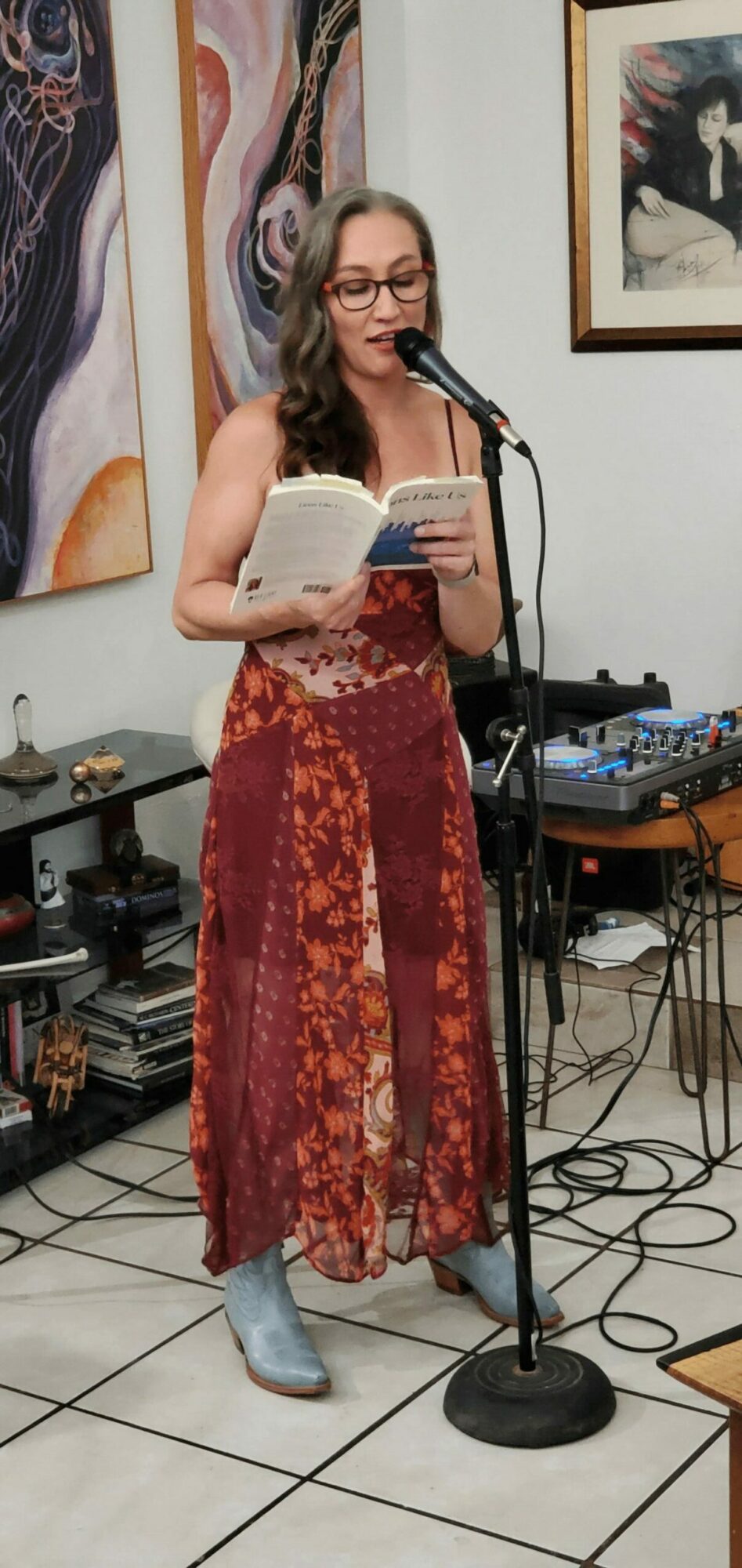
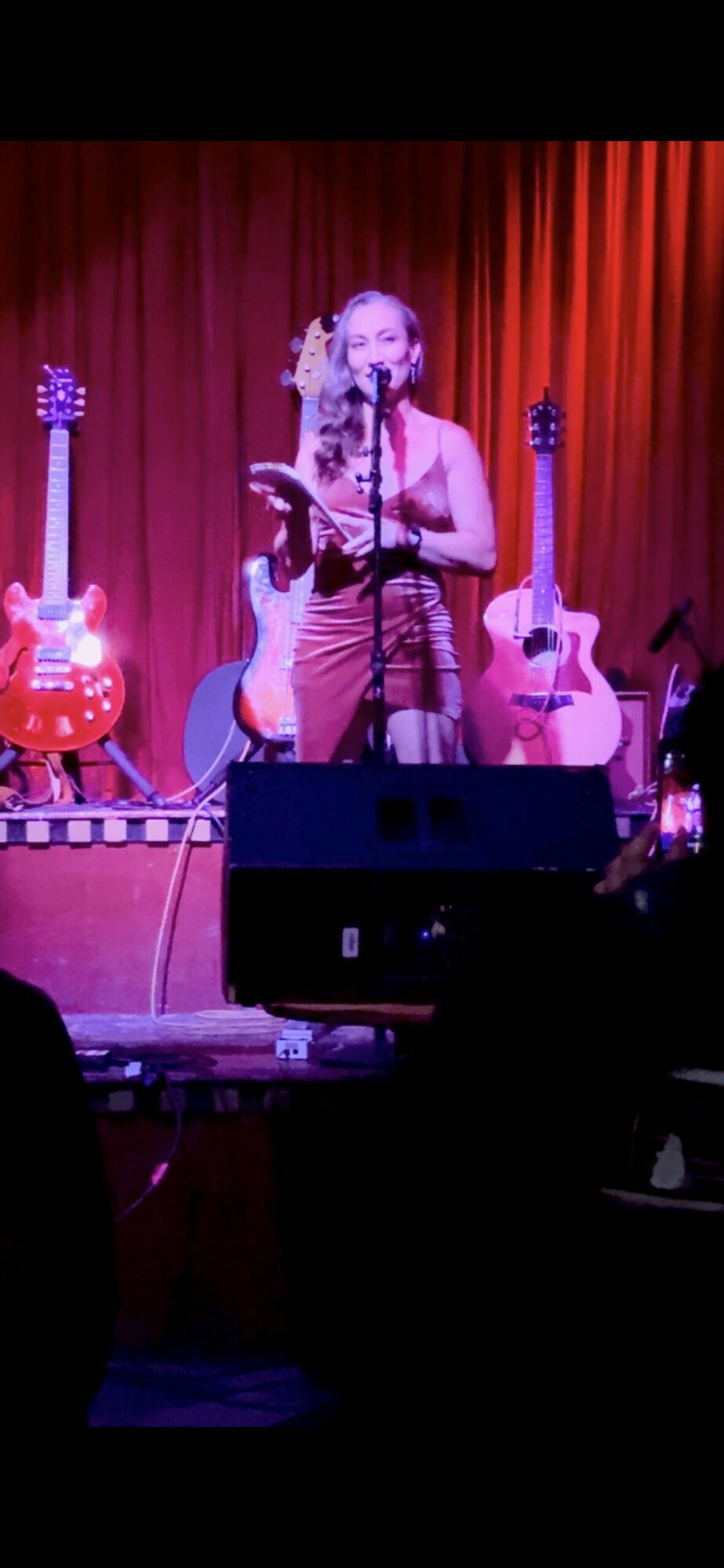
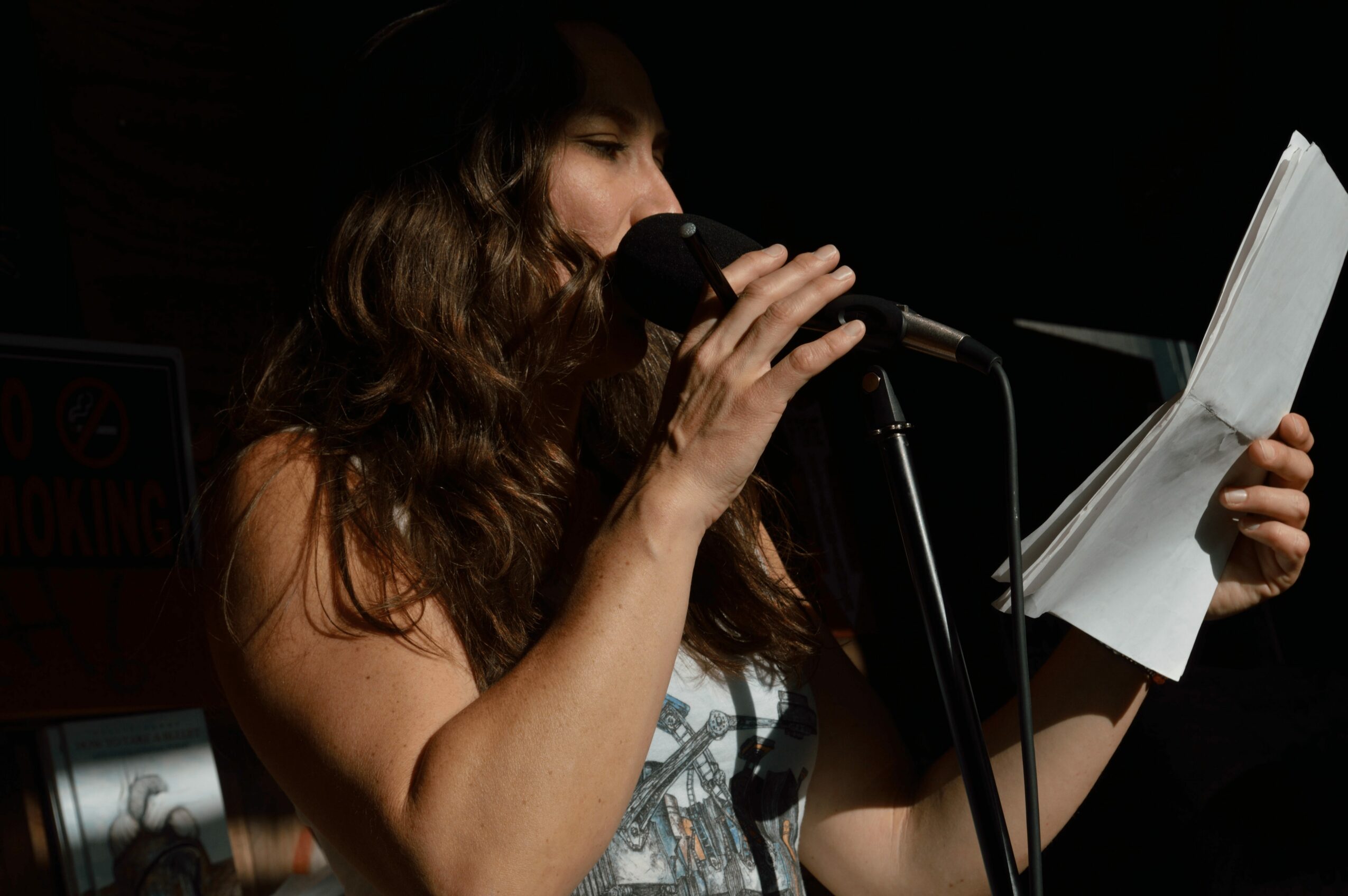
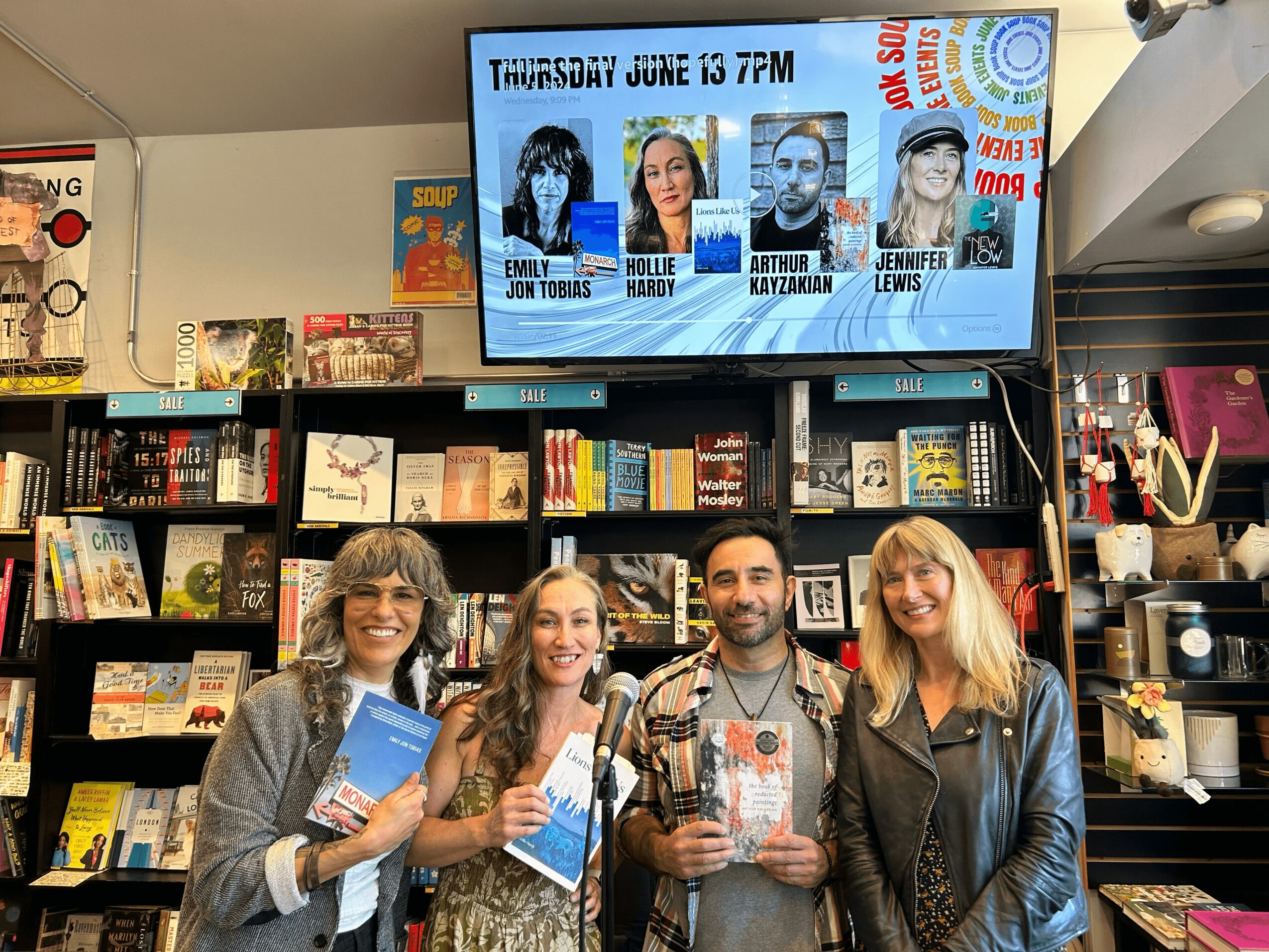
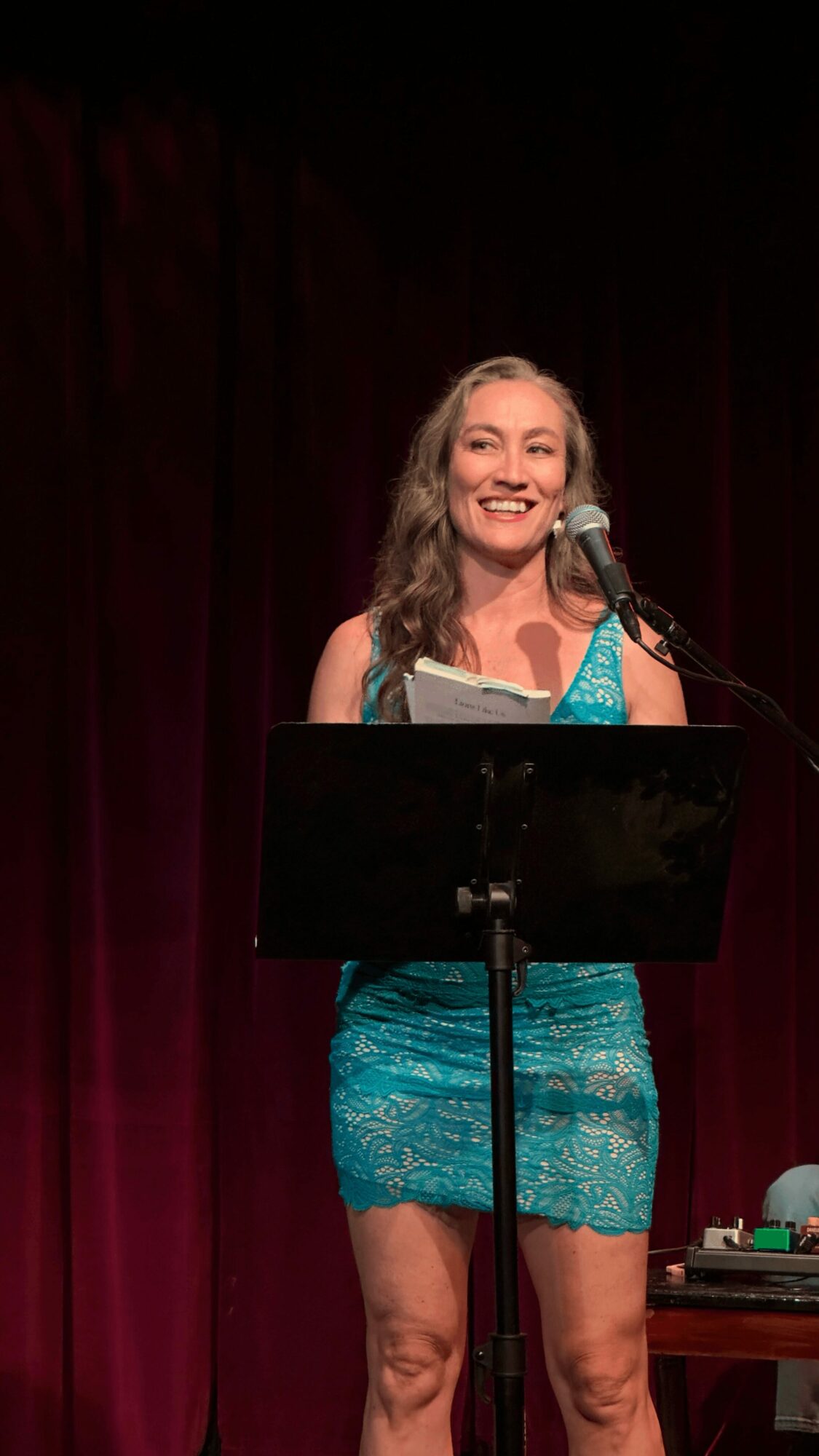
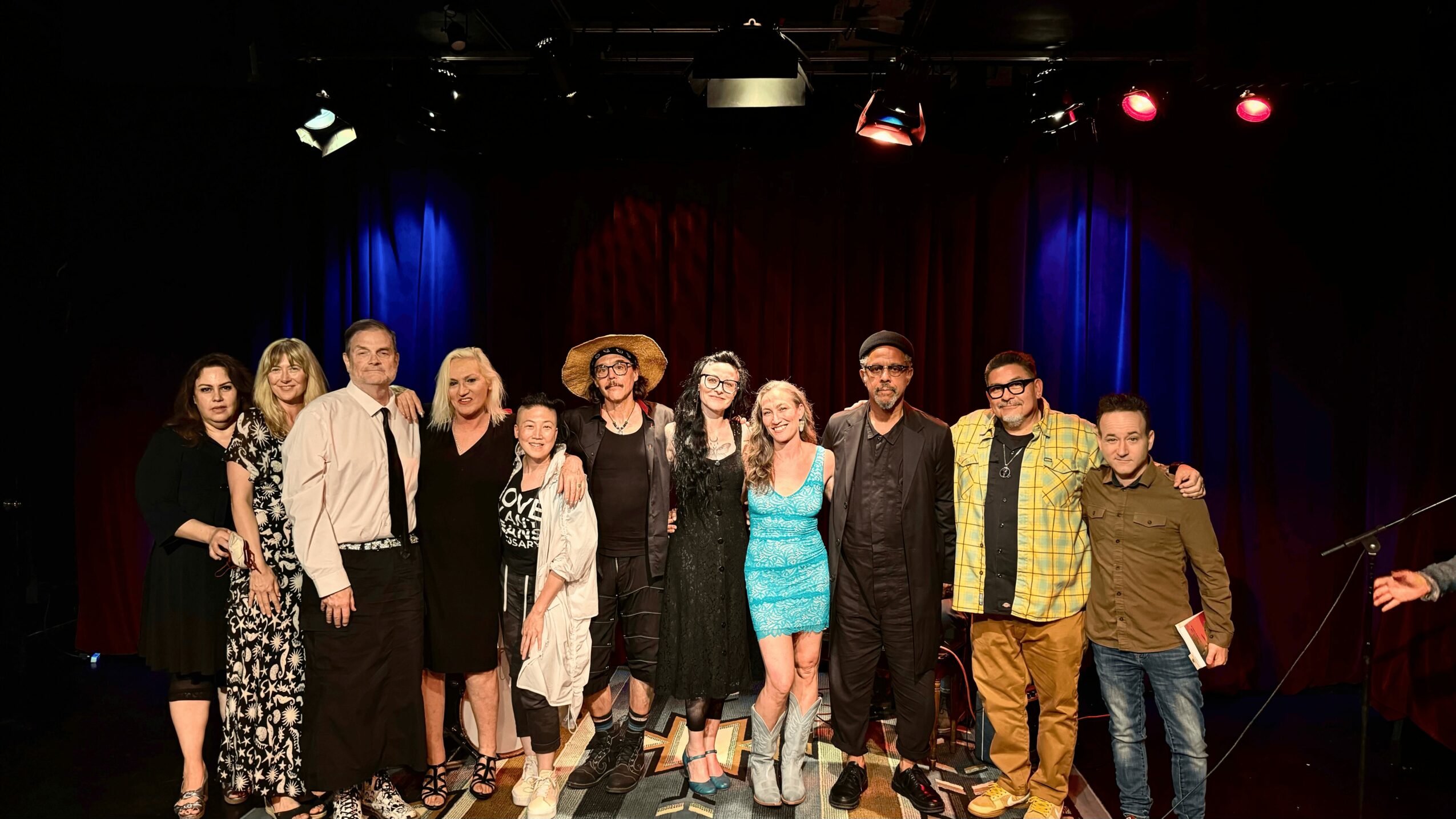
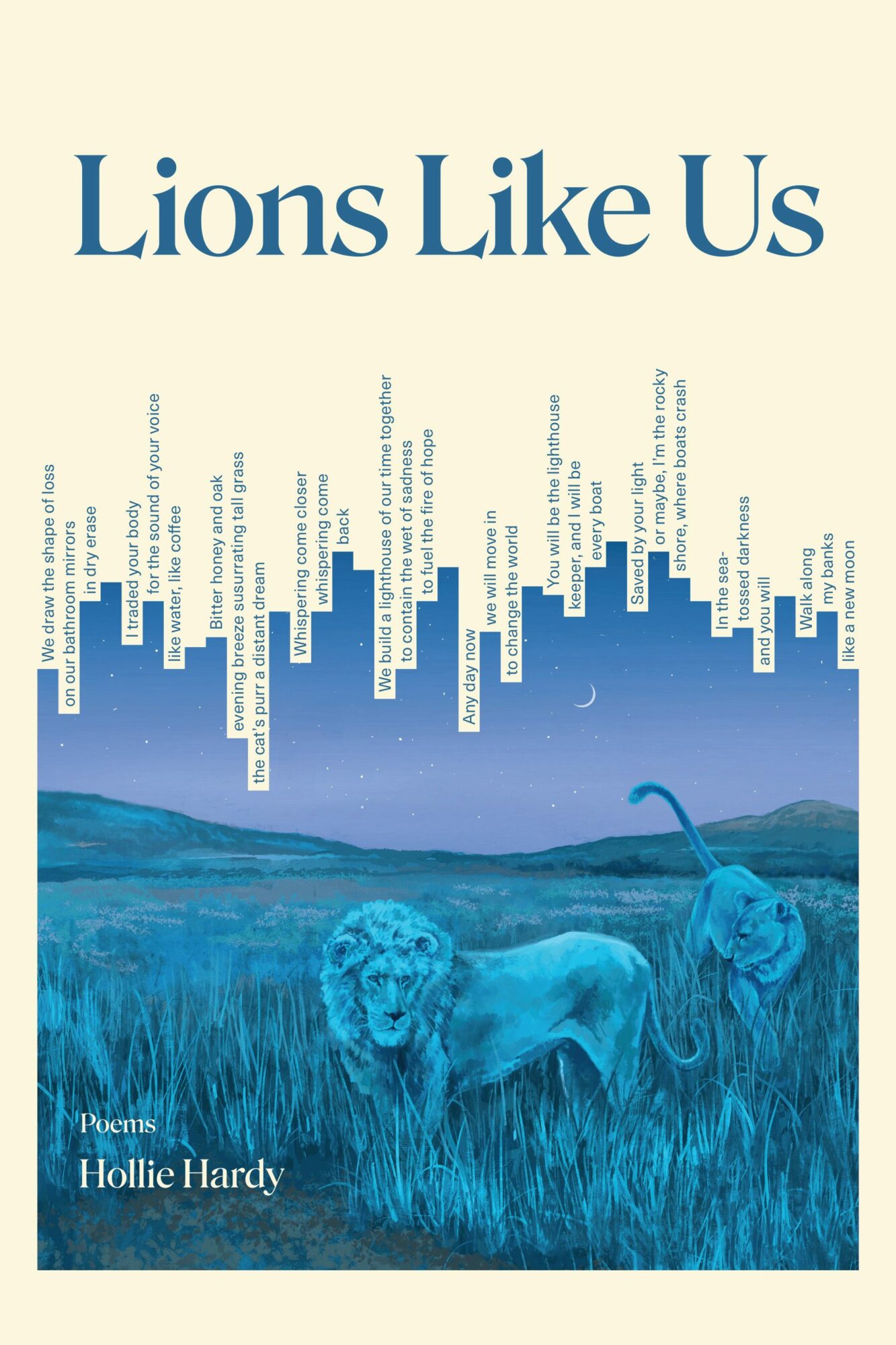
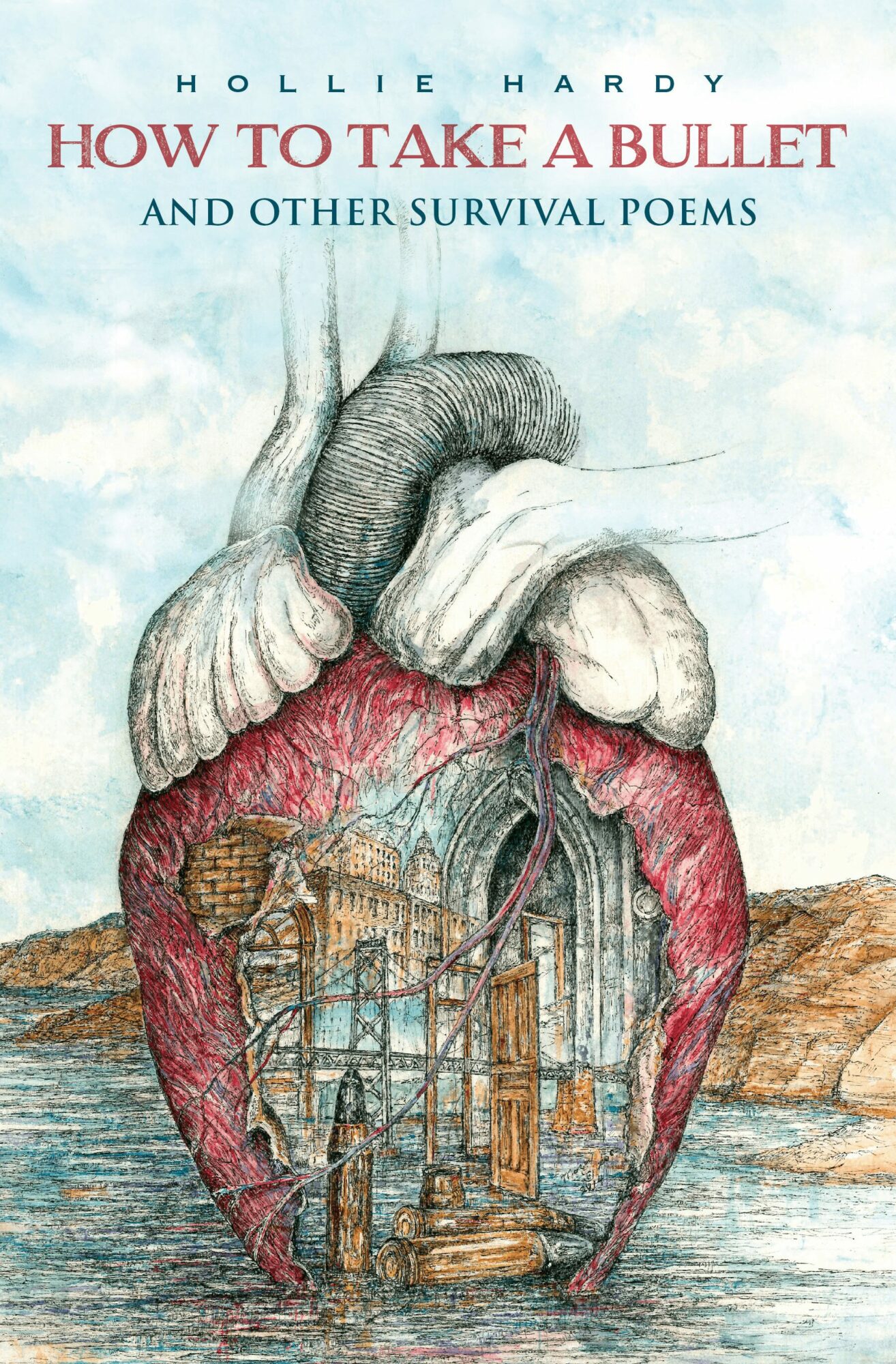
Image Credits
Eric Feathers
Anthony Chase