


We recently had the chance to connect with Car González and have shared our conversation below.
Hi Car, thank you so much for taking time out of your busy day to share your story, experiences and insights with our readers. Let’s jump right in with an interesting one: Who are you learning from right now?
Right now I’m learning from a weird mix, on purpose.
On the inner life side, I’ve been sitting with St. Augustine’s Confessions a lot. It’s brutally honest about motivation, ego, restlessness, and what actually drives us. As a founder, that hits. It’s basically a mirror.
On the craft side, I continue to learn from film directors. I’m obsessed with how great directors build from a script to an acutal film with taste, pacing, tension, and meaning with constraints. That maps directly to building products and building with community: what you cut matters as much as what you ship. You’re always editing.
And then, practically, PlebLab just finished its first year of Startup School, so I delved into startup books. When you’re teaching founders, you can’t hide behind vibes; you have to earn the curriculum. So I’ve been reading to sharpen fundamentals: product, distribution, incentives, and how to actually make something people want.
So yeah: St. Augustine for the heart, directors for craft, and startup books for the mechanics. That blend is keeping me grounded while we continue to build.
Can you briefly introduce yourself and share what makes you or your brand unique?
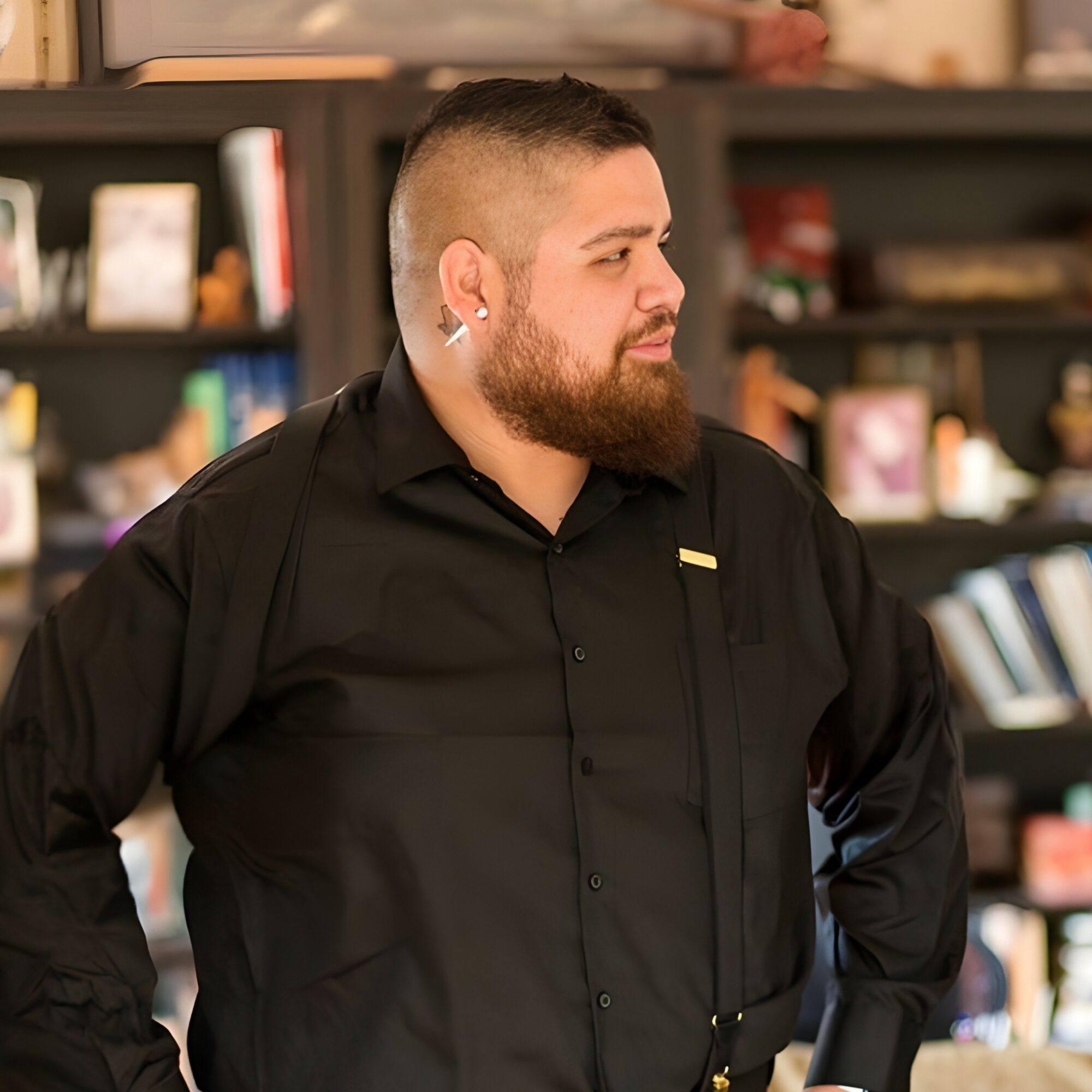
I’m Car González, cofounder of PlebLab in Austin, Texas.
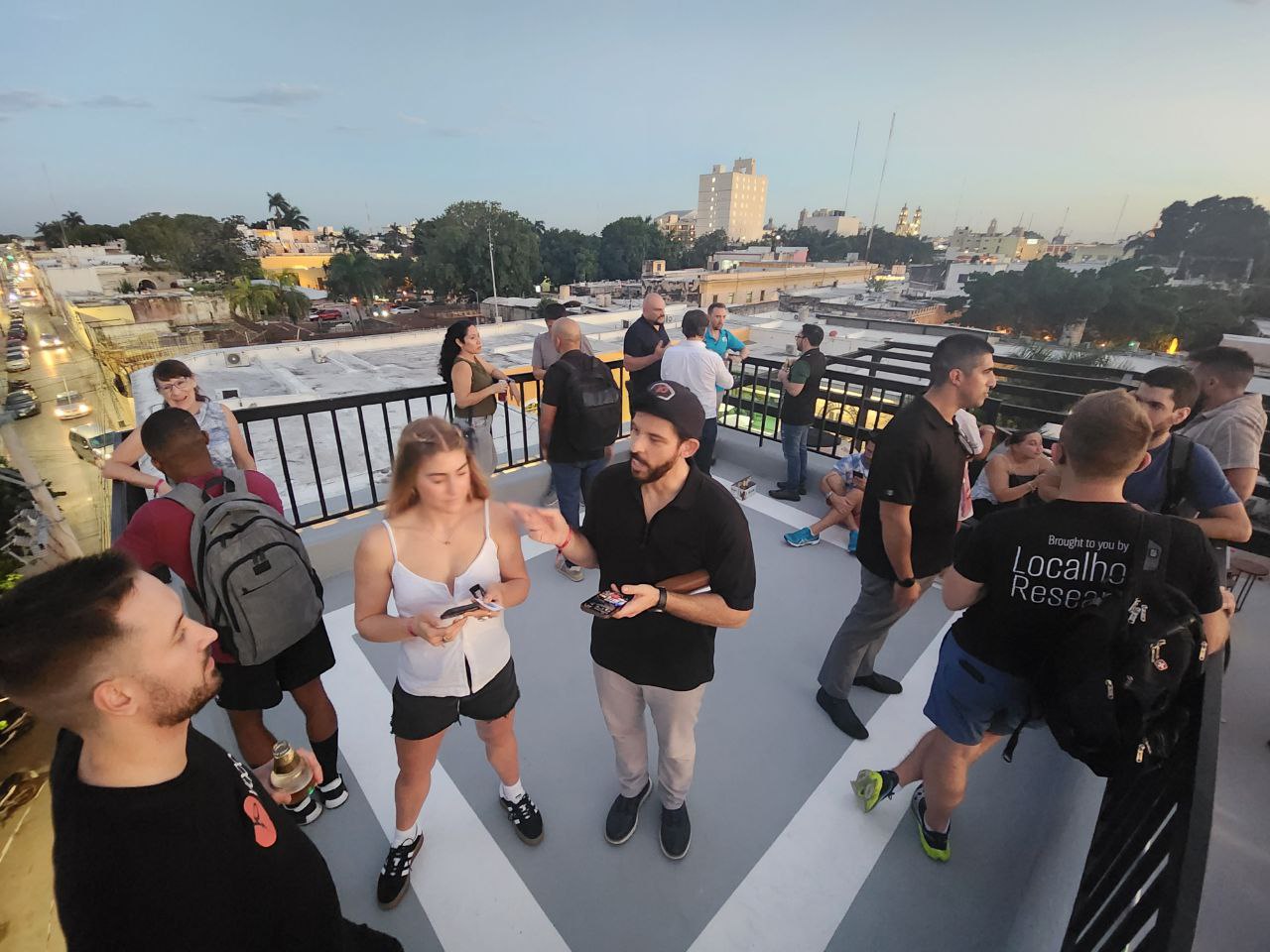
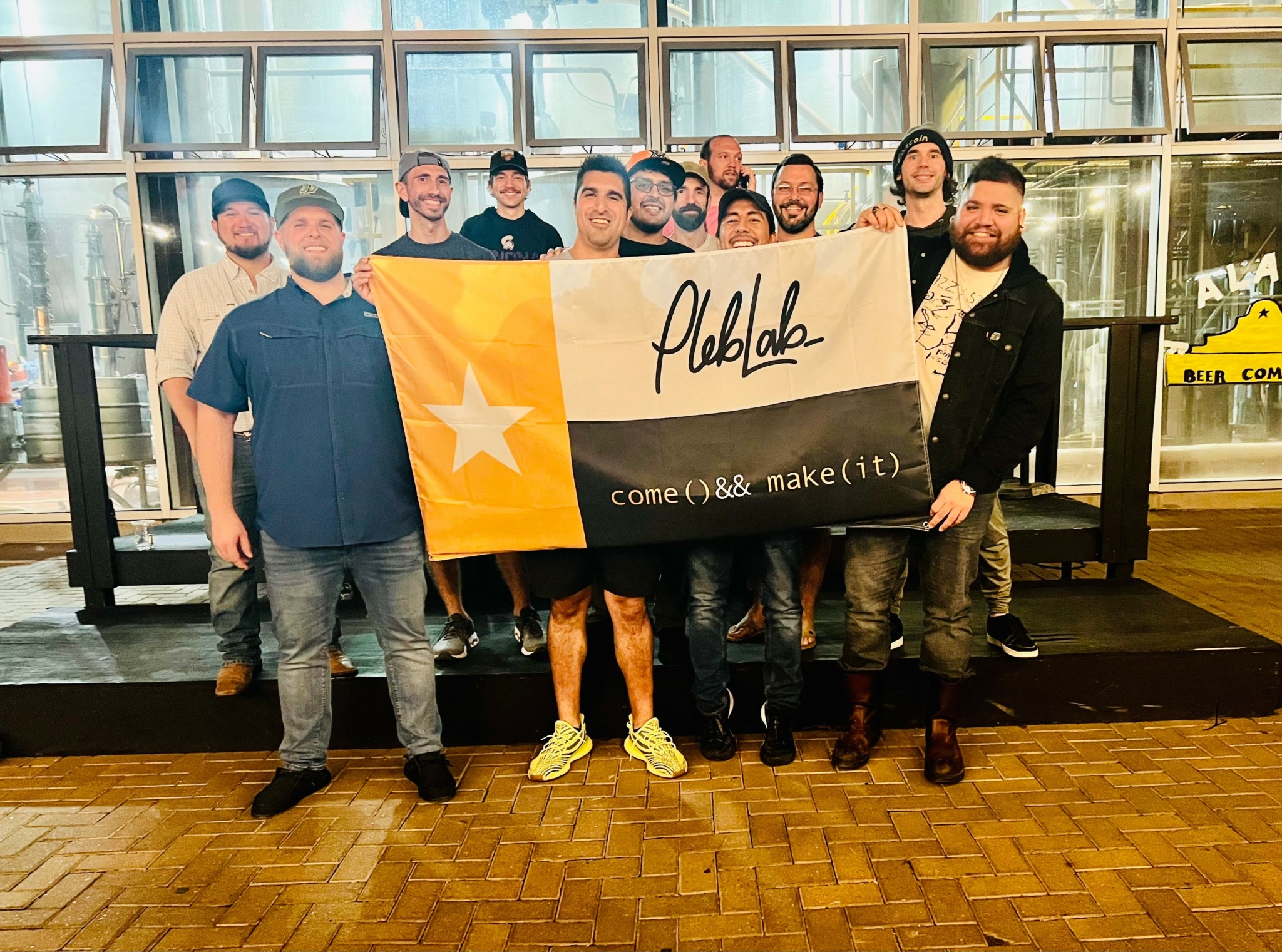
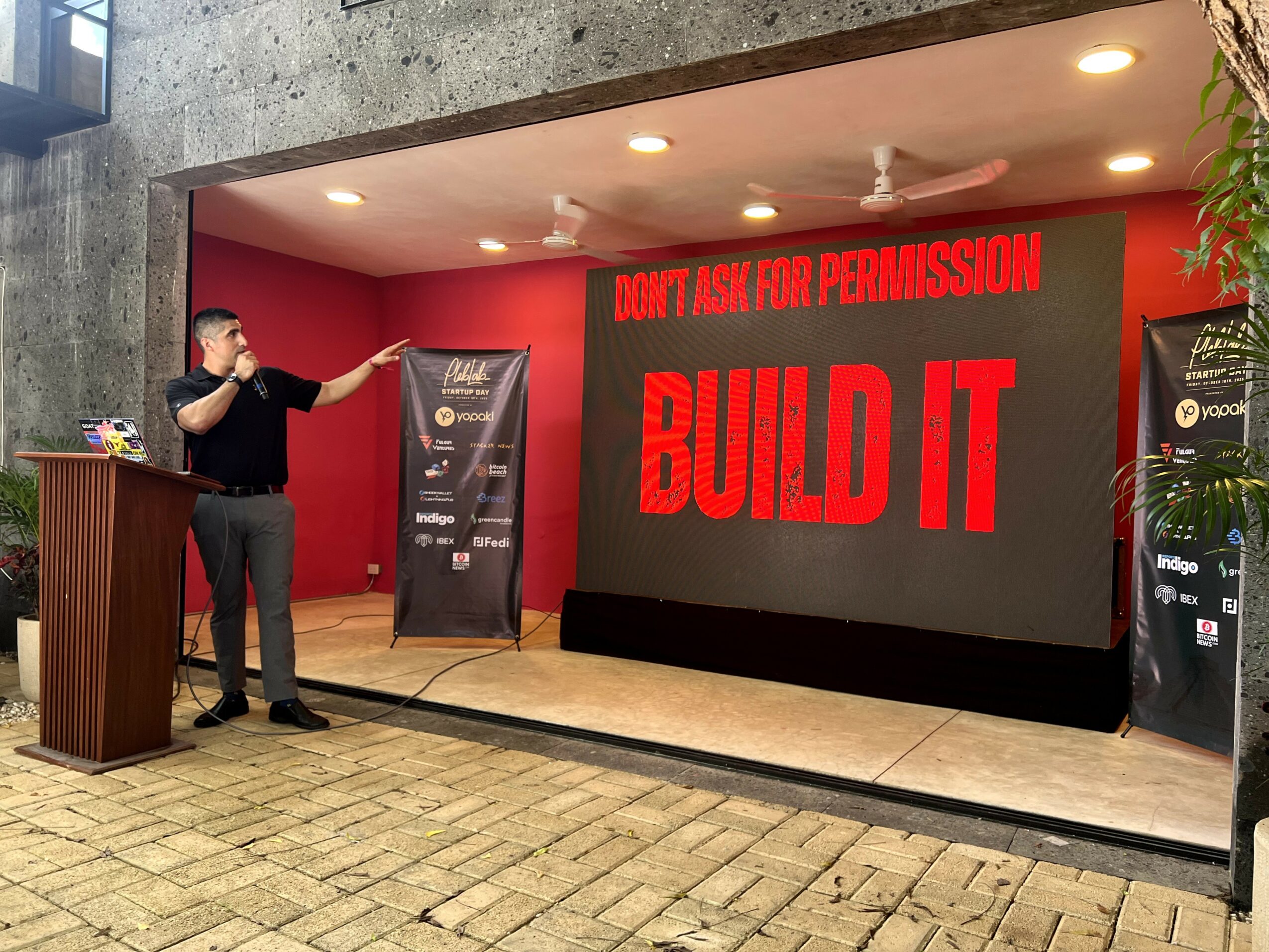
PlebLab is a Bitcoin focused hackerspace and community accelerator. We’re a home for builders shipping open source software and hardware, meeting other builders, getting feedback fast, and turning rough ideas into real products.
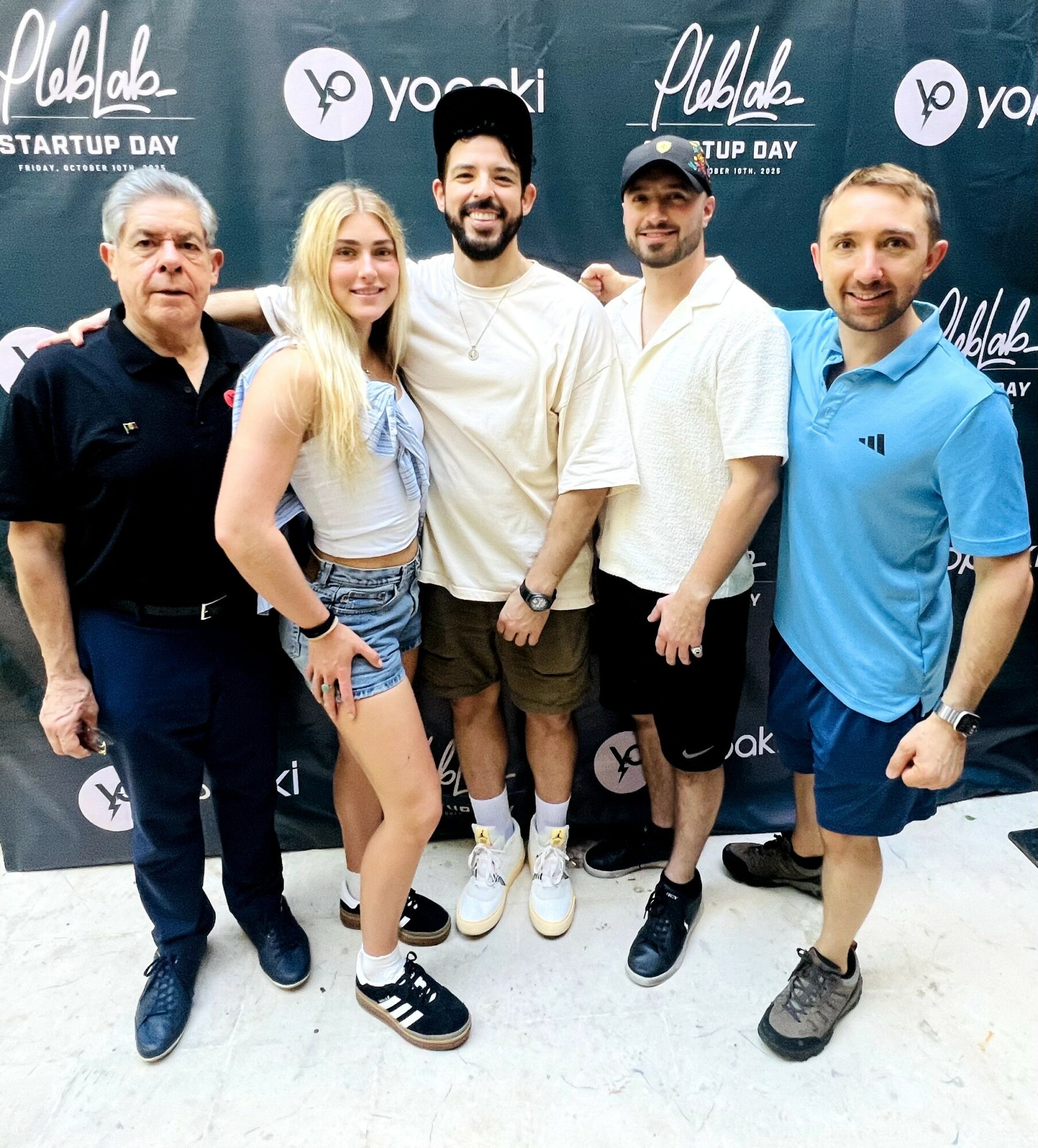
What makes it different is the mix. It’s not just another coworking spot, and it’s not just a program. It’s a year-round builder culture. You can come to an Open Hackerspace day, join Startup School, plug into mentorship, community, Startup Days, and office hours, ship in public, and find your first users, teammates, and supporters all in the same place. We keep it practical: weekly shipping, real demos, honest feedback, and a long-term time horizon.
Right now, I’m focused on growing Startup School in 2026, expanding and making our builder events more immersive, and slowly building out PlebTV, our media platform for Bitcoin and cypherpunk culture, so the best builders and ideas don’t stay hidden in group chats. The goal is simple: help builders ship on Bitcoin, and make Austin the best place on earth to do it.
Thanks for sharing that. Would love to go back in time and hear about how your past might have impacted who you are today. What’s a moment that really shaped how you see the world?
A moment that really shaped how I see the world was falling down the Bitcoin rabbit hole.
It reframed money for me, not as a neutral thing, but as a tool that shapes incentives, behavior, and who holds power. Once you see that, you start noticing how much of modern life is downstream of the money: what gets funded, what gets censored, what gets rewarded, what gets diluted.
It also humbled me. Bitcoin is a mirror. It forces you to get honest about what you believe, what you’re optimizing for, and whether you actually have conviction or just opinions.
And it gave me hope. Watching governments expand the money supply at will made it click that inflation isn’t just “prices going up,” it’s time and energy being silently taken from people who can least afford it. Bitcoin’s fixed supply, its distribution model, and the fact that it’s secured by real-world energy made me realize a currency can be rooted in something objective, not political. That shift changed how I think about work, savings, freedom, and what kind of world is possible.
When did you last change your mind about something important?
I changed my mind pretty recently about stablecoins.
For a long time, I wrote them off as casino chips, useful for traders but not something I cared about as a Bitcoiner. Then I started paying attention to how they could actually be used in the real world after doing some traveling. The hard reality is that Stablecoins have and will continue to become massive infrastructure, with a total supply around the three hundred billion dollar range, not really a niche experiment anymore. People use them to hold dollars when local currencies are melting, to move value across borders, and to route around capital controls. And the scale is real, recently read that the monthly adjusted stablecoin transaction volume has been around the trillion-dollar level in 2025.
What really flipped it for me is seeing stablecoins move closer to Bitcoin rails instead of competing with Bitcoin. Tether has announced USDT coming to Bitcoin with Lightning support through Taproot Assets. That makes stablecoins feel less like an alternative monetary system and more like a pragmatic “dollars layer” that can ride on top of Bitcoin’s security and settlement, while Bitcoin stays the base money.
So my view now is that stablecoins are an evolution of government money. Bitcoin is still the anchor, but stablecoins are here, and if they can ride Bitcoin and Lightning, that’s a huge distribution channel for Bitcoin rails and a real on-ramp for the world. Citibank’s own base case is stablecoin issuance approaching about $1.9 trillion by 2030, so it’s not slowing down, and honestly, I wouldn’t be surprised if it ends up higher.
Next, maybe we can discuss some of your foundational philosophies and views? Whose ideas do you rely on most that aren’t your own?
I rely most on the ideas of the people around me at PlebLab.
That’s the whole point of building a hackerspace and a community accelerator. If I have a question, odds are someone in our community has already run into it, shipped through it, or has a scar from it. Builders, founders, designers, operators, open source contributors, and investors all see different parts of the same problem.
So a lot of my “best ideas” are really just patterns I’ve borrowed from the room, someone’s hard learned lesson, a clever workaround, a product insight, a better framing. PlebLab is basically a shared hivemind for building, and I lean on that every day.
Okay, so before we go, let’s tackle one more area. When do you feel most at peace?
I’m always at peace when I’m watching a new idea take shape in real time. Seeing innovation emerge, from nothing to something, never gets old.
When builders are in the room, founders are shipping, people are helping each other, and I’m getting to be creative and useful. That combination gives me a deep sense of calm and joy.
Austin plays a big part, too. There’s something special about this city, and part of it is the creative constraints it builds into the culture. It’s not the biggest market, it’s not the loudest city, and you don’t get to hide behind hype. You have to make things real, find your people, and build with what you’ve got. Those limitations actually sharpen any craft you pursue and make the community tighter.
Contact Info:
- Website: https://www.pleblab.dev
- Linkedin: https://www.linkedin.com/in/car-gonzalez-52190a369/
- Twitter: https://x.com/ThrillerX_
- Youtube: https://youtube.com/@pleblab