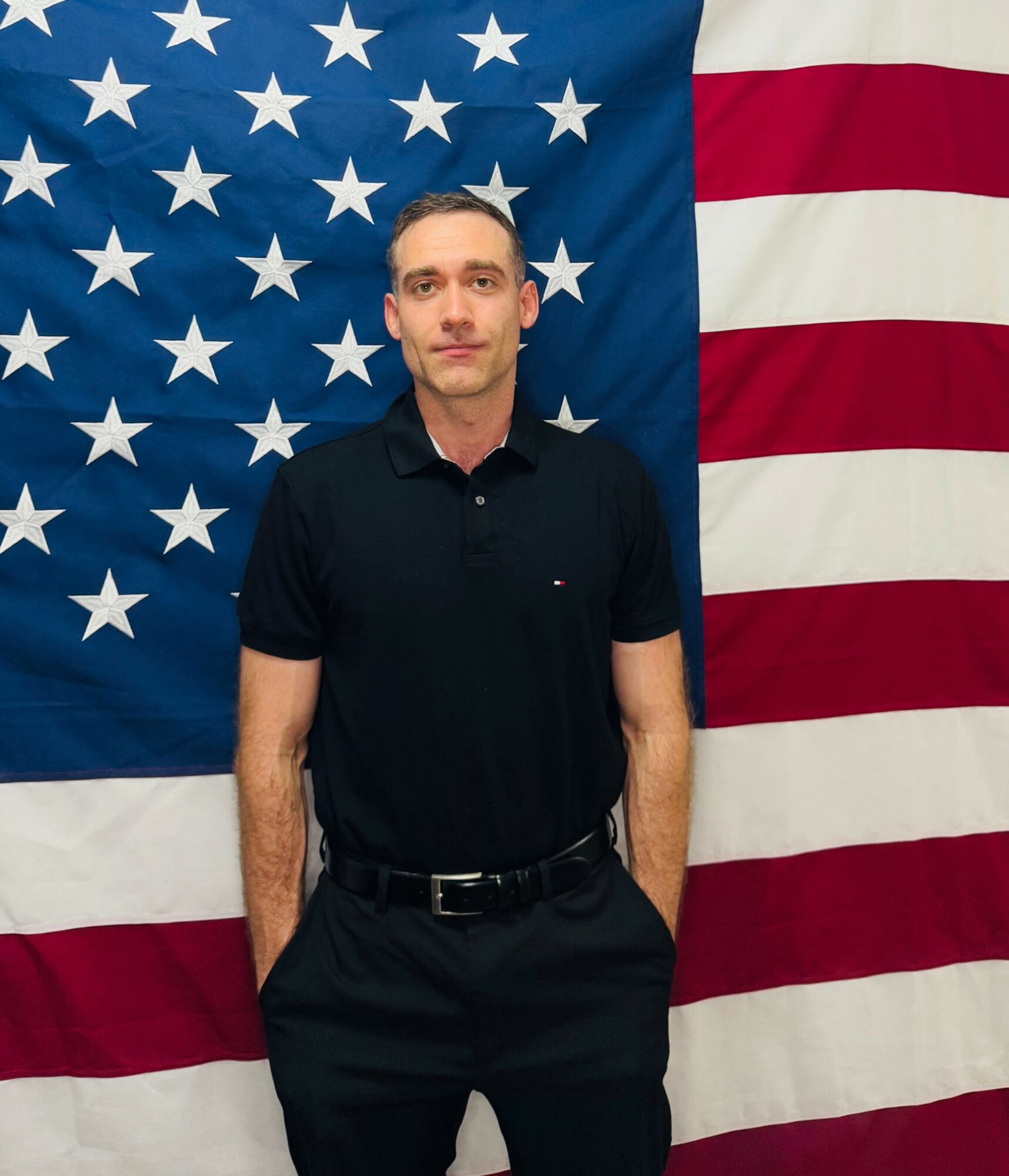




We’re looking forward to introducing you to Christopher Chamberland. Check out our conversation below.
Hi Christopher, thank you for taking the time to reflect back on your journey with us. I think our readers are in for a real treat. There is so much we can all learn from each other and so thank you again for opening up with us. Let’s get into it: What do the first 90 minutes of your day look like?
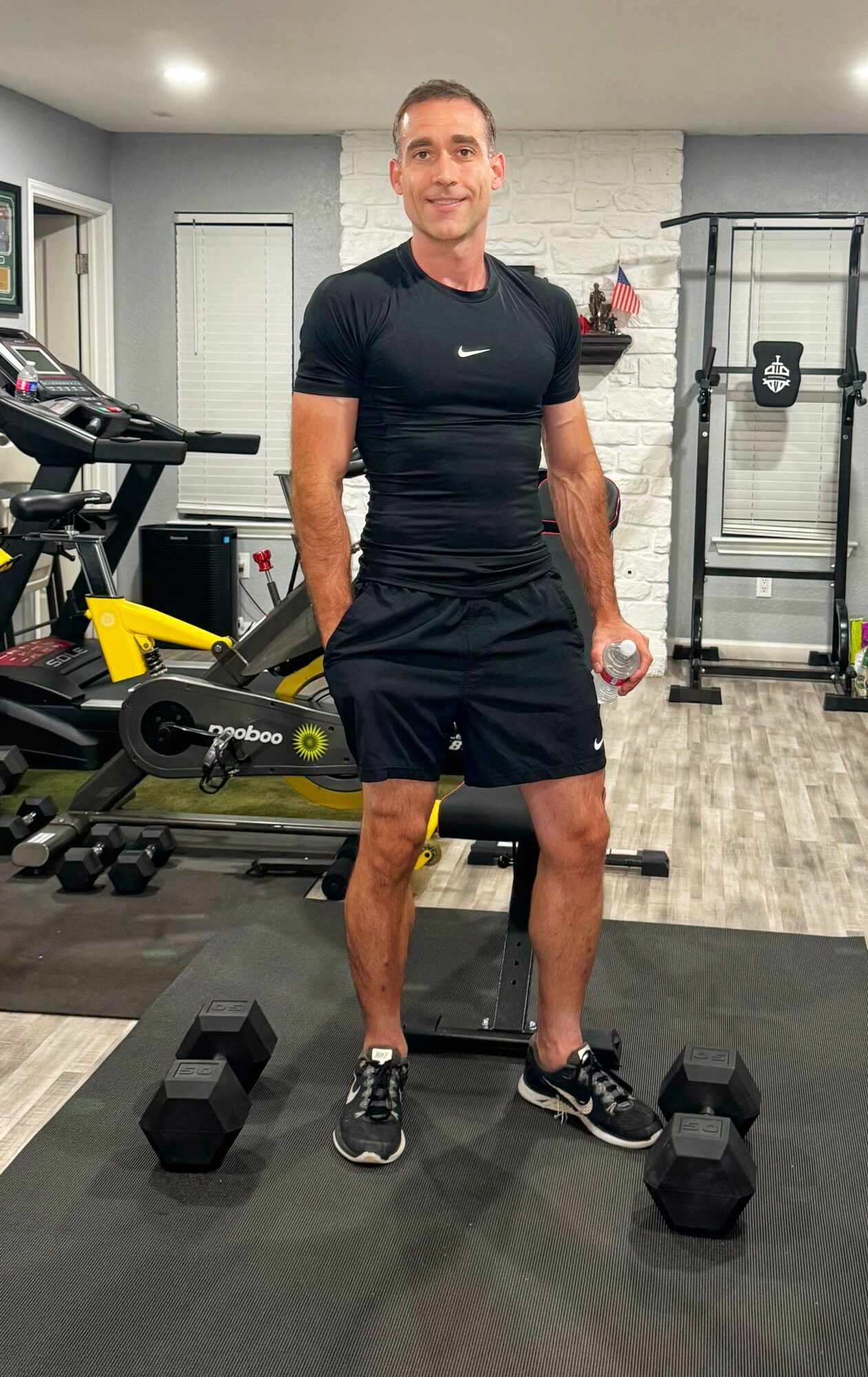
I wake up every morning around 7:30am and immediately start a calisthenics workout. I then go for a 2.5 mile walk in trails near my house. Staying in shape and being physically fit is important to me, and having a disciplined routine that you do consistently over long periods of time is crucial to be successful at anything in life. This includes fitness.
Can you briefly introduce yourself and share what makes you or your brand unique?
I’m a senior researcher in quantum computing at NVIDIA, specializing in quantum error correction. I got my PhD in the field in 2018 and worked at IBM, Amazon and Extropic prior to joining NVIDIA. My main focus throughout my career has been to find better and more efficient ways to build quantum computers given state of the art hardware that is at our disposal.
Unlike classical computers (i.e., the computers we use today), quantum computers are incredibly sensitive to interactions with their environments which can lead to errors during a computation. The probability of errors is just to high to build a quantum computer directly without doing error correction, which is a way to use a larger system where the added components are used to detect and identify errors when they occur. Of course, these extra components makes building useful quantum computers very challenging. As such, it’s always been my focus to find ways to minimize the cost of error correction to make it easier to integrate error correction into existing hardware architectures.
Great, so let’s dive into your journey a bit more. What’s a moment that really shaped how you see the world?
At some point in my late 20’s it became clear to me that to make good decisions in life, whether it’s in finances, my career, my growth the approach needs to be data driven rather than relying on emotions. This may sound cold, but I learned the hard way that making emotional decisions often leads to suboptimal results… Relying on data and facts, regardless of whether they agree with prior beliefs or not, is a surfire way to make informed decisions. Taking such an approach has led to make improvements in many aspects of my life, whether it’s fitness, my investments, my research goals etc..
What did suffering teach you that success never could?
There’s a saying by Ray Dalio (the founder of the hedge fund Bridgewater) which is “pain + reflection = progress”. I couldn’t agree more with that statement.
In order to go anywhere in life, you have to put yourself out there and try. Failure is inevitable and it happens to everyone. When it does it can be extremely painful. However, the beautiful part of failing is that it’s an amazing opportunity to learn. By reflecting on what went wrong, why things went wrong and then channeling your energy towards finding solutions, you can come out ahead, stronger, wiser and with new skills that you didn’t have before. This is exactly how you grow.
Sure, so let’s go deeper into your values and how you think. What important truth do very few people agree with you on?
As an investor, I try to understand the macroeconomic environment of the world we live in to better position myself to profit. At some point, I learned about the declining birth rates in nearly all developed countries. The replacement level is an average of 2.1 births per woman throughout her lifetime. Any number below that leads to a decline in population which eventually goes to zero. In nearly all developed countries, the birth rates is below 2.1. To me this is a serious crises in the making that get’s very little attention, which is quite shocking to me.
I identified 5 factors, where every country that adopts those 5 factors sees a substantial decline in fertility rates. I don’t want to get into what these 5 factors are, but suffice to say, traditional values do have some merit as thousands of years of history can attest to. If it ain’t broke don’t fix it.
Okay, so let’s keep going with one more question that means a lot to us: When do you feel most at peace?
I feel most at peace when I’m in the zone. That can be a moment of intense focus in my work coming up with new ideas in error correction, lifting heavy weights pushing me closer to my fitness goals, learning a new song on the guitar and writing a new riff etc. I just love how when I’m in a state of intense focus, all the problems in the world disappear and I’m entirely in my element getting closer to my goals.
Contact Info: