


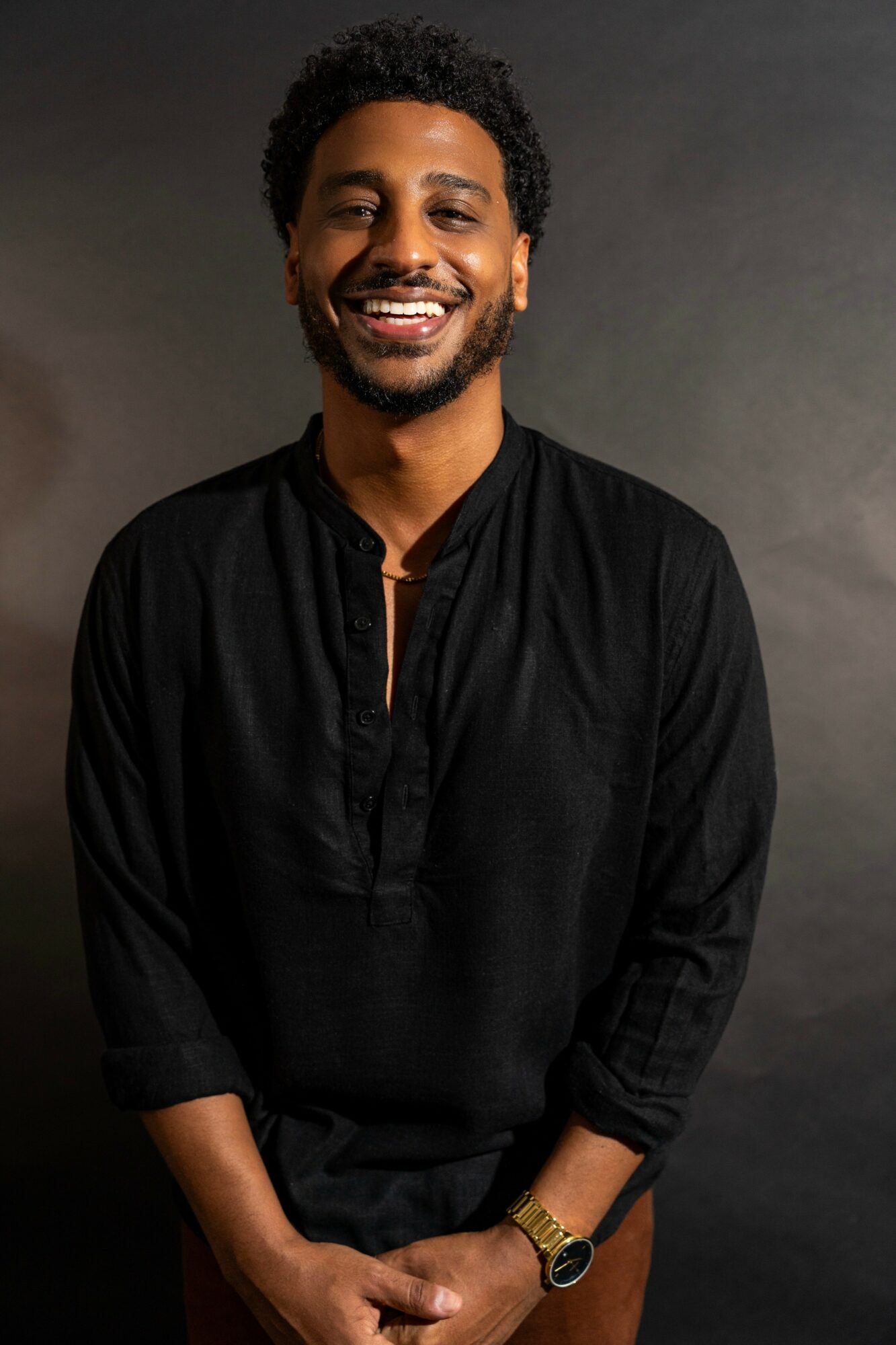
We recently had the chance to connect with Dr. Nathan Araya and have shared our conversation below.
Hi Nathan , thank you so much for joining us today. We’re thrilled to learn more about your journey, values and what you are currently working on. Let’s start with an ice breaker: What do the first 90 minutes of your day look like?
Thank you for this interview. Most mornings, I’m up around 5 a.m. The first 90 minutes of my day are slow on purpose. I sit in silence with a cup of coffee and give myself room to breathe, pray, read, and center my spirit before anything else starts pulling on me. It’s my way of choosing clarity over chaos. That quiet space helps me anchor myself so I’m stepping into the day with alignment and purpose.
Once I’m grounded, I journal or map out my intentions for the day. I look at the goals I’m working toward, the projects entrusted to me, and the people I’m serving. That reflection helps me lock in on what actually matters. It’s a small discipline that keeps me aligned with my purpose rather than getting swept into the noise.
There’s a quote from Rory Vaden that stays with me: “Success is not owned, it is rented, and that rent is due every day.” It reminds me that excellence is a daily practice. Integrity is a daily practice. Purpose is a daily practice. Those early minutes set the pace for how I want to show up.
After that, I’m in the gym or doing a work out at home. Movement clears my mind and resets my body. It helps me shake off any tension from the day before and step into the new day with energy, confidence, and focus. That’s my reset button before emails, strategy sessions, or creative work begin.
I’ve learned not to rush into my day until I’ve tapped into the version of myself I want to lead with. They remind me that how I start my day shapes everything that follows.
Can you briefly introduce yourself and share what makes you or your brand unique?
I’m Nate, and at the center of everything I do is a calling to build community, create access, and help people step into their future with clarity and courage. Long before titles or degrees, I was someone who paid attention to the gaps around me. I saw gaps in opportunity, confidence, resources, and representation. I saw people with talent and heart who just needed direction, tools, or someone to believe in the possibilities they carried.
That early awareness shaped my purpose. It is why I’ve spent years doing community-centered work like financial literacy workshops, mental health conversations, and cultural identity storytelling through film and speaking. I have always been drawn to spaces where people are searching for guidance or belonging. Helping individuals reconnect with their confidence and potential became the thread running through every chapter of my life.
Professionally, my work sits at the intersection of culture, education, and the future of work. Over the past 6 years I’ve worked as a professor, an ed tech strategist, and the founder of Techucation and The Learning Lab. Both initiatives are rooted in my doctoral research and my belief that learning should unlock opportunity. Whether I am teaching in a classroom, building curriculum, consulting with organizations, or creating films about culture and resilience, my mission stays the same. I want to bridge the worlds I come from with the future we are all stepping into.
My dissertation turned book, Techucation, expands on that mission. It introduces a learning model designed to help universities and organizations build partnerships, programs, and portfolios that translate directly into employment and economic mobility. It was shaped by teaching during the pandemic, seeing students struggle with digital confidence, and spending four years researching how to bring education and industry closer together.
Today, I work with colleges, universities, and organizations to modernize how they prepare people for a tech-driven world. Through workshops, consulting, curriculum design, and my Techucation course, I help institutions integrate digital literacy, AI adoption, and human-centered career readiness into their programs. Everything I create is built around empowerment, access, and purpose, because education should feel culturally connected and transformative.
At the end of the day, my work is about building bridges. Bridges between community and opportunity, between who people are and who they can become, between past experience and future possibility. If there is one message I hope readers walk away with, it is this. The future rewards those who move with courage, clarity, and proof of skill. And my mission is to help as many people as possible build that path for themselves.
Amazing, so let’s take a moment to go back in time. Who were you before the world told you who you had to be?
Before the world had expectations or opinions about who I should become, I was a curious kid trying to make sense of two worlds at once. I grew up between different cultures, communities, and responsibilities. I was the kid who paid attention, who asked questions, who felt the weight of potential long before I had the language for it.
I didn’t know it then, but I was already studying people, studying systems, trying to understand why certain paths were open for some and closed for others. I was observant, imaginative, and quietly ambitious. I carried a natural desire to build bridges, to help, to create, to communicate, and to uplift.
That version of me which was unfiltered, imaginative, grounded still shows up in everything I do today. He’s the one who fuels my work in education, technology, my passion for access, and my belief that good faith, skills and opportunity can change someone’s entire trajectory.
At my core, I’ve always been someone who wanted to help people move from where they are to where they could be.
What did suffering teach you that success never could?
Suffering taught me lessons that success never could. It showed me that self-worth is shaped in the quiet and unseen moments where you have no option but to face yourself. Success brings recognition and a sense of achievement, but suffering brings understanding. It slows you down long enough to hear what your life has been trying to tell you. It teaches empathy, patience, and the kind of awareness that makes you see people more clearly.
Suffering also revealed that pain has a place inside purpose. When you have witnessed people struggle with confidence, access, or opportunity, it changes how you move. You stop leading from ego and start leading from compassion. You see the stories behind people’s choices. You understand how fragile confidence can be and how powerful encouragement can become.
The work I am doing now grew from that understanding. My approach to education, community, and empowerment is shaped by what suffering taught me. It gave me insight that success alone could never provide. It grounded me in the belief that real impact starts with seeing people fully and walking with them toward possibility.
I think our readers would appreciate hearing more about your values and what you think matters in life and career, etc. So our next question is along those lines. What are the biggest lies your industry tells itself?
My most current work lives at the intersection of technology, education, and the future of work. One of the biggest illusions in education is the idea that degrees alone create opportunity. We talk about preparing students for the real world, yet many of our systems were never designed for the speed, creativity, and constant change shaping the world today. There is a gap between what is taught and what is actually needed, and that gap is widening.
Another illusion is the belief that students are unmotivated. That has never been the truth. Students are uninspired, underserved, and often unconnected to the relevance of what they are learning. When you give people real skills, real support, and real direction, you do not have to push them. They rise on their own. I have watched that spark catch fire in classrooms and workshops across the country.
Education also tells itself that transformation comes from the top. In reality, change starts from the inside. It comes from professors who dare to innovate, students who experiment, and leaders who are willing to challenge outdated models. That is the heart of my work with Techucation. I am committed to breaking through those illusions and building pathways that actually prepare people for the world we are already living in.
My goal is to help people step into the future with a sense of purpose, skills, clarity, and confidence, because the landscape is evolving and the way we prepare people needs to evolve with it.
Thank you so much for all of your openness so far. Maybe we can close with a future oriented question. Have you ever gotten what you wanted, and found it did not satisfy you?
Absolutely. I’ve had moments where I accomplished goals I once believed would change everything, only to discover they did not fill the space I thought they would. Success without alignment feels hollow. Those moments taught me a truth I needed to learn. Achievement is not the same as fulfillment. Getting what you want does not matter if it is disconnected from who you are becoming.
That realization pushed me to stop chasing outcomes and start building a life anchored in mission, clarity, and service. It invited me to slow down and ask deeper questions about purpose, identity, and impact. It became a turning point in how I define growth.
Now I measure success by my faith and the people I get to impact along the way. My fulfillment comes from purpose in motion. It comes from knowing that the work I am doing is aligned with who I am and who I am called to be. That is the standard I live by now.
Contact Info:
- Website: https://www.natearaya.com
- Instagram: https://www.instagram.com/natearaya/#
- Linkedin: https://www.linkedin.com/in/nathan-araya-3b18375a/