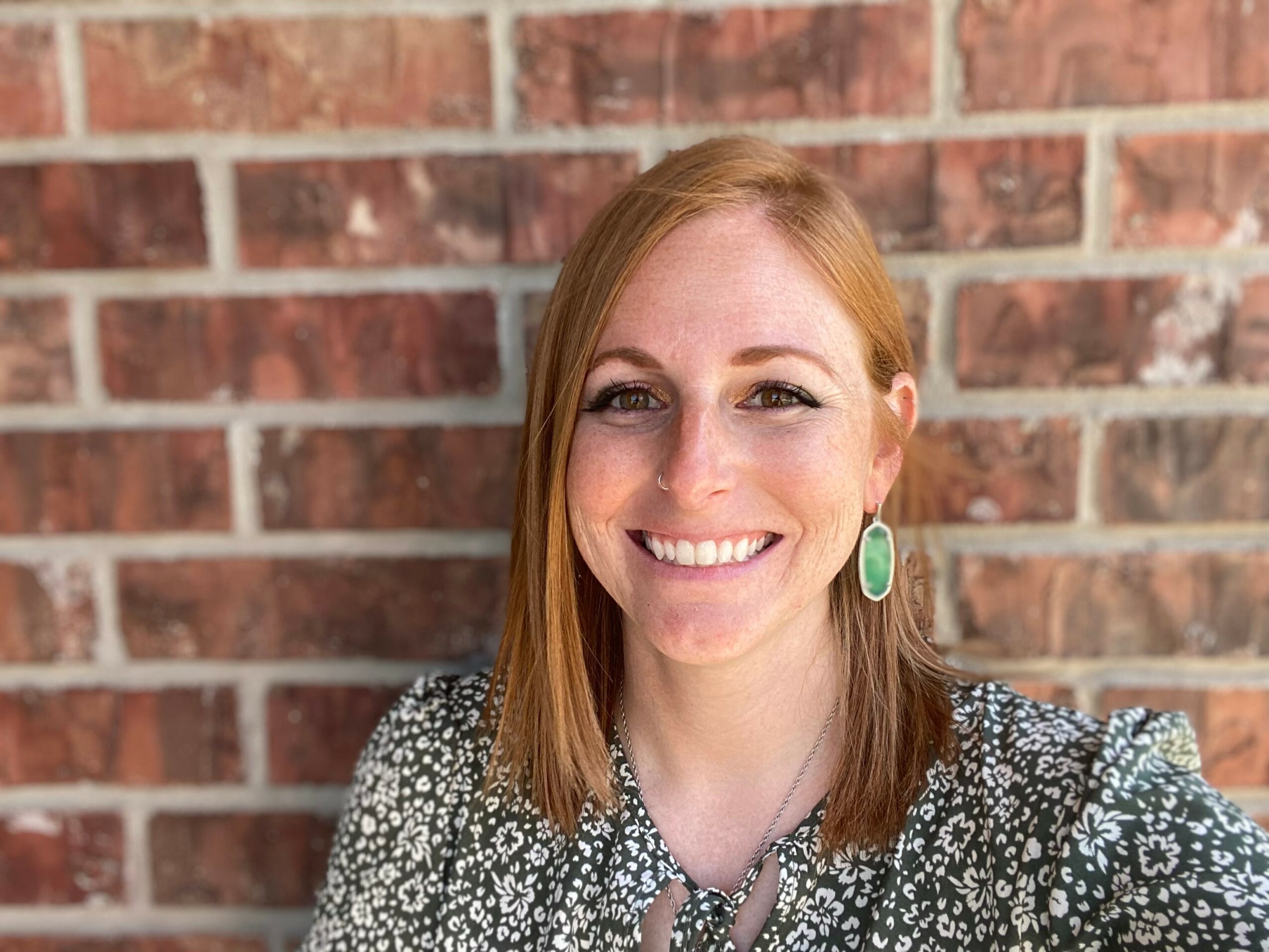
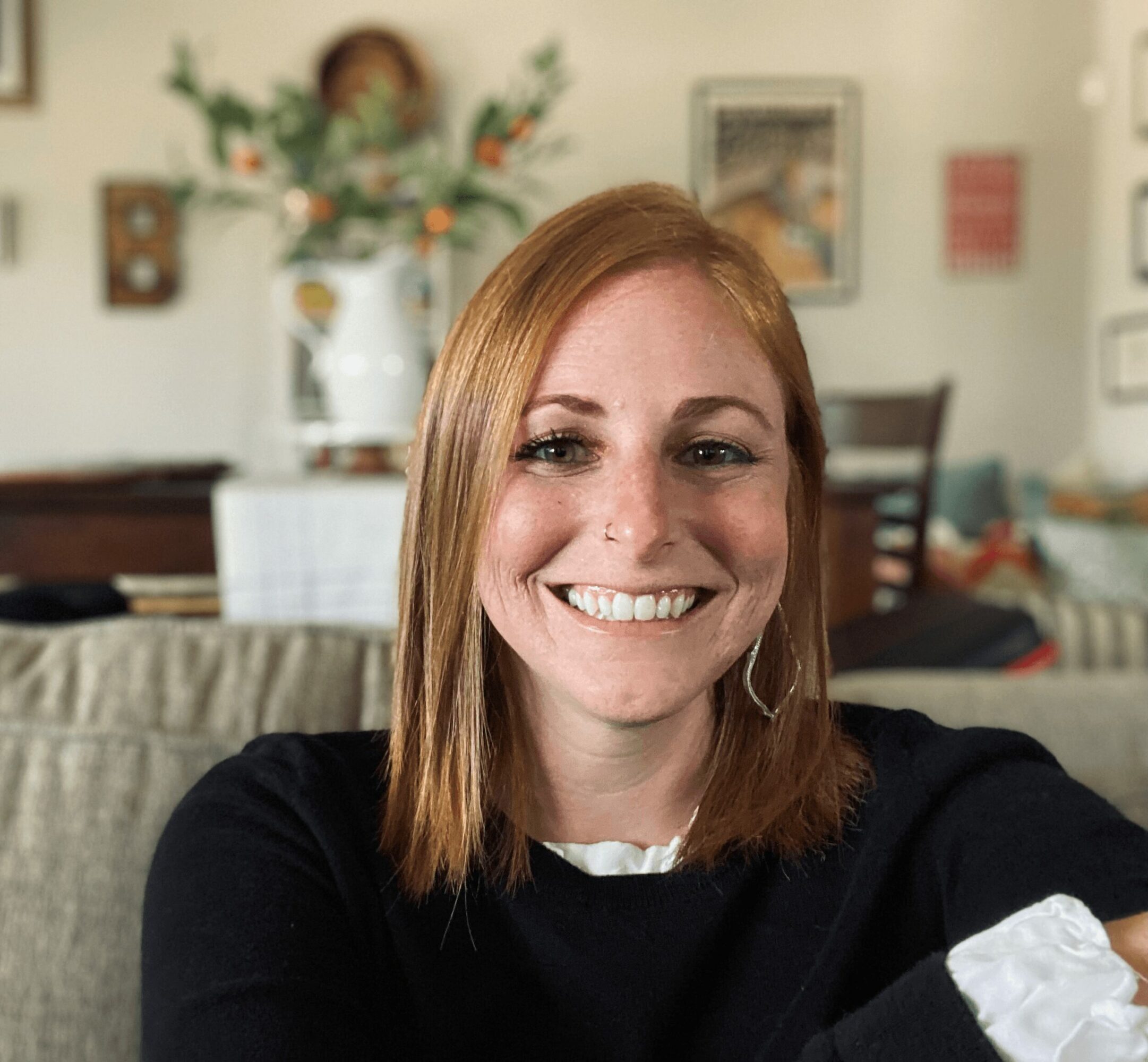
Today we’d like to introduce you to Becca Bauerkemper.
Hi Becca, thanks for sharing your story with us. To start, maybe you can tell our readers some of your backstory.
Of course! I actually started college as an advertising major—I loved the creative side of it and thought writing jingles would be a dream job, but pretty quickly I realized it wasn’t the right fit for me. Around the same time, I took an introductory psychology class and immediately fell in love with understanding human behavior, emotion, and what helps people change and heal.
Part of what drew me in so deeply was my own early experience with loss—my mother, who was my only parent, died when I was sixteen. While I don’t center my personal story in my work, that experience gave me a profound appreciation for resilience, connection, and the impact of having supportive people during life’s hardest moments.
I graduated college during the recession, which meant finding a job with an undergraduate psychology degree was challenging, to say the least. After a couple of years of navigating that uncertainty, I made the decision to go to graduate school for professional counseling. That’s really where everything clicked. I found my calling in helping people feel seen, supported, and capable of creating meaningful change. And from there, each step—working in nonprofits, residential settings, private practice, becoming TBRI trained, and eventually opening my own practice—felt like a natural extension of wanting to show up for people in a way that is authentic and relational.
Would you say it’s been a smooth road, and if not what are some of the biggest challenges you’ve faced along the way?
It definitely hasn’t been a smooth road. I knew I was drawn to psychology and the human experience, but I didn’t know what the “right” path looked like. Right after undergrad, I applied to multiple doctoral programs in clinical psychology and didn’t get into any of them. That was incredibly hard—school had always come pretty naturally to me, so it was one of my first big moments of professional rejection and self-doubt.
A bit later, I got an ad in the mail for a Master’s in Professional Counseling program and it felt like the exact fit I hadn’t even known existed. Once I started, though, the reality set in: I was working full-time while also taking full-time graduate classes. Later, I added an internship on top of all of that. Those years were full of long nights, exhaustion, and feeling stretched thin, but they taught me resilience and helped me really appreciate the work I get to do now.
After graduation, I spent seven years working in a nonprofit with teenagers in the CPS system. That work was incredibly meaningful, but also deeply difficult—bearing witness to severe attachment wounds showing up as big behaviors, all while trying to provide stability and connection was hard. Additionally, much of that time overlapped with the pandemic, when the world was shifting daily, and everyone—kids and adults—were living with constant fear and uncertainty.
Ultimately, I realized I needed to replenish my own battery and reconnect with the parts of the work that I was truly passionate about. That led me to move into private practice, where I could be more intentional, more grounded, and more present with the clients I serve.
Appreciate you sharing that. What else should we know about what you do?
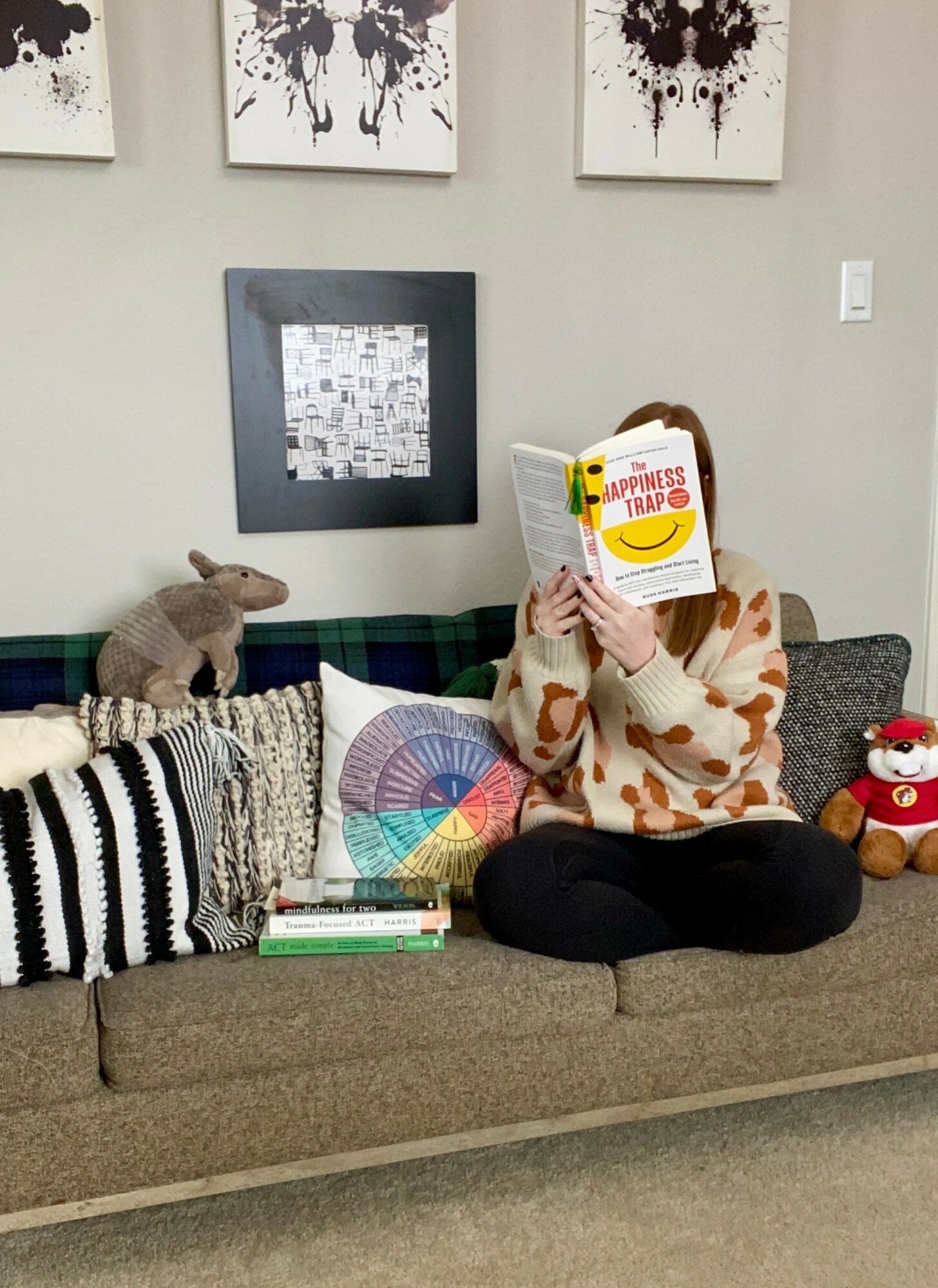
Absolutely! I am a Licensed Professional Counselor and a Licensed Marriage and Family Therapist. My work centers around creating a space where people can show up exactly as they are. I specialize in trauma, anxiety and OCD, depression, and attachment wounds. I draw heavily from approaches like ACT, ERP, TBRI, and EMDR. But honestly, what I’m most proud of isn’t any specific modality or technique—it’s the environment I’m able to offer clients.
I genuinely believe that being a fully present, attuned person who actually listens is the foundation of healing. It’s something that often gets overlooked in a world that moves quickly, but clients feel it immediately. I think what sets me apart is the combination of clinical skill and relational presence—meeting people with authenticity, warmth, and curiosity, and helping them reconnect with their own voice and sense of safety. I truly do love what I do.
Do you have any advice for those just starting out?
My advice for anyone just starting out is to trust the process and give yourself permission to not have everything figured out right away (that goes for life in general). When I first started, I thought I needed to know exactly what modality I’d use, what population I wanted to work with, or what my “niche” would be. In reality, those things emerge naturally as you gain experience (and it is okay to change over time!)
I also wish I knew sooner that your presence matters more than your perfection. Clients don’t need you to have all the answers—they need you to show up authentically, with curiosity and compassion. The technical skills come with time, but the ability to truly sit with someone is what makes the biggest difference. I actually find the most meaningful interactions occur when I am being human and make mistakes or don’t say “the perfect response.” That is relatable and we get to model repairs in real time- that is so cool.
And lastly: you don’t have to do this alone. Seek mentorship, ask questions, stay humble, and let yourself be supported. This field is challenging, but it’s also incredibly rewarding when you stay connected to your own values and humanity.
Pricing:
- $140 Private Pay fee
- Sliding Scale Options available upon request
- In-network with most major insurance networks
Contact Info: