



Today we’d like to introduce you to Heather Miller.
Hi Heather, so excited to have you with us today. What can you tell us about your story?
I grew up in a small, meditating community in Fairfield, Iowa. A lot of things I got teased about as a kid – like meditation, yoga, & being vegetarian – are popular now but seem like old news to me! The meditation community attracted a lot of creative, entrepreneurial folks, and two of the significant influences (among many) that first pointed me on my current path as a musician were the local coffee shop and the community radio station. Cafe Paradiso hosted open mics and lots of independent touring folk musicians. Those artists opened the door to realizing that someone like me could do something like that if I put my mind to it, and the open mic space gave me a chance to dip my toe in the water.
Inspired by Lilith Fair and how most radio stations wouldn’t play two women artists in a row, I started a blog and a weekly radio show called Lyrical Venus on the community radio station. Lyrical Venus focused on female singer-songwriters, and in my search for women artists online to play and interview, I met many cool musicians and learned so much about the indie folk scene. A couple of places that came up again and again from those artists were Austin, Texas, and the Kerrville Folk Festival.
I first came to Austin in 2011 for a life-changing year where I worked with a producer and mentor, Daniel Barrett, performed at 157 open mics, and made my first EP, Anchor. I returned to Iowa in 2012 with that EP and newfound artistic confidence but was never quite able to reconnect in my marriage. By 2015, we were separated, and I returned to Austin to try to pick up where I had left off. Finding my footing solo as a resident proved more challenging than that initial magical year. Still, I found a job, hit the open mics again, took classes at Girl Guitar, joined songwriting groups, and started writing my way through all the feelings I needed to process. Towards the end of 2019, I asked one of the Girl Guitar teachers, Katie Marie, if she would produce a holiday EP for me. That process went so well that I knew I wanted to make an entire album with her.
In April of 2020, about a month after I was put on leave from the coffee shop job I’d been working the past 5 years, I asked Katie if there was some way we could get started on an album remotely. She helped me pick out a mic and an interface, and we started sending tracks back and forth. We also recruited some other Austin musicians to add to the mix and finished five songs before I was called back to work in October 2020. With a severely reduced staff and an intense work schedule, I had to put all musical endeavors on hold. I lasted 6 months back at the coffee shop before I had to quit from the stress. It then took some time to recover from the burnout and find my footing with new work of pet-sitting and teaching at Girl Guitar, but I was eventually able to get back to the album and record 5 more songs with Katie Marie in person.
I named the album “Count it in Moons” after a line in my song “The Color Blue.” It speaks to the months early in my time in Austin when I attended New Moon gatherings with other women to journal, meditate, and discuss our goals and challenges for the next moon cycle. It was a helpful measuring stick for my healing process through the divorce and coming into my own.
“Count it in Moons” was released digitally on the September Full Moon, and I held a CD release show at Girl Guitar on the October Full Moon. It’s been well received in the Folk & Americana Music community, landing at #48 on the Folk DJ Album chart for September 2023 and #6 on the Americana Highways Readers’ Pick for Favorite Albums of 2023.
Would you say it’s been a smooth road, and if not, what are some of the biggest challenges you’ve faced along the way?
It hasn’t been a smooth road to get to where I am as a musician, though I do my best to be grateful for the lessons the struggles have taught me. The separation and divorce were a big blow to my confidence and stability on multiple levels. Moving cross-country with no savings and no job lined up was a unique combination of recklessness and courage that worked out, but it took a while to get to a place where I was stable enough to work on art, as opposed to just surviving day to day.
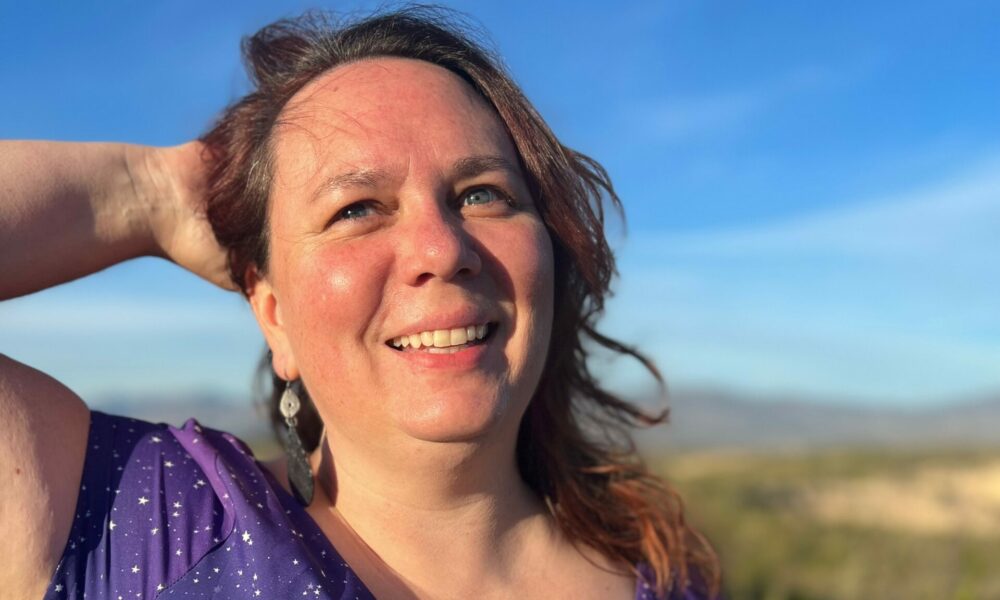
One big personal challenge when putting out “Count it in Moons” was the photoshoot. I knew I didn’t have to have my picture on the album art (all my previous releases have been paintings and drawings for the cover), but I knew I would at least need some promo photos for the release. I stressed for months about all the potential logistics of a photoshoot, from makeup to location to finding a photographer, let alone getting in front of a camera. I came across a night sky dress online while scrolling social media, and it was perfect when it arrived! A few months later, I was going to a songwriting retreat in far west Texas, and I knew that location was gorgeous with the desert landscape and the mountains of Mexico in the background. I asked a friend also going on the retreat if we could take some photos on the way home without pressure on either of us for them to be the ones. Relaxed from a weekend soaking in creativity and the hot springs, I didn’t bother with makeup but put on the dress and boots. My friend directed me through some poses in the morning desert light. As we hit the highway home, I scanned through the shots and knew we had gotten plenty to work with!
The pandemic lockdown was a challenge for everyone in so many ways. Specifically regarding the album, some challenges were learning the gear and software to record. Once I figured that out, finding times actually to work when my roommate wasn’t home, the construction crew next door wasn’t jackhammering, lawn crews weren’t leaf blowing, and cicadas weren’t buzzing was also a challenge since I didn’t have a soundproof room or a big enough closet to record in. Being objective about my vocals was also super hard without anyone else there with me. I’d record several takes and send them to some trusted friends for feedback. They would tell me if they thought I got it or if I had more in me to try again. I’m so grateful to them for their honesty and support.
My biggest ongoing struggle is confidence – I grow in confidence all the time as I push myself to learn and do new things, but there always seems to be a new level to strive for each time I accomplish a goal. It’s a challenge to remember to only compare myself to my past self and how far I’ve come rather than looking to the musicians and people around me and thinking I need to measure up to what they are doing and where they are in life.
I appreciate you sharing that. What else should we know about what you do?
I’ve been using Coffeeshop Confessional to describe my music because I think it’s acoustic music you might hear on a coffee shop stage. After all, the themes touch on the conversations you would have over coffee with friends. I love playing in intimate spaces like coffee shops or house concerts where I can see and connect with the audience because connection is one of my core values. I want people to know they are not alone in their feelings and experiences, whether heartbreak, deep questions, visiting nostalgia, or making joyful observations. One of the things I’m most proud of these days is teaching songwriting classes for women at Girl Guitar. I’ve taken many workshops, courses, and classes in songwriting over the years, and I know what would have helped me most as a new songwriter. I intentionally work to create a safe place to share new songs, and I love coming up with fun prompts to get the creative juices flowing. I try to impress on my students the importance of writing and letting those initial creative impulses come through with the least amount of self-judgment possible. You can come back with critical thinking to edit and shape the work later, but you can’t fix what doesn’t exist yet! I think it’s so important to honor creative self-expression healthily because otherwise, it can sometimes come out sideways in things like depression, addiction, and over-identifying with creative role models. I’m not saying that writing a few songs will solve someone’s mental health issues. Still, regular creative expression can undoubtedly be an essential tool along with everything else that helps.
What changes are you expecting over the next 5-10 years?
That’s a pretty big question! I’m curious about that, and I’m sure I’m not the only one. There was a golden age of the CD for independent artists where you could tour and sell CDs and make something of a living. Streaming has chiefly killed the CD, and the pandemic has killed a lot of small venues where folks used to tour. What hasn’t gone away, and I don’t think ever will, are those human needs for self-expression, connection, feeling, relaxation, and entertainment. We also have the power of the internet, for better or worse, allowing more people than ever to connect in so many ways. The whole conversation about AI isn’t one I want to step into here, but there’s a lot there that could change the landscape. I know artists will continually create, and audiences will always consume creative content. I think the question will be a matter of proportions – if an artist needs to spend more time earning income in a non-creative field, that may cut down on their creative output. Things like Patreon, Substack, Bandcamp, and other subscription sites are essential ways a fan can support an artist directly and give them a reliable source of income that they can plan around, whether it’s a full-time salary or just knowing that a monthly utility bill is covered.
Contact Info:
- Website: http://heathermillermusic.com
- Instagram: https://www.instagram.com/humsongs/
- Facebook: https://www.facebook.com/heathermillermusic
- Youtube: https://www.youtube.com/@humsongs
- SoundCloud: https://soundcloud.com/user-40420753
- Other: https://heathermiller.bandcamp.com/
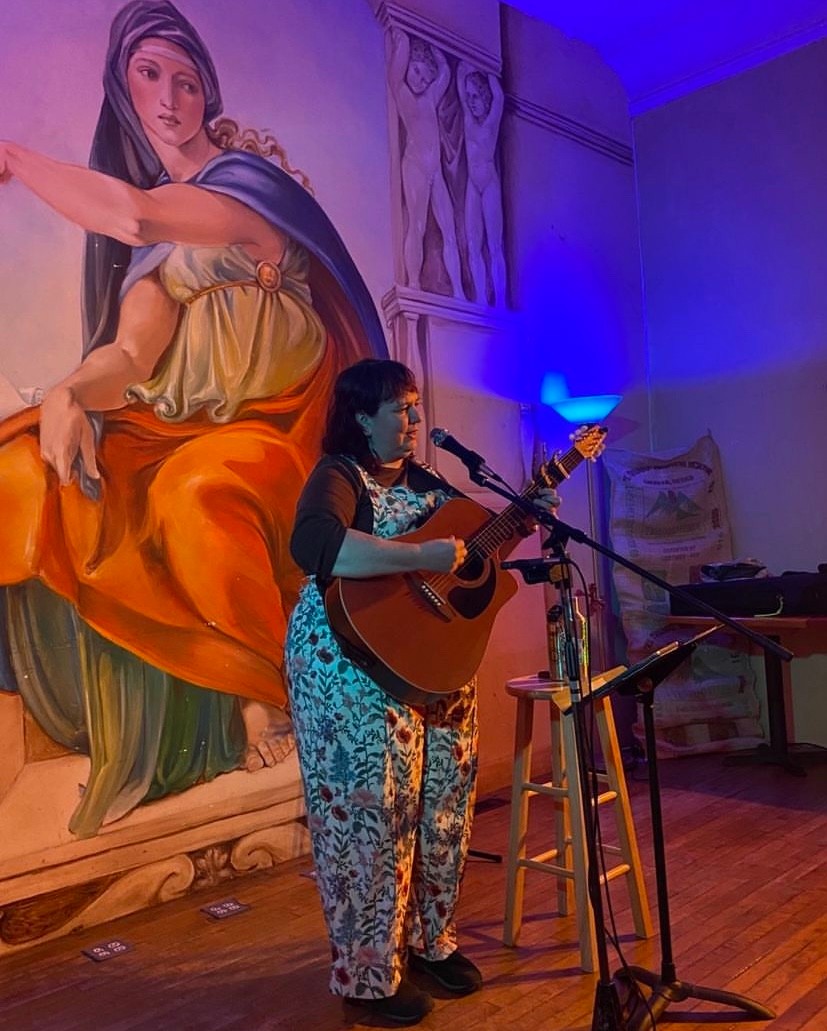
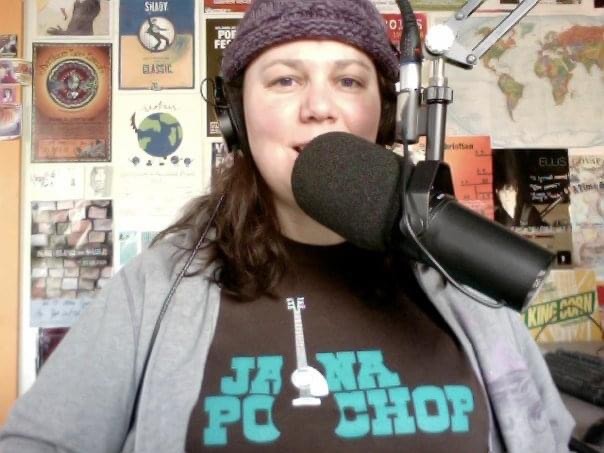
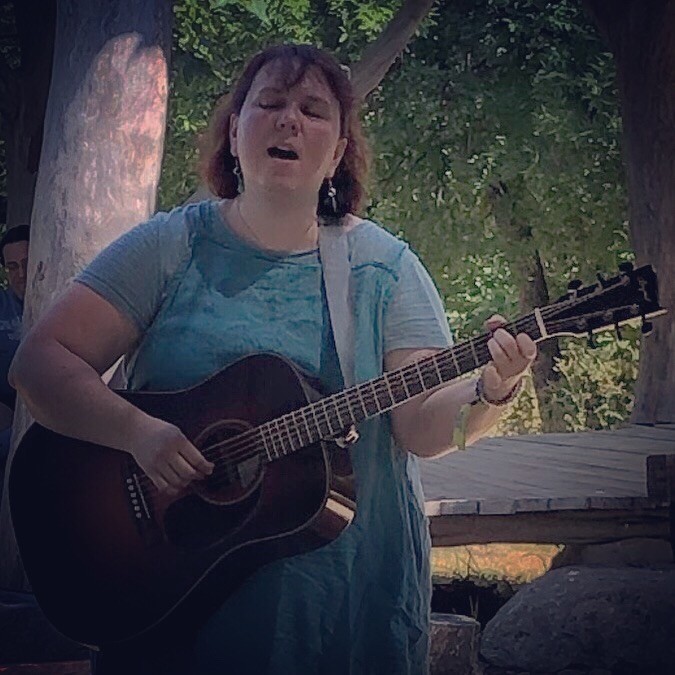
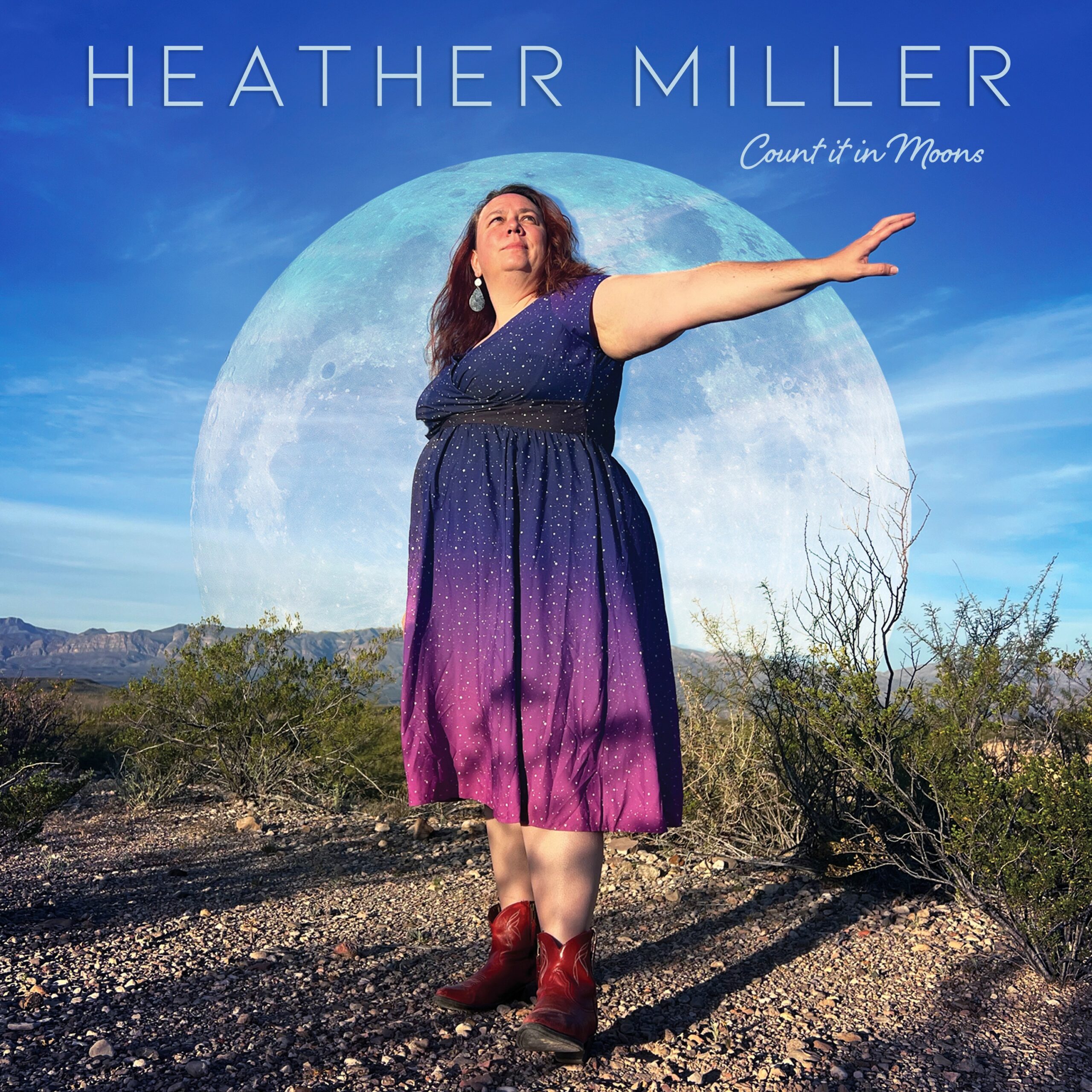
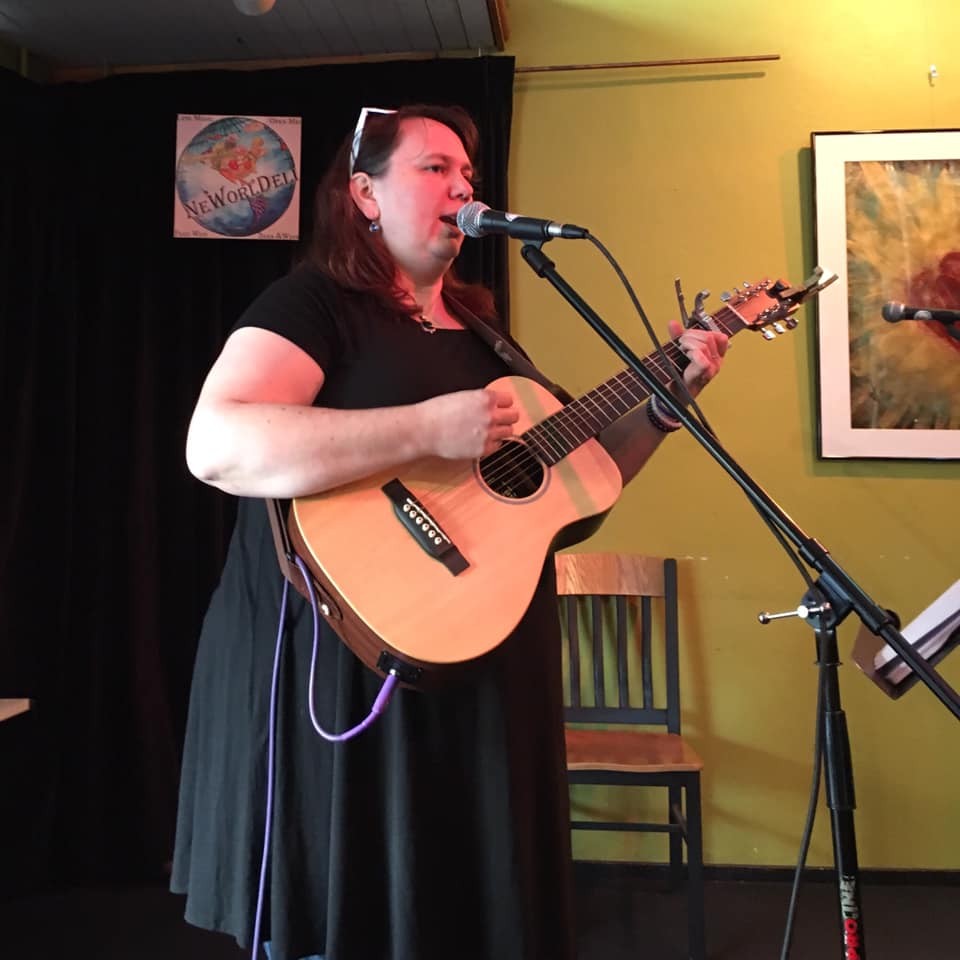
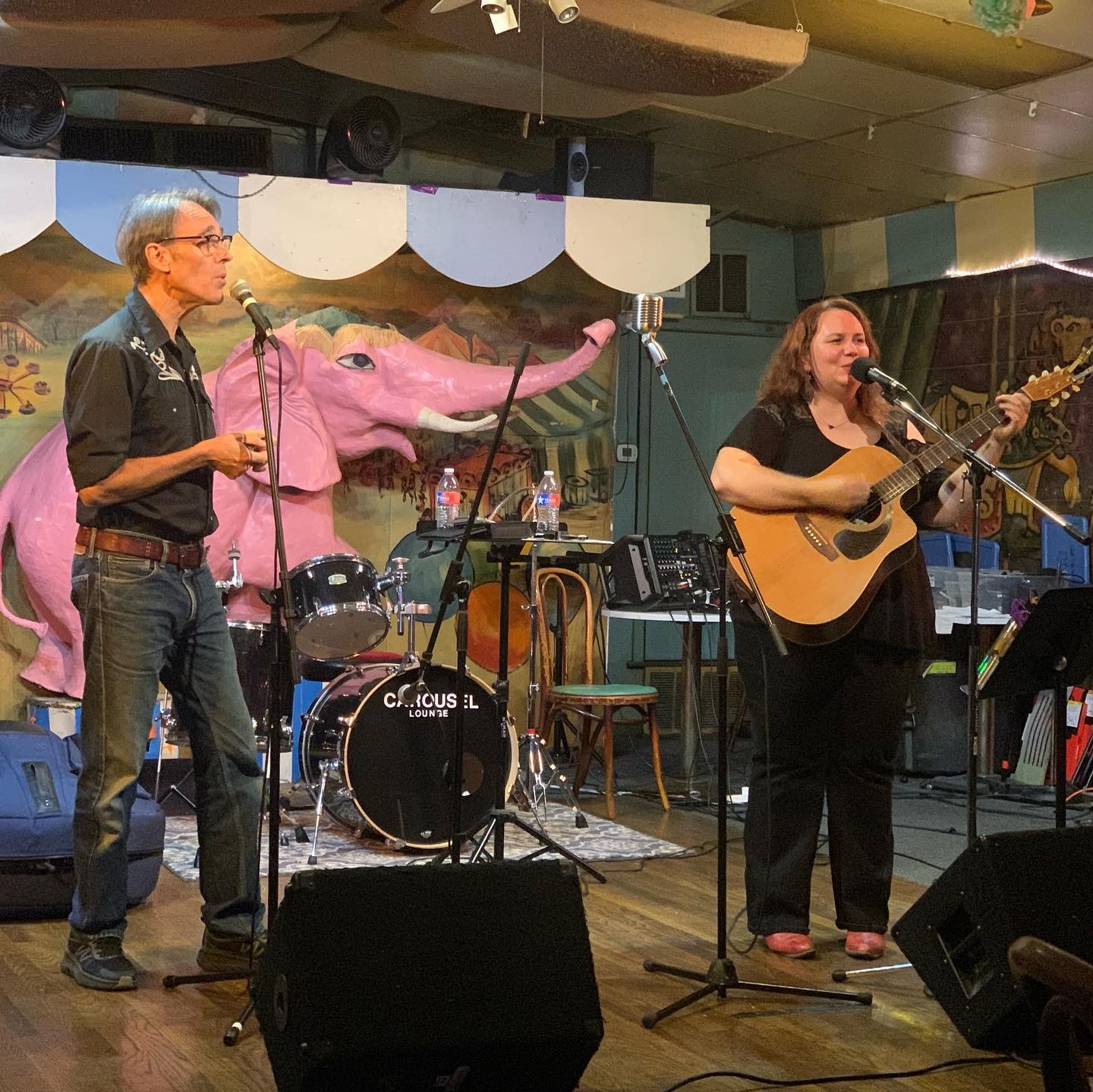
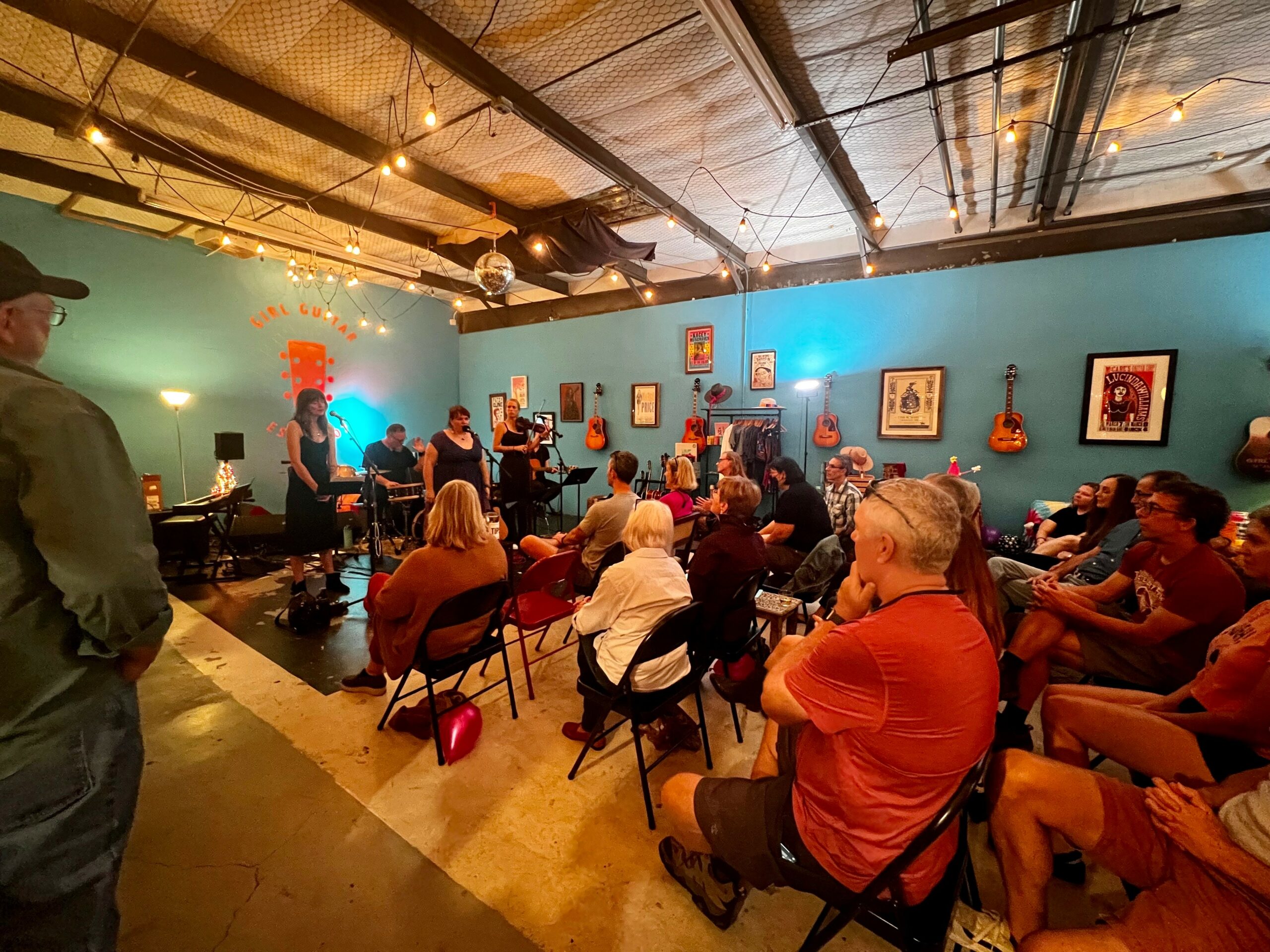
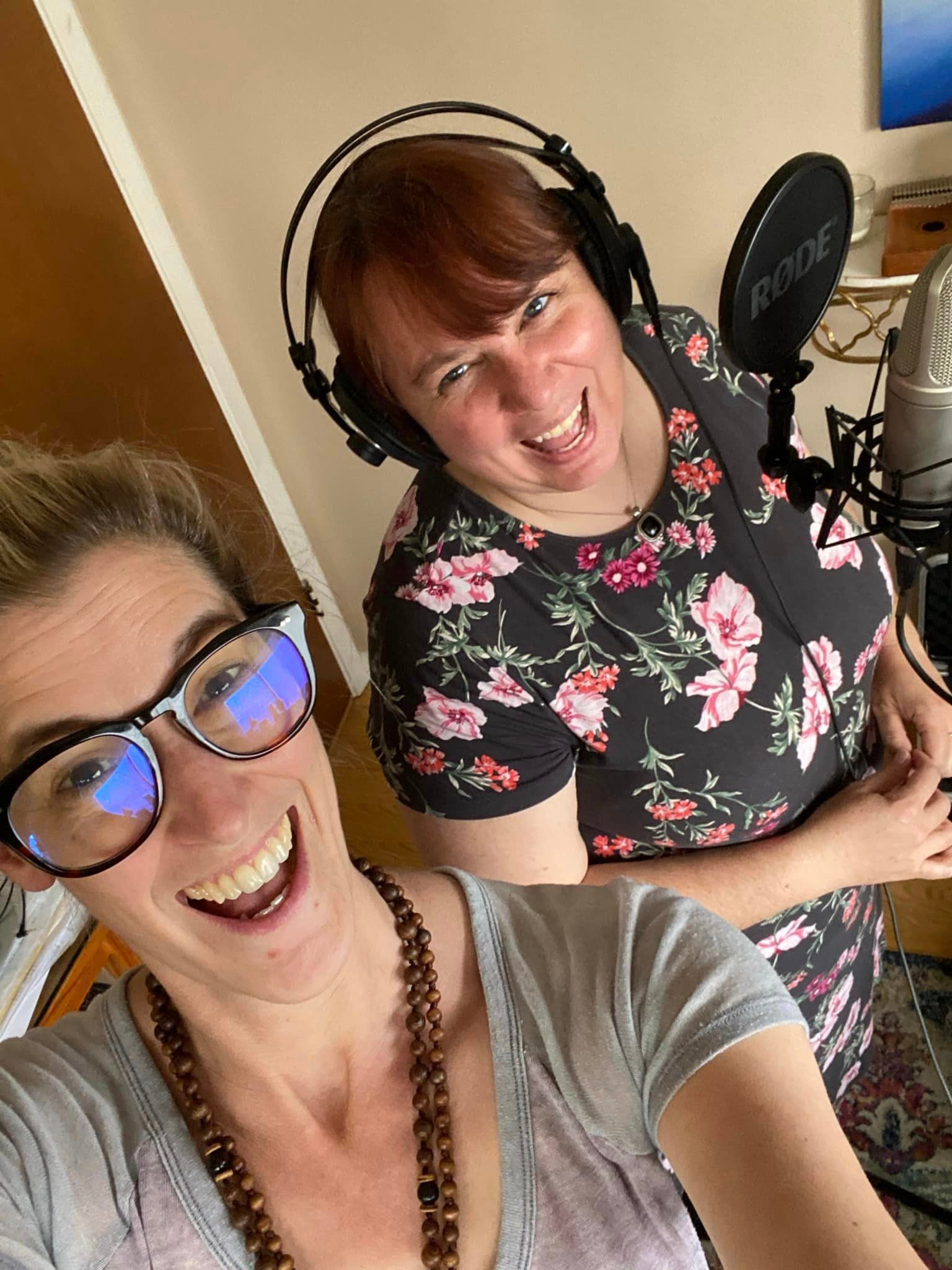 Image Credits
Nichole Wagner, Emily Shirley, Tim Britton