


Today we’d like to introduce you to Natalie Earhart.
Hi Natalie, thanks for sharing your story with us. To start, maybe you can tell our readers some of your backstory.
I’ve been making art, writing stories and using creativity as an outlet to communicate with the world since I can remember. When I was six years old, my Aunt Kathy practically forced me to perform my poetry in front of her and my sisters. They sat around me, spooning rocky road ice cream into their mouths as I quietly recited the words housed inside my fabric-lined journal. After one poem, I thought I was finished but to my surprise, they wanted to hear more. Art continued to be my sacred practice until I committed to it fully in college. There I discovered that art could be made from keys and pine cones and the dried up pieces of paint on my palette. I was lucky to be surrounded by mentors and classmates that challenged and encouraged me. However, after the thought-provoking prompts and deadlines of my college years were gone, my inspiration started to dwindle. I wanted to share my work but no longer had a studio or collaborators to bounce ideas off of. I was lost. I took a full time job in a medical office which left me tired and yearning for weekends to simply “do nothing.” I needed a change. In February 2015, I decided to move to Austin, TX, with the hopes of reigniting my passion. Immediately after moving, my friend Zach (who also moved to Austin) and I discussed creating a magazine. For years, we had spent our spare time filling notebooks with doodles, lists and ideas. These undiscovered gems collected dust between the pages as we racked our brains for ways to release them. Starting a project in a new city without friends or connections felt impossible. But we were determined.
We named our magazine “Almost Real Things” (acronym: “ART”) to represent the ideas that hold promise, like all of those we had never shared before. We filled our first mock-up issue with our art and art from our friends and worked tirelessly to distribute and promote it. Having this pocket-sized portfolio gave me a superpower. I could connect to the creative community in a whole new way. Very quickly ART grew to something more than a self-serving prospect. Practically every emerging creator we met needed help promoting their work. We refined our process and mission. Our magazine is a place to showcase the creativity of everyone—whether you are an up-and-coming artist or you write poetry on a napkin during your lunch breaks at work. Anyone can contribute.
Now after five years as a small business, we’ve printed 18 issues, featured 650+ creators, hosted 40 community events, and paid artists over $30,000. I never pictured myself as business owner. I wanted to start a magazine to share my ideas and just make something cool. I wanted to help people like me who felt lost or obligated to work at an unfulfilling job. The opportunity to meet so many driven, amazing people here in Austin has pushed me as an artist. Almost Real Things is my way to contribute to the community and give everyone a place to share their passion.
We all face challenges, but looking back would you describe it as a relatively smooth road?
A challenge we faced from the start was figuring out how to make a name for ourselves as an art collective. We didn’t know anyone in Austin when we started. Right away we made lists of every art group, gallery, museum, venue and event we could find. We printed a mock-up, Issue 00, and basically went around asking for advice. I remember asking one member of an art group about how we could become a part of the art community here. His advice was simple: just show up. If you attend local art events and support the artists and groups within the community, they will reciprocate. This wasn’t new advice, but it’s definitely something that’s easy to forget when you’re so wrapped up in your own project. To this day, this is always on my mind. I try to volunteer with other art groups, buy from local artists & businesses and show up to events as much as I can. We have to do this, especially if we’re asking people to support what we’re doing too.
As you know, we’re big fans of you and your work. For our readers who might not be as familiar what can you tell them about what you do?
Most of my work within Almost Real Things is running our ART Club community and putting together content for the print issues and online. I conceptualize and write most of the content that we publish. I love brainstorming ideas and making lists that just keep going deeper and deeper into obscurity. When I was in high school, my dream was to live in San Francisco and work with Dave Eggers at McSweeney’s. So, I’m influenced by personal narrative type writing that doesn’t take itself too seriously. For me, the weirder, the better. I often come up with ideas meant to confuse people purposely, because I like evoking that awkwardness. Outside of Almost Real Things, I make art and try new styles and mediums. For the last couple of years, I’ve been experimenting with pouring and drying acrylic paint. I am pretty obsessed with texture, so I try to think of new ways to make my paintings three-dimensional.
What matters most to you? Why?
Everyone is creative, whether they believe it or not. I used to teach painting classes and there was always at least one person who would come in and immediately announce that they couldn’t paint. I would just say, “yes you can.” Art is a form of expression, and there are so many ways that you can express yourself. Sure, maybe you can’t paint a hyper realistic self-portrait, that’s okay. That’s not the only art there is. If people can experience art on a daily basis, this becomes much more clear. That’s why it’s so important to fund art organizations and education so that everyone can participate. I’m also a huge advocate for getting artists paid. It’s insane to me that creators often have to justify their worth. It comes from within the community as well. Even though I received a degree in art, never once did my school’s program offer an Art & Business class. A lot of these vital skills are missing from the conversation and it’s tough to learn on your own.
We haven’t always had the means to pay artists what they are truly worth, especially when we were starting out. But that doesn’t mean we couldn’t negotiate a valuable trade. This is more than putting a link on our website or shouting them out on social media. If you’re an organization or a small business and you want to commission an artist to paint a wall or a band to play at your event, figure out an equal trade for their services. Maybe offer a commission of ticket sales. Or connect them with other paid opportunities. Even if you can offer a modest amount of money in addition to a trade, that is something. It’s you letting them know that you value their skill and time. Just never ask an artist to do something for nothing. And don’t offer exposure. You can do better than that.
Contact Info:
- Email: hello@almostrealthings.com
- Website: almostrealthings.com
- Instagram: https://www.instagram.com/almostrealthings
- Facebook: https://www.facebook.com/almostrealthings
- YouTube: artm.ag/vids
- Other: artclubtx.com
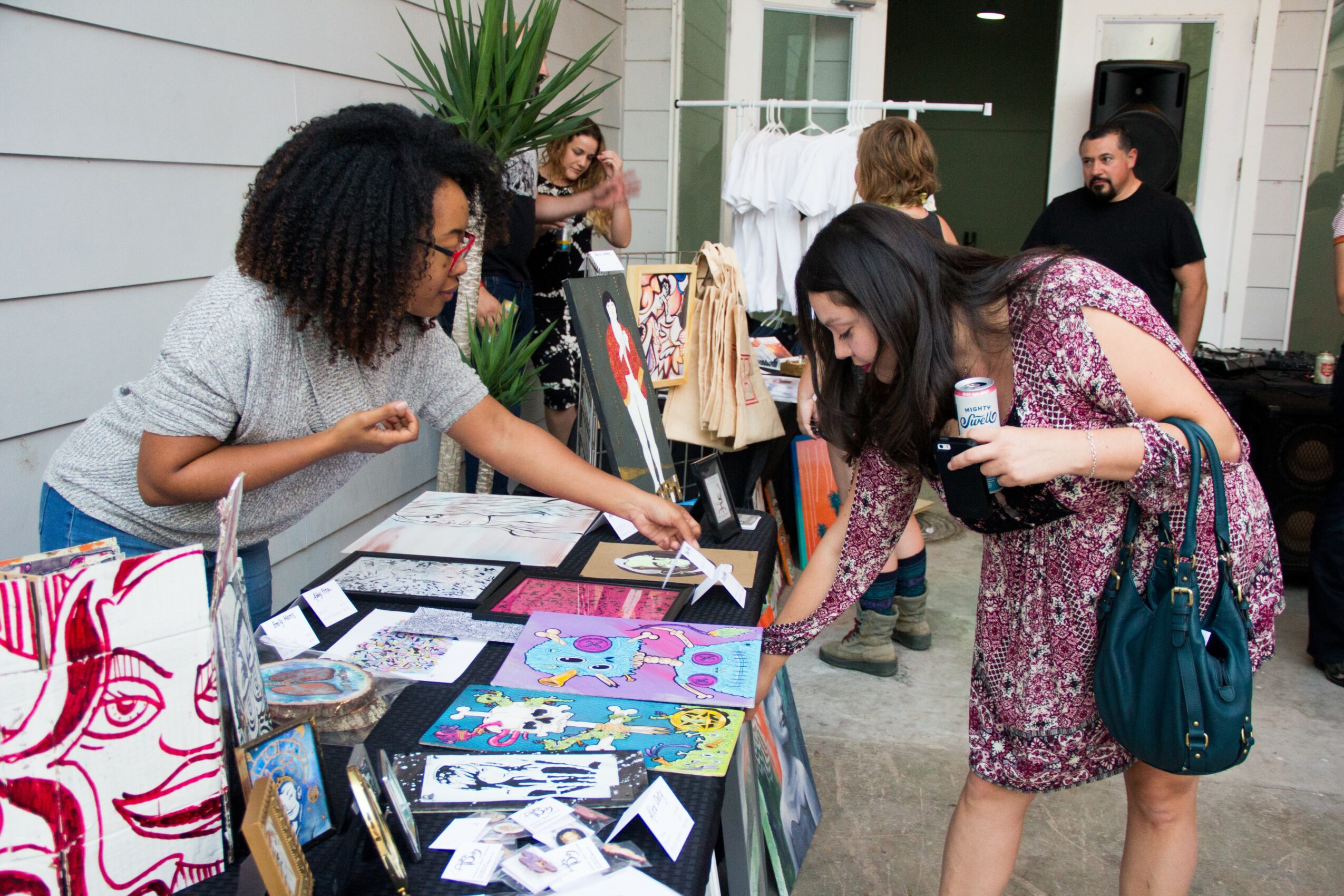
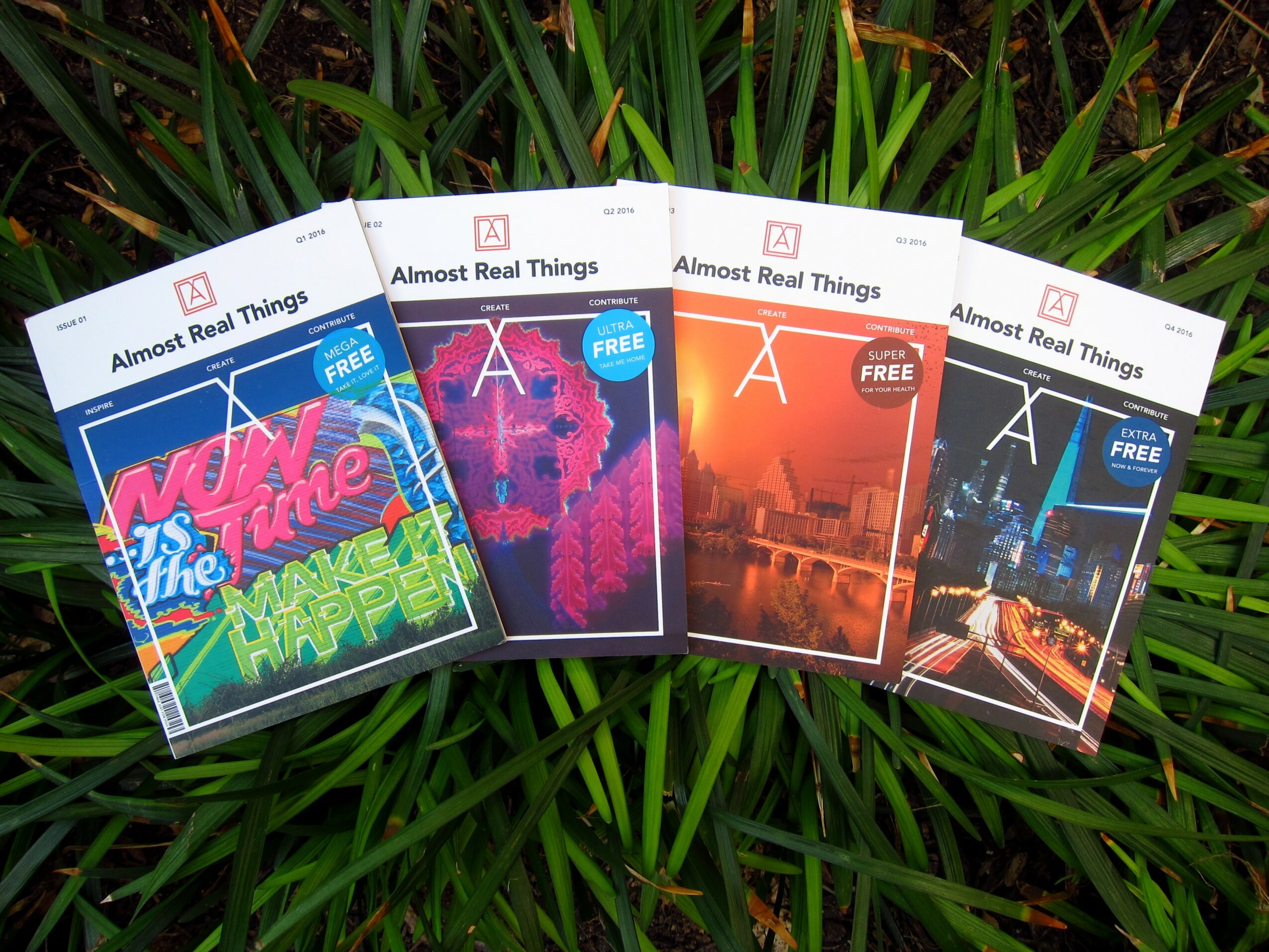
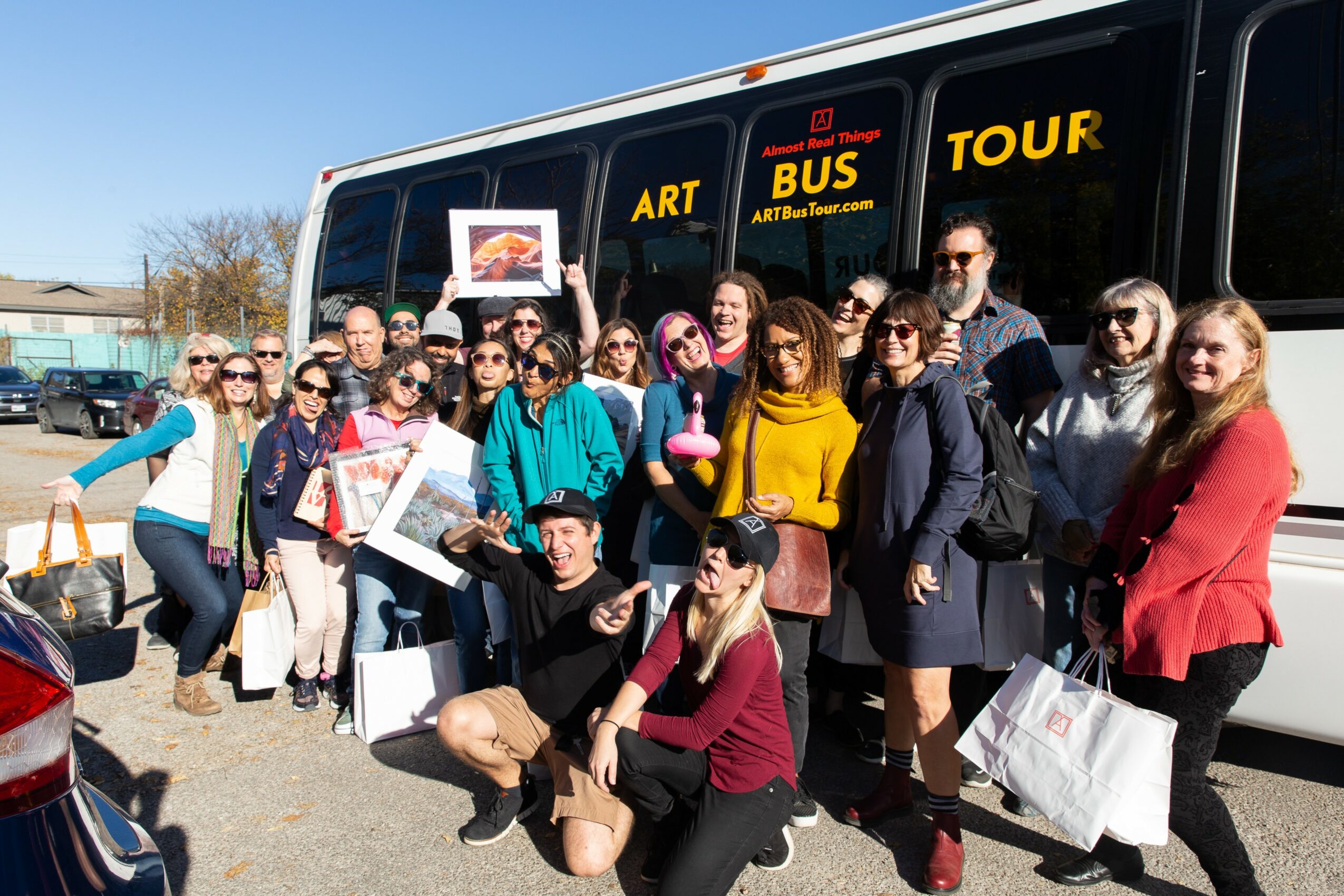
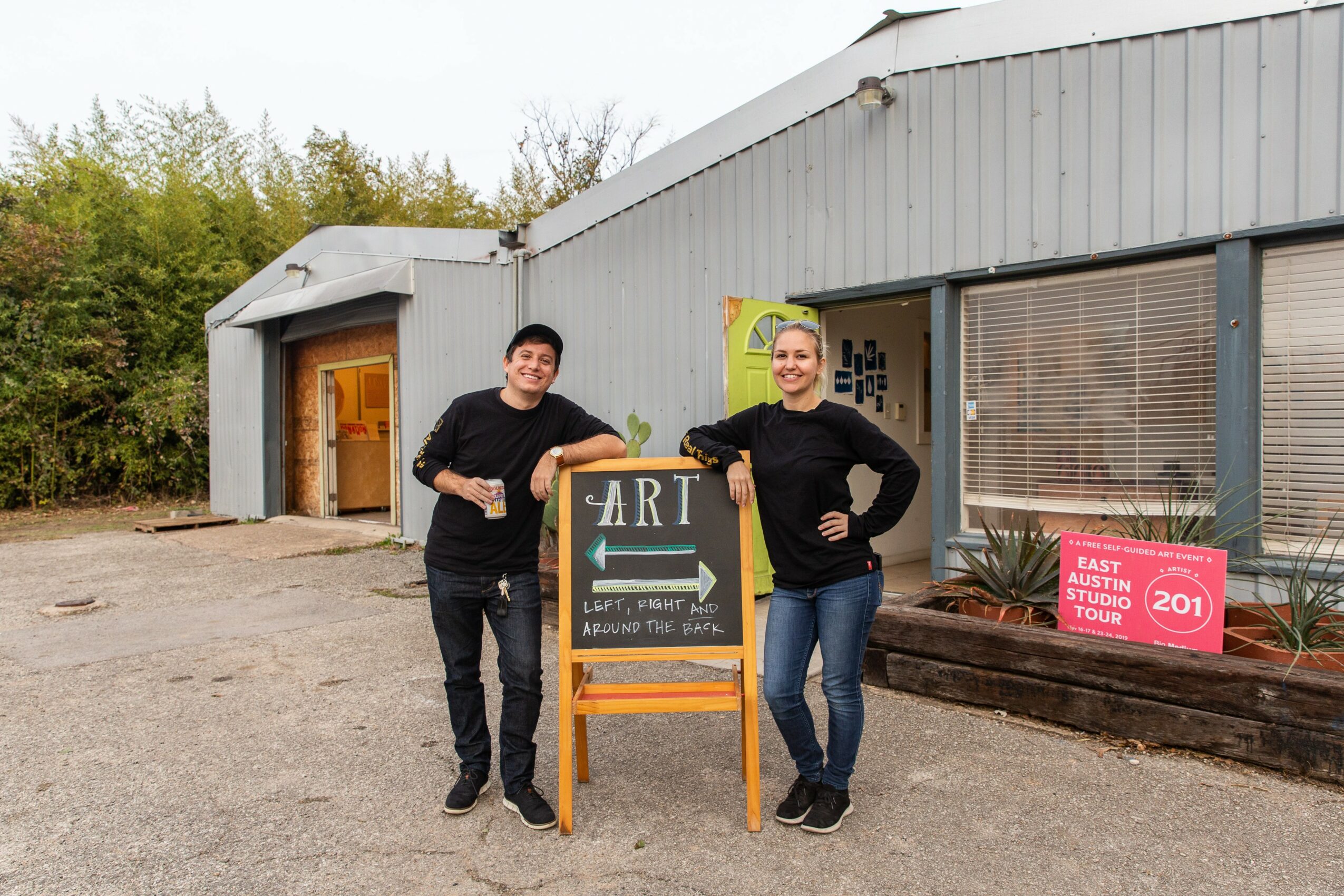 Image Credits
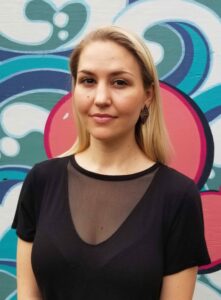
Natalie Earhart Headshot 2021, Photography: Zach Zulch, Art in background: Stellar Roz Zach and Natalie ART Bus Tour 2019, Photography: Javier Gonzalez ART Bus Tour 2019 Group, Photography: Javier Gonzalez Almost Real Things, Issues 01-04, Photography: Zach Zulch Akki Brathwaite Tabling at ART Issue 02 Party, Photography: Javier Gonzalez