



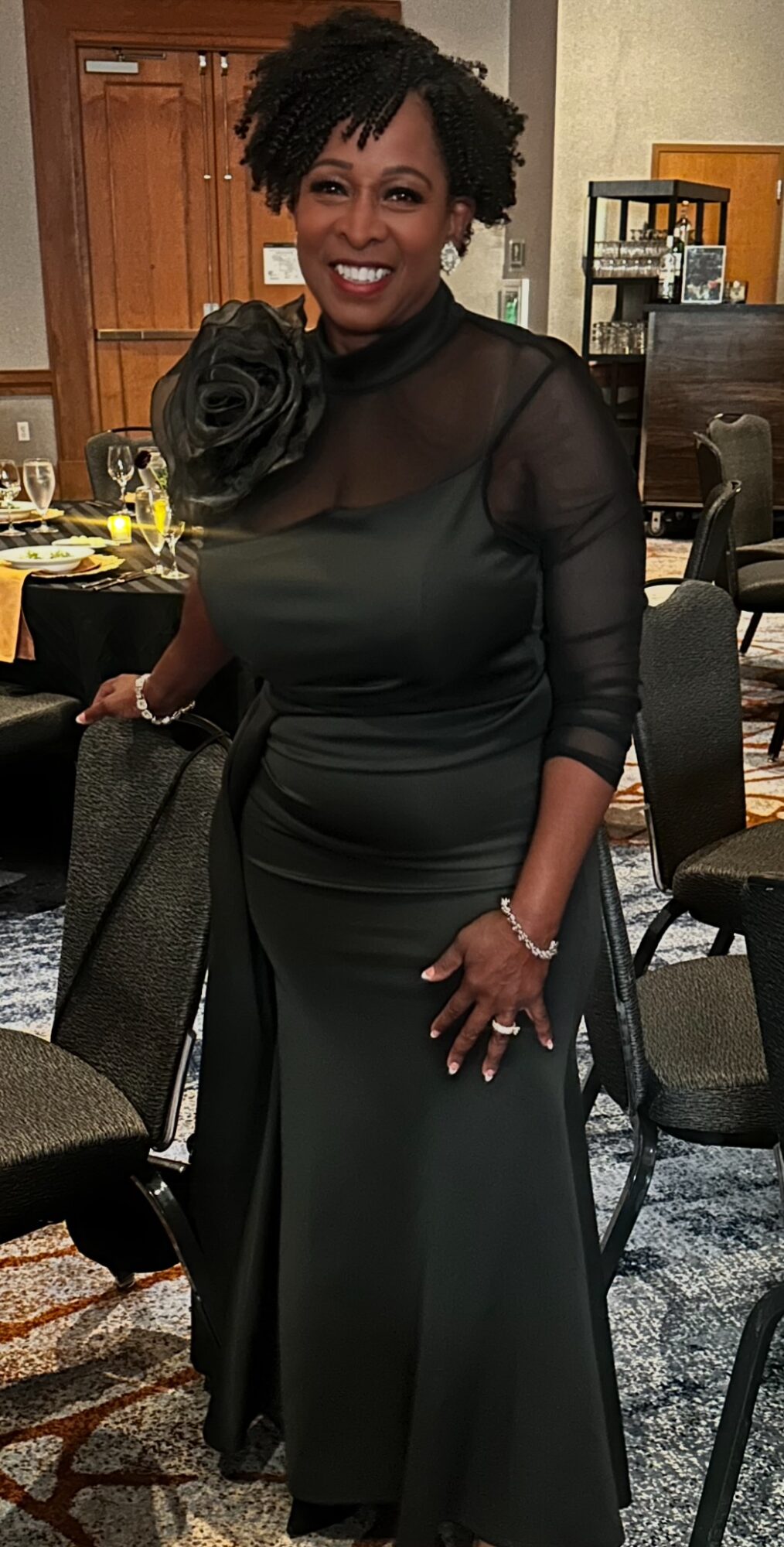
Today we’d like to introduce you to Phyllis Everette.
Hi Phyllis, so excited to have you on the platform. So before we get into questions about your work-life, maybe you can bring our readers up to speed on your story and how you got to where you are today?
From Humble Beginnings to a Movement: How I Found My Voice—and Built Saffron Trust
My story didn’t begin with a grand plan. It began with a knot in my stomach watching women—especially Black women—carry the weight of their families and their dreams on their backs with too few hands reaching out to help. I grew up seeing how quickly instability can ripple through a household: one missed paycheck becomes an eviction notice; one unaddressed trauma becomes a wall between a mother and her child; one “no” at a service desk becomes the end of the road. I also saw something else: when women are met with dignity and real, practical support, they don’t just survive—they rise, and they lift everyone around them.
That conviction is why I started Saffron Trust Women’s Foundation. It wasn’t born out of charity. It was born out of solidarity. I wanted an organization that didn’t force women to fit into a system but instead brought the system to them—holistic, coordinated, and human.
In the early days, we were lean and scrappy. I spent mornings in living rooms and afternoons in food distribution lines, taking notes on what actually moved the needle: rent support that arrives before the eviction posting, mental health care that meets women where they are, a warm meal that honors culture and choice, coaching that doesn’t shame but strengthens. We built our approach brick by brick, listening first and then designing solutions around what women told us they needed.
Saffron Trust thanks Measure and its CEO, Meme Styles, co-builders of our CARE Model. Rooted in a community-driven framework, the CARE Model is designed to create solutions aligned with our unique needs and goals. Our CARE Model is a comprehensive pathway that centers housing and homelessness prevention, food security, mental health, and education and skills development. It’s simple: when Black women and their children have stable housing, consistent access to food, and the mental health resources to heal, they can break the intergenerational cycle of poverty. When we invest in her stability, we invest in a future where poverty is no longer inevitable for women of color.
Our programs came directly from community voice:
Solid Ground: Care-coordinated support that helps mothers stabilize fast—keeping families housed, connecting them with food resources, and surrounding them with wraparound services that don’t require navigating a maze.
Holding Hope: We bring therapy to women, not the other way around. Working with trusted experts, we normalize mental health conversations and offer evidence-based tools for emotional resilience, grief, and growth. The goal isn’t to fix women—it’s to free them.
Ground Water: A workshop run and created by Joyce James, LLC, that tells the truth about structural racism and how it shapes outcomes for Black women. We equip women to advocate, organize, and change the conditions that produce hardship in the first place.
I’m proud that we measure what matters—real outcomes in real lives. With community partners, we track improvements in financial stability, sustained food security, and mental well-being. Data is not just numbers to us; it’s a mirror we look into so we can do better tomorrow than we did today.
But statistics are only part of the picture. The heartbeat of Saffron Trust is the women. I think of a mom who arrived to us with an eviction notice in one hand and a toddler on her hip. She didn’t need a lecture; she needed time, tools, and someone to say, “You’re not alone.” We stabilized her housing, connected her to counseling, and made sure her pantry stayed full while she rebuilt. Months later, she returned—not for help, but to volunteer. That is the arc I live for: from crisis to contribution, from isolation to community.
Leadership, for me, has never been about standing at the front of the room. It’s about widening the circle. I’ve learned to lead by listening, to partner boldly, and to keep our mission anchored in dignity. Philanthropic and corporate allies have been essential, but our most powerful partners are the women themselves—experts in their own lives, co-architects of every solution we build.
Recently, we launched We Rise Together, a storytelling and action campaign that captures what I’ve always believed: when she rises, we all rise. Sixty-five stories of elevation. Sixty-five ways to lift the world. It’s a reminder that courage is contagious, and that the small, consistent acts—showing up, funding a rent gap, hosting a mental health circle, speaking truth to power—add up to cultural change.
People often ask how I got here. The honest answer is that I followed the women. Every step of the way, I listened to their wisdom, I learned from their resilience, and I refused to let systems define their destiny. My role is to keep the doors open, the lights on, and the vision clear: a world where poverty does not exist for women of color; a city where every mother can exhale; a community where healing is possible and prosperity is shared.
If my journey has taught me anything, it’s this: transformation travels at the speed of trust. We build trust by telling the truth, by delivering what we promise, and by treating women not as recipients but as partners and leaders. Saffron Trust was never meant to be the hero of this story. The women are. We are simply the bridge.
I started with a knot in my stomach and a belief that things could be different. I stand here now with an organization, a movement, and a community proving every day that they are. And we’re just getting started. My closing slogan – Is I was Born to Give Myself Away!
Alright, so let’s dig a little deeper into the story – has it been an easy path overall and if not, what were the challenges you’ve had to overcome?
Short answer: no—it hasn’t been smooth. But the bumps in my road became the blueprint for how I lead and why Saffron Trust exists.
I know instability from the inside. I’ve juggled the kind of bills that keep you up at night, chosen between groceries and a payment, and waited for help that came too late. I’ve grieved losses while trying to keep a household running. Those seasons taught me how quickly a family can slide from “almost stable” to a crisis, and how deeply dignity matters when you’re asking for help.
Starting Saffron Trust was another education. In the early days, we were small, loud, and determined—delivering food out of our cars, helping mothers negotiate with landlords, and sitting with women in living rooms to map the next right step. I was the CEO, the case manager, the grant writer, and the driver. Some weeks I worried about payroll while coaching a mom through an eviction notice. That duality—holding the mission and the moment—was real.
There were structural obstacles too. As a Black woman founder, I’ve been told to soften my language about racism, to make our work sound “less political,” to prove our impact twice over and still wait in longer lines for funding. We’ve had doors closed because we insisted that outcomes for Black women require more than charity—they require changing the conditions that keep women in crisis. Naming that truth doesn’t always play well in rooms where philanthropy prefers comfort over candor.
The system itself can be dehumanizing. Women are asked to retell their trauma for every application, fit their lives into boxes that weren’t built for them, and accept services that don’t match what they actually need. I’ve seen how historical policies in Austin—like segregation and displacement—still echo through housing, education, and opportunity today. When more than one in four Black women in our county live below the poverty line, the problem isn’t personal failure; it’s design.
We’ve faced program challenges, too. Demand often outpaces resources. In a single month, we can stabilize dozens of families and still have a waitlist. Funders love outputs; we measure outcomes. That means pushing for investments in prevention—rent support before an eviction, therapy before a breakdown, food access that honors choice and culture—not just band-aids after the damage is done.
What got us through? Listening, rigor, and community. We built our CARE Model around what women said moves the needle: housing stability and homeless prevention, food security, mental health, and education/skills. Programs like Solid Ground (rapid stabilization and coordinated care), Holding Hope (bringing therapy to women, not the other way around), and Ground Water (naming and challenging structural racism) came directly from lived experience. We pair that with data and feedback loops—not as a hoop to jump through, but as a mirror to improve.
I’ve learned to accept that courage has a cost. You will get pushback when you center Black women. You will feel stretched when you refuse to trade dignity for speed. You will be tired. But you’ll also witness transformation—the mother who returns to volunteer after keeping her home, the child who sleeps through the night because the lights stay on, the woman who lifts her voice in a room that once silenced her.
So no, my road hasn’t been smooth. It’s been steep, sacred, and absolutely worth it. The struggle clarified my purpose: build systems that meet women where they are, invest in stability before crisis, and tell the truth about the barriers we’re dismantling. The headline of my journey is not ease—it’s elevation. When she rises, we all rise.
Thanks for sharing that. So, maybe next you can tell us a bit more about your work?
I’m trained in organizational design—I hold a Master of Science in Management with a specialization in Organizational Structure—and that lens helped me build Saffron Trust’s CARE Model so support is coordinated, data-driven, and human.
What matters most to you?
What matters most to me is giving my family the healthiest tools to move through life—and then sharing those tools widely so our entire community can thrive. I believe private wellness should become public good.
Here’s what that looks like in my life and in my work at Saffron Trust:
Healthy tools at home, scaled for the community: I practice what I teach—mental health hygiene, nutrition that honors culture, movement, sleep, and financial stability. Then I translate those habits into programs: therapy that comes to women, nutrition-as-care designed specifically for Black women, and practical supports that make healthy choices realistic every day.
Reducing the negative social determinants of health: Health is shaped by housing, food access, safety, transportation, and racism. Our CARE Model centers prevention—rent support before eviction, consistent food security, and accessible mental health—because stability is health. I’m also building a maternal health ecosystem in Central Texas so mothers, especially mothers of color, are supported across the perinatal journey. And I champion the arts as a health intervention because creativity reduces stress, builds connection, and heals.
Turning partnerships into outcomes: I combine every accolade and platform with the work—mobilizing partners like Meals on Wheels and in‑home care providers, exploring pilots for multigenerational families, and collaborating with leaders who can unlock resources. We design with community, then measure what matters: improvements in housing stability, sustained food security, and mental well‑being (using clear Community Impact Metrics and standardized tools like USDA food security modules). Our targets keep us honest; our data loops help us improve in real time.
My Master’s in Management and Leadership (organizational structure) shapes the way I build systems: no‑wrong‑door access, fewer hoops, culturally responsive care, and rigorous measurement paired with deep dignity. The north star is long, healthy longevity for women and families—because when she lives longer, healthier, and freer, everyone around her rises too.
Contact Info:
- Website: https://www.saffrontrust.org/
- Instagram: https://www.instagram.com/saffrontrustorg/
- LinkedIn: https://www.linkedin.com/feed/
- Youtube: https://www.youtube.com/channel/UCsADjSlFAw_Dbezt7PHDyPg

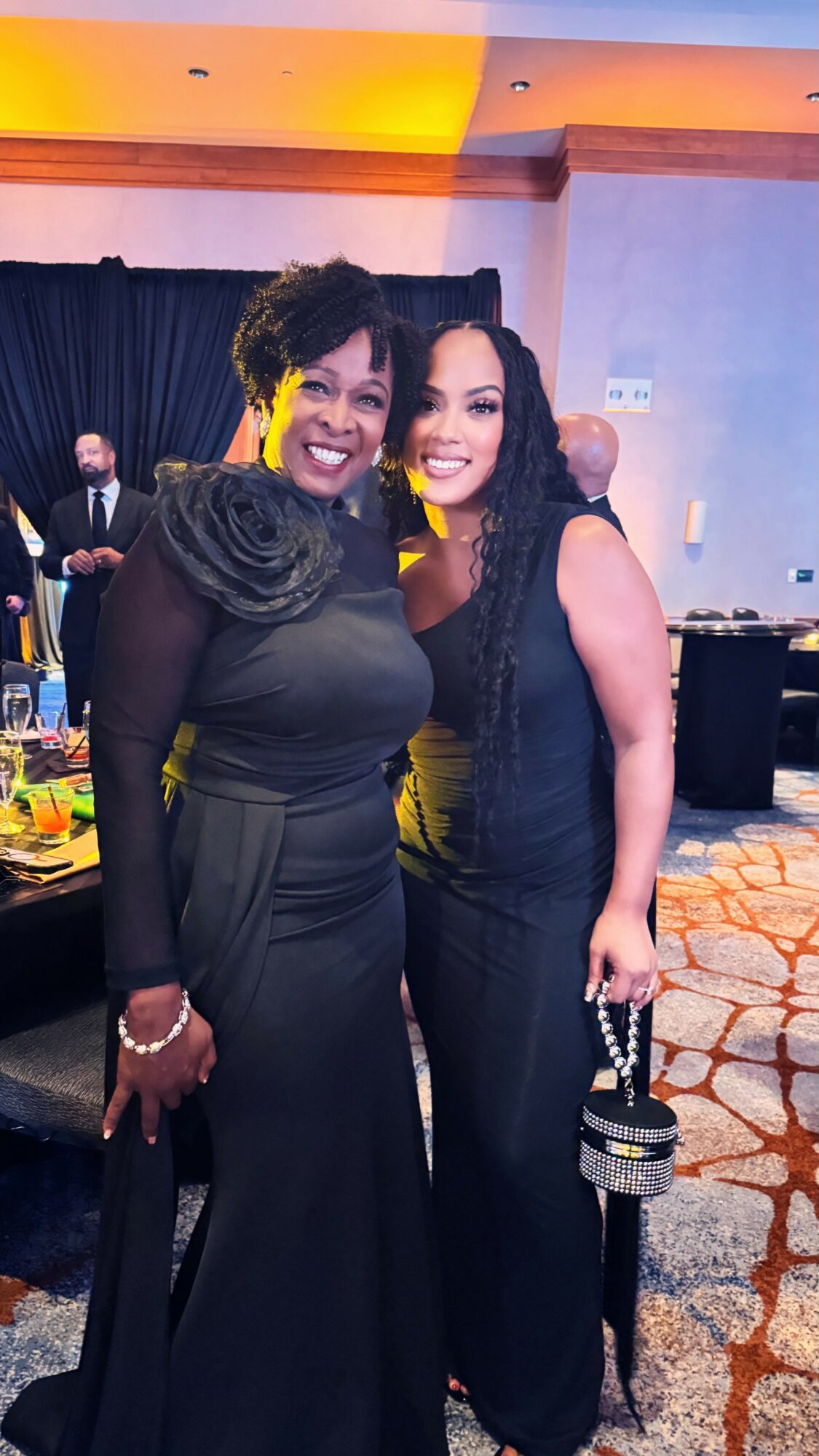
Image Credits
Austin Area Urban Day GALA, non-profit leader of the year