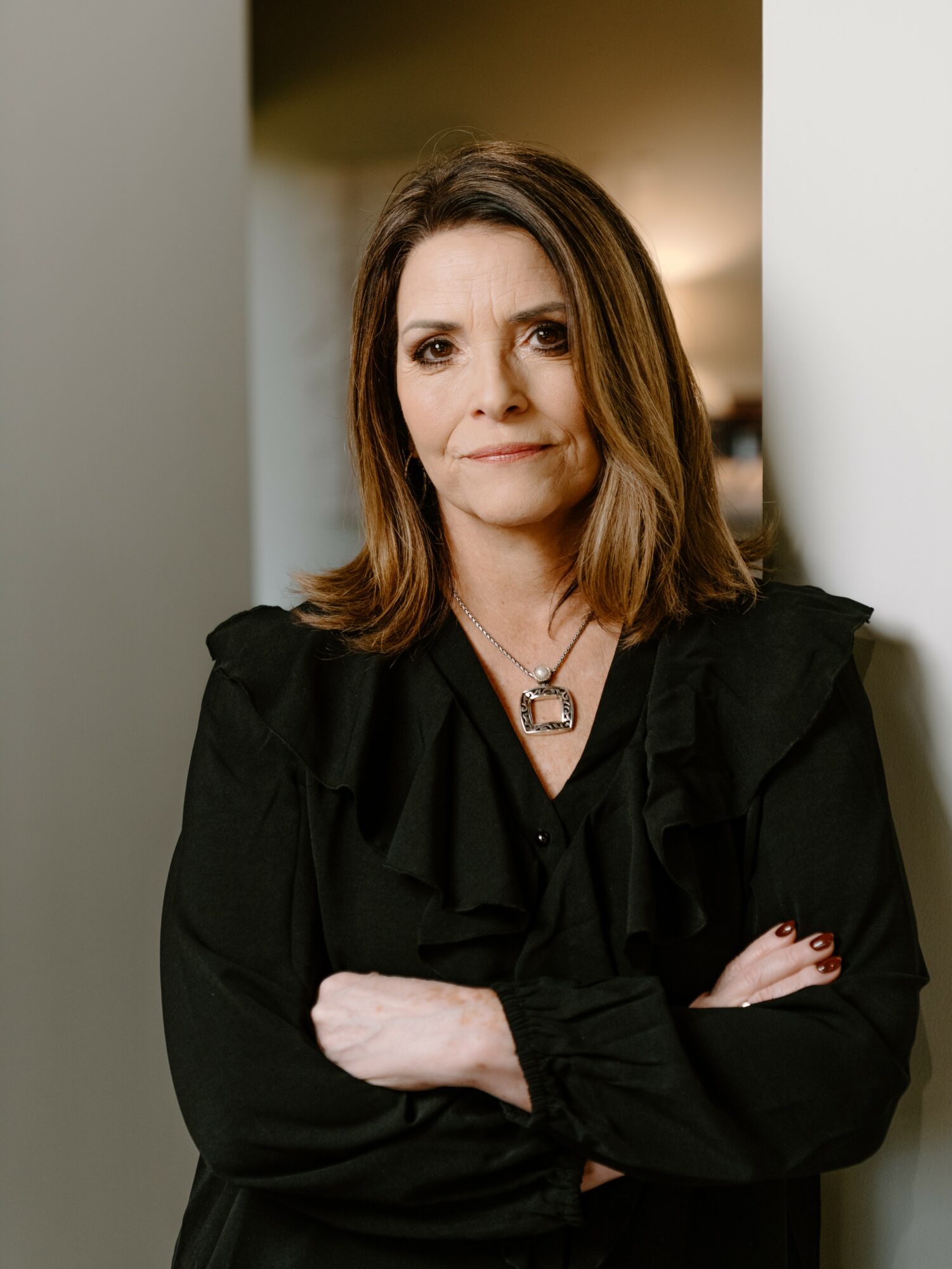



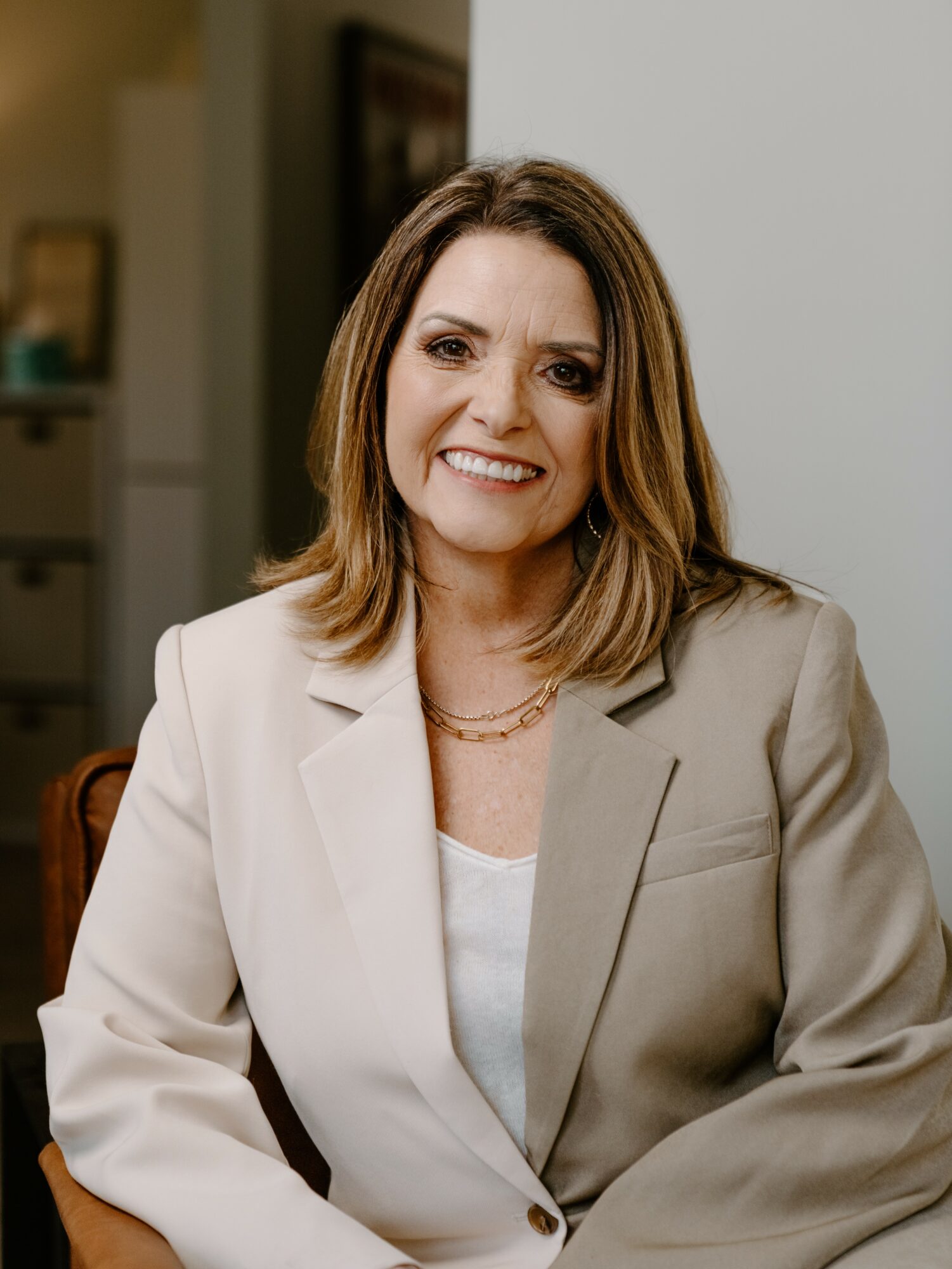
Today we’d like to introduce you to Susan Peters.
Alright, so thank you so much for sharing your story and insight with our readers. To kick things off, can you tell us a bit about how you got started?
Prior to 2012, I traveled internationally for my job. In nearly every country I visited, I encountered human trafficking.
The first time was in Uganda. I met former child soldiers—once innocent boys playing in their villages—who had been forcibly taken by the Lord’s Resistance Army and made to commit horrific acts. I remember feeling intimidated at first. But very quickly, I realized they were simply young boys and young men trying to heal.
And I thought: How will they heal if no one walks with them for the long haul—connecting them to counseling, skills training, housing, and stability?
In India, Cambodia, Thailand, Haiti, and the Dominican Republic, I saw children in brothels and karaoke bars—young lives robbed of their childhoods.
I remember journaling and praying:
“ what can be done? How do we find these kids? How do we help them heal?”
I thought our work would be international. But then I met my first 14-year-old American survivor. Law enforcement had recovered her and several girls from an apartment complex. She told me they were sold day and night and hadn’t been in school for almost a year.
Then she said something I will never forget:
“We didn’t think anyone cared this was happening to us.”
And I thought—we care. We just didn’t know.
So we pivoted. We said, we must start right here at home. There is need in our city, even internationally we need a reproducible model—because the need is everywhere.
We started in Waco, Texas, where we lived at the time. We knew we had to find these kids. They were being advertised online—but no one was identifying them then.
We began with prevention. We went into schools, detention centers, and group homes. We educated students about the tactics of traffickers, social media safety, and sextortion. We wanted to protect as many children as possible—and we still do that today.
We quickly realized prevention alone wasn’t enough.
So we began training teachers, nurses, social workers, law enforcement, and medical professionals—anyone who might be the one person to notice a child in trouble and take action.
As our model for reaching trafficking victims grew, we opened offices in FW, Houston, BCS. and Austin. We now cover 46 counties across Tx and 15 Parishes in Louisiana. Everywhere we established a presence, identifications followed. Children and young adults were being referred for services.
We all face challenges, but looking back would you describe it as a relatively smooth road?
In the beginning, developing partnerships with law enforcement and District Attorneys’ offices was difficult. Fourteen years ago, a social service provider was not widely seen as a necessary partner in the fight against domestic sex trafficking.
But over time, it became clear that no single organization or agency can address this issue alone. Victims rarely present themselves as trafficking victims because of the complex trauma they have experienced. They often need significant support and care before they are able to engage in the legal process. Partners working together is the best practice for addressing the needs of suvivors. They need medical, legal, social services, safe housing, transportation to counseling or court, education or job readiness. We all have to work together to support them.
That is where our role becomes essential. We provide direct support to survivors and connect them to critical resources, allowing law enforcement and prosecutors to focus on their investigations and prosecutions while knowing victims are receiving the care they need.
Appreciate you sharing that. What should we know about Unbound Now?
Our Unbound Now staff served 2011 individuals who were exploited and trafficked. 213 of those were just in Austin, TX. Many of them were minors. We provide 24/7 crises response and on going case management and support for survivors of human trafficking through our Survivor Advocacy program. We walk with survivors from the first moments of safety through long term recovery. Our staff is highly trained, many with social work degrees and we do our own 60 hours of trauma informed training before they every engage with a traumatized victim. They are trained, compassionate, and gritty. They are the best in this work.
Let me give you a day in the life of Unbound Now.
This is Tuesday.
3:00 a.m.
The crisis line rings. A 15-year-old girl has been recovered after being lured online and trafficked. Law enforcement calls our 24/7 response line.
An advocate answers. She throws on clothes. In her passenger seat is a survivor bag—clothes, toiletries, snacks—assembled by volunteers from a local church.
She meets officers. She meets a terrified child.
She walks with her into a hospital exam room. Through the forensic exam. Through the silence. Through the fear.
She stays.
6:00 a.m.
She’s still there—coordinating with law enforcement, CPS, hospital social worker, and our drop in center the underground
And she makes a promise:
“I will stay as long as you need.”
10:00 a.m.
In a courtroom downtown, an advocate sits in the front row as a survivor testifies against her trafficker.
It is terrifying.
But she is not alone.
12:15 p.m.
At a juvenile detention center, our prevention team meets one-on-one with a girl who could easily fall through the cracks. A year from now, we may sit at her graduation.
1:30 p.m.
An advocate helps a survivor build a résumé at the public library.
Because freedom also looks like employment.
It looks like dignity.
It looks like a second chance.
3:15 p.m.
At The office, an advocate is meeting with a 14-year-old who repetedly self harms. They are playing uno- a game so she can be a kid, you can tell when she walks through our doors, she exhales.
There is safety.
There is structure.
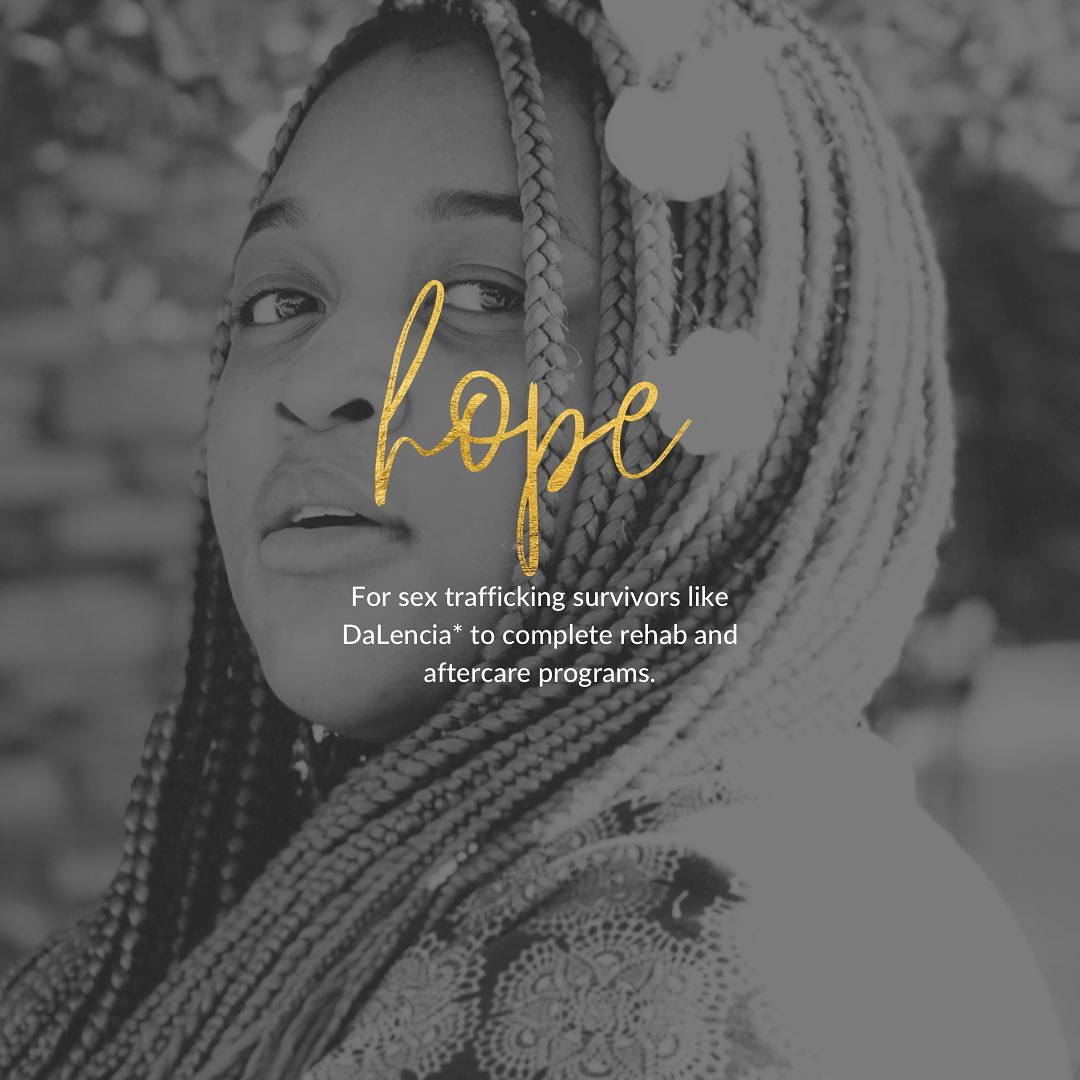
There is hope.
5:15 p.m.
Our Director of Advocacy discusses plans for a recovery operation with local police and sheriffs.
Because prosecution matters.
Justice matters.
Accountability matters.
9:00 p.m.
Our advocates are stationed at a local hotel during an operation—backpacks ready, trauma-informed training in place—prepared to look someone in the eye and say:
“You are not alone. You are not forgotten. Help is here.”
This is one day.
At Unbound Now, we don’t clock in and clock out.
We show up.
In hospitals.
In courtrooms.
In jails.
In schools.
At graduations.
At therapy appointments.
At baby showers.
We show up for the brave act of surviving.
So, before we go, how can our readers or others connect or collaborate with you? How can they support you?
The first thing I like to tell people is to get educated on human trafficking. It is the fastest-growing criminal enterprise in the world today. With drugs or guns, you can sell them once—but a person can be sold over and over again.
One way to learn more is by visiting our website at unboundnow.org and watching our education modules. These trainings help people understand what trafficking looks like and how to respond.
It is especially important for educators, counselors, parents, and medical personnel to recognize the signs of potential trafficking victims. Most victims do not come forward and say they are being trafficked because of the complex trauma they experience. We have to understand what to look for.
There are many ways people can get involved:
Schools and universities can host prevention education for students.
Churches and community groups can help assemble our “go bags,” which our advocates take with them on every call-out to support survivors in crisis. They can do outreaches with us and pray for us.
Doctors, hairdressers, and tattoo artists (who often help with tattoo cover-ups) can become Dignity Partners, offering services to survivors after receiving training on how to engage in a trauma-informed way.
Corporations can partner with us by hosting trainings, offering matching gifts through employees, or supporting our work through corporate grants and financial contributions.
Monthly or one time donations, donor advised funds, stocks help keep us out there doing this important work.
Everyone has a role to play in helping prevent trafficking and supporting survivors on their path to freedom.
Contact Info:
- Website: https://www.unboundnow.org
- Instagram: https://www.instagram.com/unboundnow
- Facebook: https://www.facebook.com/unboundnow
- LinkedIn: https://linkedin.com/company/unboundnow
- Youtube: https://youtube.com/@UNBOUNDNOW