


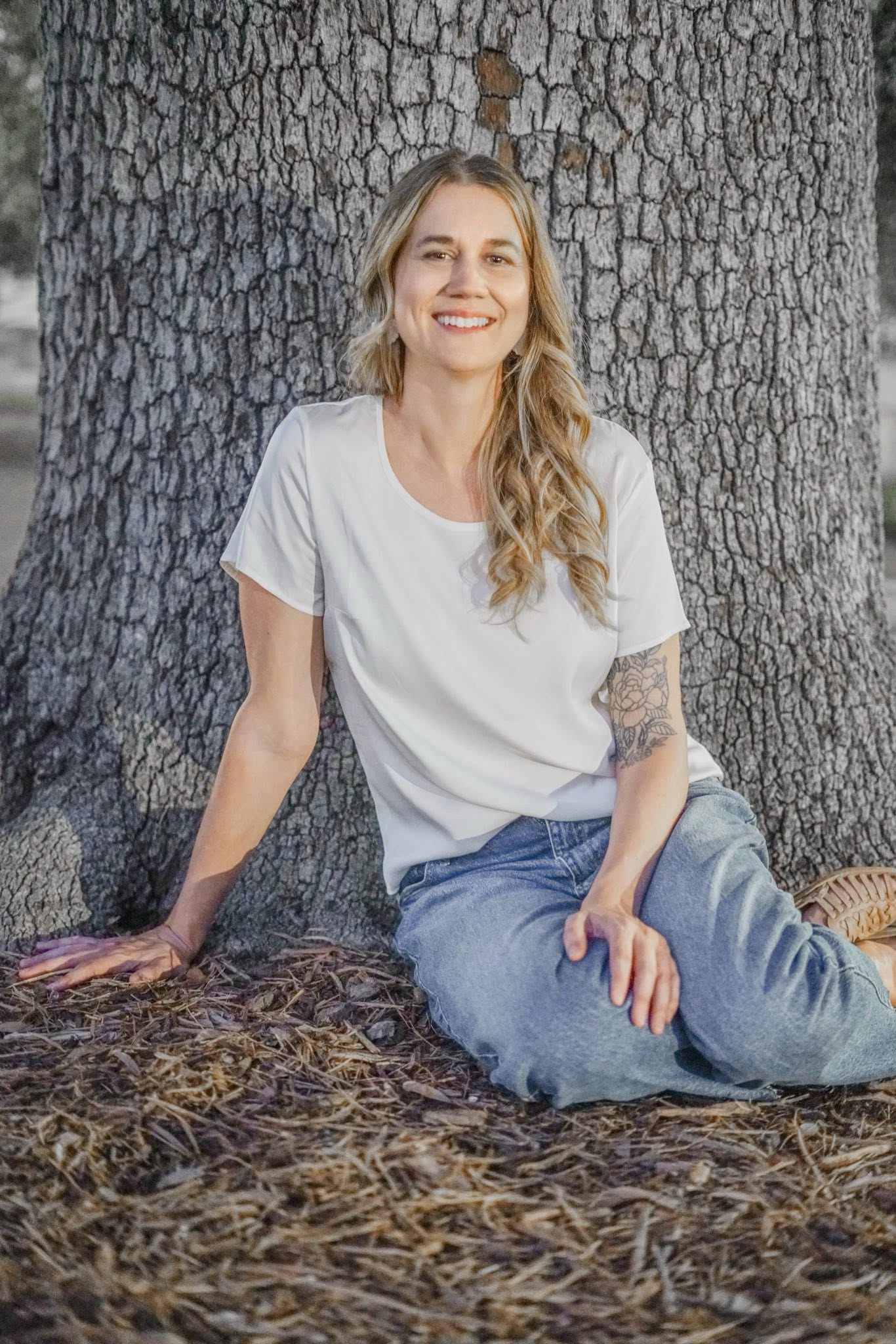
Today we’d like to introduce you to Whitney Sutherland.
Hi Whitney, so excited to have you on the platform. So before we get into questions about your work-life, maybe you can bring our readers up to speed on your story and how you got to where you are today?
My path to becoming a therapist grew out of both lived experience and a deep longing to understand the mystery of life and healing. I grew up in an abusive and unpredictable environment where secure attachment and emotional safety weren’t consistently available. As a child, I developed many strategies to hide from the overwhelming experience of being seen in a dangerous environment. Unfortunately, that often meant hiding my authentic emotions—my heart—not only from others, but also from myself. It also meant distancing from a deep longing for connection that, at the time, felt too painful to fully feel.
Even so, glimpses of safe connection left a lasting imprint on me. I was deeply moved by moments of heart connection I experienced with teachers, mentors, nature, and stories. Those experiences revealed something essential about what it means to be human: that being seen and cared for in a genuine way can be profoundly healing and bring deep meaning to life.
Over time, what once felt like something I encountered only in others began to take root internally. A gentle sense of warmth, belonging, and connection to life itself slowly emerged. In many ways, the same longing I once had to distance from eventually became a guiding thread, leading me toward deeper curiosity about how relationships shape us and how people find their way back to themselves after experiences that required them to disconnect from who they truly are.
My own healing journey eventually led me into the field of psychotherapy and toward trauma-informed relational work. I became especially drawn to working with complex trauma and the ways people adapt in order to survive environments where safety, support, or connection were limited.
What continues to inspire me about this work is the understanding that many of the struggles people carry—shame, disconnection, self-doubt, or feeling stuck—are not signs that something is wrong with them, but intelligent adaptations that once helped them survive. When these patterns are met with curiosity and compassion rather than judgment, they often open the door to deeper healing and renewed relationship with oneself.
Today, I work with individuals navigating complex trauma, relational wounds, and questions of identity and belonging. My approach is heart-centered and collaborative, grounded in the belief that meaningful healing unfolds through authentic human connection.
In many ways, the work I do today continues to follow the same thread that began in childhood: a deep respect and reverence for the transformative power of being seen, understood, and met with genuine care.
Would you say it’s been a smooth road, and if not what are some of the biggest challenges you’ve faced along the way?
It definitely hasn’t been a smooth road! It’s nice to be able to relate to that now with compassion and appreciation for the opportunities I found in some of the tough moments in my life. Like many people drawn to this field, my professional path has been intertwined with my own healing journey. Learning to sit with human suffering in a meaningful way requires a great deal of self-reflection, humility, and ongoing personal work.
One of the deeper challenges has been facing my own strategies of disconnection—patterns that once helped me adapt but that also limited my ability to fully experience life and relationship. That process is ongoing, and over time it’s actually become something I’ve grown to appreciate, even love. It isn’t always easy, because it often means turning toward parts of myself I once needed to set aside in order to keep going, or recognizing patterns I inherited that were difficult to see clearly in myself.
Being open to that process has deepened my trust in the possibility of transformation. Again and again, I’ve seen that when we meet ourselves with honesty and curiosity rather than judgment, something begins to reorganize. What can initially feel like a kind of free-fall—letting go of familiar ways of coping—often becomes the doorway to a different relationship with ourselves and with life.
Along the way, I’ve also learned to allow life to hold me more fully. That trust makes it possible for me to sit with others in their own process of transformation with greater steadiness and care. There is something deeply meaningful about accompanying people as they rediscover their own aliveness and authenticity.
These experiences have shaped how I approach my work as a therapist. They’ve strengthened my belief that healing is not about forcing change, but about creating the conditions where people can safely explore the unknown and gradually discover new ways of orienting toward themselves and the world. Over time, I’ve come to trust that life naturally moves toward greater health, vitality, and integration when we are willing to stay present with the process.
Alright, so let’s switch gears a bit and talk business. What should we know about your work?
I specialize in working with individuals who are navigating complex trauma and relational wounds. Much of my work focuses on helping people reconnect with themselves after experiences that required them to disconnect from their own needs, feelings, or sense of inner authority in order to survive.
One thing that shapes my approach is a deep respect for the intelligence of our inner life. I see many of the struggles people bring into therapy not as signs that something is wrong with them, but as meaningful adaptations to earlier environments where safety, support, or connection may have been limited. When those patterns are met with curiosity and compassion rather than judgment, they often begin to soften and reorganize.
I also approach therapy as a deeply human, relational process. Rather than positioning myself as an authority on someone else’s life, I see the work as an intersubjective experience—two human beings meeting in a space of curiosity and care. Like any real relationship, there can be moments of misunderstanding or rupture, but those moments can become powerful opportunities for repair and growth. When we can move through those experiences together with honesty and respect, they often deepen trust rather than diminish it.
A central part of my work is helping people reconnect with their own inner sense of authority and subjectivity. Many individuals who have experienced relational trauma learned early on to override their own experience in order to maintain connection or safety. In therapy, we begin to gently shift that pattern so that clients can rediscover their own internal compass and trust what they feel, sense, and know.
Over time, this often changes how people relate not only to themselves but to others as well. Instead of feeling pressure to be perfect or to avoid conflict at all costs, there can be a growing trust that authenticity—even when it includes mistakes—can become part of a deeper and more intimate relationship with oneself, with others, and with life itself.
What I feel most grateful for in this work is the opportunity to accompany people as they rediscover their own aliveness and authentic expression. I have been fortunate to know loving human beings who have met me with deep compassion and respect for the pace of my own self-reconnection. Knowing what that kind of care feels like makes it possible to offer the same space to others—to love from a place of having been loved. When that happens, the strategies that once felt rigid or protective often begin to soften, creating space for greater connection, vitality, and self-trust.
Where do you see things going in the next 5-10 years?
One of the things I’m increasingly aware of is how fragmented we’ve become as a society. Many people feel disconnected—from themselves, from one another, and from a deeper sense of belonging. Because of that, I believe the work of healing and reconnection is becoming more important than ever.
In my experience, the kind of healing that happens in therapy doesn’t stay confined to the therapy room. When someone begins to reconnect with themselves—with the parts of their experience they once rejected or pushed away—that shift tends to ripple outward. It often changes how they relate to their partners, their families, their communities, and the world around them.
I also think the field of psychotherapy itself has been evolving. Historically, many approaches understandably focused on diagnosing, categorizing, and pathologizing human experience. While those frameworks can be useful in certain contexts, they have sometimes unintentionally moved us away from seeing people in their full humanity. What gives me hope is that many practitioners and emerging approaches are emphasizing humanization—recognizing the intelligence of our adaptations, the importance of relationship and belonging, and even seeing symptoms not simply as problems to eliminate, but as forms of wisdom that may be attempting to guide us back into connection with ourselves.
When I look at the larger cultural landscape, I also see how much conflict grows from patterns of splitting—dividing things into good and bad, right and wrong, us and them. Those strategies can create a temporary sense of safety, but they often keep us locked in cycles of fear, blame, and defensiveness.
To me, part of the future of this work is learning how to humanize again—how to include what we once saw as “other,” both within ourselves and in our relationships with others. When people begin to welcome the parts of themselves they once rejected, something shifts internally. They develop a deeper sense of security and self-trust.
From that place, it becomes much easier to see others with greater compassion and complexity as well. That’s where I believe the ripple effect of healing begins—when reconnection within ourselves naturally extends outward into our relationships, our communities, and hopefully the larger world we share.
Contact Info:
- Website: https://www.whitneysutherland.com
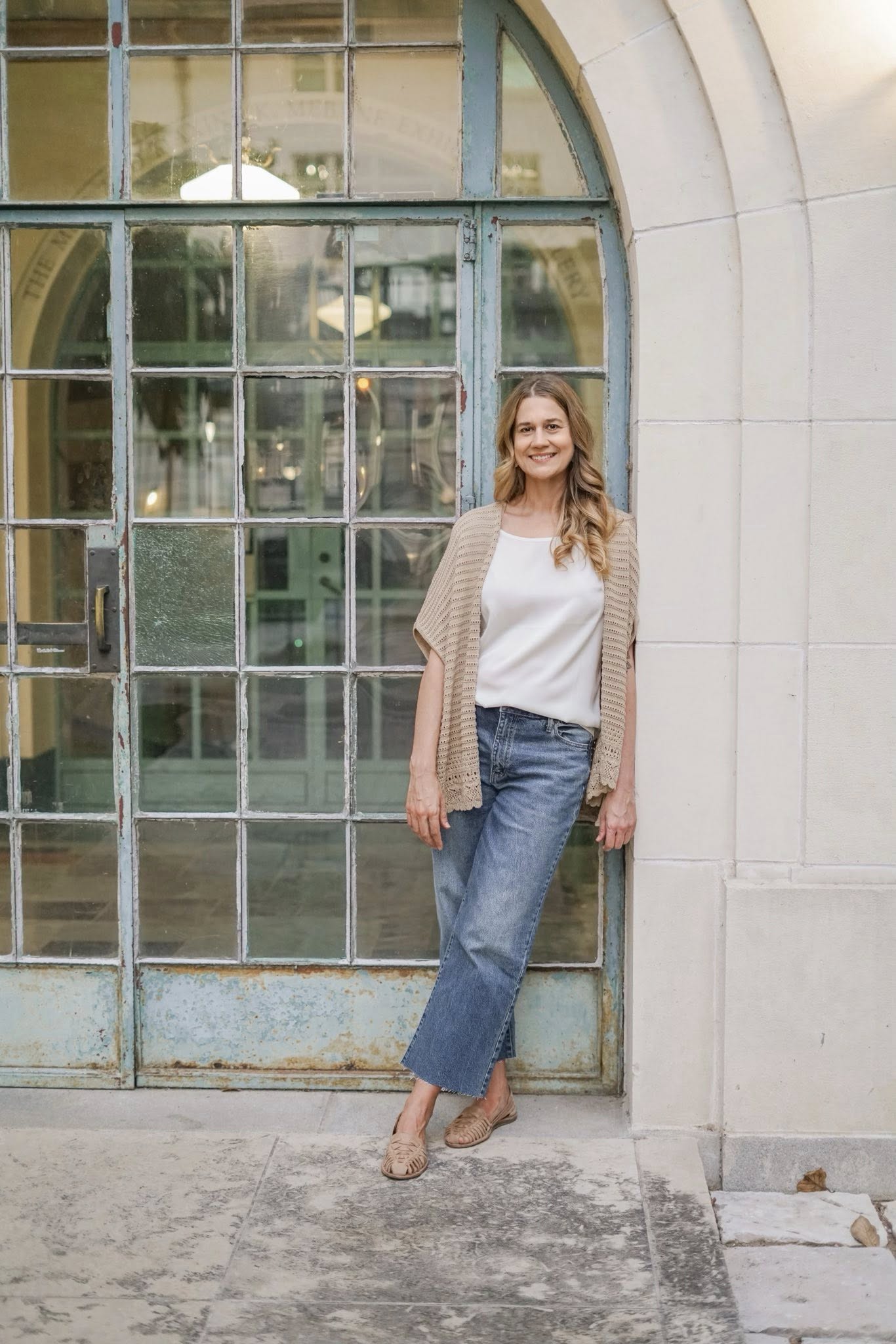
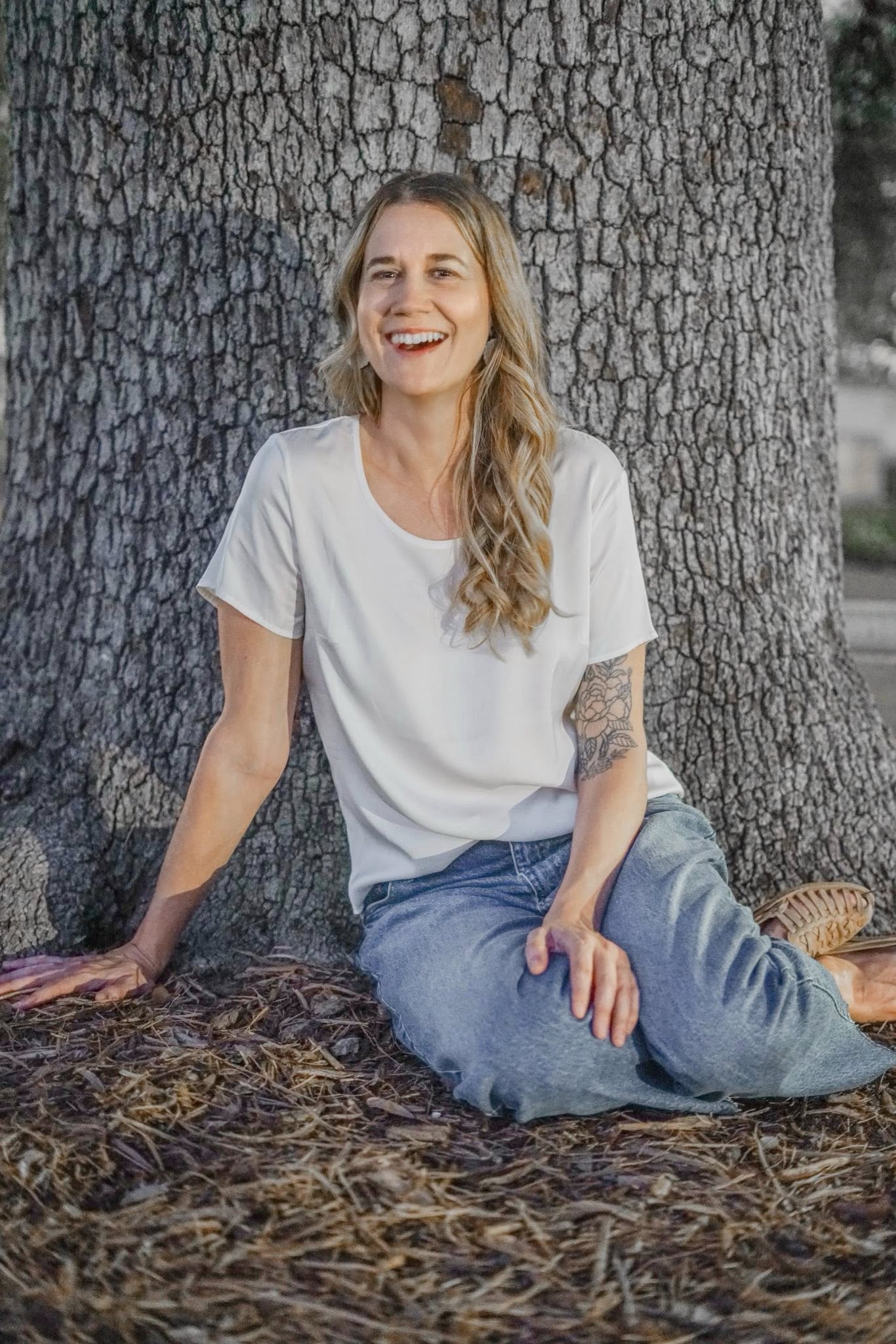
Image Credits
Photos by Sarah Byrd