


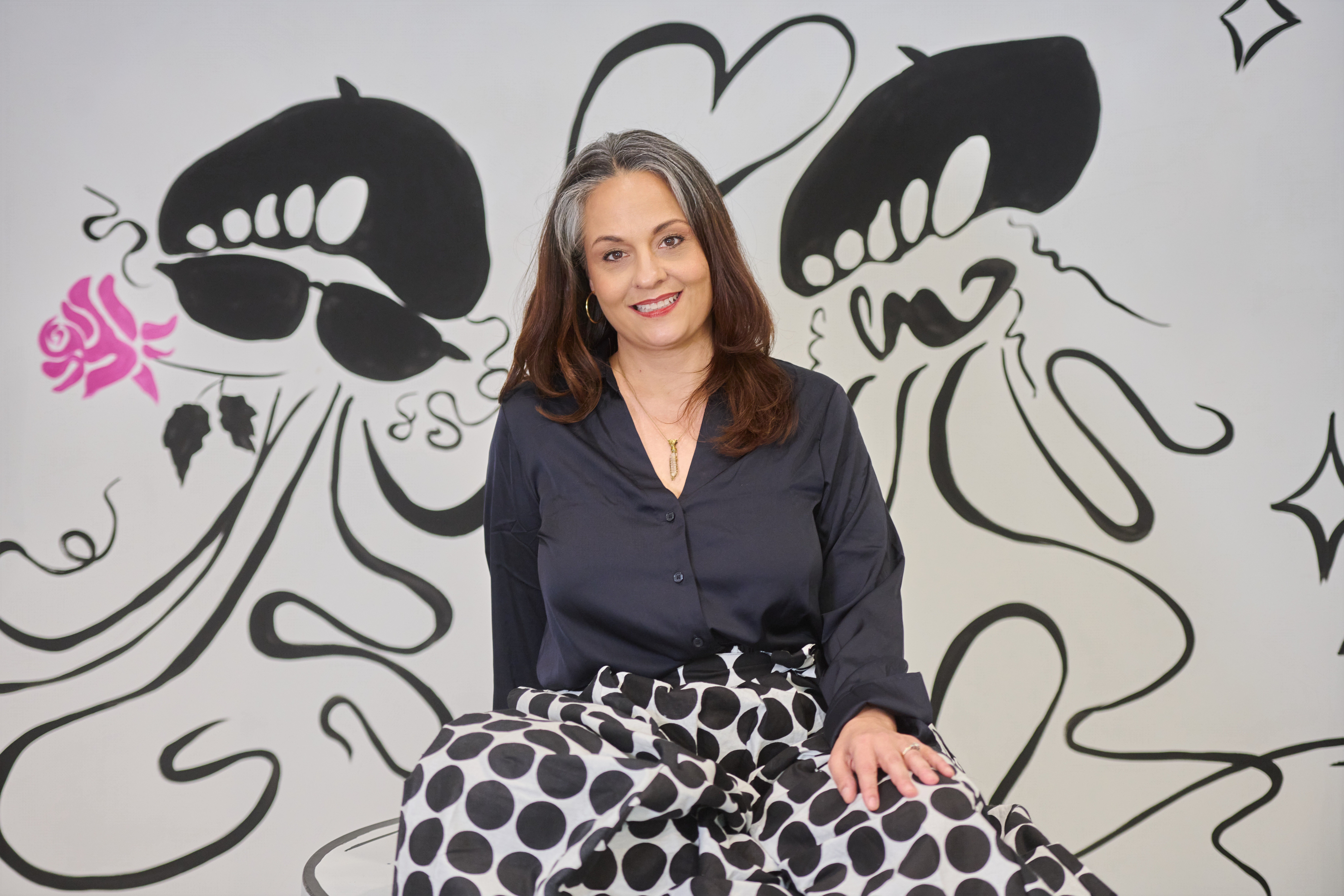
Today we’d like to introduce you to Amelia Rabroker.
Hi Amelia, thanks for joining us today. We’d love for you to start by introducing yourself.
Art has always been the language of my life.
I come from a family of artists. Creativity wasn’t an extracurricular activity in our home — it was how we processed the world, how we told stories, how we healed. I have spent over 30 years advocating for art education because I know, personally and professionally, what art does for mental health, identity, education, and understanding.
My formal training began at Austin Community College, where I immersed myself in studio coursework. During that time, my work was featured in an exhibition at the Dougherty Arts Center in Austin — an early milestone that affirmed my commitment to creating and exhibiting my work publicly.
I later continued my studies at Baylor University, earning a degree in Education with a specialization in Art Education.
During my time at Baylor, I was already building arts access in the community. I started an afterschool art program for Connally ISD and worked with the Art Center of Waco, expanding opportunities for students to engage in meaningful creative practice. Even as a student, I was focused not only on making art, but on creating structures where art education could grow.
After earning my degree, I went on to teach in Killeen ISD, where I spent 11 years in the public school system. During that time, I started one elementary art program and later went on to teach and build another, helping establish strong foundations for arts education at the campus level.
Much of my time was spent teaching on an Army base. Working with military-connected children showed me something profound: art is often the safest place a child has to process change, instability, deployment, grief, and transition.
Yet I also saw something else — art was always first on the chopping block.
Even when administrators valued it.
Even when students thrived in it.
Even when data supported it.
The writing was on the wall. Arts funding was never secure.
So instead of waiting for the system to stabilize, I built something mobile.
Thirteen years ago, that vision expanded into entrepreneurship when I founded Tap Tap Art School.
The idea came from teaching an International Baccalaureate French and art program. My students studied the Tap Tap buses of Haiti — brilliantly painted public transport vehicles that function as moving works of art. They are loud, expressive, impossible to ignore.
I remember thinking: what better metaphor for art education?
I started small teaching out of my car. Then I purchased a bus and created a traveling studio that contracted with schools, offered field trips, and brought immersive, hands-on art experiences directly to children.
The exterior was airbrushed by the late artist Von Otto — a Vietnam veteran who found healing through art after struggling with trauma. He was well known in the airbrush world, but what mattered most to him was that art saved his life. He believed in what I was building.
Every time that bus rolled out, it carried more than paint and supplies. It carried the belief that art could restore, stabilize, and transform.
From Wheels to Walls
As the program grew, families wanted a permanent space. I purchased an old house in Harker Heights and transformed it into what became The Art Space of Central Texas — an art house filled with after-school programs, summer camps, pottery studios, open workspaces, and community workshops.
It was never just about technique.
It was about belonging.
During COVID, we stayed open for children of essential workers. We slowed down. We sewed face masks. We created hybrid homeschool and virtual programming. We adjusted constantly. Art gave students continuity when the world felt fractured.
The buses are no longer in service — old buses are expensive and finicky — and the business evolved. What began as a mobile classroom has become a multifaceted creative hub.
Today we operate an art café where guests can choose projects from a creative menu. We have a full pottery studio, advanced ceramics classes, youth programs, adult workshops, a splatter room, rentable creative spaces, and a co-op model where artists teach yoga, Reiki, dance, music, empowerment workshops, metaphysical gatherings, and community-based programming.
We continue outsourcing education to schools and working with local districts for art field trips and educational programs.
The space has become more than a studio.
It is a community ecosystem.
And in Central Texas, that matters.
⸻
Art as Advocacy
My advocacy has always been rooted in one belief: art is not just decorative. It is foundational.
Artists are record keepers.
We are history makers.
We hold up mirrors.
We help communities see themselves.
For three decades, I have fought to demonstrate art’s value within systems that often measure only what fits inside a standardized test. I have stood firmly for arts funding, for mental health support through creative expression, and for recognizing artists as essential contributors to civic life.
Eventually, that advocacy expanded.
When you spend decades fighting for the arts inside institutions, you begin to see how systems are built — and where they fail. My work naturally evolved from classroom advocacy to broader civic engagement.
Today, as I run for a seat in the Texas State House representing HD 55, I do so as an artist first.
Artists see patterns.
We work iteratively.
We imagine what does not yet exist.
We encourage imagination
Creativity is not separate from leadership. It is leadership.
The same skills that built a traveling art bus, transformed a house into a creative sanctuary, and sustained a studio through financial strain and a pandemic are the skills required to rebuild systems: vision, resilience, imagination.
I started as an artist.
I am still creating.
The canvas is simply larger now.
We all face challenges, but looking back would you describe it as a relatively smooth road?
Building a life in the arts has never been the easy road — especially in Texas, where art education is often treated as enrichment rather than essential.
For years, I struggled financially.
There is a persistent narrative that art is optional — that it is something “extra” once the “real work” is done. I have spent my entire career pushing back against that idea. Art is not daycare. It is not filler time. It is not just decorative.
It is developmental.
It is therapeutic.
It is academic.
It is civic.
But belief does not always translate into funding.
There were seasons when keeping the doors open required personal sacrifice. I made a commitment early on that if I was going to build a creative space, it would not be built on underpaid artists. I knew too many talented creatives who were expected to work for exposure or passion alone. That was never acceptable to me.
Even when margins were thin, I fought to keep artists employed at livable wages. If we say art has value, we have to value the artists.
There were also misconceptions to navigate. At times, our work was treated as glorified childcare rather than the structured, standards-based, mental-health-supporting educational program it truly was. I had to continually educate parents and the broader community about the depth of what we were doing.
Then COVID hit.
Like many small creative businesses, we were shaken. But closing wasn’t an option — not when families were scrambling and children were isolated. We pivoted into a hybrid homeschool and virtual model almost overnight. Staff members learned to sew masks. We adjusted schedules. We restructured everything.
It was exhausting. It was uncertain.
But we made it through.
The throughline in every season — financial strain, political shifts, public health crisis — has been this: the community comes first.
I have shifted models, restructured programs, and reimagined the business more than once. But I have never lost the purpose. The purpose has always been to provide a place where art is taken seriously and where children and artists are treated with dignity.
No matter the climate, I made sure the doors stayed open.
Because when art is undervalued, someone has to insist on its worth.
Alright, so let’s switch gears a bit and talk business. What should we know about your work?
After COVID, I hit a wall.
Like many educators and small business owners, I experienced burnout — but it was deeper than exhaustion. I was approaching midlife, and the pandemic had exposed more than cracks in public systems. It revealed the inequities embedded in the constructs we all move through — race, gender, class, power. COVID didn’t create those systems. It illuminated them.
It also forced me to look inward.
For most of my life, I had coped with trauma the way many high-capacity women do: I worked. I built. I advocated. I poured into others. I taught art. I encouraged artists. I created space for hundreds of children to find their voices.
But I had not fully claimed my own.
I had spent decades teaching art without allowing myself the time and permission to be a practicing artist at depth. Somewhere along the way, I began to feel more like a facilitator than a creator. I questioned whether I was a “worthy” artist at all.
When my staff became solid and the studio stabilized, I made a decision that felt both terrifying and necessary: I stepped back for two years and returned to my home studio.
That time changed everything.
I began deconstructing the very systems I had spent years navigating — race, gender, social conditioning, hierarchy. I examined how constructs marginalize entire communities, but also how I had unconsciously upheld certain narratives through societal indoctrination. I confronted personal trauma that was intertwined with those structures.
The work was not neat. It was raw. It was layered. It was uncomfortable.
And it was honest.
The culmination was an immersive exhibition titled Heal, Educate, and Ignite.
The show invited viewers into a full sensory experience — food, poetry, music, and visual art woven together. It was not meant to be passively observed. It was meant to be felt.
The message was simple but deeply held: healing precedes education. Education precedes ignition. And ignition is what creates real change.
I still believe that.
Art is not just expression. It is excavation. It is reckoning. It is reconstruction.
Taking those two years was not stepping away from my work — it was deepening it. I returned to my community clearer, stronger, and more rooted in my own artistic voice.
Today, whether in the studio, the classroom, or the civic arena, that philosophy remains: we heal, we educate, and then we ignite.
Because that is how we build the world we want to see.
Do you any memories from childhood that you can share with us?
It’s hard to choose just one memory because I grew up in an artist family — which meant we were always making something.
If I saw something in a store and said I wanted it, my dad would smile and say, “Oh, we can make that. And we can make it better.”
As a child, I’ll admit, sometimes I just wanted to buy the thing like everyone else. But looking back, that mindset shaped everything. It taught me that creativity wasn’t about consumption — it was about possibility.
We made things out of bamboo from our backyard. We turned paper plates into sculptures. Nothing was wasted. Everything was material.
I was always creating. And I was always scheming a little bit, too.
Entrepreneurship was in my blood. My grandfather owned our neighborhood convenience store, and I watched what it meant to run something of your own. My grandfather immigrated to this country and built businesses from nothing. That story — of building, of risk, of vision — was part of our family narrative.
So I started my own ventures early.
I baked truly terrible cookies and went door to door trying to sell them. I carried a rake with me and offered to clean yards if the cookies didn’t sell. I wasn’t afraid to knock. I wasn’t afraid to ask.
Looking back, that combination — art and entrepreneurship — has always been intertwined in my life.
One of my favorite memories is of my Aunt Mary. She covered all of her walls with butcher paper so we could draw directly on them. She called it her wallpaper. She said it was the best wallpaper she could ever have.
And she kept it up for nearly forty years.
That kind of belief in a child’s creativity changes you. It tells you your imagination is worthy of space. It tells you your marks matter.
Art, risk-taking, building from nothing — those are not things I learned later in life. They were woven into my childhood.
And they are still the foundation of everything I create today.
Pricing:
- Event space rentals starting at $40 per hour
- kids classes start at $95 per month
- Adult pottery classes $275 per month
- Art Cafe projects range from $5-$65
- adult pottery nights $55
Contact Info:
- Website: https://www.theartspaceofcentraltx.com/
- Instagram: https://www.instagram.com/artspaceofctx?igsh=MTltZ3U3MzN4c2lobg==
- Facebook: https://www.facebook.com/share/1GV2q8bjTn/?mibextid=wwXIfr
- Other: Tik tok @theartspaceofctx
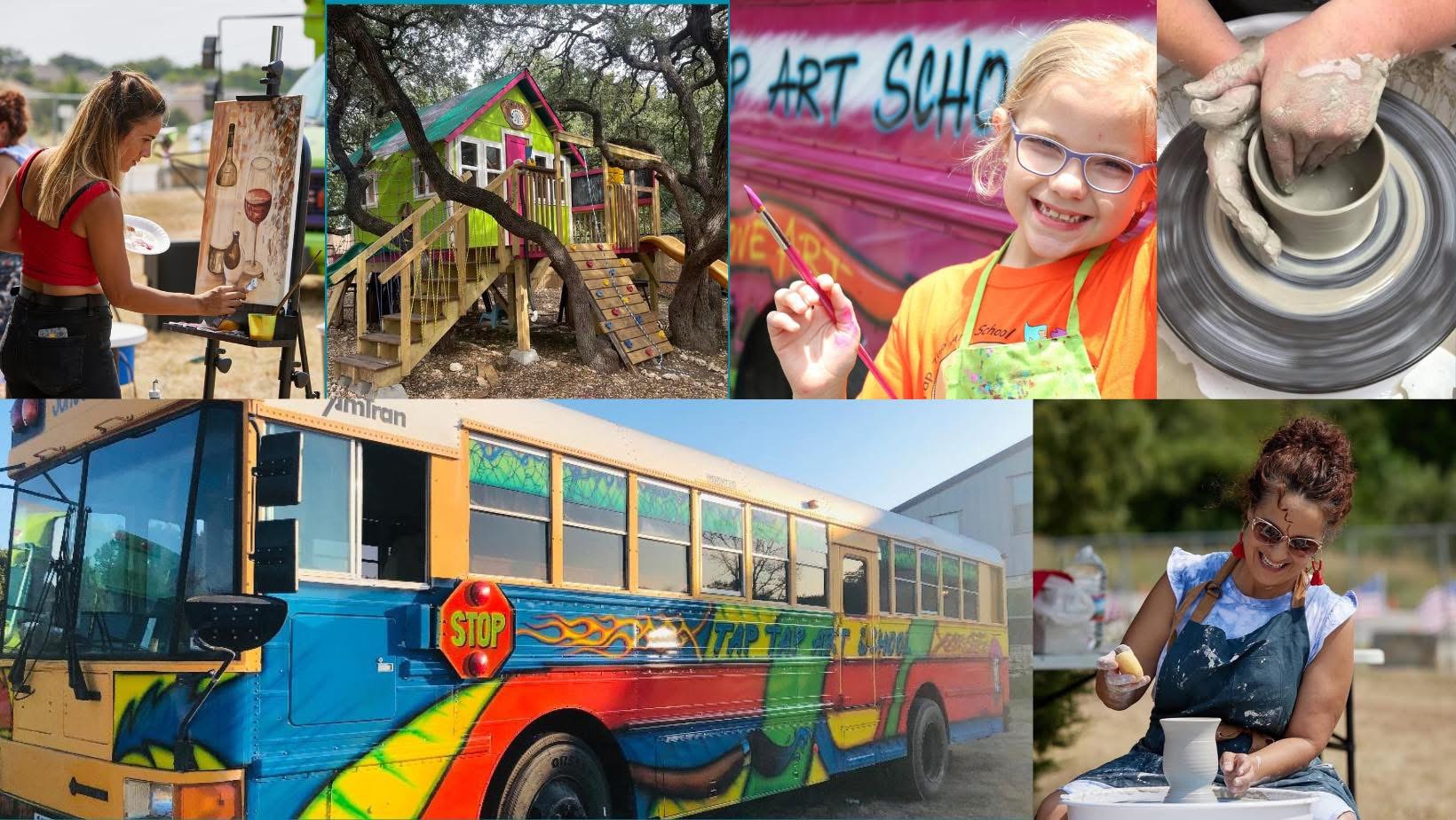
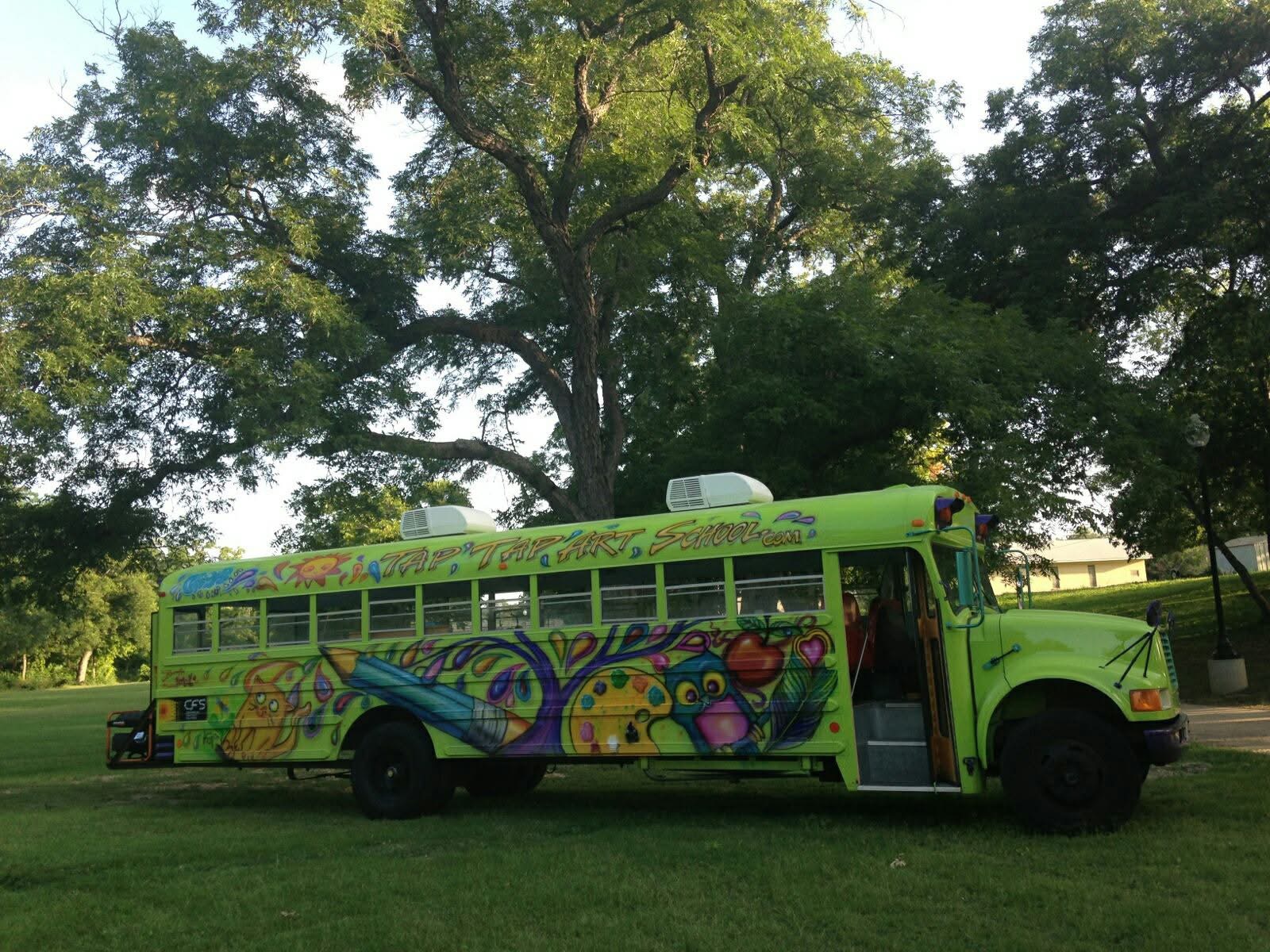
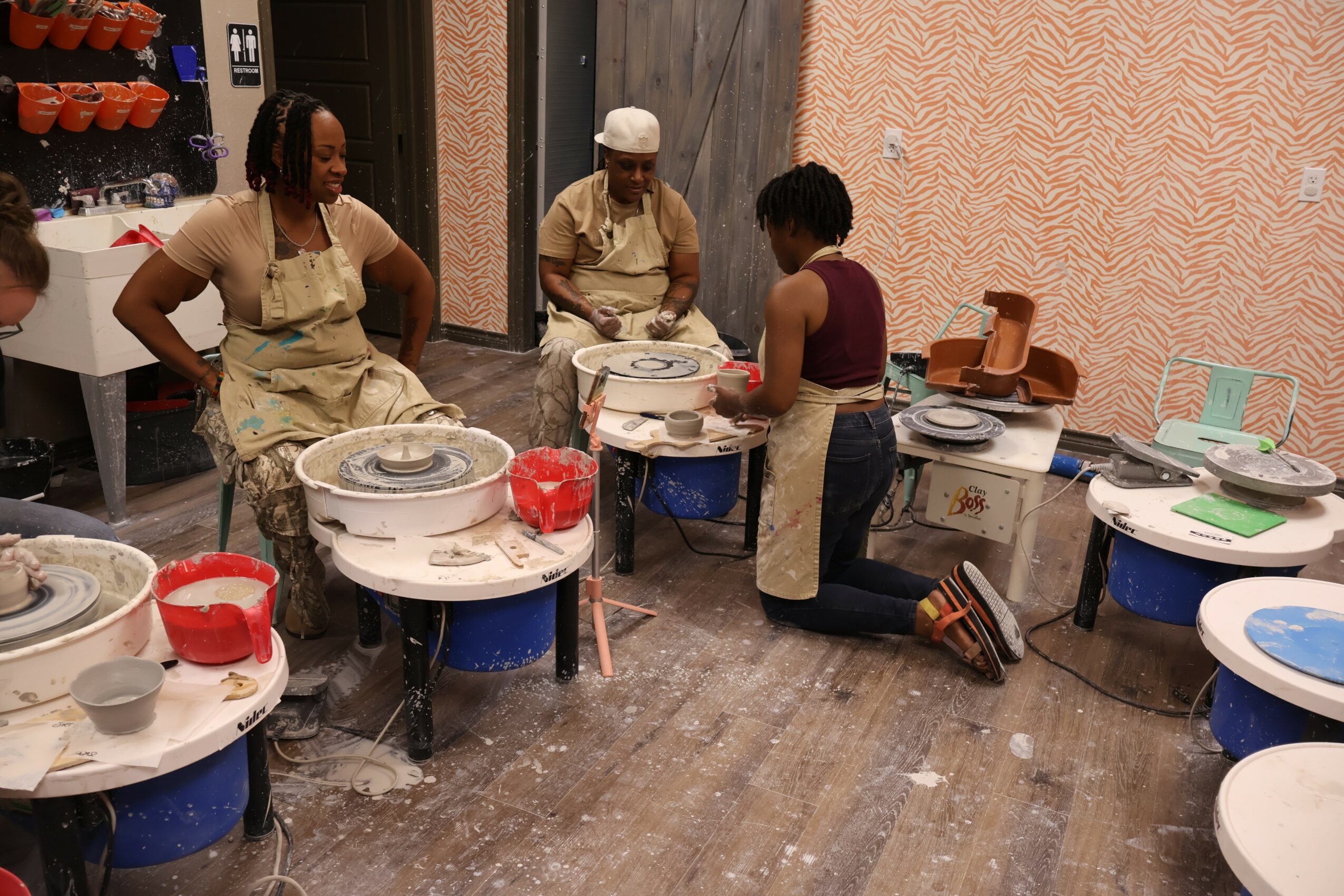
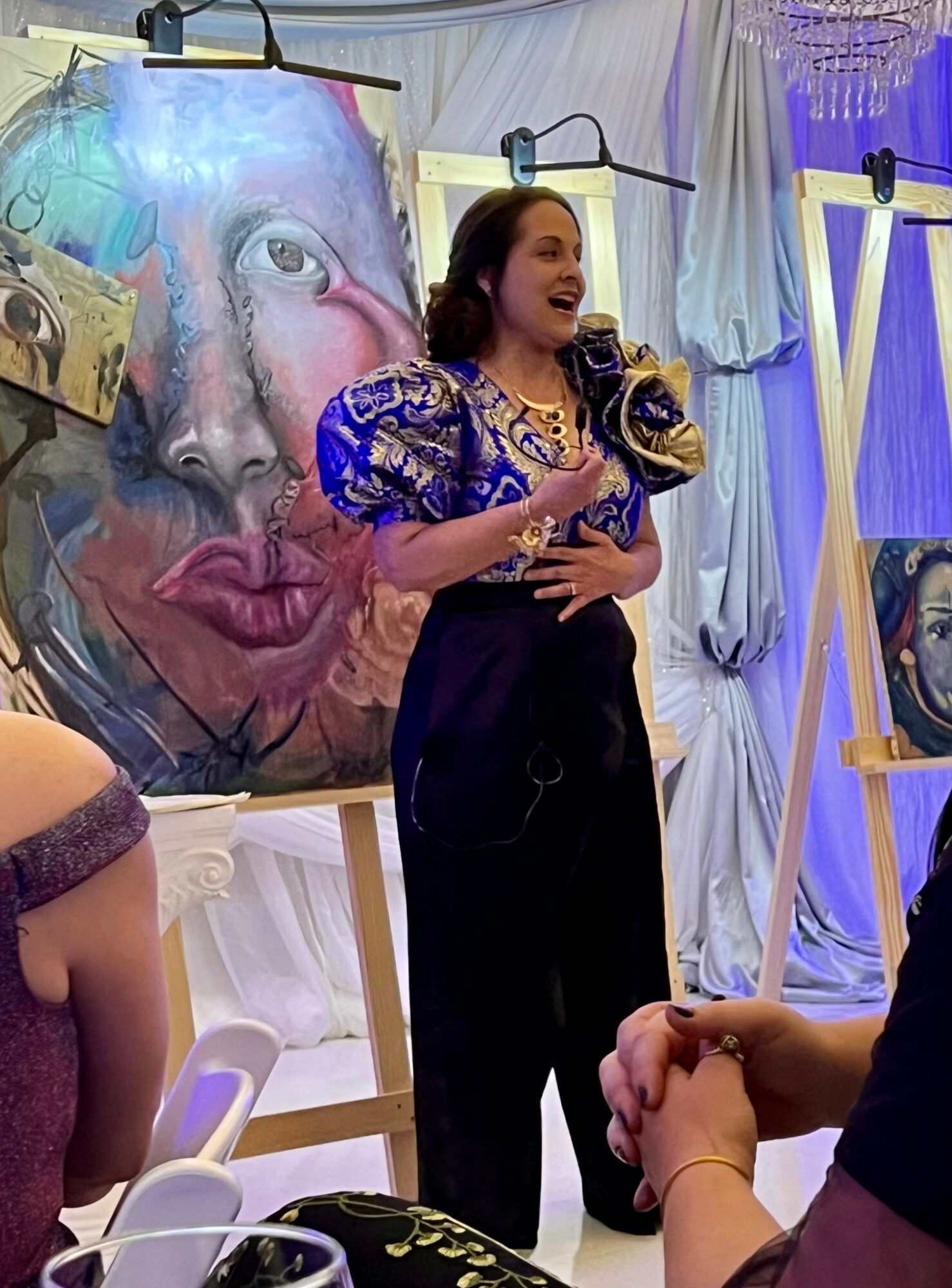
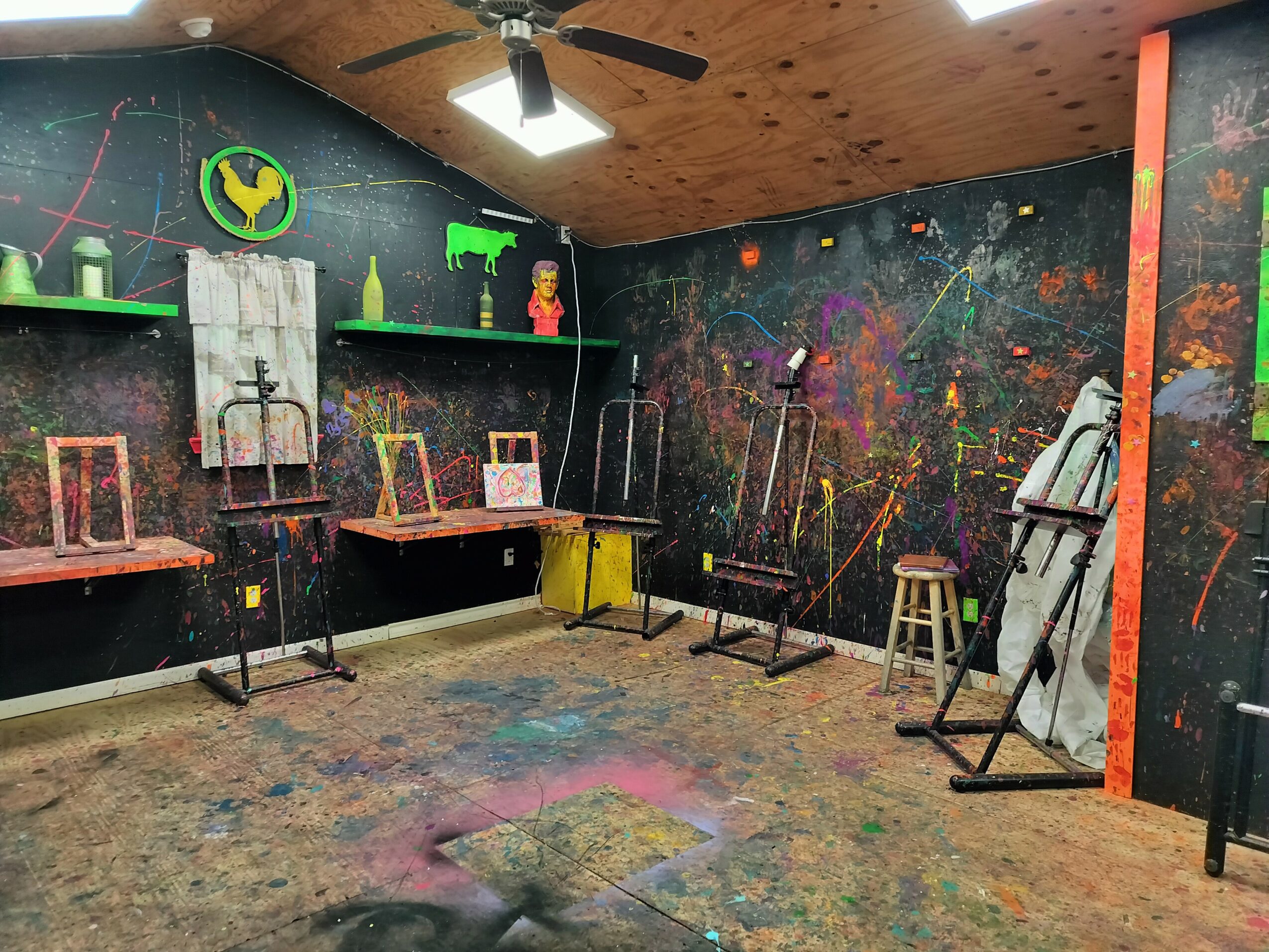
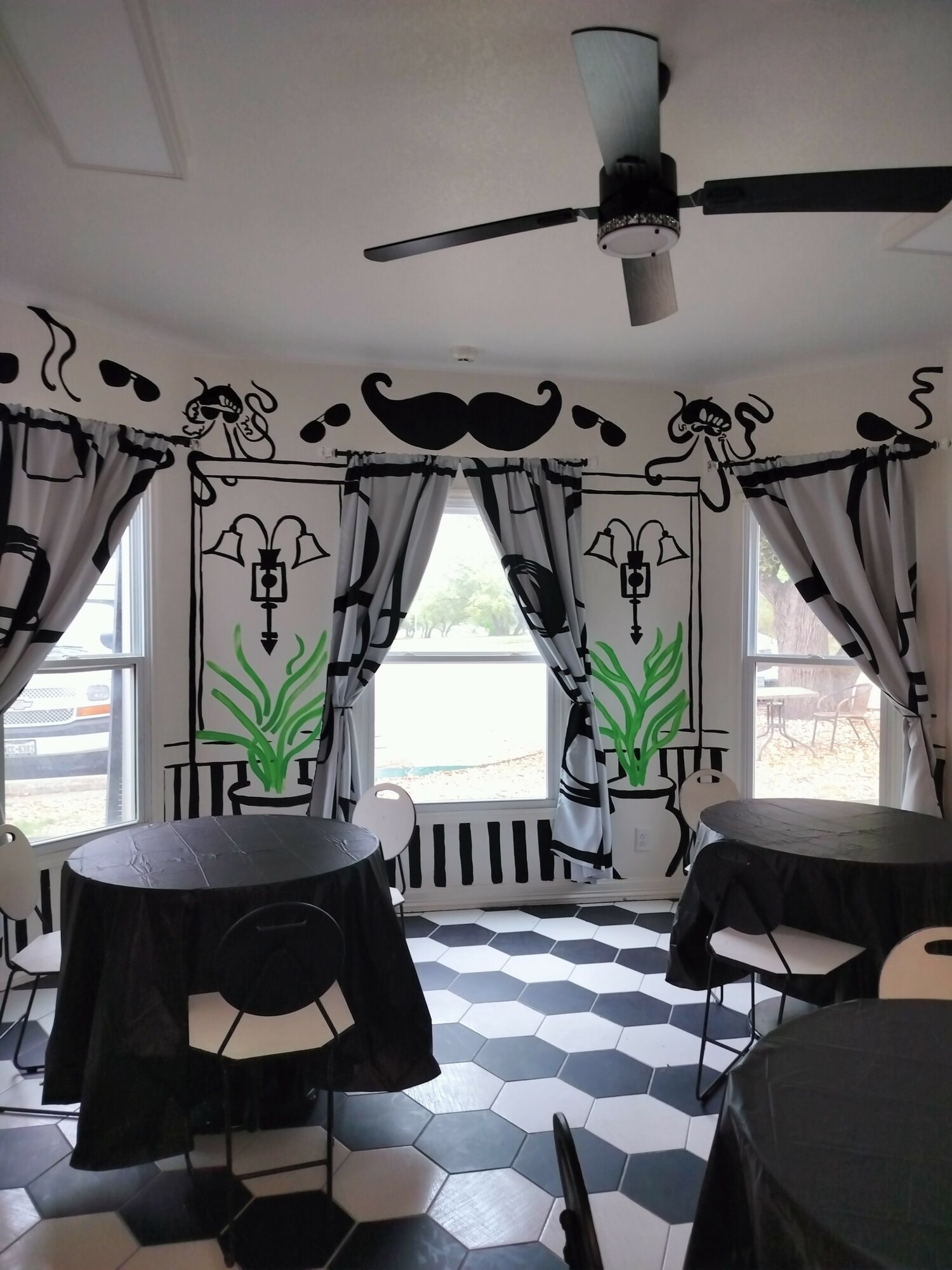
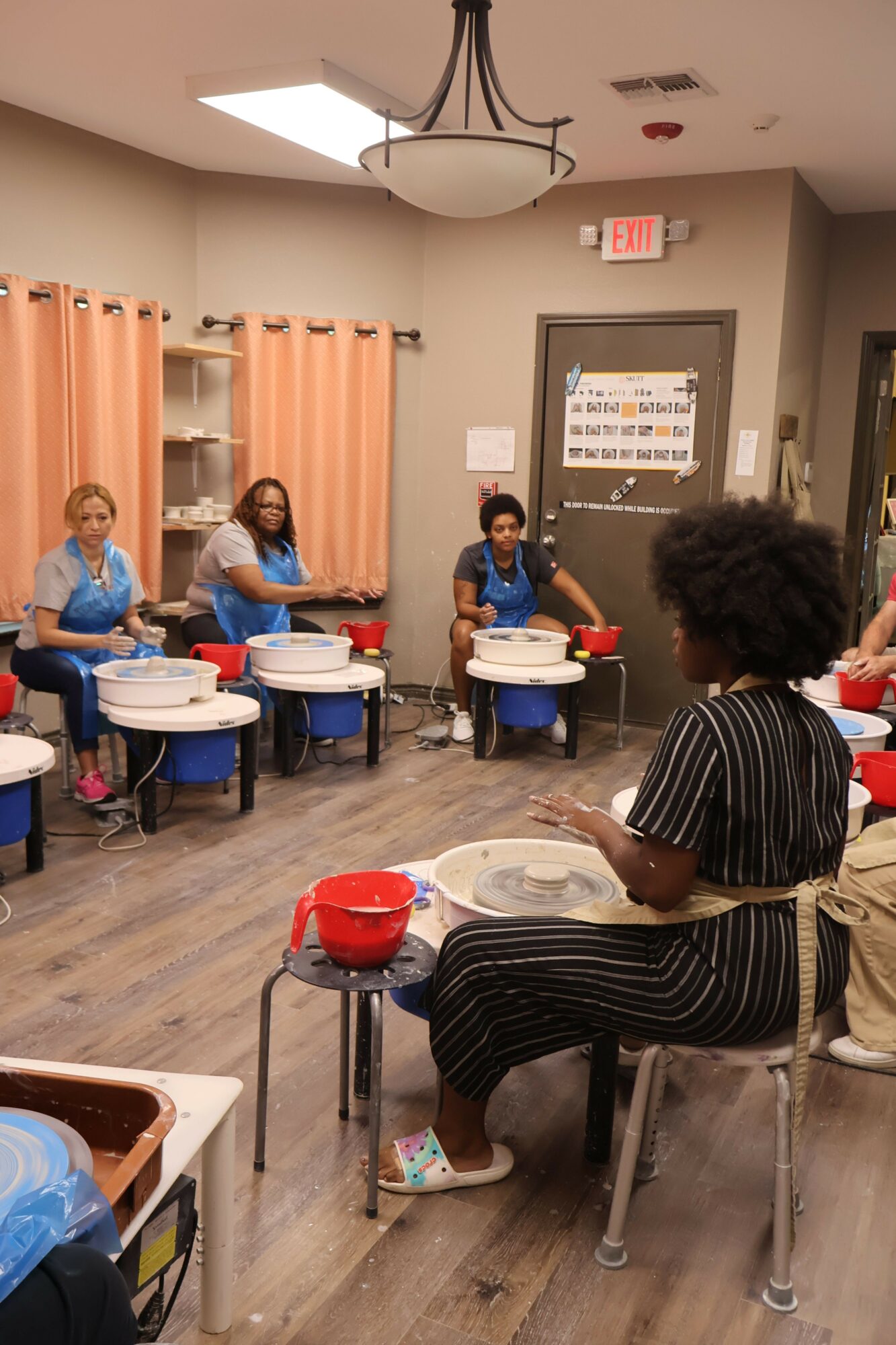
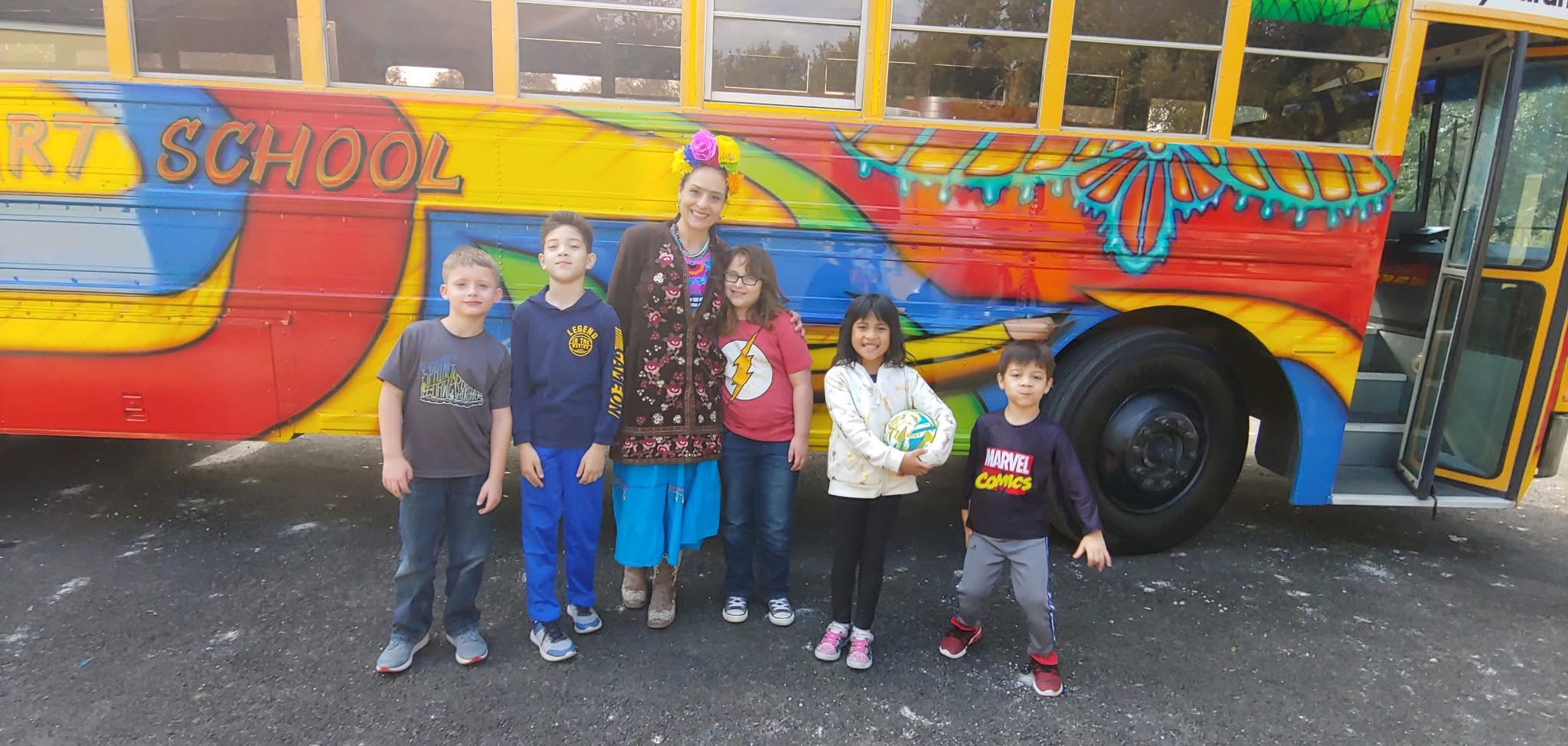
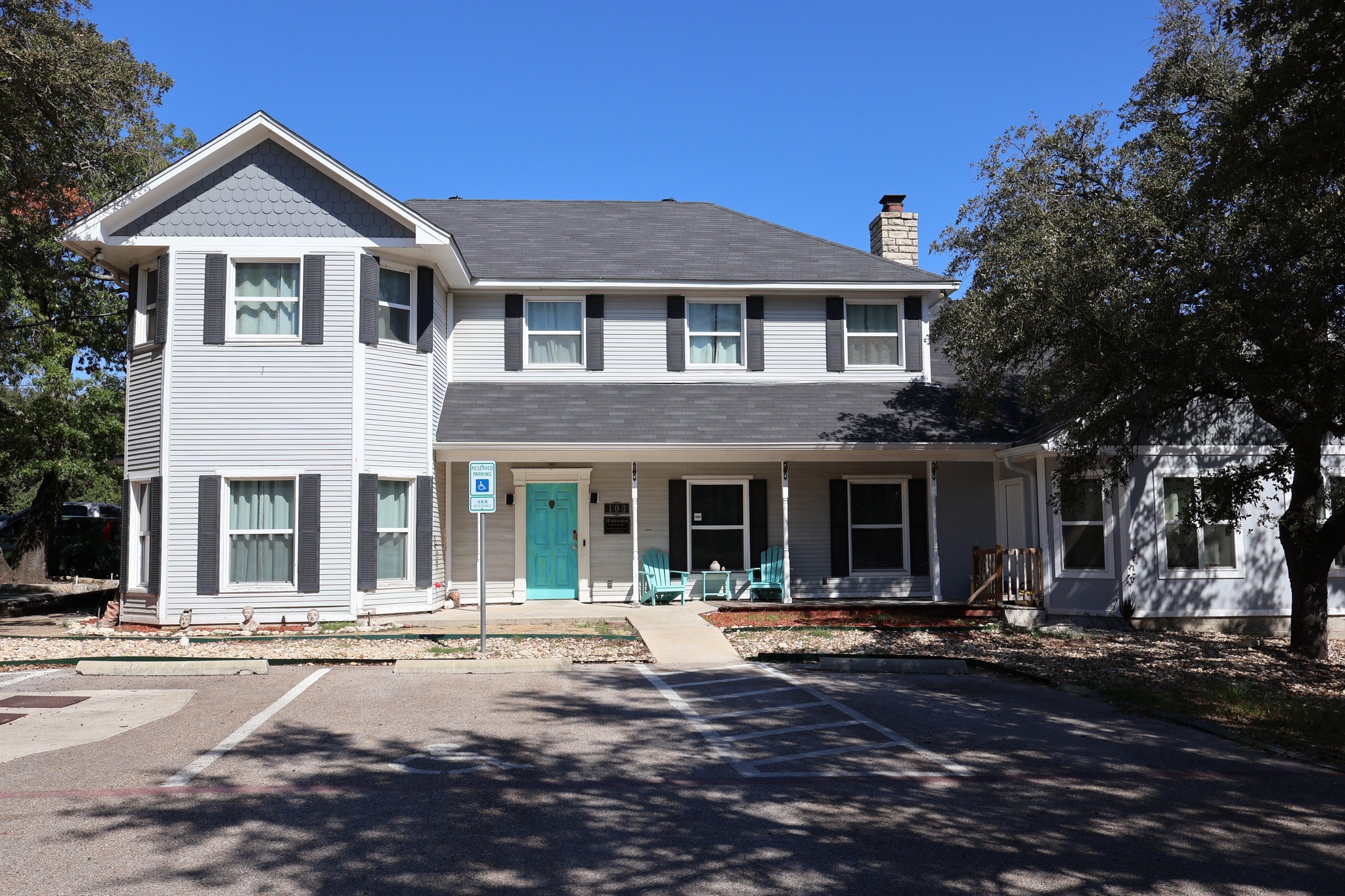
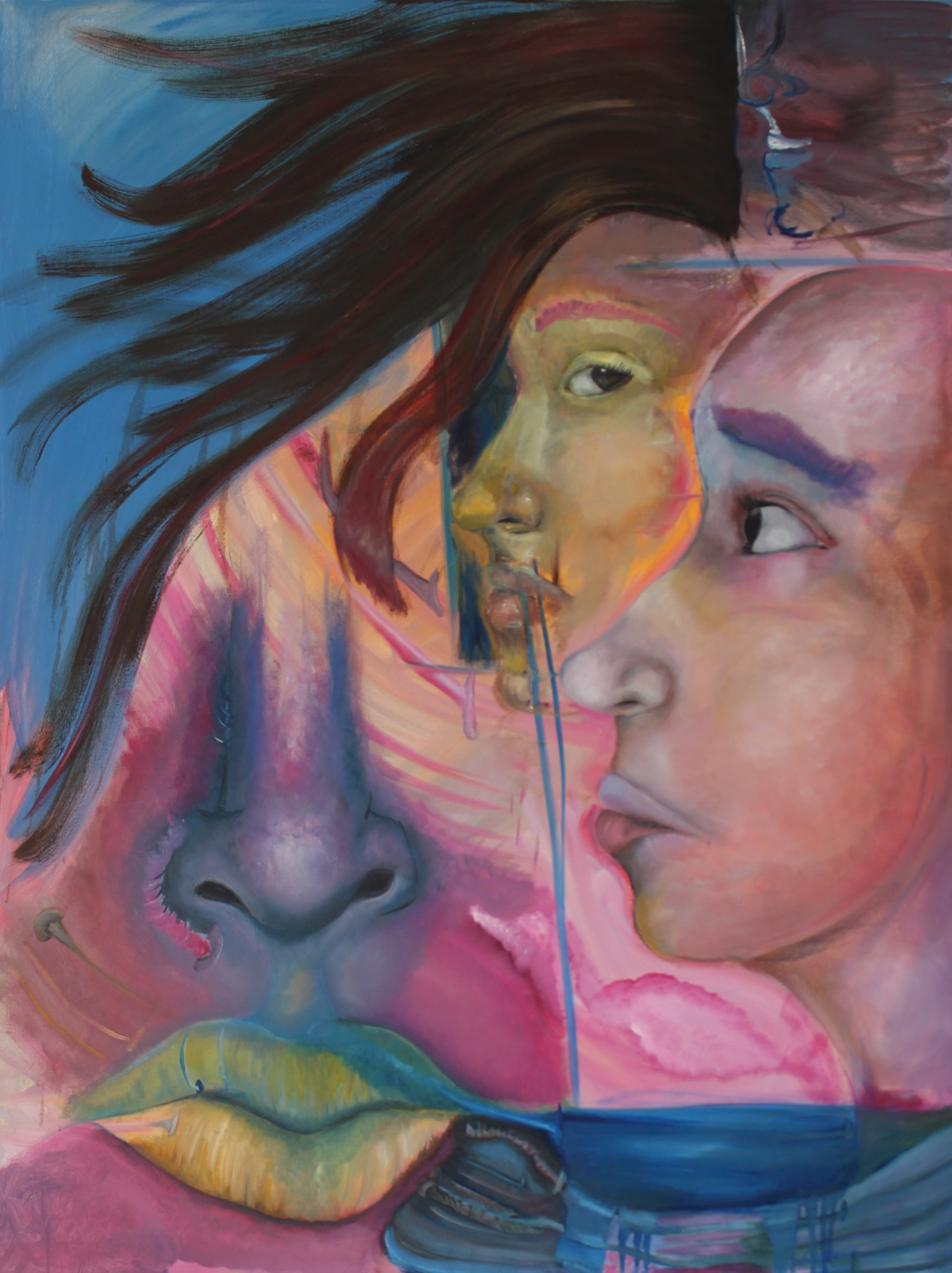
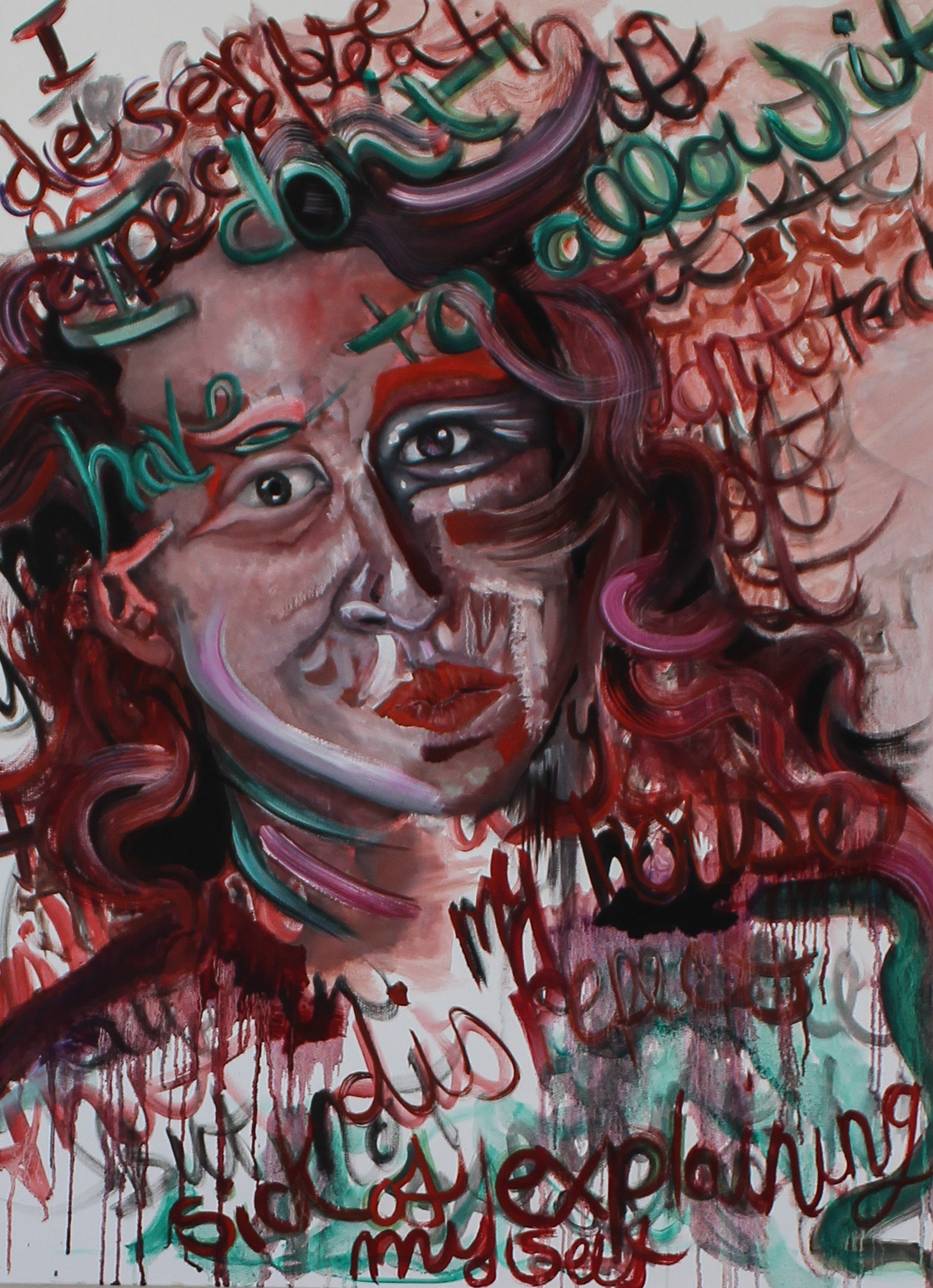
Image Credits
Priscilla Zubizarreta Linnemann Photography