


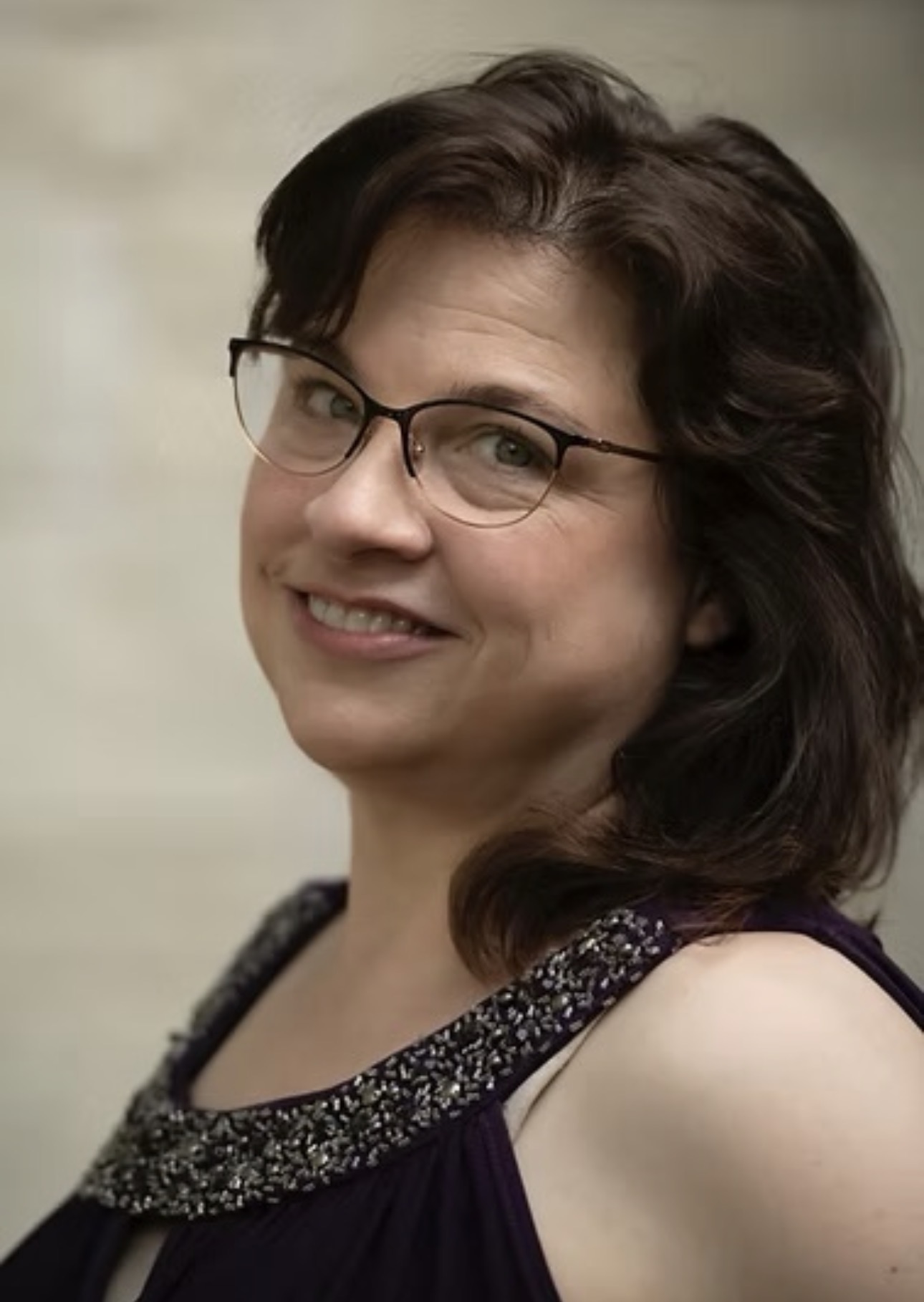
Today we’d like to introduce you to Amy Levine-Tsang.
Alright, so thank you so much for sharing your story and insight with our readers. To kick things off, can you tell us a bit about how you got started?
My professional life began in New York City. I built a busy performing career and taught at the collegiate level. Those years shaped me deeply. I was influenced by the intensity, the high standard of playing, and the constant inspiration of being surrounded by so much great music.
In the early 2000s, when we were about to have our first baby, my husband accepted a professorship at UT Austin, and we made the move. New York will always be part of me, but at that moment Austin offered much-needed breathing room and a different pace for family life. Although Austin has long been known as the “Live Music Capital of the World,” that reputation has never really referred to classical music—especially twenty years ago, when I moved here. At first I continued traveling for concerts and touring with my piano trio, but over time my life shifted toward building a more grounded home base here in Austin.
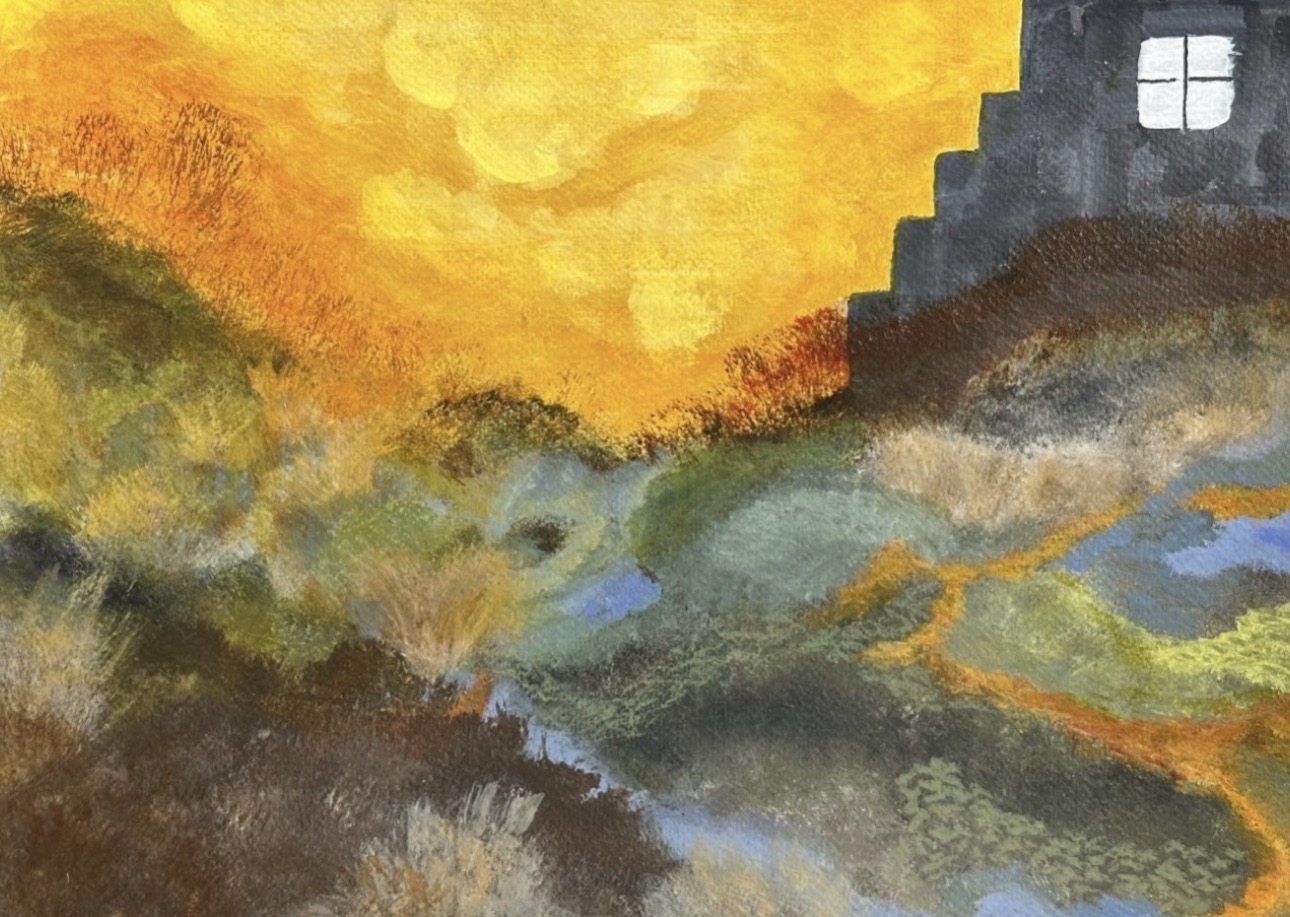
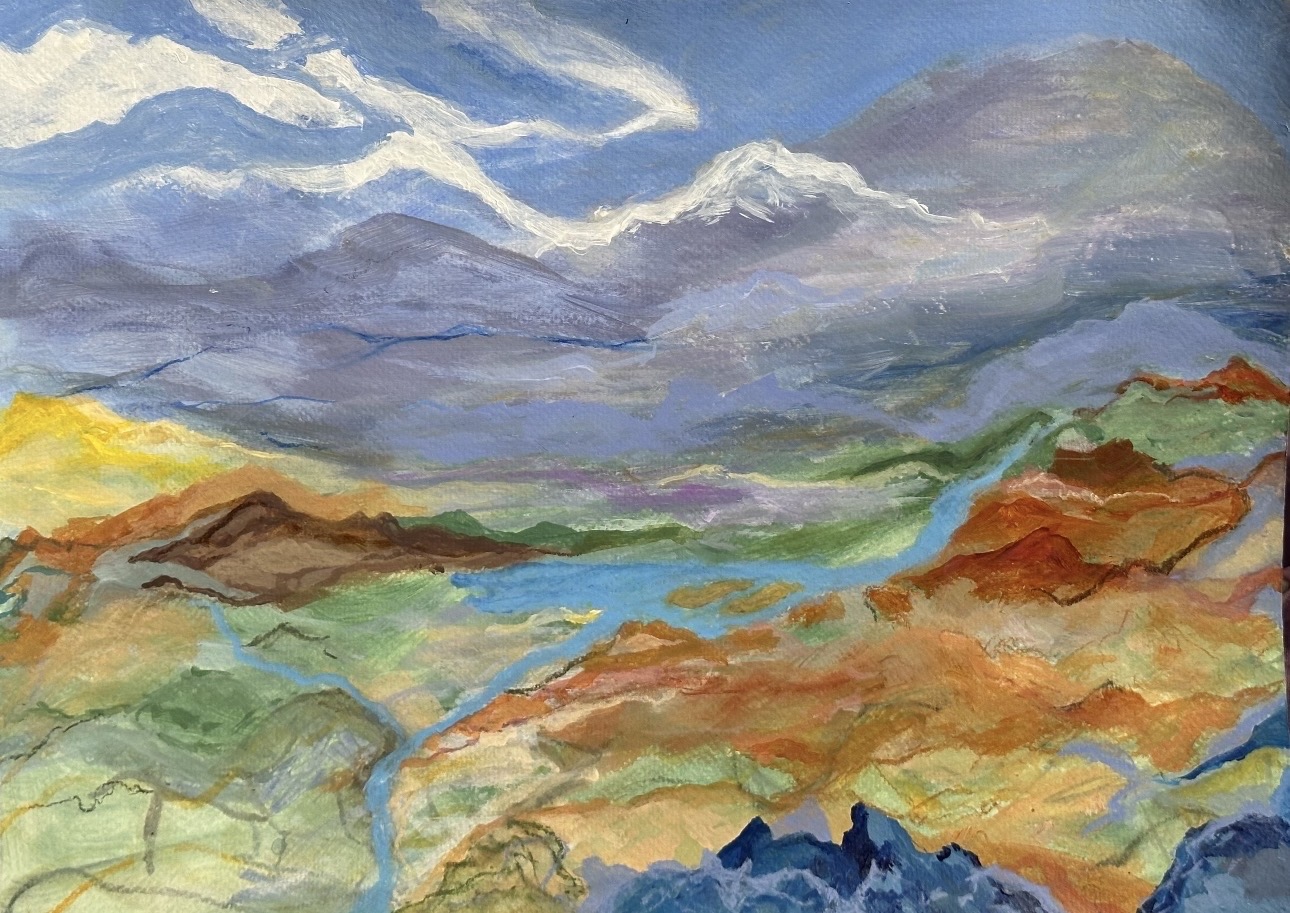
Now that my children are almost grown and mostly out of the house, I’m finding my way back to myself creatively. For a couple of years now, I have been experimenting with painting, and it has become a meaningful extension of how I think about music and expression.
My cello mentor, Aldo Parisot, was also a painter, and he often spoke to me about the relationship between musical line and visual line. I still have drawings on my music that he made for me years ago, trying to indicate phrase structure and represent gesture in his own distinctive way. Painting has helped me reconnect with that idea—that a phrase can be shaped the way a line can be drawn, and that both are ultimately about expression.
Can you talk to us a bit about the challenges and lessons you’ve learned along the way. Looking back would you say it’s been easy or smooth in retrospect?
One of the hardest things for me was learning how to move through transitions. The shift from New York to Austin was a major change in pace, identity, and routine. I had to learn how to stay connected to myself as an artist while also embracing a new stage of life and new priorities. It also required me to rethink what purpose and fulfillment looked like to me, since mine had previously been tied up in spending the majority of my waking hours with my cello.
Alright, so let’s switch gears a bit and talk business. What should we know about your work?
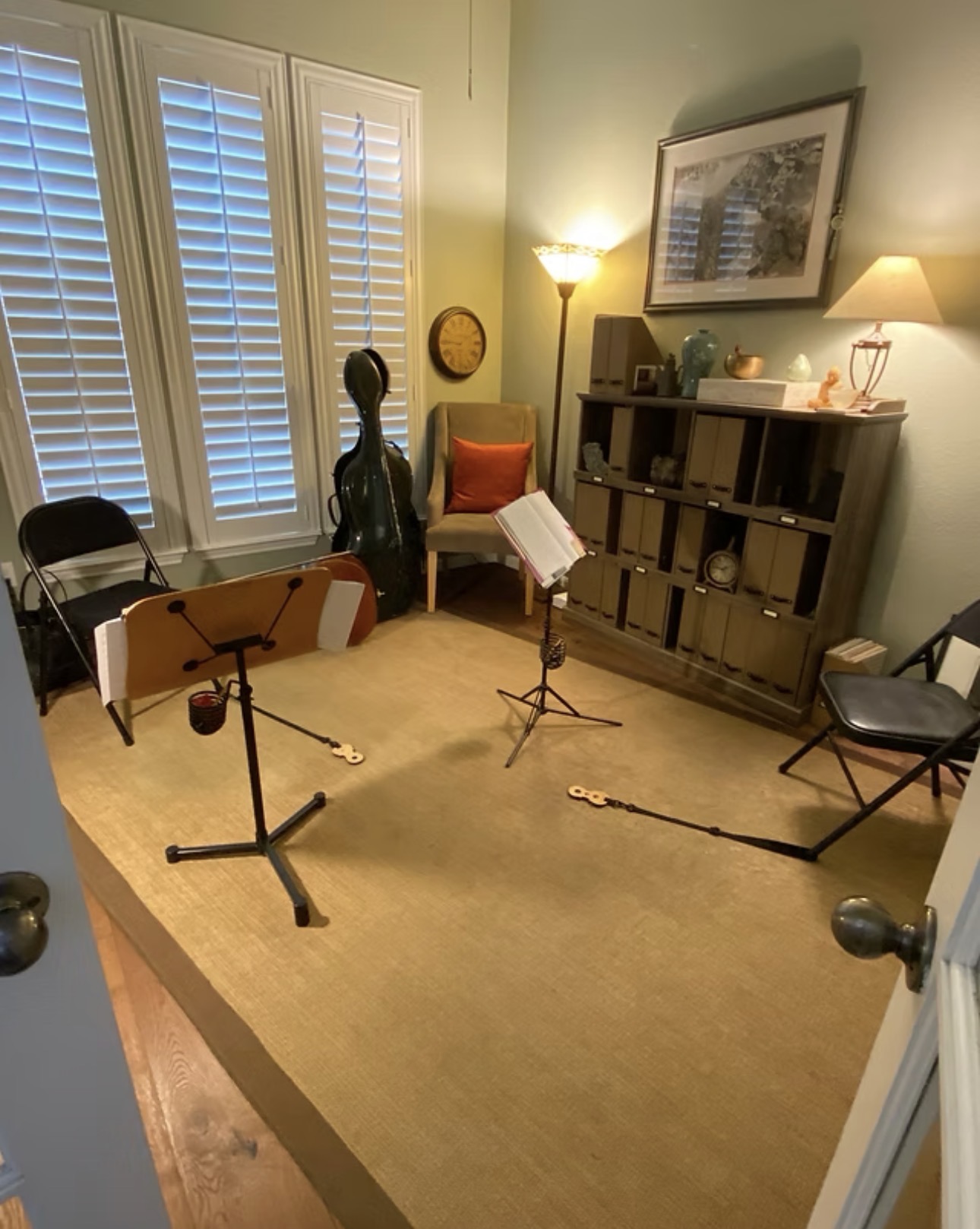
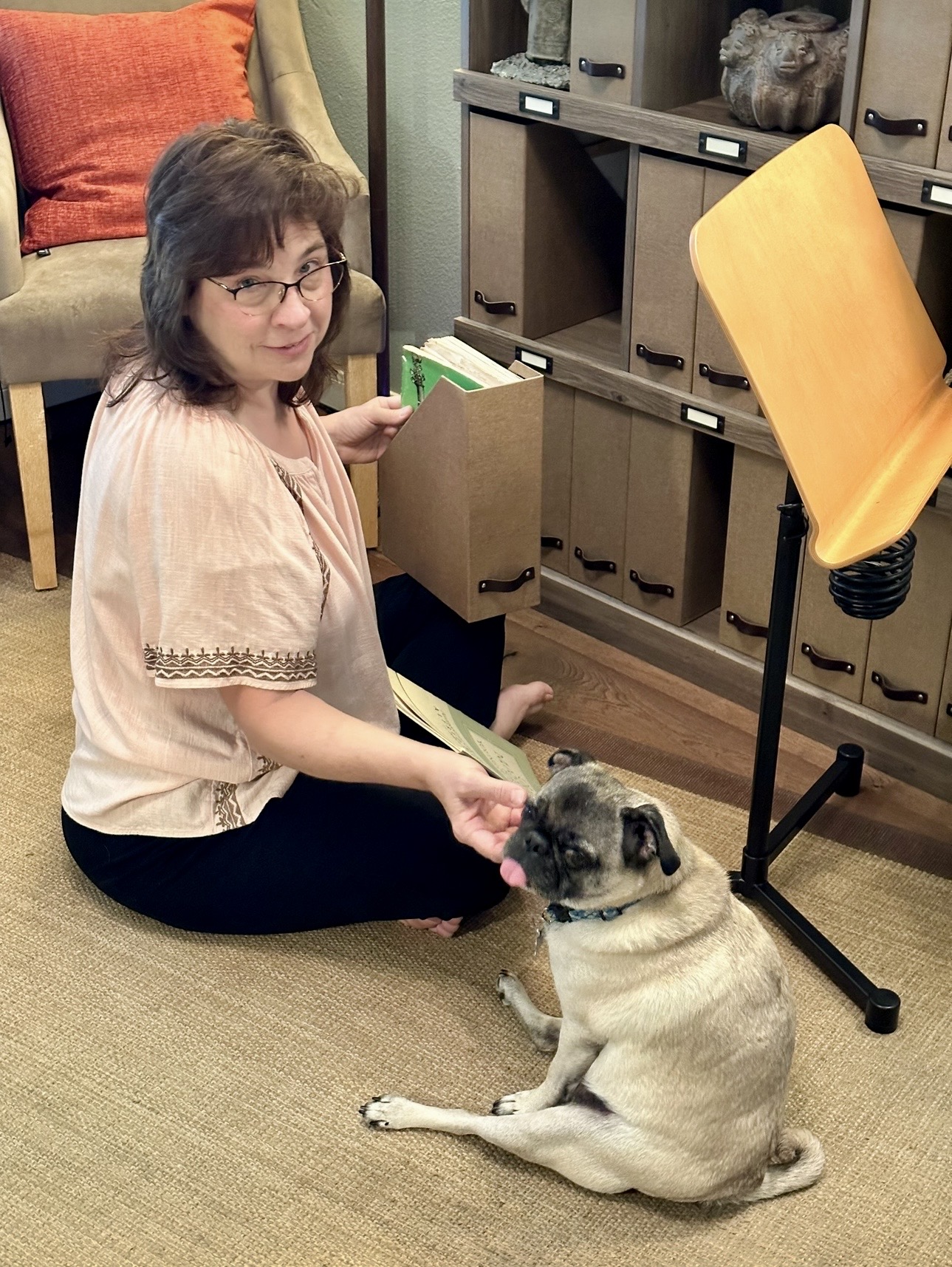
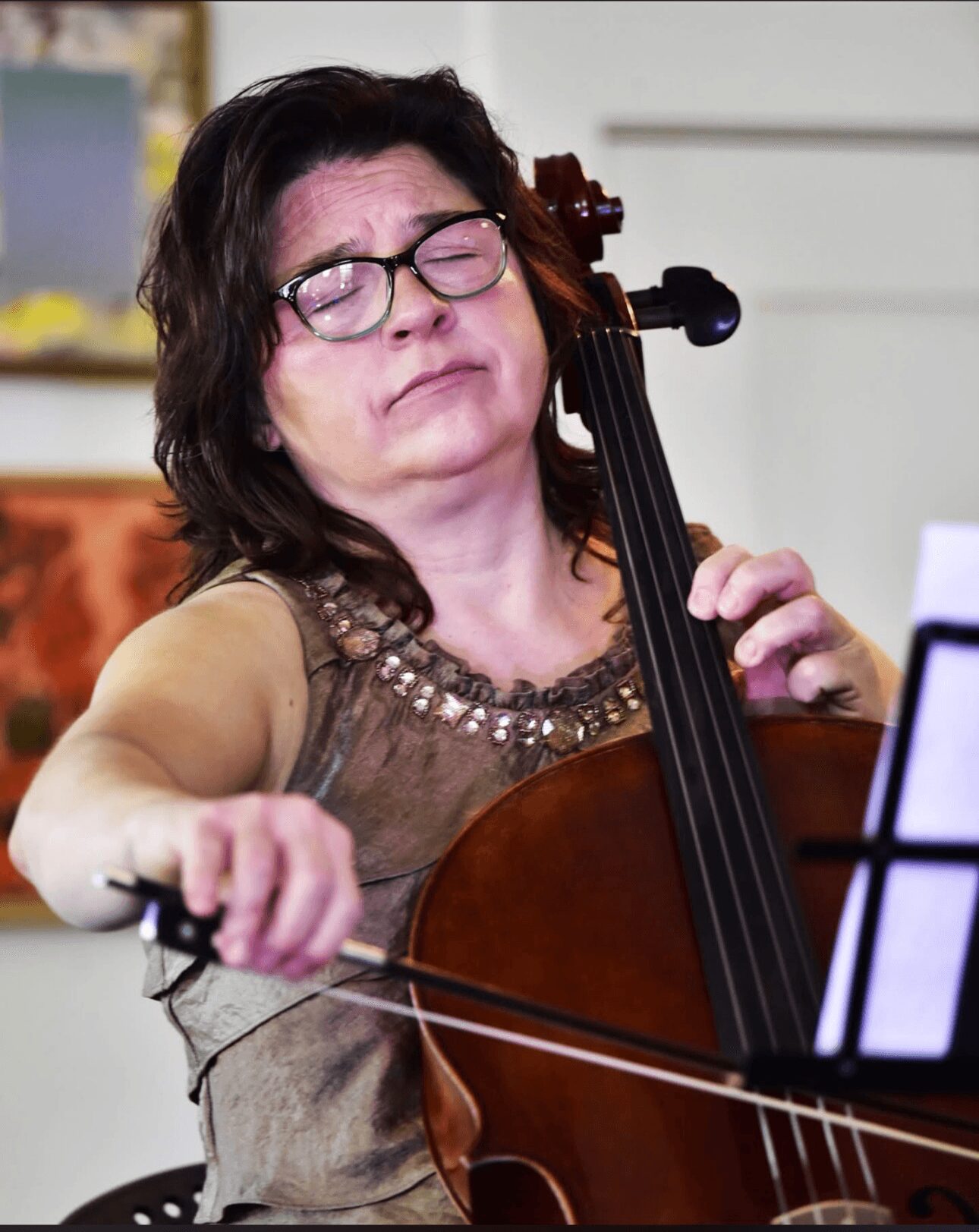
As a professional cellist, my work has primarily centered on chamber music performance, but over time it has also become deeply rooted in teaching and mentorship. One of the most meaningful parts of my professional life now is teaching private students in my home studio. Over the years, I’ve worked with many young cellists, and it’s been incredibly rewarding to watch them grow. Being a parent to three children of my own has given me a deep appreciation for what a privilege it is to work one on one with young people during their formative years.
My most exciting moments in teaching come when I feel that a student has technically mastered a piece of music, or even just a phrase, to the point that they can truly express themselves through the cello. There’s a sudden sense of freedom in the music. This is the reward that keeps me going through the rough patches.
As a performer, what matters most to me is connecting with an audience. I live for the one person who comes up afterward and tells me the music helped them feel something they couldn’t put into words. This fulfills me in a way I find hard to describe.
Can you tell us more about what you were like growing up?
I grew up in Manhattan surrounded by classical music. Both of my parents were professional string players, and my older sister, my only sibling, is now a professional pianist, so music wasn’t something I “chose” so much as something I was born into. We lived in a small New York apartment where everyone practiced in the same space, and nearly every family friend was a musician.
In spite of being crowded together in such a compact, and often noisy, space, I was actively encouraged to be playful and creative. At one point, my mother even put a sandbox in my bedroom! On another occasion, she encouraged my sister and me to paint the outsides of our bedroom doors. I painted mine as a volcano, with huge plumes of orange and yellow. That must have been quite an eyesore to take in every time you walked down the hallway. Hats off to my parents for that one as well!
Contact Info:
- Website: https://bit.ly/amylevinetsang