


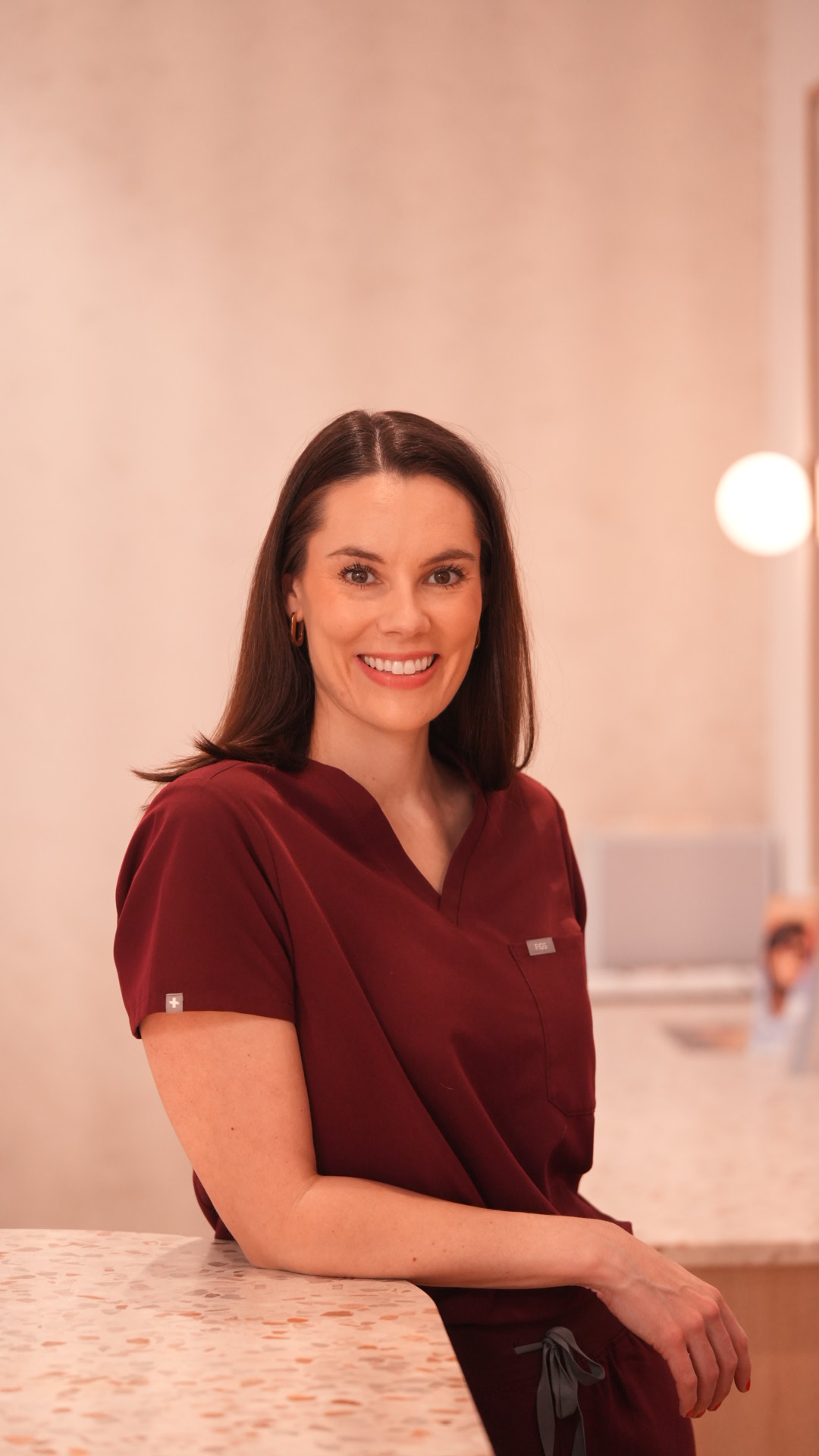
Today we’d like to introduce you to Andrea Kells.
Hi Andrea, we’d love for you to start by introducing yourself.
I’ve been drawn to health care since high school and optometry felt like a natural fit. It is challenging, service-oriented, and rooted in care. I grew up in Canada and spent much of my youth as a competitive swimmer (butterfly), which opened doors to scholarship opportunities in the U.S. I ultimately chose the University of Houston, knowing early on that optometry was the path I wanted to pursue and that their program consistently stood among the best in the country.
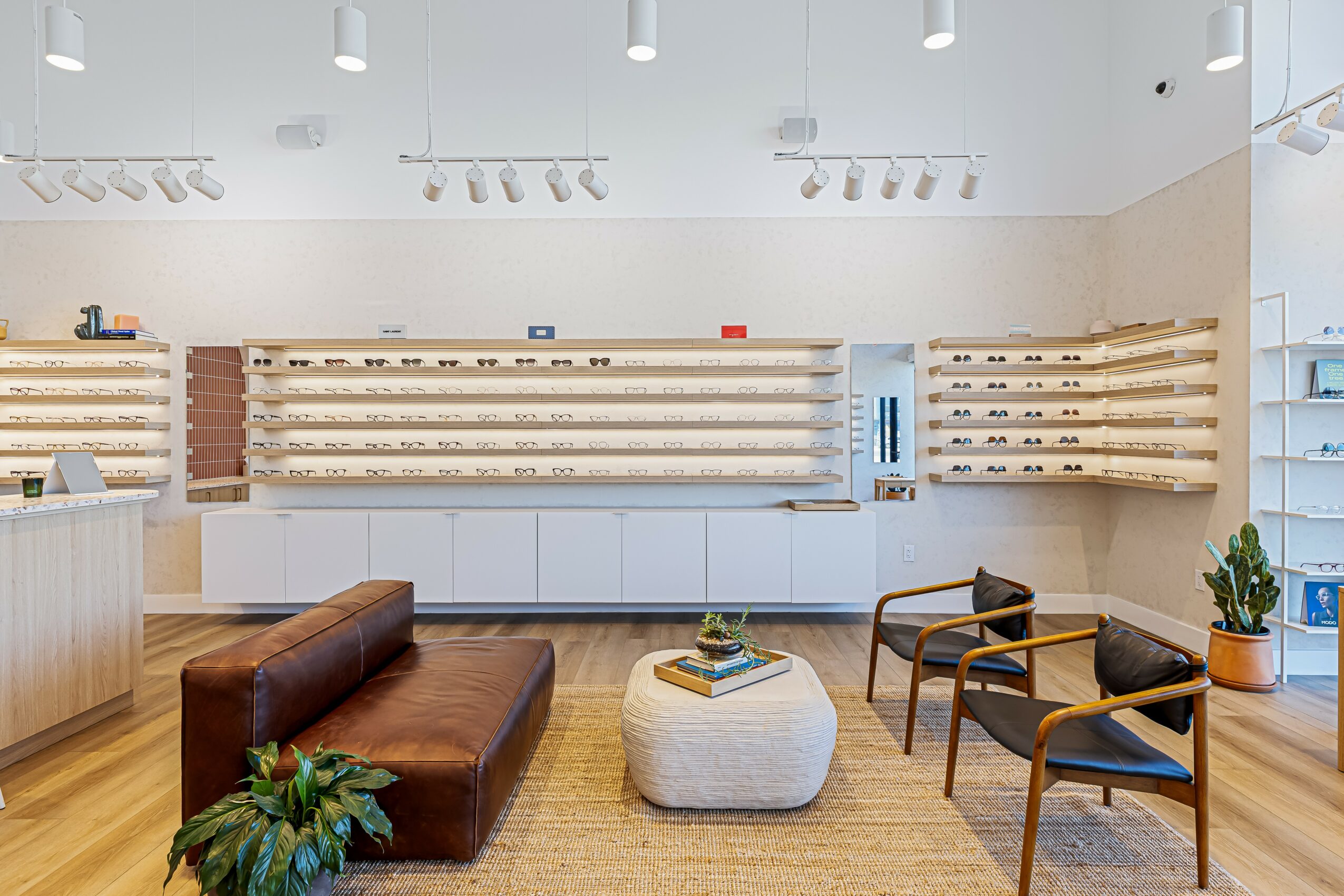
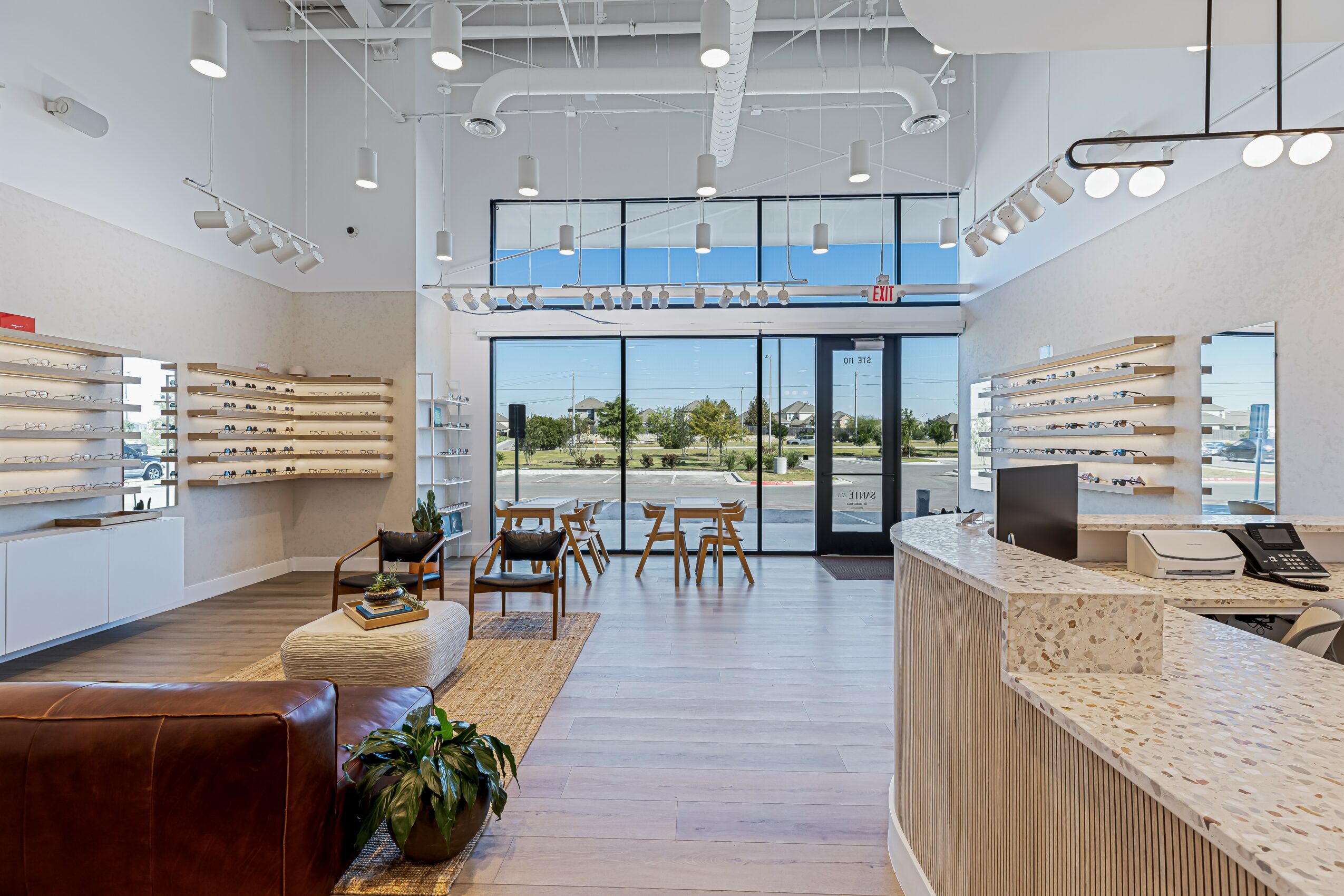
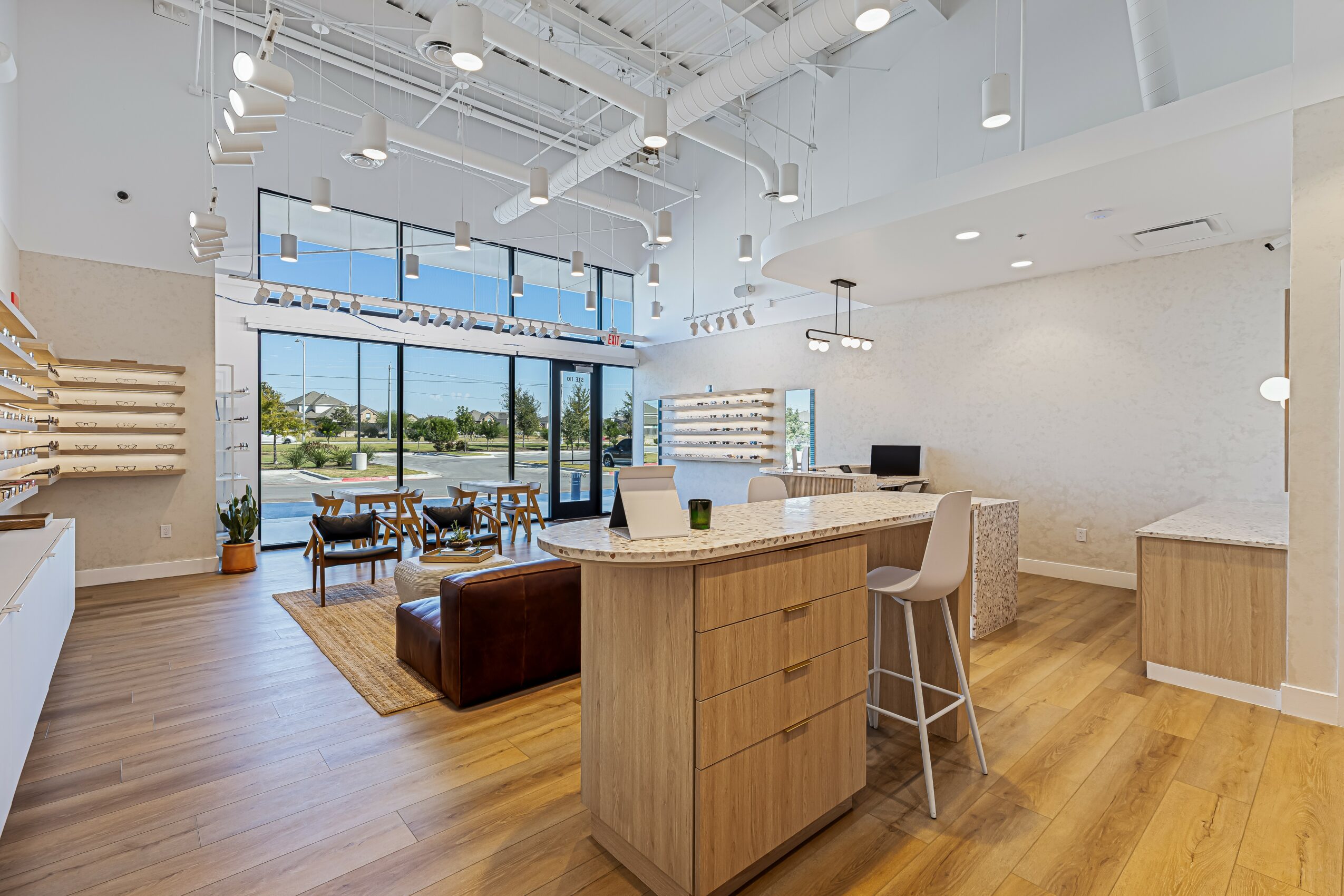
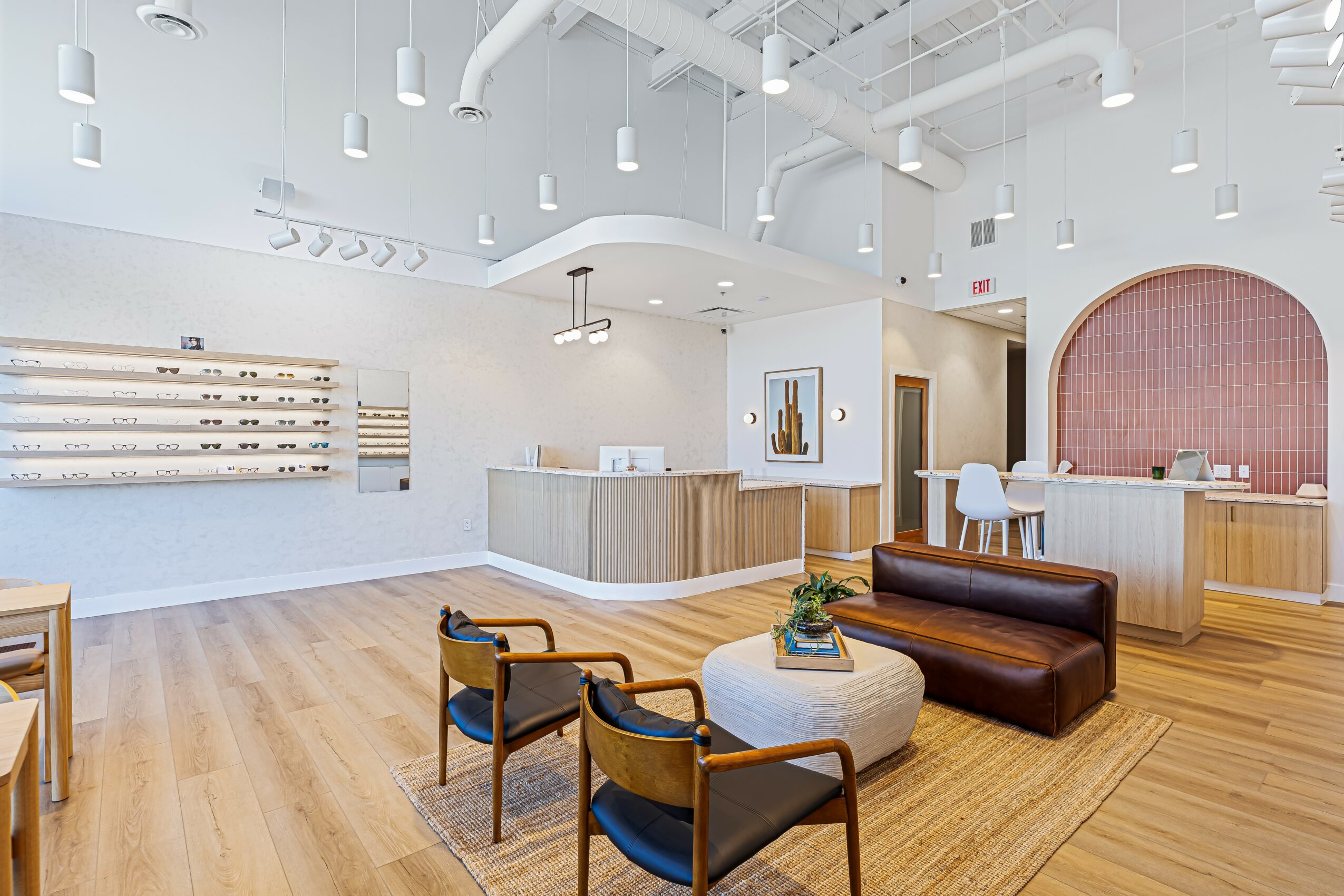
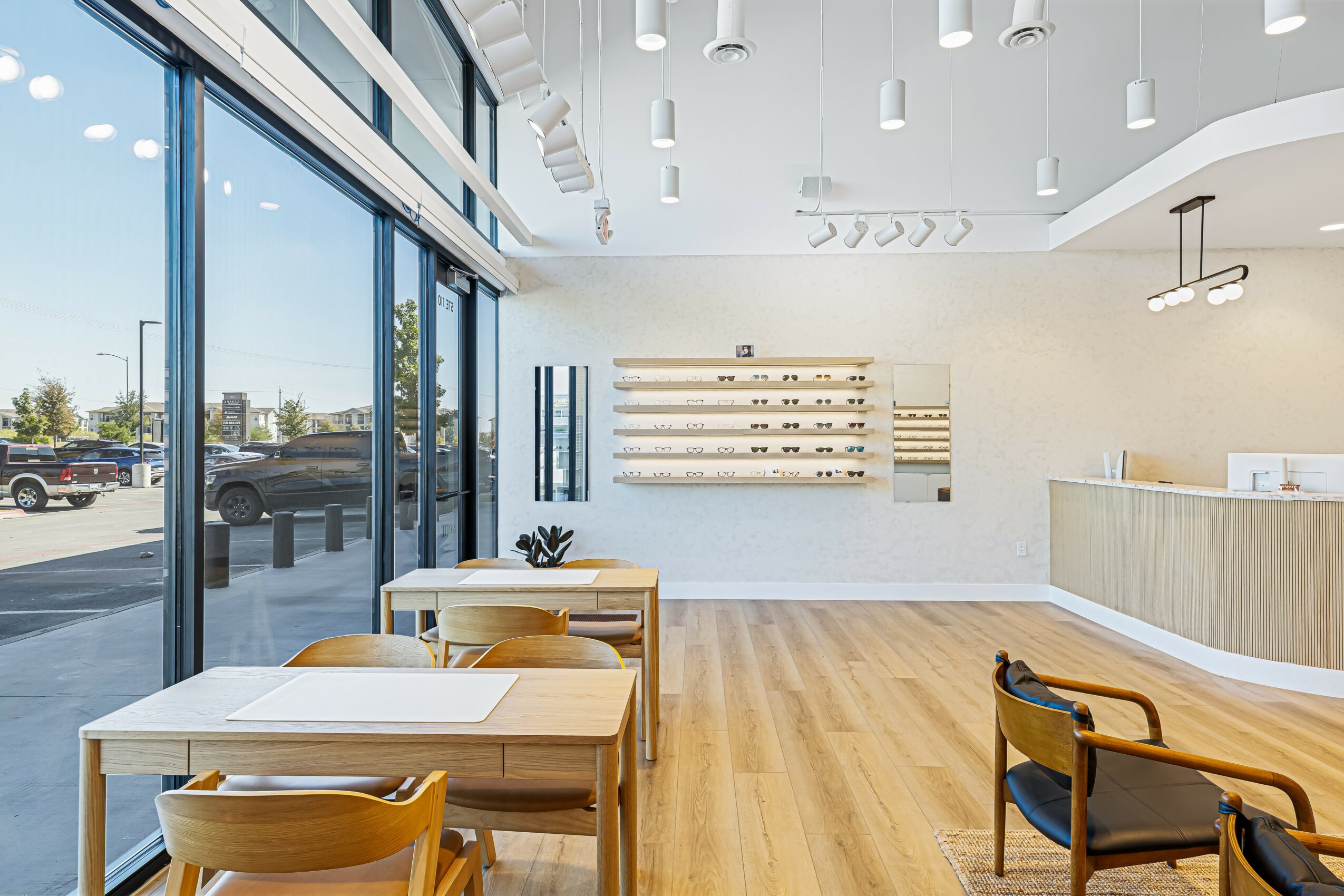
Opening my own clinic has long been part of that vision. Over the past decade, I’ve focused on building strong clinical experience while also learning the less visible side of the profession, things like seeking out mentors, and understanding what it takes to run a thoughtful, sustainable practice.
I feel fortunate to be deeply passionate about what I do. Optometry sits at a unique intersection: it involves caring for the health of the eye, understanding its neurological connections, mastering the optics behind glasses and contact lenses, and embracing the role of design and personal style. Together, those elements shape not just how people see, but how they feel—their comfort, clarity, confidence, and sense of identity are all touched with their eyewear.
We all face challenges, but looking back would you describe it as a relatively smooth road?
One of the most significant setbacks came just days before we were preparing to install equipment and open the clinic. A pipe burst in the ceiling over a weekend, causing extensive water damage. Brand-new equipment was affected, and large portions of the newly built space had to be torn out and rebuilt. It was a moment that tested both patience and perspective, especially at a time when everything felt so close to coming together.
Another challenge was transitioning my career from Canada to the U.S. healthcare system. Establishing a clinic here requires navigating both medical and vision insurance, which operate quite differently. Vision care in the U.S. is also highly vertically integrated and the same companies often own the insurance, retail clinics, frame brands, lens manufacturing, and labs. As an independent practice, that landscape can be challenging to navigate, but it has also clarified our mission. We’re intentional about highlighting independent eyewear designers and offering something more personal and thoughtful, and Austin feels like the ideal place to build that kind of practice.
Can you tell our readers more about what you do and what you think sets you apart from others?
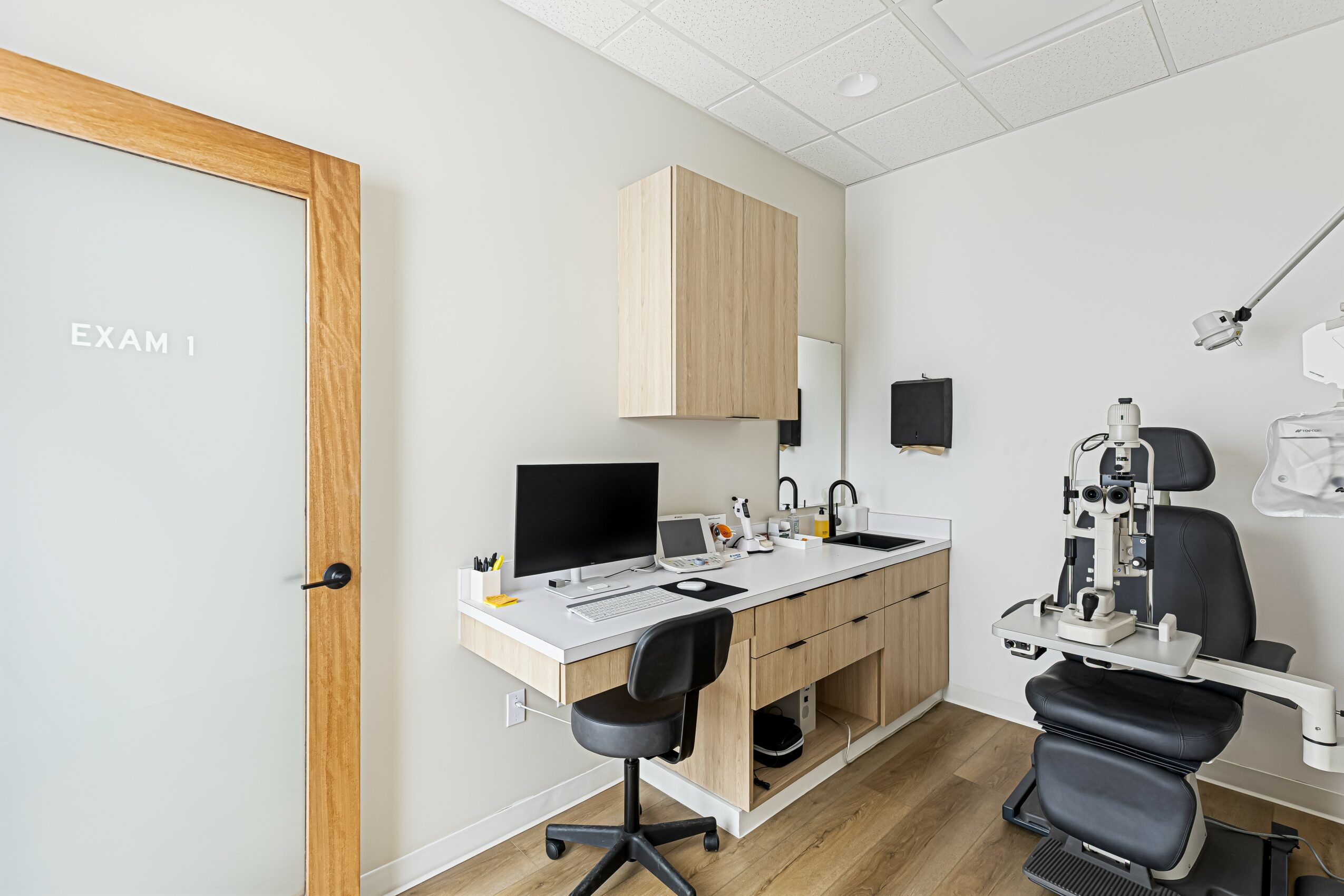
There’s a tremendous amount of innovation happening in eye care right now, and that’s something I’m genuinely excited about. Eye disease can be devastating—losing vision affects not just how you see, but your ability to work, move through the world, and enjoy the things you love. We’ve invested in advanced technology that allows us to detect subtle changes earlier than ever, so we can take a more preventive and proactive approach rather than waiting for problems to surface.
I’m also especially proud of the work we do in pediatric eye care. Many parents don’t realize that children should have their first eye exam as early as six months, and again around age three. School screenings can be helpful, but they don’t tell the full story. A child may be able to see clearly on an eye chart, yet still struggle with focus, eye tracking, coordination, or underlying eye health—all of which can impact learning and development.
Another area I specialize in is myopia management. Children today are developing nearsightedness earlier and progressing faster, largely due to increased near work, screen time, and less time outdoors. High levels of myopia aren’t just about needing stronger glasses. Myopia significantly increase the risk of serious eye conditions later in life, including macular degeneration, glaucoma, and retinal detachment. The encouraging part is that we now have evidence-based options to slow this progression. Helping families understand and access these treatments is something I care deeply about, because it allows us to protect not just a child’s vision today, but their eye health decades into the future.
We’d be interested to hear your thoughts on luck and what role, if any, you feel it’s played for you?
Luck has certainly played a role, but I believe in the saying that “luck is what happens when preparation meets opportunity”. Anyone who has worked towards their dream of being college athlete, health-care professional, or small business owner understands the amount of effort it takes just to be in a position where opportunity can show up.
I also recognize how fortunate I’ve been to have the right people cross my path at meaningful moments. I had mentors who were generous with their knowledge, colleagues who pushed me to grow, and family who believed in the vision even when it felt uncertain. Those relationships made a real difference.
Finally, I’ve been lucky to call Austin home and to build my practice here. The community’s appreciation for independence, thoughtful design, and quality care closely mirrors how I want to practice. In that way, luck has been present, but always alongside intention, effort, and forward momentum.
Pricing:
- We have an house program called the 2020 club for those without insurance to access care with clear pricing, our preventative approach and professional expertise to style their eyewear based on their vision needs
- Note: I can provide more details if needed on the 2020 club
- We also are in network with most insurance companies
Contact Info:
- Website: https://www.santeeyecare.com
- Instagram: @sante.eyecare
- Facebook: https://www.facebook.com/profile.php?id=61560307036223