


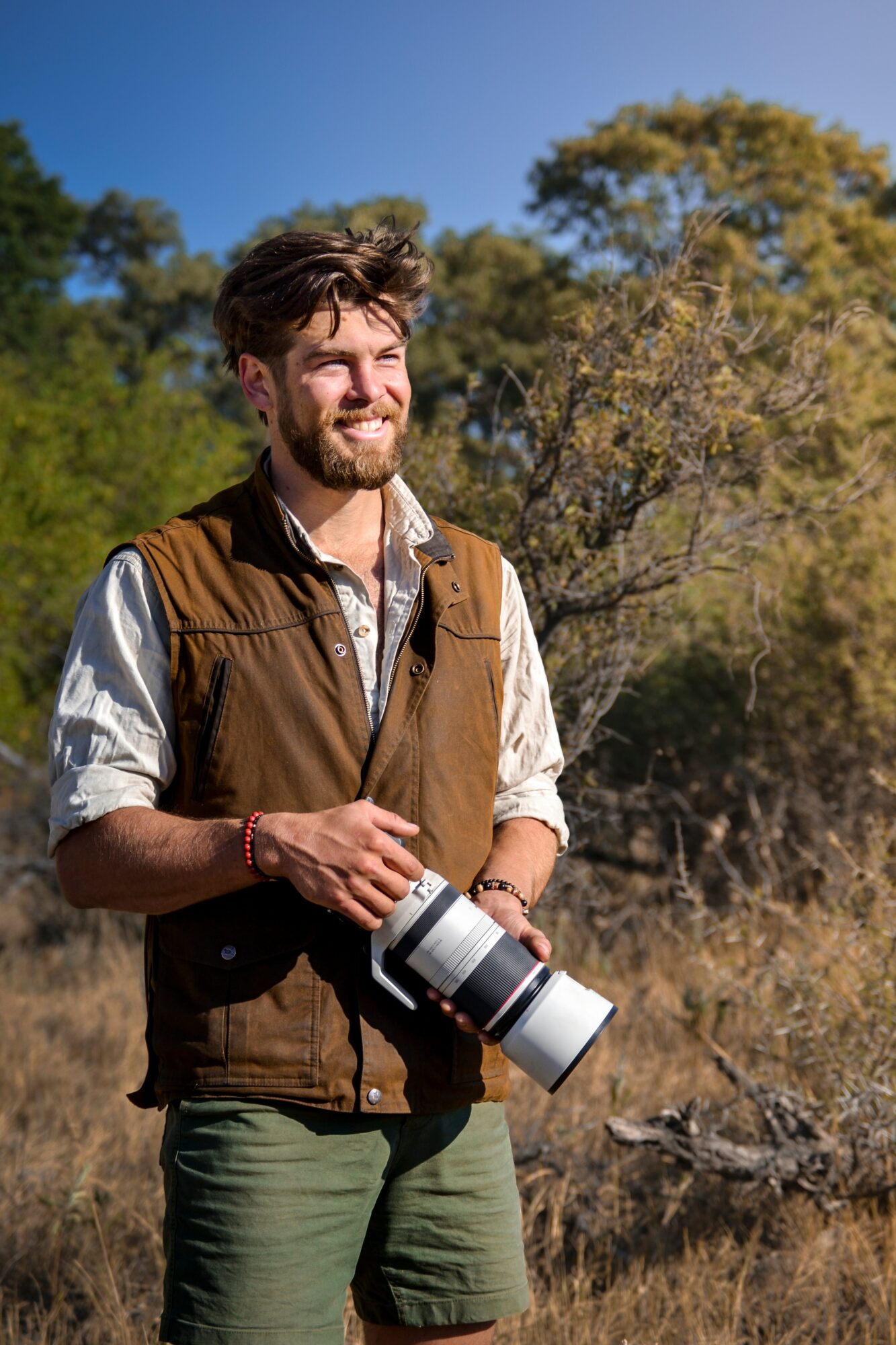
Today we’d like to introduce you to Jayce Parkey.
Hi Jayce, thanks for sharing your story with us. To start, maybe you can tell our readers some of your backstory.
I grew up outside Fredericksburg, TX, on a large stretch of land where I spent most of my time outdoors. My family had a simple rule — stay outside until lunch, then head back out until dinner. With minimal access to TV or indoor distractions, I learned how to make the most of my surroundings. That boredom drove me to explore nature deeply, observe wildlife behaviors, and develop a self-sufficient, problem-solving mindset that still serves me today.
My professional journey started in environmental science, which taught me to see systems and connections most people overlook. I later took on the role of Executive Director for a non-profit SACRD, where I led initiatives to re-introduce significant number of vulnerable cacti back into their natural ecosystem. This role sharpened my skills in leadership, stakeholder engagement, and creative problem-solving — all of which became critical tools as I transitioned into the work I do now.
Africa was always the dream. For years, it felt like an unreachable goal. I once attempted to attend the African Guide Academy but couldn’t secure the funds. It was a setback, but it didn’t stop me. Every career decision from that point forward became a calculated step toward living and working in Africa.
That journey eventually led me to wildlife photography. I started out capturing the beauty of nature but soon realized there was a greater opportunity to create something more impactful. What began as photography grew into leading photographic safaris where guests learn to observe, slow down, and connect with nature beyond simply “getting the shot.”
Through this process, I was introduced to the lodge and safari industry, but I quickly realized that becoming a lodge guide came with an endless stream of logistical and regulatory hurdles. Rather than fight the system, I decided to forge my own path. I leaned into my creative strengths — storytelling, branding, and guest experience design — and became a lodge branding consultant.
Today, I help reform lodges by designing symbolic, story-driven guest experiences that deepen the connection between visitors, wildlife, and conservation. I also offer direct-to-guest photographic safaris and help travelers align with reputable safari outfitters and mobile safari vendors across Botswana. This work funds my deeper passion for collaborating with forward-thinking conservation initiatives like EcoExist and The Wilderness Project.
Every pivot I’ve made, every challenge I’ve faced, and every opportunity I’ve taken has been part of a bigger strategy. It’s all been an “ends to a means” to live and work in Africa in a way that feels meaningful and impactful.
I’m sure it wasn’t obstacle-free, but would you say the journey has been fairly smooth so far?
No, and I wouldn’t expect it to be. My dream has always been to live and work in Africa, but for a long time, it felt financially and logistically out of reach. There was no clear path for how to make it happen. At one point, I believed that becoming a guide was the best route in. So two years ago, I tried to attend the African Guide Academy but couldn’t come up with the necessary funds. That was a pivotal moment for me — it felt like everything I’d been working toward had slipped away. I had to deal with a full year of friends and family asking, “Oh I thought you were already leaving?”. It was humiliating.
What made it harder was that I didn’t have a support system that truly understood the goal I was chasing. It’s difficult to explain to people in the U.S. why you’re so committed to living and working in Africa. Most people didn’t “get it,” and that sense of isolation was one of the hardest parts of the process. It’s easy to feel alone when no one sees what you see. But I stayed focused on my long-term goal. Every job I took from that point forward became part of a larger strategy. It was never random — it was intentional.
When I finally acquired my guiding licenses, I quickly found that no one was willing to take the risk on a foreigner, I felt locked out of the industry. Again, I shifted my approach. I looked at the skills I had — storytelling, guest experience development, and creative branding — and I realized there was another way to contribute to the safari industry. That’s when I started leaning into lodge branding work. Rather than fight the system to become a guide, I created a new role for myself as a lodge branding consultant.
But even that hasn’t been easy. Building trust and relationships in a new region takes time. Unlike back home, I wasn’t walking into a pre-existing network. Every project I take on requires proving my value and building relationships from scratch. Africa runs on trust and relationships, and you can’t shortcut that process. I’ve had to be patient, stay adaptable, and let the work speak for itself.
Looking back, none of it has been smooth, but I think that’s the point. Without those obstacles, I might have stuck to a narrow idea of what my role could be. The setbacks forced me to rethink my approach and play to my strengths. Today, I’m in a position where I’m working with lodges, leading photographic safaris, and contributing to larger conservation-based initiatives with partners like EcoExist and The Wilderness Project. The road wasn’t smooth, but it was exactly what I needed to end up where I am now.
Alright, so let’s switch gears a bit and talk business. What should we know about your work?
At the heart of my work is the idea of creating intentional experiences that connect people to nature in a more profound way. I’m a lodge branding consultant, wildlife photographer, and safari guide, but my role goes beyond those labels. I help lodges design symbolic, story-driven guest experiences that create lasting emotional connections. From role-based guest activities to reflective moments tied to conservation, I build frameworks that make every part of the guest journey feel meaningful.
I also lead immersive photographic safaris where guests slow down, observe, and learn to see wildlife with a more thoughtful lens. It’s not just about capturing a “perfect shot” — it’s about understanding the behaviors and stories behind the wildlife they’re witnessing. I also help people connect with mobile safari vendors and other trusted operators in Botswana, even if I’m not directly leading the safari myself.
I’m most proud of the way I’ve managed to carve out my own path. When I set out to live and work in Africa, the “obvious” route was to become a guide. But when that path proved full of regulatory hurdles, I pivoted. Instead of following a single path, I created a new role for myself. I leaned into my strengths in creative development and guest experience design, and that shift allowed me to work on a larger scale. Now, I’m not tied to a single lodge — I’m working with multiple lodges, designing systems and experiences that shape how guests engage with nature.
Where we are in life is often partly because of others. Who/what else deserves credit for how your story turned out?
No one does this alone, and I’ve been fortunate to have people in my corner who believed in me when I needed it most.
My family has been my foundation. My mom and sister have always been supportive, even when the path I was chasing didn’t make sense to most people. My father, who passed away less than a year before I made the move to Africa, had a profound impact on me. His passing was a turning point. It forced me to confront the reality that there’s never going to be a “perfect time” to chase your dream — so I went for it.
On the professional side, there are a few key figures who have directly influenced my journey. Massimo Rebuzzi from African Bush Co was the first person to respond when I reached out to African guides and photographers. He encouraged me to attend the African Guide Academy, and while I wasn’t able to attend at that time, his encouragement shaped the way I approached my journey.
Sevara Katsotso has also been an important mentor and sounding board, offering insight and support that’s helped me stay on track. Alan and Sarah McSmith have played a crucial role in shaping my approach to conservation and guest experience design. Their experience and perspective have helped me see new possibilities for how the safari industry could evolve.
These people — family, mentors, and advocates — have all had a lasting impact on my life and career. Their influence has shown me that success isn’t just about raw effort; it’s about having people who believe in you when you don’t have all the answers.
Contact Info:
- Website: www.jayceparkeyphotography.com
- Instagram: @jayce.parkey
- Facebook: https://www.facebook.com/profile.php?id=100073665186937
- Linkedin: https://www.linkedin.com/in/jayce-parkey-54aa7b337/
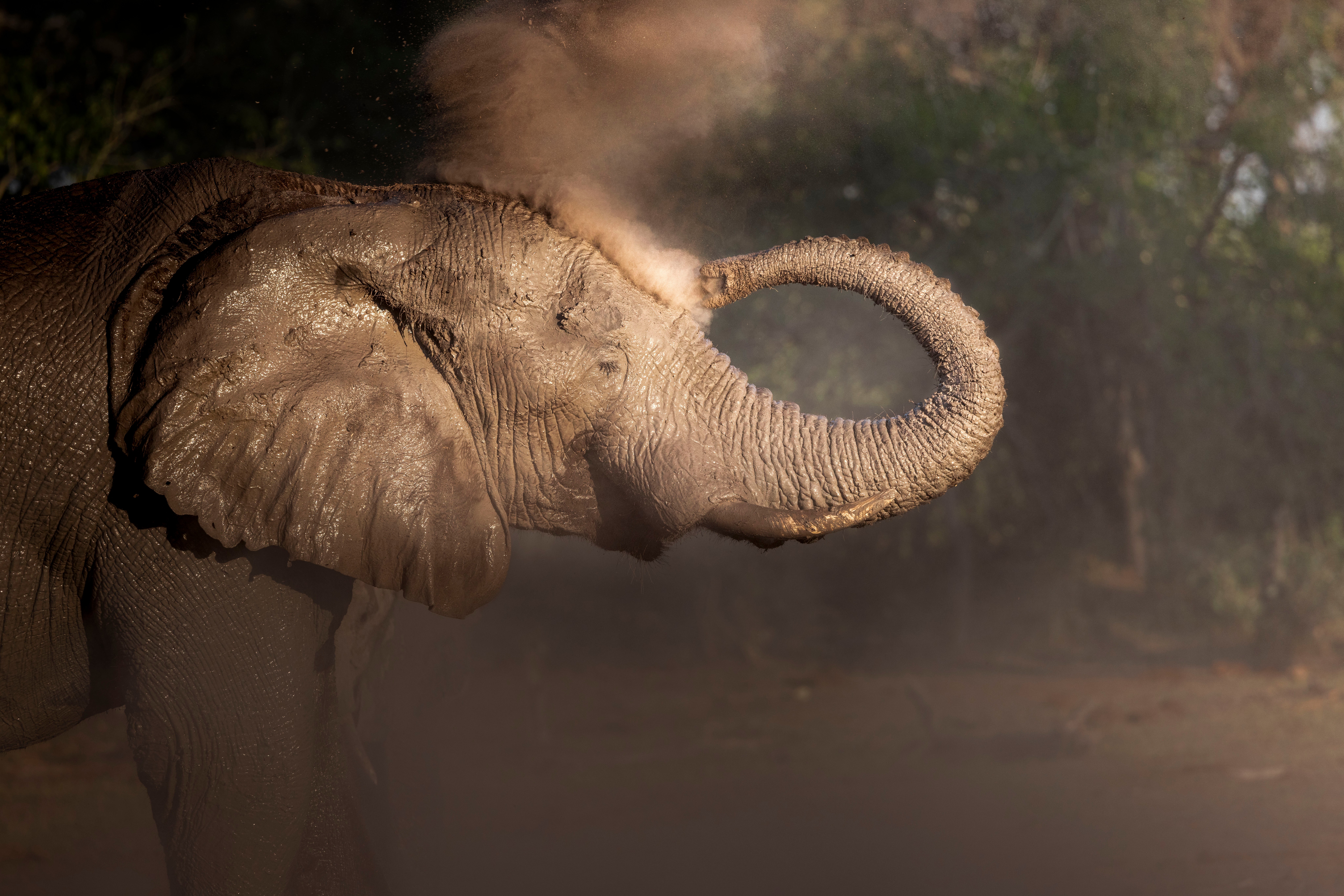
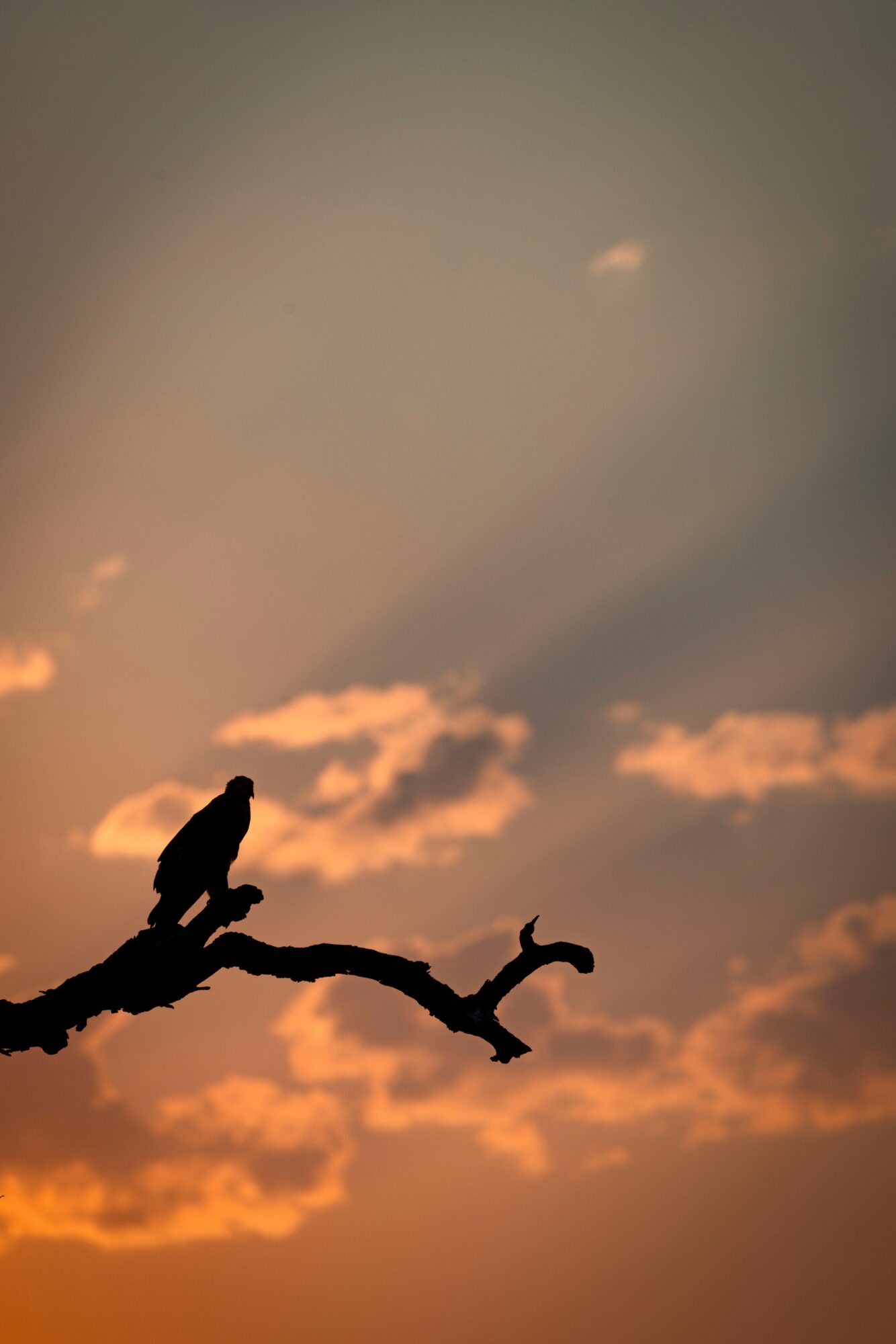
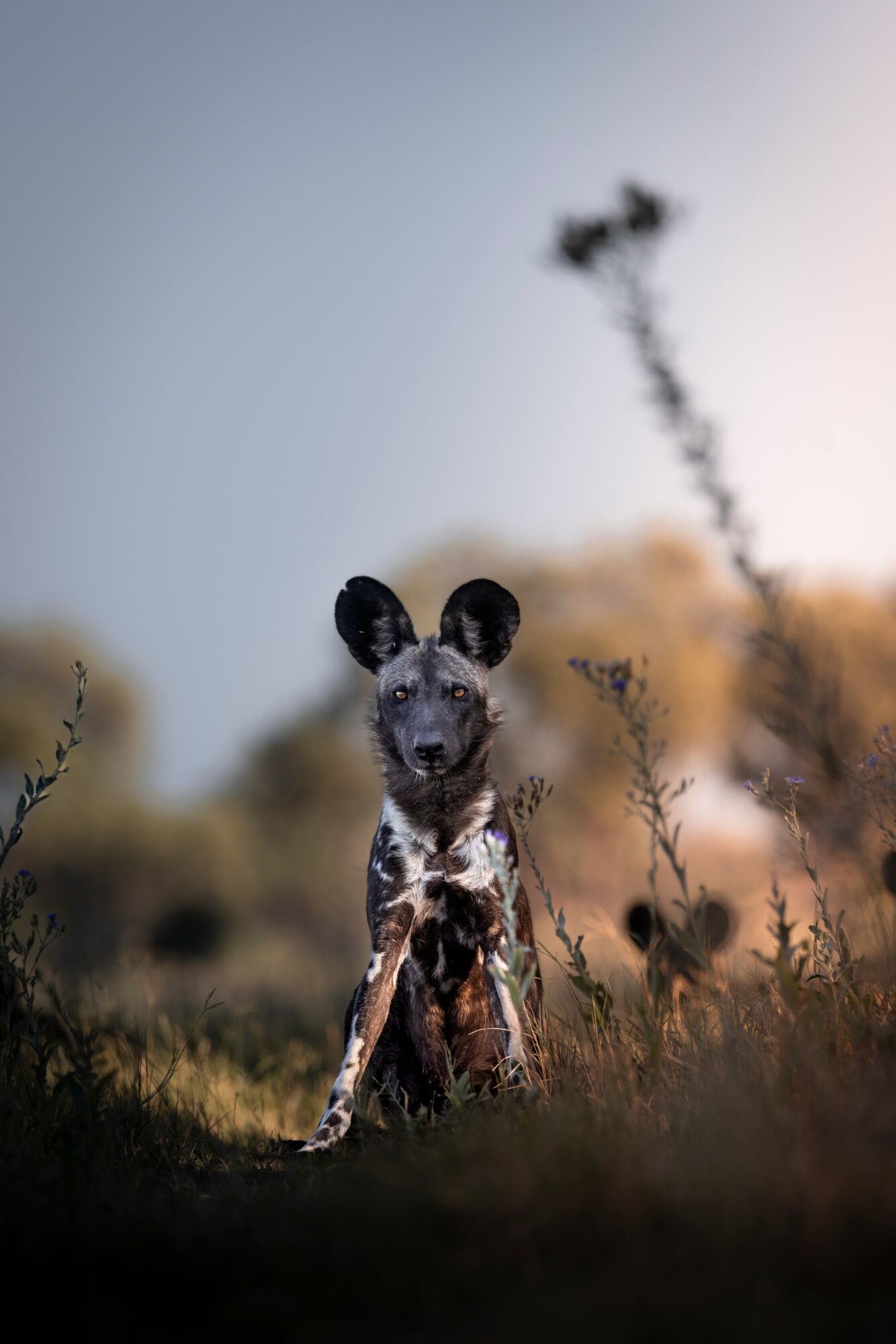
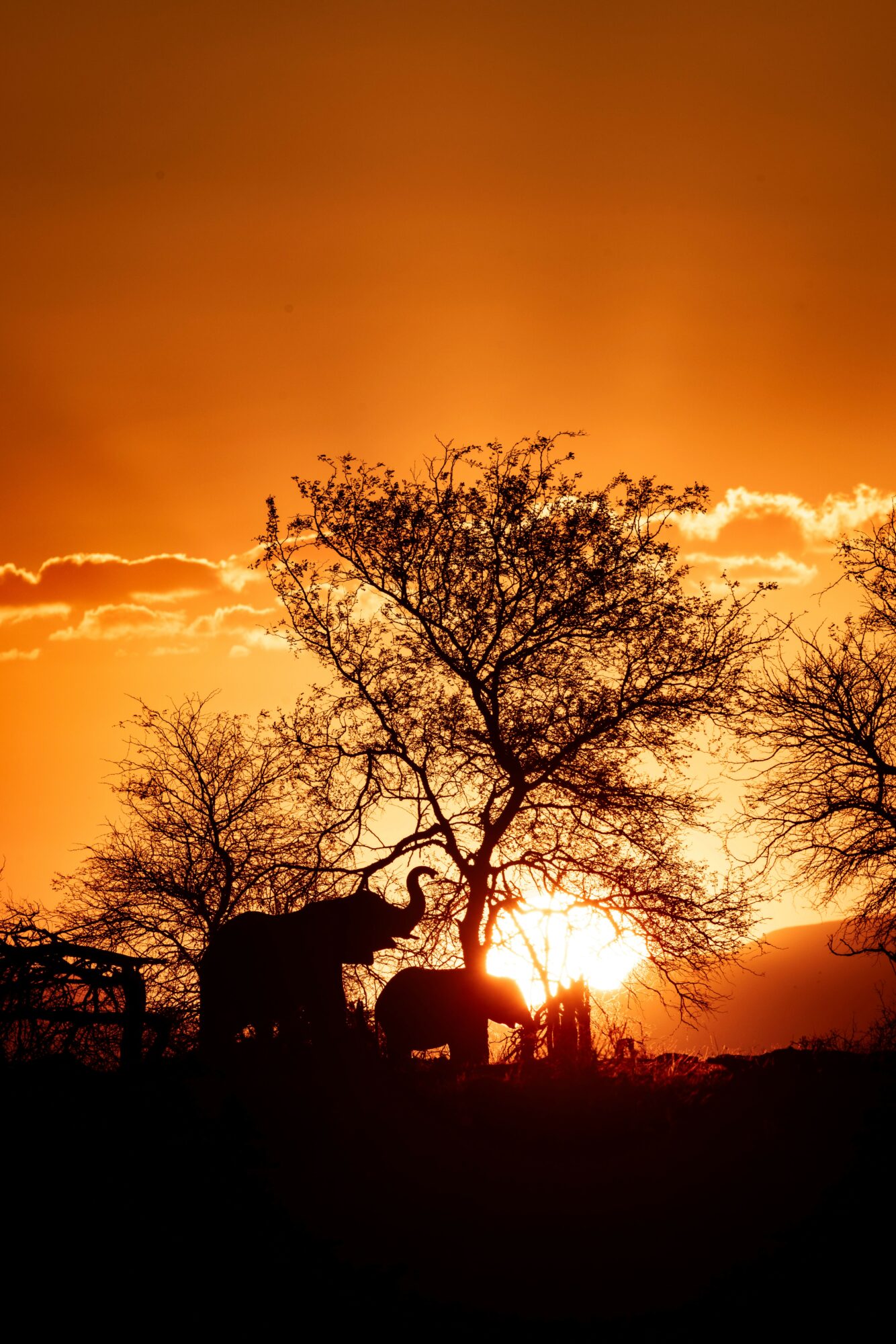
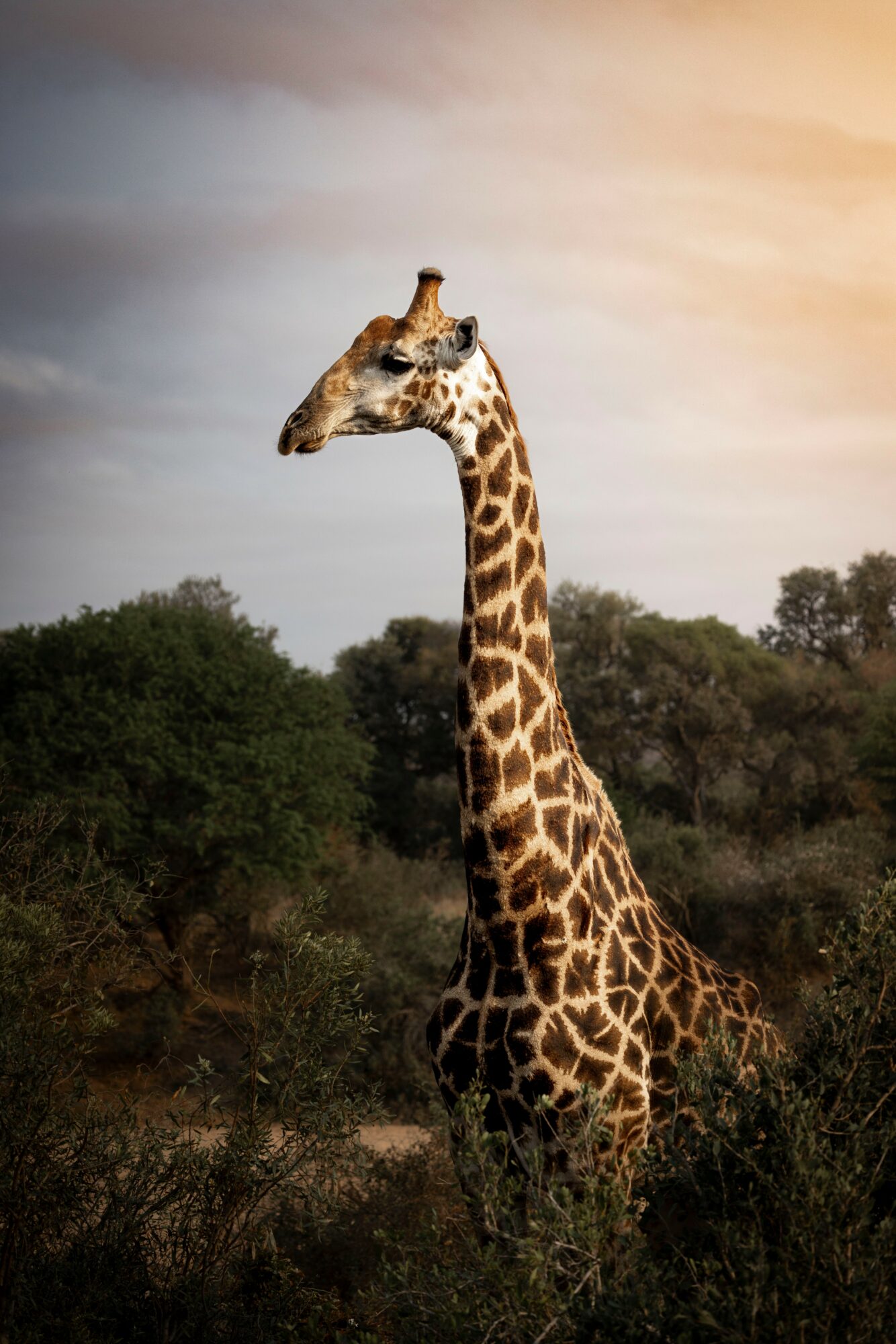
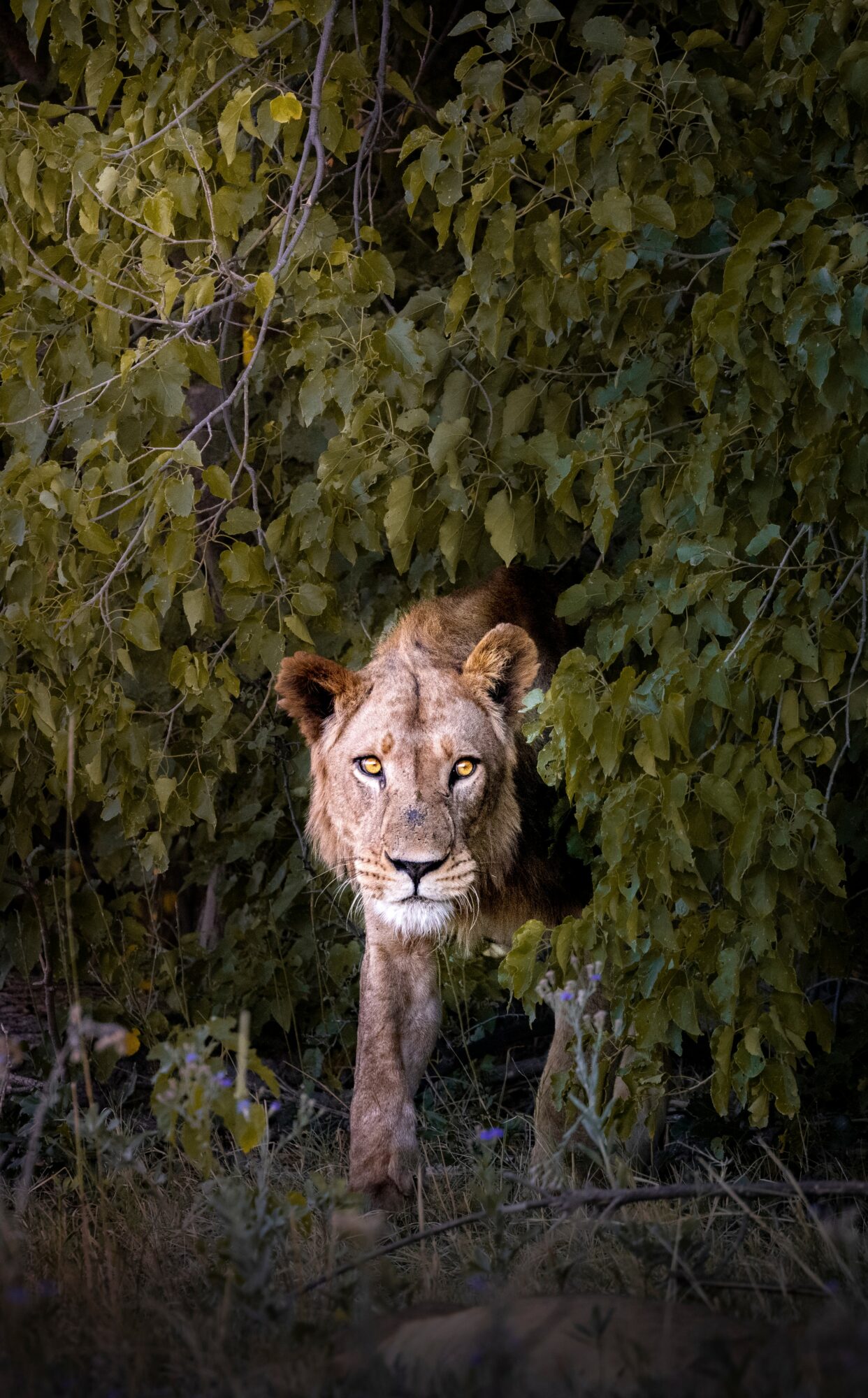
Image Credits
ME