


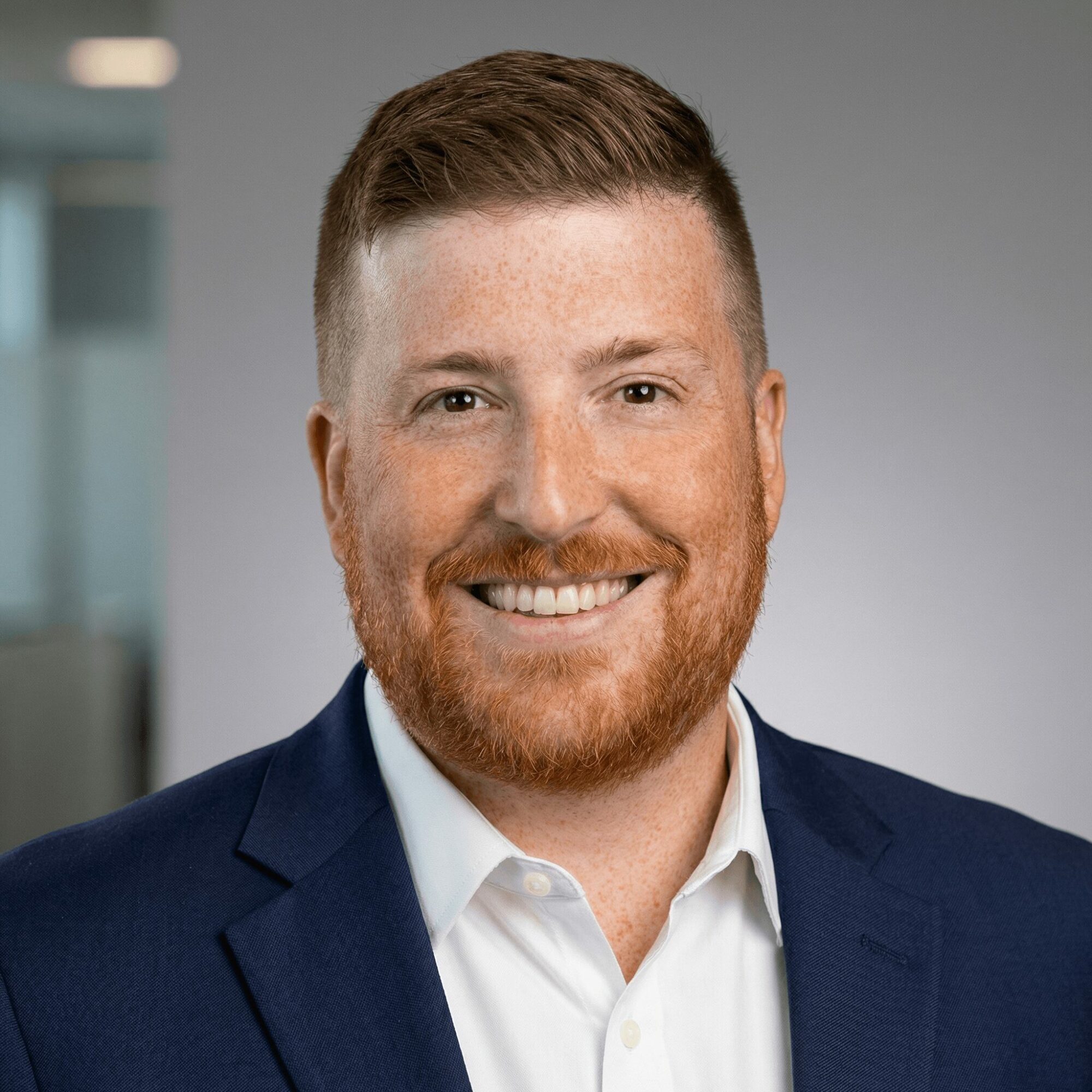
Today we’d like to introduce you to Kenny Kane.
Hi Kenny, thanks for sharing your story with us. To start, maybe you can tell our readers some of your backstory.
My story starts earlier than most people expect. I became a pharmacy technician at 15, and that job quietly shaped everything that came after. It taught me how to think about systems, how to communicate in high-stakes moments, and how to approach organizations that exist to serve others.
From there, I found my way into the nonprofit world almost by accident. In 2010, I co-founded what would become Stupid Cancer alongside Matthew Zachary, building it into the largest support community for young adults affected by cancer. I served as COO for over six years, where I learned what it meant to build something from nothing, grow an ecommerce operation from $5,000 to $275,000 annually, and show up for a community that had been largely overlooked. That work was personal. My father had been diagnosed with testicular cancer in 2005, and that experience never left me.
In 2016, I made a deliberate move to the Testicular Cancer Foundation, where I now serve as CEO. We focus on awareness, education, and support for the most common cancer in young men. I am proud of the infrastructure we have built, including a modern digital platform, a research hub, and the TCF Summit, which brings together patients, advocates, and medical professionals.
Alongside that work, I am also CEO of Firmspace, a premium private office and proworking company with locations in Austin, Denver, Houston, and Atlanta. Managing two organizations might seem unusual, but both are built on the same core belief. People do their best work and live their best lives when they have the right environment and community around them.
Austin is home base, where I am raising two kids with my wife and staying deeply invested in the city and its people.
We all face challenges, but looking back would you describe it as a relatively smooth road?
Smooth is not a word I would use. Meaningful rarely is.
The early years at Stupid Cancer were exhilarating and exhausting in equal measure. We were building something that did not exist, which meant making every mistake for the first time. Funding was uncertain, the mission was deeply emotional, and the line between personal and professional blurred constantly.
Leaving in 2016 was its own kind of challenge. When you have poured years into building something, walking away, even toward something new, requires a kind of faith that does not always feel rational.
Running two organizations simultaneously is a challenge I chose, but it is still a challenge. Firmspace and the Testicular Cancer Foundation operate in completely different worlds, with different stakeholders and different definitions of success. Keeping both moving forward requires constant prioritization and clarity.
There is also the personal side. My father’s diagnosis put me on a path I did not choose, but eventually came to own. That kind of motivation is powerful, and it carries weight.
What I have learned is that the struggles are not interruptions to the work. They are the work.
Thanks – so what else should our readers know about your work and what you’re currently focused on?
At the highest level, I build things. Organizations, systems, communities, and brands. The through line is taking something with real purpose and giving it the infrastructure to actually deliver on that purpose.
At the Testicular Cancer Foundation, that means driving awareness, early detection, and support for young men ages 15 to 35. We have rebuilt our digital presence, launched a research hub, and created the TCF Summit to bring the ecosystem together. A big part of our work is meeting young men where they actually are, not where traditional health organizations assume they are.
At Firmspace, it means operating a premium private office and proworking company across four markets, serving professionals who understand that environment directly impacts performance.
What I specialize in is leading at the intersection of mission and operations. I am not just a visionary and I am not just an operator. I can hold both. I have spent my career building in environments where stakes are high and resources are constrained, which forces you to prioritize durability over momentum.
I am also a writer. I have published books including The Accidental Nonprofiteer: Building Systems That Serve Your Mission (Not the Other Way Around), Mission-Driven Ecommerce: What Building a Store Taught Me About Systems, Community, and Becoming an Operator, and Own Your Name: A Practical Guide to Digital Disambiguation in the Age of AI. Each explores a different angle of the same idea, which is how modern tools and intentional systems shape organizations and the people behind them.
What I am most proud of is longevity. It is easy to start something. Staying through the hard seasons, leadership transitions, and moments where quitting would be understandable, that is what matters. The Testicular Cancer Foundation has been part of my life for nearly a decade, and that continuity means something.
What sets me apart is that I carry lived experience into spaces that are often treated as purely clinical or purely commercial. My father’s cancer, my years in the young adult cancer community, those are not abstract to me. They shape how I lead.
What does success mean to you?
Legacy is currency.
That is the simplest way I can put it. Traditional metrics like revenue, headcount, and growth matter, but they are incomplete. I have spent my career in spaces where the real measure of success is what remains after you are no longer in the room.
Did the organization outlast the moment?
Did the person you mentored go on to build something of their own?
Did the awareness effort reach the person who needed it most?
At the Testicular Cancer Foundation, success is not a fundraising number. It is early detection. It is the person who caught something early because they knew what to look for.
At Firmspace, it is the member who builds something meaningful inside our walls and grows beyond them.
In writing, it is the reader who finds something that sticks.
Legacy is not passive. It requires deliberate choices, often ones that do not optimize for the short term. It means investing in people, systems, and infrastructure before the return is obvious. It means building things that can stand without you.
Legacy does not happen by accident. You choose it, repeatedly.
Contact Info:
- Website: https://kenny-kane.com/
- LinkedIn: https://www.linkedin.com/in/kennykane/
- Other: https://www.testicularcancer.org/april-testicular-cancer-awareness-month
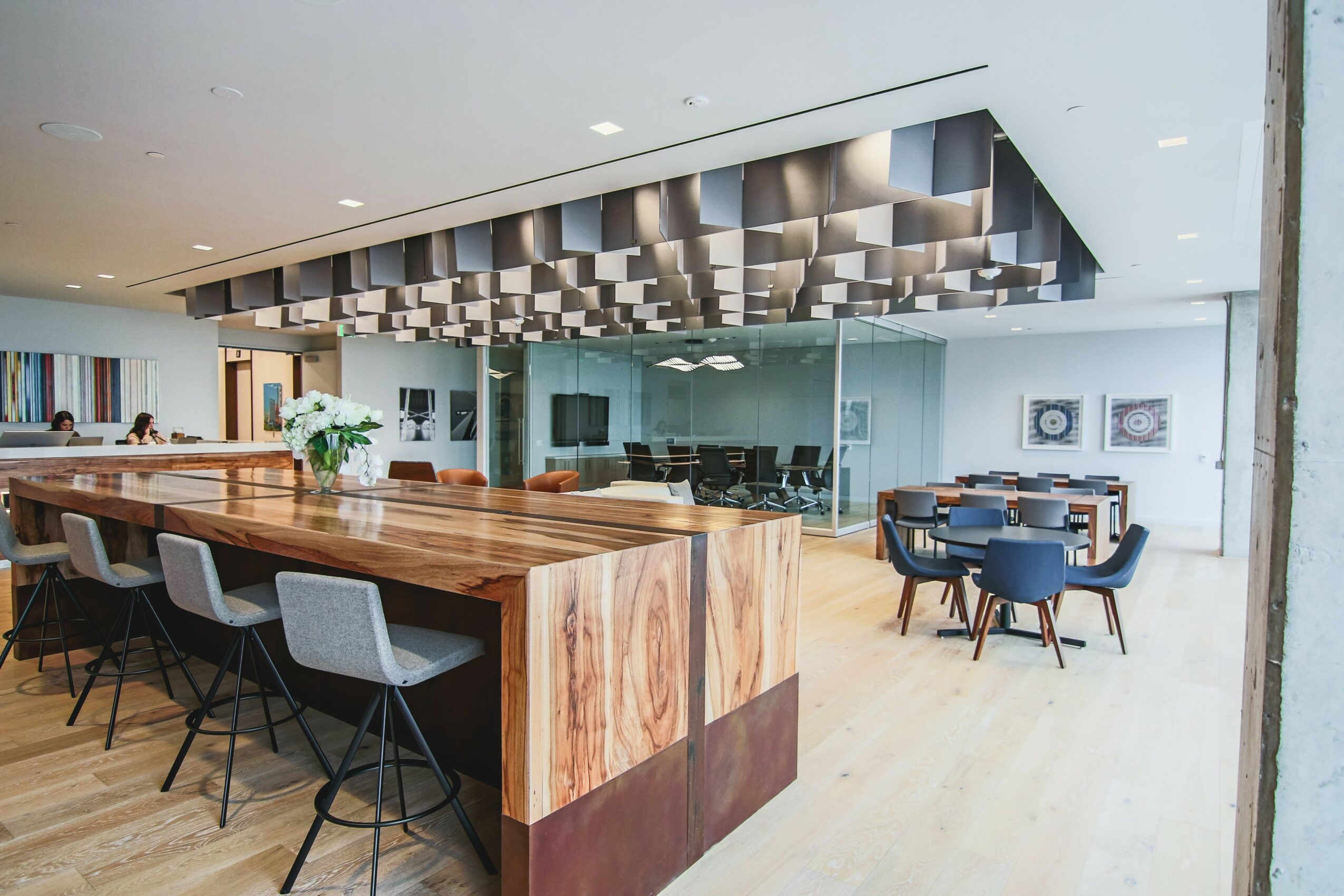
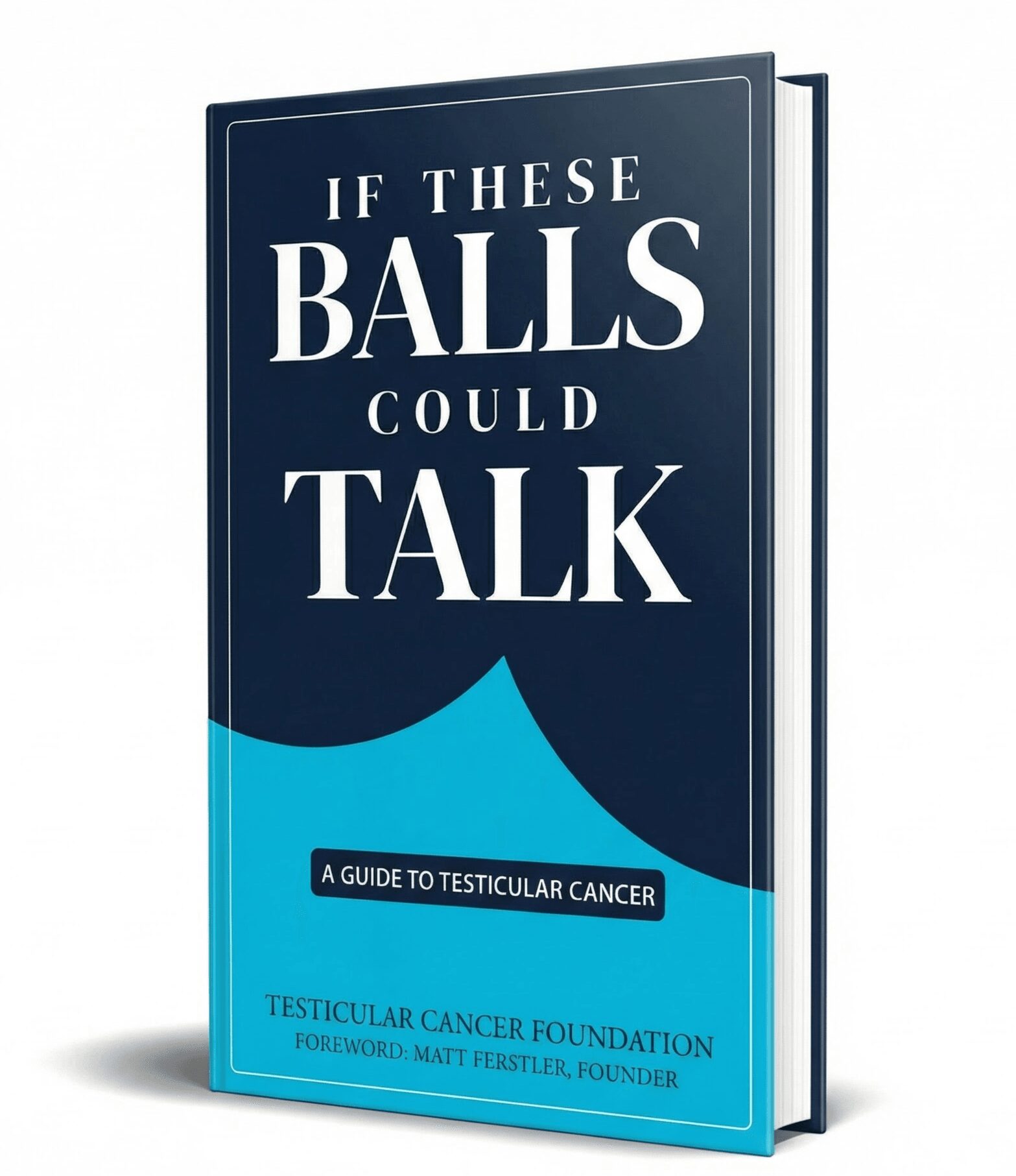
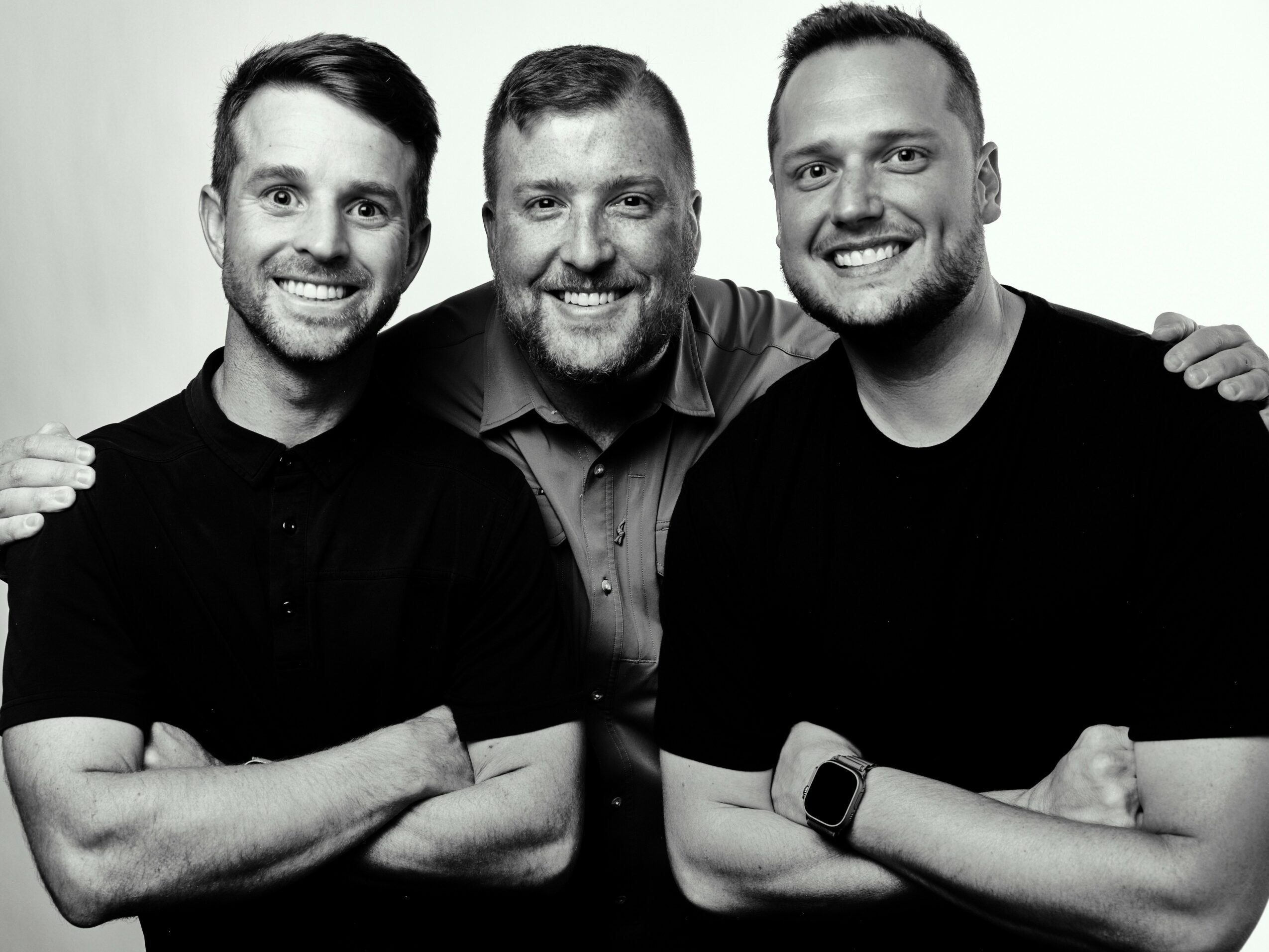
Image Credits
Images provided by Kenny Kane