


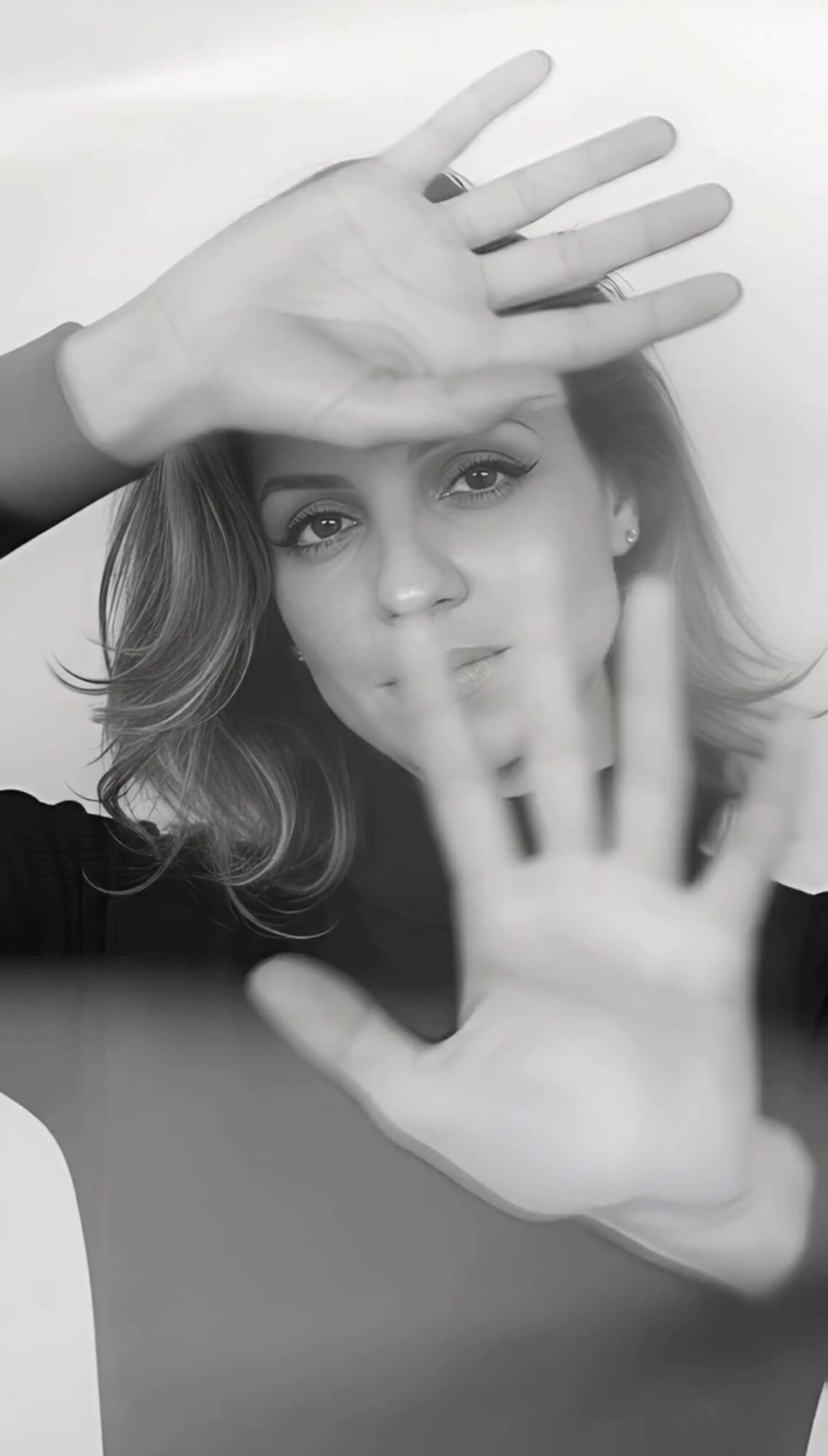
Today we’d like to introduce you to Marlene Jorge.
Hi Marlene, we’re thrilled to have a chance to learn your story today. So, before we get into specifics, maybe you can briefly walk us through how you got to where you are today?
My journey as an artist has never been a straight line — it has been a series of awakenings. I was born in the Dominican Republic and adopted into an unconventional life story where identity was something I had to piece together quietly, instinctively. Long before I understood trauma, belonging, or the complexity of where I came from, art became my first language. It was the one place where I could speak freely without ever opening my mouth.
In the early years, my creativity lived in the margins of life — between jobs, responsibilities, and survival. I painted and drew in stolen moments, not realizing that I was building a visual archive of my inner world. Every sketch was a confession. Every color was a truth I didn’t yet know how to say out loud.
As life carried me across cities — from the Dominican Republic to New York City, Miami, Spain, and eventually Texas — each place reshaped me. New York gave me grit and independence. Miami awakened my vibrancy. Spain deepened my appreciation for symbolism, emotional nuance, and the poetic silence inside great art. Texas, unexpectedly, gave me space — the space to rebuild, redefine, and finally claim the title of ‘artist’ without apology.
With every move, I rebuilt my life from the ground up. Immigration, loss, reinvention, and the layered complexity of being adopted added depth and texture to my work. For years, I lived in two worlds at once: the practical world of responsibility and the inner universe where my art waited for me — full of color, intuition, and subconscious meaning.
Eventually, instinct became intention. I realized I wasn’t just creating images; I was documenting my evolution. My visual language grew into a blend of pop surrealism, symbolism, and emotional storytelling. People began responding to my pieces not because they were traditionally perfect, but because they were honest and genuine. They felt the rawness, the questions, the resilience. They recognized something of themselves in the woman behind the work.
Over time, my art became both a personal diary and a universal invitation. What began as a private expression evolved into exhibitions, commissions, sales, and a growing body of work that merges fine art with healing, psychology, and contemporary design. My practice is rooted in transformation — the kind that is messy, courageous, and beautifully human.
I didn’t arrive here through a traditional art-school pathway or a neatly structured career. I came here through lived experience, relentless curiosity, and the choice to turn every hardship into creation rather than silence. Every painting is a chapter. Every symbol is a memory reframed. Every piece is both a reflection of my story and a mirror for whoever stands before it.
Today, I am a contemporary fine artist building a multidimensional brand at the intersection of emotional depth and visual storytelling. My path has been nonlinear, challenging, and profoundly transformative — and I wouldn’t change any of it. All of those layers, all of those reinventions, shaped not only my work but the woman I became.
That journey is the foundation of my career, and the reason my art resonates: it is real, lived, felt, and continually evolving
Alright, so let’s dig a little deeper into the story – has it been an easy path overall and if not, what were the challenges you’ve had to overcome?
No, my road has not been smooth. If anything, it’s been a long initiation into resilience. I was born in the Dominican Republic, adopted into a complicated family story, and grew up without the emotional blueprint most people take for granted. When you start life searching for identity, you learn early how to survive in worlds where you don’t quite fit. That search for ‘self’ became both my wound and my artistic engine.
Throughout my life, I’ve dealt with neurodivergence, chronic depression, PTSD, and the long shadows of narcissistic abuse. These were not small obstacles — they colored everything. They shaped how I related to the world and how the world responded back. Creativity wasn’t a hobby for me; it was a lifeline, the one place where my mind and emotions didn’t work against me but with me.
As an artist, closed doors were constant. I didn’t grow up with connections, mentors, or the privilege of a traditional artistic path. I knocked on doors that never opened, walked into rooms where I wasn’t taken seriously, submitted to galleries that never responded. For years, I existed on the periphery — talented, dedicated, but invisible. And when you’re an adopted person still trying to understand your own identity, that invisibility hits differently.
But every ‘no,’ every silence, every reinvention forced me to refine something inside myself. Instead of breaking, I learned to bend. Instead of disappearing, I turned inward and created a world of my own — one where my symbols, surrealism, and subconscious language finally had a place to breathe.
Healing from emotional trauma and abusive relationships also became a part of the artistic process. My work carries the fingerprints of those chapters: the rebuilding, the intuition, the psychological layering, the quiet courage of starting over again and again.
So no, the road hasn’t been smooth. But the struggle shaped my voice. My neurodivergent mind gave me sensitivity to detail and symbolism. Depression gave me depth. PTSD gave me texture. Being adopted gave me a lifelong search for meaning. And every closed door taught me to build my own.
If my art resonates today, it’s because it comes from a life lived honestly — with fractures, resilience, and the determination to turn pain into beauty instead of silence
Appreciate you sharing that. What else should we know about what you do?
My work lives at the intersection of fine art, psychology, and emotional storytelling. I’m a contemporary artist specializing in pop surrealism infused with symbolic, subconscious, and dreamlike elements. My pieces are known for their emotional intensity — portraits of feminine figures, inner worlds, and archetypal landscapes that reveal both the fragility and the strength of the human experience.
Over the years, I’ve developed a visual language shaped by deep personal evolution. Symbolism, color theory, and subconscious imagery are central to my process. Nothing in my paintings is accidental: the eyes that see beyond the surface, the environments that echo emotional states, the forms that bend between reality and the surreal. My art is autobiographical, yet it resonates universally with anyone who has survived, transformed, or rebuilt themselves.
What sets me apart is the truthfulness behind the imagery. I’m not documenting social trends or external events — I’m exploring the events that happen in the inner self, the ones we often suppress or hide. My work speaks to the courage of facing our shadows, the beauty of imperfection, and the alchemy of turning pain into a form of spiritual armor. I paint from a landscape shaped by adoption, trauma, neurodivergence, resilience, cultural displacement, and the lifelong journey of reclaiming my voice. That emotional honesty is what people consistently feel when they encounter my work.
One of the things I’m most proud of is how often viewers tell me, ‘Your painting said something I didn’t know how to say.’ They see their grief, their awakening, their longing, their rebirth. They see the invisible complexity of being a woman. For me, that is the highest compliment — it means the work is doing what it was meant to do: giving form to the interior world.
I’m also proud of the resilience behind my practice. I didn’t come from a traditional art-school background, nor did I have mentors, connections, or a safety net. Every step of my career — exhibitions, commissions, sales, building a brand — was something I created from discipline, intuition, and the refusal to abandon my own voice.
What truly sets my work apart is the fusion of emotional vulnerability and intellectual depth. My art doesn’t simply portray characters; it depicts states of consciousness. I create from the place where psychology, spirituality, memory, and surrealism meet. My goal has never been perfection — it has always been truth.
Ultimately, my work is an invitation: to feel, to reflect, to decode, to look inward, and to recognize that the inner world is its own universe. If my art stands out, it is because it doesn’t imitate anyone or anything. It is shaped by a life lived across countries, identities, storms, and rebirths — and that authenticity is the foundation of everything I create.
Is there any advice you’d like to share with our readers who might just be starting out?
My biggest advice for anyone just starting is this: protect your voice. The art world will try to shape you, compare you, classify you, and sometimes make you feel like you have to fit into a mold to be taken seriously. Don’t let that noise drown out your own language. The most powerful thing you have as an artist is the truth of your perspective — everything else can be learned, refined, or practiced.
I also wish someone had told me that slow growth is not failure. Its foundation. So many artists give up because their progress doesn’t look like someone else’s. But the strongest careers are built in the quiet seasons — the nights you create for no one, the work no one sees, the discipline you develop when no one is watching. That’s where your real identity forms.
Another piece of advice: learn to sit with your shadows instead of running from them. Your wounds, your experiences, your contradictions — those are not weaknesses. They’re raw material. Their texture. They’re what make your work alive. The world doesn’t need more perfect artists; it needs more honest ones.
Don’t rush. Don’t chase trends. Don’t dilute your story to fit a market. Invest in your craft, your emotional health, and your curiosity. Move at the speed of authenticity, not comparison. And know that closed doors do not define you; they redirect you.
Looking back, I wish I knew that I didn’t need permission to claim the title ‘artist.’ I spent years waiting to feel worthy of it, when the truth is that your identity as an artist begins the moment you choose to create — consistently, courageously, and unapologetically.
And finally: keep going. Even when it’s messy, even when you doubt yourself, even when no one understands your vision yet. The breakthrough often arrives right after the moment you wanted to quit. Art is not a straight road — it’s a commitment to keep walking, even through the dark, until your own voice becomes your light
Contact Info:
- Website: https://artistmarlenejorge.com/
- Instagram: https://www.instagram.com/marlenejorgeartist
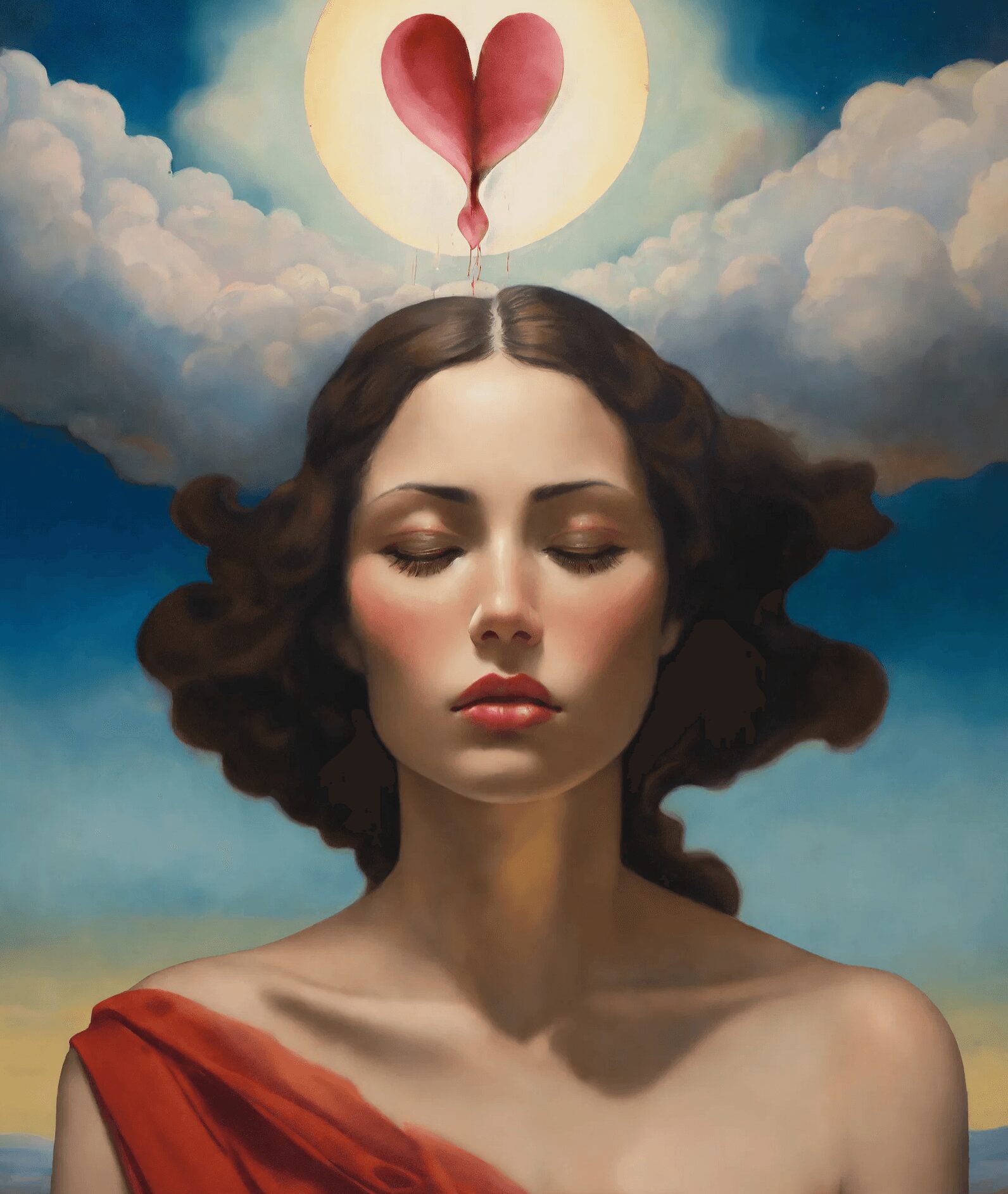
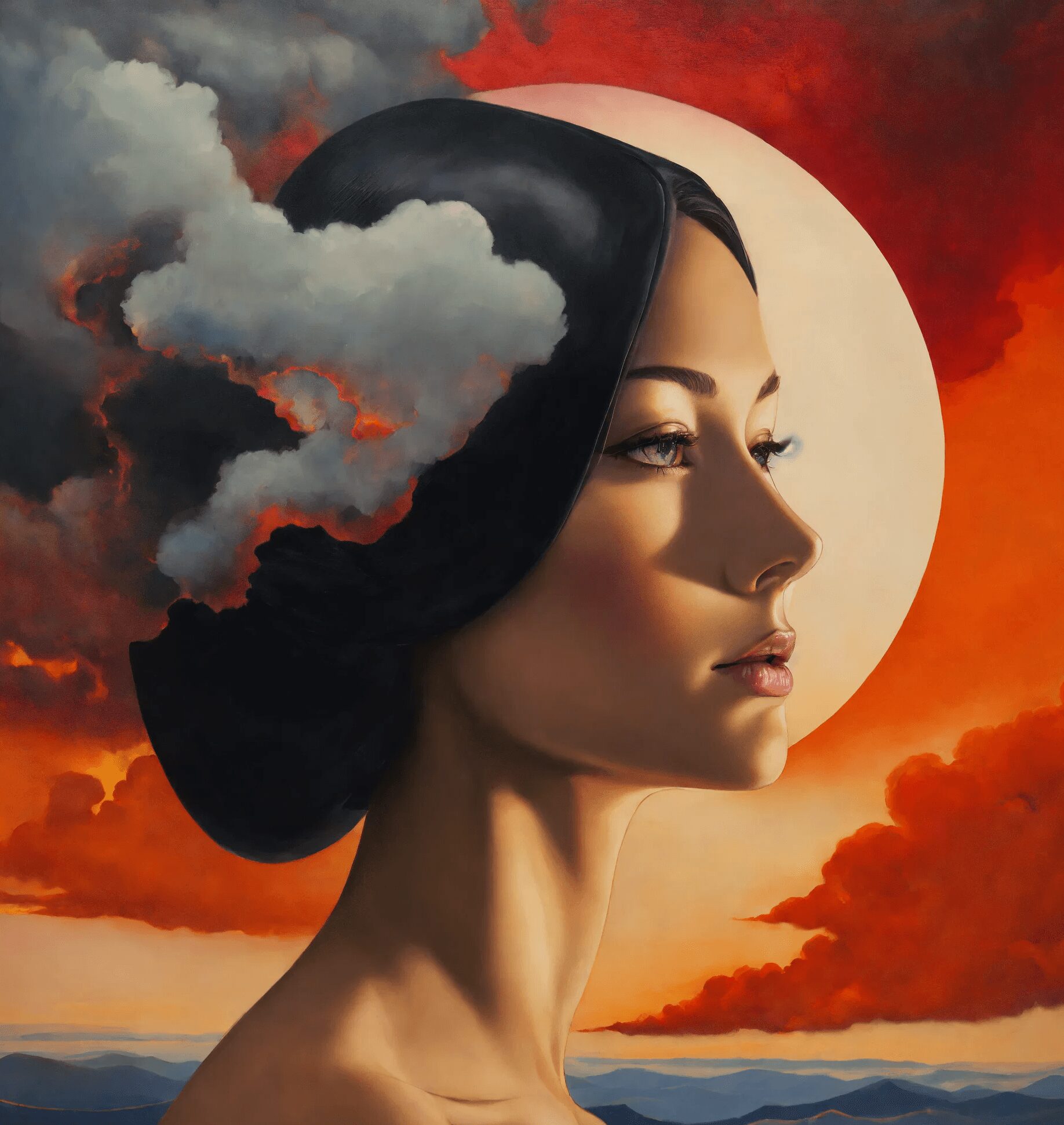
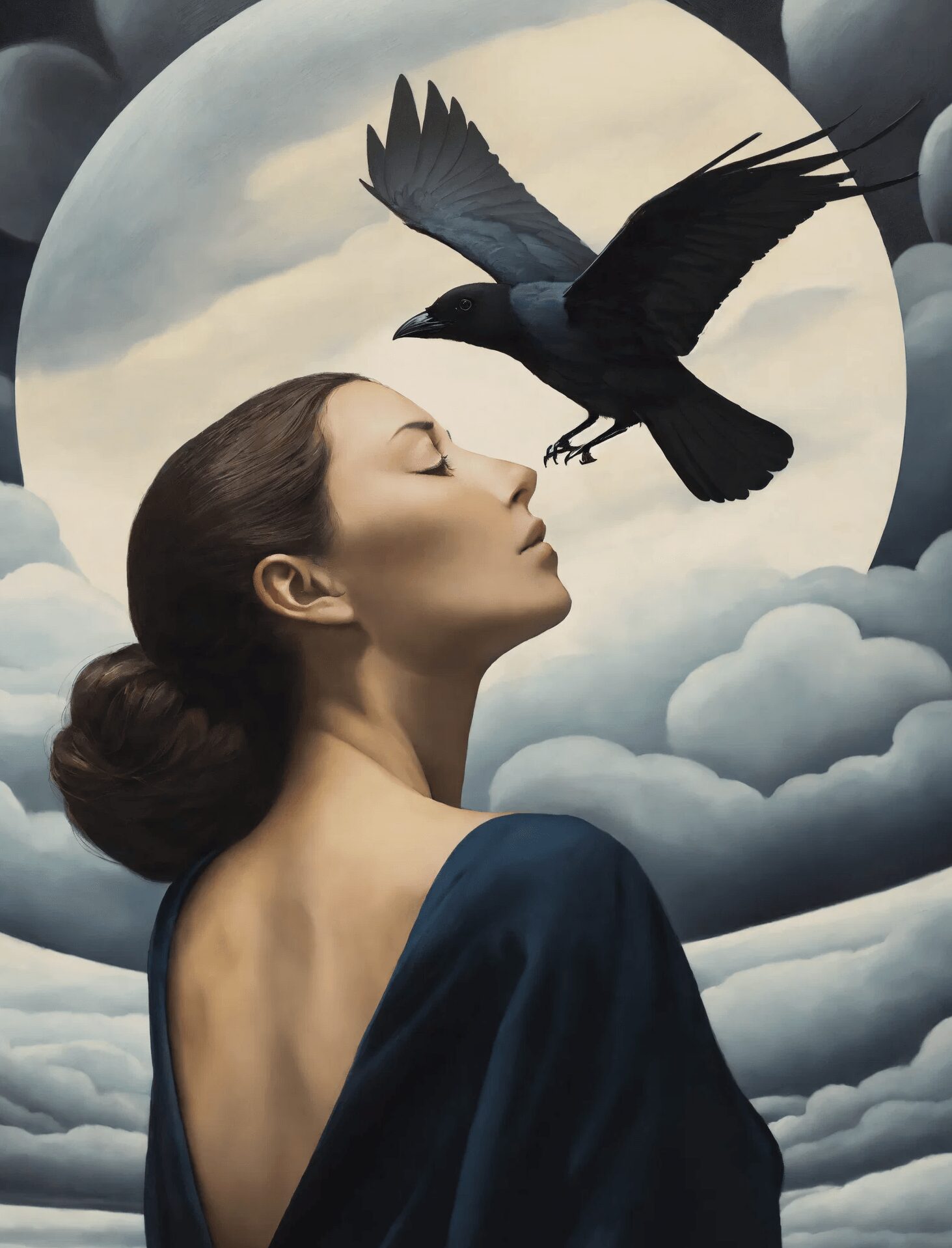
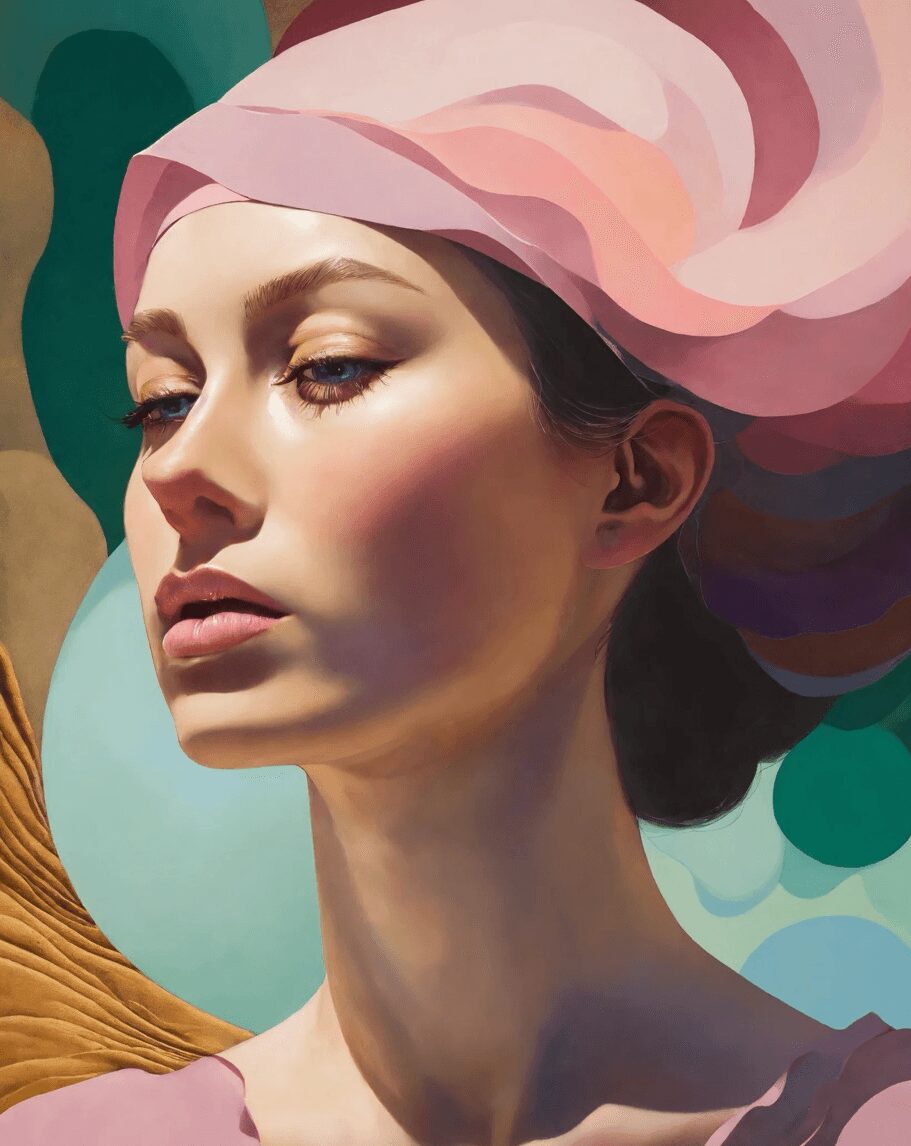
Image Credits
© 2025 Marlene Jorge — Contemporary Artist. Digital. All Rights Reserved for Digital Art