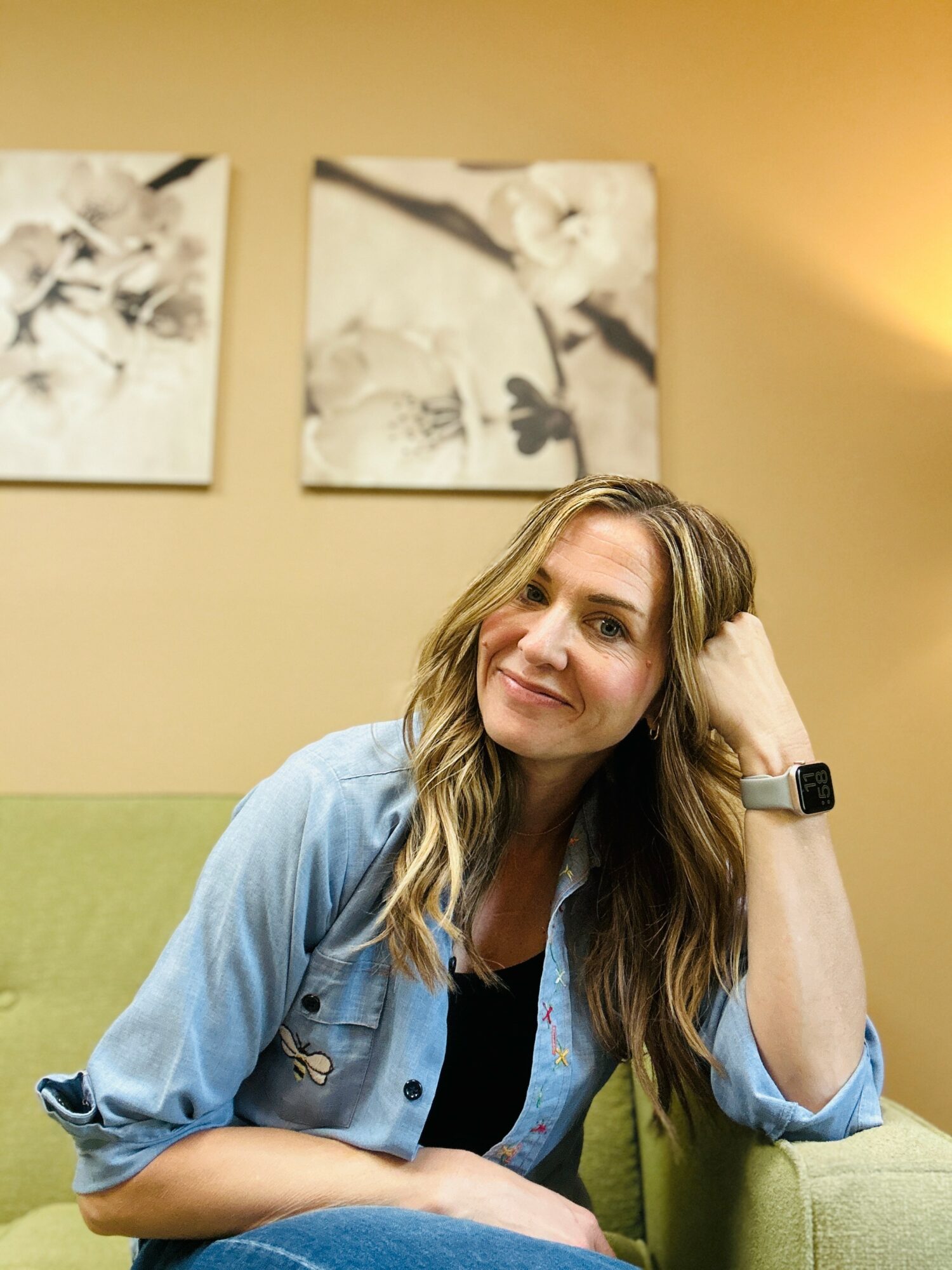



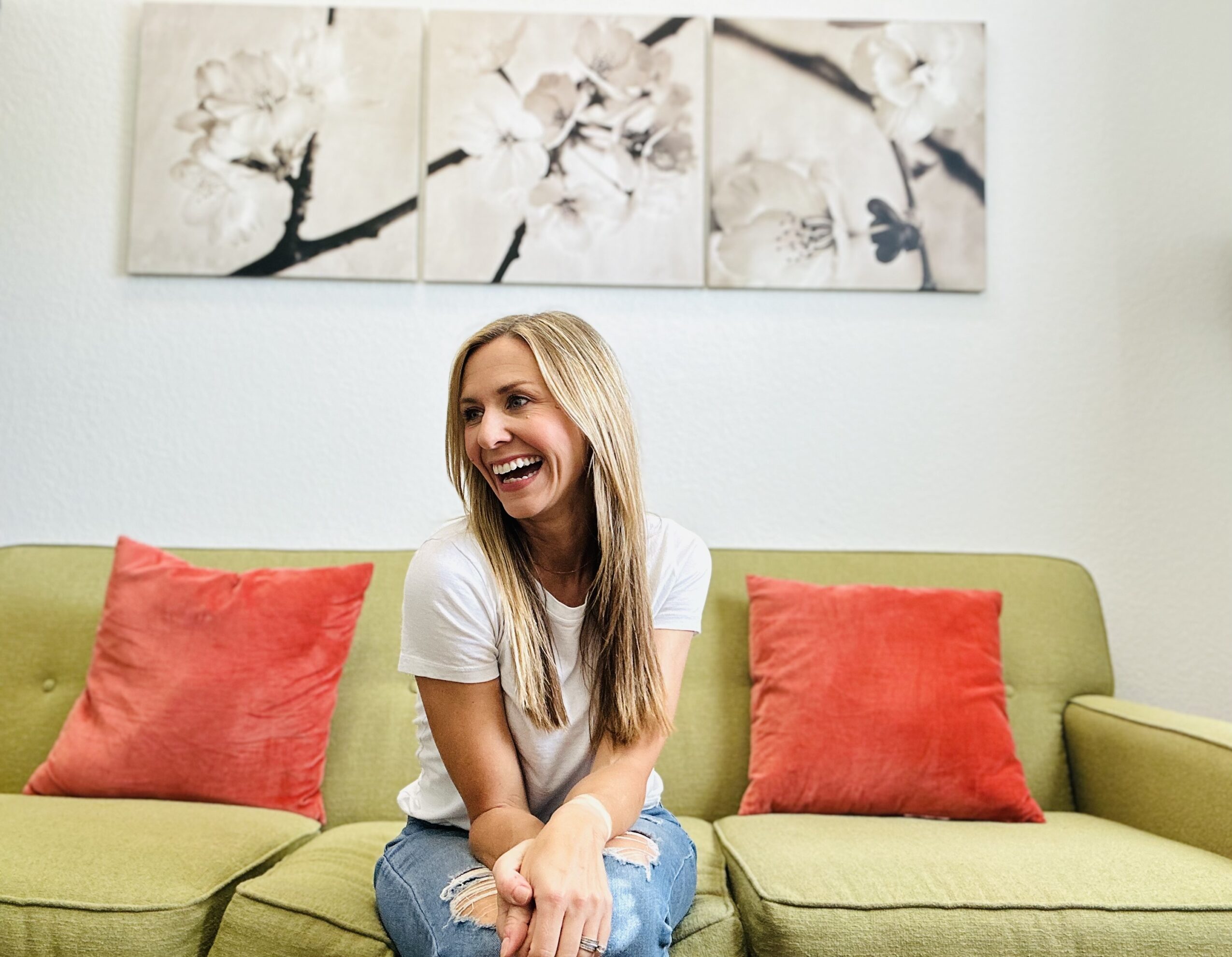
Today we’d like to introduce you to Candice Fraser.
Hi Candice, so excited to have you on the platform. So before we get into questions about your work-life, maybe you can bring our readers up to speed on your story and how you got to where you are today?
I like to say that therapy found me. Growing up as a strong-willed, emotionally expressive kid in the 80s, I suspect I might have been in therapy much earlier had it been more common then.
My path to being a therapist wasn’t a straight line. I entered college ambitious and set on a Biology major, only to discover that it wasn’t the right fit. What stayed with me, though, was Psychology, and that curiosity led me to graduate school where I learned that helping people meant stepping into spaces and stories very different from my own. Those experiences stretched me in ways that felt challenging, meaningful, and deeply rewarding.
That stretch began with working with teens and families in the juvenile justice system, a population I came to love and serve for several years. This work shaped my commitment to making therapy accessible and non-intimidating, influencing my choice to accept insurance, offer nontraditional availability, and create a welcoming space for first-time clients. Talking to humans as a job has opened my eyes to unique experiences, points of view, and pain. I couldn’t do this job without an openness to learning from each person that sits on my couch. While my practice has evolved over the past 15 years, that mission has remained constant.
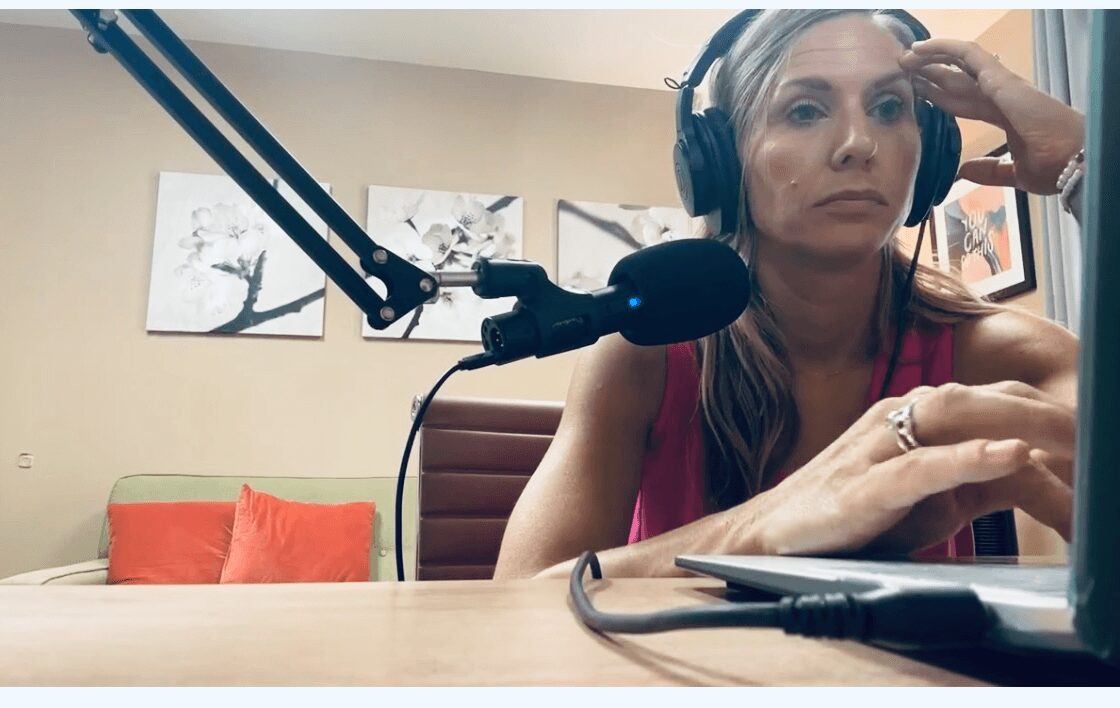
In May of 2023, I expanded this work by creating The Couch Next Door, a podcast I affectionately describe as “happy hour meets a therapy session,” designed to make mental health conversations feel relatable, validating, and deeply human.
Can you talk to us a bit about the challenges and lessons you’ve learned along the way. Looking back would you say it’s been easy or smooth in retrospect?
One of the biggest obstacles I’ve faced — and one that many therapists quietly encounter — is the business side of therapy. Something they don’t teach you in graduate school when you’re training to become a clinician is how to run a business. You learn theory, ethics, modalities, and how to hold space for people in their most vulnerable moments. What you don’t learn is marketing, budgeting, branding, or how to sustain a practice financially.
I was fortunate to grow up in an entrepreneurial family, so I had some exposure to what it takes to build and maintain a business. Even with that foundation, it has still felt like a stretch to think about what I do as a “business.” That’s not why I entered this field. I became a therapist to serve, to sit with people in their pain, to help them find hope and healing — not to be a successful business owner.
Yet owning a practice requires both heart and strategy. I’ve had to learn how to honor my values as a therapist while also supporting my family’s financial and emotional needs. Holding those two realities at the same time — purpose and practicality — has been challenging and, truthfully, is likely something I will continue navigating throughout my career.
What I’ve come to understand is that sustainability matters. If I want to continue showing up fully for my clients, for my listeners, and for my own family, I must build something that is stable and aligned. That ongoing balancing act has stretched me in unexpected ways, but it has also strengthened my clarity about why I do this work and how I want to do it.
Like much of what I help my clients with, it comes down to alignment — creating a life and career that reflect my values while remaining realistic about the responsibilities I carry. It’s not always simple, but it’s deeply meaningful.
Great, so let’s talk business. Can you tell our readers more about what you do and what you think sets you apart from others?
M work centers on helping people navigate the deeply human experiences of relationships, emotional struggles, and life transitions. The focus of my counseling practice is supporting clients through relationship challenges, managing emotions related to depression and anxiety, and finding clarity and confidence as life shifts from season to season.
I work with teenagers, couples, families, and individuals who are ready to transform the way they think, shift behavior patterns, and ultimately create lives that feel more grounded and satisfying. Whether it’s a teen learning to regulate overwhelming emotions, a couple rebuilding connection, or an individual rediscovering purpose during a life transition, my goal is to help clients move from feeling stuck to feeling empowered.
What sets my practice apart is the unique blend of expert therapeutic guidance and an engaging, authentic presence. When clients come to “sit on my couch,” they are met with curiosity, compassion, and a commitment to meaningful, transformational change. I believe therapy should feel both safe and energizing — a space where insight leads to action and growth feels attainable.
Beyond my counseling practice, I extend my passion for mental health advocacy through The Couch Next Door, a pioneering podcast where the camaraderie of a happy hour meets the insightful depth of therapy sessions. The show creates space for honest conversations, compelling stories, and practical wisdom within the mental health landscape. My mission is to inspire, equip, and normalize the ongoing work of emotional well-being — reminding listeners that growth is possible, and they don’t have to navigate life’s challenges alone.
What quality or characteristic do you feel is most important to your success?
The qualities that feel most important to my success as a therapist center around collaboration, curiosity, and connection. I believe that therapy is a collaborative process between the client and the therapist. You are the expert on you — your experiences, your pain, your strengths, your story. My role is to walk alongside you, cheering you on as you build a life that aligns with your values and brings a sense of peace you don’t want to let go of.
Establishing hope is always my starting point. I work to create a warm, welcoming atmosphere that encourages exploration and growth in the areas of life that feel unsettled or in need of change. I love walking alongside my clients as they identify their strengths and develop practical strategies to become the best versions of themselves. It is a true privilege to hear the stories of the individuals, teens, couples, and families who sit on my couch, and I never take that responsibility lightly.
I intentionally offer a judgment-free space where people can unpack the parts of their lives they long to change and rediscover their authentic selves. I strive to make therapy approachable and accessible — a place where you can examine your life with curiosity instead of criticism.
My experience working with teens and families in the juvenile justice system has profoundly shaped my approach. That chapter of my career taught me how to create a space where clients can show up exactly as they are, wherever they are in their mental health journey. It gave me the foundation to think outside the box and cultivate an environment where authenticity is not only welcomed but celebrated — because I believe that real, lasting change happens when people feel safe enough to be fully themselves.
In many ways, my podcast, The Couch Next Door, was inspired by the courageous conversations happening in my therapy practice. While confidentiality is always protected, the themes I witness daily — resilience, heartbreak, growth, healing, and hope — reminded me how many people outside the therapy room are craving the same understanding and encouragement. The podcast became an extension of my work: a space where the camaraderie of a happy hour meets the depth of therapy, bringing honest dialogue and practical insight to a broader audience. It reflects the same heart behind my counseling — normalizing mental health conversations and reminding people they are not alone.
Above all, I focus on developing strong rapport so clients feel safe, seen, and secure as they explore the parts of their lives they desire to transform. When trust is present, growth becomes possible — and that’s where meaningful change begins.
Contact Info:
- Website: https://candicefraserlpc.com
- Instagram: @candicefraserlpc
- Youtube: @candicefraserlpc